• Skip to main content
  • Skip to primary sidebar
  • About
    • About Art Class Curator
    • Contact
    • Speaking
    • Media & Press
    • Programs for Schools
  • Blog
  • Podcast
  • Shop
  • Join
  • Member Login

Art Class Curator

Hands-on and Minds-curious Art Learning

  • Art & Artists
  • Art Connection Activities
  • Art Teacher Tips
  • Elements & Principles
  • Downloads & Resources
Home
  • About
    • About Art Class Curator
    • Contact
    • Speaking
    • Media & Press
    • Programs for Schools
  • Blog
    • Art & Artists
    • Elements & Principles
    • Art Connection Activities
    • Art Teacher Tips
    • Downloads & Resources
  • Book
  • Podcast
  • Shop
  • Join
  • Member Login

All Posts from Art Curator for Kids

February 1, 2018 4 Comments

Art Worksheets to Interpret and Connect with Art

Free Art Worksheets Printable Bundle

Over the past three years, I have excitedly passed out my free printable worksheets for art to all new subscribers to my email list. I love these art worksheets, and they have benefited so many students and classroom across the world. I am happy to announce that these art worksheets have just gotten a big face lift–a new redesign plus an opportunity to get 5 brand new worksheets!

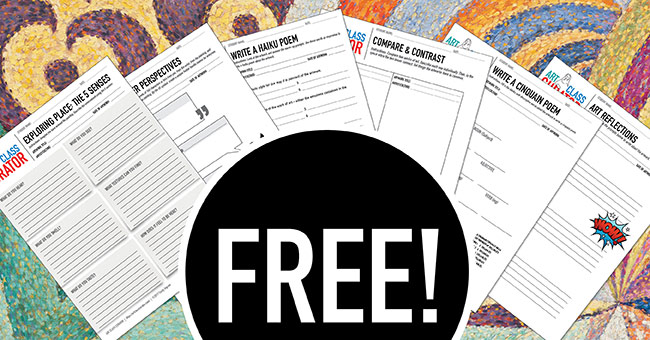
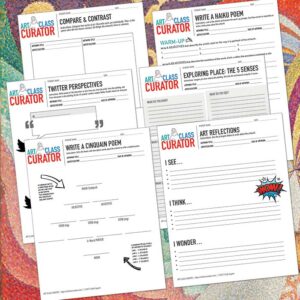
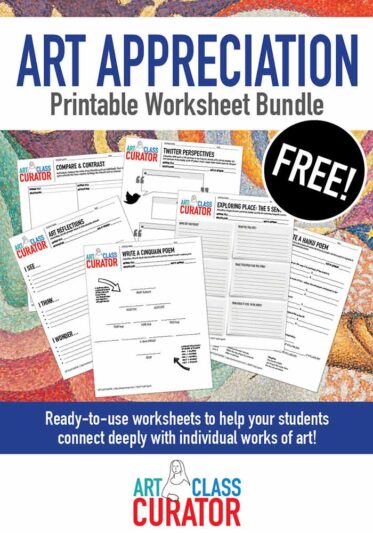
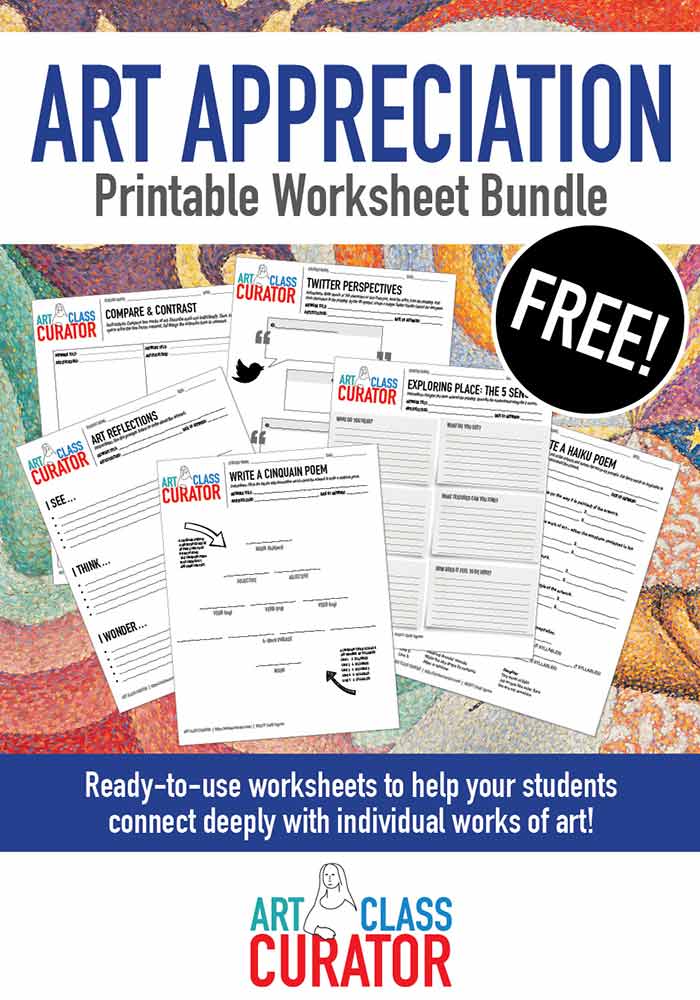
In this free bundle of art worksheets, you receive six ready-to-use art worksheets with looking activities designed to work with almost any work of art.

Free Art Worksheets Printable Bundle

Just for signing up for my weekly e-mail newsletter, you can receive the 6-pack of appreciation worksheets for art free. Fill out this form to sign up to receive these art work sheets.

Free Printable Art Worksheets

The art worksheets in this document are designed to work with lots of different types of artworks, so you can just pick an artwork, print an art appreciation worksheet, and start the activity. Each art worksheet has instructions at the top and plenty of space to do the activity. If you have any questions about any of the art worksheets or want suggestions on how to use them, do not hesitate to leave a comment on the blog or contact me.

Free Art Worksheets Bundle-FB

The free e-mail subscription gift includes the following art worksheets:

  1. Art Reflections: I see I think I wonder
  2. Write a Haiku Poem
  3. Twitter Perspectives
  4. Exploring Place: The 5 Senses
  5. Write a Cinquain Poem
  6. Compare and Contrast

Free Worksheets

8 Free Art Appreciation Worksheets

includes the Elements & Principles!

Download 8 Free Art Appreciation Worksheets – including 2 Elements and Principles pages! Activities designed to work with almost any work of art. Help your students connect with art while having fun!

Download

Free Worksheets

8 Free Art Appreciation Worksheets

includes the Elements & Principles!

Download 8 Free Art Appreciation Worksheets – including 2 Elements and Principles pages! Activities designed to work with almost any work of art. Help your students connect with art while having fun!

Want More Worksheets for Art?

If you like these art worksheets, please consider purchasing the 25-pack of art appreciation worksheets for $12. This includes the 6 from the free pack, plus 19 more ready-to-use worksheets for art. Click for more information about the Art Appreciation Printable Worksheet Bundle 25 pack.

Art Appreciation Worksheet Bundle

This art worksheets bundle from the Art Class Curator includes 25 ready-to-use art worksheets for use with individual works of art. The worksheets for art in this document are designed to work with lots of different types of artworks, so you can just pick an artwork, print a worksheet, and start the activity. Each has instructions at the top and plenty of space to do the activity.

Buy Now

 I can’t wait to hear how these worksheets for art work with your students. Comment below to let me know how it goes. 🙂

Filed Under: Downloads and Resources
Tagged With: best of art class curator


January 30, 2018 5 Comments

Easy and Fun Kandinsky Art Lesson for Kids

Kandinsky Art Lesson for Kids

Inside: Explore Sketch 160A by Wassily Kandinsky with your students and have them create an abstract art project in this Kandinsky art lesson!

Hello there! I am excited to announce that Amanda Koonlaba of Party in the Art Room is now a contributing writer here at Art Class Curator. Please enjoy her first post–a Kandinsky art lesson inspired by Kandinsky’s Sketch 160A! Thank you, Amanda, and I look forward to more art learning with you in the months to come! — Cindy

Kandinsky Art Lesson for Kids

Wassily Kandinsky wanted viewers of his work to react both emotionally and spiritually. He used carefully nuanced colors and quizzical lines to evoke this sort of response in the viewer’s soul. Eventually, Kandinsky would begin to work in pure abstraction, but here some elements of the natural world are evident.

This work of art lives at the Museum of Fine Arts Houston. I was fortunate to make the ten-hour drive to Houston in the summer of 2017, before the devastating hurricane hit, to visit this wonderful art museum. Of the hundreds of works I was able to view there, this one really stuck with me.

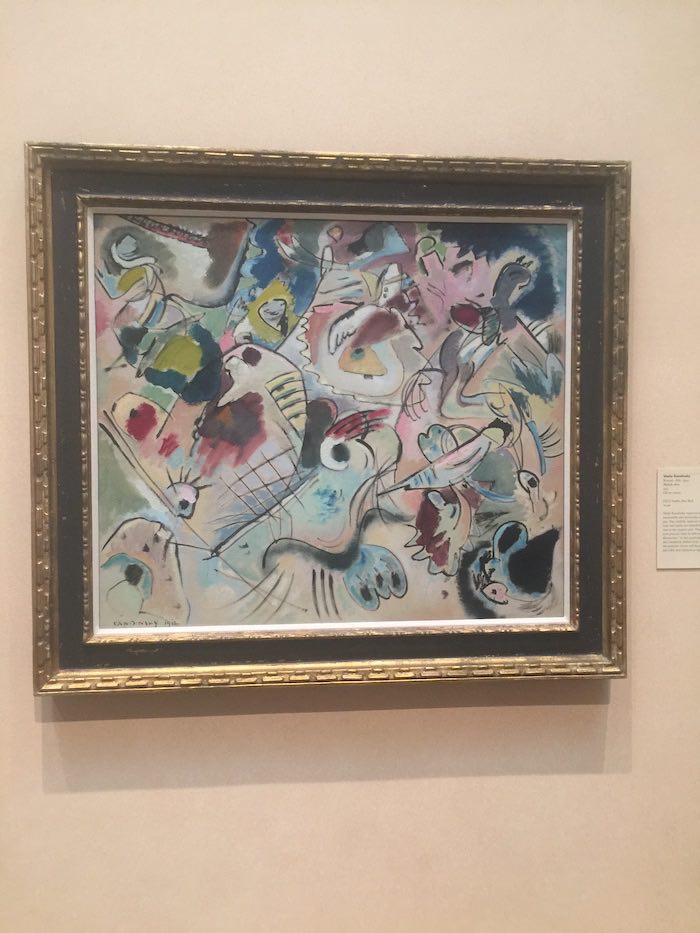
Here is the image I took of the way the work hangs on the wall in the museum. It is relatively small. The dimensions are just 46 1/4 × 52 × 3 3/8 in.

Kandinsky Art Lesson for Kids
Wassily Kandinsky, Sketch 160A, 1912 (Photographed by Amanda Koonlaba | Party in the Art Room

Please note, this post includes Amazon affiliate links. As an Amazon Associate I earn from qualifying purchases.

Let’s Take a Look

Kandinsky Art Lesson
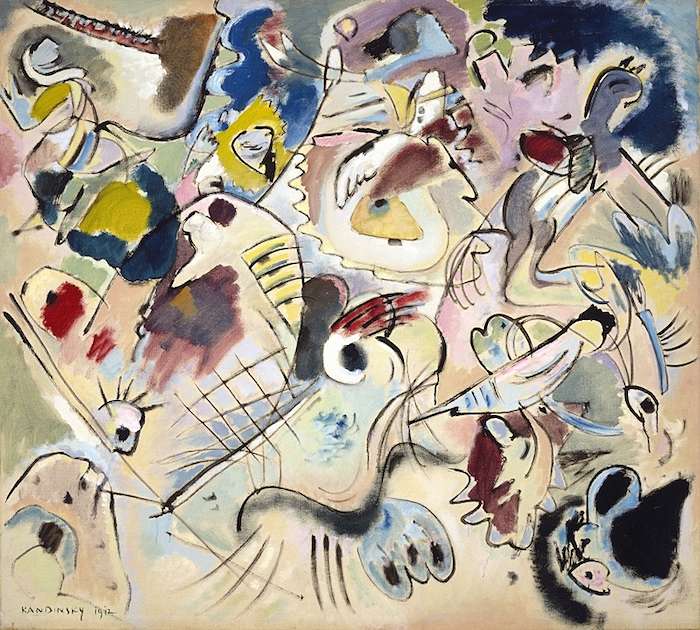
Wassily Kandinsky, Sketch 160A, 1912

Any good Kandinsky art lesson should begin with analysis. So, let’s dig in and take a deeper look at this work.

Kandinsky used nuanced colors. These colors are subtle, and if taken individually, perhaps a bit bland. Combined in the work, however, the colors perfectly capture the context of the image. The pastel colors help to illuminate the image while the darker colors provide a sense of depth. The pastel and darker colors work together to make the viewer feel a sense of dread. This work was created on the eve of WWI, a time when worldwide turbulence evoked fears of an apocalypse in the masses. While the lines of the work seem haphazard at first glance, Kandinsky has actually included imagery of the apocalypse here.

Here are some discussion questions to use with students:

  • Describe how this artist uses color.
  • Which colors illuminate the work?
  • Which specific colors are used to give the work depth?
  • Which colors create contrast?
  • How does Kandinsky use white and black in this work?
  • What images do you see?
    • Can you find the horse and rider?
    • Can you find the birds, mountains, and fish?
  • What is the mood/feeling of this artwork? What choices did the artist make to you feel this way?
  • What images of doom do you see?
  • Does any part of the work make you feel more doom than the other parts?
  • Which part of the artwork gives you hope?

Kandinsky Art Lesson

Now that the students have analyzed the work, it is time to create.

Materials:

  • Black oil pastels
  • White oil pastels or crayons
  • Tempera cakes
  • Paintbrushes
  • 12×18 off-white tagboard

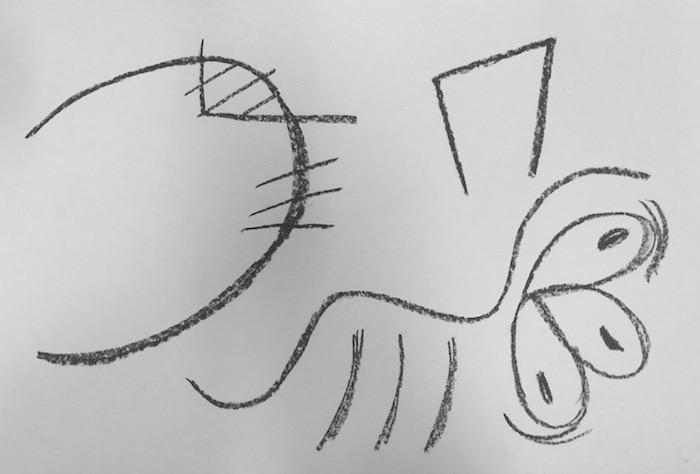
Step 1: Have students draw 15-20 haphazard lines on their papers with a black oil pastel. Be sure to tell the students that while their lines should appear haphazard, they should be very intentional about what they are drawing. They can include abstracted natural forms as well (like Kandinksy’s bird and fish).

Check out this abstract art lesson for an easy way to talk to students about abstraction!

Kandinsky art lesson

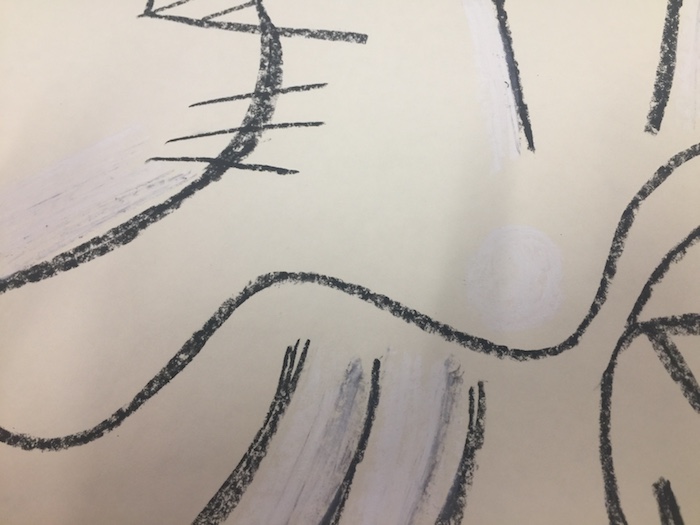
Step 2: Have students add white oil pastels to about 5 areas of the work. They can hatch and crosshatch. The photo below is up close to show the haphazard, yet intentional, way the white was added to the work.

Kandinsky art lesson

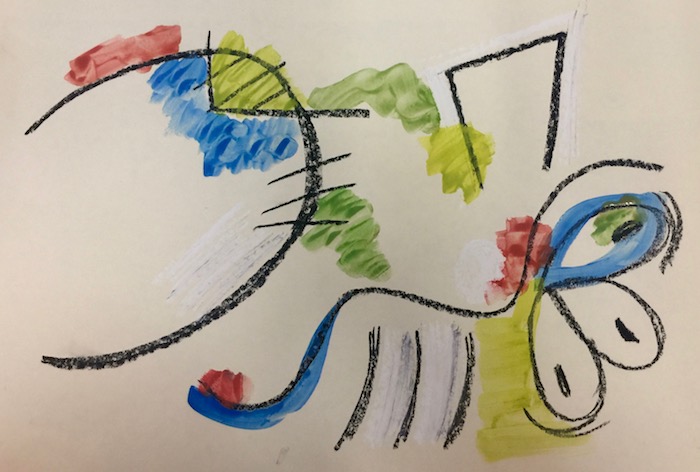
Step 3: Have students paint in random sections wherever desired. They can paint loosely with the brush. The paint can go over the oil pastels. They should leave some sections of the off-white tagboard showing. They can use as many colors in as many places on the page as they’d like, but tell them to make some of the colors dark and some brighter.

Kandinsky art lesson

Wrapping Up

When my students finish their own creations, I like to have them analyze each other’s works in a similar manner to how they analyzed the master’s work.

Here are some questions they can ask each other:

  • Which specific colors are used in the work?
  • Why do you think the artist chose those colors?
  • Which colors contrast?
  • How did the artist use white and black in this work?
  • Where can you find symbolism in the work?
  • Which parts of the work make you feel doom or dread?
  • Which parts of the work give you hope?

Let’s Connect

Do you have other ideas for a Kandinsky art lesson? I’d love to hear them. Be sure to comment here with your thoughts. I’ll be checking in.

Also, check out Party in the Art Room where you can find related Kandinsky art lessons to teach other subjects:

  • Haiku with Kandinksy
  • Place Value with Kandinsky
  • Decimals with Kandinsky

Until next time!

Amanda

Filed Under: Art and Artists
Tagged With: wassily kandinsky


December 28, 2017 Leave a Comment

Top Art Education Posts of 2017

Art Class Curator 2017 Year in Review Best Art Education Blog Posts

It is the end of 2017, and it is time to reflect on another year! Here are some of the stats from this year on the blog! These are my top art education blog posts for the year all in one place.

Art Class Curator 2017 Year in Review Best Art Education Blog Posts

Highlights from the Year

This was an amazing year for Art Class Curator! Here are some of our top moments.

Art Around the World in 21 Days - Experience Art with Your Kids- PIN

  • I rebranded from The Art Curator for Kids to Art Class Curator to better reflect my focus on helping art teachers in the classroom!
  • I created the Art Around the World in 21 Days Email series in July.
  • We did the Art Talk Challenge in April to help you get more comfortable leading art discussions in your classroom.
  • I held my first live in-person teacher workshop in Dallas. That was such a great day!
  • We hit 500 members in The Curated Connections Library!

Most Visited Art Education Blog Posts Published in 2017:

Elements and Principles of Art - Artworks that Show Proportion and Scaleempathy art

  • Decoding Style: How to Teach Students to Read an Artwork
  • Proportion in Art: The Ultimate List of Proportion and Scale in Art Examples
  • I am… Dorothea Lange: Exploring Empathy Art Lesson

The Art Curator for Kids - Nudity in Art Education - PINHow to Teach Abstract Art Lesson - PINThe Art Curator for Kids - Aboriginal Art for Kids

  • The Nudity Question: How to Deal with Nudity in Art Class
  • How to Teach Abstract Art
  • Dreams and Dots: Australian Aboriginal Art for Kids

Most Visited Art Education Blog Posts in 2017:

The Art Curator for Kids - 13 Ways to Integrate Art and Math - Math + Art Projects - 30082 Questions to Ask About Art-300The Art Curator for Kids - Art Around the World in 30 Days - Experience Art with Your Kids400

  • 13 Art and Math Projects for Kids
  • 82 Questions to Ask about Art
  • Art Around the World in 30 Days

The Art Curator for Kids - A Year of Art Appreciation for Kids - 52 Artworks your Child Should Know - Art History for Kids-300The Art Curator for Kids - Color in Art Examples - Artworks that Show Colors - The Elements and Principles of Art-300

  • Making Art with Kids: Block Printing Lesson
  • A Year of Art Appreciation for Kids: 52 Artworks your Child Should Know
  • The Ultimate Collection of Color in Art: Examples and Definitions

My Favorite Blog Posts from 2017:

My favorites are not always the ones with the most views or shares. Here are some honorable mentions, not included in the above list!

Drawing Description Art Learning Activity - Cindy Ingram

  • Super Fun Art Description and Drawing Activity for Developing Language Skills
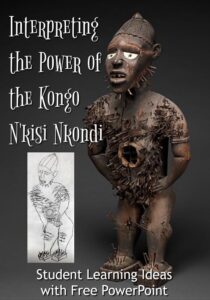
  • Interpreting the Power of the Kongo Nkisi N’Kondi
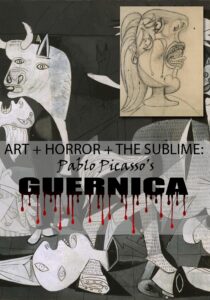
  • Art, Horror, and The Sublime: Pablo Picasso’s Guernica

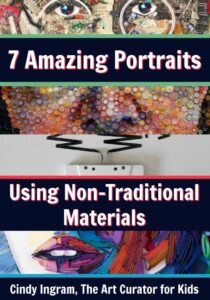
8 Powerful Modern Mexican Artworks - PINIslamic Art for Kids7 Amazing Portraits Using Non-Traditional Materials - PIN

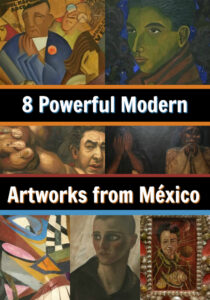
  • 8 Powerful Modern Mexican Artworks
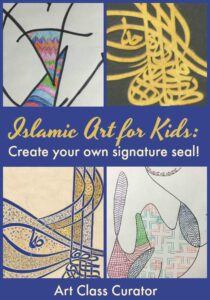
  • Islamic Art for Kids: Calligraphy Art Project inspired by the Islamic Tughra
  • 7 Amazing Portraits Using Non-Traditional Art Materials

Most Viral Blog Posts on Facebook in 2017:

The Art Curator for Kids - Why I Hate the Elements and Principles But Teach Them Anyway - 300The Art Curator for Kids - 20 Must-Follow Art Education Blogs - 300The Art Curator for Kids - 12 Ways to Integrate Art and Science

  • 82 Questions to Ask about Art
  • Why I Hate The Elements and Principles of Art (But teach them anyway)
  • 13 Art and Math Projects for Kids
  • A Year of Art Appreciation for Kids: 52 Artworks your Child Should Know
  • 20 Must-Follow Art Education Blogs
  • 12 Ways to Integrate Science and Art

Most Pinned Blog Posts in 2017:

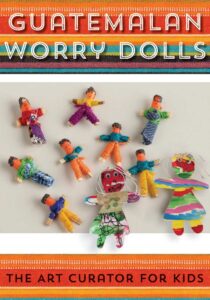
The Art Curator for Kids-Guatemalan Worry Dollsthe Art Curator for Kids - 12 Super Fun Collaborative Art Projects for Kids-300The Art Curator for Kids - My Top 5 No-Fail Art Lessons - 300

  • Making Art with Kids: Block Printing Lesson
  • 13 Art and Math Projects for Kids
  • Guatemalan Worry Dolls Lesson and Art Project
  • 20 Must-Follow Art Education Blogs
  • 12 Super Fun Collaborative Group Art Projects for Kids
  • My Top 5 Art Lessons that Never Fail

Most Traffic from Twitter in 2017:

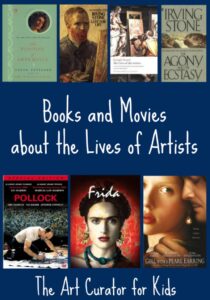
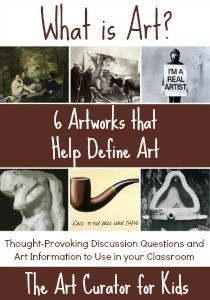
The Art Curator for Kids - What do kids learn from looking at art - The Benefits of Looking at Art-300The Art Curator for Kids - Artist Biographies for Adults, Books and Movies - Michelangelo, van Gogh, Vasari, Artemisia Gentileschi, Frida Kahlo, Jackson PollockThe Art Curator for Kids - Art About Art - What is art - 6 Artworks that Help Define Art - Aesthetics Discussion Questions

  • What do kids learn from looking at art?
  • Best Artist Books and Movies for Kids and Adults
  • 20 Must-Follow Art Education Blogs
  • What is art? 6 Artworks that Help Define Art
  • 82 Questions to Ask about Art
  • A Year of Art Appreciation for Kids: 52 Artworks your Child Should Know

Want to check out past years? I didn’t post a 2016 year in review, but I’ve got 2014 and 2015 here for you.

The Art Curator for Kids - Top Posts of 2015the Art Curator for Kids - Top Posts of 2014


Filed Under: Art Teacher Tips


December 12, 2017 3 Comments

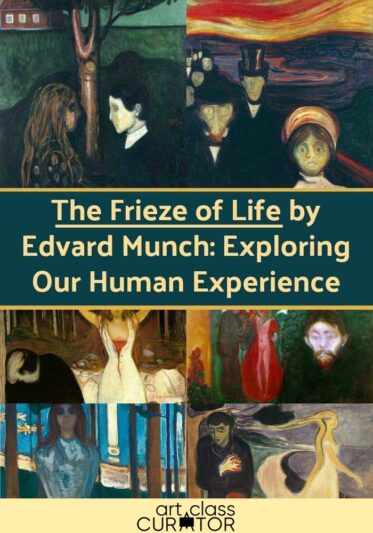
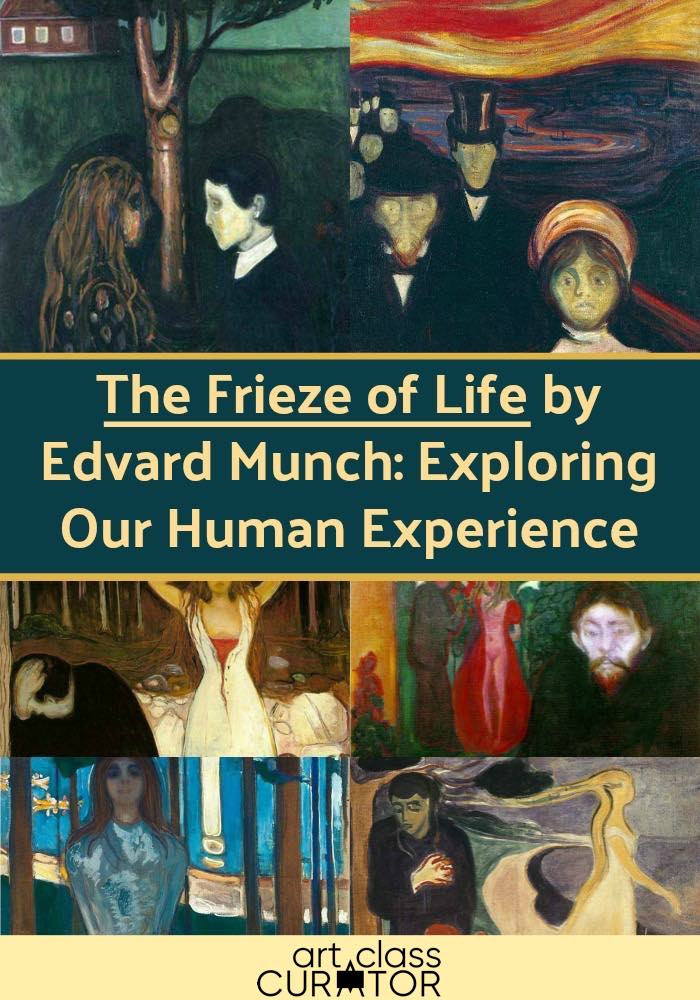
The Frieze of Life by Edvard Munch: Exploring Our Human Experience

Inside: Explore these powerful artworks in the series by Edvard Munch Frieze of Life and then download the lesson to use in your classroom!

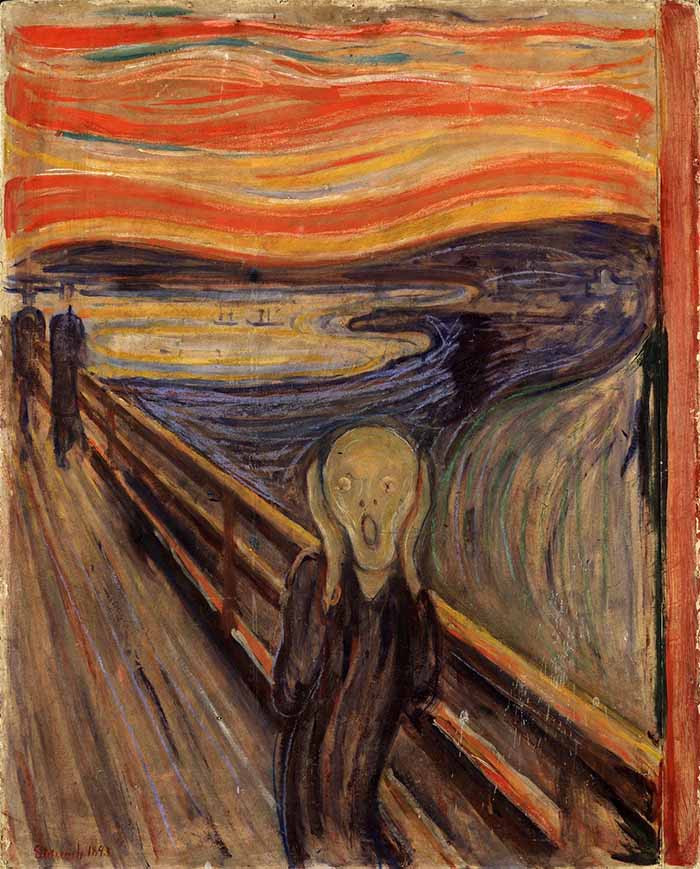
Edvard Munch’s The Scream is one of the most captivating and powerful artworks ever produced. But did you know that it is part of a larger series of artworks? Beginning in the 1890s, Munch created a stunning series of paintings called The Frieze of Life. The paintings produced during this time of his life are some of his most dramatic and most well-known.

The Frieze of Life Edvard Munch

Get the Full Lesson!

This Lesson is in The Curated Connections Library!

Find the full lesson from this post along with hundreds of other art teaching resources and trainings in the Curated Connections Library. Click here for more information about how to join or enter your email below for a free SPARKworks lesson from the membership!

Join the List

Get the Full Lesson!

This Lesson is in The Curated Connections Library!

Find the full lesson from this post along with hundreds of other art teaching resources and trainings in the Curated Connections Library. Click here for more information about how to join or enter your email below for a free SPARKworks lesson from the membership!

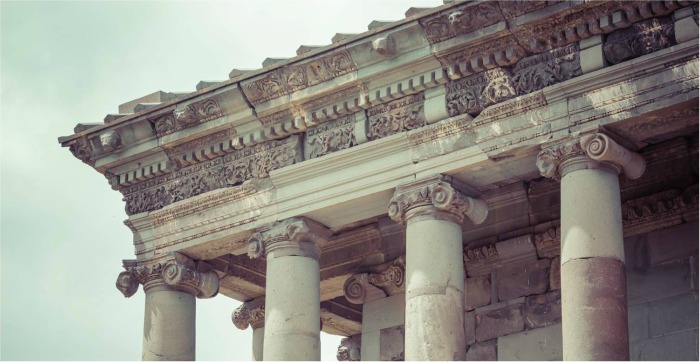
What is a Frieze?

As an art teacher, you may already recognize the word frieze. Either you vaguely remember it from college or you just weirdly have the parts of a Greek temple memorized like I do (why, oh why, do I just know what a metope is?).

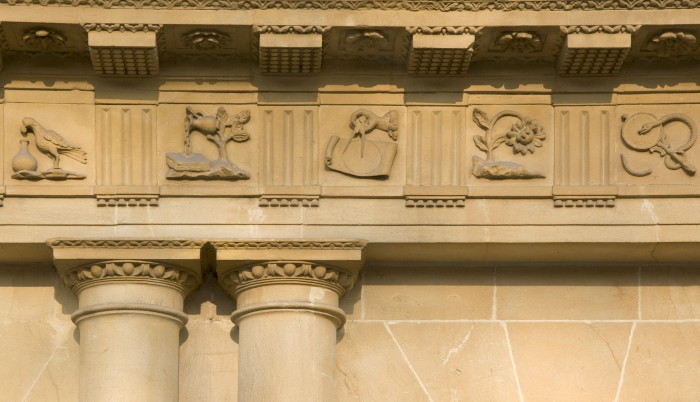
A frieze “a broad horizontal band of sculpted or painted decoration, especially on a wall near the ceiling.” (source: Google dictionary)

Greek Temple Example of Frieze

Ancient Greek temples had a frieze layer on the entablature (the top part of the temple that sits on the columns). Often on the frieze, the Greeks and Romans would alternate between metopes and triglyphs. The triglyph is the block with the three parallel lines in this picture, and the metope is the relief sculpture between.

Frieze with Triglyph and Metope Photo Credit MichaelMaggs

I love how Munch referenced the history of art with The Frieze of Life.

The Life of Edvard Munch

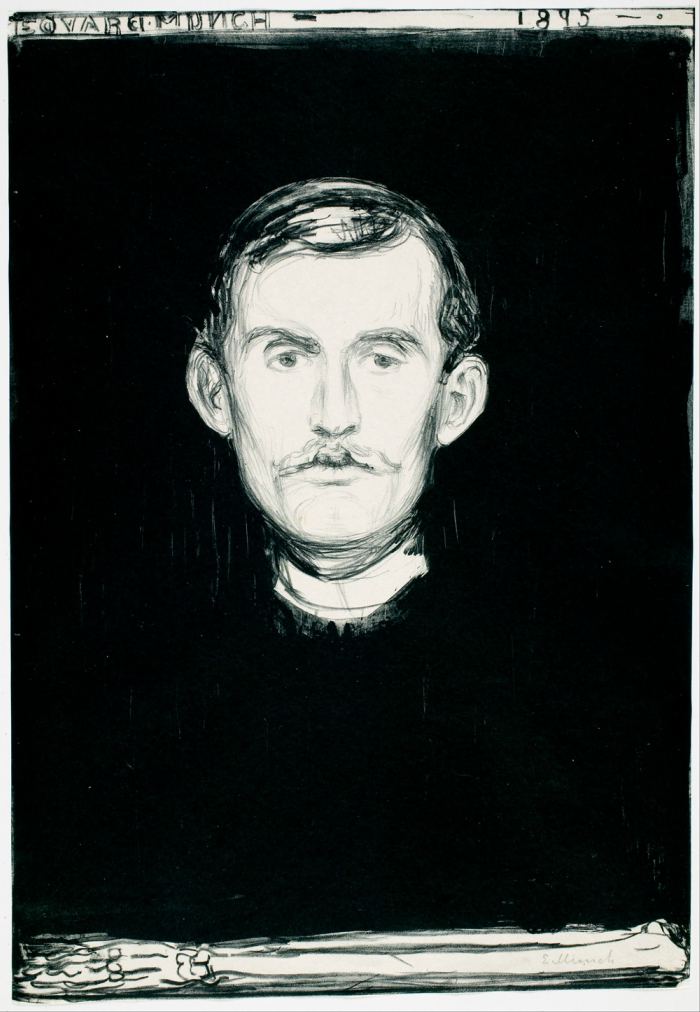
Edvard Munch Self-Portrait with Skeleton Arm
Edvard Munch, Self-Portrait with Skeleton Arm, 1895

Munch’s life included much tragedy and illness. His mother and sister both passed of tuberculosis while he was a child, and both he and a different sister spent time in mental health facilities. He once proclaimed “I inherited two of mankind’s most frightful enemies—the heritage of consumption and insanity.” (Source)

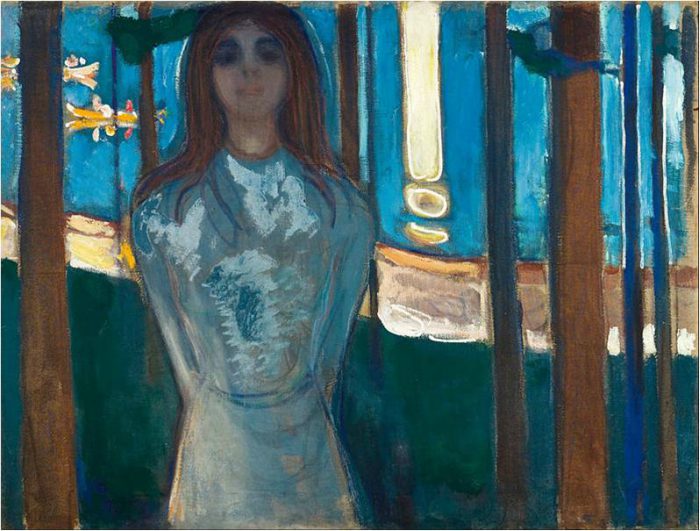
Edvard Munch Frieze of Life, The Voice Summer Night, 1896
Edvard Munch, The Voice, Summer Night, 1896

His father’s strict piety caused turmoil in his life. He once said of his father, “My father was temperamentally nervous and obsessively religious—to the point of psychoneurosis. From him I inherited the seeds of madness. The angels of fear, sorrow, and death stood by my side since the day I was born.” (Source) His father did however provide him a great knowledge and education in history and literature.

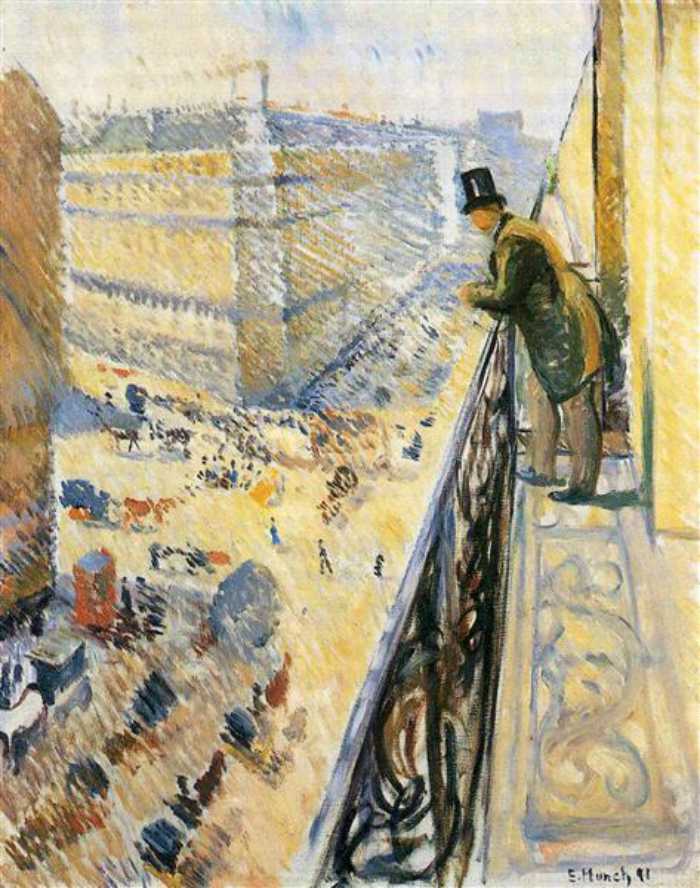
Edvard Munch Frieze of Life, Street Lafayette, 1891
Edvard Munch, Street Lafayette, 1891

Munch started out as an Impressionist style painter but soon found his voice and developed his own style.

Edvard Munch Frieze of Life

Munch did do his own version of Impressionism, but instead of capturing the essence of light and atmosphere, he captured “impressions of the life of the soul.” (Source)

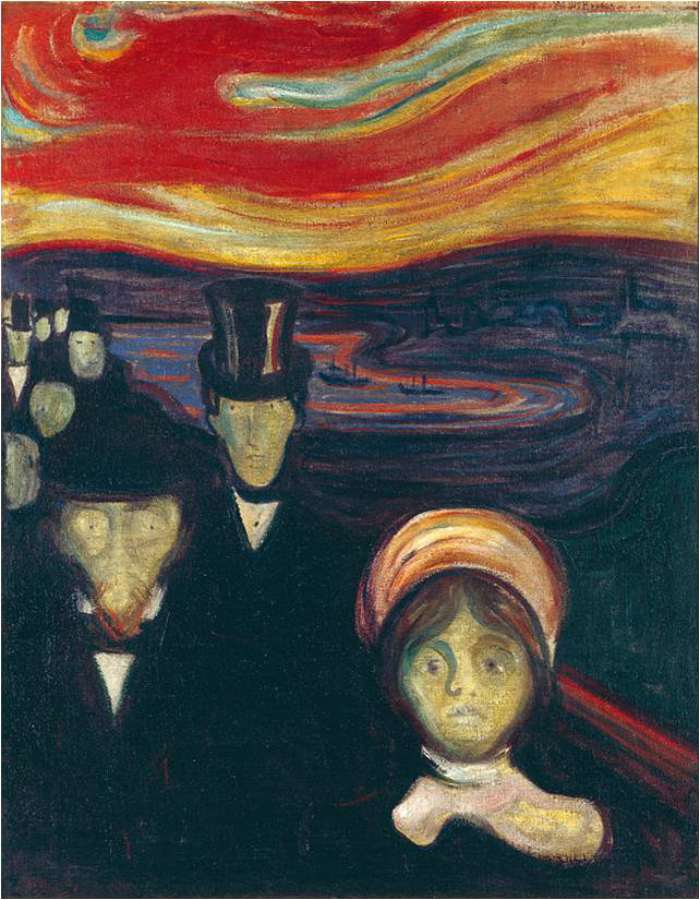
The paintings in this series focused on capturing foundational human emotions and experiences: jealousy, love, anxiety, despair, isolation, separation, etc. From positive emotions to negative, he expresses emotions that people connect and resonate with.

Edvard Munch Frieze of Life, Anxiety, 1894
Edvard Munch, Anxiety, 1894

Look at Anxiety. I know I have been that woman many times in my life. It is chilling.

Check out more of Edvard Munch Frieze of Life in the below slideshow.

[slideshow_deploy id=’15889′]

→ While you are studying The Frieze of Life, check out my earlier post on The Scream by Edvard Munch art lesson. That post also has a free printable to analyze the elements and principles of art in The Scream!

Edvard Munch, The Scream, 1893

Munch Frieze of Life Art Project

After analyzing Munch’s art through the elements and principles of art and studying The Frieze of Life paintings, have students create their own Frieze of Life style paintings.

Either have students draw an emotion (from the printable in the lesson) or come up with their own emotion they want to portray, and invite them to use the elements and principles to create a portrayal of that emotion. Encourage them to not illustrate the emotion but rather express the impression of that emotion as Munch did!

If you liked this post on Edvard Munch Frieze of Life, check out these others!

  • The Scream by Edvard Munch Art Lesson and visual analysis worksheet
  • The Ultimate List of Color in Art: Examples and Definitions
  • The Art of Käthe Kollwitz
  • How to Teach Abstract Art Lesson
  • Art, Horror, and The Sublime: Pablo Picasso’s Guernica
  • 8 Powerful Modern Mexican Artworks

Filed Under: Art and Artists
Tagged With: edvard munch


December 6, 2017 3 Comments

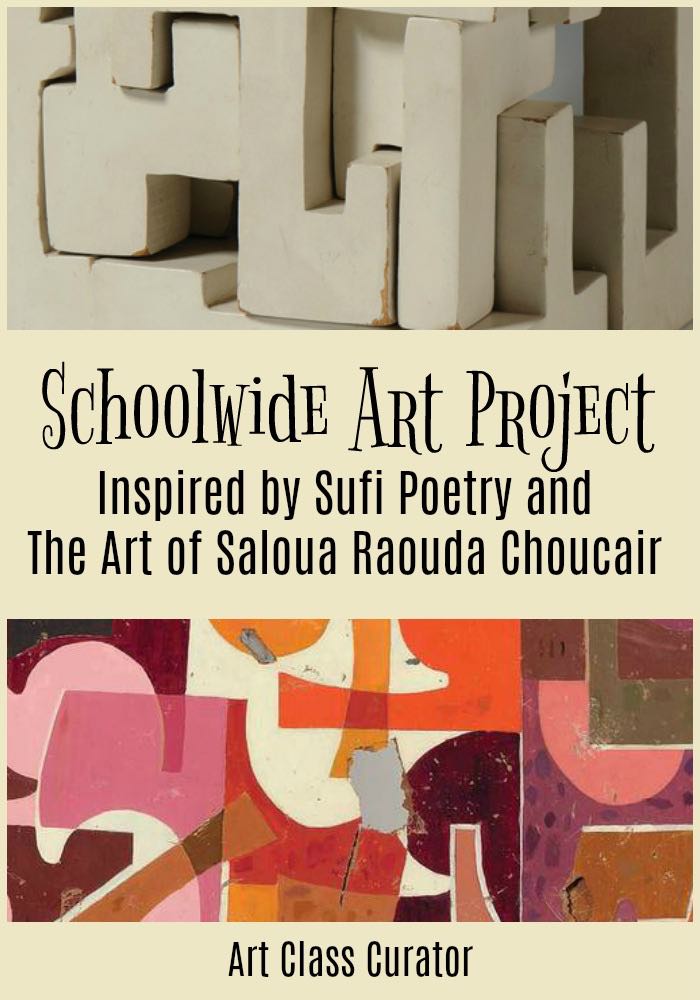
Art and Poetry Connections with Saloua Raouda Choucair

Inside: Check out this schoolwide group art project with both poetry and art connections inspired by the art of Lebanese artist, Saloua Raouda Chocair.

At first glance, today’s artwork is not the type of art I usually write about. If you have been following me for a while, you may have subtlety noticed that I generally write about art that moves me emotionally or that I find delightful. It is easy to write about what I like; I like bold, colorful, emotional, and meaningful art.

Now I know, for the sake of my readers, that I probably should go out of my comfort zone a bit, because I encourage you all to do that when picking art for your classroom and when coming up with learning activities for your students!

I came across today’s artist by looking for a good art selection from the Middle East for the Art Around the World in 21 Days email series. At first glance, the art of Saloua Raouda Choucair from Lebanon looks like something I wouldn’t necessarily gravitate towards, but after some more reading about this artist and the inspiration behind her sculpture, I’m definitely intrigued.

Get the Full Lesson!

This Lesson is in The Curated Connections Library!

Find the full lesson from this post along with hundreds of other art teaching resources and trainings in the Curated Connections Library. Click here for more information about how to join or enter your email below for a free SPARKworks lesson from the membership!

Join the List

Get the Full Lesson!

This Lesson is in The Curated Connections Library!

Find the full lesson from this post along with hundreds of other art teaching resources and trainings in the Curated Connections Library. Click here for more information about how to join or enter your email below for a free SPARKworks lesson from the membership!

Saloua Raouda Choucair

Saloua Raouda Choucair, a contemporary Lebanese artist, led a long life and worked tirelessly on her art, but received very little international recognition for it until she was 97 years old when a Tate Gallery curator discovered her art on a trip to Beirut. Choucair’s daughter had been tirelessly working to get her mother the recognition she deserved. In 2013, the Tate Gallery showed 120 of her works in a retrospective exhibition.

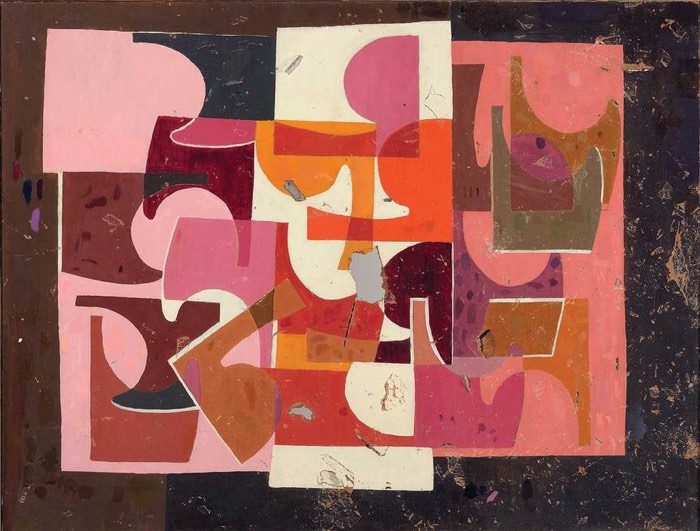
The opening artwork to the exhibit was this piece, TWO=ONE. Take a close look at it to see what is going on. I almost missed it at first.

Saloua Raouda Choucair, TWO=ONE, 1947–51

This painting is very similar in style to her abstract sculptures discussed below. The composition and color palette are very intriguing, but there is another key component to this painting that wasn’t a part of the original intent of the artist.

If you take a closer look, you’ll see the painting is ripped and chipped. There are glass shards all over the painting, and there is a hole in the center. These things don’t fit with the precision in all of Choucair’s other paintings and sculptures. What do you think happened to the painting? Was this intentional by the artist?

The painting was damaged by a bomb in Beirut during the Lebanese Civil War (1975-1990). It’s an interesting clash of abstract modern art with the context it was created in. Instead of cleaning up the painting, the curator of the Choucair retrospective exhibit chose to display the damaged painting as the opener of the exhibit.

Choucair was 97 at the time of the exhibit and suffered from Alzheimer’s. She was unable to travel to London to see her exhibition. What do you think she would have thought of her damaged painting being hung in the show? We can’t know, but it’s interesting to think about. Paintings live on after they are created, and new meanings can be added through time and circumstance.

Saloua Raouda Choucair’s Poem Sculptures

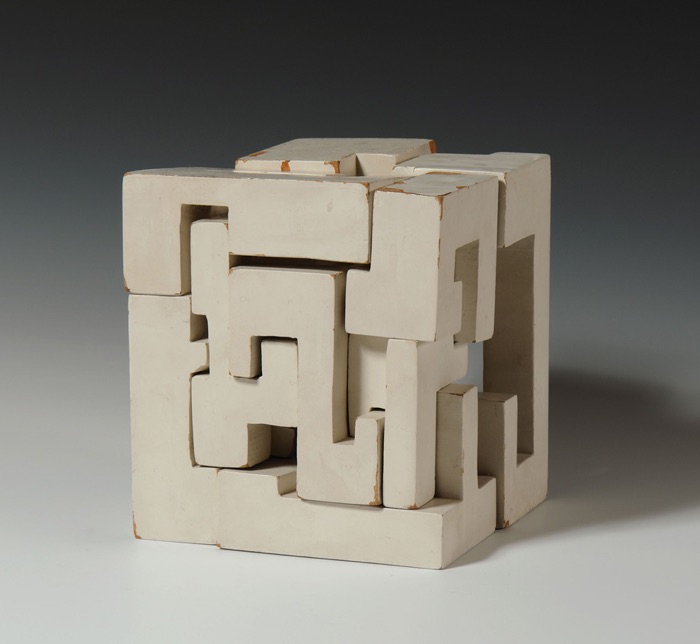
One of her primary art forms are “poem sculptures.”

Saloua Raouda Choucair, Poem Cube, 1963-65
Saloua Raouda Choucair, Poem Cube, 1963-65, Tate Museum

She creates these module pieces and fits them together into larger forms. One of her inspirations for these sculptures was the Arabic language and Sufi poetry. In this type of poetry, stanzas can stand alone as their own poems or they can be fit together in different ways to form other poems.

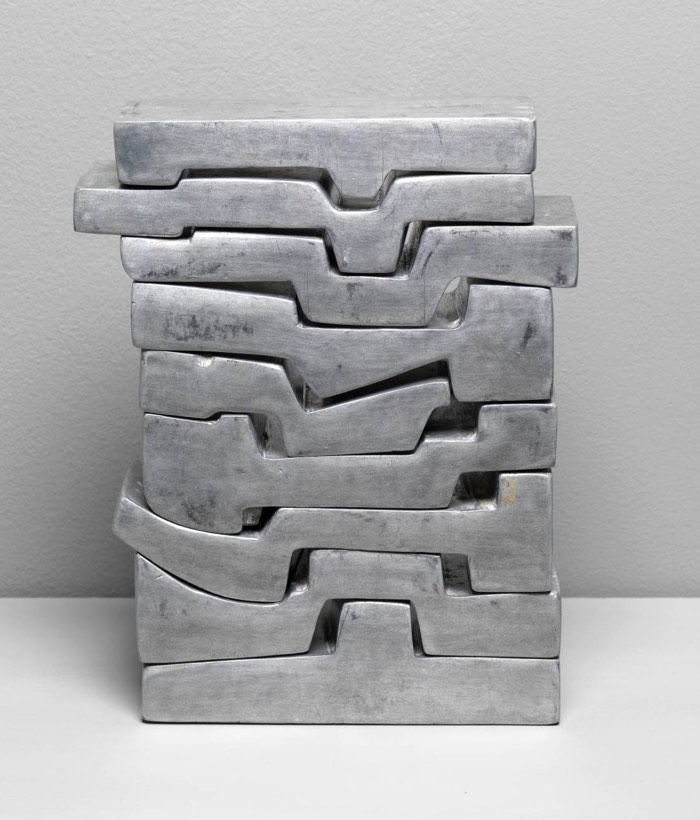
Saloua Raouda Choucair, Poem of Nine Verses, 1966-68
Saloua Raouda Choucair, Poem of Nine Verses, 1966-68, Tate Museum

That is what is happening here in these poem sculptures. They can be taken apart and put together in an infinite amount of ways to create completely different works of art. Choucair said of the poems, “they are built, in a way, to go to infinity; they don’t end; you can add forever, one piece after another.”

Classroom Connections

I love the idea of creating one large, school-wide (or class-wide) sculpture with pieces made by individual students. After introducing the artist, each student could make their own piece of the puzzle (maybe a flat tetris-style composition) with found materials, cardboard, tiles, blocks, or paper.

You could take this even further and study Sufi poetry and have each student create their own line or stanza to fit together with others. The class could decide on a theme for the stanza that relates to the school, and the poem could be exhibited along with the sculptures.

These two activities focus on building and reinforcing a school community.

I am happy to see that the work of Saloua Raouda Choucair found the limelight even if it was too late for her to witness it. It makes you wonder what other artworks we will never get to see. Who else has fallen through the cracks of art history?

Filed Under: Art and Artists
Tagged With: saloua raouda choucair


November 29, 2017 3 Comments

Perfect Gift Ideas for Art Teachers – Don’t forget the art teacher this year!

Inside: Don’t forget the art teacher gift this year! Taken from the mouths of actual art teachers, check out this list of the best gift ideas for art teachers.

The week before Christmas break. All of the classroom teachers are carrying around big coffee mugs filled with chocolate goodies, planning how to spend their Starbucks gift cards, and tearing up over sweet notes from their students. And you? Sweet Stephanie from 2C gave you a candy cane, and you got some craft sticks and googly eyes from your Secret Santa.

Best Gift Ideas for Art Teachers
Mid section of teacher standing with paintbrushes in drawing class

I’m not saying we NEED presents each Christmas or Teacher Appreciation week, but each year art teachers around the country feel the slight sting of under appreciation this time of year.

I recently asked in the Art Teachers group on Facebook — “As an art teacher, what would you LOVE to get as a gift?” I used their feedback to create this list of gift ideas for art teachers.

Several teachers noted this traditional holiday shafting of the elective teachers. Here are some of the teacher comments on that thread:

  • “Anything? Heh, electives teachers get shafted.”
  • “Actually just a gift! lol.”
  • “I think..anything, since we are usually left out!”
  • “Anything…I’m usually forgotten amongst the other teachers.”
  • “I get nothing, so anything, even the smallest gesture of a card would be nice.”
  • “Anything nice someone wants to give me.”

You could totally make an art teacher’s day this year with a sweet and thoughtful art teacher gift. All of the below gifts ideas for art teachers came straight from the source themselves!

Please note, this post includes Amazon affiliate links. As an Amazon Associate I earn from qualifying purchases.

Gift Cards! Simple and Easy Art Teacher Appreciation Gifts

Far and away, the best gift ideas for art teachers are gift cards. Over half of the responses included gift cards as the art teacher gift of choice.

Find it too impersonal? It’s not! Just think of all of the art teacher’s own money goes into their classroom each year purely because of love and excitement over teaching your child. That gift card can go a long way for an underpaid and overworked teacher! And, you bet they will savor every second of spending it.

Where should the gift card be to? The consensus is basically ANYWHERE. The following places were mentioned in the thread–Amazon, Michaels, JoAnns, Target, Home Depot, Blick, Walmart, Etsy, as well as coffee, restaurants, movies, books, gas, greenhouse, massage, spa/pedicure, and art supply stores.

Gift Ideas for Art Teachers - Amazon Gift Card

Me? I always particularly love Starbucks or Amazon.

Colorful Pens and Sharpies: The Perfect Art Teacher Gift!

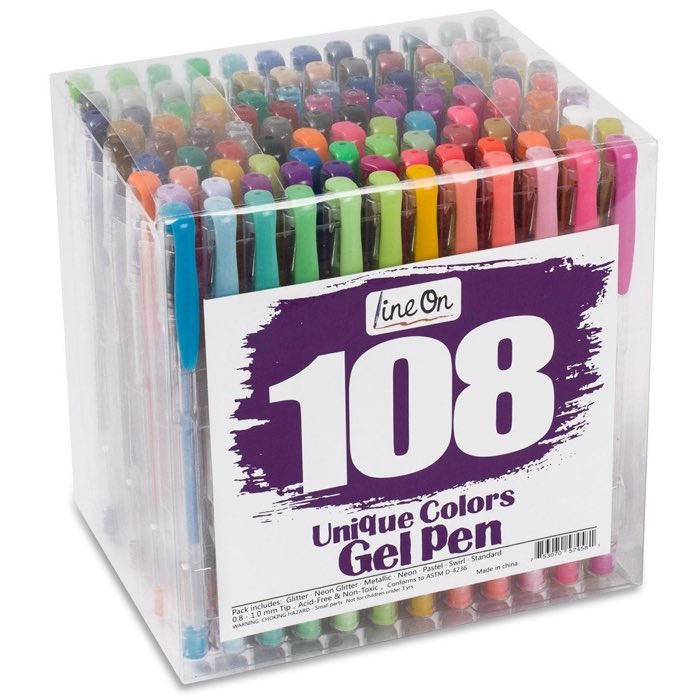
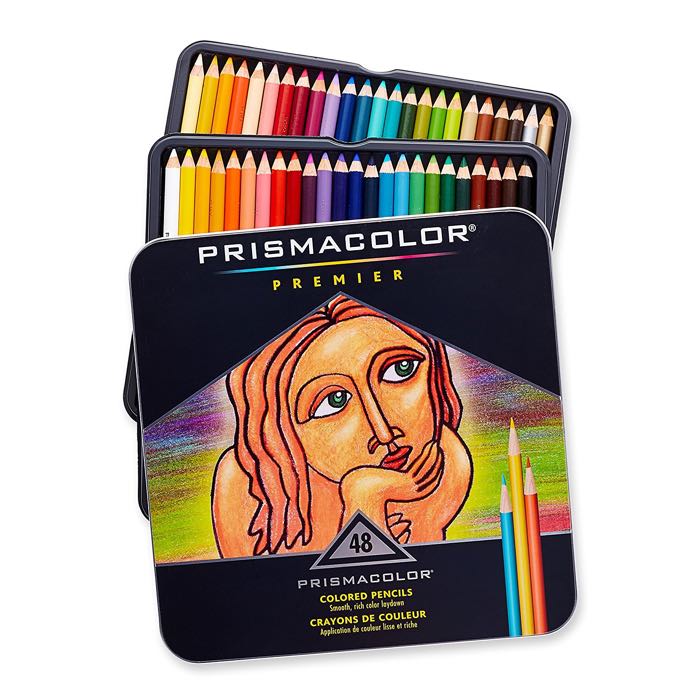
Second on the most popular gift ideas for art teachers was an assortment of colorful gel pens, Sharpies, and Prismacolor products.

Here are some great options to give the art teacher:

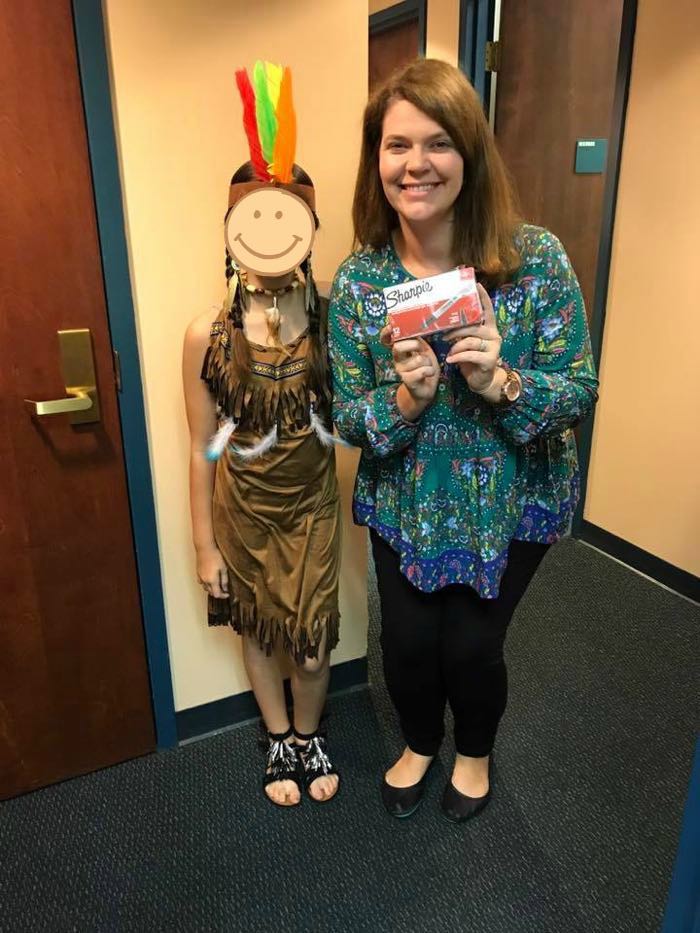
Art teachers are particularly obsessed with Sharpies. They are pretty wonderful. One teacher even posted a picture of herself and the gifting student with the box of Sharpies! ❤️❤️❤️

Gift Ideas for Art Teachers
Art Teacher Abby Kuhn with her newly-gifted Sharpies!

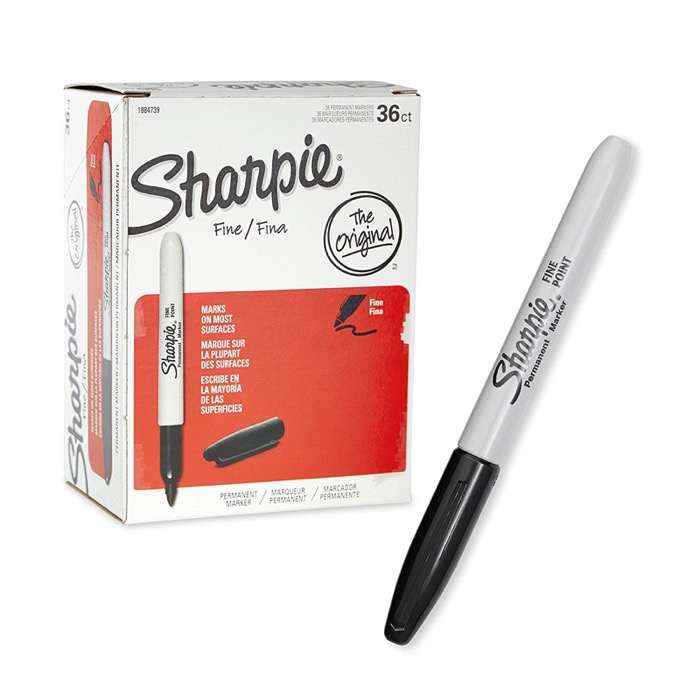
A big box of black Sharpies is about the most useful gift an art teacher can get. (36 Sharpies for $14.43 on Amazon)Art Teacher Gift Ideaspresents for art teachersI just want to put a big heart eyes emoji on that picture of Sharpies. ???

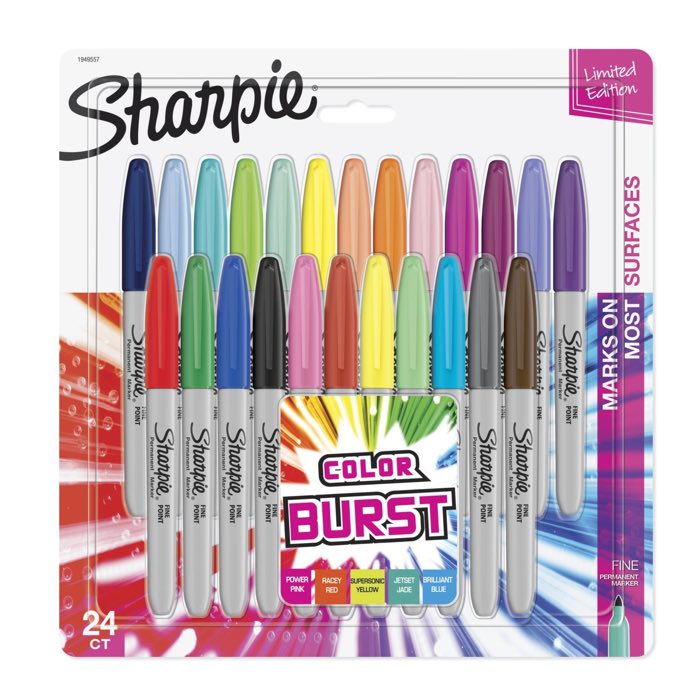
Colorful Sharpies. I honestly have two sets of these, and every time I see them at the store, I am tempted to buy more. I have a problem. (24 Sharpies for $10.23 on Amazon)art teacher appreciation gifts

presents for art teachers

Gel Pens. (108 Pens for $17.99)

presents for art teachersgift ideas for art teachers

Prismacolor is the Cadillac of colored pencils. Delight your favorite art teachers with a box of these gems. (48 pencils for $19)

gift ideas for art teachers

Practical Gift Ideas for Art Teachers

One teacher said she wanted “simple stuff that makes my life easier” as an art teacher gift and cited a student who kept her stocked in qtips and toothpicks. Several teachers mentioned things like hand sanitizer, tissues, and lotion.

The truth is that when students bring those types of supplies at the beginning of the year, they rarely ever make it into the art teacher’s classroom.

Other mentioned practical gifts ideas for art teachers include: rubber gloves, rags, oven gloves, sponges, rubber spatulas, dish soap, paper plates, and a first aid kit.

For art teachers, a large part of our jobs is cleaning and organizing the chaos. Little things to help with that can go a long way, and these materials add up in cost after a while!

My add-on to this list of presents for art teachers? Magic Erasers!

These amazing things can get anything off of anything (see Sharpies above)! I used these like crazy when I taught elementary! Plus, you can buy a 20-pack of generic Magic Cleaning Eraser Sponges for only $9.95.

Art Books for the Classroom Library

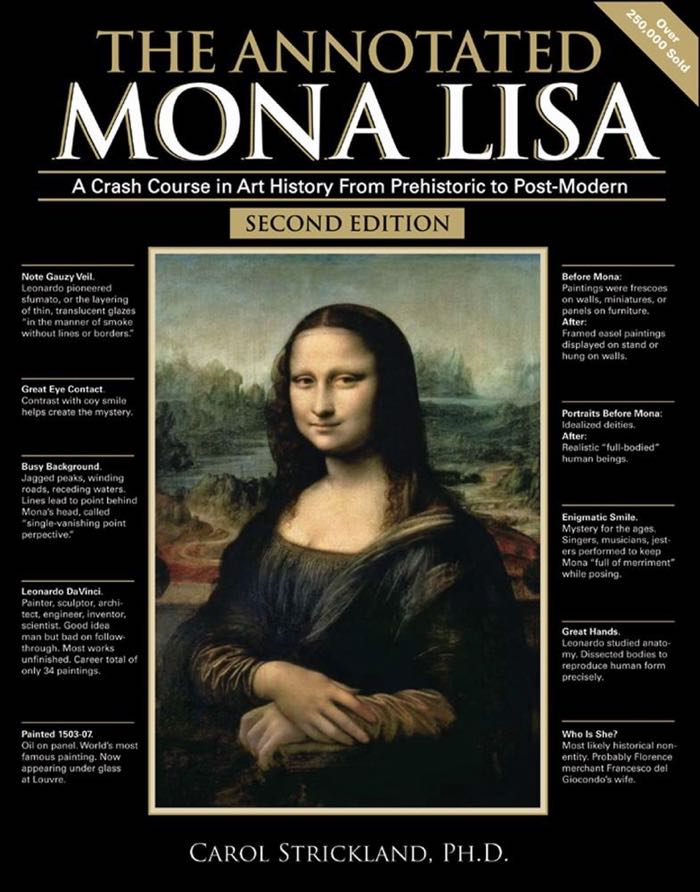
Having a library of art books is so helpful for an art teacher to use as reference for students, to give students something to do when they finish their work, and *ahem* to assign as book work for a misbehaving student who hasn’t earned the right to use the Sharpies responsibly.

What book you get depends on the age level of the student, but I would recommend some quality art history books or books on an individual artist, style, or civilization.

gift ideas for art teachers

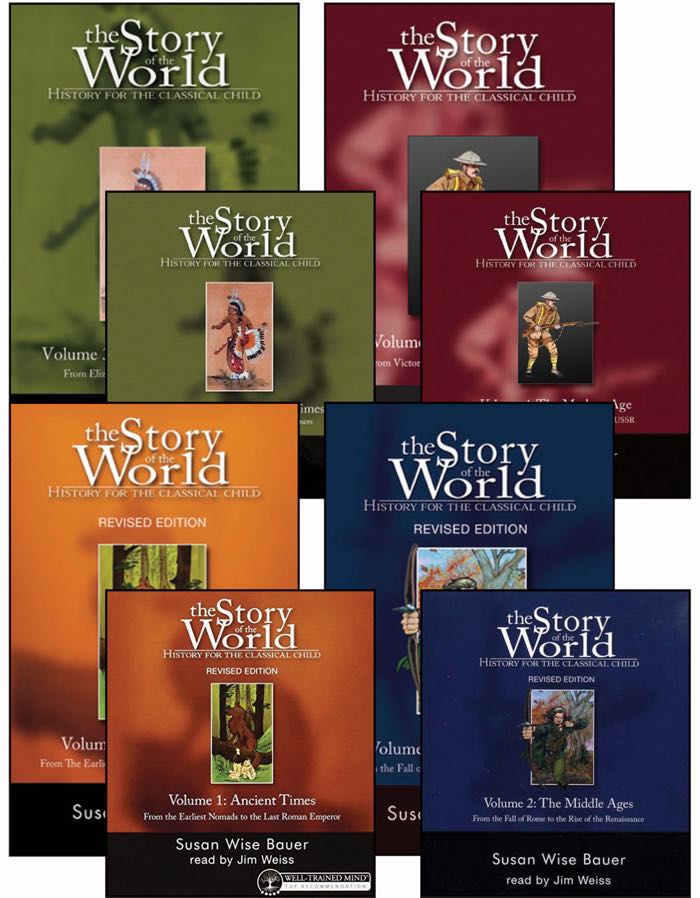
The Story of the World series is great for a teacher to have on hand for art history lessons.

gift ideas for art teachers

Here are some book guides from my website.

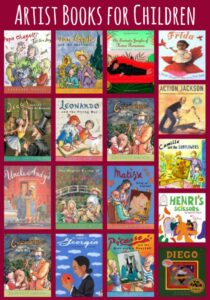
The Art Curator for Kids - Children's Books about the Lives of the Artists - Artist Books for KidsThe Art Curator for Kids - Artist Biographies for Adults, Books and Movies - Michelangelo, van Gogh, Vasari, Artemisia Gentileschi, Frida Kahlo, Jackson Pollock

Miscellaneous Gifts Ideas for Art Teachers

I think the above list covers most of the art teacher gift bases, but there were some other great ideas from Facebook that I want to include.

  • Art museum membership or tickets
  • Art-related t-shirts, sweatshirts, and aprons
  • Plants
  • Quality glue gun
  • Wine
  • Handwarmers and Mittens
  • Lottery Tickers
  • Sketchbooks or Planners
  • Colored Papers or Watercolor Paper
  • Copic markers
  • Oil Pastels

A Genuine and Simple Thank You!

When it comes down to it, teachers work very very hard for their students, and they do it from the bottom of their heart with no expectation of thanks. A thank you note from the heart is almost better than everything above combined. We want to know that the hard work we are doing is making a difference, and the from-the-heart thank you notes keep us going on the most stressful of days.

But, if you throw in a cup of coffee, some chocolate, and a Sharpie, it certainly won’t hurt. ?

What are you getting for your art teacher this year? Or teachers, what did I miss? What would you love to receive as a gift! Leave a comment below.

Filed Under: Art Gift Guide


November 17, 2017 6 Comments

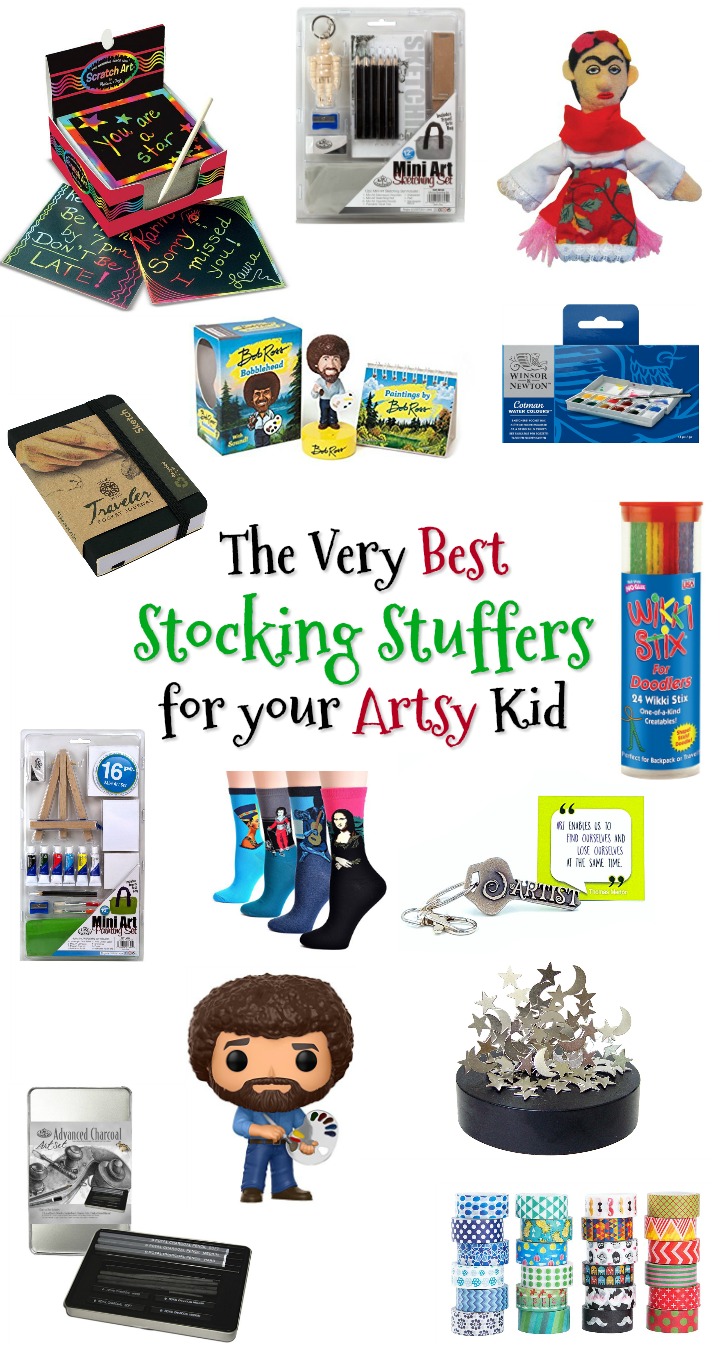
Art Gifts for Kids: The Ultimate List of Artsy Stocking Stuffers

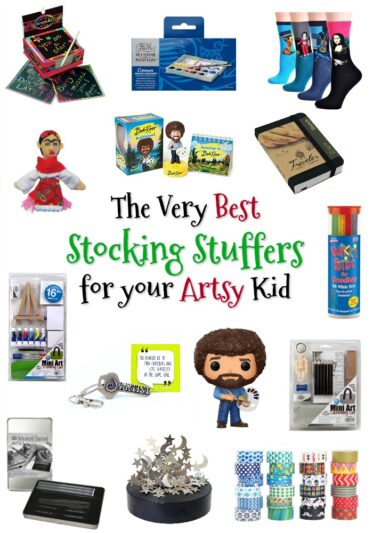
The Very Best Stocking Stuffers for your Artsy Kid - Fun Art Gifts for Kids

Inside: This art gift guide contains the best artsy stocking stuffers and art gifts for kids. From mini-art supplies to artist-inspired fun, your artsy kid will love these creative gifts!

Do you have a daughter like mine who is ALWAYS creating. She is making her own books, costumes, games, and more. And our house is totally covered with bits of paper at all times. Her stocking is a perfect place to give her some cool art gifts for kids to fuel her creative spirit.

The Very Best Stocking Stuffers for your Artsy Kid - Fun Art Gifts for Kids


Check out this list of stocking stuffers and art gifts for kids. Also, check out my other guides on gifts for artsy kids, gifts for teenage artists, and fun art and manga gifts for teens.

Please note, this post includes Amazon affiliate links. As an Amazon Associate I earn from qualifying purchases.

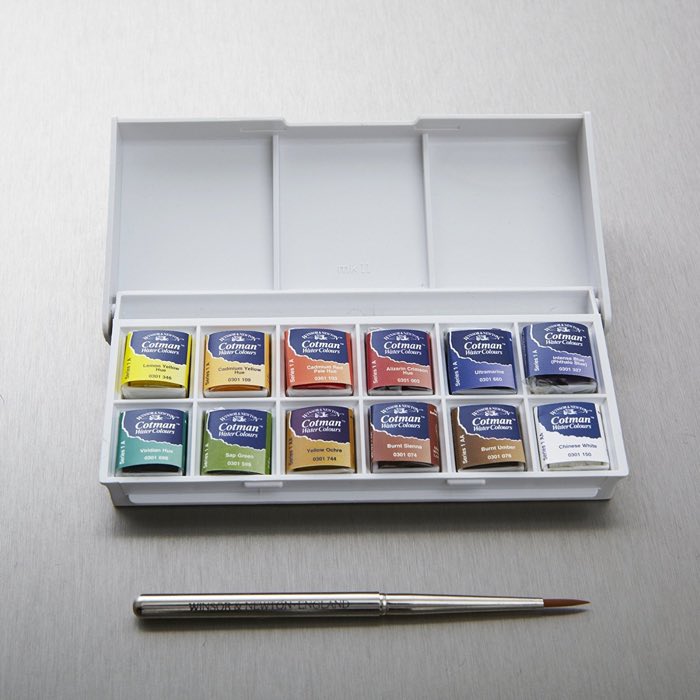
Winsor & Newton Cotman Watercolor Sketchers Pocket Box – $12.64

watercolor art kit for kids

Nothing makes a kid (or even an adult) feel more fancy than a pocket watercolor set. This is the set I carried around with me when I studied abroad in college. Watercolor and I generally don’t get along, but I did feel very cultured and important with my set. Don’t forget to buy some pocket watercolor paper while you are at it! I love this Moleskine 3.5×5.5 pocket watercolor album.

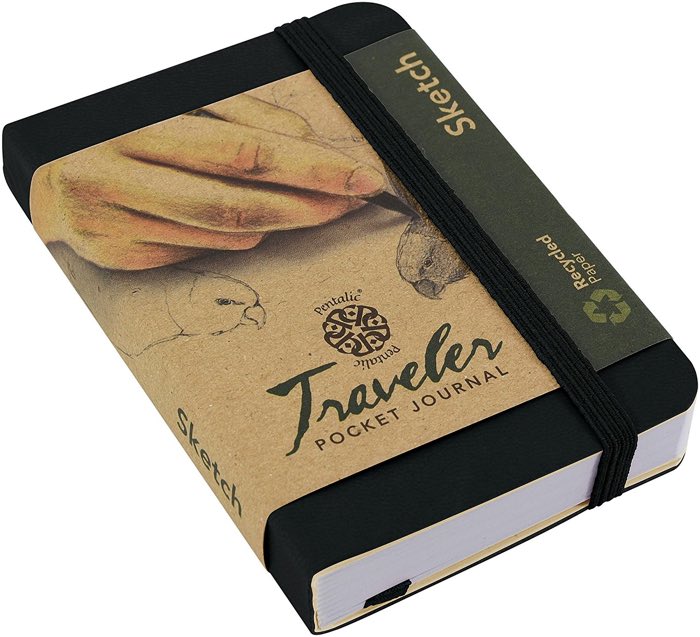
Pocket Journal Sketchbook, 4″ x 3″ – $7.90

pocket journal best art gifts for tweens

A small, quality sketchbook allows your child to always have a place to make their quick sketches and observations, (or fill each page with one scribbled line and then put it in their nightstand to never be seen again).

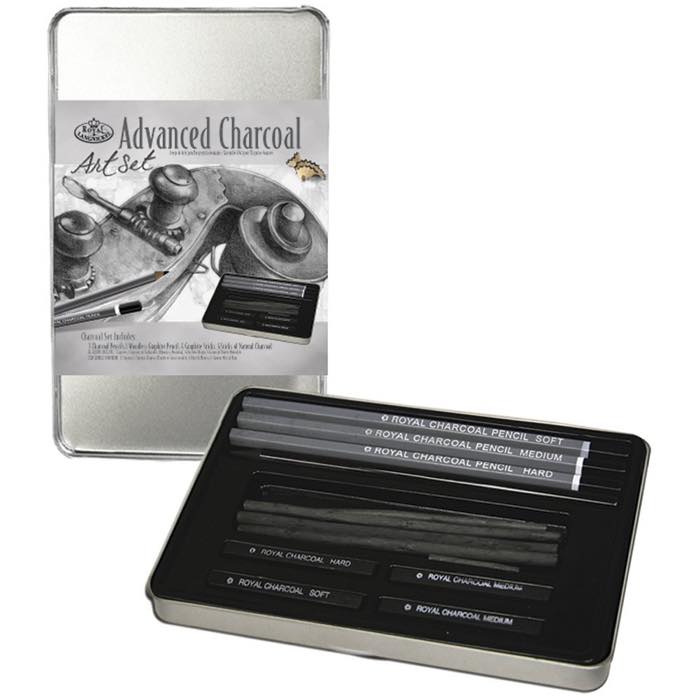
Royal & Langnickel Small Tin Charcoal Drawing Art Set – $5.69

charcoal art kit for teens

Does your child want to try out charcoal to take her drawing to the next level? This small pack of charcoal in various forms won’t break the bank, and your child gets to experiment all she wants!

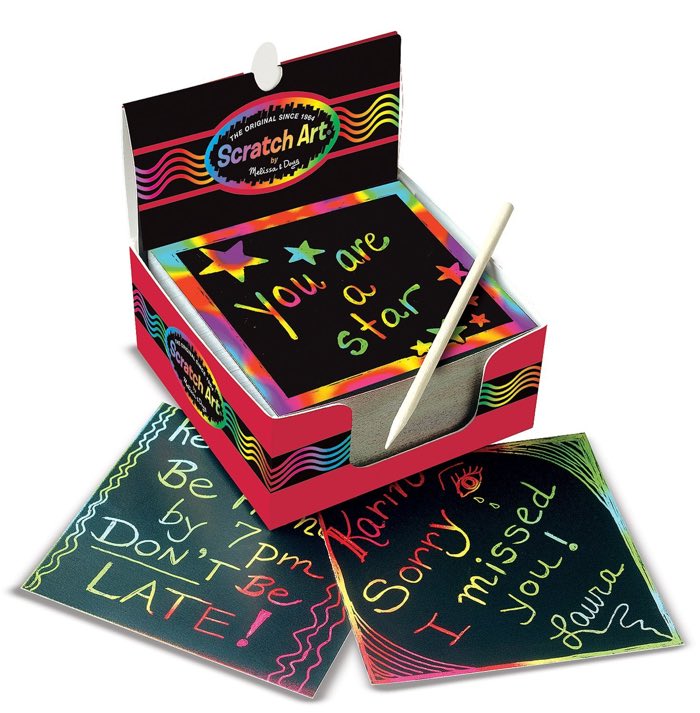
Melissa & Doug Scratch Art Rainbow Mini Notes (125 ct) With Wooden Stylus – $7.99

scratch art notepad - art gifts for kids

I have a love hate relationship with scratchart paper. In about 5 seconds, the kid scribbles all over it, and it looks like a mess and then 5 scribble attempts later, you are out of the paper and the money. But, this is a little different! I like these scratch art notes, because they are small, and it gives them more opportunities to try out different ideas. And, I know my daughter will love to write notes to her friends with these! This is art gift for kids that most kids will LOVE.

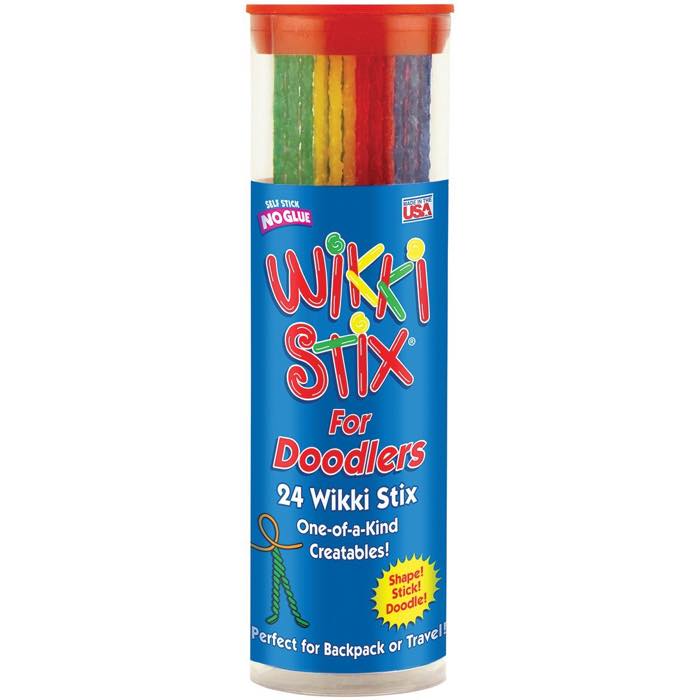
Wikki Stix For Doodlers Molding & Sculpting Sticks – $3.34

wikki stix art gifts for kids

My 5-year-old went through an epic Wikki Stix phase. There was a period where they were totally covering my house, and every pair of scissors was covered in the wax from them because she would cut them up to make her creations. I like this SMALL pack, because a few is all you really need to manage the mess but still get to do some fun creating! They are reusable, so once you make a sculpture, the child can take it apart and make a new one if they want (or they can save every little one for eternity alongside their rock collection in their nightstand as my kids are prone to do).

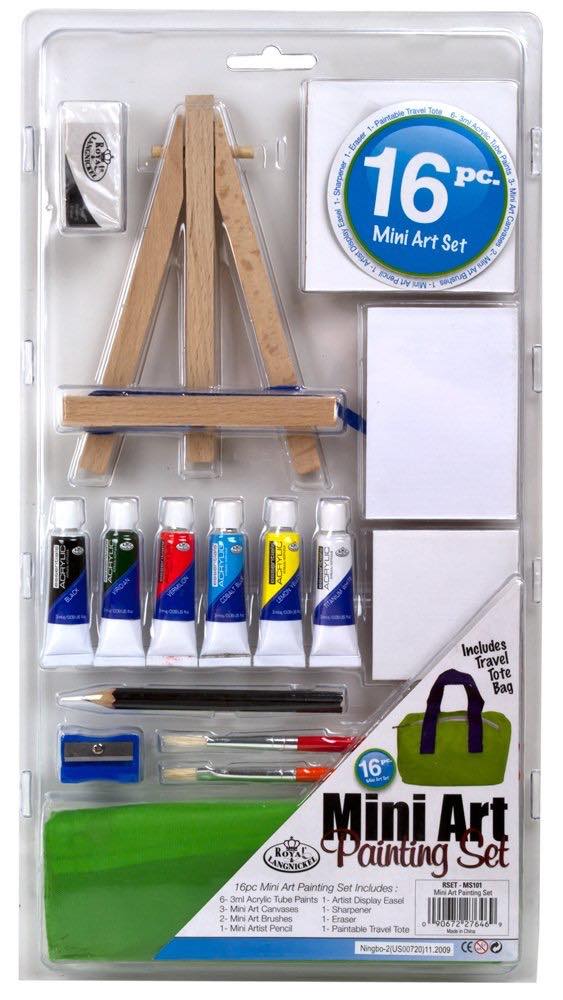
Mini Art Painting Set – $9.93

mini art painting set for teens

This is such a cute little art gift for kids! I have no idea how practical it is, but it would look adorable on a bookshelf. I know my daughter would love to paint a tiny painting and display it in her room.

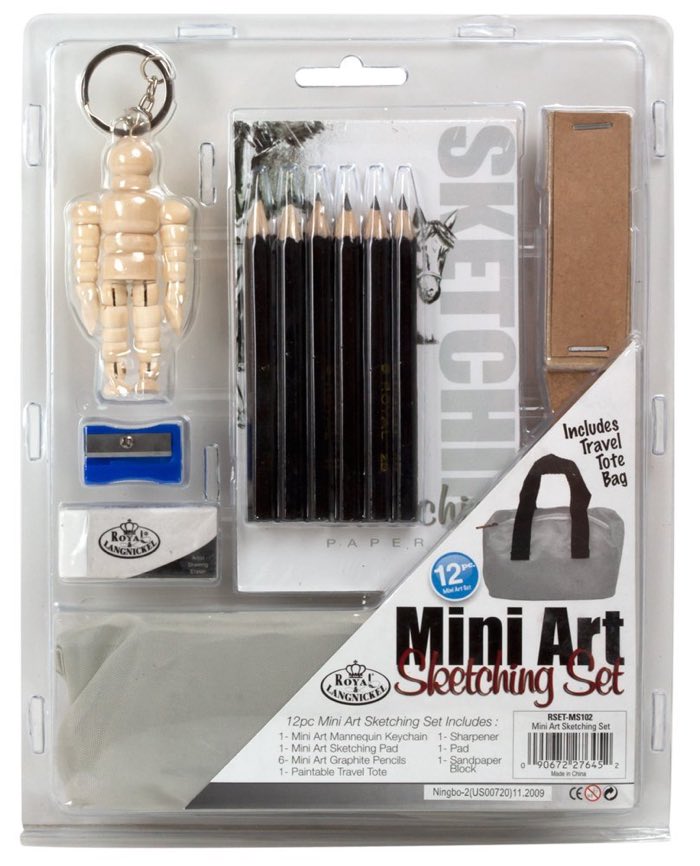
Mini Art Sketch Set – $9.33

art supplies for teens - mini sketch set

They also make a mini-sketch set. This is definitely not for your serious artists, but I think a kid would love this–especially the little wooden mannequin!

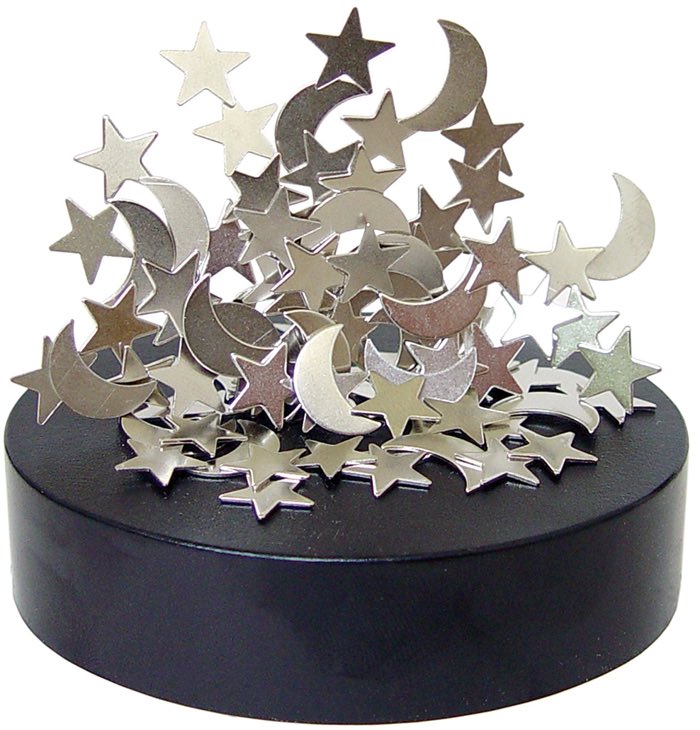
Magnetic Star and Moon Sculpture – $5.67

magnetic sculpture art gifts for kids

Magnetic sculptures are so fun! They are a great sensory experience and a good way to consider balance and composition. You are obviously not buying this art gift for your youngest kids because of the chocking hazard.

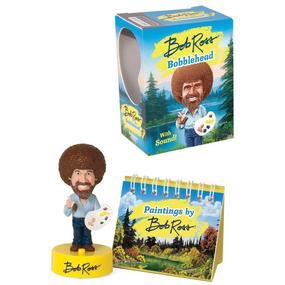
Mini Bob Ross Bobble Head with Sound – $11.00

Bob Ross Gifts for Artsy Kid

This is adorable, and I love that it comes with a little book of his paintings. He also plays 10 different sound bytes from Ross himself although in the reviews, people are complaining about the quality of the sound, so fair warning.

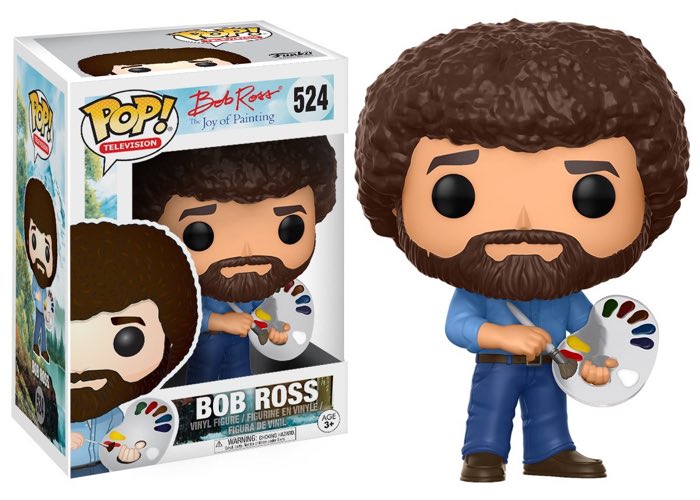
Bob Ross Funko Pop Collectible Figure – $9.49

funko pop gifts for artsy kid

Or, get the Funko Pop version of Bob Ross. I love these Funko Pop things. If they were around when I was a child, I think I would have them all. I have two (Buddy the Elf and Harry Potter) right now, and it is hard to keep myself from buying all of them!

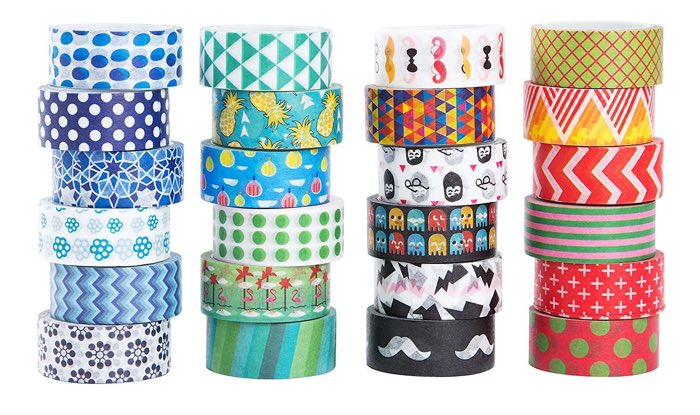
Washi Tape – Varied

washi tape art gifts for kids

Washi tape is super fun to make collages with, and also it is great for sticking to the bottom of your foot when you walk through the playroom (I’m really making you want to buy this stuff, aren’t I?). I had a hard time narrowing it down to my favorite designs. They come in huge bundles, and I like this one, but there are many more options available!

Artist Socks – $12.99

There are tons of awesome artist socks out there! This link has a lot of options including some unexpected choices like Nefertiti and Toulouse-Lautrec!

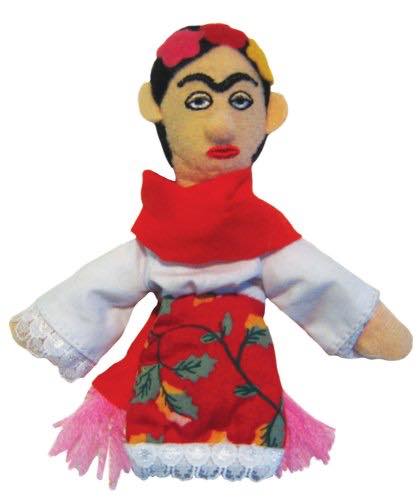
Artist Finger Puppets/Magnets – $8.99

frida kahlo finger puppet gift for artsy teen

These art gifts for kids are so super cute. I love the Frida one, but I took a survey of all the art-related ones and found Rodin, Dalí, Monet, Velazquez, Rivera, Michelangelo, da Vinci, the Girl with the Pearl Earring, van Gogh, O’Keefe, Keith Haring, Ganesh, Klimt, and the Scream! They are both finger puppets AND magnets.

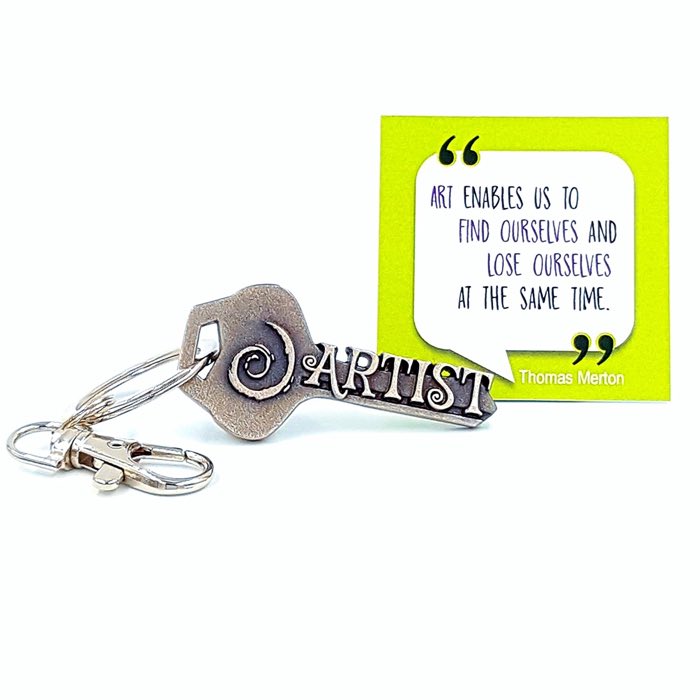
Artist Keychain – $7.99

keychain art gift for teens

Let your kids show off their art love on their keychain or hang from their backpack!


Filed Under: Art Gift Guide


November 13, 2017 Leave a Comment

Native American Indian Shield Art Lesson and Activity

Inside: Explore this Native American Indian shield from the Crow Nation with your students and then have students explore the concept further with the related Native American art activity!

I’m focusing on Native American art this month, and I have already written about the Mound Builders and the Northwest Coast American Indians. Today’s Artwork of the Week is a really cool Crow Nation shield. I’ve got some discussion questions to go along with this American Indian shield below!

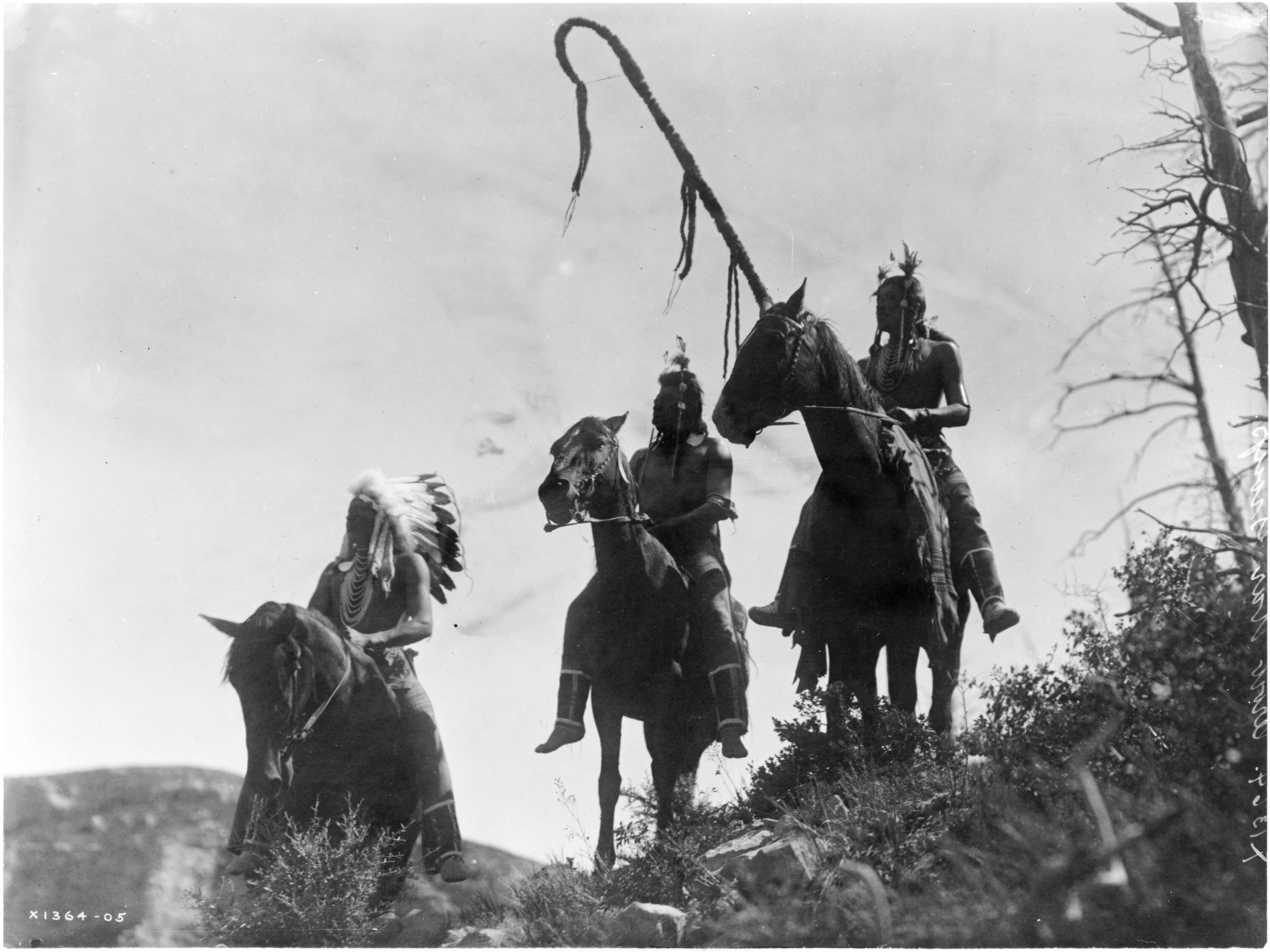
Edward S. Curtis, Three Crow men on their horses, 1908 (Public Domain)

This shield was owned and designed by the important River Crow chief, Arapoosh (also known as Sore Belly) from the first half of the 19th century on the Great Plains of America. These shields are important spiritual objects to the Crow (or Apsáalooke in their native language). The images on the American Indian shield often came to the shield’s owner in a vision quest or dream, and the shields contain powers from the Above World where the gods resided. These holy beings in the sky represented various components of the universe like the sun, moon, clouds, bird, etc.

Arapoosh depicts a skeletal moon spirit on his shield. Attached to the shield are eagle feathers, a deer tail, and the head and neck of a stork. These attachments frequently were used to refer to the beings in the Above World.(I didn’t see the stork’s head at first, but look closely at the left of the image! Wow!)

Get the Full Lesson!

This Lesson is in The Curated Connections Library!

Find the full lesson from this post along with hundreds of other art teaching resources and trainings in the Curated Connections Library. Click here for more information about how to join or enter your email below for a free SPARKworks lesson from the membership!

Join the List

Get the Full Lesson!

This Lesson is in The Curated Connections Library!

Find the full lesson from this post along with hundreds of other art teaching resources and trainings in the Curated Connections Library. Click here for more information about how to join or enter your email below for a free SPARKworks lesson from the membership!

American Indian Shield Art Discussion

Want to show this Native American Indian shield to your students? Here are some discussion questions to help you get the conversation started.

  • What’s going on in this image?
  • How do you think this image was used?
  • What is attached to the shield?
  • Why do you think Arapoosh attached those objects to his shield?
  • What would you draw and attach to your own personal shield?

More Resources Native American War Shield

Learn more about this artwork at this link and watch the video below after your art discussion with your students.

American Indian Shield Art Activity

Have students design their own shield to represent them. What images are important to them? What powers would they hope the shield had and what items they attach to the shield represent those powers?

This post was originally published on November 30, 2015.

Filed Under: Art and Artists


November 9, 2017 Leave a Comment

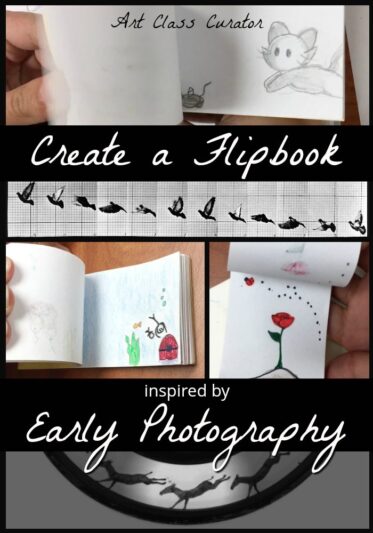
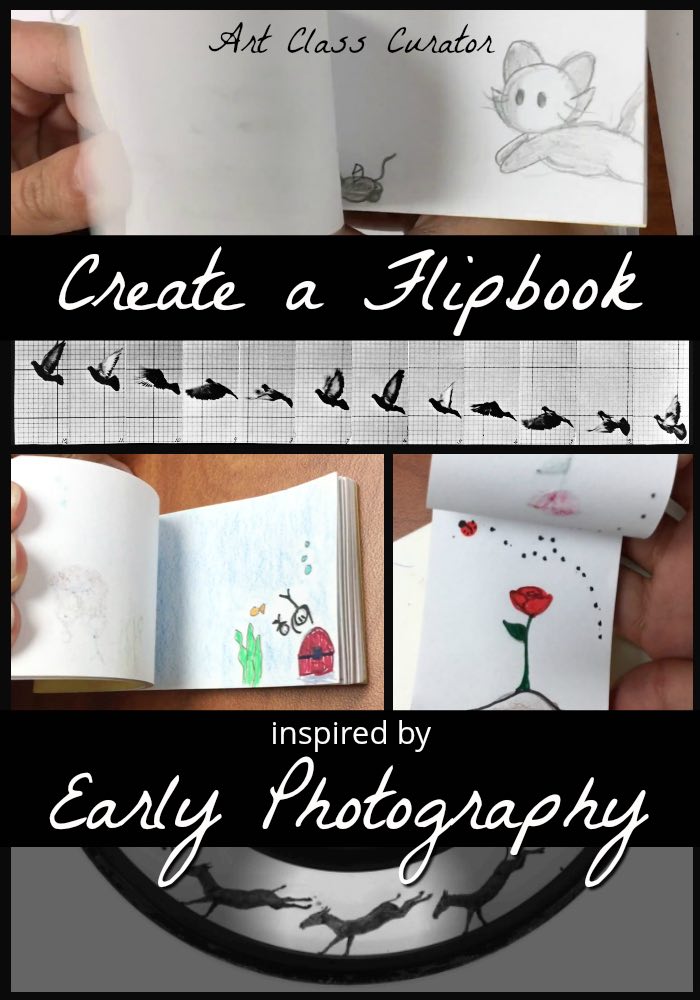
Create a Flipbook Inspired by Early Photography

High School Photography Lesson and Flip books for kids Muybridge - PIN

Inside: Enhance your middle and high school photography lessons with this interactive lesson on the history of photography, and then create flip books for kids in response to the innovations of Eadweard Muybridge.

Last week, I told you all about Eadweard Muybridge Horse in Motion which led to the beginning of the first moving pictures (all of our giphy love these days can be traced back to that hero!). Now, I will share how I taught about Early Photography including the innovations of Eadweard Muybridge and Louis Daguerre with a lesson and project.

High School Photography Lesson and Flip books for kids Muybridge - PIN

This is a great addition to your high school photography lessons to give your students a background in the history and innovations that led to the technology we use today!

Please note, this post includes Amazon affiliate links. As an Amazon Associate I earn from qualifying purchases.

Get the Full Lesson!

This Lesson is in The Curated Connections Library!

Find the full lesson from this post along with hundreds of other art teaching resources and trainings in the Curated Connections Library. Click here for more information about how to join or enter your email below for a free SPARKworks lesson from the membership!

Join the List

Get the Full Lesson!

This Lesson is in The Curated Connections Library!

Find the full lesson from this post along with hundreds of other art teaching resources and trainings in the Curated Connections Library. Click here for more information about how to join or enter your email below for a free SPARKworks lesson from the membership!

Daguerreotype Art Lesson

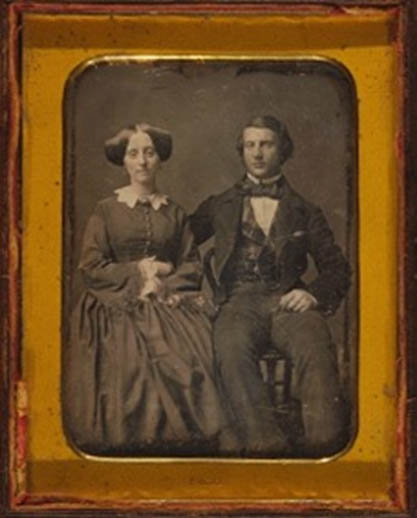
The lesson begins with a focus on Louis Daguerre and his daguerreotype camera. We focus our attention on how revolutionary it was to be able to take a picture, but also how different the first cameras were than the ones we carry around in our pockets today.

To begin the lesson, students reflect on what it would be like to only have ONE photograph of themselves in their whole life with the following questions.

  • What would you include in the photograph of yourself?
  • How can you show who you really are in a photo alone?
  • How can you tell the story of a person through picture only?
  • What would the picture leave out or miss about your life?

For students today, it’s hard to imagine a life (or even a DAY hour) without photographs.

After covering some of the basic technology behind Daguerre’s camera and its originating technology, the camera obscura, I ask students to pose for a photograph for 60 seconds. They must stay completely and absolutely still until I say stop and think about how it feels.

Early Photography Lesson and Flipbook Art Project - Daguerreotype

The first pictures took 60-90 seconds to take, and the sitters could not move a muscle during that time! (Take that, Snapchat)

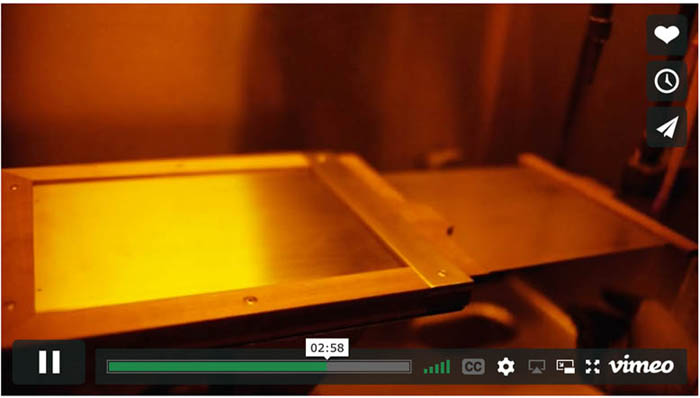
Then, we study the technology in more detail by walking through the steps as well as watching a video of the daguerreotype process.

Early Photography Lesson and Flipbook Art Project - Daguerreotype Video

Eadweard Muybridge Art Lesson

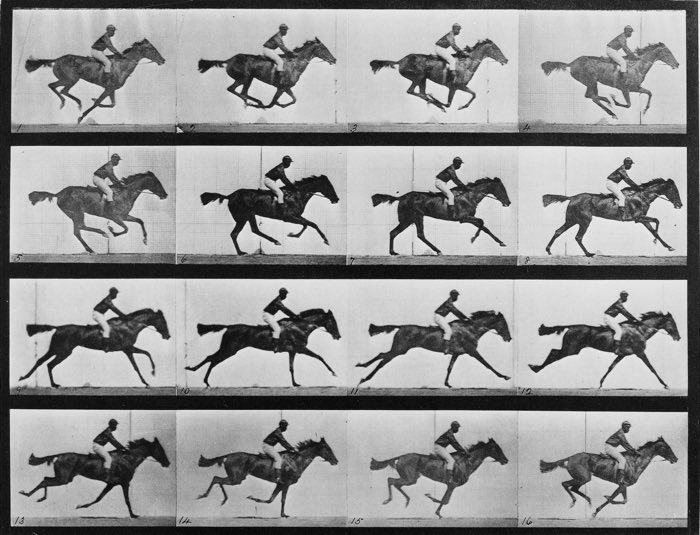
Next, I show students Eadweard Muybridge’s Horse in Motion.

Eadweard Muybridge, Horse in Motion, 1878

I ask students to consider what is so revolutionary about the photo, and then we predict how he may have accomplished this task with the technology available.

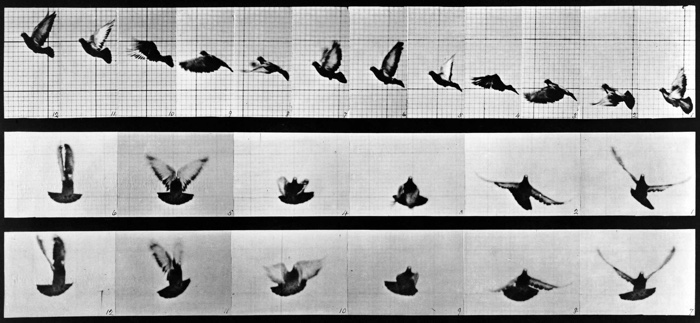
Eadweard Muybridge Birds in Flight
Eadweard Muybridge, Pigeon in Flight, ca. 1887

We discuss the technology and story about the horse bet as well as the zoetrope and zoopraxiscope invention discussed in last week’s blog post about Eadweard Muybridge Horse in Motion.

How Photography Impacted Painting

After discussing early photography as a whole, I ask students to consider how photography may have impacted painting.

Photography impacted painting in at least two ways:

  • Photography use as tool for painters to paint more realistically.
  • Painters move away from realistic paintings as a response to photography.
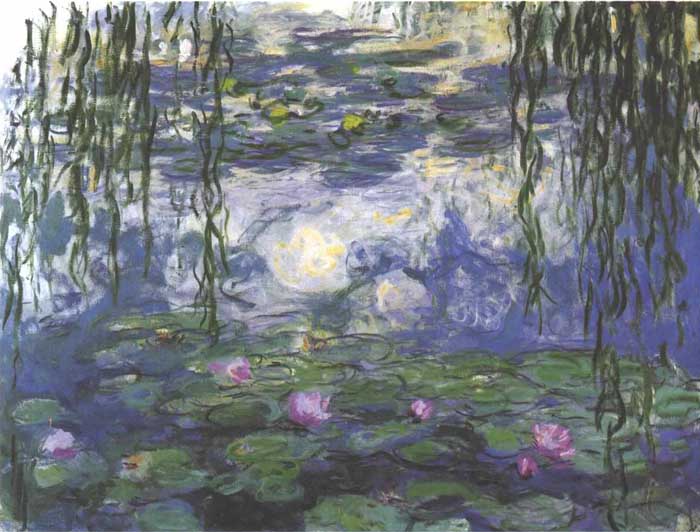
Impressionism Claude Monet for kids Waterlilies
Claude Monet, Water Lilies, ca. 1915

In this lesson, we discuss the first of the two ways, and I cover the second in my Impressionism art lesson.

I then ask students to draw a picture of a person running, while showing a gif of a person running. We discuss how hard it was to capture the true motion of the person.

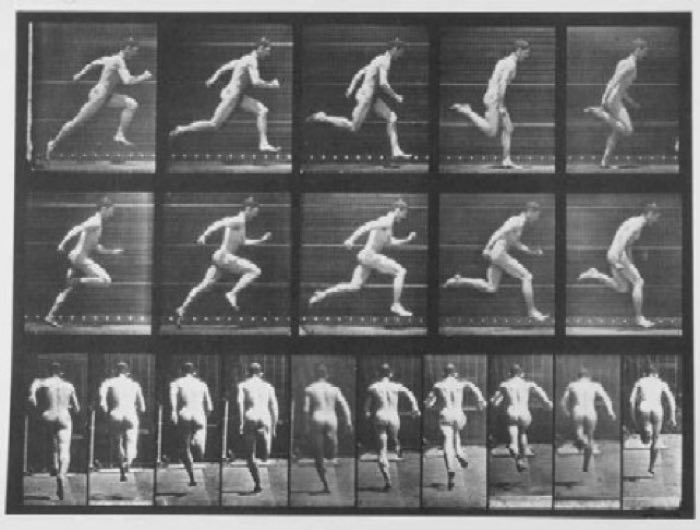
Thomas Eakins Man Running Flip book for kids
Thomas Eakins, Man Running

Then, we look at the photographs in motion taken by painter Thomas Eakins and draw another person running. We compare the two drawings and discuss how knowing how the body actually moves helped students make a more realistic drawing.

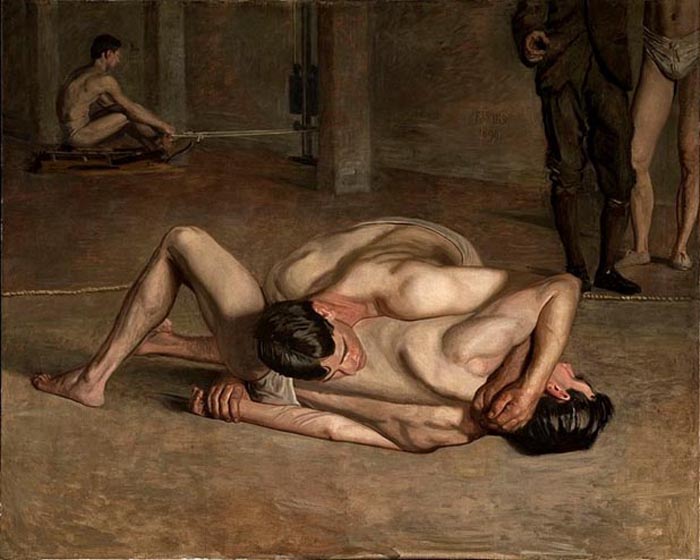
Thomas Eakins - Wrestlers
Thomas Eakins, Wrestlers, 1899

Thomas Eakins used photography as a teaching tool and as a way to study the human body in order to make more realistic photographs.

Flip Books for Kids Art Project

Side note: before studying photography, we also did a line art lesson, with special emphasis on gesture line (see this post for all the examples you need to cover the different types of line in art). Students used both their knowledge of Muybridge and their knowledge of line in this art project.

For the project, students created flipbooks using gesture line and movement.

The requirements for the flip book project were:

  • Must tell a story
  • Must have movement
  • Planned using a storyboard

I had students add color, but I think in the future, I may stick to thin-tipped black markers or pen. Although I did get some beautiful color ones as well!

Here’s some of my 8th-graders’ flipbooks! Blink and you’ll miss it.

You’ll see in the video, we used these blank flipbooks from Amazon, but I wouldn’t recommend them. I would go with small packs of post-it notes instead. They flip much easier and cost a lot less.

The full lesson with the PowerPoint, review sheet, and a quiz is available with a membership to The Curated Connections Library.

If you like this, you may also like:

  • Eadweard Muybridge Horse in Motion and the First Moving Pictures
  • Photo Analysis Worksheet and Learning Activities
  • I am… Dorothea Lange: Exploring Empathy Art Lesson
  • The Role of Art in the Exploration of the American West
  • Line Art Lesson
  • Ultimate List of Artworks the Show the Different Types of Line in Art

Filed Under: Art and Artists


November 1, 2017 Leave a Comment

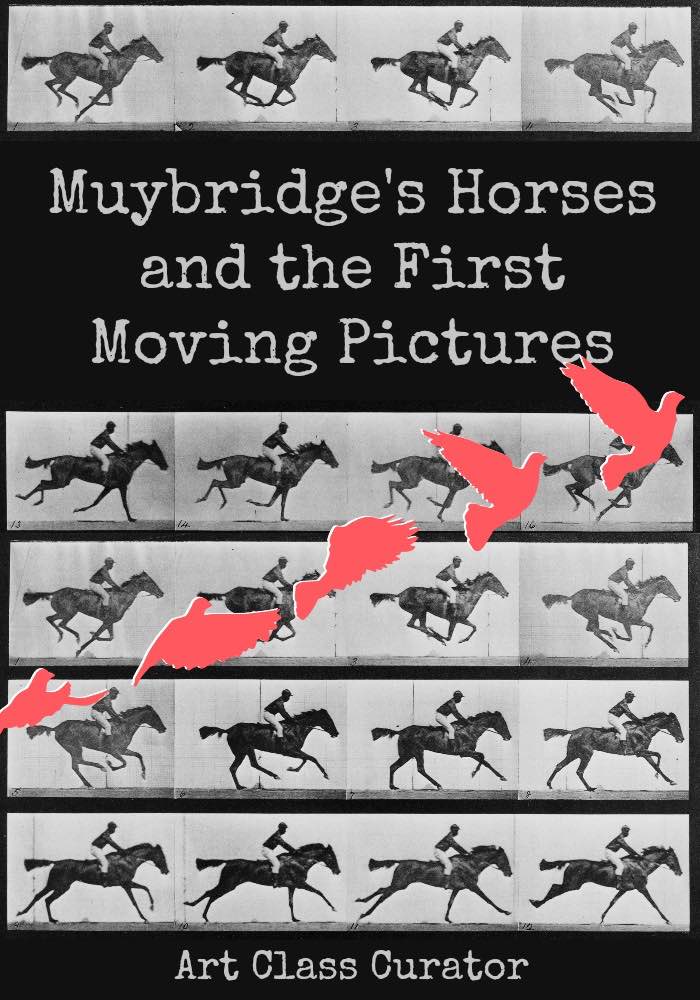
Eadweard Muybridge’s Horse in Motion and the First Moving Pictures

Eadward Muybridge Horse in Motion - Art Class Curator

Inside: Explore how a horse bet led to the first moving pictures. Study Eadweard Muybridge Horse in Motion and its impact on the future of photography and film. Then, stay tuned for next week’s post outlining a lesson plan and project inspired by this early photographic technology.

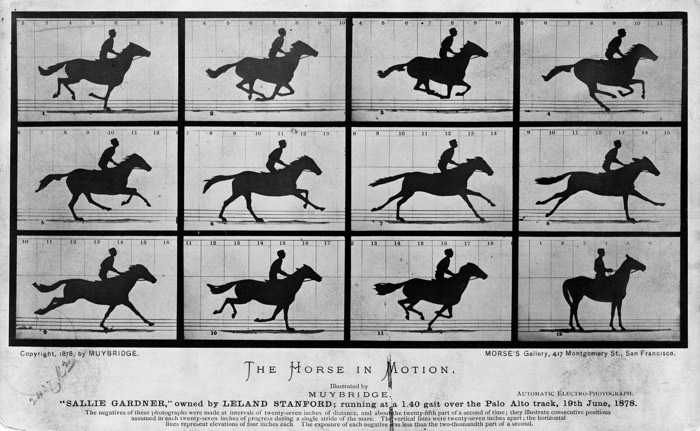
Eadweard Muybridge, Horse in Motion, 1878

What do you think was so revolutionary about this set of pictures?

Eadweard Muybridge Horse in Motion 2 - Art Class Curator


Eadweard Muybridge, born Edward Muggeridge in England in 1830, moved to America at age 20 where he first worked as a publisher’s agent and bookseller. During his time in San Francisco, he discovered photography and eventually became known for his landscape and architectural subjects.

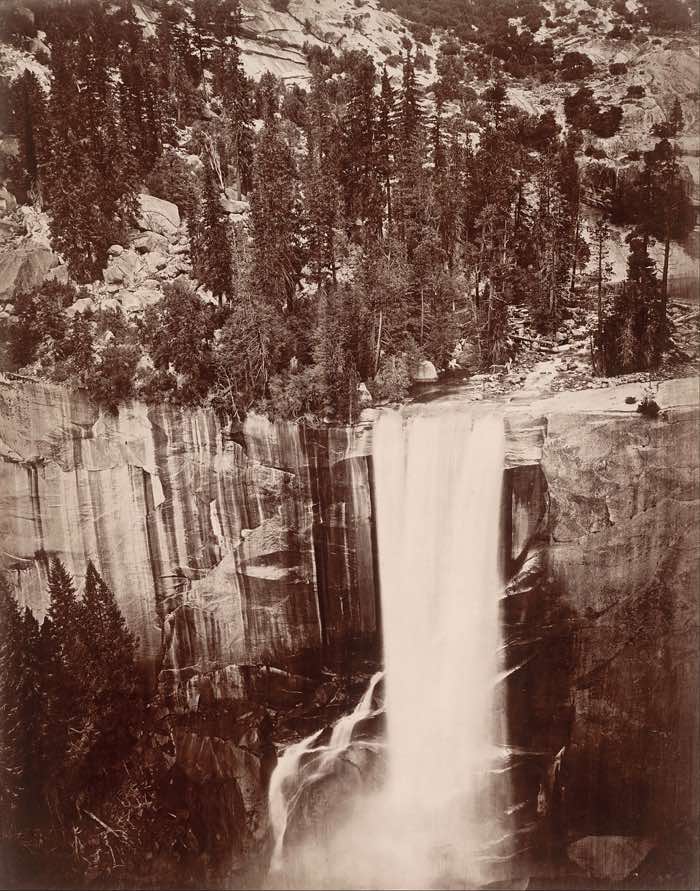
In early America, the new invention of photography was a hot commodity and artists used photography to show the grandeur of the American West. Muybridge is especially known for his photographs of Yosemite.

Eadweard Muybridge, Vernal Falls, Yosemite, 1872

Reading through his history, he seems to be a colorful character with a Hamiltonian will to succeed.

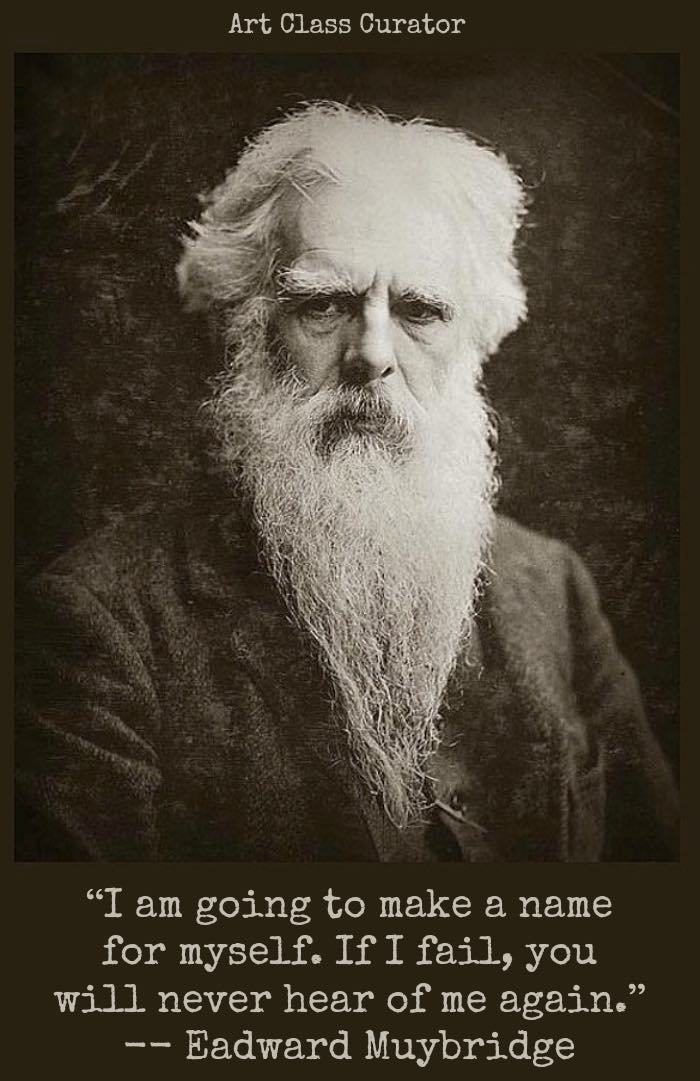
Eadweard Muybridge Horse Quote

“I am going to make a name for myself. If I fail, you will never hear of me again.”
—Eadweard Muybridge

During his time as a professional photographer, Muybridge tinkered with and invented new photography methods, but he is most well-known for developing the technology that led to the first moving pictures.

And it all started with a bet.

Get the Full Lesson!

This Lesson is in The Curated Connections Library!

Find the full lesson from this post along with hundreds of other art teaching resources and trainings in the Curated Connections Library. Click here for more information about how to join or enter your email below for a free SPARKworks lesson from the membership!

Join the List

Get the Full Lesson!

This Lesson is in The Curated Connections Library!

Find the full lesson from this post along with hundreds of other art teaching resources and trainings in the Curated Connections Library. Click here for more information about how to join or enter your email below for a free SPARKworks lesson from the membership!

Eadweard Muybridge Horse in Motion

Take a look at this running horse and study the feet. Is there ever a time when all four legs of the horse are off the ground at the same time or is one foot always down? Can you tell?

That was the question that former California Governor and railroad tycoon Leland Stanford brought to Muybridge. He was convinced that the horse did get fully-airborne in his stride, and he wanted proof.

Eadweard Muybridge, Horse in Motion, 1878

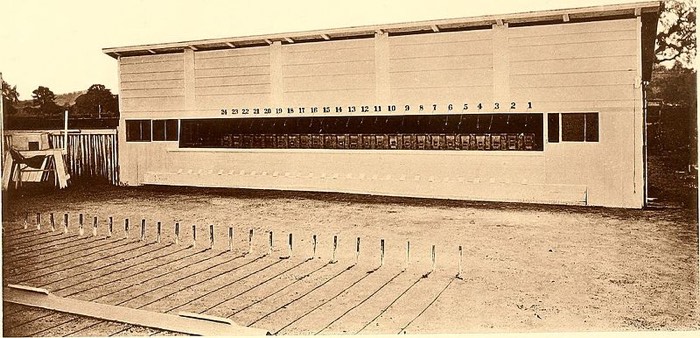
The slow shutter speed of the current technology, as well as the inability to take photos in rapid succession, didn’t allow for photographing things in motion, so Muybridge worked with a system of triggers to take multiple photographs of the horse as it ran.

Eadweard Muybridge Horse Photography Triggers

His photographs proved Stanford’s assertion that a horse’s legs do all come off of the ground at one point, and Stanford won the bet.

Muybridge continued his research, thanks in part to further funding from Stanford and from the University of Pennsylvania, to develop new technologies for photographing things in motion.

Eadweard Muybridge Birds in Flight

The First Moving Pictures

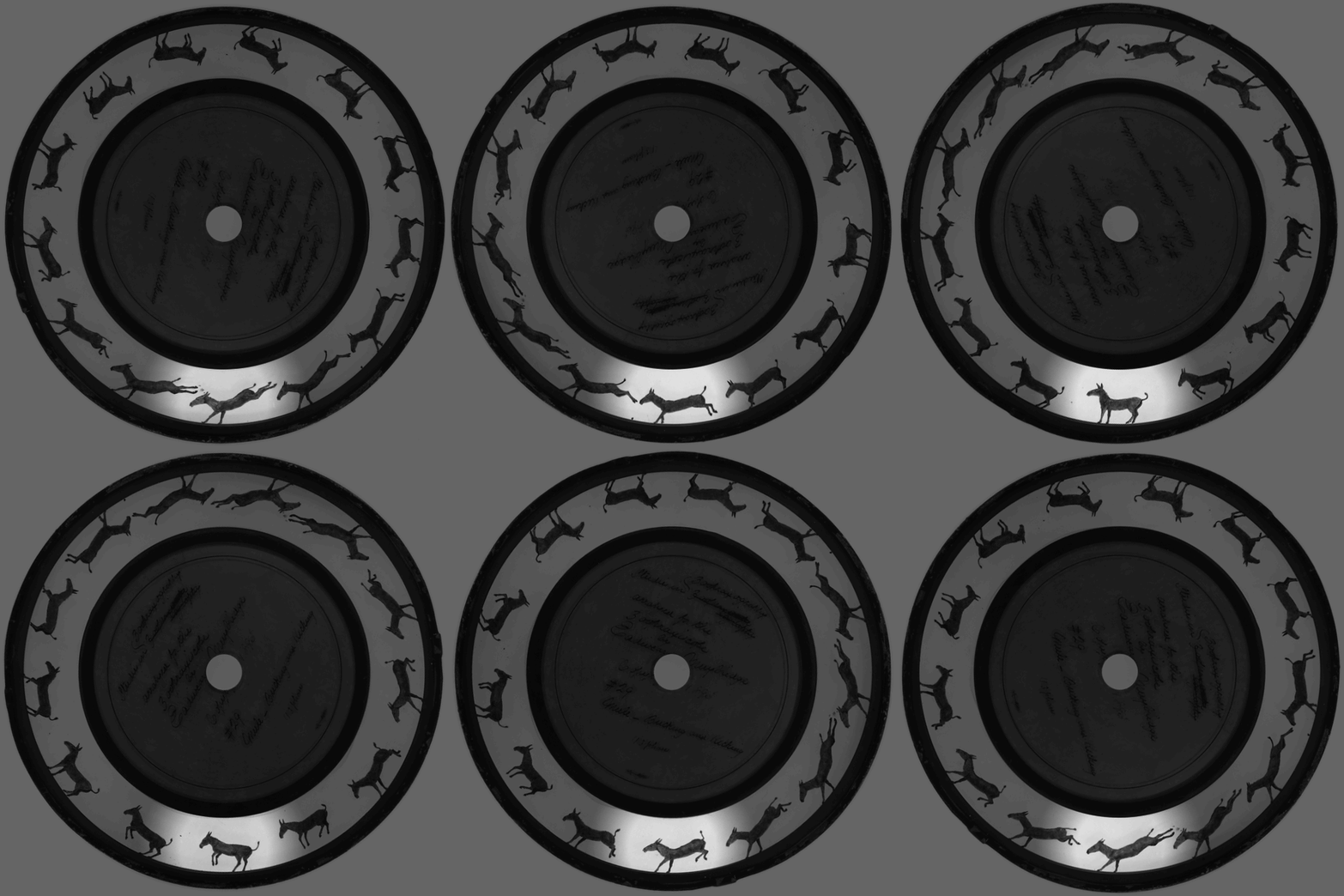
Eventually, his discoveries led to his invention of the Zoopraxiscope which was one of the earliest devices for projecting moving pictures.

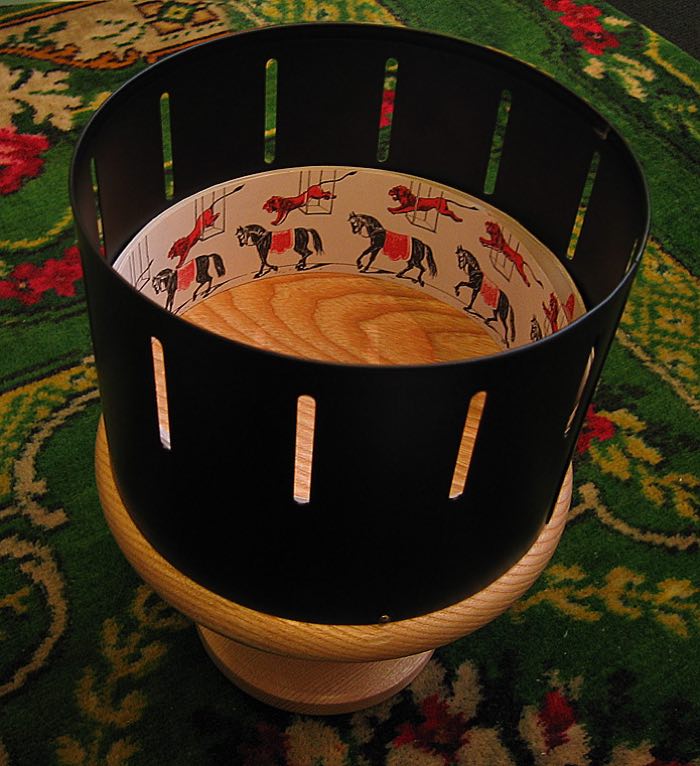
A Modern Zoetrope Replica, Photo Credit: Andrew Dunn, CC BY-SA 2.0

He based his idea on the Zoetrope which is a device dating back to the early 1800s. In the cylindrical device with slits cut out of the side, the artist placed a strip of drawings showing a figure at various states of movement. When you spin the device and look through the slits on the side, the figure looks like it moves.

Watch this video to see how it works:

On Muybridge’s Zoopraxiscope, the images were painted onto glass disks, which were spun and projected onto the wall.

George Eastman House Photography Collections, CC BY-SA 2.5

This video explains how the artist had to manipulate the images to make sure the proportion in art came out right on the projection.

Zoetrope Extensions

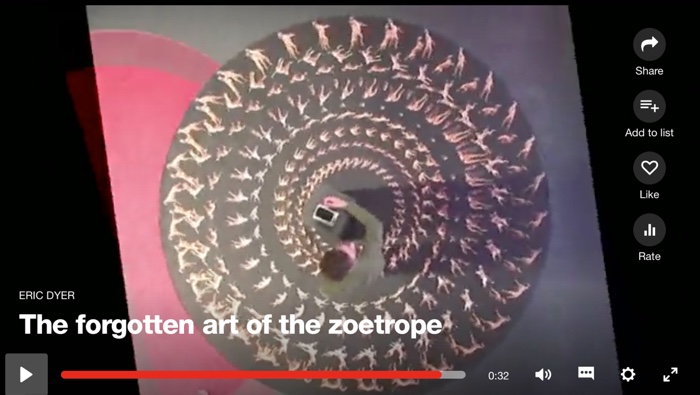
Want to take the Zoetrope into the 20th century? Check out this contemporary animator who rediscovered the zoetrope and then expanded the idea to sculpture, video, and installation art. I was totally blown away by the spinning centrifuge sculpture.

Muybridge-Inspired Art Lesson and Project

Last year, I taught about Muybridge and his innovations to my 8th-grade students and did a related flipbook art project. Check back next week for the details of that lesson and project. Scared you might forget? Join my mailing list now to get the notification!

If you like this, you may also like:

  • Photo Analysis Worksheet and Learning Activities
  • I am… Dorothea Lange: Exploring Empathy Art Lesson
  • The Role of Art in the Exploration of the American West
  • The Peale Family of Artists
  • Manifest Destiny Art with Printable
  • Kinesthetic Learning in Art: Artworks That Make You Move

Bibliography

  • Biography.com, Eadweard Muybridge
  • The Atlantic, The Man Who Captured Time
  • Wikipedia, Eadweard Muybridge

Filed Under: Art and Artists
Tagged With: eadward muybridge


  • Previous Page
  • Page 1
  • Interim pages omitted …
  • Page 15
  • Page 16
  • Page 17
  • Page 18
  • Page 19
  • Interim pages omitted …
  • Page 38
  • Next Page

Primary Sidebar

Hi! I’m Cindy Ingram, the creator of Art Class Curator and The Curated Connections Library

I’m on a mission to revolutionize education with the power of life-changing art connections. Art is not “extra”. Art is essential. We are empowering teachers to bridge the gap between art making and art connection, kindling a passion for art that will transform generations.

More About Me

Free Worksheets!

-Free Bundle of Art Appreciation Worksheets-

In this free bundle of art worksheets, you receive six ready-to-use art worksheets with looking activities designed to work with almost any work of art.
Download

Free Worksheets!

-Free Bundle of Art Appreciation Worksheets-

In this free bundle of art worksheets, you receive six ready-to-use art worksheets with looking activities designed to work with almost any work of art.

Enrollment in Curated Connections Library is currently open. Click here to join. Join our list to get more information and to get a free lesson from the vault! If you are purchasing for a school or school district, head over here for more information.

Check Out What’s New In The Shop

Experience Art: Engaging Art Criticism Discussions and Activities for Teachers and Students of All Ages
Call to Art: An Un-Conference for Art Educators
Curated Connections Library Membership
Perspectives High School Curriculum

More Products

Have You Listened to the Latest Podcast Episode?

Falling for Naudline Pierre’s Evocative Art: A Conversation with Madalyn (Part 2)

More Episodes

Testimonials

I like how this program, unlike other art class resource membership programs, feels authentic. It's like art matters more here, and not fancy flash-in-the-pan trendiness. The goal of Art Class Curator seemed to be helping kids develop a lifelong love and art appreciation versus "Hey, look. I painted this fish."
Erin A.
Your questions are helping me to delve into much deeper learning, and my students are getting better at discussion-and then, making connections in their own work. Art Class Curator is awesome!
Denise W.
Interestingly, my lower performing classes really get engaged in these [lessons] and come away with some profound thoughts!
Melissa G.
I had the most amazing 6th grade class today. They were jumping out of their seats with hands raised just to respond and give input. It was as if I was waving candy in front of them! They saw more and more and the ideas and interpretations unfolded. So cool!!! This is what makes teaching art so wonderful – thank you!!
Caroline G.
I just wanted to thank you for the invaluable resource you have through Art Class Curator. Not only do you have thought provoking activities and discussion prompts, but it saves me so much time in preparing things for myself! I feel like I’ve only scratched the surface with your site.
Maryjane F.

Get Art Inspiration To Your Inbox!

Enter your email address to get regular art inspiration to your inbox
plus a BUNDLE OF 6 FREE WORKSHEETS!
We hate SPAM and promise to keep your email address safe.
Download

Free Worksheets!

*Free Bundle of Art Appreciation Worksheets*

In this free bundle of art worksheets, you receive six ready-to-use art worksheets with looking activities designed to work with almost any work of art.

Copyright © 2026 Ignite Art, LLC DBA Art Class Curator •  All rights reserved  •  Privacy Policy  •  Terms of Service  •  Site Design by Emily White Designs