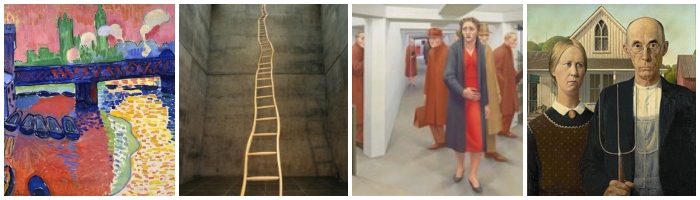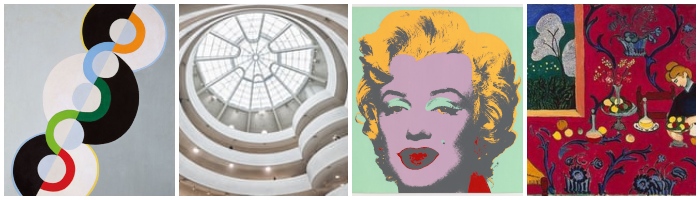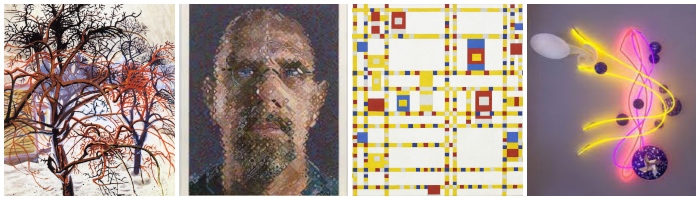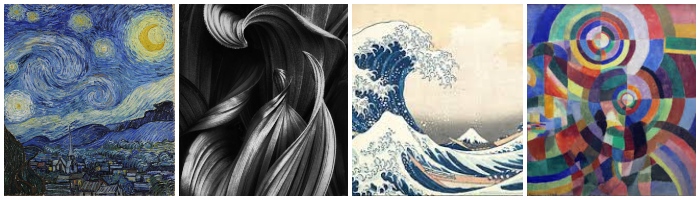
• Skip to main content
  • Skip to primary sidebar
  • About
    • About Art Class Curator
    • Contact
    • Speaking
    • Media & Press
    • Programs for Schools
  • Blog
  • Podcast
  • Shop
  • Join
  • Member Login

Art Class Curator

Hands-on and Minds-curious Art Learning

  • Art & Artists
  • Art Connection Activities
  • Art Teacher Tips
  • Elements & Principles
  • Downloads & Resources
Home
  • About
    • About Art Class Curator
    • Contact
    • Speaking
    • Media & Press
    • Programs for Schools
  • Blog
    • Art & Artists
    • Elements & Principles
    • Art Connection Activities
    • Art Teacher Tips
    • Downloads & Resources
  • Book
  • Podcast
  • Shop
  • Join
  • Member Login

All Posts from Art Curator for Kids

May 23, 2025 Leave a Comment

Artworks that Show Space

Inside: A curated collection of artworks that exemplify the use of space in art—demonstrating how artists create depth, perspective, and a sense of environment. This resource is part of our comprehensive Elements and Principles of Art series, designed to support and inspire your art lessons.

Space is a fundamental element that helps convey depth and dimension in art. Whether through perspective, overlapping, or the use of positive and negative areas, artists manipulate space to guide the viewer’s eye and create a sense of realism or abstraction.

In this post, you’ll find a variety of artworks showcasing different techniques to represent space, perfect for sparking discussion and analysis in your classroom.

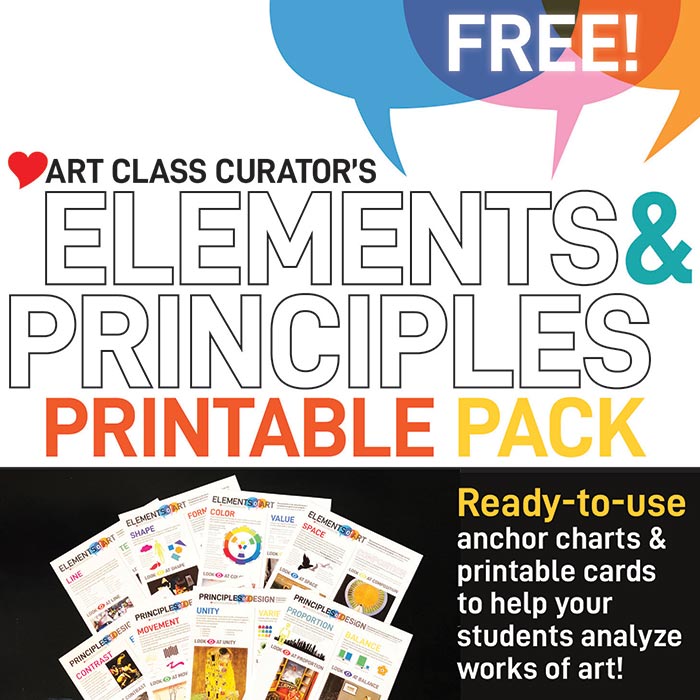
👉 Want a printable to accompany these examples? Grab the free Elements & Principles Pack below. Just click the yellow Download button.
Free Resource!

* Elements & Principles Printable Pack *

The Elements & Principles of Art are the foundation of every artwork, but teaching them can be a bore. Wake your students up and engage them with full color artworks, easy to understand definitions, and thought-provoking higher level thinking questions. This versatile resource can be hung in the classroom or used as an art manipulative.

Download

Free Resource!

* Elements & Principles Printable Pack *

The Elements & Principles of Art are the foundation of every artwork, but teaching them can be a bore. Wake your students up and engage them with full color artworks, easy to understand definitions, and thought-provoking higher level thinking questions. This versatile resource can be hung in the classroom or used as an art manipulative.

Explore the full Elements of Art series for more resources and examples to enrich your curriculum.

For ready-to-use classroom activities, check out our printable art interpretation worksheets.
It’s Elements and Principles of Art time again! I’ve been working my way through all of the elements and principles of art in order to give you a one-stop resource to find great example artworks for each element and principle. So far, I’ve completed Line, Color, Shape, Balance, and Emphasis.

Today, we tackle Space. First, check out this other post I wrote about space last year. Then, check out the below list.

I will add to this list when I find more, so this is a good one to pin or bookmark! The horizontal picture collages do not have all the pictures from the categories.

Please note, this post includes Amazon affiliate links. As an Amazon Associate I earn from qualifying purchases.

Download the Free Elements and Principles Printable Pack

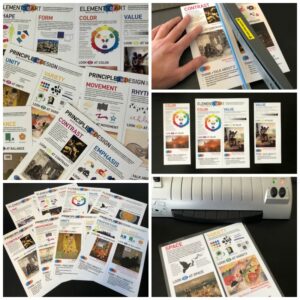
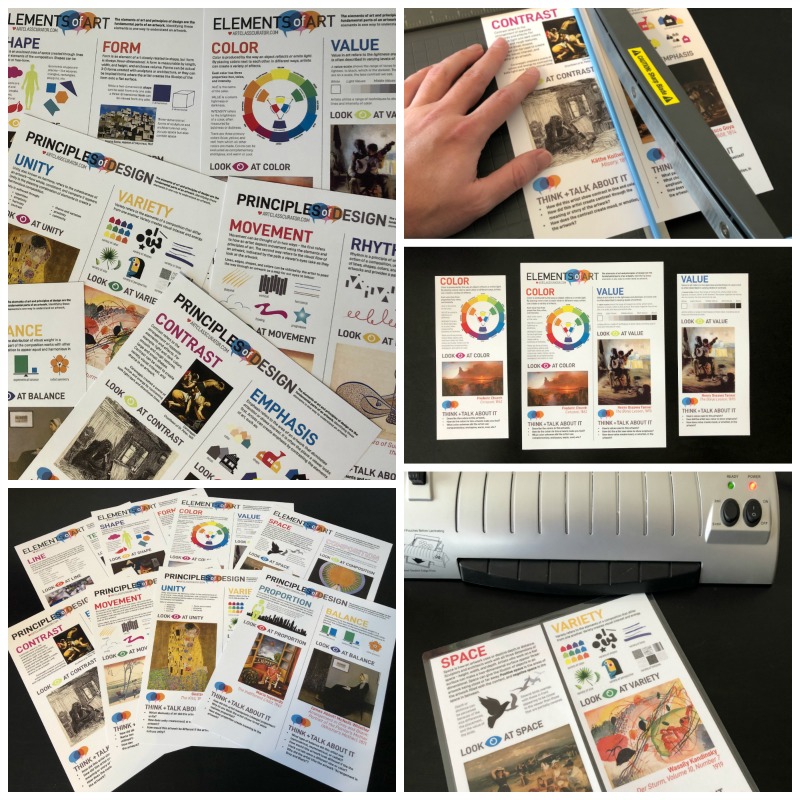
This pack of printables was designed to work in a variety of ways in your classroom when teaching the elements and principles of art. You can print and hang in your classroom as posters/anchor charts or you can cut each element and principle of art in its own individual card to use as a lesson manipulative.
Examples of Space in Art
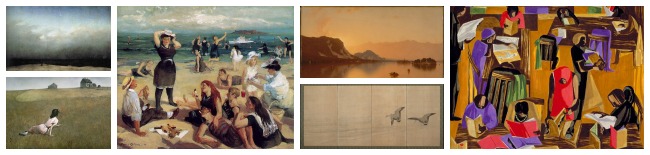
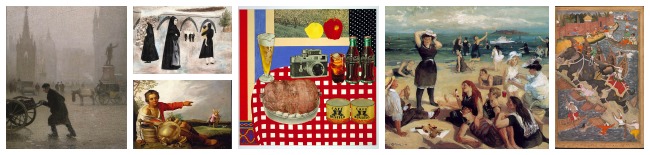
The Art Curator for Kids -Artworks that Show Space - Vast Space and Overlapping

Space in Art Examples: Vast/Open Space

  • Caspar David Friedrich, Monk by the Sea, 1809
  • Andrew Wyeth, Christina’s World, 1948
  • Maruyama Okyo, Geese Over a Beach, 18th century
  • Sanford R. Gifford, Isola Bella in Lago Maggiore, 1871

Artworks that Show Space using Overlapping

  • John Sloan, South Beach Bathers, 1907-08
  • Horace Pippin, Man on a Bench, 1946
  • Trigo Piula, Ta Tele Gabon, 1988
  • Jacob Lawrence, The Library, 1960
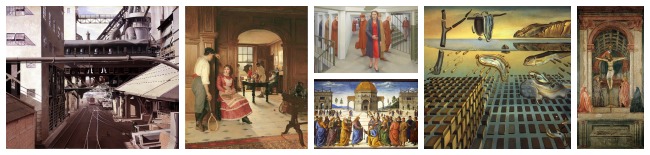
The Art Curator for Kids -Artworks that Show Space - Relative Size and Vertical Position on the Picture Place

Space in Art Examples: Relative Size

  • John Sloan, South Beach Bathers, 1907-08
  • Ben Shahn, Italian Landscape, 1943-1944
  • Abraham Bloemaert, Shepherd Boy Pointing at Tobias and the Angel, c. 1625-1630
  • Pierre Adolphe Valette, Albert Square, Manchester, 1910

Artworks that Show Space using Vertical Position on the Picture Plane

  • John Sloan, South Beach Bathers, 1907-08
  • Andrew Wyeth, Christina’s World, 1948
  • Basawan and Chatar Muni, Akbar and the Elephant Hawai, ca. 1590
  • Tom Wesselmann, Still Life #12, 1962
  • Jacob Lawrence, The Library, 1960
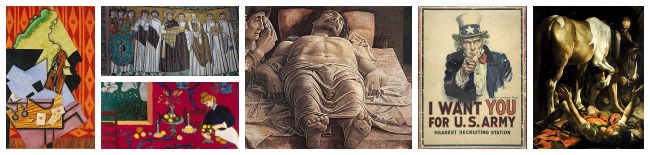
The Art Curator for Kids -Artworks that Show Space - Flat Space and Foreshortening

Artworks with Flat/Shallow Space

  • Byzantine, Justinian and his Attendants, Basilica di San Vitale, 547 C.E
  • Giotto, Scrovegni Chapel Frescoes, ca. 1305
  • Henri Matisse, Red Room (Harmony in Red), 1908
  • Juan Gris, Violin and Playing Cards, 1913

Artworks with Foreshortening

  • Caravaggio, Conversion on the Way to Damascus, 1601
  • Andrea Mantegna, Lamentation Over the Dead Christ, c. 1501
  • James Montgomery Flagg, I want you for U.S. Army, c.1917
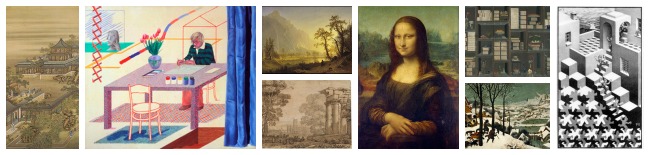
The Art Curator for Kids -Artworks that Show Space - Linear Perspective

Artworks with Linear Perspective

  • Masaccio, Trinity, 1427-28
  • Raphael, School of Athens, 1510
  • Meindert Hobbema, The Avenue at Middelharnis, 1689
  • Gustave Caillebotte, The Floor Scrapers, 1875
  • Leonardo da Vinci, Last Supper, 1498
  • Pietro Perugino, Christ Giving the Keys to St. Peter, 1481–1482
  • Dorothea Lange, The Road West, 1938
  • Salvador Dali, The Disintegration of The Persistence of Memory, 1952-54
  • Camille Pissarro, Place du Théâtre Français, Paris: Rain, 1898
  • Charles Sheeler, City Interior, 1936
  • Piero della Francesca, Ideal City, c. 1470
  • Filippo Brunelleschi, Perspective drawing for Church of Santo Spirito in Florence, c. 1428
  • Edith Hayllar, A Summer Shower, 1883
  • Vincent van Gogh, A Corridor in the Asylum, 1889
  • Anselm Kiefer, To the Unknown Painter, 1983

Artworks with Multipoint (2+) Perspective

  • Canaletto, Santa Maria Zobenigo, c.1765
  • Gustave Caillebotte, Paris: A Rainy Day, 1877
  • George Tooker, The Subway, 1950
  • Jan Vredeman de Vries, Studies in Perspective, c. 1604
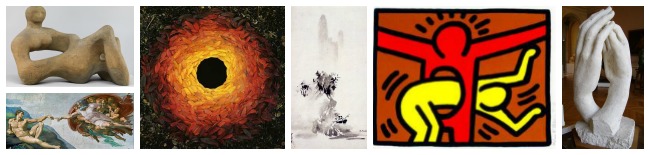
The Art Curator for Kids -Artworks that Show Space - Aerial Perspective and Isometric Projection

Space in Art Examples: Atmospheric/Aerial Perspective

  • Leonardo da Vinci, Mona Lisa, c. 1503-19
  • Claude Lorrain, Landscape with Ruins, Pastoral Figures, and Trees, c. 1650
  • Albert Bierstadt, Sunrise, Yosemite Valley, c. 1870
  • Sanford R. Gifford, October in the Catskills, 1880
  • Pieter Bruegel the Elder, Hunters in the Snow, 1565
  • Pierre Adolphe Valette, Albert Square, Manchester, 1910

Space in Art Examples: Isometric Projection/Perspective

  • Chinese, Portraits of the Yongzheng Emperor Enjoying Himself during the 8th lunar month, Yongzheng period, 1723—35
  • Yi Eungnok, Scholar’s accoutrements (chaekgeori), c. 1860-1874
  • David Hockney, Self-Portrait With Blue Guitar, 1977

Space in Art Examples: Amplified/Exaggerated Perspective

  • Alexander Rodchenko, At the Telephone, 1928
  • Salvador Dalí, Christ of Saint John of the Cross, 1951
  • Giorgio de Chirico, Mystery and Melancholy of a Street, 1914
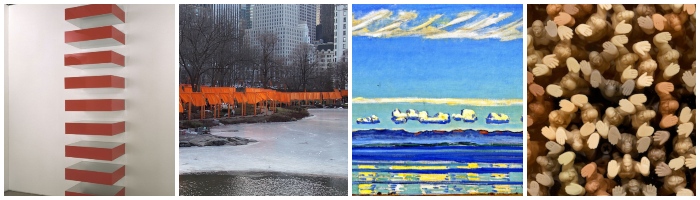
The Art Curator for Kids -Artworks that Show Space - Positive and Negative Space

Positive and Negative Space in Art

  • Henry Moore, Recumbent Figure, 1938
  • Eadweard Muybridge, Sallie Gardner at a Gallop, 1878
  • Alberto Giacometti, The Cage, 1930-31
  • Keith Haring, Pop Shop IV (Man with Hole), 1989
  • Andy Goldsworthy, Circles, Varied
  • Kenneth Snelson, Needle Tower, 1968
  • Sesshū Tōyō, Haboku-Sansui, 1495
  • Richard Serra, Sequence, 2006
  • Auguste Rodin, The Cathedral, 1908

Remember I will add to this, so don’t forget to pin this post! 🙂

💡 Looking for more comprehensive art appreciation resources?

Join the Curated Connections Library to access a wealth of lessons, activities, and professional development materials tailored for art educators.
👉 Learn more here

Do you have a great example to teach space? Share it with me in the comments, and I will add it to the list!

There you have it! The best space in art examples for your elements and principles of art lessons. Want more elements and principles of art teacher resources? Check out the below posts.
Elements and Principles Teaching Bundle

This extraordinary bundle includes the best resources for teaching each of the elements and principles—37 worksheets/handouts, 15 lessons (with accompanying PowerPoints and Handouts), 3 ready-to-go art analysis activities, 3 art analysis videos, and 13 elements and principle PDF articles.

Buy Now

For more elements and principles of art examples, visit the following resources:
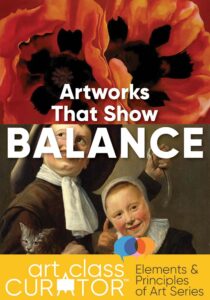
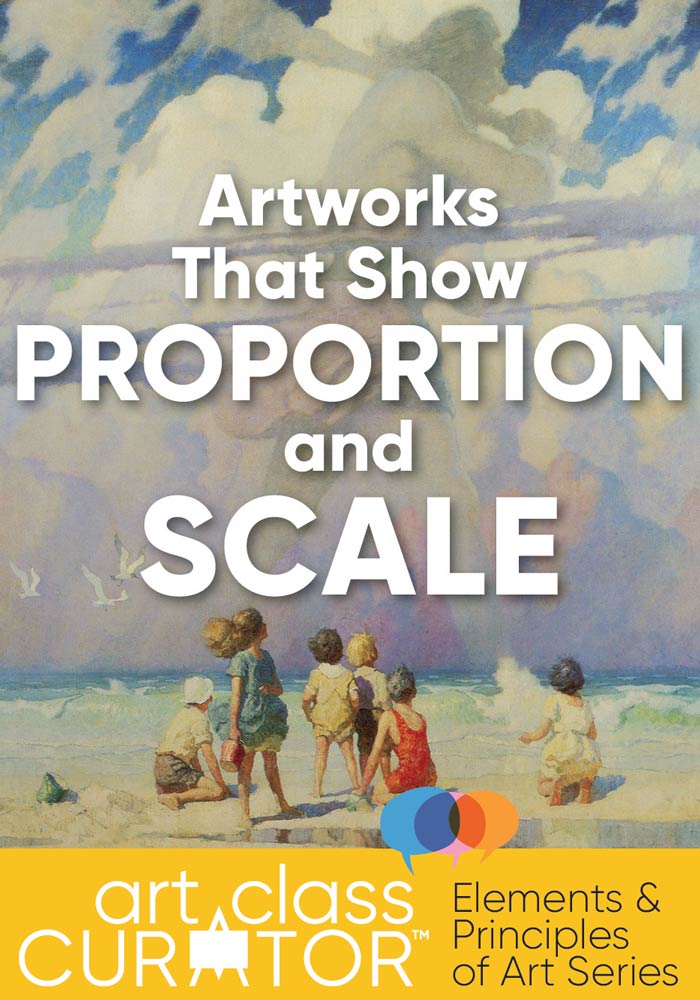
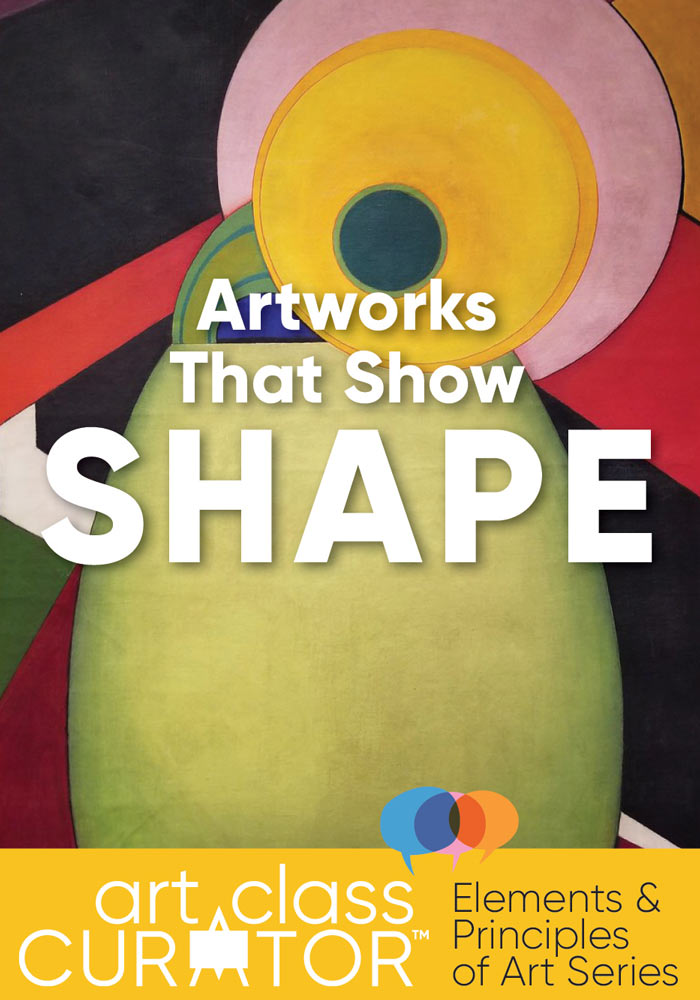
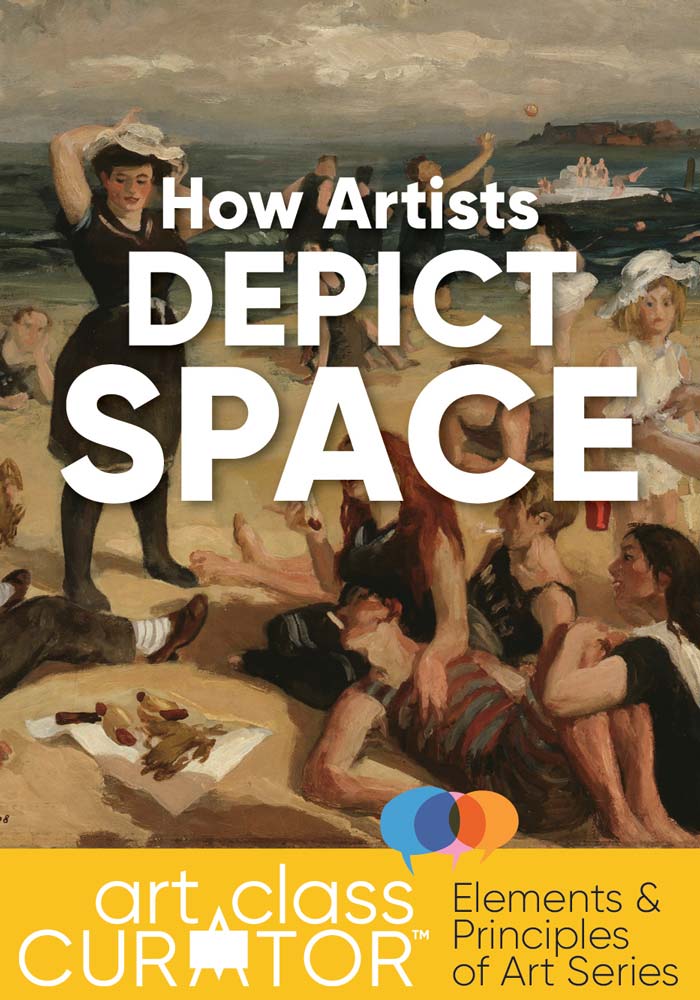
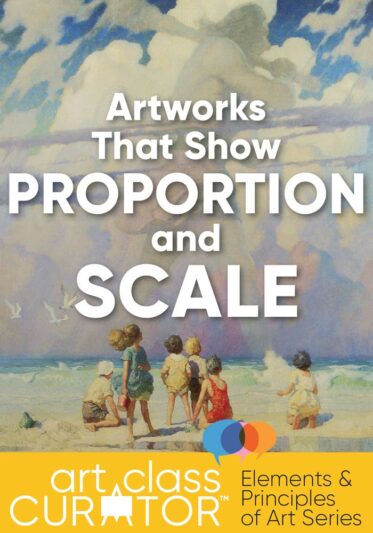
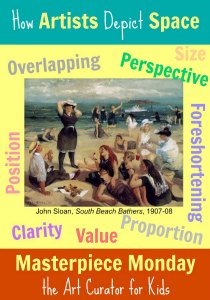
The Art Curator for Kids -Example Artworks that Show Space - The Elements and Principles of Art Series-300The Art Curator for Kids - Example Artworks that Show Line - The Elements and Principles of Art - 300The Art Curator for Kids - Example Artworks that Show Emphasis - The Elements and Principles of Art SeriesElements and Principles of Art - Artworks that Show Proportion in art and ScaleThe Art Curator for Kids - Elements and Principles of Art Series - Artworks that Show Shape - 300The Art Curator for Kids - Why I Hate the Elements and Principles But Teach Them Anyway - 300The Art Curator for Kids - How Artists Depict Space - Masterpiece Monday - John Sloan , South Beach Bathers, 1907-1908, Art Lessons for Kids - Elements of Art Lessons

Filed Under: Elements and Principles of Art
Tagged With: abraham bloemaert, albert bierstadt, alberto giacometti, alexander rodchenko, andrea mantegna, andrew wyeth, andy goldsworthy, anselm keifer, auguste rodin, ben shahn, camille pissarro, canaletto, caravaggio, caspar david friedrich, charles sheeler, claude lorrain, david hockney, dorothea lange, eadward muybridge, edith hayllar, filippo brunelleschi, george tooker, giorgio de chirico, giotto, gustave caillebotte, henri matisse, henry moore, horace pippin, jacob lawrence, james montgomery flagg, jan vredeman de vries, john sloan, juan gris, keith haring, kenneth snelson, leonardo da vinci, maruyama okyo, masaccio, meindert hobbema, michelangelo, piero della francesca, pierre adolphe valette, pieter bruegel, pietro perugino, raphael, richard serra, salvador dali, sanford gifford, sesshū tōyō, tom wesselmann, trigo piula, vincent van gogh, yi eungnok


May 23, 2025 5 Comments

Proportion in Art: The Ultimate List of Proportion and Scale in Art Examples

Inside: A curated collection of artworks that exemplify proportion and scale in art—demonstrating how artists manipulate size relationships to create emphasis, balance, and meaning. This resource is part of our comprehensive Elements and Principles of Art series, designed to support and inspire your art lessons.

Proportion and scale are fundamental principles that influence how we perceive and interpret artworks. Whether through realistic representations or exaggerated forms, artists use these concepts to guide the viewer’s eye and convey specific messages.

In this post, you’ll find a variety of artworks showcasing different approaches to proportion and scale, perfect for sparking discussion and analysis in your classroom.

👉 Want a printable to accompany these examples? Grab the free Elements & Principles Pack below. Just click the yellow Download button.

Free Resource!

* Elements & Principles Printable Pack *

The Elements & Principles of Art are the foundation of every artwork, but teaching them can be a bore. Wake your students up and engage them with full color artworks, easy to understand definitions, and thought-provoking higher level thinking questions. This versatile resource can be hung in the classroom or used as an art manipulative.

Download

Free Resource!

* Elements & Principles Printable Pack *

The Elements & Principles of Art are the foundation of every artwork, but teaching them can be a bore. Wake your students up and engage them with full color artworks, easy to understand definitions, and thought-provoking higher level thinking questions. This versatile resource can be hung in the classroom or used as an art manipulative.

Explore the full Elements of Art series for more resources and examples to enrich your curriculum.

For ready-to-use classroom activities, check out our printable art interpretation worksheets.

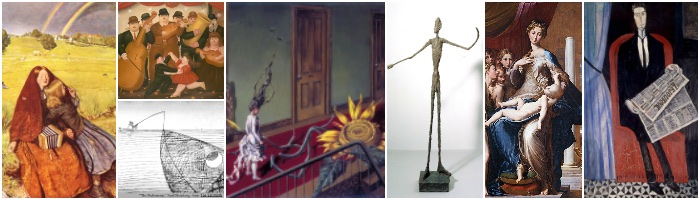
Here are some artworks you can use to teach scale and proportion in art for your elements and principles of art lessons. I will add to this list when I find more, so this is a good one to pin or bookmark! The horizontal images do not contain all of the examples.

Download the Free Elements and Principles Printable Pack


This pack of printables was designed to work in a variety of ways in your classroom when teaching the elements and principles of art. You can print and hang in your classroom as posters/anchor charts or you can cut each element and principle of art in its own individual card to use as a lesson manipulative.

Proportion in Art Examples

Proportion in Art artwork examples

Proportion in Art: Good Proportion

  • Caravaggio, Still Life with Fruit, ca. 1603

Proportion in Art: Emphasizing Space with Proportion

  • Andrew Wyeth, Christina’s World, 1948
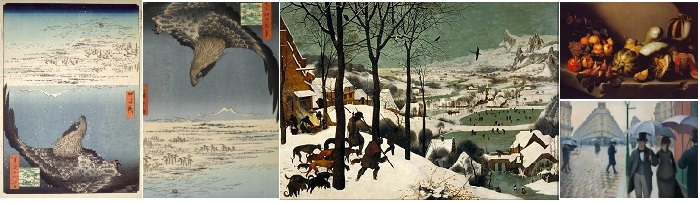
  • Hiroshige, 107 Fukagawa Susaki and Jūmantsubo (5th Month, 1857) from One Hundred Famous Views of Edo, 1857
  • Gustave Caillebotte, Paris: A Rainy Day, 1877
  • Pieter Brueghel, Hunters in the Snow, 1565
ARTWORKS THAT SHOW PROPORTION AND SCALE - 2

Out of Proportion Art

  • Sir John Everett Millais, The Blind Girl, 1854-56
  • André Derain, Portrait of a Man with a Newspaper, 1911-1914
  • Songye people, Democratic Republic of Congo, Female Figure, late 1800s-early 1900s
  • Fernando Botero, Dancing in Colombia, 1980
  • Dorothea Tanning, Eine Kleine Nachtmusik, 1943
  • Saul Steinberg, The Fisherman
  • Giacometti, Man Pointing, 1947
  • Prehistoric, Nude Woman (Venus of Willendorf), c. 28,000-25,000 B.C.E (On ACFK, 5 Artworks to Promote Introspection)
  • Parmigianino, Madonna with the Long Neck, 1535-4
ARTWORKS THAT SHOW PROPORTION AND SCALE

Proportion in Art: Manipulating Proportion of Figures for Meaning
  • Ben Shahn, We French Workers Warn You, 1942
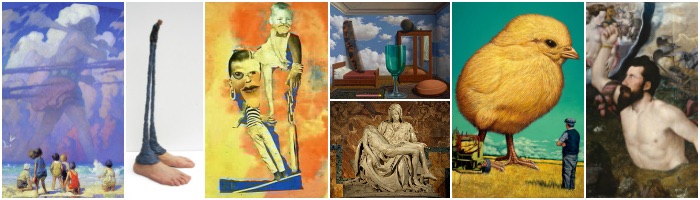
  • Hannah Hoch, Equilibre (Balance), 1925
  • Michelangelo, Pieta, 1498-99
  • Gerardo Feldstein, All at this Link

Artworks with Things Out of Proportion with Other Things

  • Jeff Jordan, Curiosity, 2009
  • Francisco Goya, The Colossus, c. 1808
  • René Magritte, Les valeurs personnelles (Personal Values), 1952
  • Hans Eworth, Allegorical Portrait of Sir John Luttrell, 1550
  • N.C. Wyeth, The Giant, 1923
ARTWORKS THAT SHOW PROPORTION AND SCALE - 2

Hierarchical Scale in Art

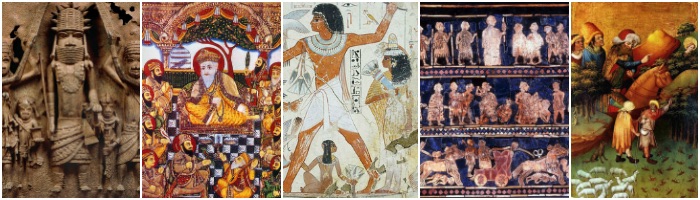
  • Ancient Egypt, Nebamun Hunting in the Marshes, ca. 1350 B.C.E.
  • Tanjore style painting from the late 19th century showing the ten Sikh, Gururs, Bhai Bala, and Bhai Mardana
  • Sumer, the Standard of Ur, about 2600-2400 B.C.E.
  • Palette of King Narmer, from Hierakonpolis, Egypt, Predynastic, c. 3000-2920 B.C.E
  • Benin Plaques, 16th-17th century
ARTWORKS THAT SHOW PROPORTION AND SCALE

Big Scale in Art

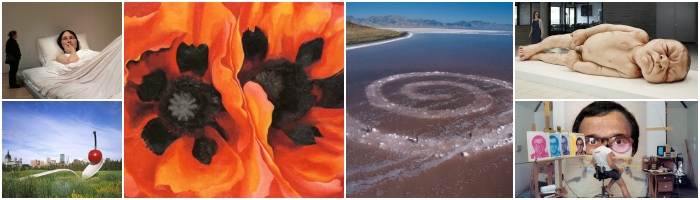
  • Ron Mueck, A Boy, 2005
  • Ron Mueck, A Girl, 2006
  • Georgia O’Keeffe, Oriental Poppies, 1928
  • The Colossus of Constantine, c. 312-15
  • Nazca Earth Drawings
  • Chuck Close, Mark, 1978-79
  • Henry Beacon and Daniel Chester French, Lincoln Memorial, 1914-22
  • Robert Smithson, Spiral Jetty, 1970
  • Claes Oldenburg and Coosje van Bruggen, Spoonbridge and Cherry, 1985-88
ARTWORKS THAT SHOW PROPORTION AND SCALE

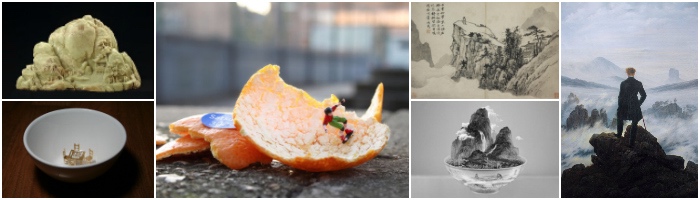
Small Scale in Art

  • Jade Mountain Illustrating the Gathering of Poets at the Lan T’ing Pavilion, 1784
  • Diem Chau, Mahjongg
  • Yang Yongliang, A Bowl of Taipei, 2012
  • Slinkachu, Any Artworks at this Link

Scale in Art: Artworks that Show the Scale of Nature in Relationship to Humans

  • Shen Zhou, Poet on a Mountaintop, 1496
  • Caspar David Friedrich, Wanderer above the Sea of Fog, c. 1818
  • Albert Bierstadt, Valley of the Yosemite, 1864

Elements and Principles Teaching Bundle

This extraordinary bundle includes the best resources for teaching each of the elements and principles—37 worksheets/handouts, 15 lessons (with accompanying PowerPoints and Handouts), 3 ready-to-go art analysis activities, 3 art analysis videos, and 13 elements and principle PDF articles.

Buy Now

💡 Looking for more comprehensive art appreciation resources?

Join the Curated Connections Library to access a wealth of lessons, activities, and professional development materials tailored for art educators.
👉 Learn more here

There you have it! The best scale and proportion in art examples for your elements and principles of art lessons. Want more elements and principles of art teacher resources? Check out the below posts.

The Art Curator for Kids -Example Artworks that Show Space - The Elements and Principles of Art Series-300The Art Curator for Kids - Example Artworks that Show Line - The Elements and Principles of Art - 300The Art Curator for Kids - Example Artworks that Show Emphasis - The Elements and Principles of Art SeriesElements and Principles of Art - Artworks that Show Proportion in art and ScaleThe Art Curator for Kids - Elements and Principles of Art Series - Artworks that Show Shape - 300The Art Curator for Kids - Why I Hate the Elements and Principles But Teach Them Anyway - 300The Art Curator for Kids - How Artists Depict Space - Masterpiece Monday - John Sloan , South Beach Bathers, 1907-1908, Art Lessons for Kids - Elements of Art Lessons

Filed Under: Elements and Principles of Art


May 23, 2025 5 Comments

Examples of Unity in Art

Inside: A curated collection of artworks that exemplify unity in art—demonstrating how artists bring together elements like shape, color, and line to create cohesive and harmonious compositions. This resource is part of our comprehensive Elements and Principles of Art series, designed to support and inspire your art lessons.

Unity is the principle that ties all elements of an artwork together, creating a sense of completeness and harmony. Whether through repetition, proximity, or continuation, artists use unity to guide the viewer’s eye and convey a cohesive message.

In this post, you’ll find a variety of artworks showcasing different techniques to achieve unity, perfect for sparking discussion and analysis in your classroom.

👉 Want a printable to accompany these examples? Grab the free Elements & Principles Pack below.

Free Resource!

* Elements & Principles Printable Pack *

The Elements & Principles of Art are the foundation of every artwork, but teaching them can be a bore. Wake your students up and engage them with full color artworks, easy to understand definitions, and thought-provoking higher level thinking questions. This versatile resource can be hung in the classroom or used as an art manipulative.

Download

Free Resource!

* Elements & Principles Printable Pack *

The Elements & Principles of Art are the foundation of every artwork, but teaching them can be a bore. Wake your students up and engage them with full color artworks, easy to understand definitions, and thought-provoking higher level thinking questions. This versatile resource can be hung in the classroom or used as an art manipulative.

Unity in Art

Unity (also called harmony) is an important principle of design that gives the artwork a sense of cohesion or coherence. It is the wholeness or completeness of a picture. Unity and harmony in art are used by artists to tie a composition together and help the composition make sense as a whole piece of art.

The principles of design are ways to organize the elements of art (line, shape, color, form, space, value, texture) to create a wide range of effects. To create unity or harmony in art, artists arrange the similar components and elements of art to create consistency. Unity or harmony can also be created by merging the form and the meaning of the artwork together.

Unity and variety in art are often discussed together, because ultimately an artwork must contain both unity and variety to be a successful work of art, and there must be balance between the two.

“The essence of the beautiful is unity in variety.” – William Somerset Maugham

Unity can be very subtle when done well. A unified artwork will just look right, complete, and pleasing. Principles of art unity is not necessarily just a repetition of the same element over and over again, but it is the pleasing combination of elements to create the big picture.

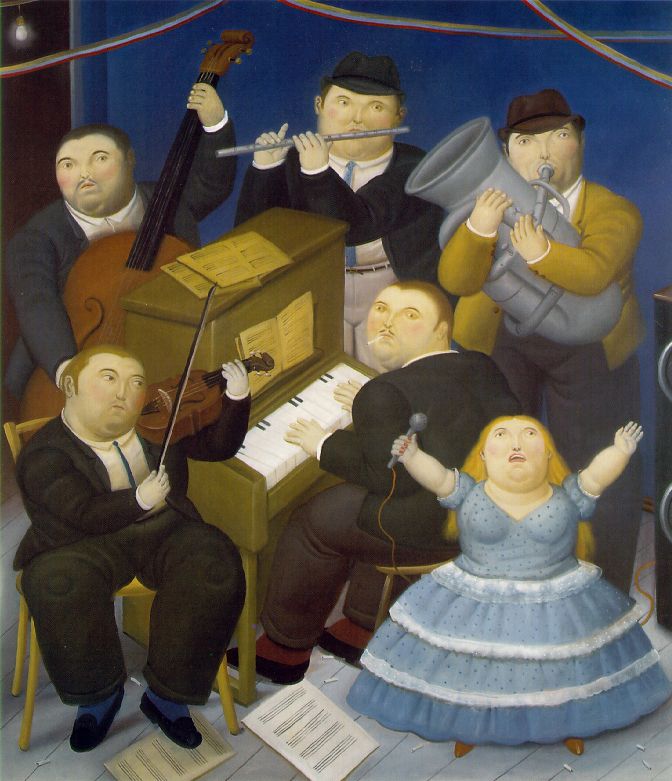
principles of art unity Fernando Botero, The Musicians, 1991
Fernando Botero, The Musicians, 1991

Botero creates unity in The Musicians with form, shape, color, line, and space.

Download the Free Elements and Principles Printable Pack


This pack of printables was designed to work in a variety of ways in your classroom when teaching the elements and principles of art. You can print and hang in your classroom as posters/anchor charts or you can cut each element and principle of art in its own individual card to use as a lesson manipulative.

Explore the full Elements of Art series for more resources and examples to enrich your curriculum.

For ready-to-use classroom activities, check out our printable art interpretation worksheets.

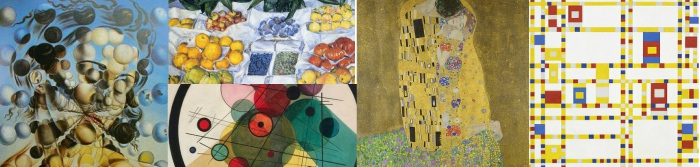
Examples of Unity in Art Using Shape/Form

Examples of Unity in Art Using Shape/Form
  • Gustav Klimt, The Kiss, 1907–08
  • Wassily Kandinsky, Circles in a Circle, 1923
  • Gustave Caillebotte, Fruit Displayed on a Stand, 1881
  • Piet Mondrian, Broadway Boogie Woogie, 1942
  • Salvador Dali, Galatea of the Spheres, 1952
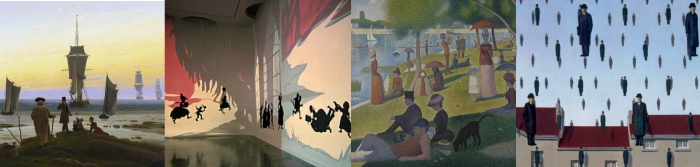
Examples of Unity in Art Using Organic Shape
  • Caspar David Friedrich, The life stages (beach picture, beach scene in Wiek), ca. 1834
  • Kara Walker, Insurrection! (Our Tools Were Rudimentary, Yet We Pressed On), 2000
  • Rene Magritte, Golconda, 1953
  • Georges Seurat, A Sunday on La Grande Jette, 1884
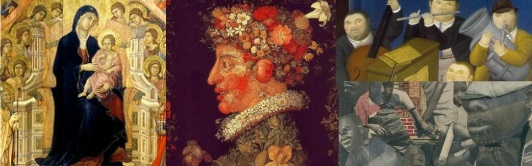
Examples of Unity in Art Using Shape/Form
  • Duccio di Buoninsegna, The Maestà, 1308-1311
  • Fernando Botero, The Musicians, 1991
  • Giuseppe Arcimboldo, Spring, 1573
  • Romare Bearden, The Dove, 1964

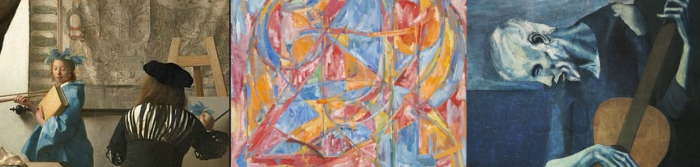
Examples of Unity in Art Using Color

Examples of Unity in Art Using Color
  • Jasper Johns, Zero-Nine, 1960
  • Pablo PIcasso, The Old Guitarist, 1903-04
  • Johannes Vermeer, The Art of Painting, 1665-68

Examples of Unity in Art Using Texture

Examples of Unity in Art Using Texture
  • Claude Monet, Rue Montorgueil in Paris, 1878
  • Dante Gabriel Rossetti, Lady Lilith, 1868 (altered 1872-73)
  • Paul klee, Ad Parnassum, 1932
  • John Biggers, Baptism, 1989

Examples of Unity in Art Using Line

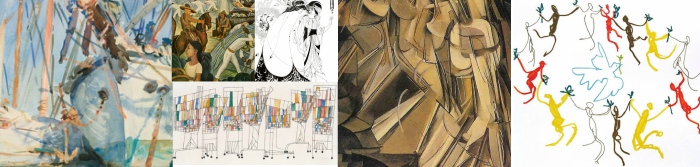
principles of art unity Using Line
  • Ben Shahn, Supermarket, 1957
  • Aubrey Beardsley, The Peacock Skirt, 1893
  • John Singer Sargent, White Ships, circa 1908
  • Pablo Picasso, The Dance of Youth, 1961
  • Marcel Duchamp, Nude Descending Staircase, 1912
  • Jose Diego Maria Rivera, Sugar Cane, 1931

Examples of Unity in Art Using Style

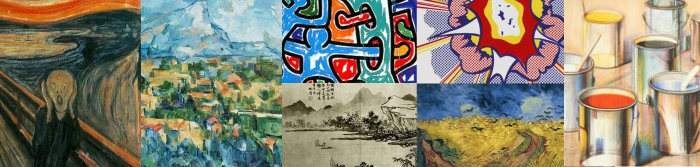
Examples of Unity in Art Using Style
  • Edvard Munch, The Scream, 1893
  • Roy Lichtenstein, Explosion from 9, 1967
  • Keith Haring, Untitled, 1988
  • Paul Cezanne, Mont Sainte-Victoire, 1904-06
  • Shen Zhou, Return from a Thousand Li, ca. 1480
  • Vincent Van Gogh, Wheatfield with Crows, 1890
  • Wayne Thiebaud, Paint Cans, 1990

Examples of Unity in Art Using Architecture

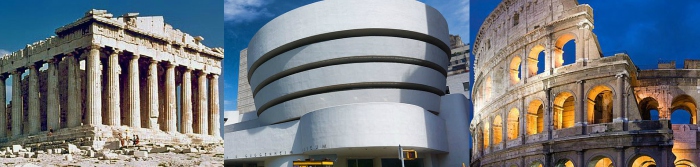
Examples of Unity in Art Using Architecture
  • Athens, Greece, Parthenon, 447 BC – 432 BC
  • Rome, Italy, Colosseum, 70-80 AD
  • Frank Lloyd Wright, The Guggenheim Museum, 1937

Principles of Art Unity Related Resources

  • This article from the Natomas High School Design Department includes more definitions of how to use unity in art.
  • Teach harmony and unity in art with a game.

Elements and Principles Teaching Bundle

This extraordinary bundle includes the best resources for teaching each of the elements and principles—37 worksheets/handouts, 15 lessons (with accompanying PowerPoints and Handouts), 3 ready-to-go art analysis activities, 3 art analysis videos, and 13 elements and principle PDF articles.

Buy Now

💡 Looking for more comprehensive art appreciation resources?

Join the Curated Connections Library to access a wealth of lessons, activities, and professional development materials tailored for art educators.
👉 Learn more here

There you have it! The best examples of unity in art for your elements and principles of art lessons. Want more elements and principles of art teacher resources? Check out the below posts.


The Art Curator for Kids -Example Artworks that Show Space - The Elements and Principles of Art Series-300The Art Curator for Kids - Example Artworks that Show Line - The Elements and Principles of Art - 300The Art Curator for Kids - Example Artworks that Show Emphasis - The Elements and Principles of Art SeriesElements and Principles of Art - Artworks that Show Proportion in art and ScaleThe Art Curator for Kids - Elements and Principles of Art Series - Artworks that Show Shape - 300The Art Curator for Kids - Why I Hate the Elements and Principles But Teach Them Anyway - 300The Art Curator for Kids - How Artists Depict Space - Masterpiece Monday - John Sloan , South Beach Bathers, 1907-1908, Art Lessons for Kids - Elements of Art Lessons

Filed Under: Elements and Principles of Art


May 13, 2025 2 Comments

The Best Examples of Emphasis in Art

Inside: A curated collection of artworks that exemplify emphasis in art—showcasing how artists draw attention to focal points through contrast, placement, color, and more. This resource is part of our comprehensive Elements and Principles of Art series, designed to support and inspire your art lessons.

Emphasis is a powerful principle that guides the viewer’s eye to the most important parts of an artwork. Whether it’s a bold color contrast, strategic placement, or unique texture, artists use emphasis to tell a story and convey meaning.

In this post, you’ll find a variety of artworks demonstrating different techniques of emphasis, perfect for sparking discussion and analysis in your classroom.

👉 Want a printable to accompany these examples? Grab the free Elements & Principles Pack below. Just click the yellow “Download” button.

Free Resource!

* Elements & Principles Printable Pack *

The Elements & Principles of Art are the foundation of every artwork, but teaching them can be a bore. Wake your students up and engage them with full color artworks, easy to understand definitions, and thought-provoking higher level thinking questions. This versatile resource can be hung in the classroom or used as an art manipulative.

Download

Free Resource!

* Elements & Principles Printable Pack *

The Elements & Principles of Art are the foundation of every artwork, but teaching them can be a bore. Wake your students up and engage them with full color artworks, easy to understand definitions, and thought-provoking higher level thinking questions. This versatile resource can be hung in the classroom or used as an art manipulative.

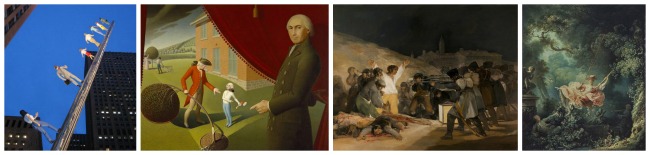
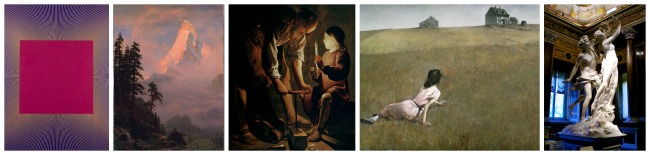
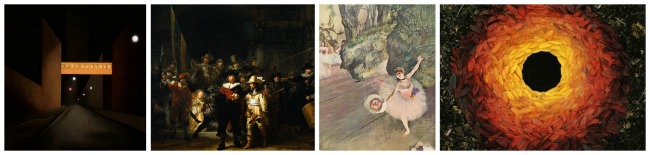
It was hard to break this one down to categories, because chances are if the artwork shows emphasis well, it usually used more than one element or principle to do so. So, I have put the elements and principles of art that the artist used to show emphasis in art in parenthesis next to the artwork.

Explore the full Elements of Art series for more resources and examples to enrich your curriculum.

For ready-to-use classroom activities, check out our printable art interpretation worksheets.

Download the Free Elements and Principles Printable Pack


This pack of printables was designed to work in a variety of ways in your classroom when teaching the elements and principles of art. You can print and hang in your classroom as posters/anchor charts or you can cut each element and principle of art in its own individual card to use as a lesson manipulative.

Emphasis in Art Examples

The Art Curator for Kids - Example Artworks that Show Emphasis in Art - The Elements and Principles of Art Series
  • Grant Wood, Parson Weems’ Fable, 1939 (Line, Shape)
  • Jonathan Borofsky, Walking to the Sky, 2004 (Line, Movement)
  • Francisco Goya, The Shootings of May Third 1808, 1814 (Value, Color, Line)
  • Jean-Honoré Fragonard, The Swing, 1767 (Complementary Color, Movement)
  • Leonardo da Vinci, The Last Supper, 1494-99 (Balance, Line, Space)
The Art Curator for Kids - Example Artworks that Show Emphasis in Art - The Elements and Principles of Art Series
  • Richard Anuszkiewicz, Deep Magenta Square, 1978 (Color, Line, Shape, Light)
  • Albert Bierstadt, Sunrise on the Matterhorn, after 1875 (Size, Space, Light, Contrast)
  • Georges de La Tour, St. Joseph the Carpenter, c. 1645 (Contrast, Value, Light)
  • Andrew Wyeth, Christina’s World, 1948 (Space)
The Art Curator for Kids - Example Artworks that Show Emphasis in Art - The Elements and Principles of Art Series
  • George C. Ault, Sullivan Street, Abstraction, 1924 (Contrast, Shape, Line, Color, Light)
  • Rembrandt van Rijn, Militia Company of District II under the Command of Captain Frans Banninck Cocq, known as the ‘Night Watch’, 1642 (Line, Value, Movement)
  • Edgar Degas, The Star, ca. 1878 (Shape, Balance, Line, Movement)
  • Andy Goldsworthy, Circles, Varied (Shape, Color, Value)
The Art Curator for Kids - Example Artworks that Show Emphasis in Art - The Elements and Principles of Art Series
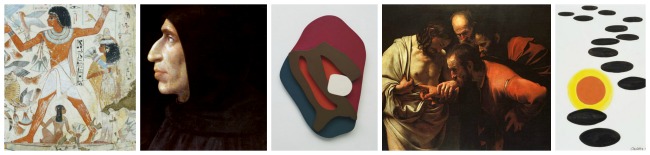
  • Ancient Egypt, Nebamun Hunting in the Marshes, ca. 1350 B.C.E. (Scale/Size, Line)
  • Fra Bartolommeo, Savonarola, 16th century (Light, Contrast)
  • Jean Arp, Enak’s Tears (Terrestrial Forms), 1917 (Color, Shape)
  • Caravaggio, The Incredulity of Saint Thomas, 1601-02 (Composition, Line, Contrast, Light, Color)
  • Alexander Calder, Saucers Skirting a Planet, 1968 (Shape, Color)
  • Artemisia Gentileschi, Judith Slaying Holofernes, c.1620 (Line, Movement, Contrast, Value)
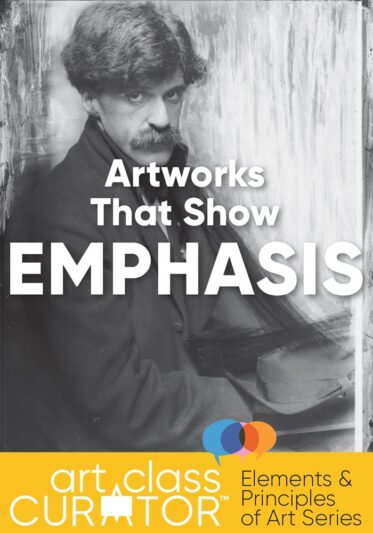
  • Gertrude Käsebier, Portrait of Alfred Steiglitz, 1902 (Texture, Value)
  • René Magritte, The Art of Living, 1967 (Shape, Space)

💡 Looking for more comprehensive art appreciation resources?

Join the Curated Connections Library to access a wealth of lessons, activities, and professional development materials tailored for art educators.
👉 Learn more here

Elements and Principles Teaching Bundle

This extraordinary bundle includes the best resources for teaching each of the elements and principles—37 worksheets/handouts, 15 lessons (with accompanying PowerPoints and Handouts), 3 ready-to-go art analysis activities, 3 art analysis videos, and 13 elements and principle PDF articles.

Buy Now

There you have it! The best emphasis in art examples for your elements and principles of art lessons. Want more elements and principles of art examples? Check out the below posts.

The Art Curator for Kids -Example Artworks that Show Space - The Elements and Principles of Art Series-300The Art Curator for Kids - Example Artworks that Show Line - The Elements and Principles of Art - 300The Art Curator for Kids - Example Artworks that Show Emphasis - The Elements and Principles of Art SeriesElements and Principles of Art - Artworks that Show Proportion in art and ScaleThe Art Curator for Kids - Elements and Principles of Art Series - Artworks that Show Shape - 300The Art Curator for Kids - Why I Hate the Elements and Principles But Teach Them Anyway - 300The Art Curator for Kids - How Artists Depict Space - Masterpiece Monday - John Sloan , South Beach Bathers, 1907-1908, Art Lessons for Kids - Elements of Art Lessons

Photo Credits:
  • Bernini’s Apollo and Daphne — Int3gr4te
  • Borofsky’s Walking to the Sky — doreen

Filed Under: Elements and Principles of Art
Tagged With: albert bierstadt, alexander calder, andrew wyeth, andy goldsworthy, artemisia gentileschi, caravaggio, edgar degas, fra bartolommeo, francisco goya, george ault, georges de la tour, gertrude käsebier, gian lorenzo bernini, grant wood, jean arp, jean-honore fragonard, jonathan borofsky, leonardo da vinci, michelangelo, rembrandt, rene magritte, richard anuszkiewicz


May 13, 2025 7 Comments

The Best Examples of Balance in Art: Symmetrical, Asymmetrical, and Radial

Inside: A curated collection of examples of balance in art—including symmetrical, asymmetrical, and radial compositions. This resource is part of our comprehensive Elements and Principles of Art series, designed to support and inspire your art lessons.

Balance is a fundamental principle in art that helps create visual harmony and stability. Whether through symmetry, asymmetry, or radial designs, artists use balance to guide the viewer’s eye and evoke specific feelings.

In this post, you’ll find a variety of artworks demonstrating different types of balance, perfect for sparking discussion and analysis in your classroom.

👉 Want a printable to accompany these examples? Grab the free Elements & Principles Pack below. Just click the yellow “Download” button.

Free Resource!

* Elements & Principles Printable Pack *

The Elements & Principles of Art are the foundation of every artwork, but teaching them can be a bore. Wake your students up and engage them with full color artworks, easy to understand definitions, and thought-provoking higher level thinking questions. This versatile resource can be hung in the classroom or used as an art manipulative.

Download

Free Resource!

* Elements & Principles Printable Pack *

The Elements & Principles of Art are the foundation of every artwork, but teaching them can be a bore. Wake your students up and engage them with full color artworks, easy to understand definitions, and thought-provoking higher level thinking questions. This versatile resource can be hung in the classroom or used as an art manipulative.

Explore the full Elements of Art and Principles of Design series for more resources and examples to enrich your curriculum.

For ready-to-use classroom activities, check out our printable art interpretation worksheets.

Download the Free Elements and Principles Printable Pack


This pack of printables was designed to work in a variety of ways in your classroom when teaching the elements and principles of art. You can print and hang in your classroom as posters/anchor charts or you can cut each element and principle of art in its own individual card to use as a lesson manipulative.

What does balance mean in art?

Balance in art is just what is sounds like; it is the sense of stability in a work of art. To create balance in art, artists combine the visual components to ensure that one part of the artwork doesn’t completely overshadow the rest. Each choice made by the artist is a deliberate one in order to ensure equilibrium and balance in the art. Artists create this pleasing effect using the different types of balance in art listed below.

Symmetrical Balance in Art Examples

Symmetrical Balance in Art Examples

What is symmetrical balance in art? Symmetrical balance in art is when each half of the artwork is identical or very similar. Draw a line through the artwork and compare each side.

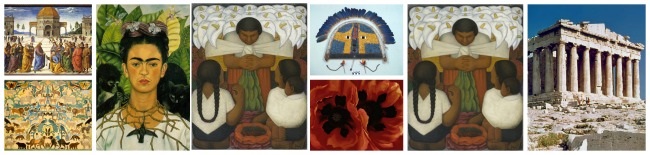
  • Cimabue, Santa Trinita Madonna, 1280-90
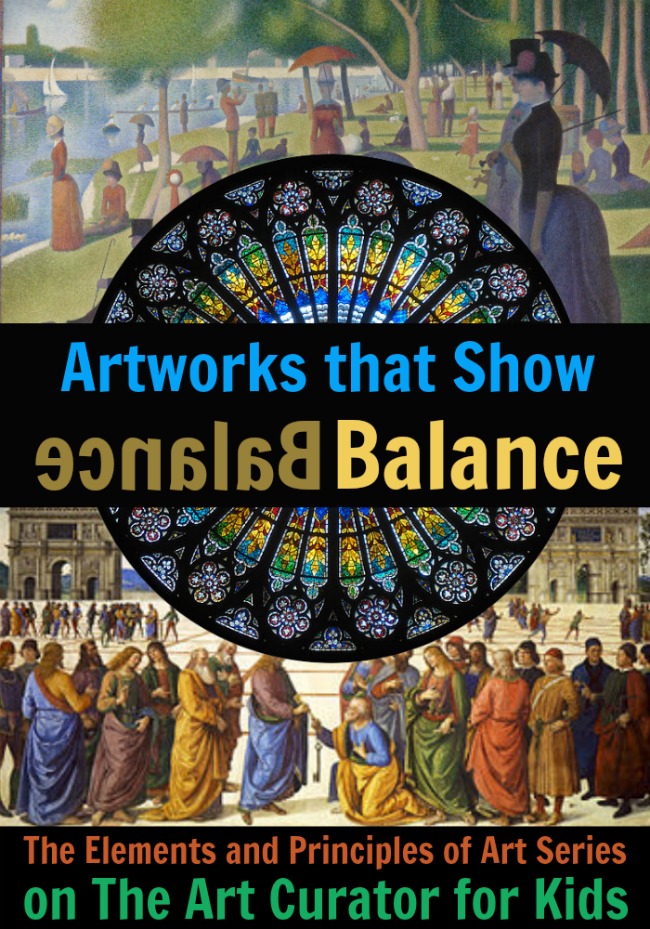
  • Pietro Perugino, Christ Giving the Keys to St. Peter, 1481–1482
  • American 19th Century, Cutout of Animals, second quarter 19th century
  • Frida Kahlo, Self-Portrait, 1940
  • Chokwe people, African, Chibinda Ilunga, mid-19th century
  • Naum Gabo, Untitled sculpture in Rotterdam, the Netherlands, 1957
  • Georgia O’Keefe, Oriental Poppies, 1928
  • Diego Rivera, Flower Day, 1925
  • Ancient Greece, The Parthenon, 447-438 B.C.E.
  • Tapirapé, Cara Grande feather mask, c. 1960
  • Japan, Portrait sculpture of a Zen priest, 14th–15th century
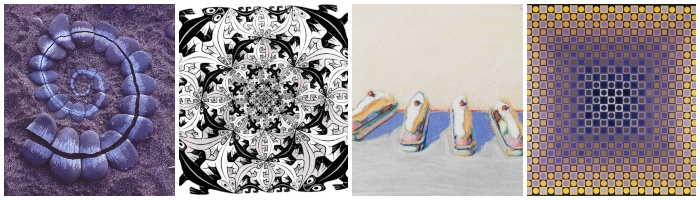
  • M.C. Escher, many
  • Francis Bacon, Figure with Meat, 1909-92
  • Salvador Dalì, Mae West Lips Sofa, 1938
The Art Curator for Kids - Example Artworks the Show Balance - Asymmetrical Balance Examples

Asymmetrical Balance in Art Examples

What is asymmetrical balance in art? Asymmetrical balance in art is when each half is different but has equal visual weight. The artwork is still balanced. For example, in the Caravaggio (the picture in the right in the collage), the three men are balanced with Jesus on the left. Jesus is facing forward and in brighter light which balances out the three men in shadow.

  • James Abbott McNeill Whistler, Arrangement in Grey and Black: Portrait of the Painter’s Mother known as “Whistler’s Mother,” 1871
  • Caravaggio, The Incredulity of Saint Thomas, 1601-02
  • Georges Seurat, A Sunday on La Grande Jatte, 1884
  • Edgar Degas, The Rehearsal, 1877
  • Edgar Degas, Dancers Practicing at the Barre, 1876-77
  • Gian Lorenzo Bernini, David, 1623
  • Alexander Calder, Mobile, 1942
  • Yinka Shonibare, Dysfunctional Family, 1999
  • Katsushika Hokusai, The Great Wave off Kanagawa, c. 1829-32
  • Paul Strand, Abstraction, Twin Lakes, Connecticut, 1916
  • Ikebana, various
  • Vincent van Gogh, The Starry Night, 1889
  • Jacques-Louis David, Oath of the Horatii, 1785
  • Edward Hopper, Nighthawks, 1942
The Art Curator for Kids - Example Artworks the Show Balance - Radial Balance Examples

Radial Balance in Art Examples

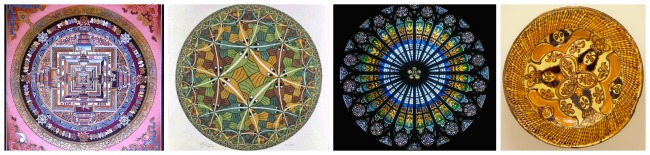
What is radial balance in art? Radial balance in art is when there are equal parts that radiate out from the center. Think of it like pieces of pie. You will find in the examples of balance in art here that there can be many equal pieces–from 3 in the Charles II Charger to 16 in the Gothic Rose window!

  • Gothic Rose Windows
  • England, 17th century, Charger of Charles II in the Boscobel Oak, c. 1685
  • M.C. Escher, many
  • Mandalas, many
  • Melozzo da Forlì, St. Mark’s Sacristy, 1480s
The Art Curator for Kids - Example Artworks the Show Balance - Off-Balance Examples

Off-Balance or Unbalanced Artworks (kind of)

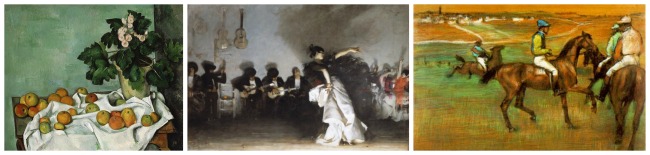
It’s hard to find artworks that are unbalanced by well-known artists. These teeter on the edge between asymmetrically-balanced and unbalanced. It’s up for debate and would be a great discussion with your students!

  • Edgar Degas, Race Horses, 1885-1888
  • Paul Cezanne, Still Life with Apples and a Pot of Primroses, c. 1890
  • Precolumbian, Presentation of Captives to a Maya Ruler, A.D. 785
  • John Singer Sargent, El Jaleo, 1882
  • Juan Sánchez Cotán, Quince, Cabbage, Melon, and Cucumber, 1602
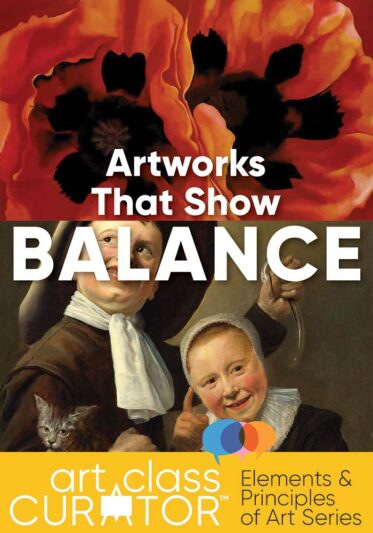
  • Judith Leyster, A Boy and Girl with a Cat and an Eel, c. 1635
  • Paulus Potter, The Bull, 1647
  • Harmen Steenwyck, Still Life: An Allegory of the Vanities of Human Life, c. 1640

Do you have great examples of balance in art? Share them with me in the comments, and I will add it to the list!

💡 Looking for more comprehensive art appreciation resources?

Join the Curated Connections Library to access a wealth of lessons, activities, and professional development materials tailored for art educators.
👉 Learn more here

Elements and Principles Teaching Bundle

This extraordinary bundle includes the best resources for teaching each of the elements and principles—37 worksheets/handouts, 15 lessons (with accompanying PowerPoints and Handouts), 3 ready-to-go art analysis activities, 3 art analysis videos, and 13 elements and principle PDF articles.

Buy Now


There you have it! The best examples of balance in art for your elements and principles of art lessons. Want more elements and principles of art teacher resources? Check out the below posts.


The Art Curator for Kids -Example Artworks that Show Space - The Elements and Principles of Art Series-300The Art Curator for Kids - Example Artworks that Show Line - The Elements and Principles of Art - 300The Art Curator for Kids - Example Artworks that Show Emphasis - The Elements and Principles of Art SeriesElements and Principles of Art - Artworks that Show Proportion in art and ScaleThe Art Curator for Kids - Elements and Principles of Art Series - Artworks that Show Shape - 300The Art Curator for Kids - Why I Hate the Elements and Principles But Teach Them Anyway - 300The Art Curator for Kids - How Artists Depict Space - Masterpiece Monday - John Sloan , South Beach Bathers, 1907-1908, Art Lessons for Kids - Elements of Art Lessons

Filed Under: Elements and Principles of Art
Tagged With: alexander calder, caravaggio, cimabue, diego rivera, edgar degas, edward hopper, francis bacon, frida kahlo, georges seurat, georgia o'keeffe, gian lorenzo bernini, harmen steenwyck, jacques-louis david, james whistler, john singer sargent, juan sánchez cotán, judith leyster, leonardo da vinci, m.c. escher, naum gabo, paul cezanne, paul strand, paulus potter, pietro perugino, salvador dali, vincent van gogh, yinka shonibare


May 13, 2025 5 Comments

The Ultimate List of Texture in Art Examples

Inside: A curated collection of texture in art examples—organized by media and type, including both actual and implied texture to spark student curiosity and conversation.

Texture is one of those elements students can almost feel. Whether it’s the thick, tactile brushstrokes of a Van Gogh painting or the illusion of softness in a drawn fabric, texture invites the senses into the visual experience.

In this post, you’ll find a wide range of artworks that demonstrate texture in all its forms—perfect for your next art appreciation lesson, critique, or creative project.

👉 Want a printable to use alongside these artworks? Grab the free Elements & Principles Pack below. Just click the yellow “Download” button.

Free Resource!

* Elements & Principles Printable Pack *

The Elements & Principles of Art are the foundation of every artwork, but teaching them can be a bore. Wake your students up and engage them with full color artworks, easy to understand definitions, and thought-provoking higher level thinking questions. This versatile resource can be hung in the classroom or used as an art manipulative.

Download

Free Resource!

* Elements & Principles Printable Pack *

The Elements & Principles of Art are the foundation of every artwork, but teaching them can be a bore. Wake your students up and engage them with full color artworks, easy to understand definitions, and thought-provoking higher level thinking questions. This versatile resource can be hung in the classroom or used as an art manipulative.

This post is part of the Elements of Art series—a comprehensive collection of artwork examples and teaching tools for your classroom.

Want printable resources that pair with these artworks? These art interpretation worksheets are ready to go and perfect for sparking deeper engagement.

Download the Free Elements and Principles Printable Pack


This pack of printables was designed to work in a variety of ways in your classroom when teaching the elements and principles of art. You can print and hang in your classroom as posters/anchor charts or you can cut each element and principle of art in its own individual card to use as a lesson manipulative.

Actual Texture in Art

Actual texture is the physical feel an artwork has. From the silky texture of the paint to the rough texture of stone, artists use texture to add interest, create emphasis and expression, and add depth to their work.

Best Artist that Uses Actual Texture

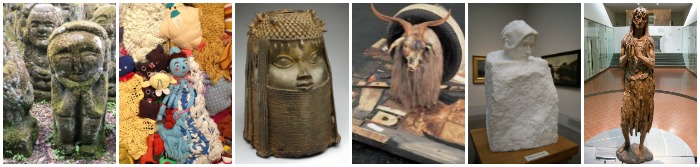
You absolutely cannot teach actual texture without pulling in the work of Anselm Keifer. In both his sculpture and his paintings, he mixes in all sorts of different textures in art such as glass, sand, dried flowers, ash, broken ceramics, straw, and more. His art is bold, dark, and emotional, and the textures contribute to the mood of his work. He was born in Germany at the tail end of World War II. His art shows his attempt to come to terms with the history of his country. Learn more about his work here.

Actual Texture in Art Examples, Two-Dimensional

Actual Texture in Art Examples Paintings
  • Marcia Gygli King, The Family, from The Culture Series, 2005
  • Vincent van Gogh, The Starry Night, 1889
  • Anselm Kiefer, Aschenblume, 1983-97
  • Justin Gaffrey, Any
  • J.M.W. Turner, Rain, Steam, and Speed–The Great Western Railway, 1844
  • Iran, Silk Kashan Carpet, 16th century
  • Terese Agnew, Portrait of a Textile Worker, 2005

Actual Texture in Sculpture

Actual Texture in Sculpture
  • Ife, Head, possible a King, 12th-14th century
  • Meret Oppenheim, Object, 1936
  • Robert Rauschenberg, Monogram, 1955-59
  • Constantin Brancusi, Bird in Space, 1925
  • Donatello, Penitent Magdalene, 1453-1455
  • Michaelangelo, The Awakening Slave (Design for Julius II Tomb), 1536
  • Auguste Rodin, Thought Emerging From Matter, 1895
  • Benin, Head of an Oba, 18th Century
  • Mike Kelley, More Love Hours Than Can Ever Be Repaid and The Wages of Sin, 1987
  • Buddhas from the Otagi-Nenbutsi Temple, Kyoto Japan
  • Ka’apor culture, Necklace with attached flute, 1955-1962
  • Asmat people, Body Mask (Det), mid-20th century
  • Fred Wilson, Mining the Museum, Metalwork, 1793-1880

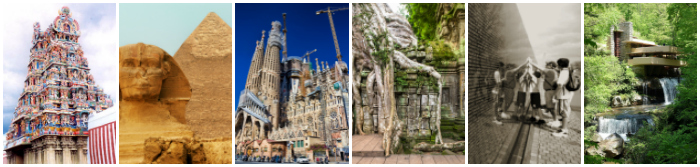
Actual Texture in Architecture

Actual Texture in Architecture, Element of Design Texture
  • Maya Lin, Vietnam Memorial, Washington D.C., 1982
  • Ancient Egypt, The Great Pyramid of Giza, c. 2580–2560 BCE
  • Frank Lloyd Wright, Fallingwater, 1936
  • Antoni Gaudi, Sagrada Família, 1882-present
  • Cambodia, Angkor Wat Temple, 12th century
  • India, Meenakshi Amman Temple, 1623-1655

Visual Texture / Implied Texture

Visual texture in art (also called Implied Texture) is texture that is not actually real. The artist creates the illusion of textures through manipulation of the media.

Best Artist that Uses Visual Texture

There are so many masterful artists who create visual texture, but if I had to pick one, I would go with Albrecht Durer. He’s a master in creating textures in multiple media.

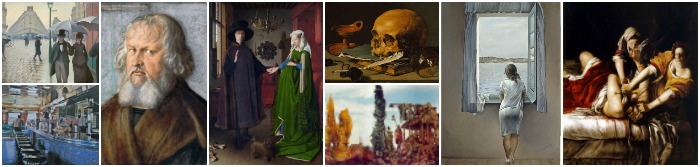
Visual Texture Examples in Painting

Visual Texture in Art Examples Paintings
  • Albrecht Durer, Portrait of Hieronymus Holzschuher, 1526
  • Ralph Goings, Ralph’s Diner, 1982
  • Artemisia Gentileschi, Judith Slaying Holofernes, 1614
  • Max Ernst, Europe After Rain II, 1940-42
  • Jan van Eyck, The Arnolfini Portrait, 1434
  • Gustave Caillebotte, Place de l’Europe on a Rainy Day, 1876-1877
  • Salvador Dalí, Girl at a Window, 1925
  • Pieter Claesz, Still Life with a Skull and a Writing Quill, 1628
  • Albrecht Durer, Young Hare, 1502
  • Jason de Graaf, Oil Paintings (Any)
  • Teresa Elliott, Deliverance

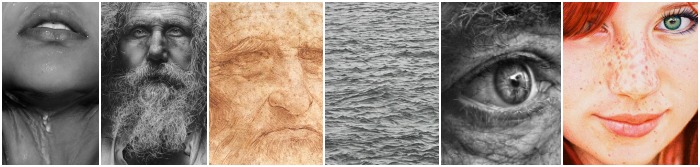
Visual Texture Examples in Drawing

Visual Texture in Art Examples in Drawing
  • Vija Celmins, Drypoint – Ocean Surface, 1983
  • Leonardo da Vinci, Portrait of a Man in Red Chalk, c. 1512
  • Samuel Silva, Ballpoint Pen Drawings (Any)
  • Armin Mersmann, Eye Drawings

Visual Texture Examples in Sculpture

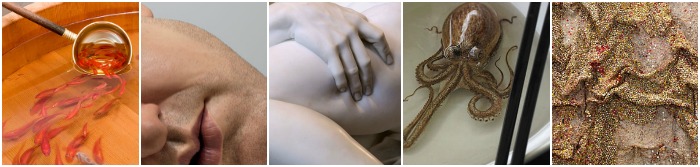
Visual Texture Examples in Sculpture
  • Ron Mueck, A Boy, 2005
  • Ron Mueck, A Girl, 2006
  • R. Fukahori, 3-D Paintings (Any)
  • Keng Lye, 3-D Paintings (Any)
  • El Anatsui, Dusasa II, 2007

💡 Looking for more done-for-you lessons like this?

Join the Curated Connections Library and get access to hundreds of art appreciation resources, teacher trainings, and time-saving materials.
👉 Click here to learn more and join.

Elements and Principles Teaching Bundle

This extraordinary bundle includes the best resources for teaching each of the elements and principles—37 worksheets/handouts, 15 lessons (with accompanying PowerPoints and Handouts), 3 ready-to-go art analysis activities, 3 art analysis videos, and 13 elements and principle PDF articles.

Buy Now

There you have it! The best texture in art examples for your elements and principles of art lessons. Want more elements and principles of art teacher resources? Check out the below posts.


The Art Curator for Kids -Example Artworks that Show Space - The Elements and Principles of Art Series-300The Art Curator for Kids - Example Artworks that Show Line - The Elements and Principles of Art - 300The Art Curator for Kids - Example Artworks that Show Emphasis - The Elements and Principles of Art SeriesElements and Principles of Art - Artworks that Show Proportion in art and ScaleThe Art Curator for Kids - Elements and Principles of Art Series - Artworks that Show Shape - 300The Art Curator for Kids - Why I Hate the Elements and Principles But Teach Them Anyway - 300The Art Curator for Kids - How Artists Depict Space - Masterpiece Monday - John Sloan , South Beach Bathers, 1907-1908, Art Lessons for Kids - Elements of Art Lessons

Filed Under: Elements and Principles of Art


May 8, 2025 4 Comments

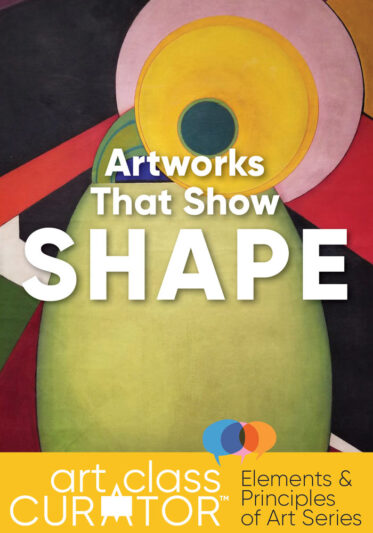
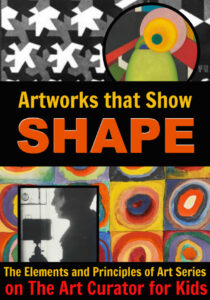
Artworks that Use Shape

Shape is one of the most accessible elements of art—students can see it immediately, but helping them understand it on a deeper level opens up a whole new way of seeing.

In this post, you’ll find artworks that demonstrate shape in all its forms, ready to support your next elements of art lesson, critique, or student project.

👉 Want a printable to go with it? Grab the free Elements & Principles Pack below to bring this concept to life in your classroom. Click the yellow “Download” button.

Free Resource!

* Elements & Principles Printable Pack *

The Elements & Principles of Art are the foundation of every artwork, but teaching them can be a bore. Wake your students up and engage them with full color artworks, easy to understand definitions, and thought-provoking higher level thinking questions. This versatile resource can be hung in the classroom or used as an art manipulative.

Download

Free Resource!

* Elements & Principles Printable Pack *

The Elements & Principles of Art are the foundation of every artwork, but teaching them can be a bore. Wake your students up and engage them with full color artworks, easy to understand definitions, and thought-provoking higher level thinking questions. This versatile resource can be hung in the classroom or used as an art manipulative.

Inside: A curated collection of artworks that show how artists use shape—from bold geometric compositions to expressive organic forms and powerful uses of negative space.

Explore the full Elements of Art series for more resources and examples to enrich your curriculum.

I’m continuing the Elements and Principles of Art series today with a post that includes example artworks that use shape.

Download the Free Elements and Principles Printable Pack


This pack of printables was designed to work in a variety of ways in your classroom when teaching the elements and principles of art. You can print and hang in your classroom as posters/anchor charts or you can cut each element and principle of art in its own individual card to use as a lesson manipulative.

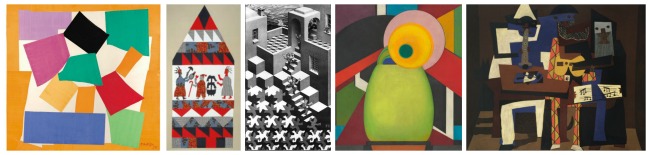
Shape in Art Examples

The Art Curator for Kids - Elements and Principles of Art Series - Artworks that Show Shape1

Example Artworks that Use Shape, General

  • Henri Matisse, The Snail, 1953
  • Okun Akpan Abuje, Nigerian Funerary shrine cloth, late 1970s
  • MC Escher, Cycle, 1938
  • Pablo Picasso, Three Musicians, 1921
  • Grant Wood, Spring Turning, 1936
  • Edward Steichen, The Sunflower, c. 1920
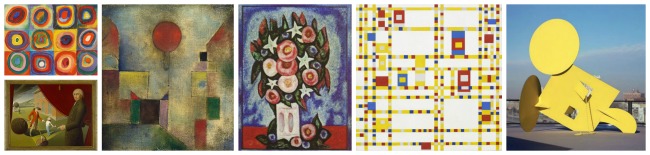
The Art Curator for Kids - Elements and Principles of Art Series - Artworks that Show Shape2

Artworks with Geometric Shape

  • Piet Mondrian, Broadway Boogie-Woogie, 1942-43
  • Marsden Hartley, Night – and Some Flowers, 1940
  • Grant Wood, Parson Weems’ Fable, 1939
  • Paul Klee, The Red Balloon, 1922
  • Le Corbusier, Notre-Dame-du-Haut at Ronchamp (interior), 1950-1955
  • Claes Oldenburg, Geometric Mouse – Scale A, 1969-1971
  • Wassily Kandinsky, Squares with Concentric Circles, 1913
The Art Curator for Kids - Elements and Principles of Art Series - Artworks that Show Shape3

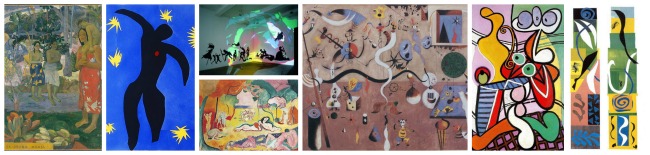
Artworks with Organic or Free-Form Shape

  • Paul Gauguin, La Orana Maria (Hail Mary), 1891
  • Joan Miro, Harlequin’s Carnival, 1925
  • Henri Matisse, The Joy of Life, 1905-06
  • Henri Matisse, Icarus, from Jazz series, 1947
  • Henri Marisse, Beasts of the Sea, 1950
  • Pablo Picasso, Great Still Life on Pedestal, 1931
  • Kara Walker, Darkytown Rebellion, 2001
The Art Curator for Kids - Elements and Principles of Art Series - Artworks that Show Shape4

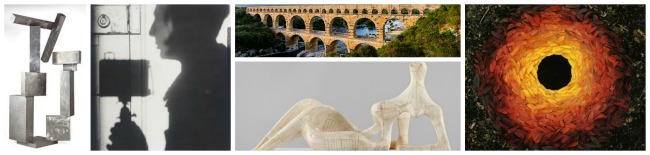
Shapes Made by Negative Space

  • David Smith, Cubi IX, 1961
  • Andy Goldsworthy, Circles, Varied (Shape, Color, Value)
  • Henry Moore, Reclining Figure, 1951
  • André Kertész, Self-Portrait, 1926
  • Ancient Roman, Pont du Gard, 40-60 C.E.

Shapes that Guide your Eye Around the Picture

  • Grant Wood, Parson Weems’ Fable, 1939
  • Marsden Hartley, Night – and Some Flowers, 1940
The Art Curator for Kids - Elements and Principles of Art Series - Artworks that Show Shape5

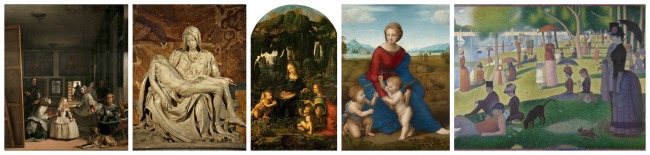
Shapes Used to Organize Picture (Pyramidal Configuration, etc.)

  • Leonardo da Vinci, Virgin of the Rocks, c. 1483
  • Michelangelo Buonarroti, Pieta, 1498-99
  • Diego Velázquez, Las Meninas, 1656
  • Raphael, Madonna in the Meadow, 1506
  • Georges Seurat, A Sunday on La Grande Jatte, 1884

💡 Looking for more comprehensive art appreciation resources?

Join the Curated Connections Library to access a wealth of lessons, activities, and professional development materials tailored for art educators.
👉 Learn more here

The Art Curator for Kids - Elements and Principles of Art Series - Artworks that Use Shape

For ready-to-use classroom activities, check out our printable art interpretation worksheets.

Elements and Principles Teaching Bundle

This extraordinary bundle includes the best resources for teaching each of the elements and principles—37 worksheets/handouts, 15 lessons (with accompanying PowerPoints and Handouts), 3 ready-to-go art analysis activities, 3 art analysis videos, and 13 elements and principle PDF articles.

Buy Now

There you have it! The best shape in art examples for your elements and principles of art lessons. Want more elements and principles of art teacher resources? Check out the below posts.

The Art Curator for Kids -Example Artworks that Show Space - The Elements and Principles of Art Series-300The Art Curator for Kids - Example Artworks that Show Line - The Elements and Principles of Art - 300The Art Curator for Kids - Example Artworks that Show Emphasis - The Elements and Principles of Art SeriesElements and Principles of Art - Artworks that Show Proportion in art and ScaleThe Art Curator for Kids - Elements and Principles of Art Series - Artworks that Show Shape - 300The Art Curator for Kids - Why I Hate the Elements and Principles But Teach Them Anyway - 300The Art Curator for Kids - How Artists Depict Space - Masterpiece Monday - John Sloan , South Beach Bathers, 1907-1908, Art Lessons for Kids - Elements of Art Lessons

Photo Credits:

  • Pont du Gard, Benh LIEU SONG

Filed Under: Elements and Principles of Art
Tagged With: andre kertesz, andy goldsworthy, claes oldenburg, david smith, diego velazquez, edward steichen, georges seurat, grant wood, henri matisse, joan miro, kara walker, le corbusier, leonardo da vinci, m.c. escher, marsden hartley, michelangelo, okun akpan abuje, pablo picasso, paul gauguin, paul klee, piet mondrian, raphael, wassily kandinsky


May 8, 2025 8 Comments

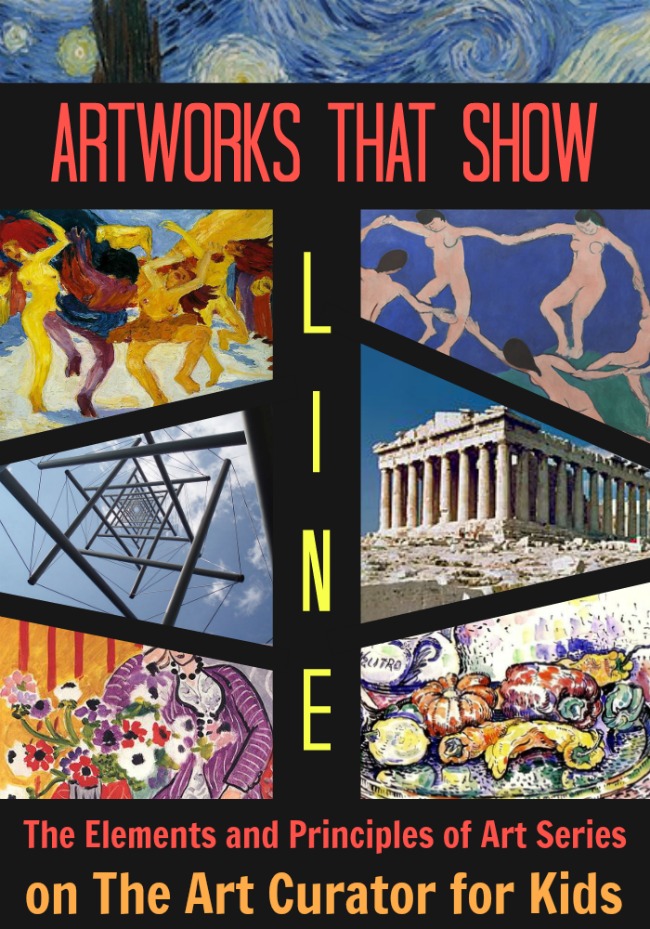
Artworks that Show Line

I don’t know about you, but I often find myself needing to teach a lesson on one of the elements and principles of art, but it takes a bit of digging to find good examples of art that teach that particular element. To help those in that situation, I have created an elements and principles series that includes lists of example artworks you can use in your elements and principles of art lessons.

Finding the right artwork to teach the elements of art can take time. That’s why I created this Elements & Principles series—to help you skip the endless search and get straight to powerful, conversation-starting artworks.

Below, you’ll find artworks that clearly demonstrate the many types of line—perfect for your next lesson or student project.

👉 Want a printable to go with it? Grab the free Elements & Principles Pack below. Click the yellow “Download” button.

Free Resource!

* Elements & Principles Printable Pack *

The Elements & Principles of Art are the foundation of every artwork, but teaching them can be a bore. Wake your students up and engage them with full color artworks, easy to understand definitions, and thought-provoking higher level thinking questions. This versatile resource can be hung in the classroom or used as an art manipulative.

Download

Free Resource!

* Elements & Principles Printable Pack *

The Elements & Principles of Art are the foundation of every artwork, but teaching them can be a bore. Wake your students up and engage them with full color artworks, easy to understand definitions, and thought-provoking higher level thinking questions. This versatile resource can be hung in the classroom or used as an art manipulative.

Inside: A curated list of artworks that show the different types of line in art—including implied lines, gesture lines, contour lines, expressive lines, and more. 

👉 This post is part of the Elements of Art series—explore them all to build a complete foundation for your classroom.

Download the Free Elements and Principles Printable Pack

This pack of printables was designed to work in a variety of ways in your classroom when teaching the elements and principles of art. You can print and hang in your classroom as posters/anchor charts or you can cut each element and principle of art in its own individual card to use as a lesson manipulative.

Examples of Types of Line in Art

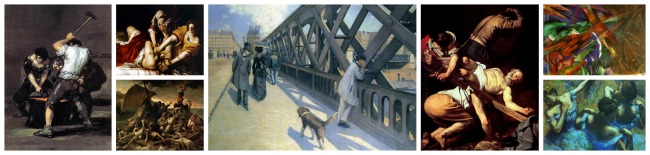
The Art Curator for Kids - Example Artworks the Show Types of Line in Art - General

Artworks that Show Line, General

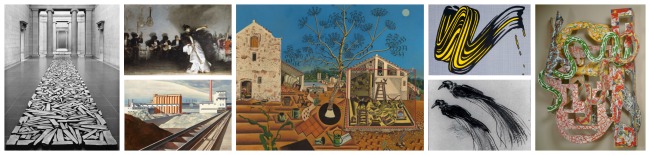
  • Richard Long, A Line Made by Walking, 1967
  • Richard Long, Cornish Slate Line, 1990
  • Frank Stella, Jarama II, 1982
  • Roy Lichtenstein, Brushstroke, 1965
  • Charles Sheeler, Classic Landscape, 1931
  • Joan Miró, The Farm, 1921–1922
  • Rembrandt van Rijn, Two Studies Of A Bird Of Paradise, 1630
  • John Singer Sargent, El Jaleo, 1882
The Art Curator for Kids - Example Artworks the Show Line - Horizontal and Vertical Lines in Art

Horizontal and Vertical Lines in Art

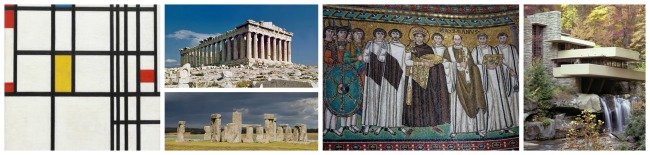
  • Stonehenge, ca. 2600-2000 B.C.E.
  • Ancient Greece, The Parthenon, 447-438 B.C.E.
  • Frank Lloyd Wright, Fallingwater, 1936-7
  • Piet Mondrian, Composition in Red, Blue, and Yellow, 1937-42
  • Byzantine, Justinian and his Attendants, Basilica di San Vitale, 547 C.E
The Art Curator for Kids - Example Artworks the Show Line - Diagonal Lines in Art

Diagonal Lines in Artworks

  • Edgar Degas, Blue Dancers, c. 1899
  • Gustave Caillebotte, Le Pont de L’Europe, 1881-1882
  • Artemisia Gentileschi, Judith Slaying Holofernes, 1614–20
  • Franz Marc, Fate of the Animals, 1913
  • Michelangelo Merisi da Caravaggio, The Crucifixion of Saint Peter, 1600-1601
  • Francisco Goya, The Forge, c. 1817
  • Rembrandt van Rijn, Militia Company of District II under the Command of Captain Frans Banninck Cocq, known as the ‘Night Watch’, 1642
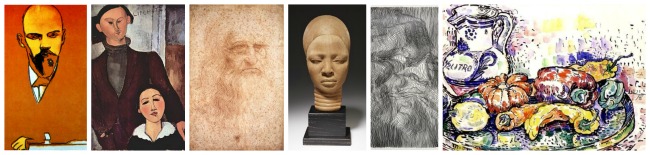
The Art Curator for Kids - Example Artworks the Show Line - Contour Lines and Outlines

Contour Lines and/or Outlines

  • Leonardo da Vinci, Self-Portrait, c. 1512
  • Paul Signac, Still Life with Pitcher, 1919
  • Carl Krull, Olmec Drawings and Scroll Drawings
  • Yoruba artist, Shrine Head, 12th-14th century
  • Andy Warhol, Red Lenin, 1987
  • Amedeo Modigliani, Jacques and Berthe Lipchitz, 1916

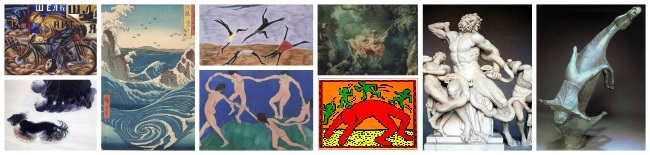
Gesture Lines, Lines that Show Movement

  • Jean-Honoré Fragonard, The Swing, 1767
  • Utagawa Hiroshige, The Whirlpools of Awa: Naruto Rapids, ca. 1853
  • Giacomo Balla, Dynamism of a Dog on a Leash (Leash in Motion), 1912
  • Natalia Goncharova, The Cyclist, 1913
  • Henri Matisse, Dance (I), 1909
  • Marino Marini, Miracle (Miracolo), 1952
  • Jacob Lawrence, Harriet Tubman Series, No. 4, 1939-40
  • Keith Haring, Untitled, 1985

Want to explore how line leads the eye and creates movement in art? Check out these rhythm in art examples to see visual flow in action.

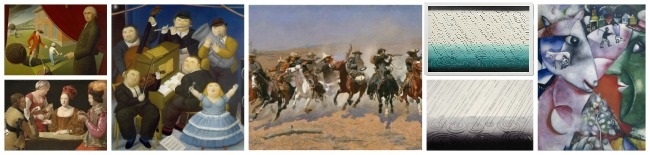
Lines that Help Guide The Viewer’s Eye through the Picture and/or Implied Lines

  • Marc Chagall, I and the Village, 1911
  • Georges de La Tour, The Cheat with the Ace of Clubs, late 1620s
  • Frederic Remington, Dash for the Timber, 1889
  • Suzanne Caporael, Seeing Things: Rain, 1990
  • Fernando Botero, The Musicians, 1991
  • Grant Wood, Parson Weems’ Fable, 1939

Lines that Show Feeling/Emotion, Expressive Lines

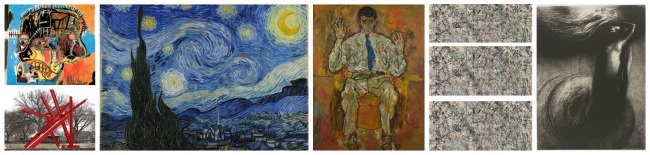
  • Vincent van Gogh, The Starry Night, 1889
  • Mark Di Suvero, Are Years What? (for Marianne Moore), 1967
  • Jean-Michel Basquiat, Untitled, 1984
  • Egon Schiele, Portrait of Paris von Gütersloh, 1918
  • Odilon Redon, Death: “My irony surpasses all others!”, 1889
  • Jackson Pollock, Lavender Mist No. 1, 1950
The Art Curator for Kids - Example Artworks the Show Line - Repetition and Pattern

Repetition of Line, Pattern Using Line, Decorative Line

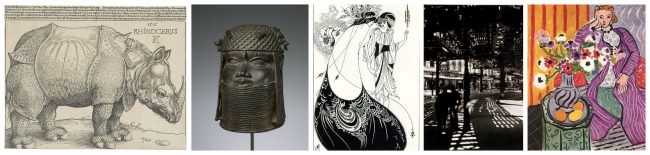
  • Henri Matisse, Purple Robe and Anemones, 1937
  • Berenice Abbott, El, Second and Third Avenue Lines from the portfolio Retrospective, 1982
  • Aubrey Beardsley, The Peacock Skirt, 1893
  • Albrecht Dürer, The Rhinoceros, 1515
  • Benin, Memorial head, 1550-1650
  • Richard Anuszkiewicz, Deep Magenta Square, 1978
The Art Curator for Kids - Example Artworks the Show Line - Lines in Architecture

Lines in Architecture

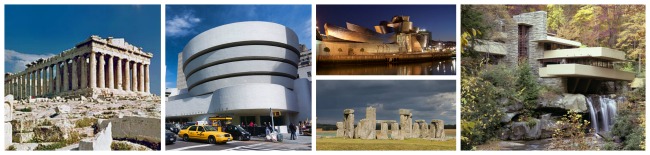
  • Frank Lloyd Wright, Solomon R. Guggenheim Museum, NYC
  • Frank O. Gehry, Guggenheim Museum, Bilbao, Spain
  • Stonehenge, ca. 2600-2000 B.C.E.
  • Ancient Greece, The Parthenon, 447-438 B.C.E.
  • Frank Lloyd Wright, Fallingwater, 1936-1937

Lines in Sculpture

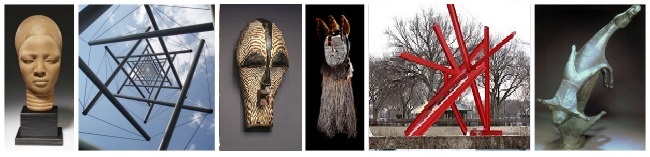
  • Kenneth Snelson, Needle Tower, 1968
  • Songye, Mask (kifwebe), 19th century AD
  • Mark Di Suvero, Are Years What? (for Marianne Moore), 1967
  • Benin, Memorial head, 1550-1650
  • Yoruba artist, Shrine Head, 12th-14th century
  • Marino Marini, Miracle (Miracolo), 1952

Lines that Show Texture and/or Shading

  • Vincent van Gogh, Garden of Flowers, 1888
  • Rembrandt Van Rijn, The Three Crosses, 1653
  • Käthe Kollwitz, Self Portrait, 1921

Lines that Show Space and/or Linear Perspective

  • Gustave Caillebotte, The Floor Scrapers, 1875
  • Leonardo da Vinci, Last Supper, 1498
  • Pietro Perugino, Christ Giving the Keys to St. Peter, 1481–1482
  • Dorothea Lange, The Road West, 1938

Lines the Show Emphasis

  • Grant Wood, Parson Weems’ Fable, 1939
  • Francisco Goya, Third of May, 1808
  • Jonathan Borofsky, Walking to the Sky, 2004
  • Leonardo da Vinci, The Last Supper, 1494-99
  • Richard Anuszkiewicz, Deep Magenta Square, 1978
  • Rembrandt van Rijn, Militia Company of District II under the Command of Captain Frans Banninck Cocq, known as the ‘Night Watch’, 1642
  • See more artworks that show emphasis.

💡 Want more done-for-you lessons like this?

The Curated Connections Library gives you full access to hundreds of art appreciation resources, trainings, and classroom-ready materials.
👉 Click here to learn more.

Elements and Principles Teaching Bundle

This extraordinary bundle includes the best resources for teaching each of the elements and principles—37 worksheets/handouts, 15 lessons (with accompanying PowerPoints and Handouts), 3 ready-to-go art analysis activities, 3 art analysis videos, and 13 elements and principle PDF articles.

Buy Now


There you have it! The best types of line in art examples for your elements and principles of art lessons. Want more elements and principles of art teacher resources? Check out the below posts.

The Art Curator for Kids -Example Artworks that Show Space - The Elements and Principles of Art Series-300The Art Curator for Kids - Example Artworks that Show Line - The Elements and Principles of Art - 300The Art Curator for Kids - Example Artworks that Show Emphasis - The Elements and Principles of Art SeriesElements and Principles of Art - Artworks that Show Proportion in art and ScaleThe Art Curator for Kids - Elements and Principles of Art Series - Artworks that Show Shape - 300The Art Curator for Kids - Why I Hate the Elements and Principles But Teach Them Anyway - 300The Art Curator for Kids - How Artists Depict Space - Masterpiece Monday - John Sloan , South Beach Bathers, 1907-1908, Art Lessons for Kids - Elements of Art Lessons

Photo Credits:

  • Stonehenge, Diego Delso
  • Parthenon, Steve Swayne
  • Laocoön and His Sons, LivioAndronico
  • Needle Tower, Onderwijsgek

Filed Under: Elements and Principles of Art
Tagged With: albrecht dürer, amedeo modigliani, andy warhol, artemisia gentileschi, aubrey beardsley, basquiat, caravaggio, carl krull, charles sheeler, dorothea lange, edgar degas, egon schiele, emile nolde, fernando botero, francisco goya, frank gehry, frank lloyd wright, frank stella, franz marc, frederic remington, georges de la tour, giacomo balla, gian lorenzo bernini, grant wood, gustave caillebotte, henri matisse, jackson pollock, jacob lawrence, jean-honore fragonard, joan miro, john singer sargent, jonathan borofsky, kathe kollwitz, keith haring, kenneth snelson, leonardo da vinci, marc chagall, marino marini, mark di suvero, natalia goncharova, odilon redon, paul signac, piet mondrian, pietro perugino, rembrandt, richard long, roy lichtenstein, sandro botticelli, suzanne caporael, théodore géricault, utagawa hiroshige, vincent van gogh


May 8, 2025 12 Comments

The Ultimate Collection of Color in Art: Examples and Definitions

Color is often the first thing students notice when they look at a work of art. It’s emotional. It’s bold. It shapes the entire mood and message of the piece.

That makes it one of the most powerful tools you can teach.

In this post, you’ll find a curated collection of artworks that show color in action—from symbolism and contrast to harmony and chaos. Use them to spark discussion, inspire student work, and bring the element of color to life in your classroom.

👉 Want a printable to go with it? Grab the free Elements & Principles Pack below to get ready-to-use teaching materials. Click the yellow “Download” button.

Free Resource!

* Elements & Principles Printable Pack *

The Elements & Principles of Art are the foundation of every artwork, but teaching them can be a bore. Wake your students up and engage them with full color artworks, easy to understand definitions, and thought-provoking higher level thinking questions. This versatile resource can be hung in the classroom or used as an art manipulative.

Download

Free Resource!

* Elements & Principles Printable Pack *

The Elements & Principles of Art are the foundation of every artwork, but teaching them can be a bore. Wake your students up and engage them with full color artworks, easy to understand definitions, and thought-provoking higher level thinking questions. This versatile resource can be hung in the classroom or used as an art manipulative.

Inside: A curated collection of color in art examples, showcasing how artists use color to express emotion, create contrast, and shape meaning. A continuation of the Elements and Principles of Art series.

This post is part of the Elements of Art series—check out the full collection to build a rich, connected curriculum.

Looking for classroom-ready activities? These printable art interpretation worksheets pair perfectly with the artworks in this post.

Download the Free Elements and Principles Printable Pack

This pack of printables was designed to work in a variety of ways in your classroom when teaching the elements and principles of art. You can print and hang in your classroom as posters/anchor charts or you can cut each element and principle of art in its own individual card to use as a lesson manipulative.

Examples of Color in Art

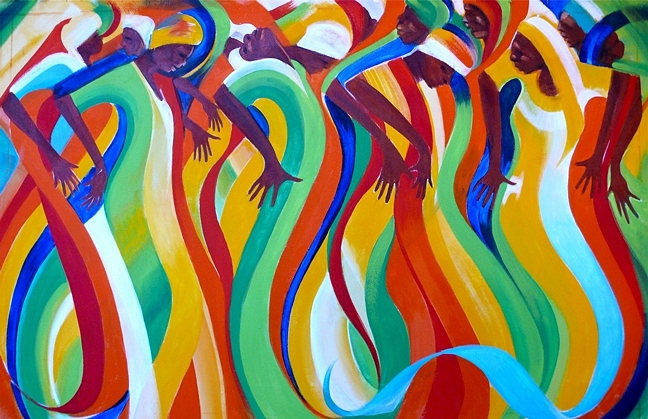
The Art Curator for Kids - Color in Art Examples - Primary Color Art

Primary Color Art

The primary colors are red, yellow, and blue. The primary colors are the basis for all other colors. You cannot do anything to mix blue, yellow, or red. They just exist.

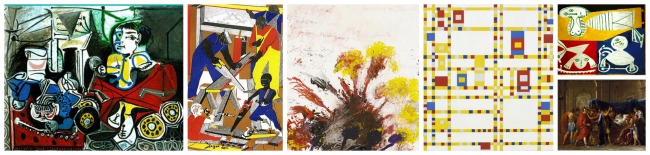
  • Piet Mondrian, Broadway Boogie Woogie, 1942-43
  • Mark Rothko, Untitled (Yellow, Red, and Blue), 1953
  • Jacob Lawrence, Workshop (Builders #1), 1972 and many others
  • Cy Twombly, Summer Madness, 1990 (Click link, then click #20)
  • Hans Hofmann, The Golden Wall, 1961
  • Pablo Picasso, Claude and Paloma Playing, 1950
  • Fritz Glarner, Relational Painting No. 64, 1953
  • Roy Lichtenstein, Stepping Out, 1978
  • Ancient Roman, Glass Garland Bowl, late 1st century B.C.E.
  • Henri de Toulouse-Lautrec, Ambassadeurs Aristide Bruant in his cabaret, 1892
  • Nicolas Poussin, The Death of Germanicus, 1627

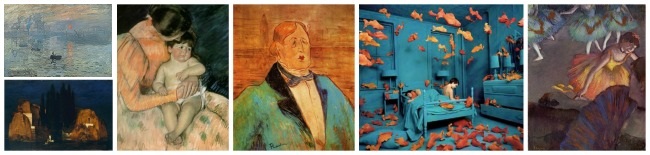
Complementary Colors in Art

Complementary colors in art are opposite each other on the color wheel. They create a lot of contrast in art. Look around in the world, and you will be surprised how often complementary colors are used. What are the sets of complementary colors? The basic complementary color pairings are red and green, purple and yellow, and orange and blue.

  • Wassily Kandinsky, Improvisation 31 (Sea Battle), 1913
  • Pablo Picasso, Woman in Striped Armchair, 1941
  • Rufino Tamayo, Women of Tehuantepec, 1939, Oil on canvas

The Art Curator for Kids - example of color in art - Complementary Colors in Art - Green and Red

Complementary Colors in Art – Red and Green

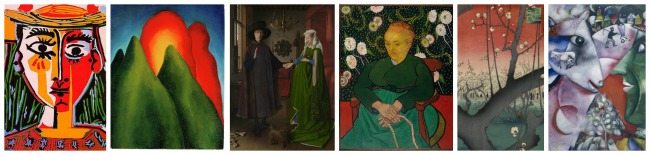
  • Marc Chagall, I and the Village, 1911
  • Ando Hiroshige, Plum Estate, Kameido From “One Hundred Famous Views of Edo”, 1857
  • Shinobo Ishihara, Test for Color Deficiency
  • Vincent van Gogh, The Night Café, 1888
  • Jan van Eyck, The Arnolfini Portrait, 1434
  • Henri Matisse, Portrait of Madame Matisse (Green Stripe), 1905
  • Pablo Picasso, Woman with Hat, 1962
  • Georgia O’Keeffe, Anything, 1916 (Click link, top right image)
  • Vincent van Gogh, La Berceuse (Woman Rocking a Cradle; Augustin-Alix Pellicot Roulin, 1851-1930), 1889
  • Kay Kurt, Weingummi II, 1973

Complementary Colors in Art - Blue and Orange

Complementary Colors in Art – Blue and Orange

  • Mary Cassatt, Mother and Child, 1890
  • Edgar Degas, Ballerina and Lady with Fan, 1885
  • Claude Monet, Rouen Cathedral, West Façade, Sunlight, 1892
  • Paul Klee, Ad Parnassum, 1932
  • Vincent van Gogh, Self-Portrait, 1889
  • Claude Monet, Impression, Sunrise, 1872
  • Fritz Bultman, Blue I, 1958
  • Henri de Toulouse-Lautrec, Portrait of Oscar Wilde, 1895
  • Sandy Skoglund, Revenge of the Goldfish, 1981
  • Stuart Davis, Colonial Cubism, 1954
  • Edvard Munch, The Scream, 1893
  • Arnold Böcklin, Island of the Dead, 1880

artist who use colour - Complementary Colors in Art - Purple and Yellow

Complementary Colors in Art – Purple and Yellow

  • Claude Monet, Water Lilies, 1914-1926
  • Fritz Scholder, Dream Horse G, 1986
  • Henri Matisse, The Dream, 1940
  • Pablo Picasso, Woman with Yellow Hair, 1931 (also red/green)
  • Ray Spillenger, Purple and Yellow, 1963
  • Francis Bacon, Study after Velázquez’s Portrait of Pope Innocent X, 1953
  • Federico Barocci, The Nativity, c. 1597
  • Mark Rothko, Untitled, 1954

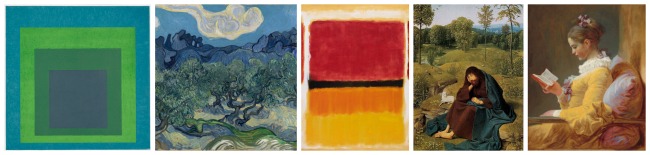
The Art Curator for Kids - elements of color in art - Analogous Colors Examples

Analogous Colors Examples

Analogous colors are next to each other on the color wheel. They create unity in art because they are made of the same colors. Example sets of analogous colors are blue, blue-green, and green or orange, red-orange, and red.

  • Josef Albers, Homage to the Square: Soft Spoken, 1969
  • Vincent van Gogh, The Olive Trees, 1889
  • Claude Monet, The Water-Lily Pond, 1899
  • Mark Rothko, Untitled (Violet, Black, Orange, Yellow on White and Red), 1949
  • Helen Frankenthaler, Freefall, 1992
  • Ed Paschke, Painted Lady, 1995
  • Giorgio de Chirico, Mystery and Melancholy of a Street, 1914
  • Jean-Honoré Fragonard, Young Girl Reading, c. 1770
  • Geertgen Tot Sint Jans, John the Baptist in the Wilderness, ca. 1490

Warm and Cool Colors in Art

Warm colors are the colors red, orange, and yellow. They are bright and pop out. They create energy and excitement in an artwork. Blue and green are cool colors. These cool colors create a calming energy in an artwork. Violet/purple can be both warm and cool depending on how much red or how much blue is in the violet.

The Art Curator for Kids - Color in Art Examples - Warm Colors in Art

Warm Colors in Art

  • Vincent van Gogh, Sunflowers, 1888
  • Paul Gauguin, Still Life with Mangoes, 1891-1896
  • Mark Rothko, Untitled (Violet, Black, Orange, Yellow on White and Red), 1949
  • Vincent van Gogh, The Night Café, 1888
  • Robert Adam, The Croome Court tapestry room, Worcestershire, 1758-67
  • Frederic Church, Cotopaxi, 1862
  • Caravaggio, The Incredulity of Saint Thomas, 1601-1602

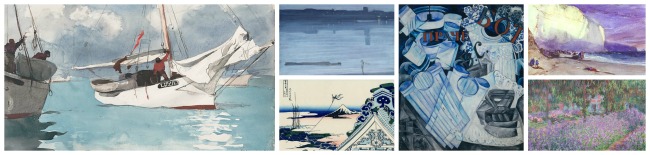
The Art Curator for Kids - famous artists that use colour - Cool Colors in ArtCool Colors in Art

  • Claude Monet, The Artist’s Garden at Giverny, 1900
  • Winslow Homer, Fishing Boats, Key West, 1903
  • Richard Parkes Bonington, The Undercliff, 1828
  • James McNeil Whistler, Nocturne, Blue and Silver: Chelsea, 1871
  • Natalya Goncharova, Linen, 1913
  • Katsushika Hokusai, 36 Views of Mount Fuji, ca. 1829-32

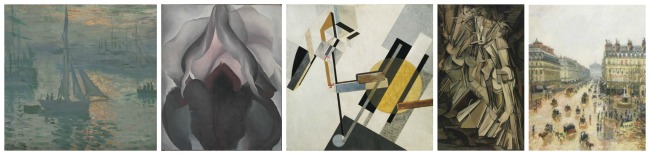
The Art Curator for Kids - Color in Art Examples - Neutral Colors in Art

Neutral Colors in Art

Neutral colors are created by using white and black or are created by mixing sets of complementary colors together to make varying shades of brown. Examples of neutrals include gray, brown, tan, white, black, etc.

  • El Lissitzky, Proun 19D, c. 1922
  • Claude Monet, Sunrise (Marine), 1873
  • Georgia O’Keeffe, Black Iris, 1926
  • Camille Pissarro, Place du Théâtre Français, Paris: Rain, 1898
  • Marcel Duchamp, Nude Descending a Staircase, No. 2, 1912

Color Intensity in Art

Intensity refers to how saturated a color is. It is the brightness or the dullness of a color. Colors with high intensity are bright, and colors with low intensity are dull.

The Art Curator for Kids - elements of art colour - Color Intensity in Art: High Intensity

Color Intensity in Art: High Intensity

  • Pablo Picasso, The Weeping Woman, 1937
  • Andre Derain, Charing Cross Bridge, 1906
  • Ernst Ludwig Kirchner, Seated Girl (Fränzi Fehrmann), 1910
  • Jim Dine, The Circus #3, 2007

Color Intensity in Art: Low Intensity examples

Color Intensity in Art: Low Intensity

  • Salima Hashmi, Poem for Zainab, 1994
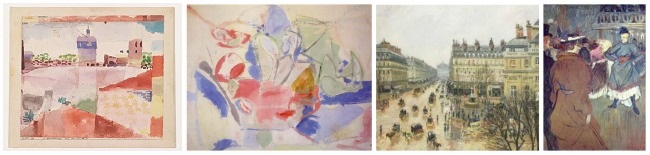
  • Paul Klee, Hammamet with Its Mosque, 1914
  • Henri de Toulouse-Lautrec, Moulin Rouge The Departure of the Quadrille, 1892
  • Camille Pissarro, Place du Théâtre Français, Paris: Rain, 1898
  • Helen Frankenthaler, Mountains and Sea, 1952

💡 Want even more lessons like this—ready to go?

Join the Curated Connections Library for hundreds of done-for-you art appreciation lessons, teacher trainings, and resources.
👉 Click here to explore the membership.

Elements and Principles Teaching Bundle

This extraordinary bundle includes the best resources for teaching each of the elements and principles—37 worksheets/handouts, 15 lessons (with accompanying PowerPoints and Handouts), 3 ready-to-go art analysis activities, 3 art analysis videos, and 13 elements and principle PDF articles.

Buy Now


For more elements of art examples and principles of design examples, visit the following resources.


The Art Curator for Kids -Example Artworks that Show Space - The Elements and Principles of Art Series-300The Art Curator for Kids - Example Artworks that Show Line - The Elements and Principles of Art - 300The Art Curator for Kids - Example Artworks that Show Emphasis - The Elements and Principles of Art SeriesElements and Principles of Art - Artworks that Show Proportion in art and ScaleThe Art Curator for Kids - Elements and Principles of Art Series - Artworks that Show Shape - 300The Art Curator for Kids - Why I Hate the Elements and Principles But Teach Them Anyway - 300The Art Curator for Kids - How Artists Depict Space - Masterpiece Monday - John Sloan , South Beach Bathers, 1907-1908, Art Lessons for Kids - Elements of Art Lessons

Filed Under: Elements and Principles of Art
Tagged With: ando hiroshige, andre derain, arnold böcklin, camille pissarro, caravaggio, claude monet, cy twombly, ed paschke, edgar degas, edvard munch, el lissitzky, ernst ludwig kirchner, federico barocci, francis bacon, frederic church, fritz bultman, fritz glarner, fritz scholder, geertgen tot sint jans, georgia o'keeffe, giorgio de chirico, hans hofmann, helen frankenthaler, henri de toulouse-lautrec, henri matisse, jacob lawrence, james whistler, jan van eyck, jean-honore fragonard, jim dine, josef albers, kay kurt, marc chagall, marcel duchamp, mark rothko, mary cassatt, natalia goncharova, nicolas poussin, pablo picasso, paul gauguin, paul klee, piet mondrian, ray spillenger, richard parkes bonington, robert adam, roy lichtenstein, rufino tamayo, salima hashmi, sandy skoglund, stuart davis, vincent van gogh, wassily kandinsky, winslow homer


May 8, 2025 3 Comments

Rhythm in Art: The Ultimate List of Rhythm in Art Examples

Rhythm in art is more than repetition—it’s the visual beat that moves your eyes across a composition, guiding attention and building energy.

For students, it’s one of the easiest elements to feel and one of the hardest to define. That’s what makes it such a powerful teaching moment.

Below, you’ll find a curated selection of rhythm-in-art examples that will help you and your students identify, understand, and feel the pulse of rhythm in visual form.

👉 Want a printable to use in your classroom? Grab the free Elements & Principles Pack below. Click the yellow “Download” button.

Free Resource!

* Elements & Principles Printable Pack *

The Elements & Principles of Art are the foundation of every artwork, but teaching them can be a bore. Wake your students up and engage them with full color artworks, easy to understand definitions, and thought-provoking higher level thinking questions. This versatile resource can be hung in the classroom or used as an art manipulative.

Download

Free Resource!

* Elements & Principles Printable Pack *

The Elements & Principles of Art are the foundation of every artwork, but teaching them can be a bore. Wake your students up and engage them with full color artworks, easy to understand definitions, and thought-provoking higher level thinking questions. This versatile resource can be hung in the classroom or used as an art manipulative.

Inside: The ultimate collection of rhythm in art examples, including everything from regular to random, plus a rhythm in art definition. A continuation of our Elements and Principles of Art series.

This post is part of the Elements of Art series—explore them all to build a strong foundation for your classroom. Want more ways to get students engaging with artworks? Check out these printable art worksheets designed for deeper connection and interpretation.

Below, you’ll find a growing collection of rhythm-in-art examples. These are perfect for introducing rhythm in your elements and principles lessons.
(Tip: Bookmark this post—I update it as I discover new examples!)

Download the Free Elements and Principles Printable Pack


This pack of printables was designed to work in a variety of ways in your classroom when teaching the elements and principles of art. You can print and hang in your classroom as posters/anchor charts or you can cut each element and principle of art in its own individual card to use as a lesson manipulative.

Rhythm Art Definition

Rhythm is a principle of design that suggests movement or action. Rhythm is usually achieved through repetition of lines, shapes, colors, and more. It creates a visual tempo in artworks and provides a path for the viewer’s eye to follow.

Principles of Design Examples Rhythm in Art

Rhythm in Art Examples

rhythm in art examples
  • Jacob Lawrence, Parade, 1960
  • André Derain, Charing Cross Bridge, 1906
  • Marcel Duchamp, Nude Descending a Staircase (No. 2), 1912
  • Gino Severini, Dynamic Hieroglyphic of the Bal Tabarin, 1912
  • Marsden Hartley, Indian Composition, 1914-15
  • George Tooker, The Subway, 1950
  • Martin Puryear, Ladder for Booker T. Washington, 1996
  • Grant Wood, American Gothic, 1930
  • Alexandra Exter, The Boat and the Town, 1925
  • Louise Bourgeois, The Blind Leading the Blind, c. 1947-49
  • Albert Renger-Patzsch, Beech Forest in Fall, 1936

Alternating Rhythm

Alternating rhythm describes an artwork that contains a repetition of two or more components that are used interchangeably. Some alternating rhythm examples include alternating light and dark colors or placing various shapes and/or colors in a repeating pattern.

alternating rhythm in art examples
  • Henri Matisse, Red Room, 1908
  • M.C. Escher, Lizard, 1942
  • George Tooker, Government Bureau, 1956
  • Frank Lloyd Wright, Interior, Solomon R. Guggenheim Museum
  • Robert Delaunay, Endless Rhythm, 1934
  • Andy Warhol, Untitled from Marilyn Monroe, 1967 (9 Screen prints)
  • Hans Hinterreiter, ME 25 B, 1935
  • Bernard Hoyes, Sweeping Ribbons

Random Rhythm

Random rhythm describes an artwork that contains repeating elements without a specified order or arrangement. Some random rhythm examples include splatters of paint or shells on a beach.

random rhythm in art examples
  • Piet Mondrian, Broadway Boogie Woogie, 1942-3
  • René Magritte, Golconde, 1953
  • Alexander Calder, International Mobile, 1949
  • Bridget Riley, Recollection, 1986
  • Mary Martin, Compound Rhythms with Blue, 1966
  • Alice Aycock, A Little Cosmic Rhythm, 2007
  • Chuck Close, Self Portrait, 2007
  • Joan Miro, Rhythmix Characters, 1934
  • Jackson Pollock, Autumn Rhythm (Number 30), 1950

Flowing Rhythm

Flowing rhythm describes an artwork that contains curved or circular elements that give the art movement. Some flowing rhythm examples include flowers, clouds, or waves.

flowing rhythm in art examples
  • Vincent van Gogh, The Starry Night, 1889 (See: The Starry Night story and lesson)
  • Gloria Petyarre, Bush Medicine Dreaming, 2008
  • Edvard Munch, The Scream, 1893 (See: The Frieze of Life, Lesson & Project, Visual Analysis Lesson)
  • Henri Matisse, The Dance, 1910
  • Hans Hokanson, Helixikos Number 3, 1968
  • Sonia Delaunay, Electric Prisms, 1914
  • Hokusai, The Great Wave, 1829-32
  • Gustav Klimt, Portrait of Adele Bloch-Bauer I, 1907
  • Bruce Barnbaum, Dance of the Corn Lilies, 1991
  • Bruce Barnbaum, Moonrise over Cliffs and Dunes,1992
  • Gustav Klimt, Fish Blood, 1897-8

Regular Rhythm

Regular rhythm describes an artwork that contains repeating elements with a specified order or arrangement that can be measured. Some regular rhythm examples include evenly spaced windows or tiles.

regular rhythm in art examples
  • Donald Judd, Untitled, 1969/1982
  • Christo and Jeanne-Claude, The Gates, 2005
  • Do-Ho Suh, Floor, 1997-2000
  • Wayne Thiebaud, Banana Splits, 1964
  • Wayne Thiebaud, Nine Jellied Apples, 1963
  • Grant Wood, Fall Plowing, 1931
  • Andy Warhol, Twenty-Five Colored Marilyns, 1962
  • Ferdinand Hodler, Rhythmic landscape on Lake Geneva, 1908
  • Marimekko, Hevoskastanja, 2005
  • Paul Klee, Pastoral (Rhythms), 1927

Progressive Rhythm

Progressive rhythm describes an artwork that contains repeating elements in a pattern that change either in size or color as they repeat. Some progressive rhythm examples include building blocks arranged from smallest to largest and spirals.

progressive rhythm in art examples
  • Victor Vasarely, Alom, 1966
  • Marcel Duchamp, Nude Descending a Staircase (No. 2), 1912
  • Sydney Opera House
  • Hilma af Klint, Altarpiece No. 1, Group X, 1915
  • Jasper Johns, Three Flags, 1958
  • MC Escher, Smaller and Smaller, 1956
  • Wayne Thiebaud, Banana Splits, 1964
  • Grant Wood, Fall Plowing, 1931
  • Andy Goldsworthy, Carefully broken pebbles scratched white with another stone, 1985
  • Bramante Staircase in the Vatican, 1932

In this fun rhythm in art examples video, the differences between pattern, repetition, and rhythm are described and put to music:

Rhythm in Art Resources

  • Art Soup Video: Principles of Design: Rhythm
  • Horse in Motion & The First Moving Pictures
  • Early Photography Inspired Flipbook Project

Remember I will add to this, so don’t forget to pin this post!

Do you have a great example to teach rhythm in art? Share it with me in the comments, and I will add it to the list!

Elements and Principles Teaching Bundle

This extraordinary bundle includes the best resources for teaching each of the elements and principles—37 worksheets/handouts, 15 lessons (with accompanying PowerPoints and Handouts), 3 ready-to-go art analysis activities, 3 art analysis videos, and 13 elements and principle PDF articles.

Buy Now

💡 Want more ready-to-use art appreciation lessons?

The Curated Connections Library includes resources like this—plus hundreds more lessons, activities, and trainings for art teachers.
👉 Click here to learn more.

There you have it! The best rhythm in art examples for your elements and principles of art lessons. Want more elements and principles of art teacher resources? Check out the below posts.


The Art Curator for Kids -Example Artworks that Show Space - The Elements and Principles of Art Series-300The Art Curator for Kids - Example Artworks that Show Line - The Elements and Principles of Art - 300The Art Curator for Kids - Example Artworks that Show Emphasis - The Elements and Principles of Art SeriesElements and Principles of Art - Artworks that Show Proportion in art and ScaleThe Art Curator for Kids - Elements and Principles of Art Series - Artworks that Show Shape - 300The Art Curator for Kids - Why I Hate the Elements and Principles But Teach Them Anyway - 300The Art Curator for Kids - How Artists Depict Space - Masterpiece Monday - John Sloan , South Beach Bathers, 1907-1908, Art Lessons for Kids - Elements of Art Lessons

Filed Under: Elements and Principles of Art
Tagged With: Albert Renger-Patzsch, alexander calder, Alexandra Exter, Alice Aycock, andre derain, andy goldsworthy, andy warhol, Bernard Hoyes, Bridget Riley, Bruce Barnbaum, Charles Burchfield, Christo and Jeanne-Claude, Chuck Close, do-ho suh, Donald Judd, edvard munch, ferdinand hodler, frank lloyd wright, george tooker, Gino Severini, Gloria Petyarre, grant wood, gustav klimt, Hans Hinterreiter, Hans Hokanson, henri matisse, Hilma af Klint, jackson pollock, jacob lawrence, Jasper Johns, joan miro, Louise Bourgeois, m.c. escher, marcel duchamp, marsden hartley, martin puryear, Mary Martin, paul klee, piet mondrian, rene magritte, Robert Delaunay, Sonia Delaunay, Victor Vasarely, vincent van gogh, wayne thiebaud


  • Page 1
  • Page 2
  • Page 3
  • Interim pages omitted …
  • Page 38
  • Next Page

Primary Sidebar

Hi! I’m Cindy Ingram, the creator of Art Class Curator and The Curated Connections Library

I’m on a mission to revolutionize education with the power of life-changing art connections. Art is not “extra”. Art is essential. We are empowering teachers to bridge the gap between art making and art connection, kindling a passion for art that will transform generations.

More About Me

Free Worksheets!

-Free Bundle of Art Appreciation Worksheets-

In this free bundle of art worksheets, you receive six ready-to-use art worksheets with looking activities designed to work with almost any work of art.

Download

Free Worksheets!

-Free Bundle of Art Appreciation Worksheets-

In this free bundle of art worksheets, you receive six ready-to-use art worksheets with looking activities designed to work with almost any work of art.

Enrollment in Curated Connections Library is currently open. Click here to join. Join our list to get more information and to get a free lesson from the vault! If you are purchasing for a school or school district, head over here for more information.

Check Out What’s New In The Shop

Experience Art: Engaging Art Criticism Discussions and Activities for Teachers and Students of All Ages
Call to Art: An Un-Conference for Art Educators
Curated Connections Library Membership
Perspectives High School Curriculum

More Products

Have You Listened to the Latest Podcast Episode?

Falling for Naudline Pierre’s Evocative Art: A Conversation with Madalyn (Part 2)

More Episodes

Testimonials

I like how this program, unlike other art class resource membership programs, feels authentic. It's like art matters more here, and not fancy flash-in-the-pan trendiness. The goal of Art Class Curator seemed to be helping kids develop a lifelong love and art appreciation versus "Hey, look. I painted this fish."
Erin A.
Your questions are helping me to delve into much deeper learning, and my students are getting better at discussion-and then, making connections in their own work. Art Class Curator is awesome!
Denise W.
Interestingly, my lower performing classes really get engaged in these [lessons] and come away with some profound thoughts!
Melissa G.
I had the most amazing 6th grade class today. They were jumping out of their seats with hands raised just to respond and give input. It was as if I was waving candy in front of them! They saw more and more and the ideas and interpretations unfolded. So cool!!! This is what makes teaching art so wonderful – thank you!!
Caroline G.
I just wanted to thank you for the invaluable resource you have through Art Class Curator. Not only do you have thought provoking activities and discussion prompts, but it saves me so much time in preparing things for myself! I feel like I’ve only scratched the surface with your site.
Maryjane F.

Get Art Inspiration To Your Inbox!

Enter your email address to get regular art inspiration to your inbox
plus a BUNDLE OF 6 FREE WORKSHEETS!
We hate SPAM and promise to keep your email address safe.
Download

Free Worksheets!

*Free Bundle of Art Appreciation Worksheets*

In this free bundle of art worksheets, you receive six ready-to-use art worksheets with looking activities designed to work with almost any work of art.

Copyright © 2025 Ignite Art, LLC DBA Art Class Curator •  All rights reserved  •  Privacy Policy  •  Terms of Service  •  Site Design by Emily White Designs