• Skip to main content
  • Skip to primary sidebar
  • About
    • About Art Class Curator
    • Contact
    • Speaking
    • Media & Press
    • Programs for Schools
  • Blog
  • Podcast
  • Shop
  • Join
  • Member Login

Art Class Curator

Hands-on and Minds-curious Art Learning

  • Art & Artists
  • Art Connection Activities
  • Art Teacher Tips
  • Elements & Principles
  • Downloads & Resources
Home
  • About
    • About Art Class Curator
    • Contact
    • Speaking
    • Media & Press
    • Programs for Schools
  • Blog
    • Art & Artists
    • Elements & Principles
    • Art Connection Activities
    • Art Teacher Tips
    • Downloads & Resources
  • Book
  • Podcast
  • Shop
  • Join
  • Member Login

All Posts from Art Curator for Kids

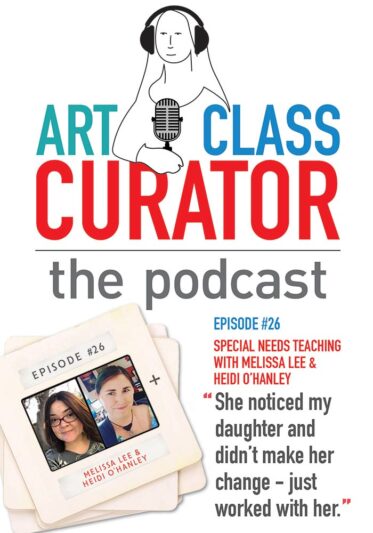
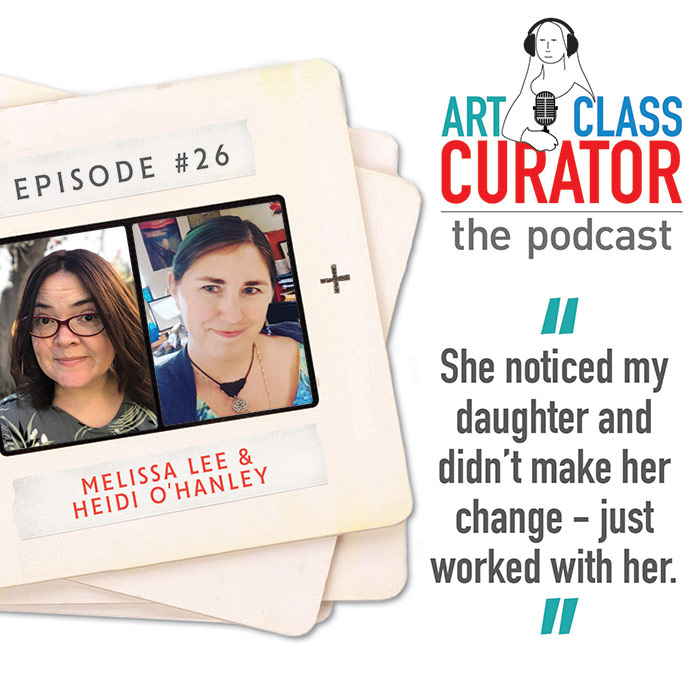
Special Needs Teaching with Melissa Lee and Heidi O’Hanley

special needs teaching

School can be tough, but it can be even tougher on kids with special needs. Teachers are there to help their students, but what are the best ways to help those who need extra assistance? Today Heidi and Melissa join me to share their experiences as teachers and as parents of children with special needs.    Show Highlights:

  • What Heidi considers to be key when it comes to teachers and parents of kids with special needs
  • Melissa explains why she’s a “little extra” with her daughter’s teachers
  • Heidi shares how having a kid with special needs has affected her teaching
  • Why incidents sometimes happen and how they could have been prevented
  • School performance and whether a kid is right-brained or left-brained
  • Why art is the answer for allowing kids to communicate
  • The power of noticing your students
  • Ways teachers can model compassion to their class

Links Mentioned in the Show:

  • Tales from the Traveling Art Teacher Website
  • hohanley@isd109.org
  • Find Melissa Baland Lee on Facebook @sweetlyvoiced

Subscribe in Your Favorite Podcast Listening App

Subscribe and Review in iTunes

Have you subscribed to the podcast? I don’t want you to miss an episode and we have a lot of good topics and guests coming up! Click here to subscribe on iTunes!

If you are feeling extra kind, I would LOVE it if you left us a review on iTunes too! These reviews help others find the podcast and I truly love reading your feedback. You can click here to review and select “Write a Review” and let me know what you love best about the podcast!
View in iTunes

Filed Under: Podcast


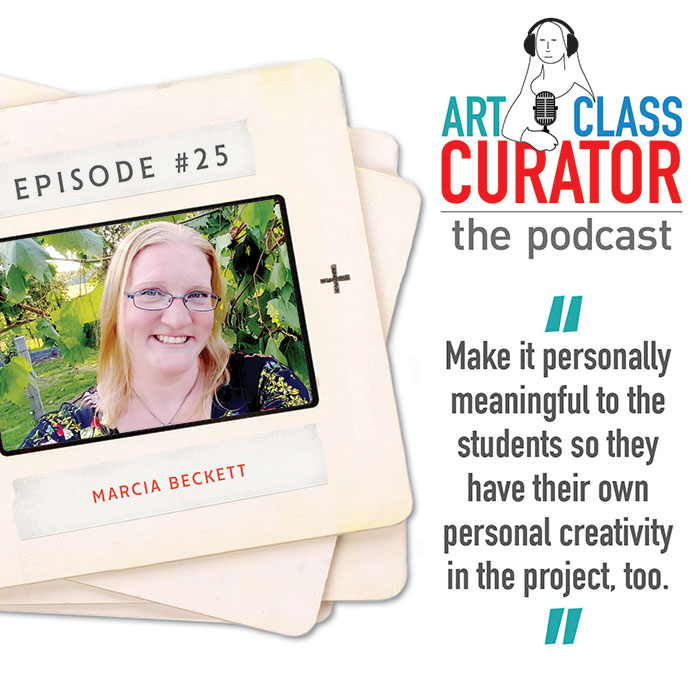
Art is Basic with Marcia Beckett

art class curator podcast

Marcia Beckett teaches at a school for the gifted, so she enjoys enthusiastic students and a smaller class size. Join me in today’s podcast as we hear the experience of an art teacher from outside the public school setting.

Show Highlights:

  • Marcia shares how she started her own art blog
  • What makes Marcia’s school different from most
  • How Marcia and her fellow teachers work together to reinforce lesson plans
  • Marcia shares examples of how her school is “hands on”
  • Tips for making art projects from other cultures relate to students
  • Marcia shares a few collaborative projects her students have been a part of
  • The importance of growth mindset in the classroom
  • Why some students may not put in as much effort

Links Mentioned in the Show:

  • Art is Basic Website
  • Art is Basic on Facebook  
  • Art is Basic on Teachers Pay Teachers
  • Art is Basic on Instagram
  • Marcia’s Silhouette Mural

Subscribe in Your Favorite Podcast Listening App

Subscribe and Review in iTunes

Have you subscribed to the podcast? I don’t want you to miss an episode and we have a lot of good topics and guests coming up! Click here to subscribe on iTunes!

If you are feeling extra kind, I would LOVE it if you left us a review on iTunes too! These reviews help others find the podcast and I truly love reading your feedback. You can click here to review and select “Write a Review” and let me know what you love best about the podcast!
View in iTunes

Filed Under: Podcast


October 26, 2018 13 Comments

The Ultimate Collection of Elements of Art Examples and Definitions

Inside: The ultimate collection of elements of art examples and elements of art definitions, plus helpful resources for teaching the elements of art.

What are the Elements and Principles of Art?

The elements of art and principles of design are the fundamental pieces that make up an artwork. Most works of art will make use of many or all of the elements and principles of art. We often judge art by how effectively the artist used these design fundamentals even before we learn about them.

The elements of art are the building blocks of an artwork: color, line, shape, form, value, texture, and space. They are the tools artists use when creating an artwork.

The principles of design are how those building blocks are arranged: contrast, rhythm, proportion, balance, unity, emphasis, movement, and variety. They are the ways an artist can organize the elements of art to create a wide range of effects.

Each of these art fundamentals are closely related and many of them overlap. When combined, they produce a complete artistic vision.

Why are the Elements and Principles of Art Important?

elements of art examples

Knowing the elements and principles of art boosts visual literacy. Artists and creators make more powerful works when they utilize the principles of art. When viewers are familiar with the elements of art, they become more aware of the details and can better appreciate what they see and the message behind it.

Connecting with art makes us more empathetic and strengthens the fabric of society. In the age of the internet, understanding how and why advertisers make design decisions can empower students with information and make them less susceptible to manipulation.

Teaching the Elements and Principles of Art

The Art Curator for Kids - Why I Hate the Elements and Principles But Teach Them Anyway

I once said that I hate the elements and principles of art, but that’s not quite accurate. The elements and principles of art are a lens through which to view and understand art, but they are not what makes art education vital. Art inspires higher level thinking, focus, a growth mindset, visual literacy, curiosity, respect, and connection. The elements and principles of design are an artist’s toolbox. Knowing the tools not only improves students’ studio art skills and gives them deeper appreciation when viewing artworks, it helps make them better, more informed citizens and prepares them for a visually complex and culturally interconnected modern world in need of creative problem solvers.

Below you’ll find an explanation of each of the elements and principles of art, including artwork examples and links to helpful materials for teaching the individual concepts. 

Please note, this post includes Amazon affiliate links. As an Amazon Associate I earn from qualifying purchases.

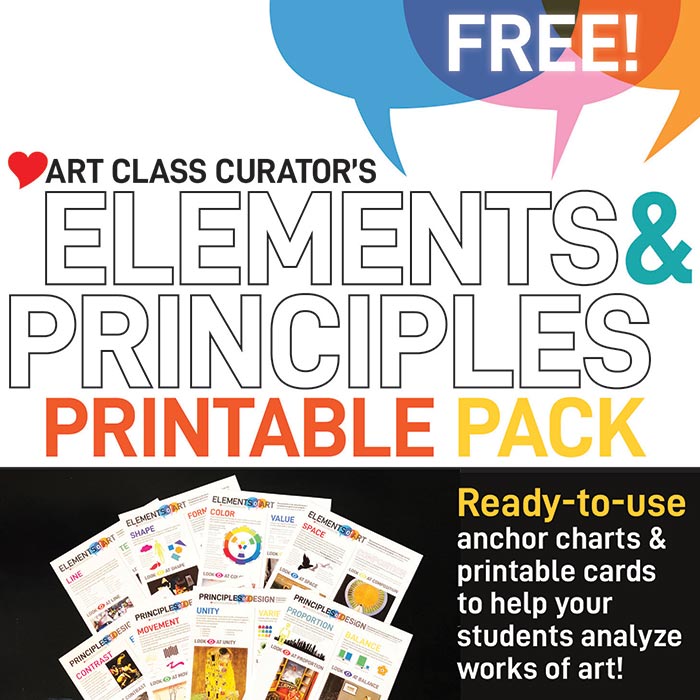
Download the Free Elements and Principles Printable Pack

Free Resource!

* Elements & Principles Printable Pack *

The Elements & Principles of Art are the foundation of every artwork, but teaching them can be a bore. Wake your students up and engage them with full color artworks, easy to understand definitions, and thought-provoking higher level thinking questions. This versatile resource can be hung in the classroom or used as an art manipulative.

Download

Free Resource!

* Elements & Principles Printable Pack *

The Elements & Principles of Art are the foundation of every artwork, but teaching them can be a bore. Wake your students up and engage them with full color artworks, easy to understand definitions, and thought-provoking higher level thinking questions. This versatile resource can be hung in the classroom or used as an art manipulative.


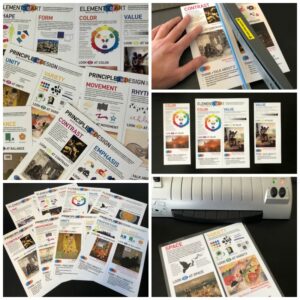
This pack of printables was designed to work in a variety of ways in your classroom when teaching the elements and principles of art. You can print and hang in your classroom as posters/anchor charts or you can cut each element and principle of art in its own individual card to use as a lesson manipulative.

Elements of Art Examples and Definitions

Scroll below for each element or click the link to be taken to the appropriate section:

  • Color
  • Line 
  • Shape
  • Form
  • Value
  • Texture
  • Space

Color

color in art definition
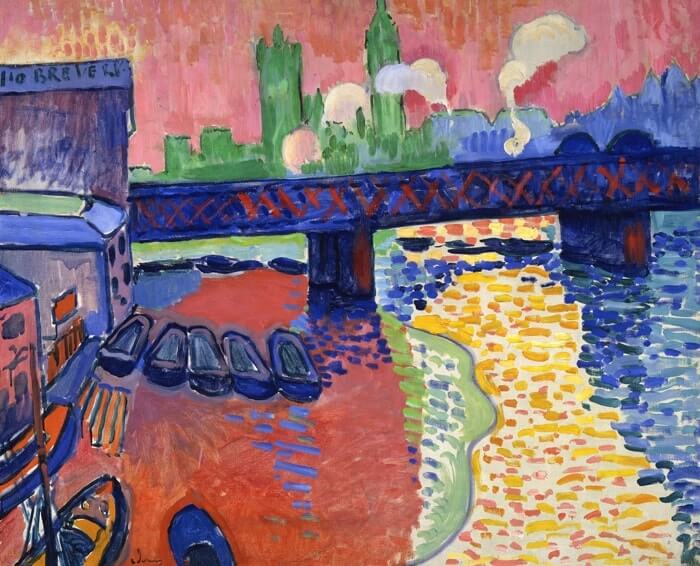
André Derain, Charing Cross Bridge, 1906

Color is the visual property of the pigment of an object that is detected by the eye and produced as a result of the way the object reflects or emits light. The human eye is capable of seeing millions of colors, making it one of the most diverse and powerful elements of art.

Each color has three properties—hue, value, and intensity. Hue is the name of a color. Value is a color’s lightness or darkness, which is altered when black or white is added. Intensity refers to the intensity of a color, often measured by boldness or dullness.

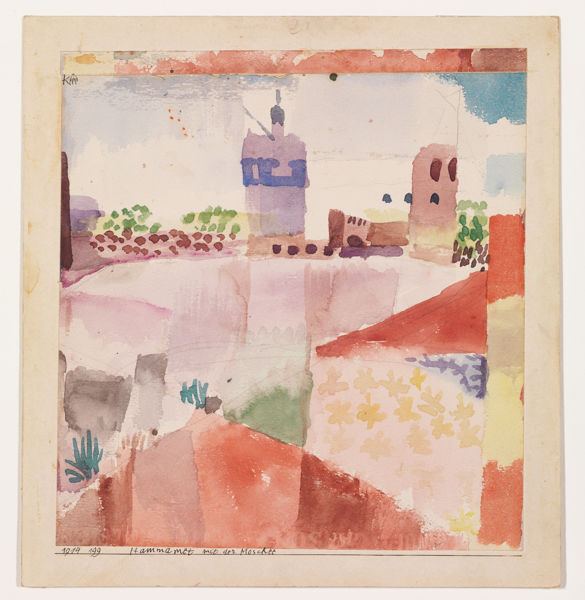
In this example of color in art, Paul Klee shows contrast between high intensity and low intensity colors by using more or less water with his paint.

color in artworks
Paul Klee, Hammamet with Its Mosque, 1984

Primary Colors

All colors come from the three primary colors—red, blue, and yellow. You cannot mix any colors to create a primary color. They are the base hues for all other colors.

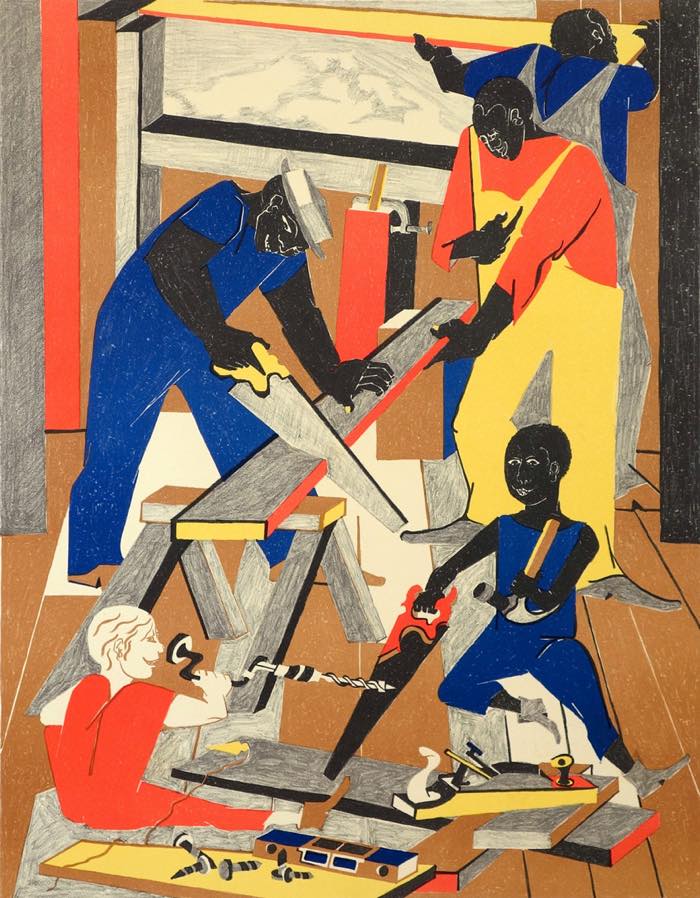
In this example of primary colors in art, Jacob Lawrence uses only neutral colors with the primary colors of red, blue, and yellow.

primary colors in art
Jacob Lawrence, Workshop (Builders #1), 1972

Looking for more examples of primary colors in art? Check out our post of color in art examples and definitions post!

Complementary Colors

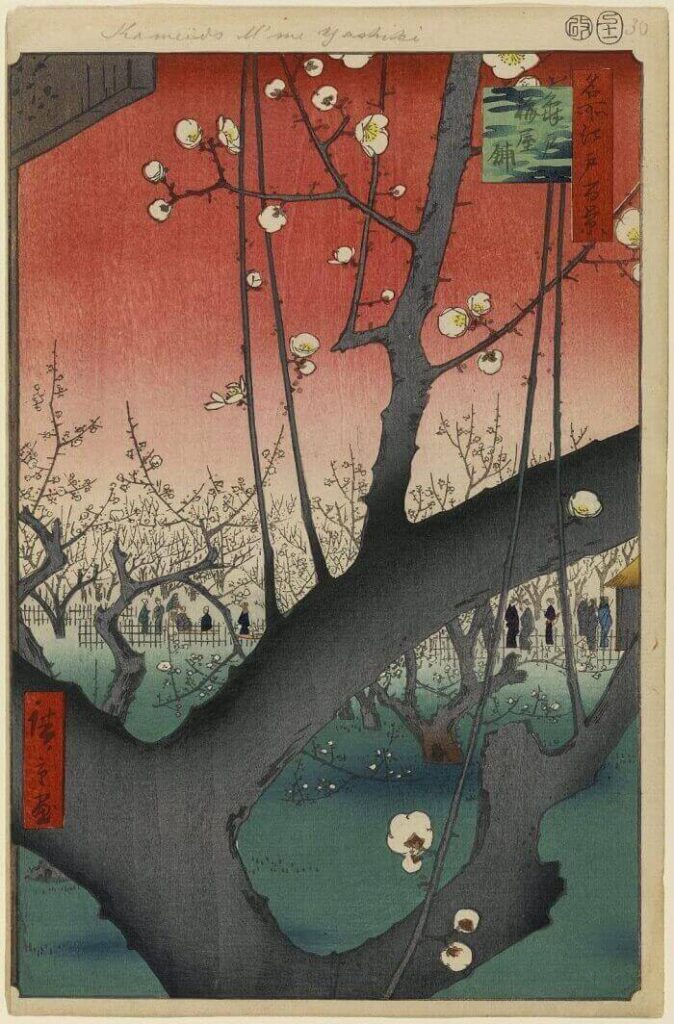
To find a pair of complementary colors, simply draw a line from one of the color wheel to the other. Complementary colors are called that because, when placed side by side, they are pleasing to the eye. They create an appealing contrast in artworks. Some of the basic complementary color pairings are red and green, purple and yellow, and orange and blue.

In this example of complementary colors in art, Hiroshige uses red and green to create contrast.

complementary colors in art definition

Ando Hiroshige, Plum Estate, Kameido From “One Hundred Famous Views of Edo”, 1857

For more examples of complementary colors in art, check out the full color in art examples post!

Analogous Colors

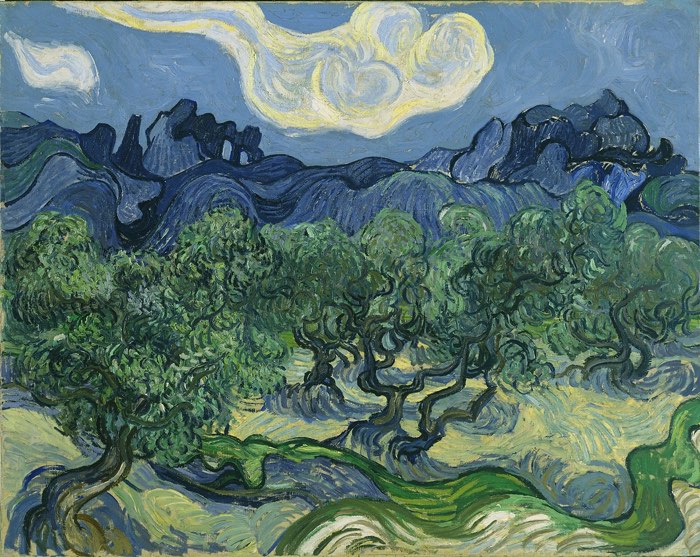
To find a pair of analogous colors, simply choose two colors that are touching on the color wheel. Analogous colors create harmony and unity in art because they are made of the same hues. Some of the basic analogous color pairings are blue and green, red and orange, and yellow and green.

In this example of analogous colors in art, Vincent van Gogh uses colors next to one another on the color wheel–blue, green, and yellow.

example of analogous colors in art definition

Vincent van Gogh, The Olive Trees, 1889

Looking for more examples of analogous colors in art? Check out the Color in Art: Examples & Definitions post!

Warm and Cool Colors

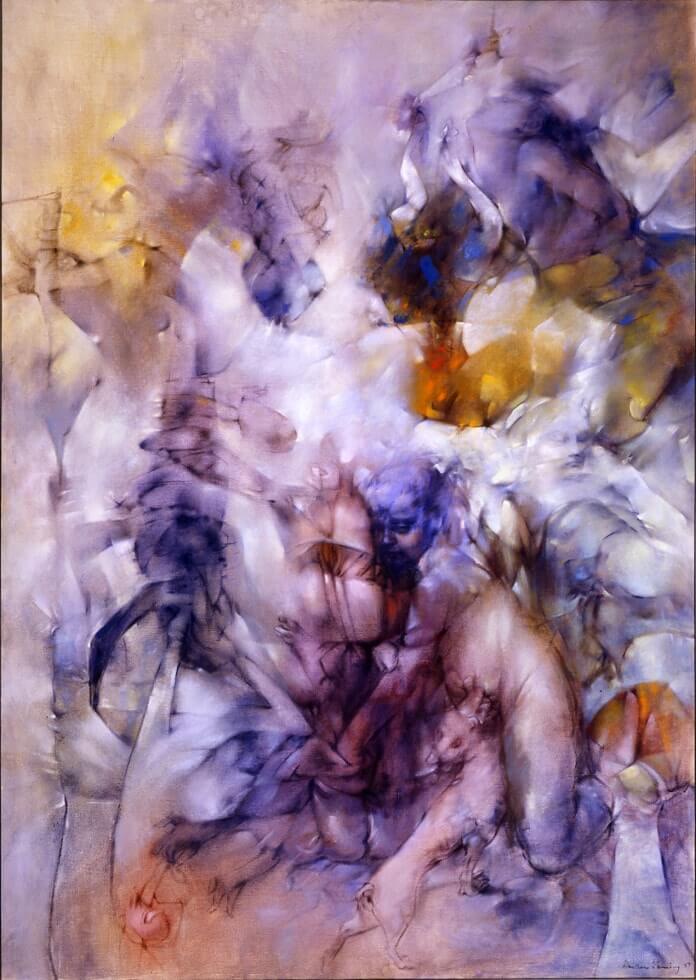
Warm colors are reds, oranges, and yellows. They pop out towards viewer, and create energy and excitement in an artwork. On the other hand, the cool colors of blues, greens, and violets recede from the viewer’s eye and create a calming effect.

In this example of warm and cool colors in art, Dorothea Tanning contrasts warm with cool colors to show the clash of rest and restlessness in insomnia.

warm and cool colors in art definition
Dorothea Tanning, Insomnias, 1957

For more examples of warm and cool colors in art, check out the full color post!

Color in Art Resources

  • The Ultimate Collection of Color in Art: Examples & Definitions
  • Color in Art Lesson
  • I Spy Colors in Art (Book)
  • Vincent’s Colors (Book)
  • My Many Colored Days (Book)
  • The Virtual Instructor: Color Theory
  • Arty Factory: Color

Art Class Curator has a full color wheel lesson available in the Curated Connections Library including all of following color wheel topics: primary, secondary, intermediary/tertiary colors, analogous colors, complementary colors, monochromatic colors (tints/shades), cool/warm colors, and mood.

Line

Line is an element of art defined as the path of a point moving through space. There are many types of line in art. Lines may be continuous or broken, and can be any width or texture. The great variety of line types make them an especially useful tool in artworks.

Direction of Line

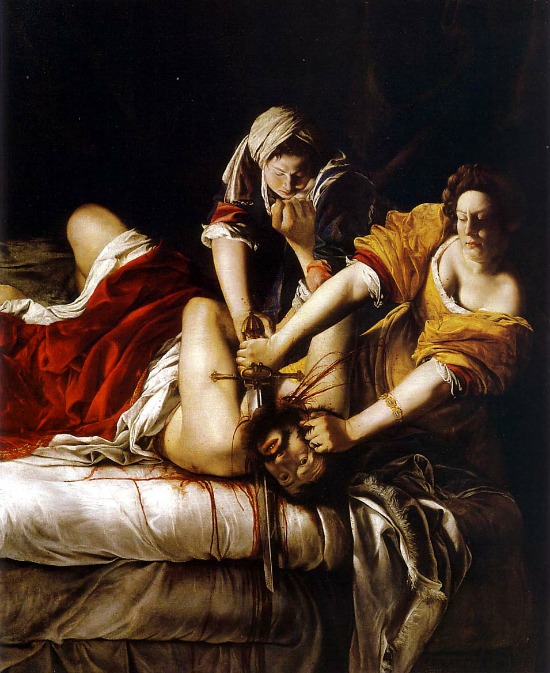
The direction of a line can dramatically alter an artwork. Diagonal lines create movement an energy. Horizontal and vertical lines add stability and strength to an artwork.

In this example of directional lines in art, Artemisia Gentileschi uses both diagonal lines to show the energy and excitement of the scene and vertical lines (in Judith’s attendant) to show strength.

diagonal lines in art
Artesmisia Gentileschi, Judith Slaying Holofernes, 1614–20

Looking for more examples of directional lines in art? Check out this post about line!

Contour Lines

Contour lines form the outside edge of a three-dimensional shape and clearly defines the area it occupies.

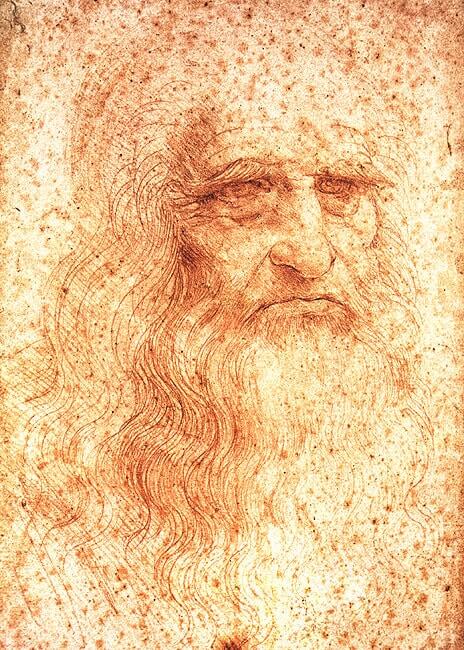
Look at the face of Leonardo da Vinci below; the contour lines around his facial features give his face form.

contour lines in art definition
Leonardo da Vinci, Self-Portrait, c. 1512

Looking for more examples of contour lines in art? Check out the Artworks That Show Line post!

Gesture Lines

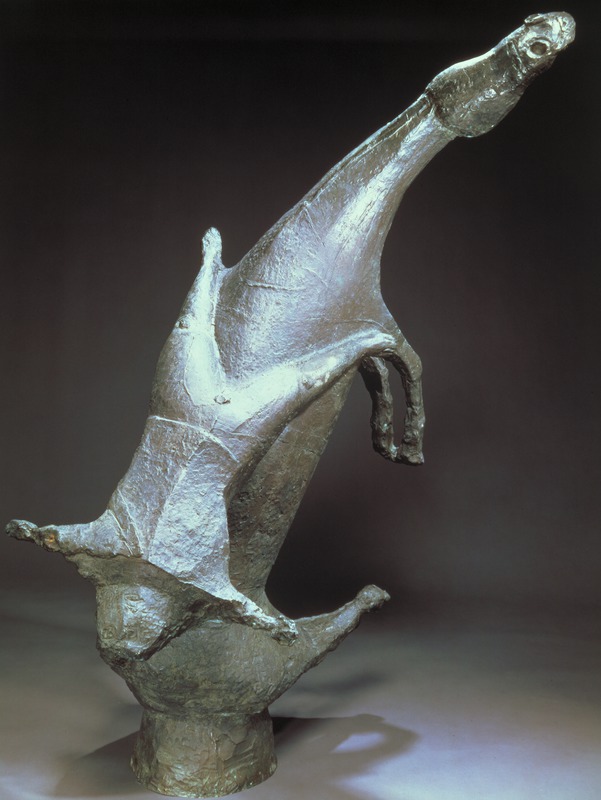
Gesture lines are lines that show movement, particularly of characters in an artwork.

In this example of gesture lines in art, Marino Marini uses big swooshing gesture lines that capture the action and energy of the subject.

gesture lines in art
Marino Marini, Miracle (Miracolo), 1952

Looking for more examples of gesture lines in art? Check out this post of types of line in art!

Implied Lines

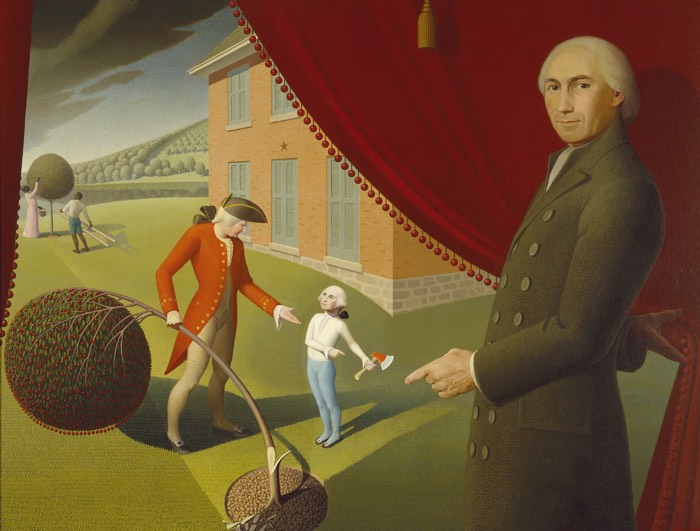
Implied lines are not made by a physical mark in an artwork, but rather by visual suggestion. Our eyes often follow them automatically, so they draw attention to specific parts of an artwork.

In this example of implied lines in art, Grant Wood uses implied lines to emphasize the hatchet in the center. Follow the implied lines from the ladder to the father’s hand to George Washington’s hand to the hatchet. The narrator’s hand leads to an implied line as well.

implied lines in art
Grant Wood, Parson Weems’ Fable, 1939

Looking for more examples of implied lines in art? Check out our elements of art line post!

Expressive Lines

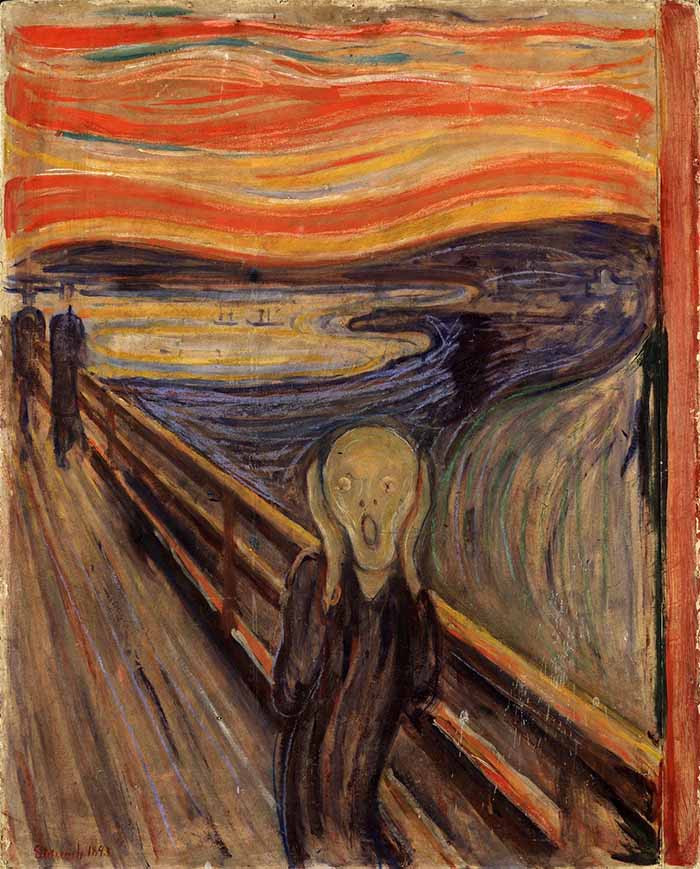
Lines that show feeling and emotion are called expressive lines.

In this example of expressive lines in art, Edvard Munch uses wavy lines in contrast with a strong straight diagonal line to convey anxiety.

expressive lines in art
Edvard Munch, The Scream, 1893

Looking for more examples of expressive lines in art? Check out the Artworks That Show Line post!

Line in Art Resources

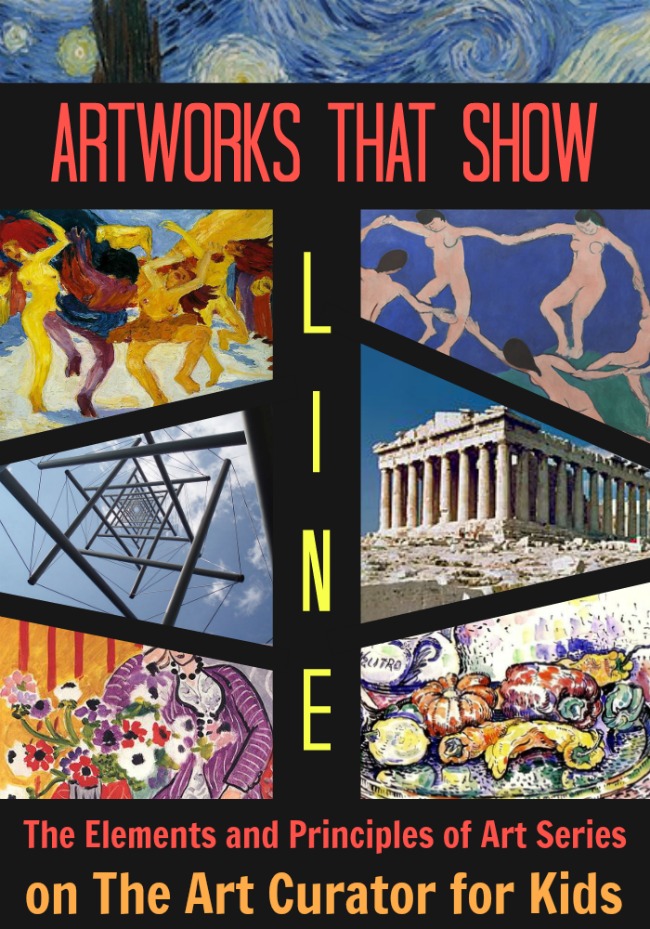
The Art Curator for Kids - Example Artworks that Show Line - The Elements and Principles of Art
  • The Ultimate Collection of Line in Art
  • The Art of an Idea: Math and Art Integration with Sol Lewitt’s Instruction
  • Arty Factory: Line

Art Class Curator has a full line lesson available in the Curated Connections Library including all of following line topics: contour lines, gesture lines, implied lines, expressive lines, lines in architecture, and characteristics of line.

Shape

A shape is an enclosed area of space created through lines or other elements of the composition.

Geometric Shapes

Geometric shapes are precise areas that can be made using a ruler or compass. These shapes can be simple or complex and generally give an artwork a sense of order.

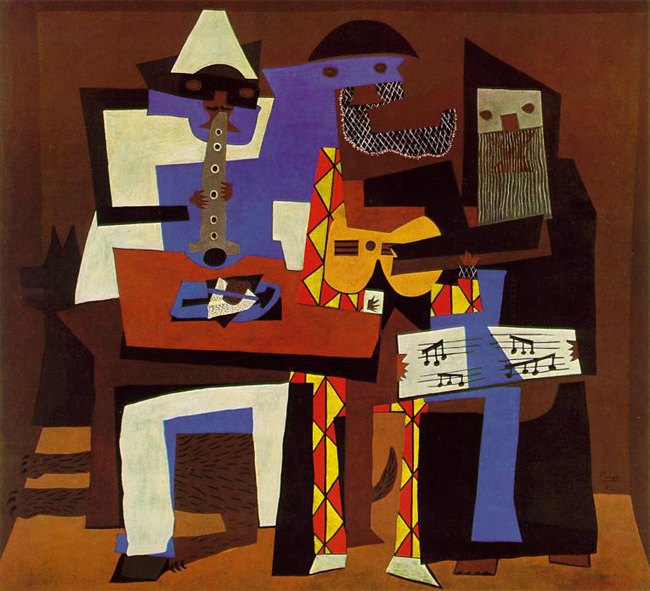
In this example of geometric shapes in art, Picasso uses circles, triangles, crescents, and rectangles.

geometric shapes in art
Pablo Picasso, Three Musicians, 1921

Looking for more examples of geometric shapes in art? Check out the Artworks That Use Shape post!

Organic/Free-Form Shapes

Organic shapes are complex and imprecise. They give works of art a natural feeling.

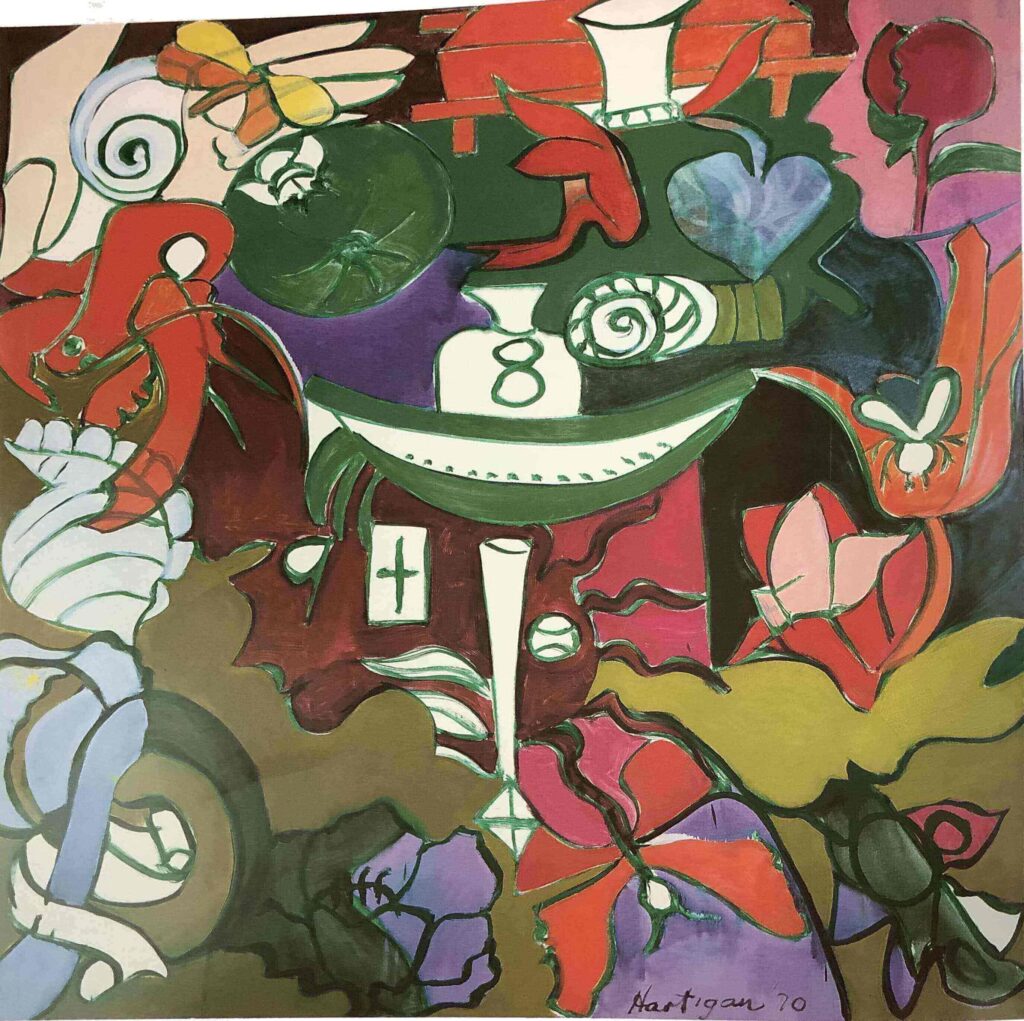
In this artwork, Grace Hartigan uses a variety of examples of organic and free-form shapes.

organic free-form shapes in art definition
Grace Hartigan, The Year of the Cicada, 1970

Looking for more examples of organic shapes in art in art? Check out this list of art using shape!

Shape in Art Resources

  • The Ultimate Collection of Shape in Art
  • Paper Sculpture Project Inspired by Geometric MADI Art
  • When a Line Bends . . . A Shape Begins (Book)
  • I Spy Shapes in Art (Book)
  • Arty Factory: Shape

Form

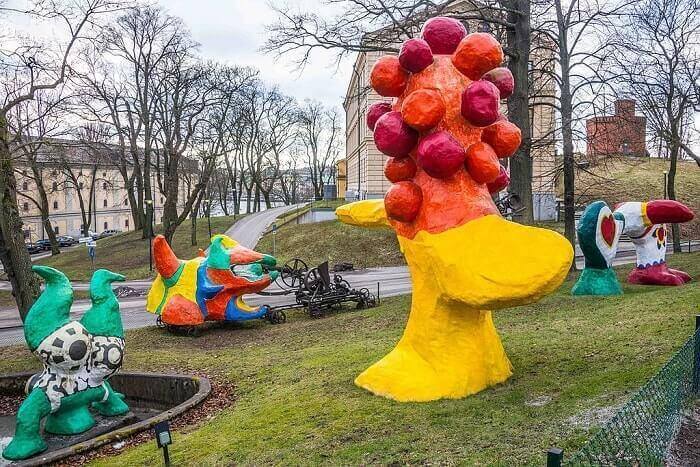
Form is an element of art closely related to shape. Like shape, form can be geometric or organic. However, unlike shape, form is always three-dimensional. A form is measurable by length, width, and height, and encloses volume. Forms can be well-defined, such as a cube, or they can be free-form, such as an animal. They can be created by combining two or more shapes and are often defined by the presence of shadow and how light plays against it in an artwork.

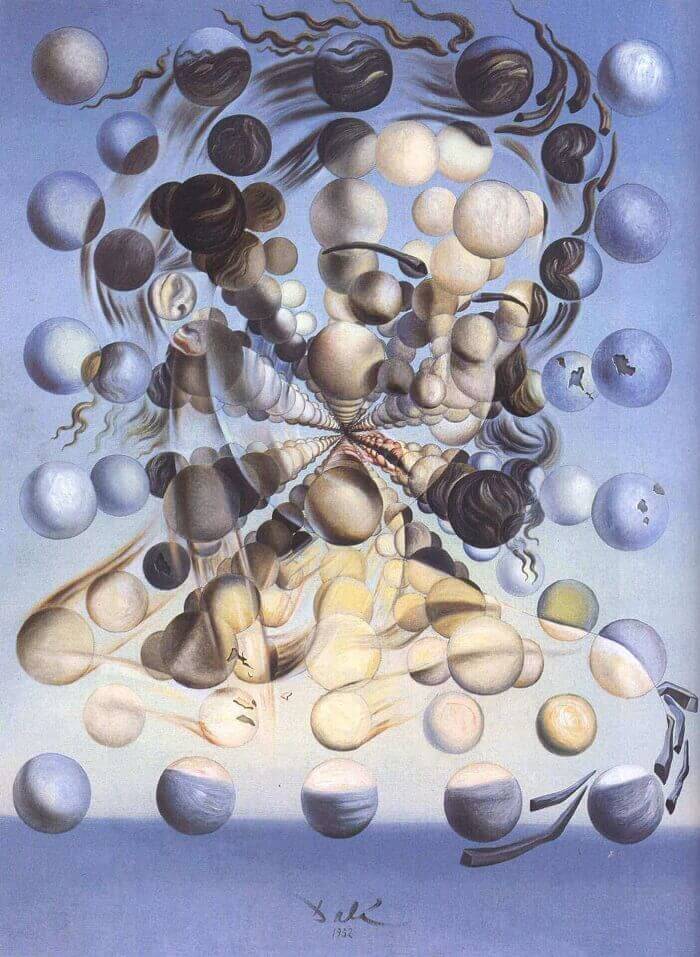
In this examples of form in art, Dalí uses geometric forms (spheres) to create his image.

geometric forms in art definition

Salvador Dali, Galatea of the Spheres, 1952

In this example of form in art, Niki de Saint Phalle uses organic form.

organic form in art definition
Niki de Saint Phalle, Le Paradis Fantastique, 1967-1971, Photo Credit: Frankie Fouganthin

Form in Art Resources

  • The Virtual Instructor: Form
  • Set Free the Angels: How Carved Sculptures Are Made
  • National Gallery of Art: Form (3rd-4th Grade Lesson)

Value

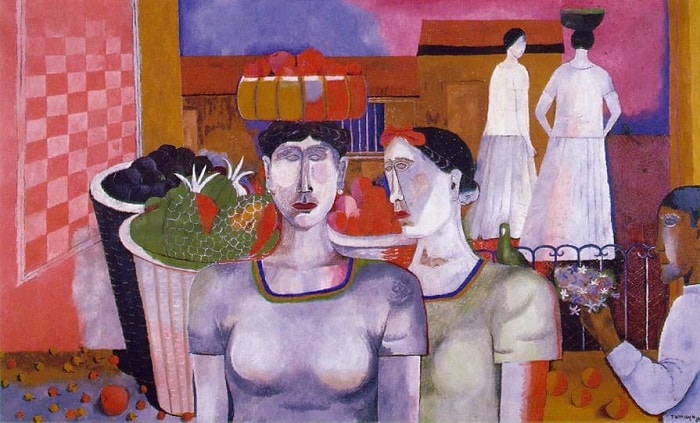
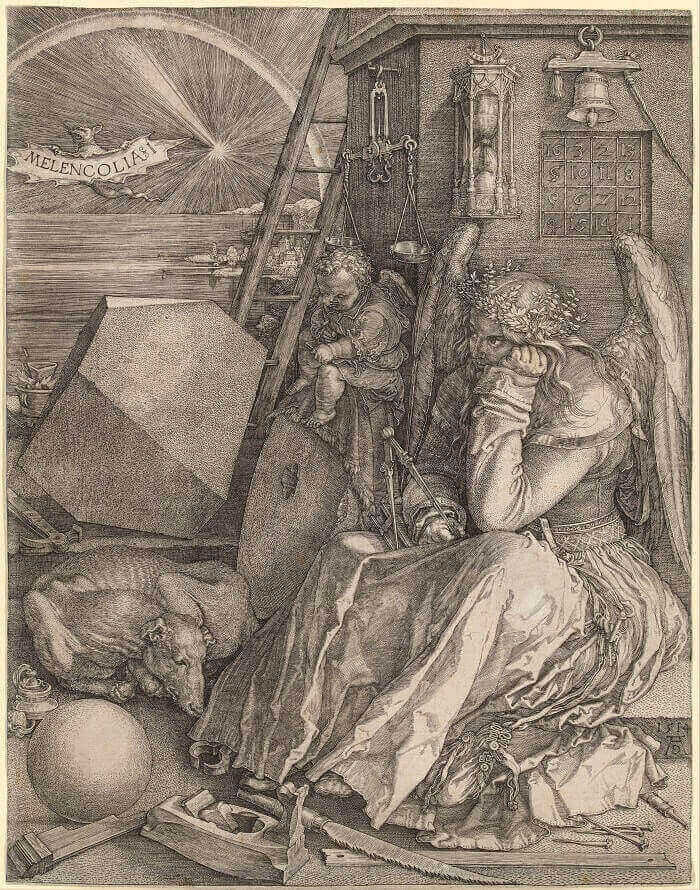
Value in art refers to the lightness and darkness of colors and is often described in varying levels of contrast. White is the lightest value while black is the darkest. To create a tint of a color, the artist adds white. To create a shade, the artist adds black.

In this example of value in art, Rufino Tamayo adds white to a color to create a tint in the clothes of the women, one of the baskets, and in the checkerboard on the wall.

value in art definition

Rufino Tamayo, Women of Tehuantepec, 1939

In this example of value in art, Dürer creates a wide range of values using the shading techniques of hatching, cross-hatching, and stippling.

value in art definition

Albrecht Durer, Melancholy I, 1514

Value in Art Resources

  • Drawing Dimension – Shading Techniques (Book)
  • The Virtual Instructor: Value
  • NY Times: Four Ways to Think about Value
 

Texture

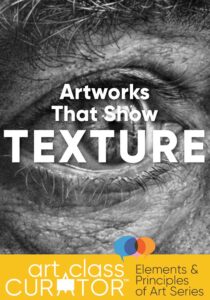
Texture refers to the tactile qualities of a surface. This element of art deals with the way objects feel or the way it looks like they would feel.

Tactile or Actual Texture

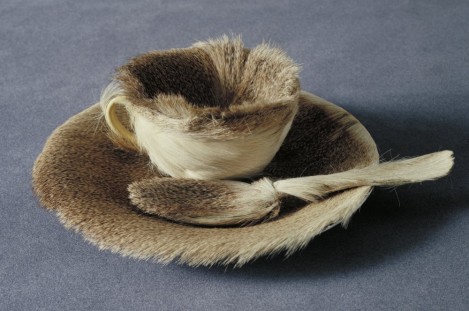
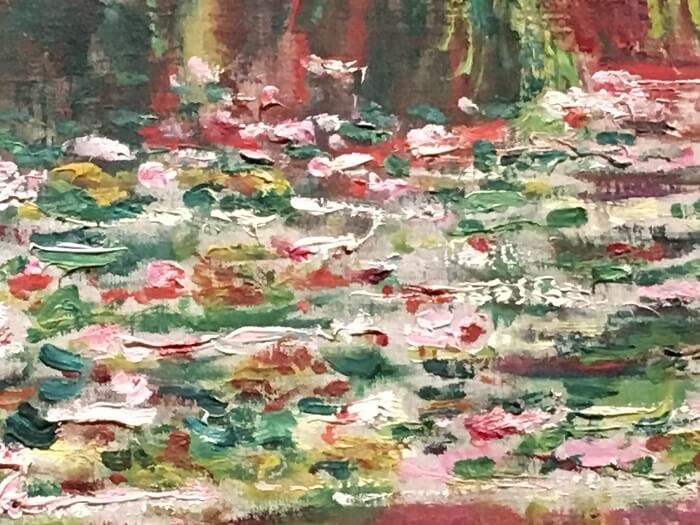
Tactile texture is the actual feeling of a surface that can be touched. Think of the actual texture of a sculpture or a painting created with the impasto technique.

In this example of tactile or actual texture in sculpture, Meret Oppenheim uses actual fur to cover the saucer, cup, and spoon.

tactile actual texture in art definition
Meret Oppenheim, Object, 1936

Impasto is the technique of applying paint very thickly to the surface. In this closeup of Water Lily Pond, you can see Monet’s thick application of paint to create actual/tactile texture.

actual tactile texture in art definition
Claude Monet, Water Lily Pond, 1900 (detail)

Looking for more elements of art examples of tactile texture in art? Check out the Texture in Art Examples post!

Visual Texture

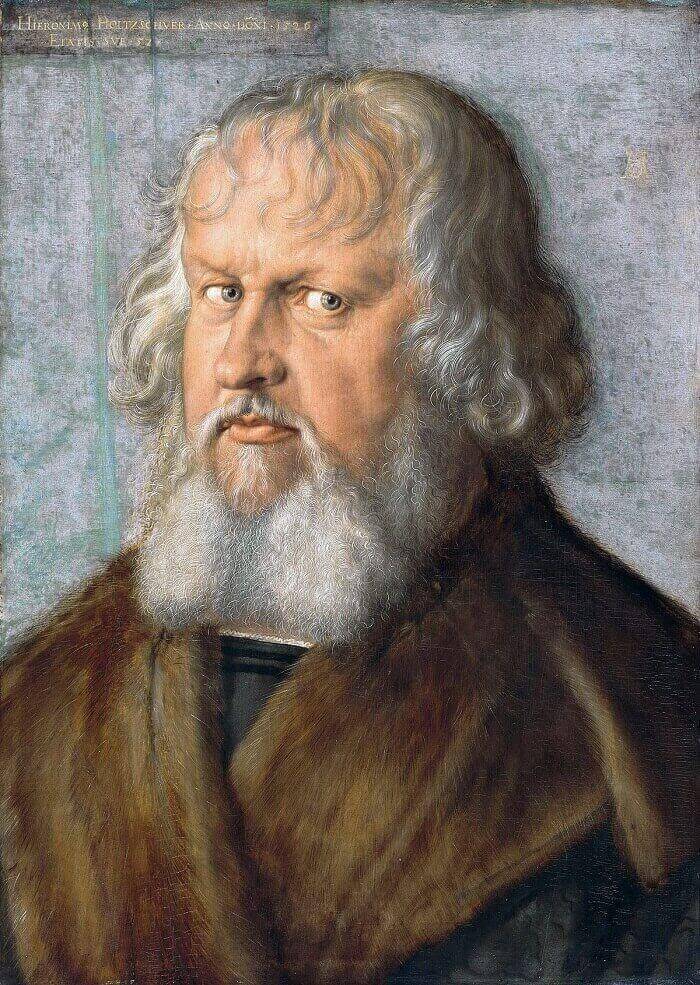
Visual texture is the illusion of texture in an artwork. Think of a photograph of a forest. The texture of the trees and leaves is seen, but the photograph remains smooth.

Albrecht Dürer mimics creates the visual texture of thick fur in his painting of Hieronymus Holzschuher, but the actual texture is that of oil paint.

visual texture in art definition
Albrecht Dürer, Portrait of Hieronymus Holzschuher, 1526

For more examples of visual texture in art, check out our post of texture in art examples!

Texture in Art Resources

  • The Ultimate Collection of Texture in Art Examples
  • Sophia: Texture
  • Arty Factory: Texture
  • Rodin’s The Burghers of Calais
 

Space

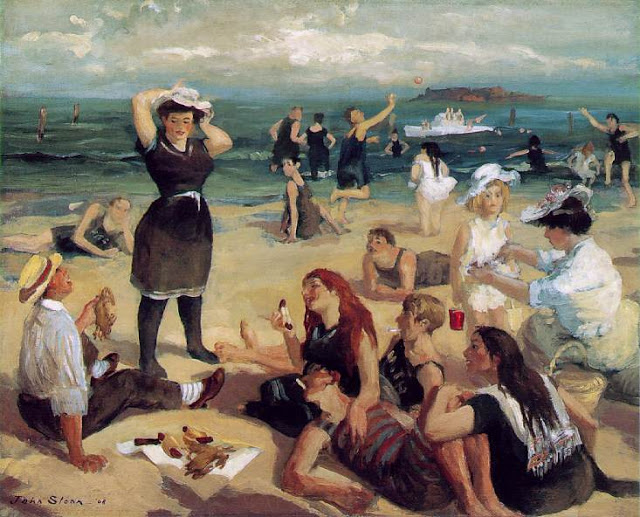
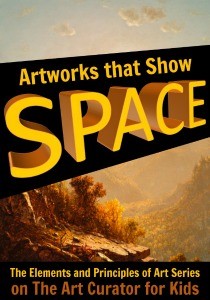
Space is the element of art that is concerned with how an artwork depicts depth. It is how artists make a two-dimensional surface look three-dimensional. Space can give the illusion of objects in an artwork being close, far away, or overlapping one another.

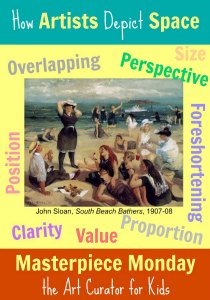
In this example of space in art, John Sloan uses overlapping, foreshortening, relative size, perspective, and more. For more information about this painting and how artists depict space, check out this blog post about the artwork.

space in art examples
John Sloan, South Beach Bathers, 1907-1908

Linear Perspective

Linear perspective is the mathematical system by which an artist uses lines to create the illusion of deep, three-dimensional space on a two-dimensional surface.

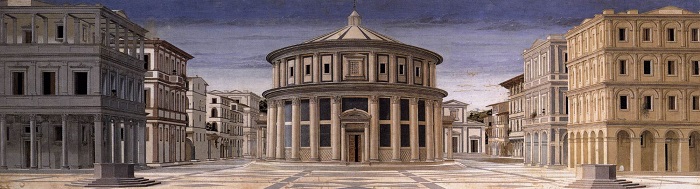
Piero della Francesca was one of the forerunners of linear perspective. In Ideal City, he used one-point linear perspective to show the depth of the space.

linear perspective in art definition
Piero della Francesca, Ideal City, c. 1470

Looking for more examples of linear perspective in art? Check out the Artworks That Show Space post!

Atmospheric Perspective

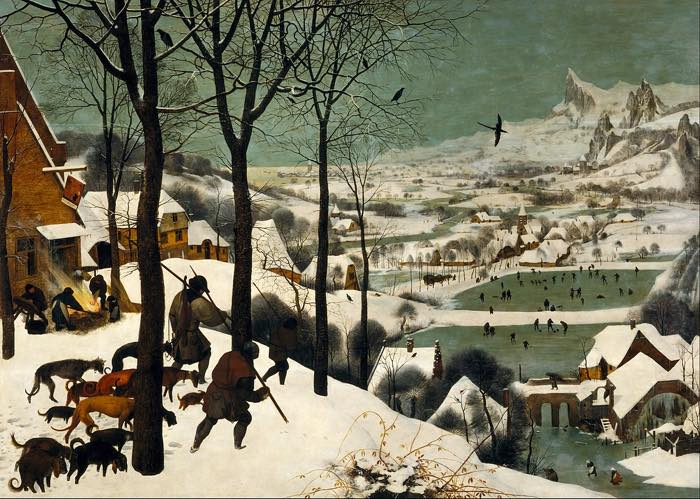
Atmospheric perspective, sometimes called aerial perspective, refers to how objects that are far away often appear fuzzier or less detailed than objects that are close due to the contrast between light and dark being increasingly reduced by the effects of atmosphere. Artists use value and shading to mimic atmospheric perspective and give their artworks a realistic appearance.

In this example of atmospheric perspective in art, the trees and mountains in the background are fuzzier and less detailed than the items in the foreground.

Atmospheric Perspective in art definition
Pieter Bruegel the Elder, Hunters in the Snow (Winter), 1565

Looking for more examples of atmospheric perspective in art? Check out this list of space in art examples!

Positive and Negative Space

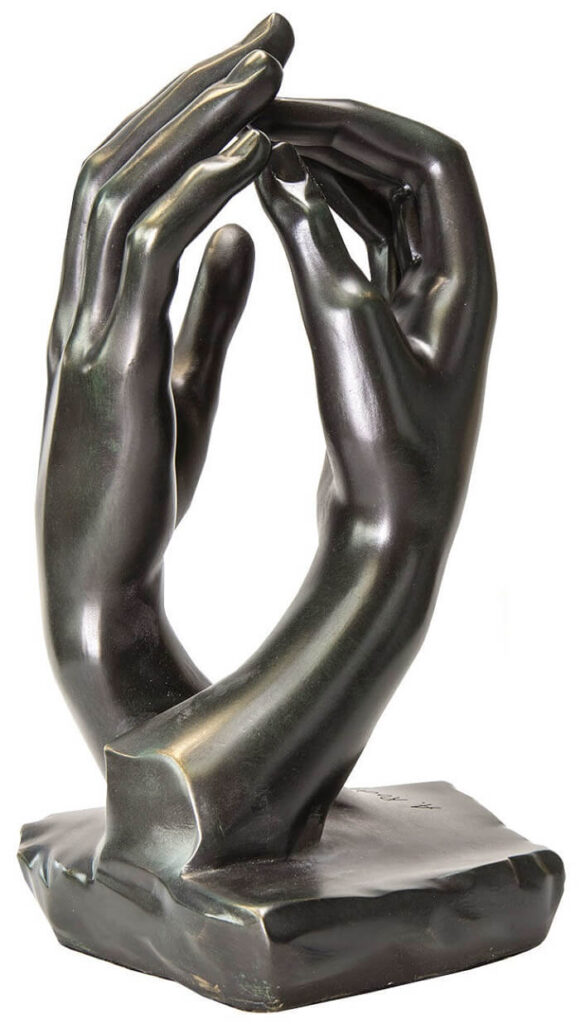
In addition to space being a way to show depth, artists also use positive and negative space as elements of art. Positive space is the areas of the artwork filled with the content, and negative space is the space in between.

In Rodin’s The Cathedral, the empty negative space between the hands creates as much emotion and power as the positive space of the hands.

elements of art examples
Auguste Rodin, The Cathedral, 1908

For more examples of positive and negative space in art, check out our elements of art space post.

Space in Art Resources

The Art Curator for Kids -Example Artworks that Show Space - The Elements and Principles of Art Series
  • The Ultimate Collection of Space in Art Examples
  • How Artists Depict Space
  • Perspective Made Easy (Book)
  • Sophia: Space
  • NY Times: 5 Ways to Think About Space

Download the Free Elements and Principles Printable Pack


This pack of printables was designed to work in a variety of ways in your classroom when teaching the elements and principles of art. You can print and hang in your classroom as posters/anchor charts or you can cut each element and principle of art in its own individual card to use as a lesson manipulative.

More Elements of Art Examples

For more examples of elements and principles of art, check out more from our elements of art examples series below.


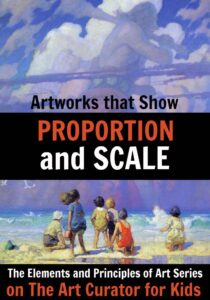
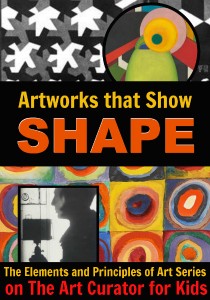
The Art Curator for Kids -Example Artworks that Show Space - The Elements and Principles of Art Series-300The Art Curator for Kids - Example Artworks that Show Line - The Elements and Principles of Art - 300The Art Curator for Kids - Example Artworks that Show Emphasis - The Elements and Principles of Art SeriesElements and Principles of Art - Artworks that Show Proportion in art and ScaleThe Art Curator for Kids - Elements and Principles of Art Series - Artworks that Show Shape - 300The Art Curator for Kids - Why I Hate the Elements and Principles But Teach Them Anyway - 300The Art Curator for Kids - How Artists Depict Space - Masterpiece Monday - John Sloan , South Beach Bathers, 1907-1908, Art Lessons for Kids - Elements of Art Lessons

Filed Under: Elements and Principles of Art
Tagged With: best of art class curator


October 24, 2018 21 Comments

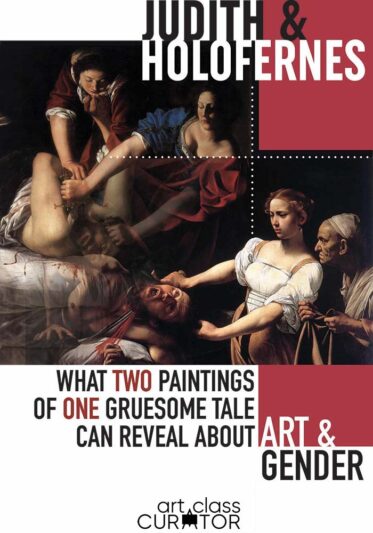
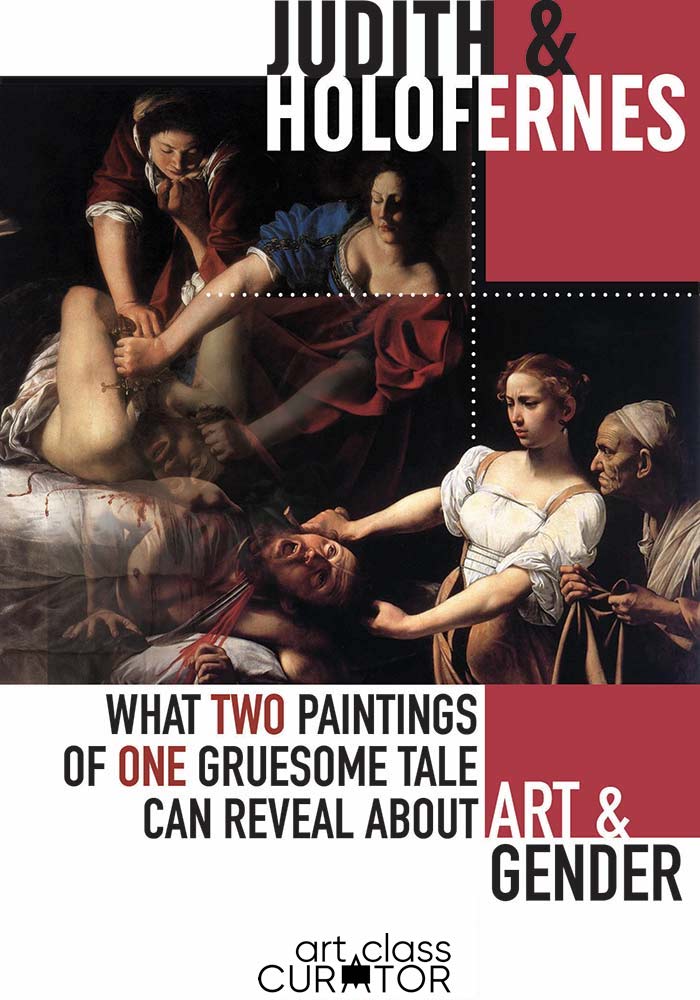
Judith and Holofernes Paintings: A Compare and Contrast Art Lesson

Inside: Art lesson ideas and activities for comparing two Baroque Judith and Holofernes paintings. Which was made by a man and which was painted by a woman?

Judith and Holofernes

Let’s talk about decapitation for a minute.
Did I draw you in with that hook? Whether you rose your eyebrows or nodded with excitement, you’re curious about what I’m going to say next, and your students will be too.

Throughout art history, there are topics and stories that we see repeated time and again by different artists, because they capture the imagination and ignite our emotions. One example of this is Judith and Holofernes paintings based on the story of Judith slaying Holofernes from the Septuagint and the Catholic and Eastern Orthodox Christian Old Testament of the Bible. This story is represented in more than 114 paintings and sculptures!

Judith and Holofernes paintings
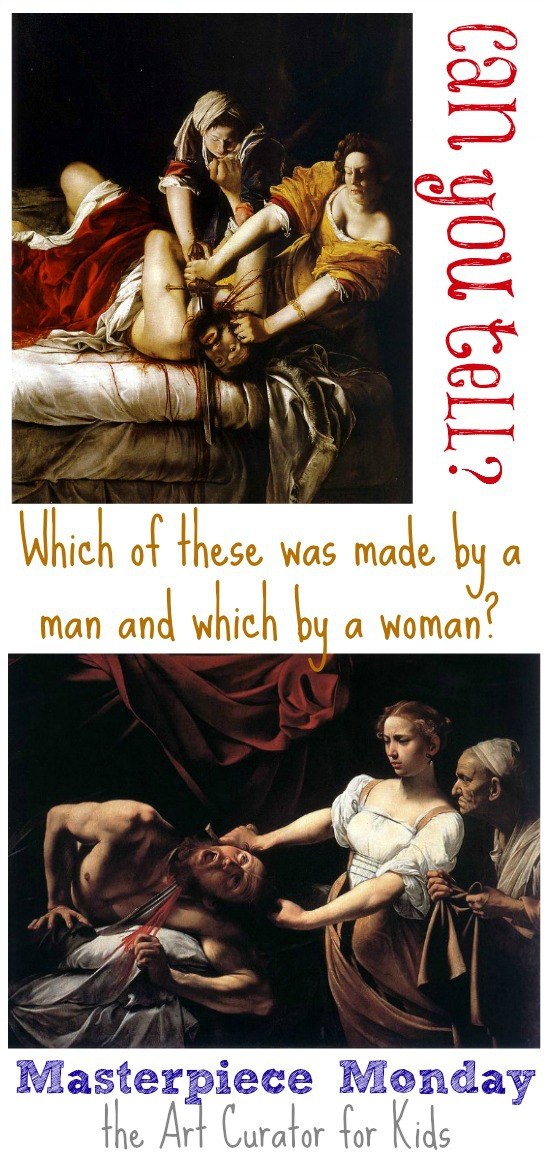
*Read more to see artist’s name, Judith Slaying Holofernes, 1614–20

Please note, this post includes Amazon affiliate links. As an Amazon Associate I earn from qualifying purchases.

Judith and Holofernes Paintings

To sum up the story, Holofernes, an Assyrian general and our dastardly villain, was tasked by the king to destroy Judith’s hometown, the city of Bethulia. Judith, a beautiful widow, charms and befriends Holofernes and is allowed into Holofernes’ tent because of his desire for her. After he gets drunk and passes out, she chops of his head and carries it away in a basket back to Bethulia to prove to her neighbors that their troubles are over. Bam!

Caravaggio, Judith Beheading Holofernes, 1598-99 Judith and Holofernes paintings
*Read more to see artist’s name, Judith Beheading Holofernes, 1598-99

These two representations of the story are remarkably similar, but the differences stand out. One of my all-time favorite art lessons is to have students compare and contrast these two Judith and Holofernes paintings. It’s a great lesson in looking closely. The longer you can keep a student looking and thinking, the more they will get out of it. Have your students notice the similarities and differences between the colors, lighting, postures, and expressions of the people, actions, lines, and emotions. There’s plenty to keep students exploring and engaged.

(Facebook video not working? Watch on YouTube.)

Discussing Gender in Art

I always follow up the compare and contrast activity with a thought-provoking question: “Which of these paintings was painted by a woman, and which was painted by a man?

Think about it. What do you think the correct answer is? How can you tell one was painted by a woman and one a man?

Notice how the women are painted. In the first one, the woman is strong and determined. She’s got her knee on the bed, really going for it. In the second, the woman is delicate and looks disgusted. She’s leaning away from the action, keeping her distance. Her body language is timid and worried.

Free Poster

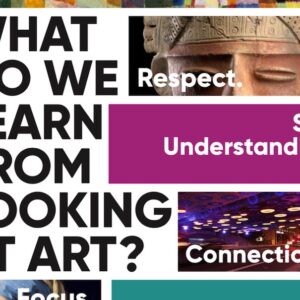
What Do Kids Learn from Looking at Art Poster

Our students learn so much from looking at art. Use this poster in your classroom to remind them of all the skills they’re growing!

Download

Free Poster

What Do Kids Learn from Looking at Art Poster

Our students learn so much from looking at art. Use this poster in your classroom to remind them of all the skills they’re growing!

Classroom Art Discussion

I’ve led this discussion with countless groups of students–high-schoolers, college students, and adults. Answers and reasons always vary, and there is always an interesting discussion. Even when they get the answer “wrong,” it is still is an interesting way to explore gender and stereotypes. It’s a great way to encourage deep learning about the lives of artists.

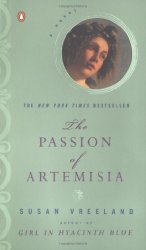
The Passion of Artmesia by Susan Vreeland

Are you ready for the correct answer? Did you think about it first?

The first is the woman artist — Artemisia Gentileschi). The second is the man — Caravaggio. Did you get it right?

Gentileschi, a rare woman painter from the past, led a tumultuous life. She painted strong and powerful women, as well as women being oppressed or exposed. Although we tend to connect a woman’s life to her painting more than we do with male painters (see this post about the lives of artists), it’s hard to resist seeing the connection here. As a teenager, she was raped by a friend of her father. At the time, the woman was usually seen at the one to blame. There was a trial and she almost married the man who raped her. You can read about her life in the awesome biographical novel, The Passion of Artemisia by Susan Vreeland. I highly recommend this book. I read it years ago and loved it.

See more of Artemisia Gentileschi’s artwork here.

Art Learning Activities for Judith Slaying Holofernes

  • Compare and contrast the two works. After noticing all the similarities and differences, ask your students which painting was painted by a man and which a woman. Ask them to explain their answer. Use the compare and contrast art activity from the bundle of free art appreciation worksheets to get students thinking. (See photo below.)
  • Study Baroque art to better understand the characteristics of these two works. Use my Baroque lesson that includes this activity along with other compare/contrast activities to teach the main characteristics of Baroque. Buy the lesson here or join the Curated Connections Library to get the lesson materials.
  • Read my post about Exploring Narrative in Art for more activities to support and connect with stories in art.
  • Check out other representations of the story (below) and talk about which paintings depict the story more effectively and what choices artists makes to tell stories.
  • Watch the Khan Academy Smarthistory video about Gentileschi’s version of this story.
  • The following worksheets from my $12 Printable Art Appreciation Worksheets Bundle work well with these artworks: 4 Steps of Art Criticism, Compare and Contrast, Twitter Perspectives, Write a Letter, Formal Analysis–Elements of Art, Charlotte Mason Picture Study, Write a Haiku, and the “I am” Character Poem. Many of these worksheets are also available in my free worksheets bundle for e-mail subscribers.

This post was originally published on October 27, 2014.

Mentioned on the Art Class Curator Podcast…

Subscribe in Your Favorite Podcast Listening App

Filed Under: Art and Artists
Tagged With: artemisia gentileschi, best of art class curator, caravaggio


Art History Nerds with Tim Bogatz

tim bogatz teaching art history

Tim Bogatz and I are art history nerds. We love creating new, exciting ways of teaching art history. The Internet has opened a whole new world of opportunities and possibilities for art teachers. Tim shares his experiences of how he took his teaching skills out of the classroom to reach more students than was ever possible before.  

Show Highlights:

  • Tim discusses teaching in the classroom versus writing and podcasts
  • The topic that Tim enjoys teaching and why people struggle with it
  • Why it’s important to exchange ideas and perspectives with other art teachers
  • What Tim doesn’t miss about teaching in the school system
  • Tim shares why he’s not a fan of Picasso
  • Tim and Cindy discuss the influence of an art teacher’s opinions on their students
  • How Tim makes art history entertaining for his students
  • Learning more about an artist’s life can change your relationship to the artist and his/her work

Links Mentioned in the Show:

  • Twitter: @TimBogatz  
  • Cindy’s Episode on Art Ed Radio   

Subscribe in Your Favorite Podcast Listening App

Subscribe and Review in iTunes

Have you subscribed to the podcast? I don’t want you to miss an episode and we have a lot of good topics and guests coming up! Click here to subscribe on iTunes!

If you are feeling extra kind, I would LOVE it if you left us a review on iTunes too! These reviews help others find the podcast and I truly love reading your feedback. You can click here to review and select “Write a Review” and let me know what you love best about the podcast!
View in iTunes

Filed Under: Podcast
Tagged With: tim bogatz


Like-Minded Travelers with Alex Thorniley

art teacher travels

Could anything be better than art and creative expression? Maybe if it involved a group of people traveling foreign countries appreciating that art together. Today, Alex Thorniley joins me to share her experience of attending the first annual Art Class Curator trip. It can be intimidating stepping out of your comfort zone to enjoy something you’re passionate about, especially when you don’t know anyone. Listen to this podcast as Alex shares her worries before, the highlights of the trip, and advice for those who need a little encouragement.    

Show Highlights:

  • Alex shares what appealed to her most about going on the art trip
  • Learn what Alex’s biggest worry was
  • Why Alex got annoyed when she heard people speaking English on the trip
  • The art that excited and reminded her of home most
  • The most memorable museums and art pieces she experienced
  • Alex shares some advice on those hesitant to sign up for an Art Trip
  • The great thing about going on a trip and not knowing anyone
  • Alex talks about how the trip changed her opinion on a certain art piece


Subscribe in Your Favorite Podcast Listening App

Subscribe and Review in iTunes

Have you subscribed to the podcast? I don’t want you to miss an episode and we have a lot of good topics and guests coming up! Click here to subscribe on iTunes!

If you are feeling extra kind, I would LOVE it if you left us a review on iTunes too! These reviews help others find the podcast and I truly love reading your feedback. You can click here to review and select “Write a Review” and let me know what you love best about the podcast!
View in iTunes

Filed Under: Podcast
Tagged With: Alex Thorniley


October 8, 2018 9 Comments

The Very Best Gifts for Teenage Artists – Art Supplies for Teens

Inside: An art supplies for teens gift guide! Affordable, quality art supplies that will take your teen artist’s work to the next level!

Please note, this post includes Amazon affiliate links. As an Amazon Associate I earn from qualifying purchases.

Good Art Supplies for Teens:

I focused on some good quality (but not too expensive) art supplies for teens. Having nice materials really helps take your art to the next level.

  • Conte Crayon 18 Box Set – I love drawing with conte crayon. It’s kind of like a chalk pastel, but not quite as dusty. The colors are brilliant, and you can blend them easily.
  • Winsor & Newton Cotman Water Colour Sketchers’ Pocket Box set of 12 – This is not your normal watercolor set for kids. This is an artist quality watercolor kit small enough to fit in your pocket. I bought one of these in Italy when I studied abroad in college, and it was such a treasure. If you buy this, be sure to buy some watercolor paper to go along with it. These watercolor paper postcards go great with this set. These would be great stocking stuffers!
  • Liquitex BASICS Acrylic Paint Tube 48-Piece Set – Liquitex Basics are my go-to acrylic paint. The colors are many and beautiful, the paint lasts a long time, and it’s not ridiculously expensive.
  • Art Alternatives Canvas Panel (8 X 10) 12 Pack – Canvas boards are an inexpensive way to make paintings more elevated than your standard 12×18 sheets of paper. They don’t take up a lot of space, and they give the student a more authentic experience. These boards are for acrylic or oil paint, not watercolor.
  • Art Advantage Oil and Acrylic Brush Set, 24-Piece – You need different types of brushes to get the effects you want. Having a canvas carrier gives your student an easy way to store and carry the brushes.
  • Pro Art 18-Piece Sketch/Draw Pencil Set – To make quality drawings, it is important to have the right tools. This includes graphite sticks, charcoal, pencils of different softnesses, blending tools, etc. This is a great starter kit.
  • Royal & Langnickel Deluxe Sketching Artist Box Set – A deluxe version of the above drawing kit. This comes with a little wood mannequin and a wooden storage box.
  • Pentel Arts Oil Pastels, 50 Color Set (PHN-50) – Oil pastels are a must. I love this brand, and this set has 50 colors! I could color with oil pastels for days. (See this post about my favorite oil pastel project!)
  • Canson 9-Inch by 12-Inch Universal Sketch Book, 100-Sheet – If your teenage artist doesn’t have a nice sketchbook, get one! 🙂 I personally like sketchbooks with ringed binding, because it lays flat on the table a little better, but I know others who like the stiffer binding.
  • Speedball 6-Nib Calligraphy Lettering Set and Speedball 2-Ounce India Ink, Super Black – Pen nibs and ink. This is such a fun thing to learn and experiment with. I loved the set that I got in college. You can also get ink in many colors and use with other pens and brushes too.

art supplies for teens

This post is a part of The Art Ed Blogger’s Network: Monthly Tips and Inspiration from Art Teacher Blogs. On the second Tuesday each month, each of these art teacher blogs will post their best ideas on the same topic. This month, we’re sharing our about our favorite art supplies!

Participating Art Teacher Blogs:

Originally published November 29, 2016.

Filed Under: Art Gift Guide


Special FX Art Class with Chris Screws

special fx art class

It’s October, so we’re going to get a little spooky! Today’s guest runs his very own haunted house. He takes this unique experience into his classroom by creating a one-of-a-kind special FX art class for his high school students. Listen in to today’s show to get inspired to take your unique skills into the classroom.  

Show Highlights:

  • Chris shares details about his career and his current teaching position in Alabama.
  • In addition to teaching general art classes, Chris shares about the special effects class he teaches where he incorporates prosthetics, prop-making, set design, make-up application, and costume-making.
  • Chris tells about how he allows his students to create their own presentations to showcase in front of judges.
  • Chris uses many project-based lessons in preparation for the students’ showcase.
  • Learning new process ahead of the students is something Chris shares with us.
  • Beginning in October, Chris’ students narrow their focus for the April showcase, including writing proposals and creating characters.
  • Students were allowed to develop their characters and ideas for months leading up to the showcase, sometimes in a team situation.
  • Chris discusses how he grades students including their active participation.
  • Chris shares his pride for how well the students prepared for the showcase last year, including making some very intricate prostheses.
  • Students may take the special effects class year after year.
  • Chris shares how haunted house design and filmmaking overlap
  • Allen Hopps is a YouTube sensation Chris has his students study because of his great tutorials. Stiltbeast Studios
  • Todd Debreceni wrote a special effects book Chris uses with his students.
  • Chris discusses supplies how supplies are funded.
  • Behind the scenes tours vs. going through the haunted house for those afraid
  • Chris shares ideas for inexpensive  materials to use with students on a smaller scale. 
  • Chris shares how/where he shares his personal love of teaching mask-making.
  • Chris shares about the artists who inspired him.

Links Mentioned in the Show:

Please note, this post includes Amazon affiliate links. As an Amazon Associate I earn from qualifying purchases.

  • Allen Hopps’ YouTube Channel
  • Todd Debreceni books on Amazon
  • Monster Clay on Amazon
  • Insanitarium Haunt
  • Instagram page
  • Facebook page
  • Neal Adams
  • Rick Baker’s transformation scene from An American Werewolf in London  

Subscribe in Your Favorite Podcast Listening App

Subscribe and Review in iTunes

Have you subscribed to the podcast? I don’t want you to miss an episode and we have a lot of good topics and guests coming up! Click here to subscribe on iTunes!

If you are feeling extra kind, I would LOVE it if you left us a review on iTunes too! These reviews help others find the podcast and I truly love reading your feedback. You can click here to review and select “Write a Review” and let me know what you love best about the podcast!
View in iTunes

Filed Under: Podcast


The Importance of Making with Clara Lieu

When it comes to school, students are taught young to go for the A. Period. So when students get to art class, they freak out when you tell them not to worry about the grade. Clara Lieu joins me on the Art Class Curator Podcast to talk about getting past the grade and all the benefits of studio art.

art class curator podcast


Show Highlights:

  • Clara shares her passion about the art making process
  • Why Clara felt it to be critical to put her art column into videos
  • The effect of the physicality of art
  • The part of the art process that you should learn to embrace
  • How art can teach us how to fail and to be vulnerable 
  • The misconception a lot of Clara’s students have made about her taste in art
  • Clara talks about how a work of art makes you feel
  • The component of art that her students think about least
  • Ways to get students to think about art on a deeper level
  • Advice for art teachers who lack confidence in their Studio Art

Links Mentioned in the Show: 

  • Clara’s Website
  • Art Prof
  • Art Prof on Instagram   

Subscribe in Your Favorite Podcast Listening App

Subscribe and Review in iTunes

Have you subscribed to the podcast? I don’t want you to miss an episode and we have a lot of good topics and guests coming up! Click here to subscribe on iTunes!

If you are feeling extra kind, I would LOVE it if you left us a review on iTunes too! These reviews help others find the podcast and I truly love reading your feedback. You can click here to review and select “Write a Review” and let me know what you love best about the podcast!
View in iTunes

Filed Under: Podcast
Tagged With: clara lieu


September 25, 2018 3 Comments

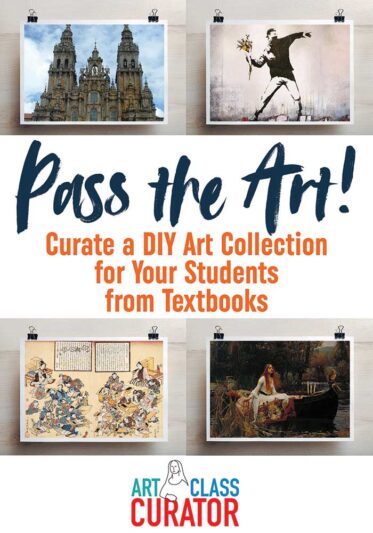
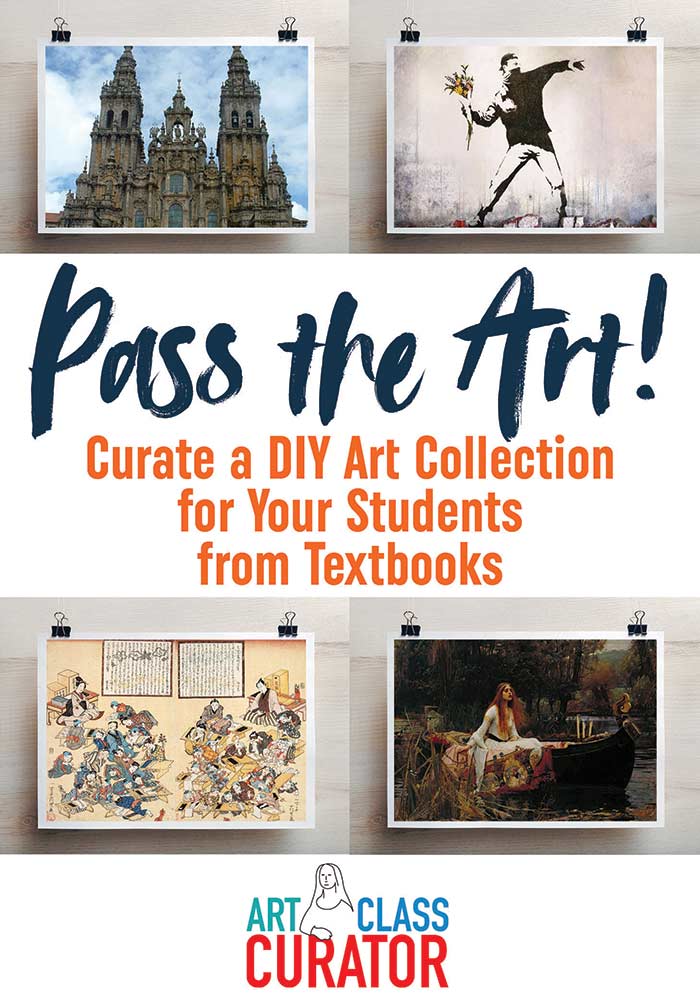
Pass the Art! Curate a DIY Art Collection for Your Students from Textbooks

Inside: How to make your own affordable art cards and use them to spark critical thinking and thoughtful art classroom discussions.

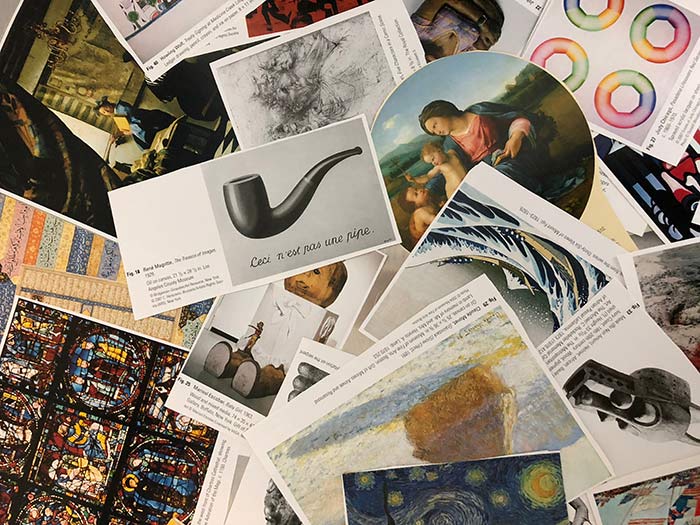
One of the questions I get asked most frequently is how to show works of art to a classroom full of students. I’ve suggested using projectors, textbooks, posters, and computers. But when I was preparing for my Art Appreciation Master Class Workshop this summer, a new idea occurred to me.

Art Cards

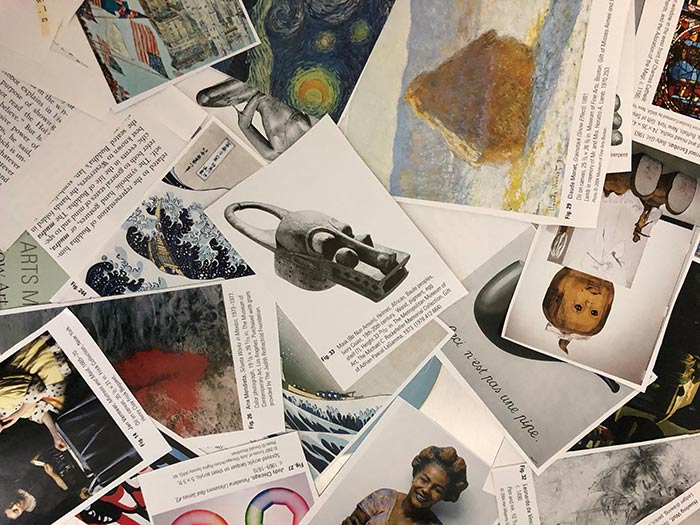
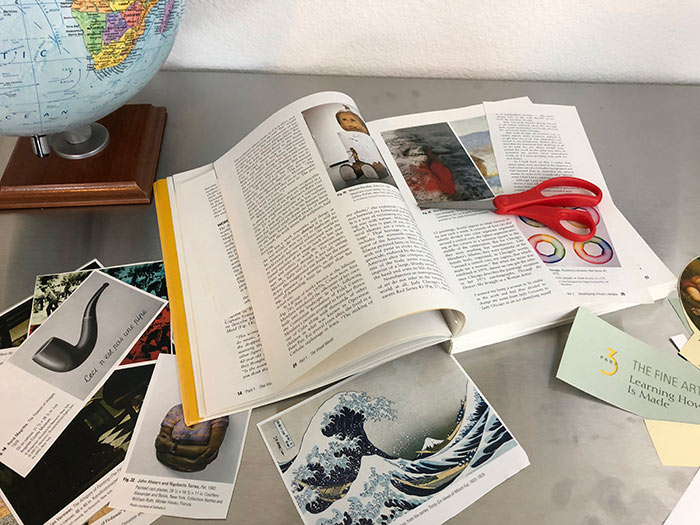
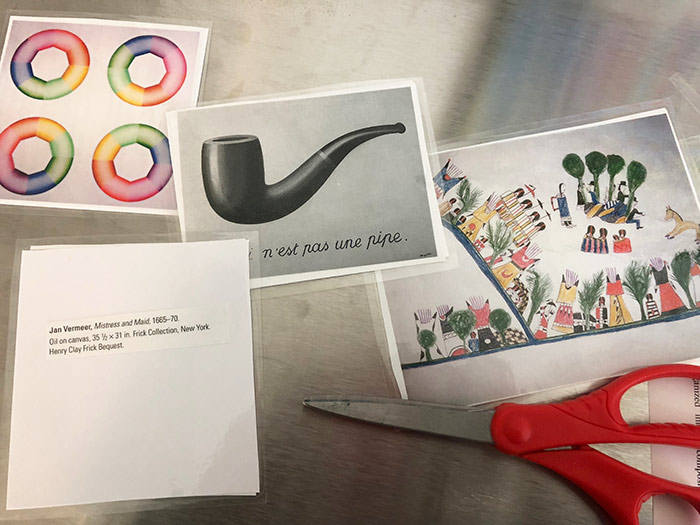
I’ve been an art educator long enough to acquire an impressive collection of art textbooks. While some of them were useful in the classroom, most just sat on a shelf. When I realized that I had more than one edition of the same textbook, I decided to take the scissors to it! I’ll admit I cringed a bit, but I’d much rather use the books than have them sit gathering dust. The process to make your own art cards is simple but time-consuming. Still, this is cheaper than buying postcards, and you’ll get a much greater variety.

This post contains affiliate links. When you purchase using these links, Art Class Curator receives a small commission at no extra cost to you. Thank you for your support!


Please note, this post includes Amazon affiliate links. As an Amazon Associate I earn from qualifying purchases.

Here’s what you do:

1. Find your artworks – You can use art magazines, museums brochures, an art textbook, an art coffee-table book, or anything else you can think of to create your DIY art collection. Explore your local used bookstore for a bargain!

Here are some art book suggestions: Gateways to Art: Understanding the Visual Arts, Art: Over 2,500 Works from Cave to Contemporary, Art: A Visual History, Art That Changed the World, Living With Art

2. Cut out artworks – Be sure to look at both sides of the page so you don’t accidently cut into an artwork you want to use. You can also choose whether or not you want to include the title, artist, and any additional information included in the textbook.

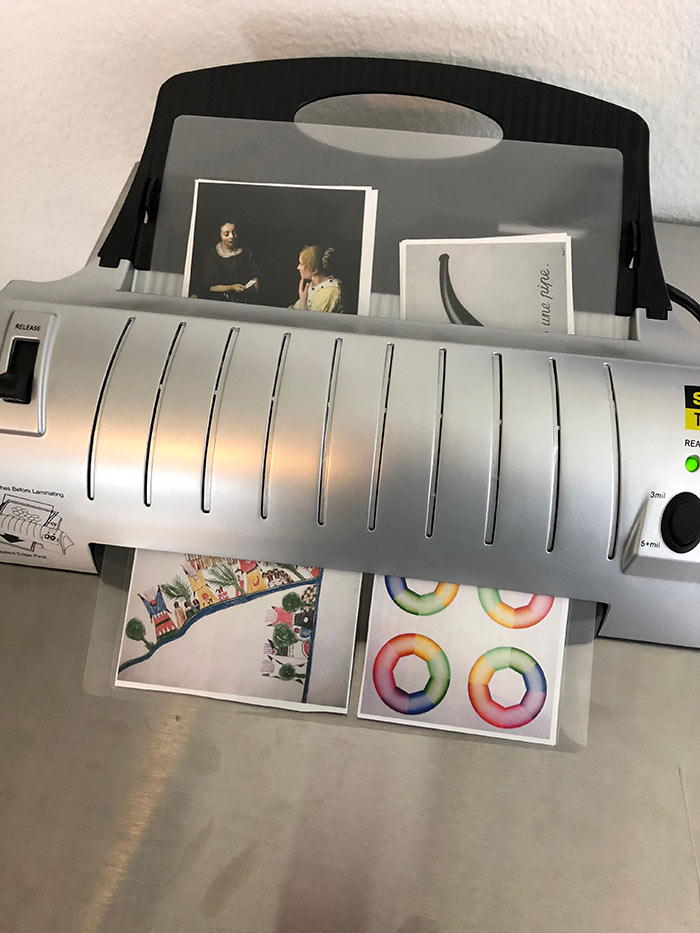
3. Laminate your new art cards – This will save them from being damaged so you can use them year after year. I chose to put the art cards onto cardstock to make them more sturdy. I added the labels on the back because I prefer to give the students the chance to interpret the art without being influenced by the title or other information. Here’s a budget-friendly laminator if you don’t have one and your school’s is always busy or on the fritz.

4. Cut them down to size and use them – See below for some of my ideas.

How to Use Art Cards

There are a ton of ways you can use the cards. Don’t limit yourself to my ideas. Get creative! If you come up with an art appreciation activity your students love, please share it in the comments for other art teachers to try.

  1. Flashcards – For students in college or AP Art History classes, art cards are a great study tool to learn how to dive into art periods and movements, recognize certain artists or techniques, and prepare for exams.
  2. Games – The possibilities are endless here. You can get in some kinesthetic learning by having students get into the pose of characters on the card or try to mimic the shapes they see.
  3. Poetry –  Have students write a poem about the artwork. Haikus have always been successful writing assignments in my art classroom.
  4. Twitter Perspectives – Give the artwork new life by giving it a modern twist! Have students come up with usernames, tweets, and hashtags for the characters in an artwork. Learn more here.
  5. Compare & Contrast – Use two or more cards to compare different artists, styles, movements, or methods. Learn more here.
  6. Lead an Art Discussion – Talking about art in the classroom is a great way to connect students with art, work their critical thinking skills, and develop their love of art. Learn more here.
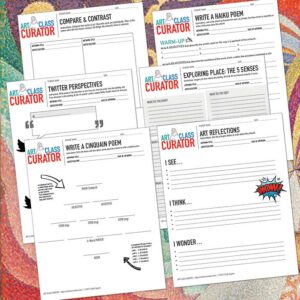
  7. Pair with a Worksheet – Use a worksheet from the Art Appreciation Worksheet Bundle (or the gift pack you receive when signing up for our weekly newsletter) to encourage students to dig deep and really critique and examine the artwork.

Free Worksheets!

Art Appreciation Worksheets

In this free bundle of art worksheets, you receive six ready-to-use art worksheets with looking activities designed to work with almost any work of art.

Download

Free Worksheets!

Art Appreciation Worksheets

In this free bundle of art worksheets, you receive six ready-to-use art worksheets with looking activities designed to work with almost any work of art.

Masterpiece Presentation

I first posted this idea in a video on the Art Class Curator Facebook page. Soon after, art teacher Tosha Raynor emailed to tell me about her own success using art cards in the classroom. I loved her idea so much, I asked her if I could share it with all of you. It’s a great way to integrate works of art into every art class. Tosha’s classroom is setup so that there are four students at each table, but this activity can easily be adapted to however your classroom is setup. Here are the steps:

  1. Give each group one art card and a list of art questions. (Here are 82 questions you can use or pull from!)
  2. As a bellringer or journal work, have students write down questions they have about the artwork and answer them. Tosha allows students to use questions from the list or come up with their own, but they must critically analyze the artwork and answer around 10 questions. No simple yes or no answers here! The students need to put on their thinking caps!
  3. Once each student has a chance to answer their questions, the groups get together and pick which questions they want to talk about with the class.
  4. When a group is ready, show their artwork to the entire class. (A projector is great for this!) Each student from the group will read one of their questions along with their own answer/interpretation. Then, discussion is opened up to the class for additional insights and critiques.
  5. Repeat step 4 until all groups have presented their artwork.
  6. Start over with a new artwork for each group!

Tosha said, “It sparks SO much conversation between the 10 pieces. . . . They keep having questions or their own comments about each piece . . . . They are thoroughly intrigued.”

Teachers Helping Teachers

I’m so thankful to Tosha for sharing her classroom experience. Unfortunately, Tosha’s community was directly in the path of Hurricane Florence. My thoughts are with her, her students, and their friends and families. Since we’ve been in contact, I asked how people in the Art Class Curator community can help if they are able. Here is her response:

The Nourish NC site is the company that feeds our students when we aren’t in school. Along with other nutritional needs in the community. Support the port helps our community overall but focuses on our less privileged community to get them what they need. So many great people here in Wilmington and these are mostly local organizations striving to support our community.

Nourish NC 
Support the Port Needs List
Vigilant Hope
Catholic Charities
Pender Humane Society


Filed Under: Art Teacher Tips


  • Previous Page
  • Page 1
  • Interim pages omitted …
  • Page 10
  • Page 11
  • Page 12
  • Page 13
  • Page 14
  • Interim pages omitted …
  • Page 38
  • Next Page

Primary Sidebar

Hi! I’m Cindy Ingram, the creator of Art Class Curator and The Curated Connections Library

I’m on a mission to revolutionize education with the power of life-changing art connections. Art is not “extra”. Art is essential. We are empowering teachers to bridge the gap between art making and art connection, kindling a passion for art that will transform generations.

More About Me

Free Worksheets!

-Free Bundle of Art Appreciation Worksheets-

In this free bundle of art worksheets, you receive six ready-to-use art worksheets with looking activities designed to work with almost any work of art.

Download

Free Worksheets!

-Free Bundle of Art Appreciation Worksheets-

In this free bundle of art worksheets, you receive six ready-to-use art worksheets with looking activities designed to work with almost any work of art.

Enrollment in Curated Connections Library is currently open. Click here to join. Join our list to get more information and to get a free lesson from the vault! If you are purchasing for a school or school district, head over here for more information.
Check Out What’s New In The Shop

Experience Art: Engaging Art Criticism Discussions and Activities for Teachers and Students of All Ages
Call to Art: An Un-Conference for Art Educators
Curated Connections Library Membership
Perspectives High School Curriculum

More Products

Have You Listened to the Latest Podcast Episode?

Falling for Naudline Pierre’s Evocative Art: A Conversation with Madalyn (Part 2)

More Episodes

Testimonials

I like how this program, unlike other art class resource membership programs, feels authentic. It's like art matters more here, and not fancy flash-in-the-pan trendiness. The goal of Art Class Curator seemed to be helping kids develop a lifelong love and art appreciation versus "Hey, look. I painted this fish."
Erin A.
Your questions are helping me to delve into much deeper learning, and my students are getting better at discussion-and then, making connections in their own work. Art Class Curator is awesome!
Denise W.
Interestingly, my lower performing classes really get engaged in these [lessons] and come away with some profound thoughts!
Melissa G.
I had the most amazing 6th grade class today. They were jumping out of their seats with hands raised just to respond and give input. It was as if I was waving candy in front of them! They saw more and more and the ideas and interpretations unfolded. So cool!!! This is what makes teaching art so wonderful – thank you!!
Caroline G.
I just wanted to thank you for the invaluable resource you have through Art Class Curator. Not only do you have thought provoking activities and discussion prompts, but it saves me so much time in preparing things for myself! I feel like I’ve only scratched the surface with your site.
Maryjane F.

Get Art Inspiration To Your Inbox!

Enter your email address to get regular art inspiration to your inbox
plus a BUNDLE OF 6 FREE WORKSHEETS!
We hate SPAM and promise to keep your email address safe.
Download

Free Worksheets!

*Free Bundle of Art Appreciation Worksheets*

In this free bundle of art worksheets, you receive six ready-to-use art worksheets with looking activities designed to work with almost any work of art.

Copyright © 2026 Ignite Art, LLC DBA Art Class Curator •  All rights reserved  •  Privacy Policy  •  Terms of Service  •  Site Design by Emily White Designs