• Skip to main content
  • Skip to primary sidebar
  • About
    • About Art Class Curator
    • Contact
    • Speaking
    • Media & Press
    • Programs for Schools
  • Blog
  • Podcast
  • Shop
  • Join
  • Member Login

Art Class Curator

Hands-on and Minds-curious Art Learning

  • Art & Artists
  • Art Connection Activities
  • Art Teacher Tips
  • Elements & Principles
  • Downloads & Resources
Home
  • About
    • About Art Class Curator
    • Contact
    • Speaking
    • Media & Press
    • Programs for Schools
  • Blog
    • Art & Artists
    • Elements & Principles
    • Art Connection Activities
    • Art Teacher Tips
    • Downloads & Resources
  • Book
  • Podcast
  • Shop
  • Join
  • Member Login

All Posts from Art Curator for Kids

August 27, 2019 10 Comments

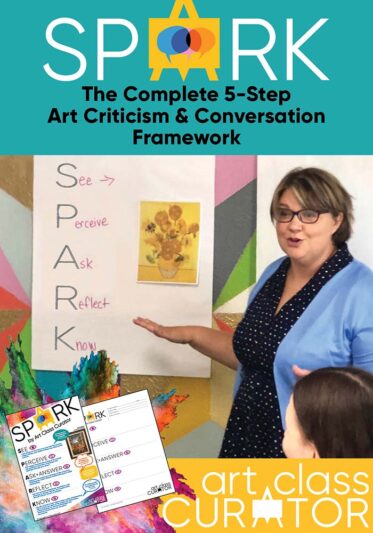
SPARK: 5 Art Criticism Steps for Inspired Art Connections and Conversations

SPARK art criticism and discussion framework

Inside: Discover SPARK, the complete art criticism and discussion framework that ignites deeper student art connections and more engaging classroom art discussions. Download a SPARK art criticism steps poster and worksheet for your classroom!
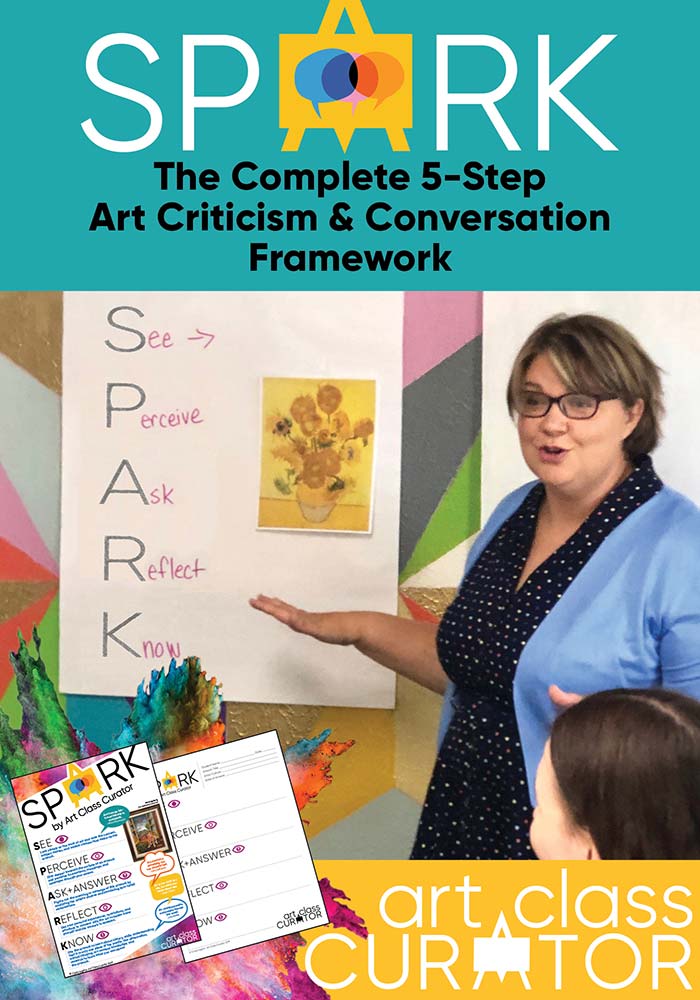
SPARK art criticism and discussion framework

Many of us are familiar with the traditional Feldman model of art criticism steps: Description, Analysis, Interpretation, and Evaluation. But this art criticism model has always felt incomplete to me, especially when teaching an art criticism lesson.

Does this scenario sound familiar? You guide your students through the four steps of art criticism as you’ve been taught them. Together, you describe the physical characteristics of the artwork, analyze the artwork using the elements of art and principles of design as a guide, then the students share their interpretations of the artist’s intent. Finally, you ask for their opinions of the artwork–rarely getting a response beyond “I like it” or “I hate it” from most students.

There’s a reason why the four steps of art criticism leads to lackluster lessons and bland conversations. The traditional art criticism model is too focused on the details. The students are missing the forest for the trees. In order to facilitate engaging, meaningful art discussions, we have to focus on the part we already know inspires deep, critical thinking and unique student insights–personal connection.

Art = Form + Theme + Context + Personal Connection
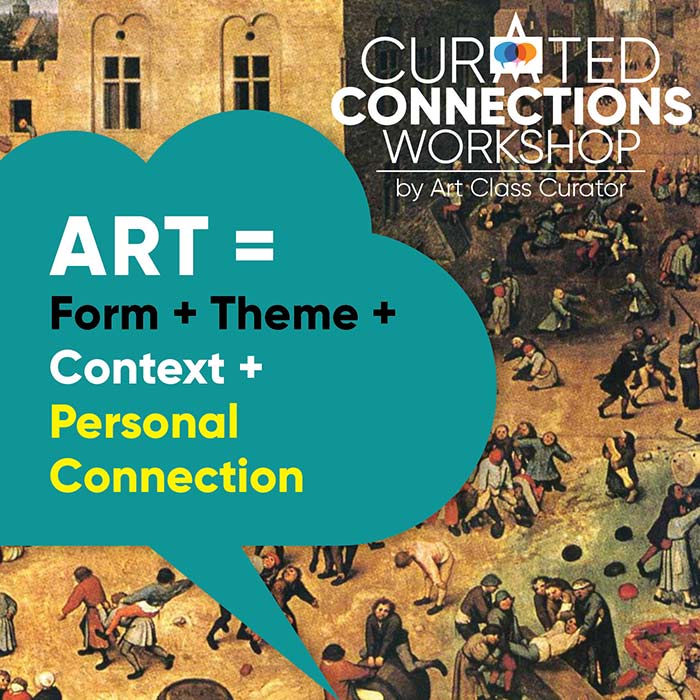
Artworks that stick with us stay in our hearts and minds because we connect with them on a personal level. They speak to us about the world, ourselves, or something we’re going through. We remember them and they change us–how we think or experience the world, inspiring us or giving us a new lens to look through.

My first real art connection came from The Lion King. To bring powerful, personal artwork connections to students the way The Circle of Life did for me, we have to refocus our attention on what our students see when they look at an artwork. That’s why I reinvented the art criticism steps.

Introducing… 

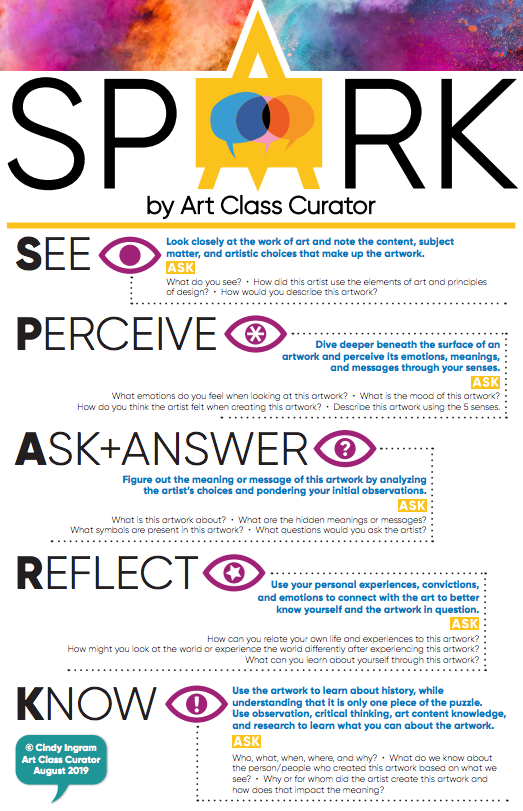
SPARK: 5 Art Criticism Steps for Inspired Art Connections and Engaged Art Discussions
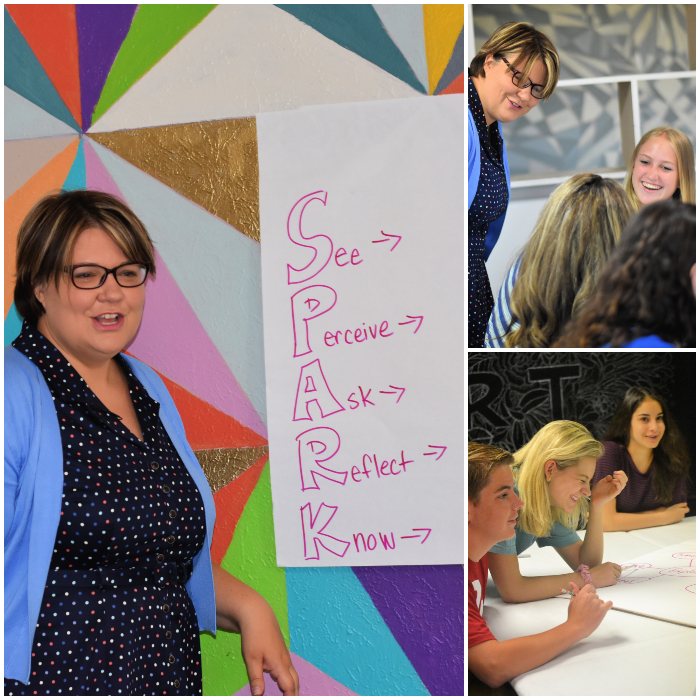
 

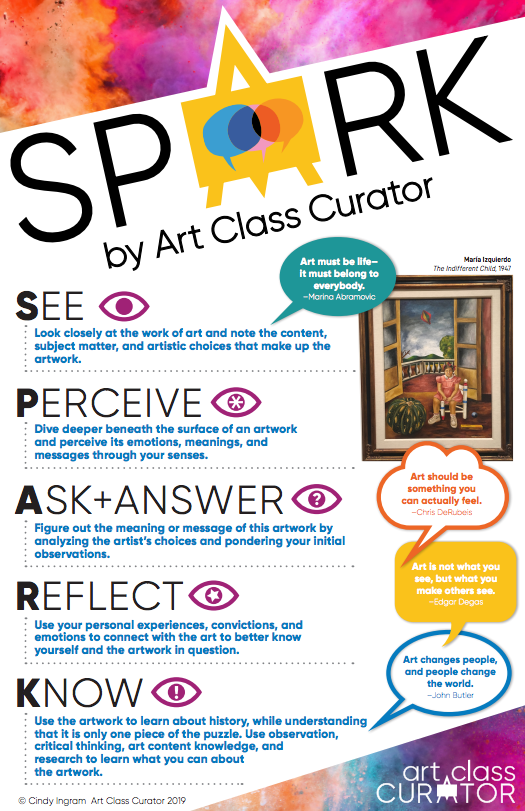
Step 1: See

Look closely at the work of art and note the content, subject matter, and artistic choices that make up the artwork.

Ask: What do you see? How did the artist use the elements of art and principles of design? How would you describe this artwork?

Step 2: Perceive

Dive deeper beneath the surface of the artwork and perceive its emotions, meaning, and messages through your senses.

Ask: What emotions do you feel when looking at this artwork? What is the mood of this artwork? How do you think the artist felt when creating this artwork? Describe this artwork using the five senses.

Step 3: Ask + Answer

Figure out the meaning or message of this artwork by analyzing the artist’s choices and pondering your initial observations.

Ask: What is this artwork about? What are the hidden meanings or messages? What symbols are present in this artwork? What questions would you ask the artist?

Step 4: Reflect

Use your personal experiences, convictions, and emotions to connect with the art to better know yourself and the artwork.

Ask: How can you relate your own life and experiences to this artwork? How might you look at the world or experience the world differently after experiencing this artwork? What can you learn about yourself through this artwork?

Step 5: Know

Use the artwork to learn about history while understanding that it is only one piece of the puzzle. Use observation, critical thinking, art content knowledge, and research to learn what you can about the artwork.

Ask: Who? What? When? Where? Why? What do we know about the person/people who created this artwork based on what we see? Why or for whom did the artist create this artwork and how does that impact the meaning?

Using the SPARK Art Criticism Steps in Your Classroom

When students are asked to think critically about art while considering how it ties in to their own lives and viewpoints, they truly connect with the artwork. The SPARK Framework goes deeper than whether or not students like the artwork. It asks them to consider their worldview and reveals why art matters in their life.

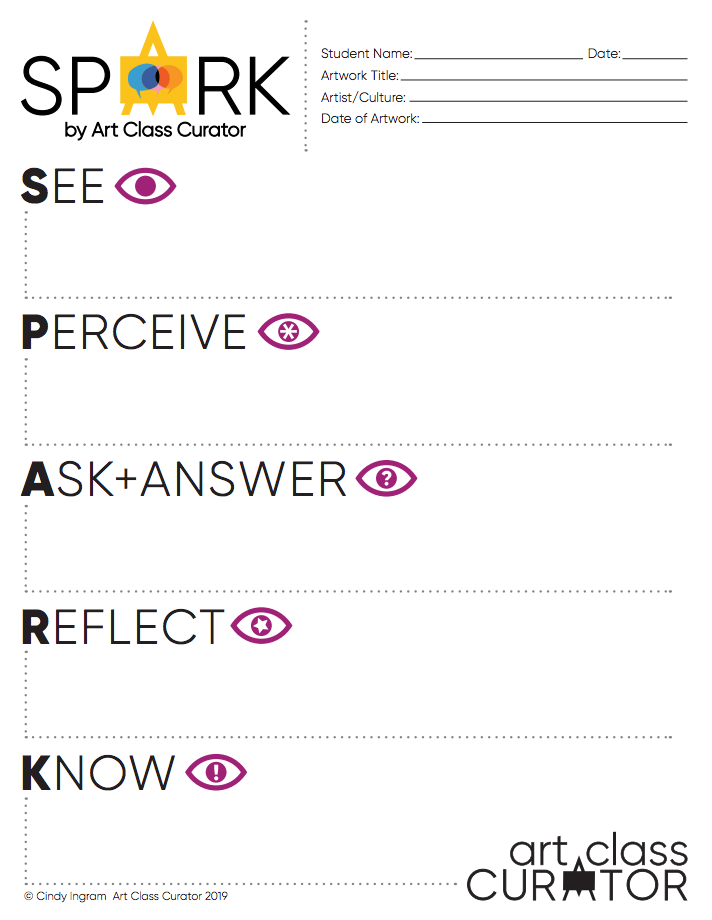
To use the SPARK Art Criticism & Discussion Framework in your classroom, choose an artwork to show your students. Lead a classroom art discussion using the five steps. Ask students to back up their answers to the SPARK questions using evidence from the artwork. Remember, there are no wrong answers as long as your student can back up what they say. Once your students have experienced a few SPARK art discussions, they will be able to use the SPARK worksheet for art criticism.

Free Download
Free Worksheets!

SPARK Art Criticism Framework

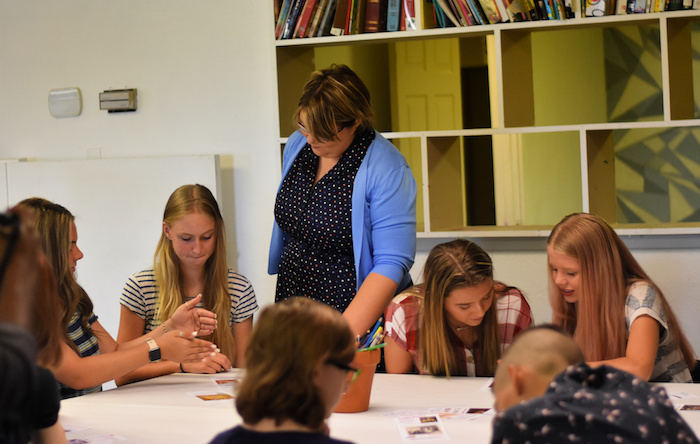
SPARK is a complete art criticism and discussion framework that ignites deeper student art connections and more engaging classroom art discussions. Download these free SPARK posters plus a worksheet to use in your classroom!
Download

Free Worksheets!

SPARK Art Criticism Framework

SPARK is a complete art criticism and discussion framework that ignites deeper student art connections and more engaging classroom art discussions. Download these free SPARK posters plus a worksheet to use in your classroom!
Mentioned on the Art Class Curator Podcast…

Subscribe in Your Favorite Podcast Listening App

Filed Under: Art Connection Activities, Art Teacher Tips


August 13, 2019 16 Comments

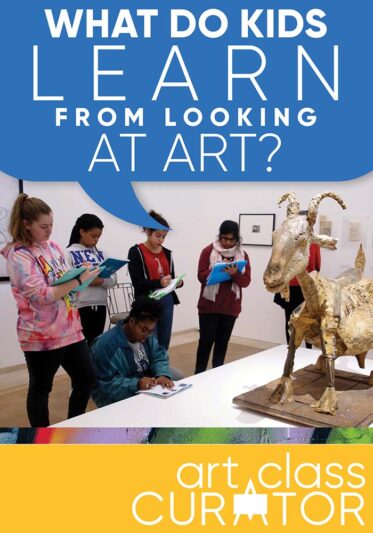
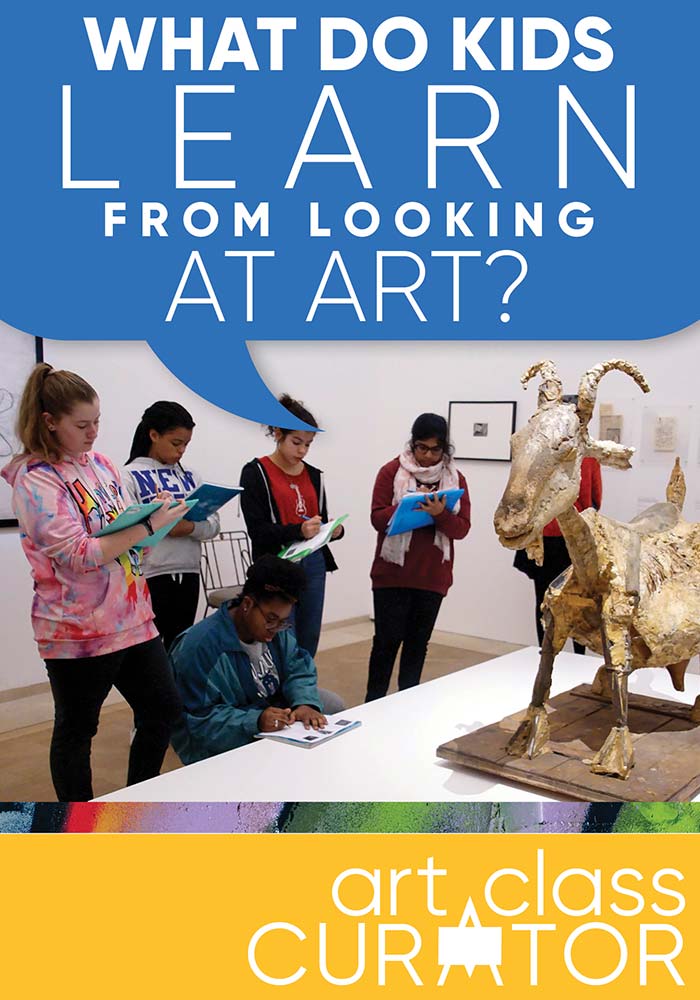
What do kids learn from looking at art?

What do kids learn by looking at art

Inside: Students, parents, and admins often struggle to understand what we learn from looking at art. Find out some of the many reasons why looking at art is valuable.

What do kids learn by looking at art

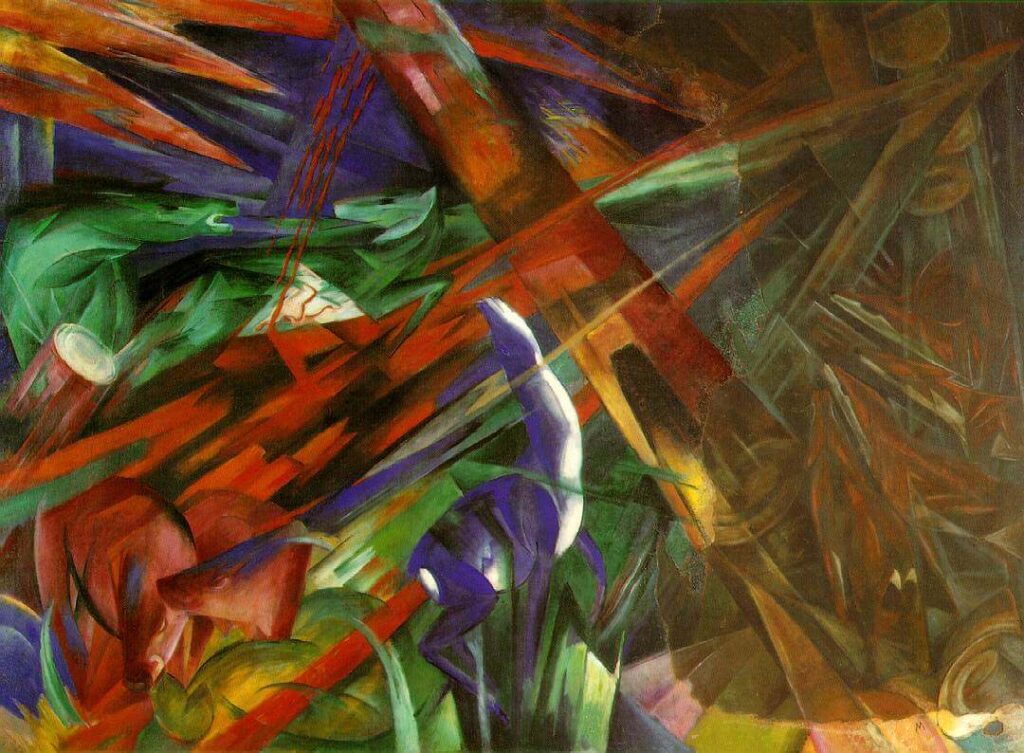
Last week, I was teaching a class about German Expressionism, and we were spending a considerable amount of time (over 20 minutes) dissecting and discussing as a class one of my favorite paintings, Franz Marc’s Fate of the Animals. I got a (rather annoying) question from a student. She said:

What are we learning with this? How can this apply to art?

First of all, it’s art, so that second question is instantly voided.

But, the first is a valid question, and while many of us do inherently see the value in looking at and talking about art together, it is not as clear to a lot of people.

Do you have to learn anything for looking at art to be valuable?

Art can be used to teach a lot of things, and that is awesome. Social studies and English have natural connections, and I love using those when I can. I’ve had students say “This is art. Not history. Why are we talking about this?” (Apparently my students have no trouble questioning my teaching methods. *harrumph*). Art is not alone in a vacuum; it is part of the world.

But, art is just as valuable alone as it is when it is used to teach the “core” subjects. So no. Absolutely not. You don’t need to learn anything specific when looking at art.

What do you “learn” when looking at art?

What you learn is not exactly tangible or instantly measurable. So using Franz Marc’s masterpiece as an example, here are the things my students were “learning” this week when discussing Fate of the Animals.

  • Focus. By forcing my student to keep looking and keep noticing the elements of the artwork for 20+ minutes, they were learning to focus on what they see. In our world of fast-paced media and short attention spans, this is a useful exercise.
  • Higher Order Thinking. Interpreting art allows students to use their brains in more complex ways. When looking at art, students evaluate, analyze, compare, criticize, and construct meaning.
  • Empathy. Looking at art helps students understand and better recognize the feelings of others.
  • Connection. Looking at art in a group connects you with those you are discussing it with, but looking at art also connects you to the past, to the artist, to the culture, and to anyone else who has also stood before that artwork. It’s a powerful feeling when you step back and look at it that way.
  • Respect. Connecting with other cultures and new ideas through art forces students out of their comfort zone and into the world. This process can help them learn to respect things that are different than them.
  • Observation and Awareness. Disciplined looking gives students a change to notice details they may not have seen with a quick look. It trains the student to be more aware of the world they are in.
  • Understanding Media/Images. This goes along with the last one, but with this world we live in with an abundance of images, our kids need to be trained to recognize the messages those images send.
  • Understanding of Self. Art helps us figure out our thoughts and feelings in different ways. It helps us see the world and ourselves in ways that nothing else can. It is not tangible, but it is there.
  • Curiosity and Wonder. Art helps foster a sense of wonder and excitement about the world.

Art is valuable. Art is important.

*climbing off my soapbox*

Thanks for listening.

What did I miss? What else do students learn when looking at art? Share your thoughts in the comments!

This post was originally published on April 23, 2015.

Mentioned on the Art Class Curator Podcast…

Subscribe in Your Favorite Podcast Listening App

Free Poster

What Do Kids Learn from Looking at Art Poster

Our students learn so much from looking at art. Use this poster in your classroom to remind them of all the skills they’re growing!

Download

Free Poster

What Do Kids Learn from Looking at Art Poster

Our students learn so much from looking at art. Use this poster in your classroom to remind them of all the skills they’re growing!

Filed Under: Art Teacher Tips


July 30, 2019 2 Comments

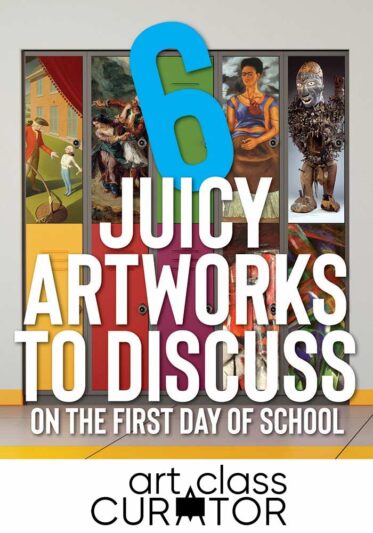
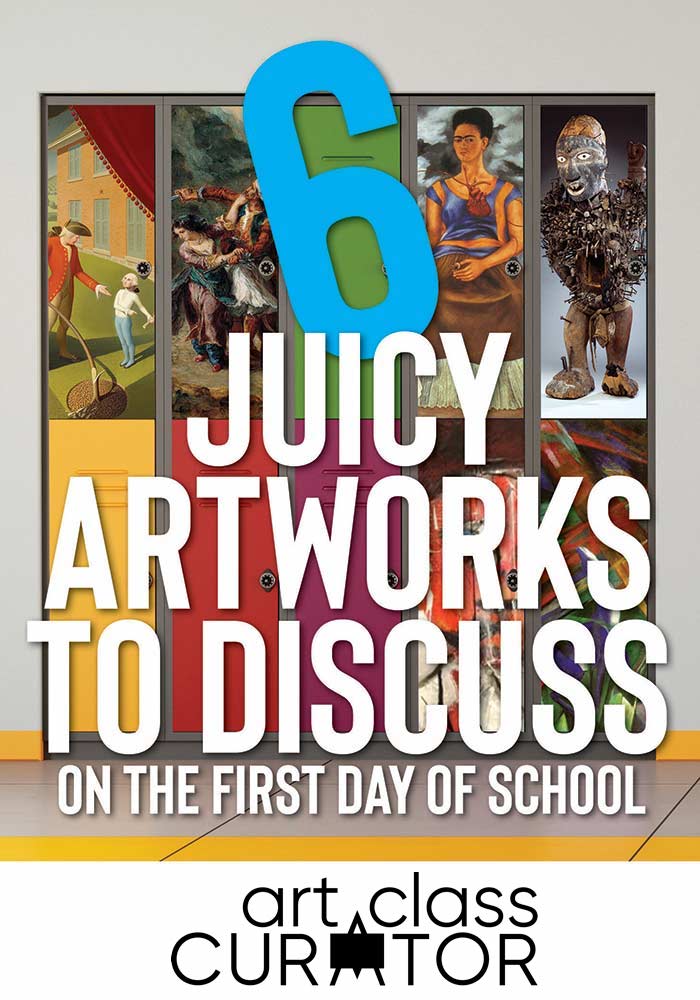
6 Juicy Artworks for the First Day of School

Art Discussion First Day of School

Inside: Six works of art with discussion questions and creative activities that make perfect first day of school art activities for art teachers of any grade.

Art Discussion First Day of School

August is coming…

I know.

Summer just started! You’ve barely had a chance to sunbathe or swim, and yet it’s almost time to attend in-service meetings, set up your classroom (or reorganize your cart for the thousandth time), and figure out how to make your favorite projects fit into the new lesson planning requirements (again).

There’s so much to do and the calendar is mocking you. Why, oh why, can’t you cram in a little weekend getaway? You just need a few days days to relax. Please?

Preparing for Back-to-School

Nevertheless, as you move through the stages of back-to-school grief, you remember all the things you love–the students you adore, the insightful comments and outstanding art, the silly jokes, your family of coworkers, the helpful volunteers, and those precious moments when you watch knowledge light up a student’s life.

The new school year will be exhilarating, exhausting, frustrating, and wonderful. And before you worry too much about what to do when you’re faced with class after class of familiar and brand new faces, let me help you out!

I won’t tell you how important it is to start the school year off strong, you already know. (And, if you’ve forgotten, I’m sure the many staff meetings you’re about to attend will remind you.) The school year is a marathon, not a sprint, and while getting off on the wrong foot won’t doom your year, it will make it harder to hit your stride. So, set the stage for stellar behavior with classroom management techniques, then show your students that art class is for more than making art–it’s for thinking critically about works of art and exploring the worlds both within and around them.

First Day of School Art Activities

Every year, I see frenzied Facebook discussions with art teachers trying to determine which project will not only get the kids hooked but also be feasible for the first day of school art activities. A lot of great ideas are thrown around, but I think there’s a easier way to get them excited.

Surprise your students by introducing them to a rich, fascinating work of art. A lot of teachers tell me that their biggest fear about incorporating more artworks and art history into their curriculum is the prospect of students being upset because they aren’t making their own art. That’s why the first day of school is such a great time to do this! When you set the expectation from the very first day***, your students won’t be confused, and they’ll know just how fun it can be! (***Or, the first week. Because goodness knows the attendance rolls will get mixed up, or you’ll have a dozen dress code infractions, and WHAT?! The bell is ringing already?!)

Let your students know:

Art class is more than just making art. We look at art and we talk about it together. We do this a lot.

And it. is. AWESOME.

Without further ado, here are six of my favorite artworks to share with students on the first day of school. Each one offers a lot for your classes to sink their teeth into and whet their appetite for the rest of the year! I’ve included links to blog posts that go into more depth for each piece and included some fun activities in case you’ve got enviable free time on the first day of school.

Also, check out my tips for an engaging classroom art discussion in this post.

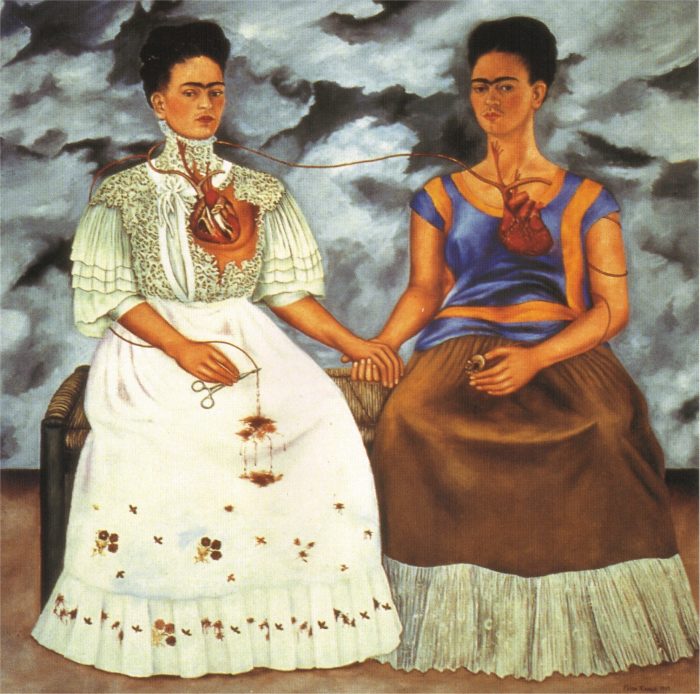
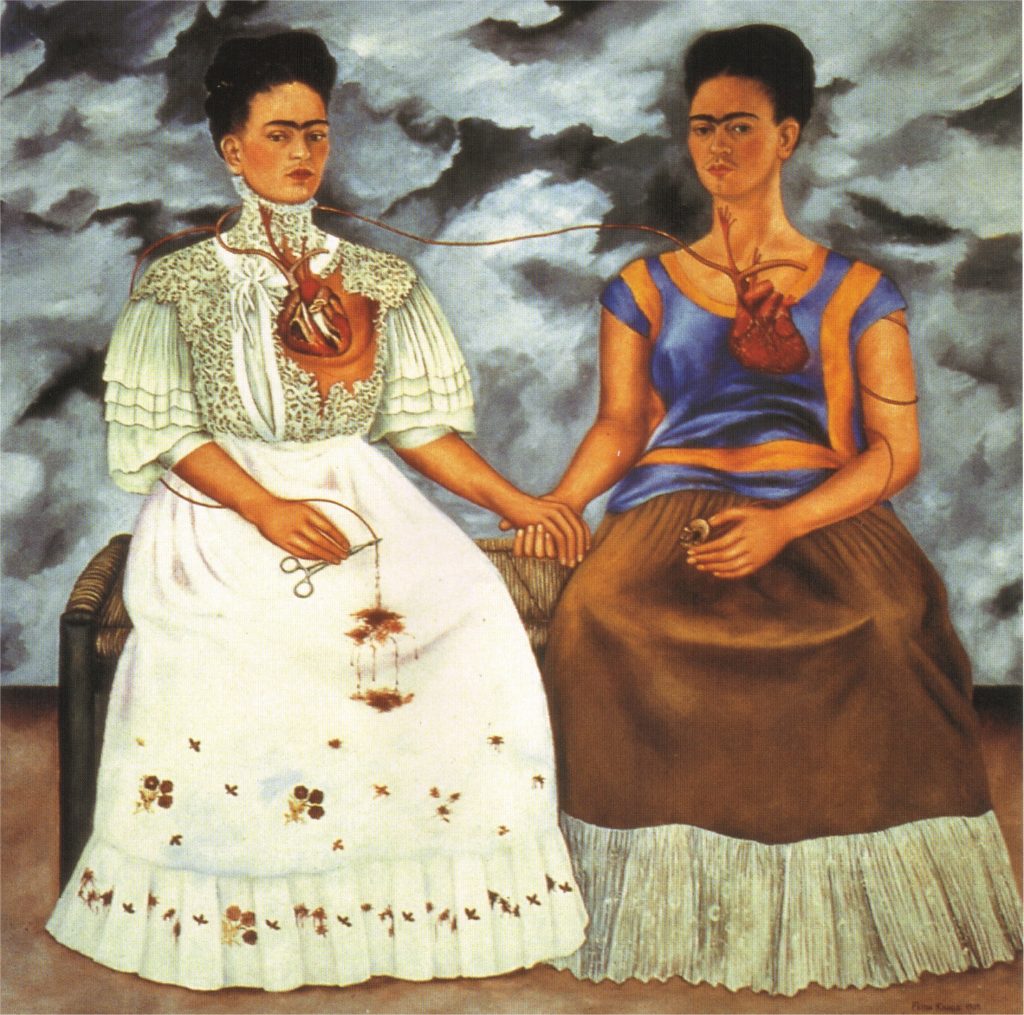
The Two Fridas by Frida Kahlo

first day of school art activities
Frida Kahlo, The Two Fridas, 1939

I’ve used this as the first artwork of the school year before, and the students loved it!

Beyond Discussion

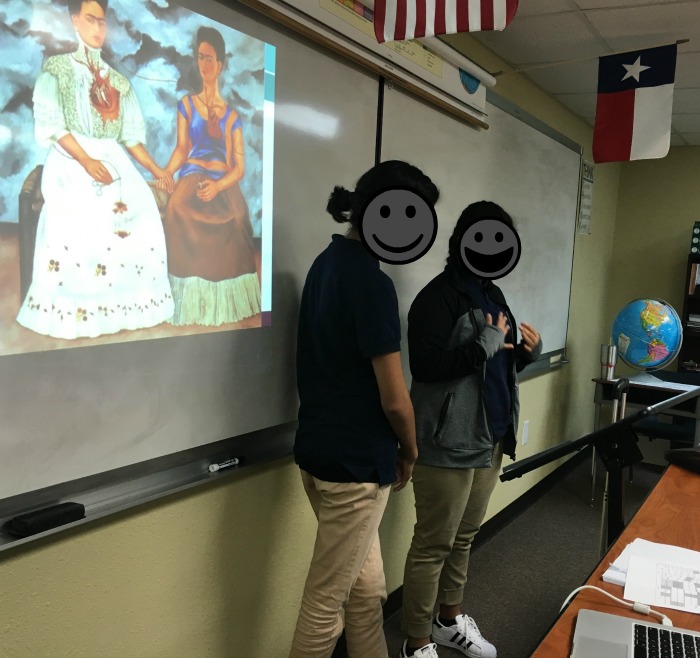
Have students write dialogue between the two Fridas. Then, pair them up to act out their scripts in front of the class!

Find discussion questions and more for The Two Fridas in this blog post.

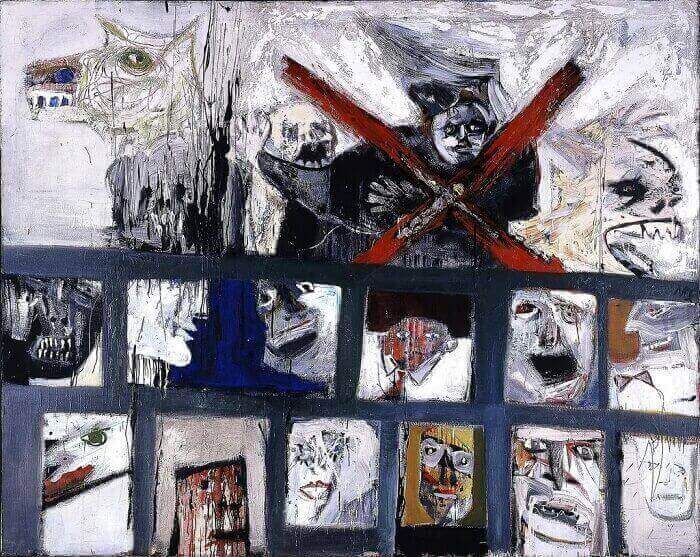
Closed by Sorcery by Luis Felipe Noe

artworks for first day of school art class
Closed by Sorcery, Luis Felipe Noé, 1963

This artwork is perfect for older students. There are a lot of juicy details, deep emotions, and a bit of shock value to analyze and interpret.

Beyond Discussion

Instruct students to write a poem from the point of view of the person at the top of the artwork.

Find more activities and some discussion questions on this blog post about Closed by Sorcery.

Fate of the Animals by Franz Marc

What Makes Art Good? A Lesson and Explanation of Art Theories
Franz Marc, Fate of the Animals, 1913

This artwork is a stunning mixture of brilliant color and raw emotion. There are multiple points to discuss, everything from the elements and principles of art to the cool World War I context. It’s a great pick for students from 3rd grade on up to high school.

Beyond Discussion

Ask students to ponder the nature of the creature in the top right hand corner. Then, have them write a narrative about the man/machine.

Find more information and teaching resources for Fate of the Animals in this blog post.

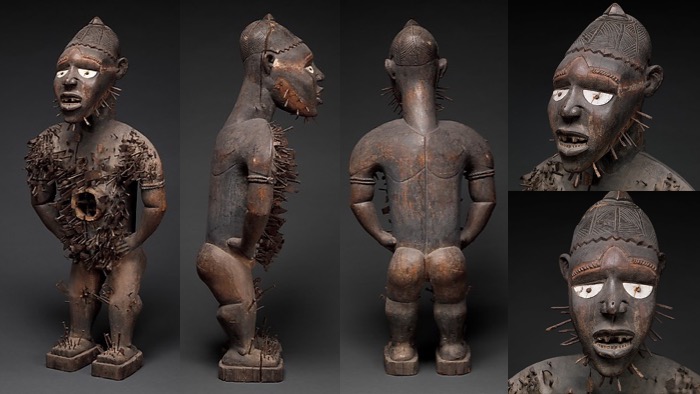
Nkisi Nkondi Power Figures from the Kongo people

These powerhouse sculptures are fascinating to students of all ages. They’ll be intrigued imagining the possible functions of the figures.

Beyond Discussion

Students will enjoy getting out of their seats for a kinesthetic activity! Getting up and positioning themselves in the poses of the sculptures often opens their minds to new interpretive possibilities.

Learn more about the Nkisi Nkondi Power Figures, along with discussion questions and creative learning activities, on this blog post.

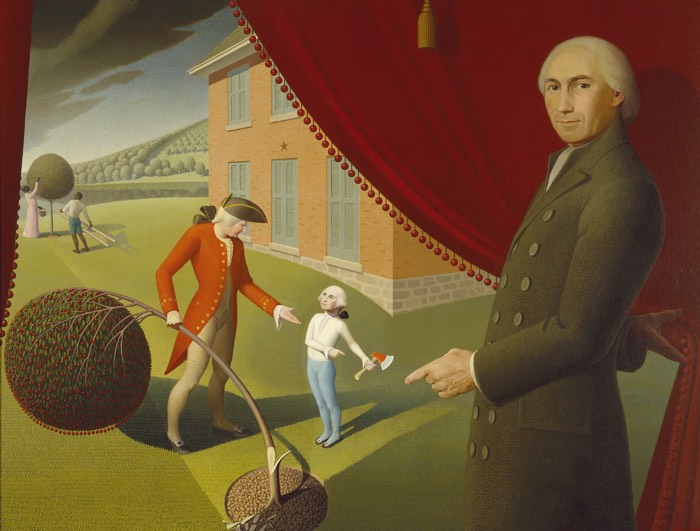
Parson Weems’ Fable by Grant Wood

Grant Wood, Parson Weems Fable - first day of school art activities
Parson Weems’ Fable, Grant Wood, 1939

Many years ago, I was a Gallery Teacher at the Amon Carter Museum where this painting resides. This one was so fun to explore with students—the lines that all point to mini-George Washington, the repetition of shapes, the role of the narrator, and the awesome dollar-bill style head on the child George’s body. Not to mention the myth and the story behind it!

Beyond Discussion

After pointing out some of the shapes and discussing the role of emphasis lines in art, have students draw the ones they see in this artwork.

Explore the elements and principles in Parson Weems Fable and find matching discussion questions in this blog post.

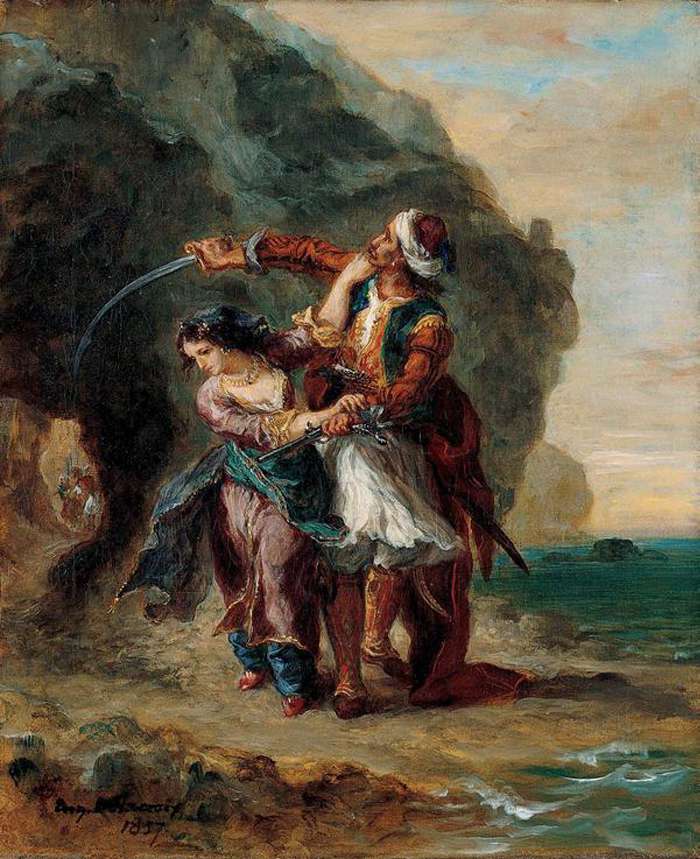
Selim and Zuleika by Eugène Delacroix

Selim and Zuleika, Eugène Delacroix, 1857

This artwork is perfect for an art interpretation discussion, because it has tons of narrative, excellent usage of the elements and principles of art that contribute to the meaning, and some great opportunities for detective work by the students.

Beyond Discussion

Group students and have them create a tableaux vivant of what they think happened before, during, and after this scene.

Find a free printable and a discussion video for Selim and Zuleika on this blog post.

Are you hyped yet? I hope so! Either way, let me know how it goes, especially if you share one of these breathtaking artworks with your students. If you have another work you love for first day of school art activities, I’d love to know about that too!

6 Juicy Artworks to Discuss on the First Day of School

This post was a part of The Art Ed Blogger’s Network: Monthly Tips and Inspiration from Art Teacher Blogs.

Participating Art Teacher Blogs:

  • Art Class Curator
  • Art Ed Guru
  • Art is Basic
  • Art Room Blog
  • Art with Mr. E
  • Arte a Scuola
  • Brava Art Press
  • Artful Artsy Amy
  • Capitol of Creativity
  • Create Art with ME
  • MiniMatisse
  • Mona Lisa Lives Here
  • Mr. Calvert’s Art Room Happenings
  • Mrs. Boudreaux’s Amazing Art Room
  • Mrs. T’s Art Room
  • Ms. Nasser’s Art Studio
  • Party in the Art Room
  • shine brite zamorano
  • Tales from the Traveling Art Teacher
  • There’s a Dragon in my Art Room

This post was originally published on July 10, 2018.

Filed Under: Art and Artists, Art Ed Blogger's Network
Tagged With: best of art class curator, eugene delacroix, franz marc, frida kahlo, grant wood, luis felipe noe


June 25, 2019 4 Comments

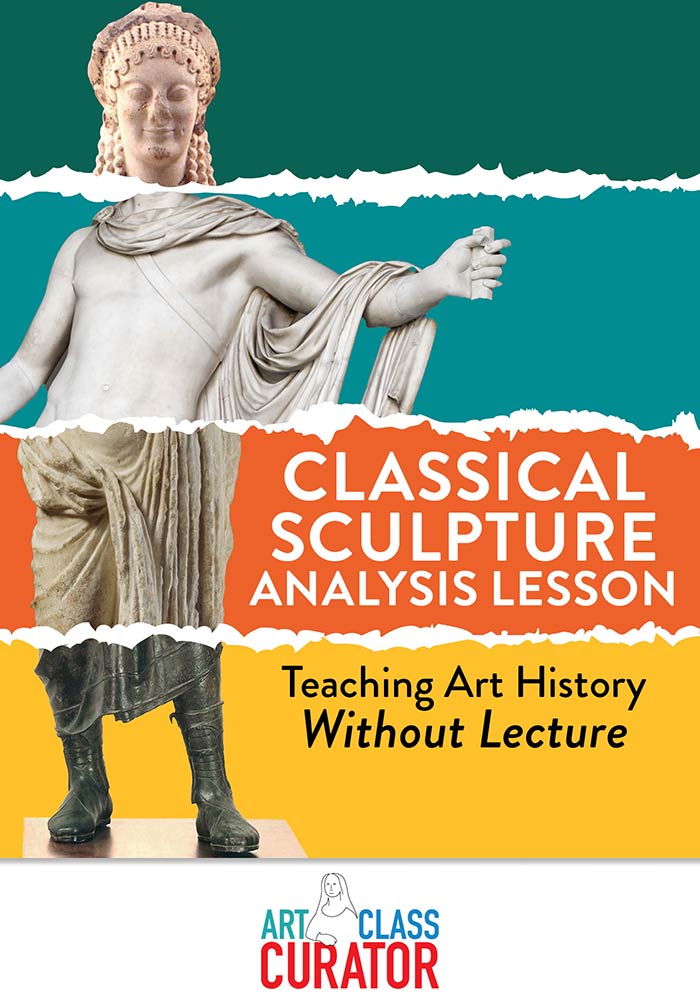
Teaching Art History Without Lecture: Classical Sculpture Analysis Lesson

Classical Sculpture Analysis Lesson

Inside: In this Ancient Roman & Ancient Greek sculpture lesson, students learn about art history through an interactive activity.

Classical Sculpture Analysis Lesson

As a long-time teacher, I have a handful of lessons that I know always work. I can pick up these lessons and give them anytime and know that they will lead to engaged students, thoughtful discussions, and fun learning. Today, I am going to tell you about one of these lessons — an all-time favorite activity that I developed for teaching art history.

But first, indulge me with a little bit of a rant.

A Short Rant about Art History Lesson Plans

Have you ever noticed that in lesson plan after lesson plan for art history, they ALWAYS start with “explain the art history to the students?” Every time, the lesson tells us to teach about the art/artist/art history, and THEN do this activity or art project or whatever. This drives me nuts. We need to take art history out of the dark lecture halls and find fun ways to teach it that don’t involved us standing in front of the room with a PowerPoint.

It has been one of my goals throughout my career to find ways to teach art history that do not start with lecture or reading. I want students to figure it out on their own first. I want them to look and analyze and notice and compare and categorize and think and wonder. I want them to figure out and understand the conventions of the art period or movement before I give them a list of basic characteristics.

Okay, thanks for letting me get this off my chest. Onward.

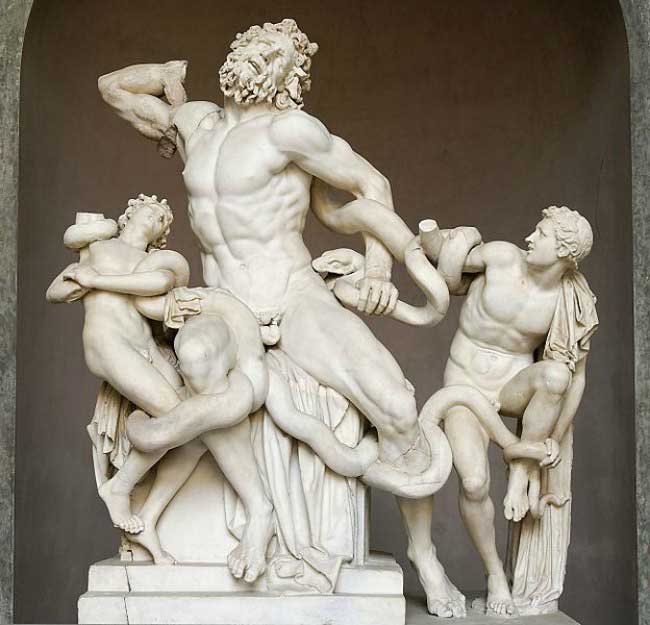
Laocoön and his sons, also known as the Laocoön Group, Copy after Hellenistic original of c. 200 BCE, Ancient Greek Sculpture Lesson
Laocoön and his sons, also known as the Laocoön Group, Copy after Hellenistic original of c. 200 BCE

Get the Full Lesson!

This Lesson is in The Curated Connections Library!

Find the full lesson from this post along with hundreds of other art teaching resources and trainings in the Curated Connections Library. Click here for more information about how to join or enter your email below for a free SPARKworks lesson from the membership!

Join the List

Get the Full Lesson!

This Lesson is in The Curated Connections Library!

Find the full lesson from this post along with hundreds of other art teaching resources and trainings in the Curated Connections Library. Click here for more information about how to join or enter your email below for a free SPARKworks lesson from the membership!

Classical Sculpture Lesson

Side Note: This is all nudity today, so if that is something you are avoiding for whatever reason, you probably want to skip this lesson. You can’t teach Classical Sculpture without nudes. Here is my post about nudity if you are interested in my thoughts about nudity in art.

Recommended Age: High School and College. I’ve done this with 6th grade as well with a smaller amount of images.

Time Needed: This lesson usually fills a full 1 hour and 20 minute class for me at the community college. You could easily split it into two parts if you have shorter class periods.

Objective

The objective of this lesson is to teach the conventions of the main periods/styles of Ancient Greek and Ancient Roman sculpture: Archaic, Classical, Hellenistic, Roman Imperial Portraits, and Roman Sculptural Realism. Instead of teaching the different periods and pointing out the differences, I like to throw a bunch of pictures at the students, and have them work in groups to figure it out on their own.

Lesson Procedure

In this classical sculpture printable, you will find 20 pictures of sculpture from Ancient Greece and Rome. Here’s what I do. This is written for a full class of students, because that is what I used it for, but you can adapt this as an individual activity for homeschool of course.

Augustus of Prima Porta, 1st century CE, Photo by Till Niermann, Ancient Greek Sculpture Lesson
Augustus of Prima Porta, 1st century CE, Photo by Till Niermann

1. Before class: Print the images (one set of images per group). See bottom of this post for the link to download the needed files. Cut out the photos (or have the students do it) and put each set in its own envelope.

2. Divide the class into groups of 3-4 and distribute one set of images to each group along with the instructions and worksheet.

3. Instruct the groups to divide the images into 5 groups of 4 images each in whatever groups they want. Tell them they have to come up with the groups and the categories on their own. They have to study each artwork in order to find similarities and differences.

4. Give the students time to complete the activity. Have each group fill out one worksheet that lists which artworks are in each group and why they chose the groups they did (what do the images in the group have in common?).

5. Have the students lay the images on the desks or tables for everyone to see when they are finished. Have all the students stand up and tour the room noticing how each group divided the groups, and then have each group present to class their categories and criteria for the sculpture groups. The students really enjoy seeing how their groups differ from the rest of the class’s groups.

6. Optional: I just came up with this idea right now, but I haven’t tested it. You could at this point pass out a sheet with the correct answers on it, and then have the students compare the correct ones with theirs. This may take too long though as this lesson already takes a good amount of time as is.

7. Review the correct answers with the class using the PowerPoint (download below). Explain the different periods and have students comment on and discuss the similarities that unite the groups together.

8. I usually follow this with a little assessment at the end or at the beginning of the next class period and show some pictures and have the students tell me which period it is from. That is not included in this resource.

When I say this is a “successful lesson,” I don’t mean the students ever get the groups correct. They hardly ever do, but the point of the lesson is not “correctness.” The goal is to get them looking carefully, analyzing, and thinking about art. They are now much more likely to remember these sculptures, because they have thought about them, done something with them, and talked about them. Although they weren’t correct at the beginning, the students do very well at identifying the different styles after the lesson! 

Art Downloads for this Lesson

If you are a member of the Curated Connections Library, you can get this lesson and all of my other resources for one monthly or yearly fee. Membership to the Curated Connections Library opens twice per year! Find out more information here and join the waitlist to get first dibs on your membership.

You can also buy this lesson along with units on Ancient Greece and Rome at the below link.

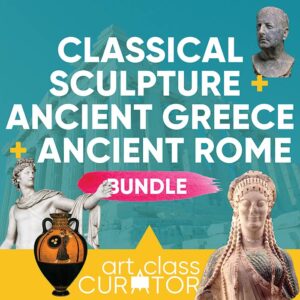
Classical Sculpture, Ancient Greek, & Ancient Rome Lesson Bundle

In these lessons, students will learn about the art of Ancient Greece & Ancient Rome. Plus, get a complete Classical Sculpture lesson with an interactive activity to empower students to figure out the conventions on their own!

Buy Now

Try it out, and let me know how it goes! What is your favorite activity to teach art history without lecture?

Mentioned on the Art Class Curator Podcast…

Subscribe in Your Favorite Podcast Listening App

This post was originally published on January 19, 2015.

Filed Under: Art and Artists, Art Connection Activities
Tagged With: best of art class curator


June 4, 2019 6 Comments

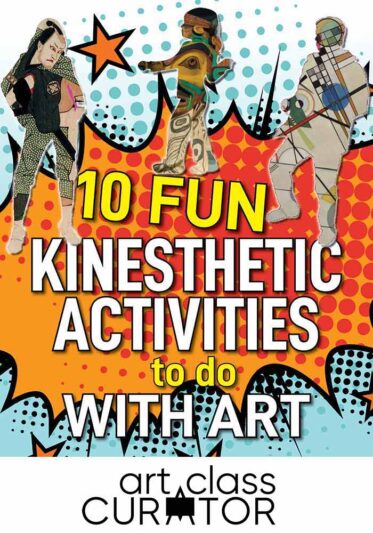
10 Fun Kinesthetic Activities to Do with Art

Inside: Ten fun kinesthetic activities to help students connect with works of art.

Kinesthetic Activities with Art

One of the best ways for young people to connect with artworks is through movement. Exploring art with their bodies helps students connect with the art and artists by helping them clearly understand the emotions, actions, and conventions. It makes them think about the art in new ways and best of all, it’s fun! Here are some kinesthetic activities to get students moving and inspired by artworks.

A few years ago, I did a conference presentation for Education Closet about Kinesthetic Art Connections. Check out the video here, and then see the list of kinesthetic activities below!

Kinesthetic Activities

N’kisi Nkondi Power Figures from the Kongo People of Western-Central Africa

1. Have students pose as the characters in a painting or sculpture and discuss how it feels.

2. Make a tableau vivant (a living picture).

3. Play charades.

4. Have a conversation about the artwork through pantomime only. (Gestures only — no words!)

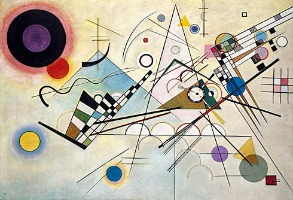
Wassily Kandinsky, Composition 8, 1923

5. Create a dance inspired by the artwork. (This one is especially fun with abstract art!)

6. Trace the lines in an artwork with your finger in the air.

7. Get up and look at the artwork from far away, up close, down below, and from the side and notice how the artwork changes depending on where you look at it from.

8. Make the shapes in the artwork using your body and work with others to make the shapes you can’t.

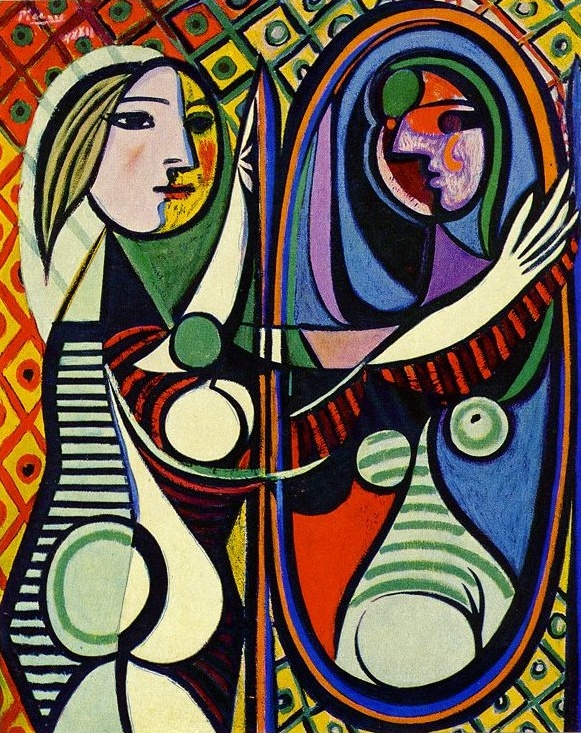
Pablo Picasso, Girl Before a Mirror, 1932

9. Play mirror. Have one student have their back to the artwork and one student facing the art and the other student. Have the student who can see the artwork do movements from the art, and have the one with their back to the work mirror the moving student.

10. If you have a group of students, form a line and have all the students work together to mimic the lines and shapes in the artwork.

Theater Games

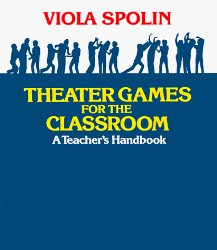
If you want more creative games to play with kids, traditional theater games are always fun to adapt to studying art. Check out this book about theater games which includes 130 theater games, music and videos, and learning standards. It’s an amazing resource for the classroom–and not just for theater teachers!

**As an Amazon Associate I earn from qualifying purchases.

Theater Games for the Classroom: A Teacher’s Handbook

Kinesthetic Art Activities

Try these kinesthetic activities out and let me know how it goes in the comments.

This post was originally published on February 9th, 2015.

Filed Under: Art Connection Activities
Tagged With: best of art class curator


May 7, 2019 Leave a Comment

Kollwitz & Cassatt: Two Views of Motherhood in Art

Inside: Comparing and contrasting two views of motherhood in art with the work of Käthe Kollwitz and Mary Cassatt, including four free Mother’s Day worksheets.

May is the month that we turn our attention to those that bring us into this world. Our mothers.

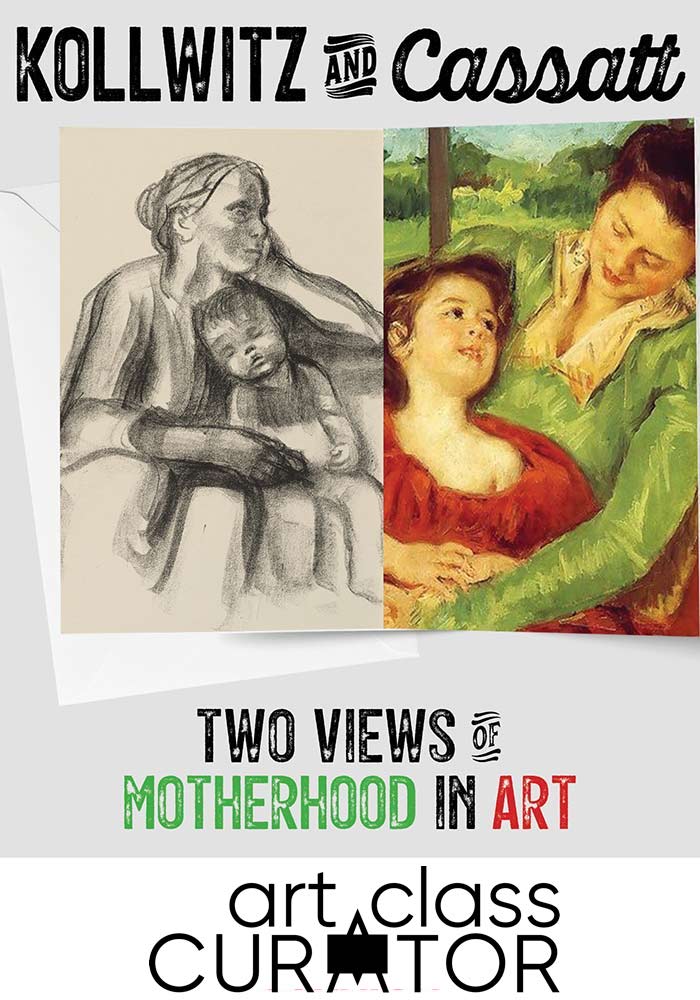
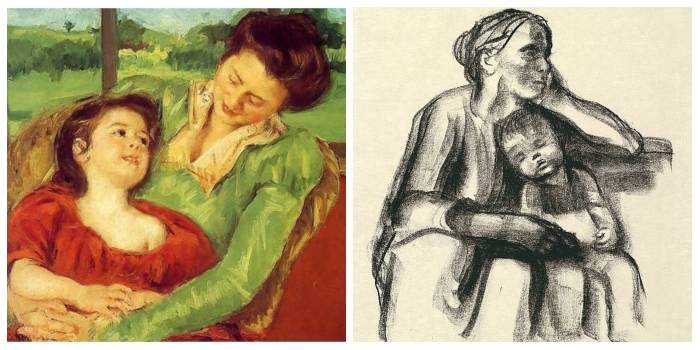
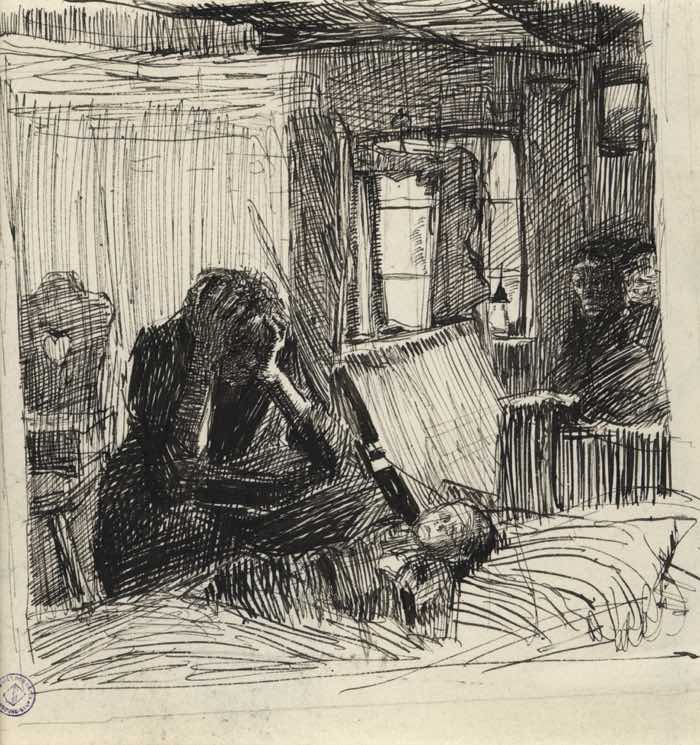
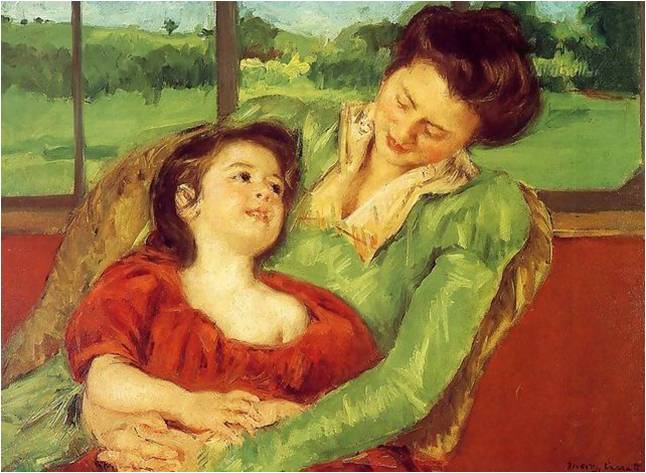
It’s been called the hardest job, but also the most rewarding. This duality is plain in the two artworks we’re exploring: Mary Cassatt’s Reine Lefebre and Margot before a Window and Käthe Kollwitz’s Worker Woman with Sleeping Child.

Most schoolchildren will celebrate Mother’s Day by bringing home a craft from art class, a little memento of their shared love. But there is another gift we can give the mothers of our students–the gift of being seen. It is difficult for any child to see their mother as an independent person. They are mom, mommy, mama. They’ve been there from the beginning. How can a child ever see the person their mother was before they existed, the person she continues to be?

Using depictions of motherhood in art is a powerful way to bridge this gap without ever having to address it directly. Cassatt and Kollwitz have both been recognized for the way they showed motherhood in art. Mary Cassatt did not have children and said, “There’s only one thing in life for a woman; it’s to be a mother. A woman artist must be…capable of making primary sacrifices.” Käthe Kollwitz was mother to two sons, one of whom died in World War I, a loss that resonated in her work.

That is a compelling difference to share with your students as they analyze these artworks. Which artwork do they think was created by a mother? Does knowing change their interpretations?

motherhood in art
On the left: Mary Cassatt, Reine Lefebre and Margot before a Window, c.1902
On the right: Käthe Kollwitz, Worker Woman with Sleeping Child, 1927

Comparing and Contrasting Motherhood in Art

These artworks are perfect for a classroom discussion. They are captivating on their own. One is sweet and relaxed while the other is bleak and tired. Placed side by side, a narrative of motherhood is created. Use these discussion questions to dive into these artworks with your students:

  • What’s going on here, and what do you see that makes you say that?
  • How do you think these people feel? How do you feel looking at this artwork?
  • How do the expressions of the people influence the mood of the two artworks?
  • What are they thinking about?
  • How are the figures united?
  • How did the artists use the elements and principles of art?
  • How do the bright, complementary colors contrast with the black and white piece? Would you feel differently if the colors were switched?
  • What do you notice about the lines in each of the artworks?
  • How does the background (or lack of one) contribute to the overall feel of the artwork?
  • What is the same about the two mothers? What’s different?
  • What is the same about the two children? What’s different?
  • Why are the mother on the right’s hands dark?

Free Worksheets!

Free Art Worksheets! Motherhood in Art

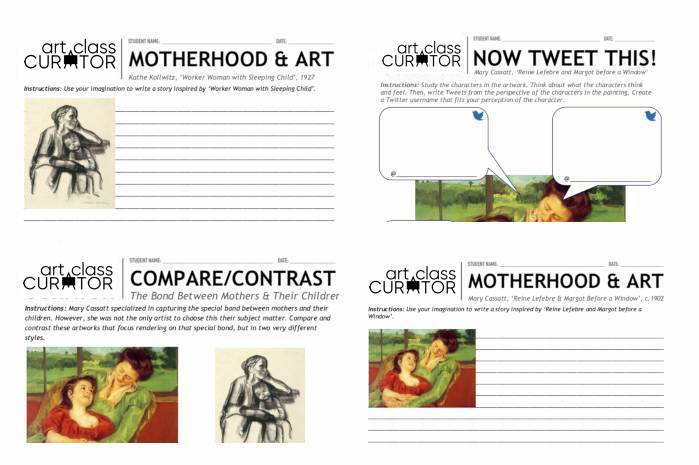
Four worksheets to analyze two views of motherhood in art with the work of Käthe Kollwitz and Mary Cassatt using narrative writing, character analysis, and compare/contrast.

Download

Free Worksheets!

Free Art Worksheets! Motherhood in Art

Four worksheets to analyze two views of motherhood in art with the work of Käthe Kollwitz and Mary Cassatt using narrative writing, character analysis, and compare/contrast.

Free Mother’s Day Worksheets

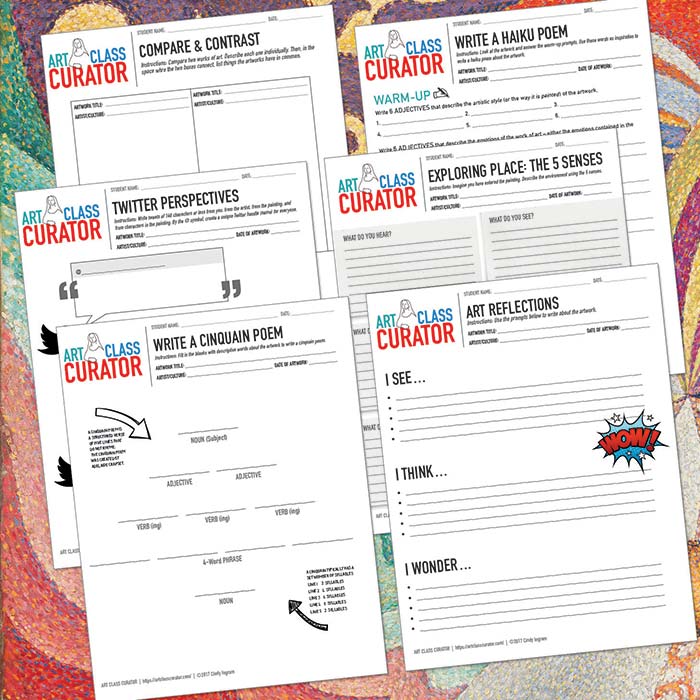
We’ve created four worksheets that give students a chance to use their language arts skills while exploring motherhood in art.

In the Motherhood & Art narrative worksheets, students choose one of the artworks and craft a story using context clues from the artwork. You can instruct them to write from the mother’s point of view, the child’s point of view, or let them choose. When they’re done, they can read them aloud and discuss how their stories are alike and different and how they came to their conclusions.

The Compare/Contrast worksheet is a great primer for a classroom discussion or as a standalone activity for students to focus on the differences in style and mood.

Now Tweet This! is always a hit with older students. On the worksheet, they create a Twitter dialogue between the mother and daughter in Cassatt’s work, including hashtags and unique handles/usernames. Here’s more character analysis via Twitter.

Filed Under: Art and Artists, Downloads and Resources
Tagged With: kathe kollwitz, mary cassatt


April 30, 2019 1 Comment

9 Out-of-the-Box Ways to Incorporate Art Appreciation at your Student Art Exhibition

Inside: Use these 9 unique school art exhibition ideas to jumpstart your school art show with art appreciation! Impress parents and admins alike!

School Art Exhibition

When art show season arrives, art teachers everywhere up their caffeine intake. There’s so much to do!

Choosing artworks.
Making labels.
Hanging artwork.
Finding volunteers.
Printing flyers.
Hanging more artwork.
Sending emails.
Buying more tape.
Hanging even more artwork.
Laying flat on your hard concrete floor at 8pm with a bottle of ibuprofen.

Why Host a School Art Exhibition?

It’s so much work. If you’ve never done it before, it can be hard to know where to start and some school years, an art show feels like one thing too many on your to-do list. But nothing compares to seeing students light up when they see their work displayed. The reward of watching parents, friends, family, and other faculty see each student in a new way is worth all the extra hours.

School art exhibitions are a vital part of showing off all your hard work as a teacher and promoting the importance of arts in education overall. A successful art show does more than display your students’ creativity, it communicates the connections and deeper learning happening in your classroom everyday.

Instead of just hanging artworks students have created, try these other ideas to exhibit the in-depth, interconnected learning and art appreciation happening in your classroom on a day-to-day basis.

9 School Art Exhibition Ideas

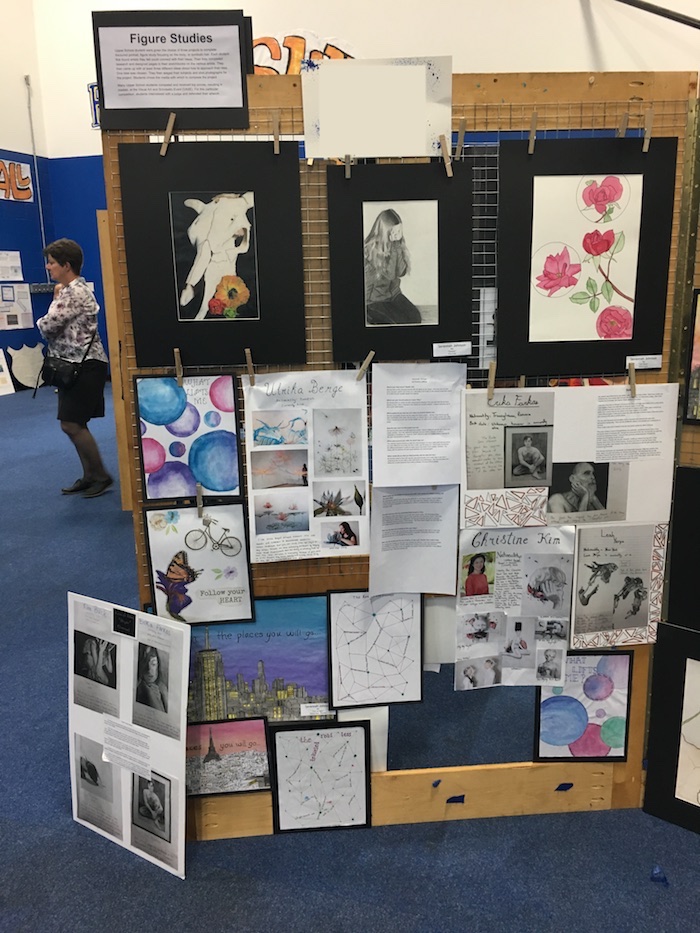
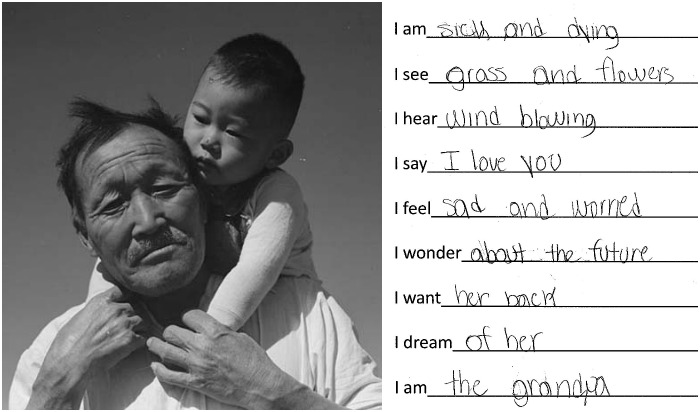
1. Hang up the poems, creative writing, and other art interpretation work you have done. Put a color print of the focus artwork and hang the poems or other written work around it. Have students neatly write (or even type) their poems.

See lesson: I am… Character Poems about Dorothea Lange Photographs

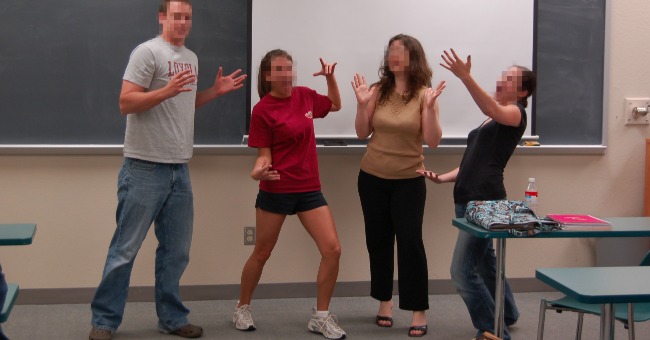
2. Take photographs of kinesthetic activities, tableaux vivant, or other such dramatic activities and put those on display to show that interpreting art is active and fun.

The Art Curator for Kids - Create a TV Commercial Lesson Plan - FB
See lesson: Creating TV Commercials About Art

3. Scan copies of their work from the worksheets bundle and photos of students interpreting art and put on a looped slideshow that runs continuously throughout your event.

See lesson: Cinquain Poem Template

4. Have students perform spoken word versions of their poems, scripts, and interpretations on stage.

See lesson: Kinesthetic Activities to Do with Art

5. Videotape skits or activities that you have done and display at your art show.

See lesson: The Two Fridas Creative Writing and Drama

6. If you are doing a family art night, have an art interpretation table with art prints and templates from the worksheet bundle! Invite students to show their parents how fun it is to connect with and write about art.

See lesson: Free Art Worksheet Bundle

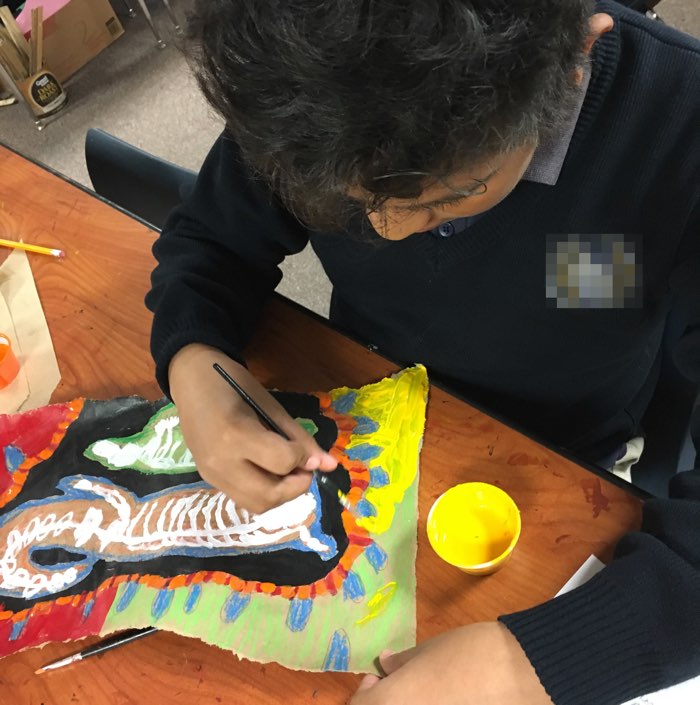
7. Print pictures of students in the process of working and hang those along side the finished pieces.

See lesson: Australian Aboriginal Art

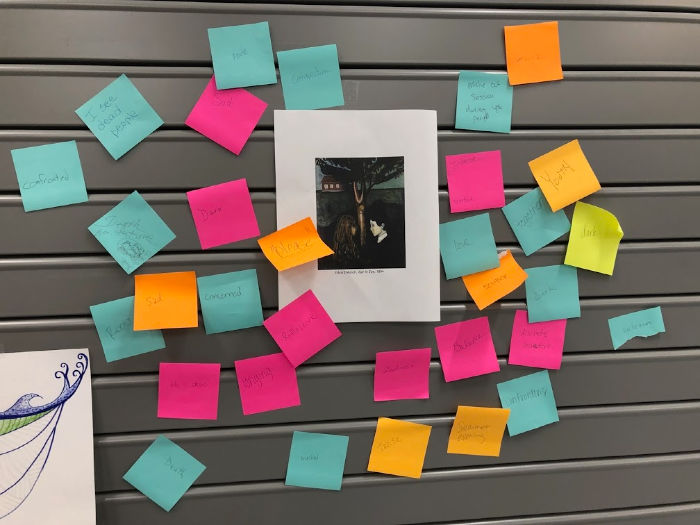
8. Hang up a work of art and put piles of post-its next to it. Have students and families write their thoughts about the artwork and post it next to it.

See lesson: Edvard Munch’s The Frieze of Life

9. Have your students be “docents” of either the art of their peers or of artworks you have studied this year.

Student Art Show Planning Kit

If you’re still overwhelmed by all the planning and prep work, we have just the thing for you!

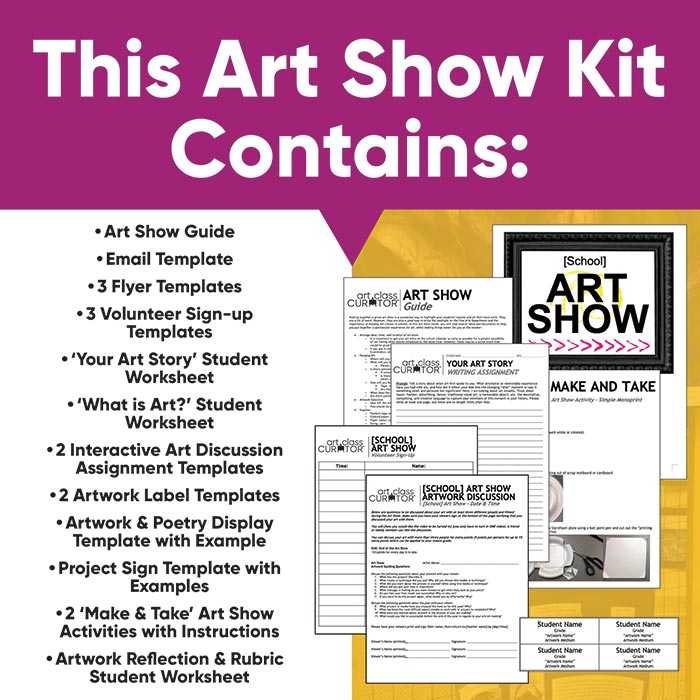
In this Art Show Kit, you will find several ideas and documents to help you put together a spectacular student art exhibition experience for all, while making things easier for you as the teacher.

Packed with all the tips and templates you need to host an amazing art show!

Art Show Kit

Take the stress out of your school art shows! In this Art Show Kit, you’ll find ideas and documents to help you put together a spectacular art show experience for all.

Buy Now

Filed Under: Art Connection Activities, Art Teacher Tips


April 16, 2019 Leave a Comment

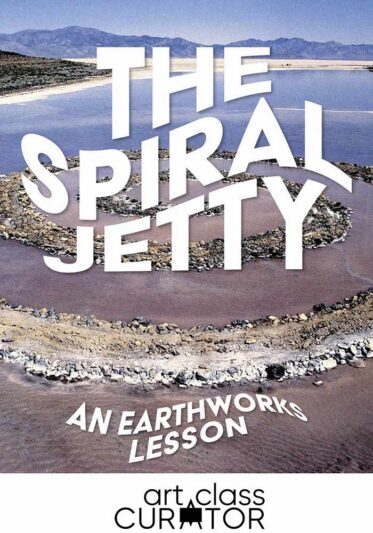
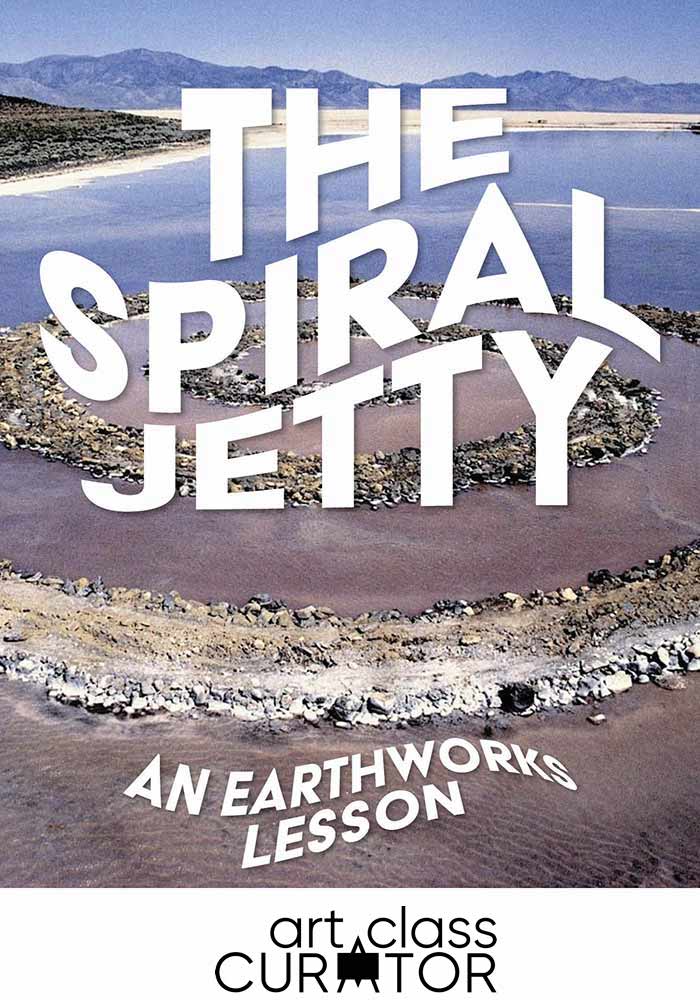
The Spiral Jetty: An Earthworks Art Lesson

Inside: A complete earthworks art lesson about The Spiral Jetty by Robert Smithson, including an earthworks definition and activity ideas.

The Spiral Jetty

Earthworks Definition

Earthworks, also known as land art or environmental art, is an art movement that involved artists using natural materials, such as soil or vegetation, to create an artwork in the place where the materials were found. Often, earthworks art was created in difficult to reach areas far from population centers.

What are Earthworks?

Beyond the basic earthworks definition, giving students the context behind the art will help them better understand what are earthworks. There were many societal concerns that gave birth to the earthworks art movement. Earthworks became popular in the 1960s and 1970s, especially in the United States and Great Britain. This time period was marked by a social rejection of urban living and a growing desire to reconnect with the planet and rural life. Advocates of the earthworks movement sought to move beyond the commercialization of art-making. Many of the artists hoped to inspire an ecological movement with their works.

the spiral jetty art lesson
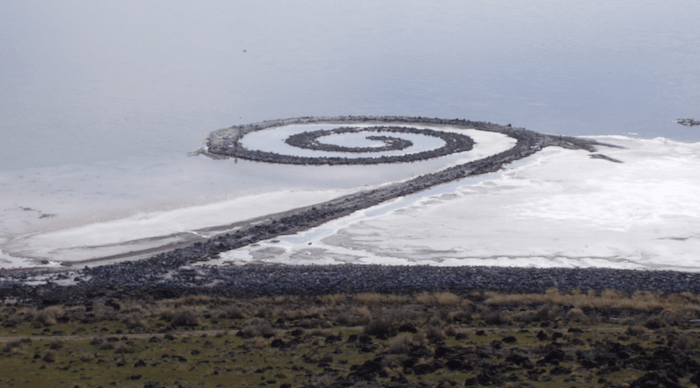
The Spiral Jetty in 1970

The Spiral Jetty

The Spiral Jetty is perhaps the most well-known earthworks art. Created by pioneer of the earthworks art movement Robert Smithson in 1970, the The Spiral Jetty is located in Great Salt Lake, Utah. To reach the location of the artwork, travelers must traverse treacherous, distant roads. Once there, they’ll find a 15 feet (4.572 m) wide and 1,500 feet (457.2 m) long coil made of black basalt rocks and sediment that weighs over 6,000 tons (more than 5443 metric tons).

The Spiral Jetty spent decades under salty water and reappeared only after the area experienced five years of drought. A crusty layer of salt now gives the black basalt rocks a white appearance.

earthworks art lesson
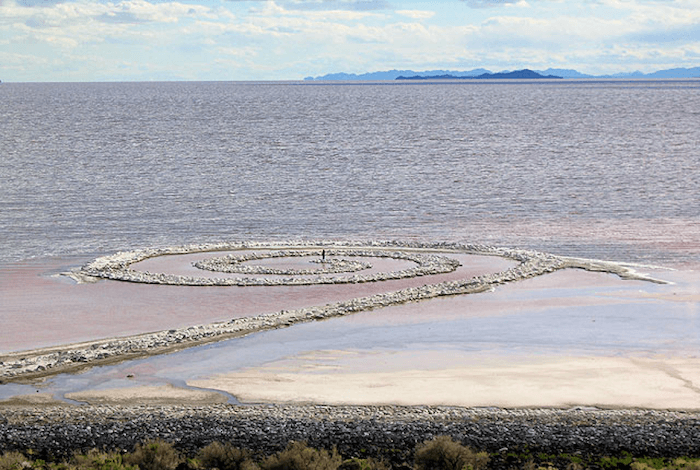
The Spiral Jetty with someone standing in the center in 2006 Photo credit: Michael David Murphy

The strata of the Earth is a jumbled museum, embedded in the sediment is a text that contains limits and boundaries which evade the rational order, and social structures which confine art.
-Robert Smithson

Get the Full Lesson!

This Lesson is in The Curated Connections Library!

Find the full lesson from this post along with hundreds of other art teaching resources and trainings in the Curated Connections Library. Click here for more information about how to join or enter your email below for a free SPARKworks lesson from the membership!

Join the List

Get the Full Lesson!

This Lesson is in The Curated Connections Library!

Find the full lesson from this post along with hundreds of other art teaching resources and trainings in the Curated Connections Library. Click here for more information about how to join or enter your email below for a free SPARKworks lesson from the membership!

Earthworks Art Lesson

There are several ways to approach an earthworks art lesson about The Spiral Jetty. Students can create their own earthworks art piece, compare and contrast how earthworks art changes over time, compare earthworks art to similar art from other periods, examine the meaning of earthworks art, or all of the above!

Earthworks Art Discussion Questions

Discussing earthworks art with your students is a great way to bring some STEAM into your art classroom. Together, you can explore earth science topics like weathering, erosion, conservation, climate change, geology, and more. Here are some questions to get a discussion about The Spiral Jetty started:

  • What is going on here? What do you see that makes you say that?
  • Why would the artist create something like this?
  • What do you think was the artist’s meaning or message?
  • Is this art? Was it still art when it was submerged underwater? Why or why not?
  • What do you think it is made out of? How big do you think this is?
  • How does this differ from a sculpture made in the same material (basalt)?
  • This is a type of artwork called an earthwork. What do you think an earthwork is?
  • How do you think the artwork has changed over time? What caused those changes?
  • What caused the rocks to change color?
  • What do you think the artwork will look like in another 50 years? 100 years? 1,000 years?
earthworks art lesson

Compare/Contrast Earthworks Activity

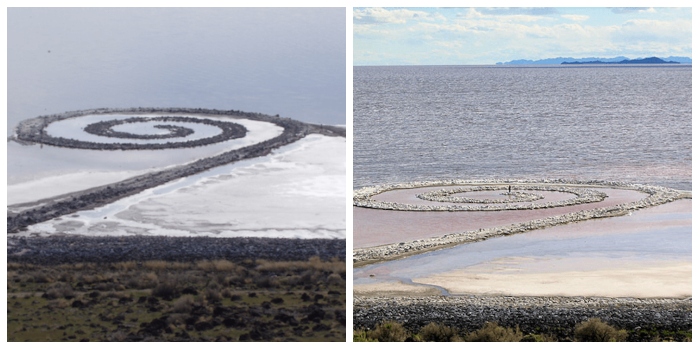
Ask students to compare the two images of Smithson’s The Spiral Jetty and write their observations on how it changed over time and predict how it might change in the future. The image on the left was taken right after it was created in 1970 and the other 36 years later in 2006.

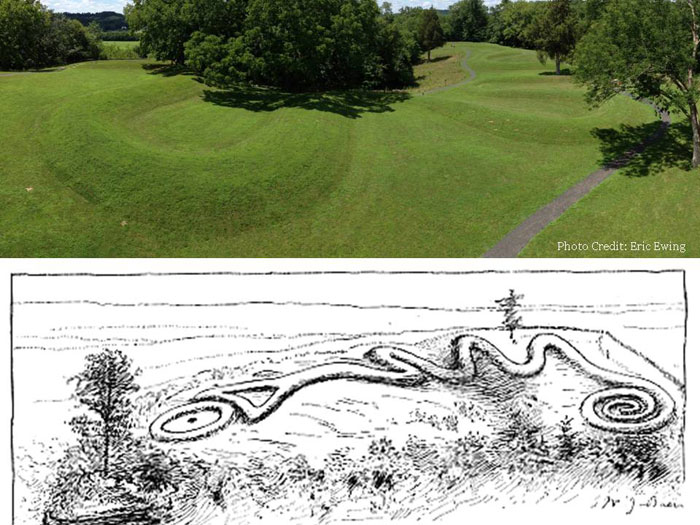
The Great Serpent Mound located near Peebles, Ohio, United States

Comparing Mound Builders Art to Earthworks Art

Over the course of a 5,000 year period in prehistoric times, many groups of Native Americans built mounds of earth along the Mississippi River in eastern North America. We call these groups Mound Builders, and while they each had their own unique traditions and artworks, they all built mounds.

The mounds were often used as burial places for important leaders, and they also contained objects like jewelry, pottery, artworks, food and more. Temples and important buildings were often placed on top of the mounds.

Mound Builders and earthworks artists used many of the same techniques, setting up a perfect opportunity to compare and contrast their work. You can learn more about the Mound Builders in our Mound Builders Lesson Plan.

Earthworks Art Project

Have students design their own earthworks art either inspired by Robert Smithson’s work or based on their own idea. This can be completed as an individual, group, or class project. If possible, have them plan and create an outdoor installation on your campus grounds in an open area. Encourage students to use grasses, leaves, flowers, rocks, and other natural materials from the schoolyard to create contrasting colors and textures. You can also use a wooden sandbox or plastic pool if the landscape can’t be used. If needed, students could also use shoeboxes to create their designs.

STEAM Tip! Get the whole school involved by collaborating with the science department to discuss the ecological changes that will affect the students’ artwork and team up with the math department to calculate size, area, and amount of materials needed.

Filed Under: Art and Artists, Downloads and Resources
Tagged With: robert smithson


March 26, 2019 2 Comments

I See, I Think, I Wonder – Free Art Worksheet

Inside: A free art worksheet to help students connect with artworks on a deeper level using three writing prompts.

When students are asked to think beyond the surface of an artwork, they learn more about the art and themselves. Reflecting on their thoughts about a work of art–whether it is the work of a professional artist, their classmate, or their own piece–will bring new insights and a deeper appreciation for both the art process and the final product.

Free Art Worksheet Activity

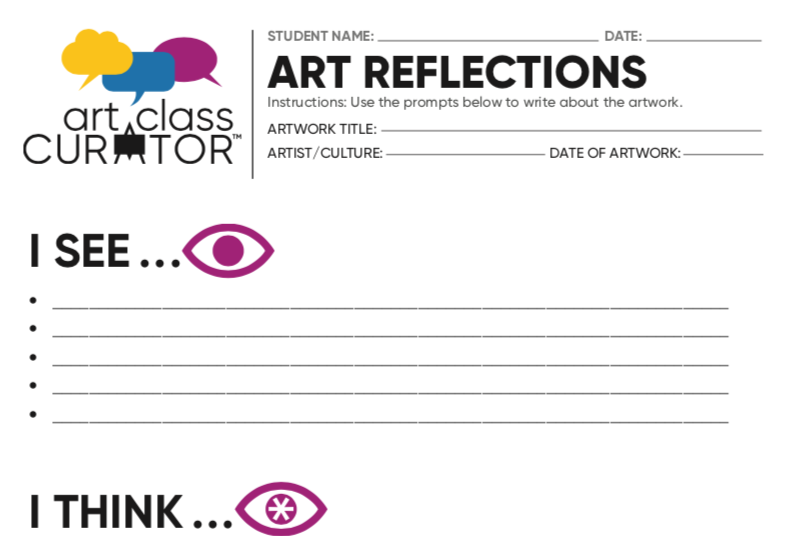
Included in both the FREE art worksheet pack and the Art Appreciation Worksheet Bundle, the Art Reflections worksheet asks students to examine an artwork from three different perspectives. First, they take note of what they see in the artwork. Next, they consider what thoughts come to mind as they look at the art and dig into the narrative and their own emotional response. Finally, they question what more they want to know.

This three part worksheet is an easy, engaging way for students to practice creative and critical thinking in the art classroom.

Artwork Suggestions for Free Art Worksheet

All of the worksheets in the free pack will pair well with any artwork that is captivating, complex, and communicative. Below are some suggestions for artworks to use with the Art Reflections worksheet.

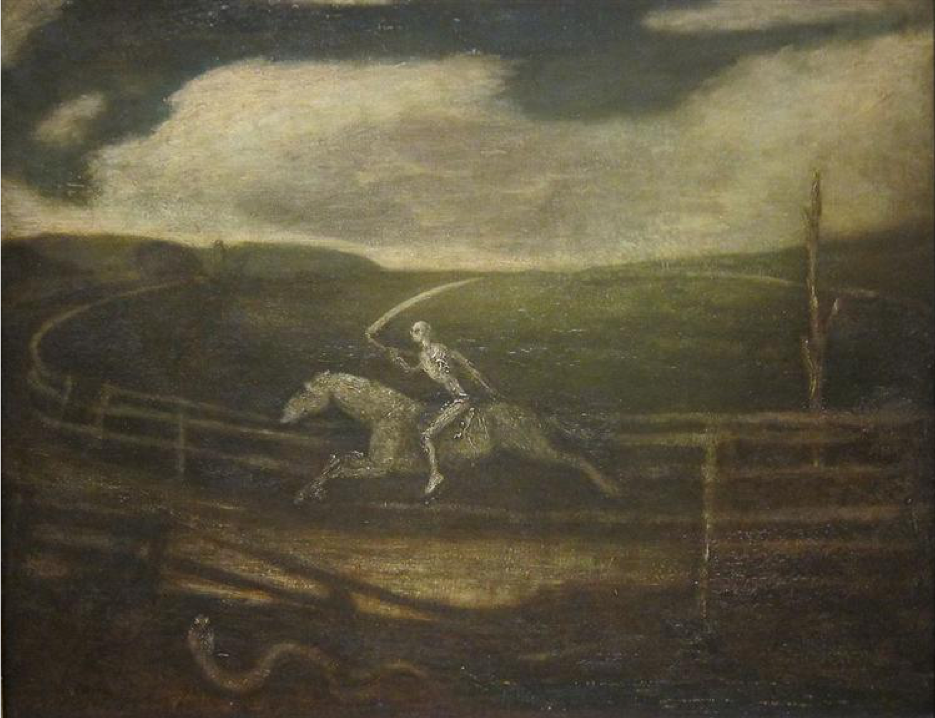
Albert Pinkham Ryder, The Race Track (Death on a Pale Horse), 1900
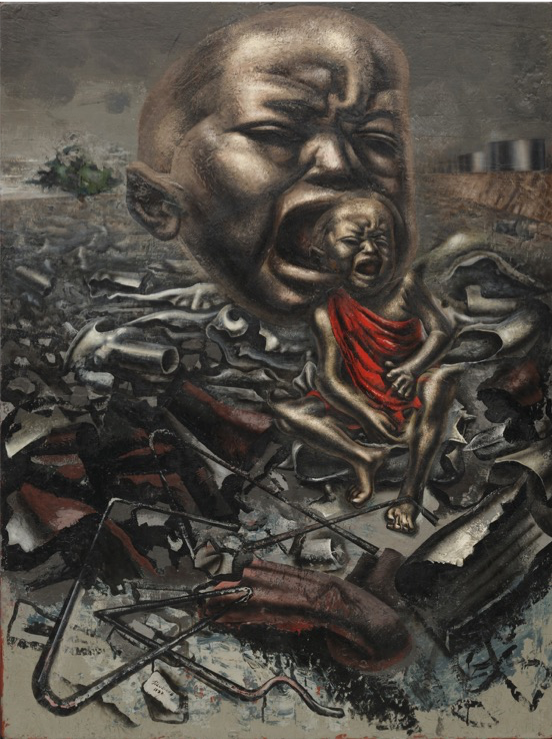
David Alfaro Siqueiros, Echo of a Scream, 1937
Emily Mary Osborn, Nameless and Friendless, 1857
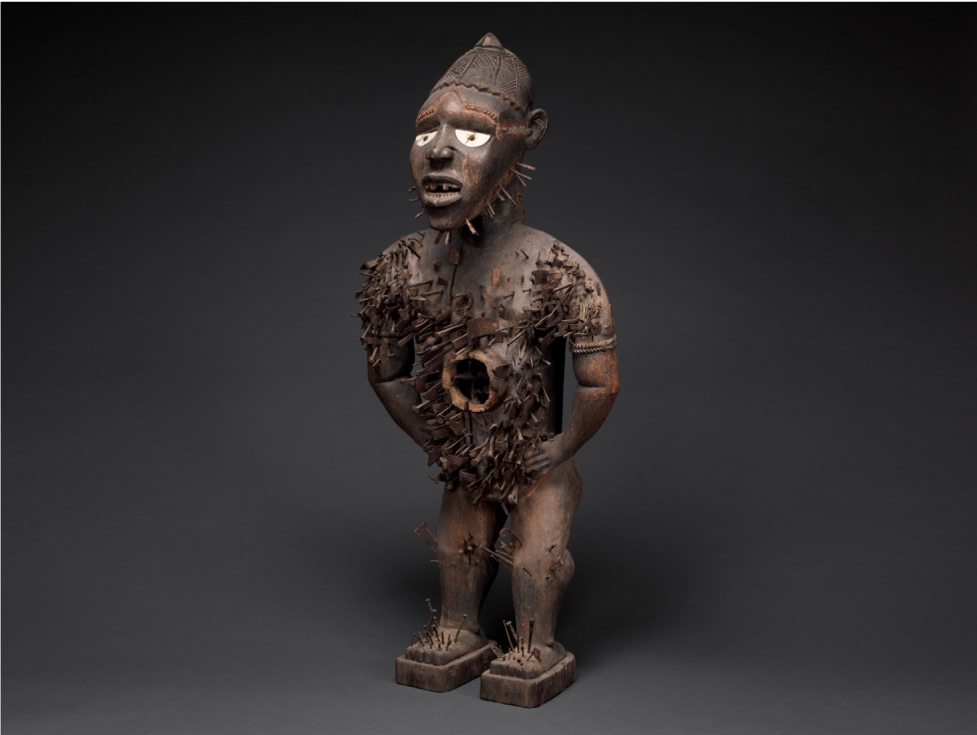
Kongo peoples, Nkisi N’Kondi, 19th Century
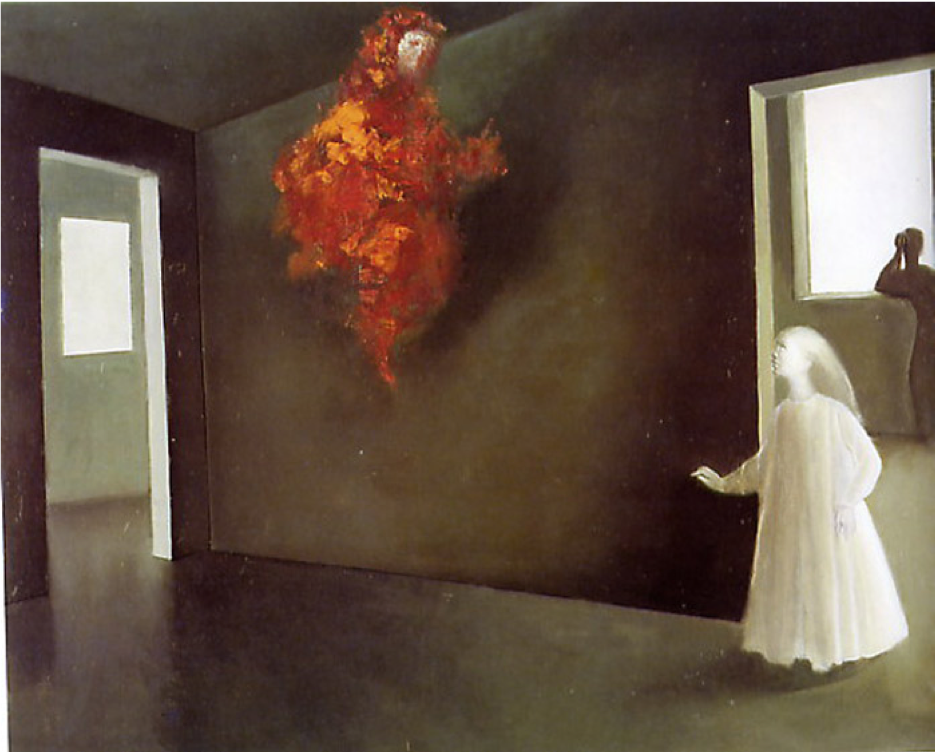
Leonor Fini, Red Vision, 1984
Susan Point, The First People, 2008

Filed Under: Art Connection Activities, Downloads and Resources


March 6, 2019 2 Comments

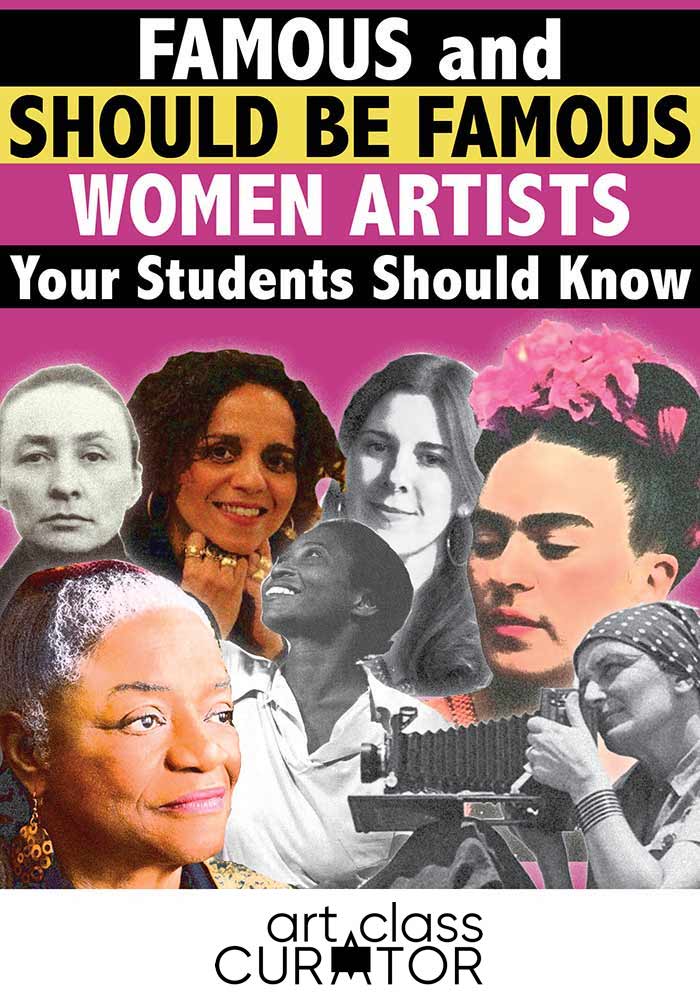
Famous and Should Be Famous Women Artists Your Students Should Know

Women Artists

Inside: A collection of posts and resources with artworks by women artists, including art projects, book suggestions, and more to teach lessons about famous women artists.

Art historians have traditionally focused on artworks made by white men. Teaching art with this limited focus robs students of the chance to learn about themselves and the experiences of others through art. Students of all genders, races, and backgrounds deserve to see art from artists they can relate to. Expanding art lessons beyond the traditional masterpieces opens students up to the greater possibilities of art and can greatly inspire their own works.

Women’s History Month is a time to celebrate the contributions of women and discuss their evolving place in society. These lessons should not be kept solely in the history classroom. Looking at art helps students develop empathy, flex thinking and observation skills, connect with history, get in touch with their creative side, and savor the human spirit. Women’s History Month offers art teachers the perfect opportunity to feature women artists and artworks about feminism.

To support art teachers and ensure that they have a variety of artworks to choose from, this post is a collection of famous women artists lessons, all of which you’ll find links to below.

Please note, this post includes Amazon affiliate links. As an Amazon Associate I earn from qualifying purchases.

Free Printable Art Worksheets

black history month art lessons

The more time students spend looking at art, the easier it is for them to explore the narratives, techniques, and meanings behind the artworks. Take learning to a deeper level with a ready-to-go art lessons from the Art Appreciation Worksheet Bundle.

It’s as easy as 1, 2, 3!
1. Pick one of the artworks by women below
2. Print one of the Art Appreciation Worksheets
3. Watch with joy as your students connect with and interpret art

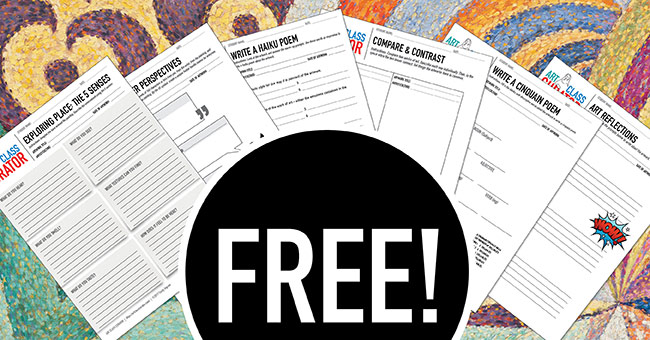
Free Worksheets!

Art Appreciation Worksheets

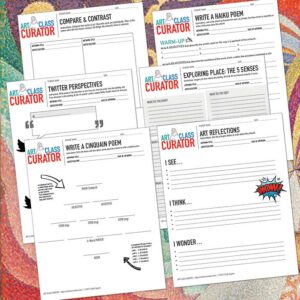
In this free bundle of art worksheets, you receive six ready-to-use art worksheets with looking activities designed to work with almost any work of art.

Download

Free Worksheets!

Art Appreciation Worksheets

In this free bundle of art worksheets, you receive six ready-to-use art worksheets with looking activities designed to work with almost any work of art.

Famous Women Artists Lessons

This list of famous women artists lessons is of course not a full representation of all women artists. These are the artists we have written about to date on Art Class Curator. We will update this post as we create new resources!

Women Artists

Betye Saar

Betye Saar is an American artist known for her assemblage and collage artworks.

black history month art lessons
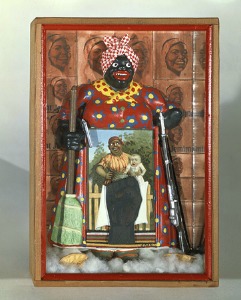
Betye Saar, The Liberation of Aunt Jemima, 1972

Betye Saar Art Lesson

Saar uses stereotypical and potentially-offensive material to make social commentary, which makes her work an excellent way to teach kids about the world, acceptance, and empathy. In this lesson, students discuss an assemblage Saar created around a depiction of Aunt Jemima and watch a video of the artist discussing the work. This Betye Saar Art Lesson also includes several project ideas and extensions.

Lesson: The Liberation of Aunt Jemima

Monica Lozano

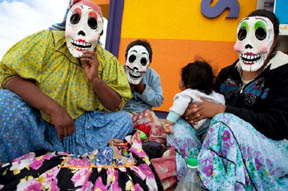
Monica Lozano is a Mexican-American photographer who was born in El Paso, Texas and raised across the border in Ciudad Juarez, Mexico. Her work has been featured in American Photo Magazine and shw was chosen as one of Columbia Journalism Review’s “20 Women to Watch” list. Lozano currently lives on the border of Mexico and the United States, teaching young students at different universities about photography and art as a way to transcend borders.

From Monica Lozano’s Juarez Series

Monica Lozano Art Lesson

Delve into Lozano’s Juarez Photo Series where she photographed citizens of Juarez wearing Day of the Dead masks with learning activities and discussion questions.

Lesson: Art Spotlight: Monica Lozano’s Juarez Series

Get the Full Lesson!

This Lesson is in The Curated Connections Library!

Find the full lesson from this post along with hundreds of other art teaching resources and trainings in the Curated Connections Library. Click here for more information about how to join or enter your email below for a free SPARKworks lesson from the membership!

Join the List

Get the Full Lesson!

This Lesson is in The Curated Connections Library!

Find the full lesson from this post along with hundreds of other art teaching resources and trainings in the Curated Connections Library. Click here for more information about how to join or enter your email below for a free SPARKworks lesson from the membership!

Augusta Savage

Augusta Savage was an American sculptor and prominent member of the Harlem Renaissance in New York City. She opened her own studio and became an influential teacher.

black history month art lessons
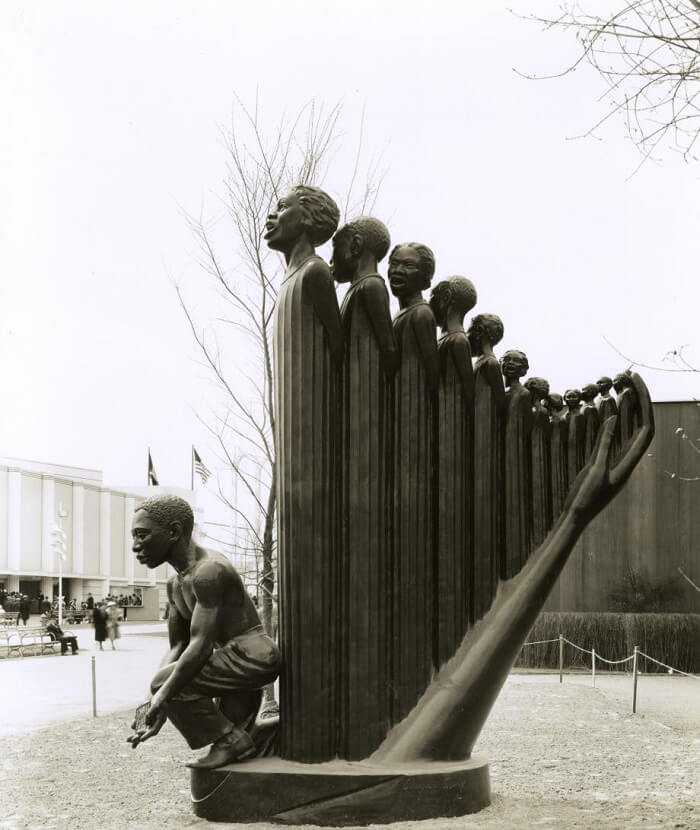
Augusta Savage, The Harp, 1939

Augusta Savage Art Lesson

There have been few sculptors who can capture emotion in a subject like Augusta Savage. In this Augusta Savage Art Lesson, students learn about her life, discuss some of her work, and read In Her Hands: The Story of Sculptor.

Lesson: The Art of Augusta Savage

Ed Johnetta Miller

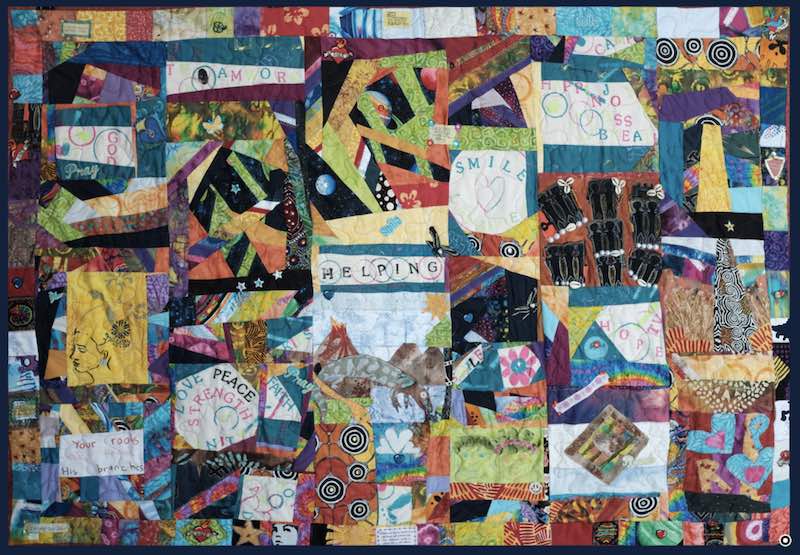
Ed Johnetta Miller is is a renowned American fiber artist, quilter, and teacher who regularly works within her community. Her work is often inspired by color, patterns, and jazz music.

Ed Johnetta Miller Art Lesson

One of Miller’s community art projects was an improvisational quilt completed with the children and families of Yale New Haven’s Children’s Hospital.

Lesson: Community Art Project Inspired by Ed Johnetta Miller

Ed Johnetta Miller, Journey to Our Hearts Home, 2017

Dorothea Lange

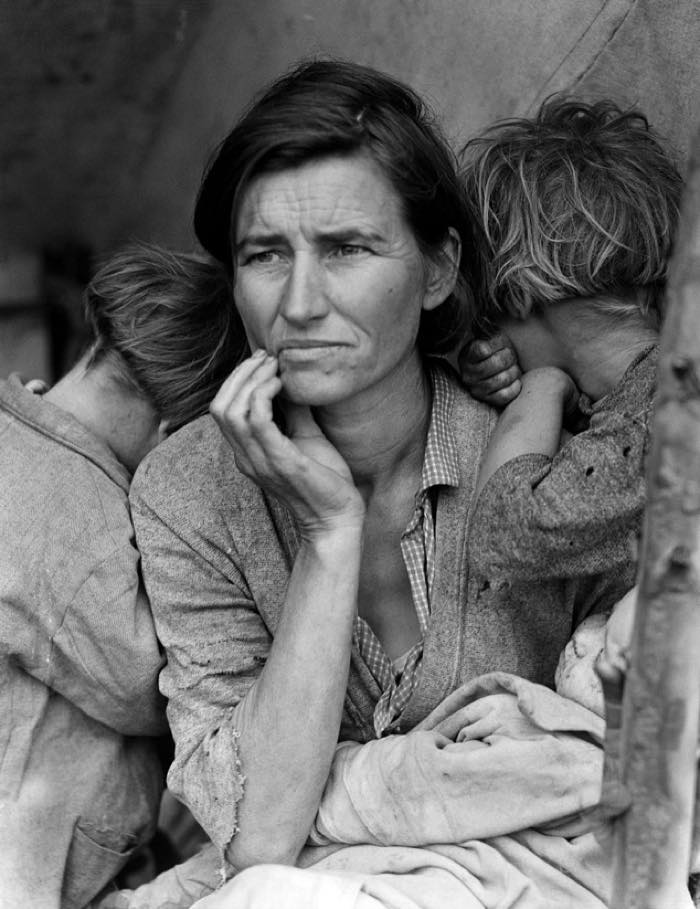
Dorothea Lange was an American documentary photographer and photojournalist. Her photograph titled Migrant Motherhas become an icon of her Depression-era work for the Farm Security Administration. Lange’s photographs brought the consequences of the Great Depression to light and put a human face on the suffering of the time.

Dorothea Lange, Migrant Mother, 1936

Dorothea Lange Art Lesson

Lange’s work has been featured on Art Class Curator twice. A lesson based on Migrant Mother was a part of the Art Around the World series. Her work was also paired with one of our free downloads to explore empathy in art with a photography analysis activity. 

Lessons: Dorothea Lange’s Migrant Mother & I am… Dorothea Lange: Exploring Empathy Art Lesson

Artwork of the Week Lesson: Dorothea Lange, Migrant Mother

This is a complete lesson with discussion questions, talking points, activities, and project ideas for Dorothea Lange’s Migrant Mother.

Buy Now

Faith Ringgold

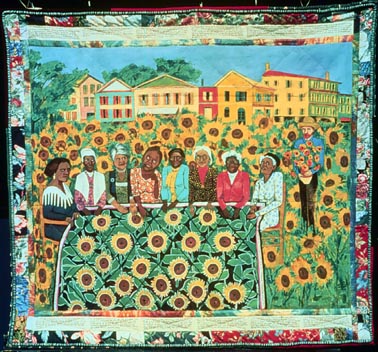
Faith Ringgold is an award-winning American painter, writer, sculptor, and performance artist. She is best known for her narrative quilts.

black history month art lessons
Faith Ringgold, The Sunflower Quilting Bee at Arles, 1991

Faith Ringgold Art Lesson

Ringgold started out as a painter and focused much of her art on telling the stories of the Civil Rights Movement and her experiences growing up in Harlem. On a trip to Europe in 1972, Ringgold experiences some Nepali artworks that used fabrics around the border. This inspired her to start making quilt paintings, and those are the artworks she’s become best known for. In this Faith Ringgold Art Lesson, students dive into Ringgold’s The Sunflower Quilting Bee at Arles and imagine what it would be like to be the fictional woman featured in the artwork. To extend the lesson, students complete a portrait project and read Dinner at Aunt Connie’s House or one of Ringgold’s other children’s books.

Lesson: Faith Ringgold’s Celebration of African American Women
Artist Biography

Hanaa Malallah

Hanaa Malallah is an Iraqi artist and educator who currently lives in London. She is known for creating the Ruins Technique in which found objects are incorporated into artworks.


Hanaa Malallah, Barzakh (Obstacle), 2014

Hanaa Malallah Art Lesson

Featuring Malallah’s introspective artwork entitled Barzakh (Obstacle), this lesson features discussion questions and learning activities.

Lesson: Art Around the World in 30 Days – Iraq

Käthe Kollwitz

Käthe Kollwitz was a German artist who worked with paint, printmaking, and sculpture. Her most famous artworks depicted the effects of poverty, hunger, and war on the working class.

Käthe Kollwitz Art Lesson

Kollwitz’s art is emotional and deep. There are three types of lessons you can take into your classroom with her work: using her art to support lessons on the World Wars, discussing her work to teach about expression in art, and using her work among others to teach about different elements of art and principles of design.

Lesson: The Art of Käthe Kollwitz

Kathe Kollwitz, Misery, 1897 Contrast Examples in Art
Käthe Kollwitz, Misery, 1897

Frida Kahlo

Frida Kahlo is perhaps the most famous female artist of all time. Her stunning self-portraits and nature inspired works are known throughout the world. Kahlo’s surrealist works and political leanings have made her an icon for Chicanos, feminists, and within the LGBTQ community. 

Frida Kahlo, The Two Fridas, 1939

Frida Kahlo Art Lesson

Many of Kahlo’s works are perfect to share with students of all ages. They are rich with details and possible interpretations. Her work has been featured as a part of the Art Around the World series, and one of her most famous works, The Two Fridas, inspired my favorite lesson.

Lesson: Art Around the World in 30 Days – Mexico & The Two Fridas – Art Discussion Lesson

Mary Cassatt

Mary Cassatt was an American painter and printmaker who lived much of her adult life in France, where she first befriended Edgar Degas and worked alongside other Impressionists. She is best known for her works featuring the bonds between mothers and children.

Mary Cassatt, Reine Lefebre and Margot before a Window, 1902

Mary Cassatt Art Lesson

Lesson: Charlotte Mason Picture Study: Mary Cassatt

Georgia O’Keeffe

Georgia O’Keeffe is one of the best known female artists of our time. Known for her stunning landscapes and flowers, she has been called the “mother of American modernism”. 

Georgia O’Keeffe, Lake George Reflection, 1921-22

Georgia O’Keeffe Art Lesson

Explore Cow’s Skull with Calico Roses by Georgia O’Keeffe with your students and have them create a work of art using O’Keeffe’s work as inspiration.

Lesson: O’Keeffe Inspired Art Lesson: Cow’s Skull with Calico Roses

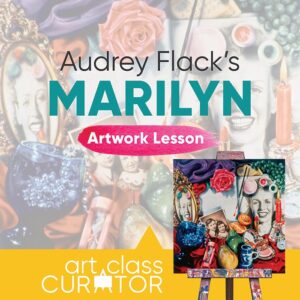
Artwork of the Week Lesson: Audrey Flack, Marilyn

This is a full lesson on Marilyn by Audrey Flack. Students will engage with this artwork using a variety of discussion topics, a compare and contrast activity to explore vanitas paintings, and more!

Buy Now

Art Projects Inspired by Famous Women Artists

The internet outside of Art Class Curator has lots of great art lessons inspired by famous women artists! Check out these links.

  • Mary Edmonia Lewis Lesson by — For grades 6 and 12, students learn the basics of sculpture and create a bust of the prominent civil rights leader.
  • Historical Genre Drawing Silhouettes by Incredible @rt Department — Inspired by Kara Walker’s silhouettes, middle to high school students research a historical event and create an silhouettes based on the subject and insert their likeness into the work.
  • O’Keeffe Flowers (Get Kids to Draw BIG!) by The Art of Education – For grades 3 through 5, students create their own O’Keeffe inspired flowers.
  • Framed Art Sculptures Inspired by Louise Nevelson by Scribble Doodle and Draw – Using Nevelson’s monochromatic abstract expressionist sculptures as inspiration, students create their own sculptures using found/recycled objects.
  • Frida Kahlo Inspired Self-Portraits for Kids by Kids Activities Woo! – Inspired by Mexican culture and Kahlo’s folk art style often mixed realism with fantasy, students create their own self-portraits.
  • Images of Children in Dorthea Lange’s Photographs by Getty Photos – Elementary students study how Dorothea Lange tells stories related to children. They practice telling their own written and visual stories in response to Dorothea Lange’s images.
  • Picturing a Story: Photo Essay about a Community, Event or Issue by Getty Photos – For middle or high school. Students consider the function of social-documentary photography. They research Dorothea Lange’s documentary projects, and create their own photo essay about a subject of interest to them.

Children’s Books about Women Artists

This collection of highly rated children’s books about women artists are a great way to share information about the lives of black artists with elementary students. Each book is marked with recommended student ages and a link to purchase the book.

6-8 Year Olds


5-9 Years Old


4-8 Years Old


4-7 Years Old


4-8 Years Old


9 Years Old & Up

Famous Women Artists Biographies

Integrate historical and cultural knowledge into your women artist art lessons with in-depth biographies and short videos about famous women artists.

  • Augusta Savage
  • Frida Kahlo
  • Edmonia Lewis
  • Georgia O’Keeffe
  • Lee Krasner
  • Faith Ringgold
  • Artemisia Gentileschi
  • Lorna Simpson / Who is Lorna Simpson?
  • Grandma Moses
  • Betye Saar
  • Berthe Morisot
  • Gwendolyn Bennett
  • Mary Cassatt
  • Kara Walker

Artworks by Women Artists from Around the World

From American artists to artworks by female artists from around the world, these pieces will get your students talking and connected to art.

American Artists

  • The Liberation of Aunt Jemima 
  • Georgia O’Keeffe’s Cow’s Skull with Calico Roses
  • The Art of Augusta Savage
  • Faith Ringgold’s Celebration of African American Women
  • Discrimination is Not Protection by Lorna Simpson
  • Dorothea Lange’s Migrant Mother
  • The Empathetic Art of Dorothea Lange
  • The Artworks of Mary Cassatt
  • After the Death of the Child

Women Artists from Around the World

  • Monica Lozano’s Juarez Series
  • Hannaa Malallah’s Barzakh (Obstacle)
  • The Art of Käthe Kollwitz
  • Frida Kahlo’s The Two Fridas
  • The Love Embrace of the Universe, the Earth (Mexico), Myself, Diego, and Señor Xólotl by Frida Kahlo
  • Young Woman Drawing by Marie Denise Villers
  • The Beach by Beatriz Milhazes
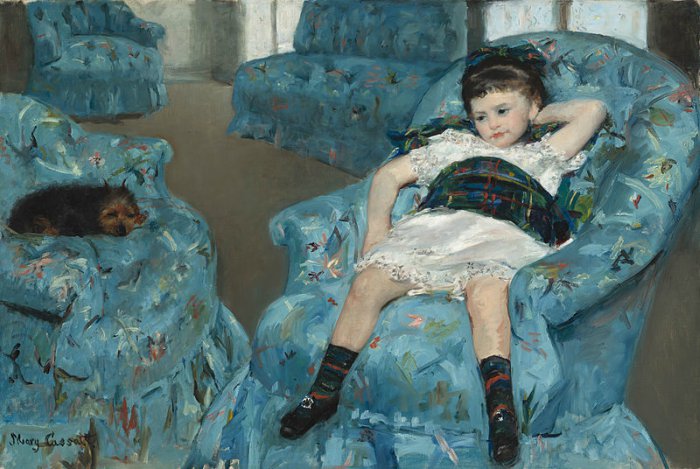
Dogs in Art - Mary Cassatt, Little Girl in a Blue Armchair, 1878
Mary Cassatt, Little Girl in a Blue Armchair, 1878

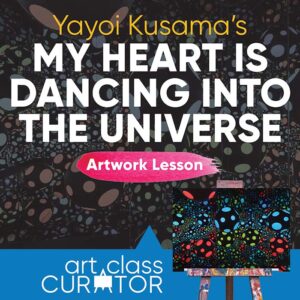
Artwork of the Week Lesson: Yayoi Kusama, My Heart is Dancing Into the Universe

This is a full lesson on My Heart is Dancing Into the Universe by Yayoi Kusama. Students will explore and connect with this artwork through discussion, comparing and contrasting a variety of the artist’s Infinity Room artworks, and more!

Buy Now

More Art Lessons about Famous Women Artists

5 Women Artists of Color with Learning Activities

This post covers 5 incredible women artists of color: Augusta Savage, Jaune Quick-to-See Smith, Carmen Lomas Garza, Monir Shahroudy Farmanfarmaian, and Yayoi Kusama. Each entry has images of the artwork or a video of the artist talking about her work, plus activity suggestions and lesson ideas for each artist.

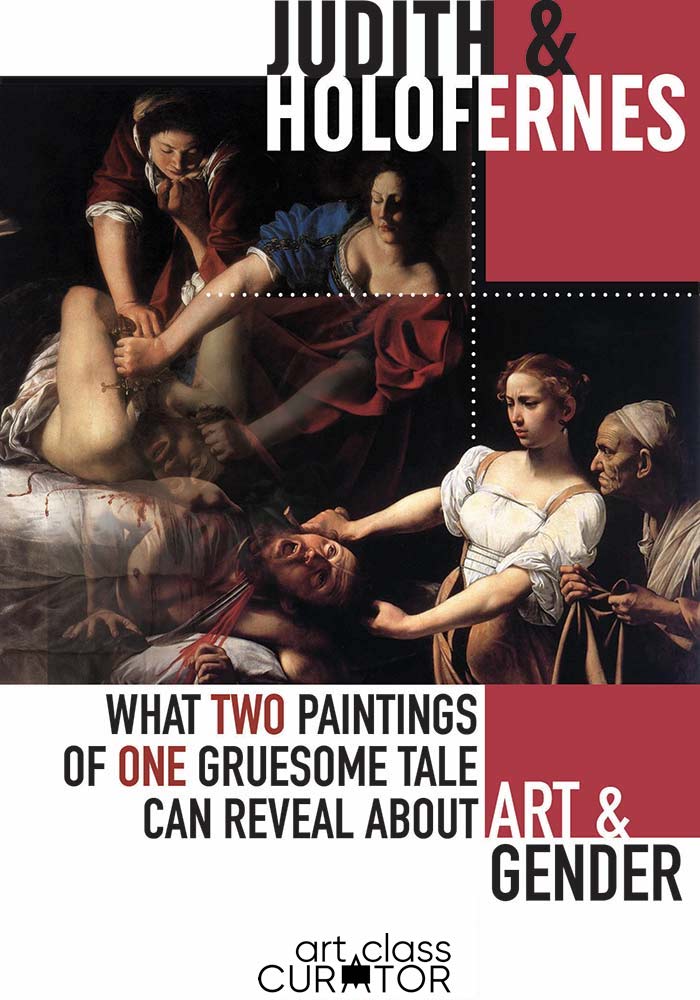
Judith and Holofernes Paintings: A Compare and Contrast Art Lesson

Students love this art lesson where they compare two Baroque paintings of Judith and Holofernes and try to deduce which was made by a man and which was painted by a woman.

Take Your Weekly Art Break

Want more art inspiration delivered straight to your inbox? Sign up for Your Weekly Art Break to get our weekly emails and as a bonus for joining, get six free art art worksheets that work with almost any work of art!

Filed Under: Art and Artists


  • Previous Page
  • Page 1
  • Interim pages omitted …
  • Page 8
  • Page 9
  • Page 10
  • Page 11
  • Page 12
  • Interim pages omitted …
  • Page 38
  • Next Page

Primary Sidebar

Hi! I’m Cindy Ingram, the creator of Art Class Curator and The Curated Connections Library

I’m on a mission to revolutionize education with the power of life-changing art connections. Art is not “extra”. Art is essential. We are empowering teachers to bridge the gap between art making and art connection, kindling a passion for art that will transform generations.

More About Me

Free Worksheets!

-Free Bundle of Art Appreciation Worksheets-

In this free bundle of art worksheets, you receive six ready-to-use art worksheets with looking activities designed to work with almost any work of art.

Download

Free Worksheets!

-Free Bundle of Art Appreciation Worksheets-

In this free bundle of art worksheets, you receive six ready-to-use art worksheets with looking activities designed to work with almost any work of art.

Enrollment in Curated Connections Library is currently open. Click here to join. Join our list to get more information and to get a free lesson from the vault! If you are purchasing for a school or school district, head over here for more information.

Check Out What’s New In The Shop

Experience Art: Engaging Art Criticism Discussions and Activities for Teachers and Students of All Ages
Call to Art: An Un-Conference for Art Educators
Curated Connections Library Membership
Perspectives High School Curriculum

More Products

Have You Listened to the Latest Podcast Episode?

Falling for Naudline Pierre’s Evocative Art: A Conversation with Madalyn (Part 2)

More Episodes

Testimonials

I like how this program, unlike other art class resource membership programs, feels authentic. It's like art matters more here, and not fancy flash-in-the-pan trendiness. The goal of Art Class Curator seemed to be helping kids develop a lifelong love and art appreciation versus "Hey, look. I painted this fish."
Erin A.
Your questions are helping me to delve into much deeper learning, and my students are getting better at discussion-and then, making connections in their own work. Art Class Curator is awesome!
Denise W.
Interestingly, my lower performing classes really get engaged in these [lessons] and come away with some profound thoughts!
Melissa G.
I had the most amazing 6th grade class today. They were jumping out of their seats with hands raised just to respond and give input. It was as if I was waving candy in front of them! They saw more and more and the ideas and interpretations unfolded. So cool!!! This is what makes teaching art so wonderful – thank you!!
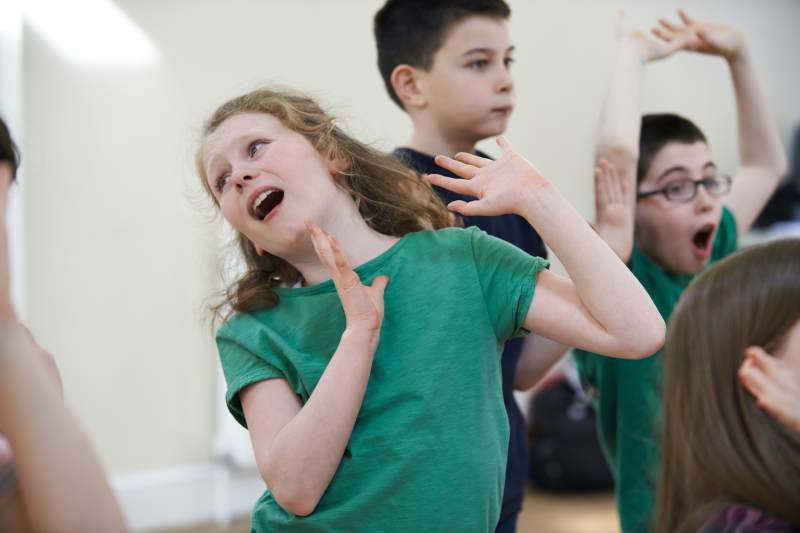
Caroline G.
I just wanted to thank you for the invaluable resource you have through Art Class Curator. Not only do you have thought provoking activities and discussion prompts, but it saves me so much time in preparing things for myself! I feel like I’ve only scratched the surface with your site.
Maryjane F.

Get Art Inspiration To Your Inbox!

Enter your email address to get regular art inspiration to your inbox
plus a BUNDLE OF 6 FREE WORKSHEETS!
We hate SPAM and promise to keep your email address safe.
Download

Free Worksheets!

*Free Bundle of Art Appreciation Worksheets*

In this free bundle of art worksheets, you receive six ready-to-use art worksheets with looking activities designed to work with almost any work of art.

Copyright © 2026 Ignite Art, LLC DBA Art Class Curator •  All rights reserved  •  Privacy Policy  •  Terms of Service  •  Site Design by Emily White Designs