• Skip to main content
  • Skip to primary sidebar
  • About
    • About Art Class Curator
    • Contact
    • Speaking
    • Media & Press
    • Programs for Schools
  • Blog
  • Podcast
  • Shop
  • Join
  • Member Login

Art Class Curator

Hands-on and Minds-curious Art Learning

  • Art & Artists
  • Art Connection Activities
  • Art Teacher Tips
  • Elements & Principles
  • Downloads & Resources
Home
  • About
    • About Art Class Curator
    • Contact
    • Speaking
    • Media & Press
    • Programs for Schools
  • Blog
    • Art & Artists
    • Elements & Principles
    • Art Connection Activities
    • Art Teacher Tips
    • Downloads & Resources
  • Book
  • Podcast
  • Shop
  • Join
  • Member Login

All Posts from Art Curator for Kids

Supporting Student Expression with Eric Gibbons

Eric Gibbons joins Cindy on the podcast to share his passion for teaching art and supporting student expression. While in college, a professor noticed Eric’s talents in art and teaching and encouraged him to become an art teacher. Eric says he may have been the first student at his college to switch majors from pre-law to art education, but he has no regrets.
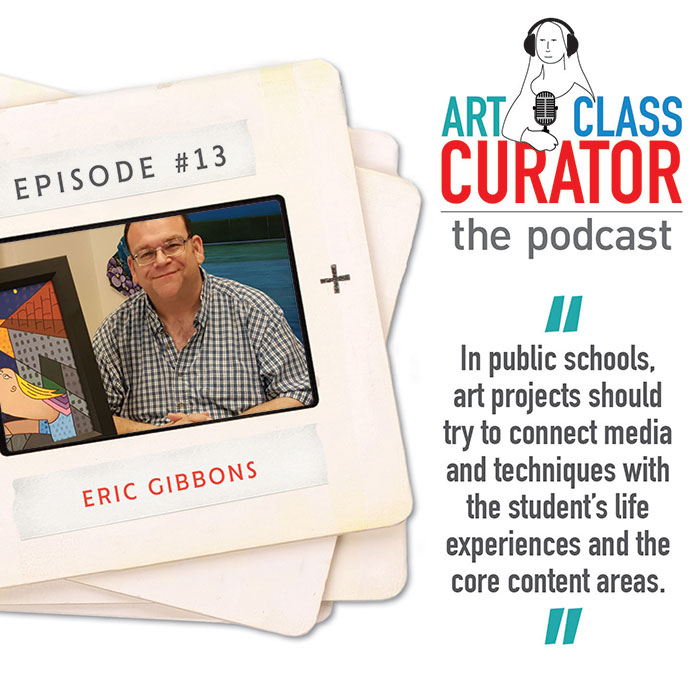
Eric has nearly 30 years of teaching experience and has been able to carry his love for art to both Egypt and Japan, where he was able to teach art. Currently, Eric teaches high school art in New Jersey and was recognized by the state for his excellence in art education in 2015. His classroom lessons have been featured by Davis Publications and other books on art and education through Firehouse Publications of Bordentown, NJ. Eric’s best-known book is If Picasso Had A Christmas Tree.

Eric’s work has been featured in international exhibitions and in many publications. Additionally, Eric is a blogger on his website, Art Ed Guru, and his blogs are appreciated by educators worldwide. 

Show Highlights:

  • Eric shares how his love of art began at an early age.
  • Cindy and Eric discuss components involved in teaching art in a public school
  • Eric shares why there has been some push-back to his philosophy of teaching art.
  • Students find relevance in art when they have a personal connection to it.
  • Cindy discusses how art can give students a method to express their emotions. 
  • Eric tells about how he has his art students partner with students at other schools for a project.
  • Eric discusses how he uses a universal rubric for 2D and 3D artwork in his classroom.
  • Eric shares how he has his students reflect on their work.
  • Eric shares tips for ensuring uniqueness and individuality in student work.
  • Cindy and Eric discuss incorporating art history in the classroom.

Links Mentioned in the Show:

Please note, this post includes Amazon affiliate links. As an Amazon Associate I earn from qualifying purchases.

  • Art Ed Guru
  • Firehouse Publications
  • Art Grading
  • Tips for Ensuring Individuality
  • Tips and Tricks in the Art Room
  • Eric’s Philosophy Diagram
  • Ken Vieth


Subscribe in Your Favorite Podcast Listening App

Subscribe and Review in iTunes

Have you subscribed to the podcast? I don’t want you to miss an episode and we have a lot of good topics and guests coming up! Click here to subscribe on iTunes!

If you are feeling extra kind, I would LOVE it if you left us a review on iTunes too! These reviews help others find the podcast and I truly love reading your feedback. You can click here to review and select “Write a Review” and let me know what you love best about the podcast!
View in iTunes

Filed Under: Podcast
Tagged With: Art Ed Guru, Eric Gibbons


Mapping the Chaos with Lana Jelenjev

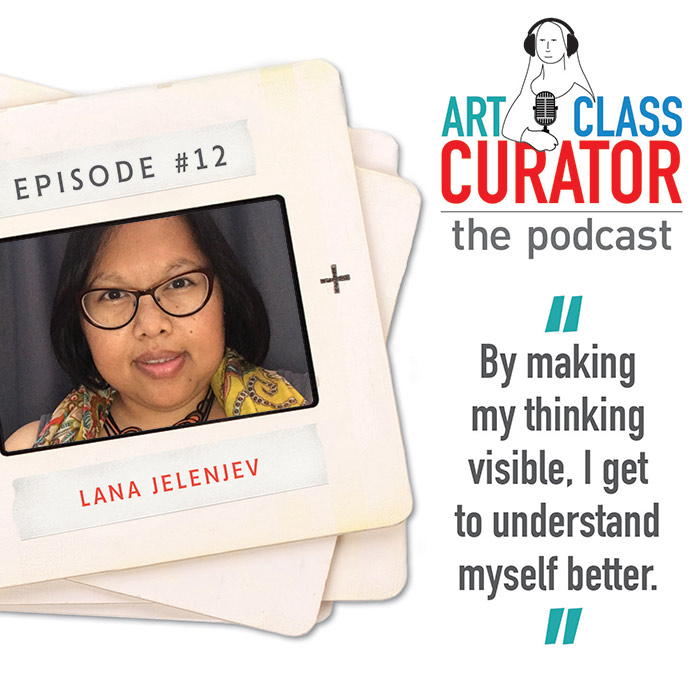
As most Art Teachers may know, it can be easy to fall into catering to what students and administrators want and need, but in turn, we lose sight of what we need ourselves. Lana Jelenjev is with us here today to share the importance of “checking in”. Join us and learn the questions to ask yourself in order to figure out your own needs and the imperativeness of doing so.


In this episode, Lana shares her best tips and strategies for self-care and making sure your needs are getting met.

Show Highlights:

  • Lana’s method of making thinking visible
  • In the entrepreneurial world, how to know when to pivot or pull the plug
  • The powerful tool of “checking in”
  • What the concept of Reverse Mind Mapping has to offer
  • The questions to ask in order to identify your personal needs
  • The danger of becoming too attached to the idea of an end product
  • The practice that can help teachers and students in the classroom
  • The importance of defining what you need
  • What is compassionate communication and how it can benefit you
  • The difference in being selfish and being self-full that society doesn’t tell us

Links Mentioned in the Show:

Please note, this post includes Amazon affiliate links. As an Amazon Associate I earn from qualifying purchases.

  • Blog: Dream See Do
  • Lana’s Interactive Learning Site
  • The Power of Full Engagement
  • Essentialism: Mastering the Art of Less  


Subscribe in Your Favorite Podcast Listening App

Subscribe and Review in iTunes

Have you subscribed to the podcast? I don’t want you to miss an episode and we have a lot of good topics and guests coming up! Click here to subscribe on iTunes!

If you are feeling extra kind, I would LOVE it if you left us a review on iTunes too! These reviews help others find the podcast and I truly love reading your feedback. You can click here to review and select “Write a Review” and let me know what you love best about the podcast!
View in iTunes

Filed Under: Podcast
Tagged With: lana jelenjev


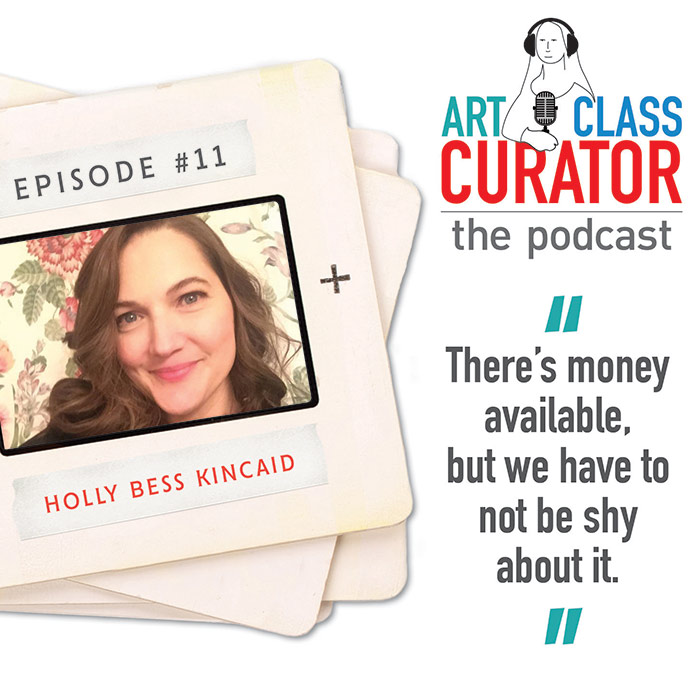
Funding Your Art Program with Holly Bess Kincaid

We’re following up with art class teacher Holly Bess Kincaid from Episode 5. Holly Bess is changing the world within the walls of her classroom. Her students make up a strongly diverse community of learners, so different languages, cultures, and life experiences are something she not only plans for but leverages to create powerful learning moments, using art as the conduit.

In this episode, Holly Bess shares her experiences and practical tips on how she has found success in getting grant funding for projects and resources that enrich her students’ learning.

Show Highlights:

  • Why an art teacher might need a grant
  • Holly Bess’s shares her favorite grant she’s ever received
  • How Holly Bess has used grant money she earned
  • Tips from Holly Bess on how to find and apply for grants
  • Places within your community you can seek grant funding for projects
  • How to tailor your grant to potential grant funders
    • What is your goal?
    • What are you going to do with your funding?
    • What’s the impact of completing your project or using your resources?
    • How will you share updates of what you do with the product or finish the project?
    • How will you give recognition to your donor(s)?
    • Tell a good story and include a budget
  • Effective tips for thanking donors
  • Whether or not you should re-apply for grants you’ve already received
  • Why Holly Bess uses her voice recording feature on her phone often

Links Mentioned in the Show:

Please note, this post includes Amazon affiliate links. As an Amazon Associate I earn from qualifying purchases.

  • Donors Choose
  • Holly Bess on Instagram – @artladyhbk
  • Holly Bess on Twitter – @artladyhbk
  • Capitol of Creativity
  • National Art Education Association (NAEA)
  • Art Class Curator: Year of Art

Grant Opportunities:

  • Fund for Teachers
  • Digital Wish
  • Farmers’ Insurance
  • Crayola
  • Pledge Cents
  • Character Counts
  • Lowe’s Toolbox
  • GetEdFunding
  • Grants.Gov
  • Fulbright-Hays
  • Teach.com
  • Target for Field Trips
  • Moss Foundation
  • McCarthey Dressman
  • Kinf.org
  • Arts.gov
  • NEA Grants
  • Wal-Mart
  • Toshiba
  • Kelly Cares Foundation


Subscribe in Your Favorite Podcast Listening App

Subscribe and Review in iTunes

Have you subscribed to the podcast? I don’t want you to miss an episode and we have a lot of good topics and guests coming up! Click here to subscribe on iTunes!

If you are feeling extra kind, I would LOVE it if you left us a review on iTunes too! These reviews help others find the podcast and I truly love reading your feedback. You can click here to review and select “Write a Review” and let me know what you love best about the podcast!
View in iTunes

Filed Under: Podcast


July 17, 2018 5 Comments

How to Get Free Supplies for Your Classroom

Inside: Find out how to get free classroom art supplies so your students can discover the magic of art!

free classroom art supplies from donors choose

Empty Classroom Cabinets

I started teaching elementary art in a urban, South Dallas school back in 2008. Seeing my classroom for the first time was a shock! I had boxes upon boxes of faded construction paper scraps, dozens of mostly dried up markers, and a pile of metal scissors that barely cut the scraps. That was it.

Where was the paint? The printmaking supplies? The clay tools? The paper cutter? No, the paper. WHERE WAS THE PAPER? There was no paper besides the letter-size copy paper I stole from the copy room.

I went straight to my principal and told her I needed art supplies if she wanted the kids to make art. She told me to make a list of what I wanted, and they would do what they can. I, of course, made her a nice long list and hit up the office supply stores with my own money for crayons and colored pencils to at least get me through until my supply order can through. I’ve got this, I thought.

Making It Work

School started. No supplies arrived.

Okay. No need to panic. The first week or two will be introduction anyway, and we can use pencils and copy paper for some drawing activities. I had about 800 students divided among 37 sections of students, and it was my first time teaching elementary art, so I didn’t need to be doing any advanced or complicated projects right away anyway. I also managed to con some of the classroom teachers into giving me their extra 12×18 manila paper.

Finally, I go to the office manager and ask the status of my supply order. She said my list was too long, and they didn’t know what was the most important, so no order had been placed. Breathe.

I marked the things absolutely necessary from my original order and gave it back to her. I ended up with only 1/4 of my original list, but I now had paintbrushes, paint, working scissors, glue, 12×18 white paper, and construction paper.

I made it work, but I felt very limited by the supplies. My family and friends graciously donated to my classroom, but the biggest difference was my discovery of Donors Choose. (This post is not sponsored. I just think you all need to know about and use this site!)

Donors Choose

DonorsChoose.org is a non-profit where teachers post about projects they want to complete with their students. Individuals use the site to find and contribute money to projects they like. In addition to the helping out a classroom or school in need, the money given by the individuals is tax-deductible.

When you submit your request for free classroom art supplies, you choose exactly what supplies you want from the catalogs of stores. (I ordered from Blick for the supplies and Barnes and Nobles for the books.) Once the project is funded, Donors Choose places the order and ships the supplies right to the school. The main requirement after you get the funding is to submit pictures of your students using the supplies as well as thank you notes from the students to the donors.

Through DonorsChoose.org, I got 7 different grant requests funded. I received a full art library, a class set of block printmaking supplies, air dry clay and tools, lots of sharpies, and miscellaneous crafting supplies like pipe cleaners, googly eyes, and such. It was an amazing experience. I was thrilled to be able to leave that classroom well-supplied for the next art teacher.

Curated Connection Library

Art teachers regularly contact me to ask about the cost of membership to the Curated Connections Library. We all know how far an art teacher’s salary has to stretch, especially when we have to find a way to provide supplies for students on our own. That’s why I was so excited to discover that Donors Choose can be used to become a member!

Teachers who have 6 or more points on Donors Choose can create a “Special Request project” for a yearly membership. First, get an price estimate from us at this link. Then, create your “Special Request project” on Donors Choose and upload the PDF of your estimate. For more information, visit this link.

Art Class Curator - Free Supplies for your Classroom

Tips for Getting Your Free Classroom Art Supplies Grant Funded

Here are my tips for getting your grant request funded on Donors Choose:

  1. Rather than doing one big request, do many smaller requests for free classroom art supplies. Each of my requests were only a couple hundred dollars each, so they were easier to get funded than if I had done one big one that encompassed everything.
  2. Use powerful language. Donors want to know that they are helping students in need. Don’t be afraid to get emotional and tell the story of the challenges facing your classes. Talk about the value of art and how it will benefit the kids.
  3. Keep it short and simple. Use a story or hook that draws donors in and make them want to act! A couple of powerful paragraphs will always beat a wall of text.
  4. Don’t forget to send the link for your grant requests to your school parents and administrators (as well as your friends and family) once the link is live. Your funding may end up coming from your own community.

Art Class Curator - Free Supplies for your Classroom

Donors Choose Grant Request Example

Here was the text of one of my grant requests to give you an idea of what I am talking about.

“At moments of great enthusiasm it seems to me that no one in the world has ever made something this beautiful and important.” — Andrew Wyeth, artist

My elementary art classroom of high-poverty, inner-city children is full of such enthusiasm. On a very limited art budget of only $100 per year, I must provide meaningful and exciting visual arts experiences for all 800-850 students, grades Kinder-5th. This comes to a meager $0.11 per child. We need help to move beyond the basics of paper, crayons, and markers to introduce the tools and media that professional artists use.   The introduction of more advanced art media in my classroom excites and draws in my emerging artists–giving them the spark to continue with art throughout middle and high school and hopefully into their future careers.

These sharp minds need Sharpies! Sharpies may not sound like an exciting tool to you, but a Sharpie is one of the most useful tools an artist has in her toolbox. Sharpies add a bold quality to drawings, adds finishing touches to a painting, and can transform a mess into a masterpiece in just a few strokes. Sharpies are ideal because they don’t run when touched by watery paint and the bold line is the perfect thickness to make an artwork really POP. Your donation will help create artworks that the students and their parents will treasure.

Give it a shot! You may be able to provide your students with brand new experiences that wouldn’t have been possible without the extra materials.

This post was originally posted on September 28, 2015.

Filed Under: Art Teacher Tips


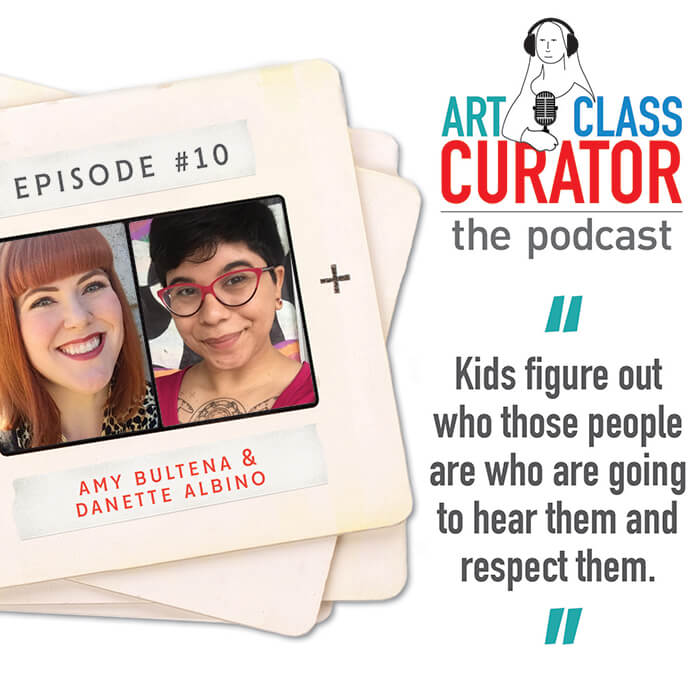
Teaching in Low Income Schools with Amy Bultena and Danette Albino

Amy Bultena and Danette Albino talk about their experiences teaching lower-income students at Title 1 Schools. These ladies hit on a variety of topics from the importance of actually respecting your students as people to taking time to prioritize yourself!

Teaching in Low Income Schools

If you’re a soon-to-be-teacher wondering what to expect or a seasoned Vet looking for reassurance you’re not alone, this podcast is for you!

Show Highlights:

  • How to teach low-income kids when their most basic needs aren’t met
  • The most important thing kids need in the classroom in Title 1 schools
  • Why the Public Education System doesn’t necessarily know what’s best for its students
  • The skills teachers were not prepared for, to nurture students
  • The key to connecting with students in the classroom and cultivating those relationships
  • The benefits of treating kids as people and not just as students
  • Why it’s important to prioritize yourself alongside teaching
  • Alternatives to self-help and therapy for Title 1 Teachers
  • The thing we lose in stressful jobs, such as teaching low-income schools, that’s important to get back
  • How to address your own “privilege” in the classroom
  • The importance of talking about race, in and out of the classroom

Links Mentioned in the Show:

Please note, this post includes Amazon affiliate links. As an Amazon Associate I earn from qualifying purchases.

  • Open Minds to Equality
  • Teaching with Poverty In Mind
  • Rethinking Multicultural Education
  • Teaching for a Change
  • Celebrating Pluralism Six Years Later Article
  • Start Where You Are


Subscribe in Your Favorite Podcast Listening App

Subscribe and Review in iTunes

Have you subscribed to the podcast? I don’t want you to miss an episode and we have a lot of good topics and guests coming up! Click here to subscribe on iTunes!

If you are feeling extra kind, I would LOVE it if you left us a review on iTunes too! These reviews help others find the podcast and I truly love reading your feedback. You can click here to review and select “Write a Review” and let me know what you love best about the podcast!
View in iTunes

Filed Under: Podcast


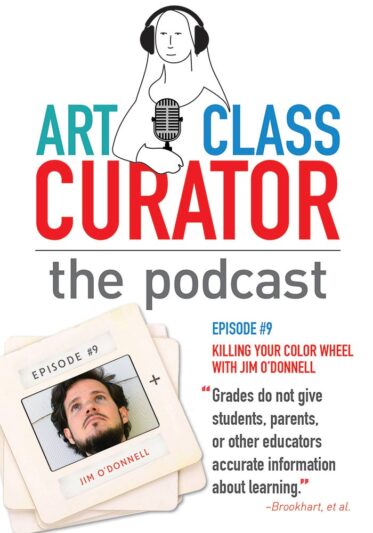
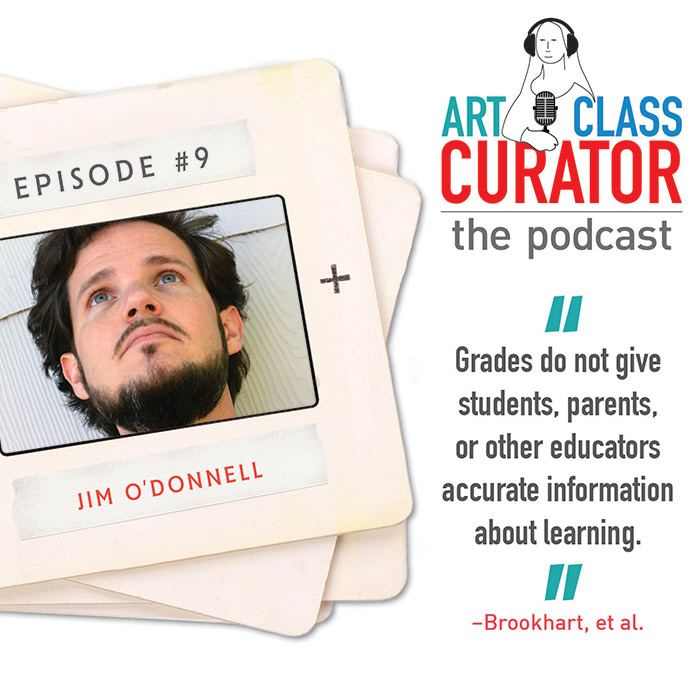
Killing Your Color Wheels with Jim O’Donnell

jim o'donnell

The rigidity of rules may be hindering creativity for young artists.

Jim O’Donnell didn’t take his first art class until he was almost graduated from high school. Jim is proof that you’re not doomed if you didn’t learn the technicalities at a young age.  


Listen to him share his experience with how his art painted its way into his life and, in return, has done the same for his students. Jim shares his pedagogies of inspiring and teaching future Elementary Education majors, the importance of failure, and how to get find balance with a school system focused on a grade letter. 

Show Highlights:

  • How Jim traded Advertising for Art
  • Jim explains the idea behind his blog Kill Your Color Wheels
  • How assessing art in the classroom isn’t as easy as a multiple choice test
  • Why perfectionism is the enemy of creativity
  • Why it’s important to encourage kids to fail more
  • Learn how art teachers can find the balance between imposing letter grades and nourishing growth
  • How art teaches us to slow down in a fast and furious society
  • The non-academic way of grading that’s difficult to measure
  • Jim talks about how he handles the difference between naturally talented artists vs. those who work harder
  • The importance of relaxing into what’s uncomfortable
  • Impactful artwork for Jim: Abbott H. Thayer Winged Figure, 1889 

Links Mentioned in the Show:

Please note, this post includes Amazon affiliate links. As an Amazon Associate I earn from qualifying purchases.

  • Kill Your Color Wheels
  • Walking on Water by Derrick Jensen
  • Why I Hate the Elements and Principles of Art
  • Stephen Krashen, Linguist
  • Sheila Kriemelman
  • Grading on Standards for Achievement – Brookhart


Subscribe in Your Favorite Podcast Listening App

Subscribe and Review in iTunes

Have you subscribed to the podcast? I don’t want you to miss an episode and we have a lot of good topics and guests coming up! Click here to subscribe on iTunes!

If you are feeling extra kind, I would LOVE it if you left us a review on iTunes too! These reviews help others find the podcast and I truly love reading your feedback. You can click here to review and select “Write a Review” and let me know what you love best about the podcast!
View in iTunes

Filed Under: Podcast
Tagged With: best of art class curator, jim o'donnell


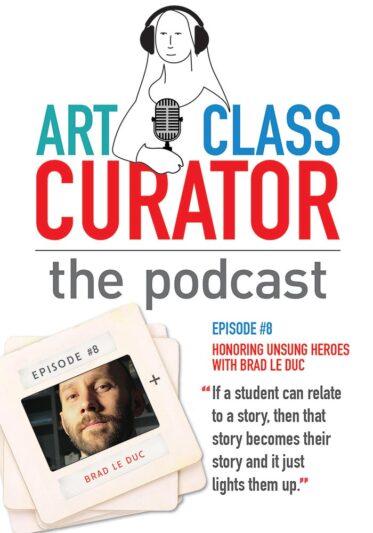
Honoring Unsung Heroes with Brad Le Duc

Art competitions are actually beneficial for teachers and their students.

Brad Le Duc, an Art Educator, is here to share his passion for art and educating the young artists of the future. Brad has taught 2D art in several states across the country for the past 17 years. Brad talks about the Lowell Milken Center for Unsung Heroes, the positive effects of art competitions, and how art teachers can get involved in helping their students submit their art pieces. 


Tune in for a refreshing and inspiring interview with Brad, and walk away with new insights on art, competitions, passion, and vulnerability. 

Show Highlights:

  • Brad explains what the Lowell Milken Center for Unsung Heroes is and their mission
  • Learn what the Discovery Award Competition and ArtEffect Project are
  • How students discover their “Unsung Hero”
  • How to get students involved with the Lowell Milken Center
  • How to reach kids who lack motivation
  • Brad tells a story of a former student whose artwork brought him to tears
  • Brad and Cindy discuss the importance and impact of passion
  • Two questions that Brad asks his students to initiate conversation
  • A free 10 Step Lesson plan to help art teachers get started
  • Brad shares one of his personal favorite art influencers from Brazil 

Links Mentioned in the Show:

Please note, this post includes Amazon affiliate links. As an Amazon Associate I earn from qualifying purchases.

  • Lowell Milken Center
  • Brad LeDuc”s Blog
  • ArtEffect Project
  • Wasteland – Vik Muniz
  • Irena Sendler
  • Alice Seeley Harris
  • The Art the Brought Brad to Tears
  • Kara Walker
  • Ai Weiwei
  • 10 Step Lesson Plan


Subscribe in Your Favorite Podcast Listening App

Subscribe and Review in iTunes

Have you subscribed to the podcast? I don’t want you to miss an episode and we have a lot of good topics and guests coming up! Click here to subscribe on iTunes!

If you are feeling extra kind, I would LOVE it if you left us a review on iTunes too! These reviews help others find the podcast and I truly love reading your feedback. You can click here to review and select “Write a Review” and let me know what you love best about the podcast!
View in iTunes

Filed Under: Podcast
Tagged With: brad le duc


June 26, 2018 3 Comments

5 Artworks your Children will Love

5 Artworks your Children will Love

Inside: These five artworks for kids are perfect to share in any classroom or age group. Each one includes discussion questions to get the conversation started!

5 Artworks for Kids

Here are 5 artworks for kids that are, in my experience, fun to discuss with all ages. I have given guiding questions below with each work, and you can also see my “How to Talk to your Kids about Art” post as well with tips for starting and maintaining art discussions with your children.

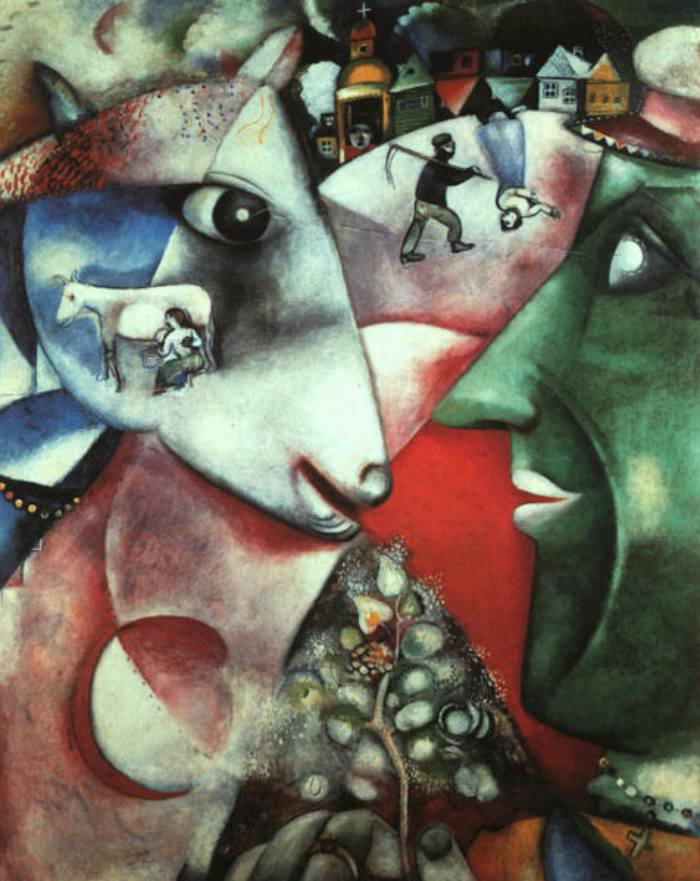
1. Marc Chagall, I and the Village, 1911

5 Artworks for Kids
Marc Chagall, I and the Village, 1911

I can’t get enough of this painting and the work of Marc Chagall. His bold colors, sweet love, and whimsical touches always put a smile on my face. Give your kids a chance to explore this painting. Ask them what they think is going on. Let them take the lead in figuring it out. Your role is to facilitate their unraveling of the painting through asking questions and connecting their ideas together.

Questions to ask: What is going on in this painting? What do you see that makes you say that? Is this a real or imaginary place? What elements of this painting seem real and what elements seem dreamlike? What emotions do you notice in the artwork? How did the artist use line, shape, and color to contribute to the mood or meaning? Why do you think this artist created this work?

2. Shiva Nataraja as Lord of the Dance, Indian, ca. 950-1000

5 Artworks for Kids
Indian, Shiva as Lord of Dance (Nataraja), ca. 11th century, Met Museum

This sculpture depicts the Hindu god Shiva who is the destroyer and recreator of the universe. His dance destroys the universe and prepares for its recreation. This sculpture is rich with symbolism. His hand signals (or mudras) stand for different ideals in the Hindu religion. He dances upon Apasmaru who is a demon and a symbol of ignorance and temptation. Keep what you know secret about the art until after your kids have had a chance to share their own ideas about what they see.

Questions to Ask: Describe the sculpture. What is going on? Who is this? What is he doing? Put your body into this pose and dance with him. How does it feel? What story is being told here? “How can you tell a story through dance or choreography?” (DMAconnect). What is Shiva standing on? Why do you think he is standing on it? Describe the lines and shapes that you see. Research the hand symbols (or mudras) on the internet. What do they symbolize? Why did the artist choose to show these symbols? How does this artwork make you feel? How can you connect this artwork to your own life?

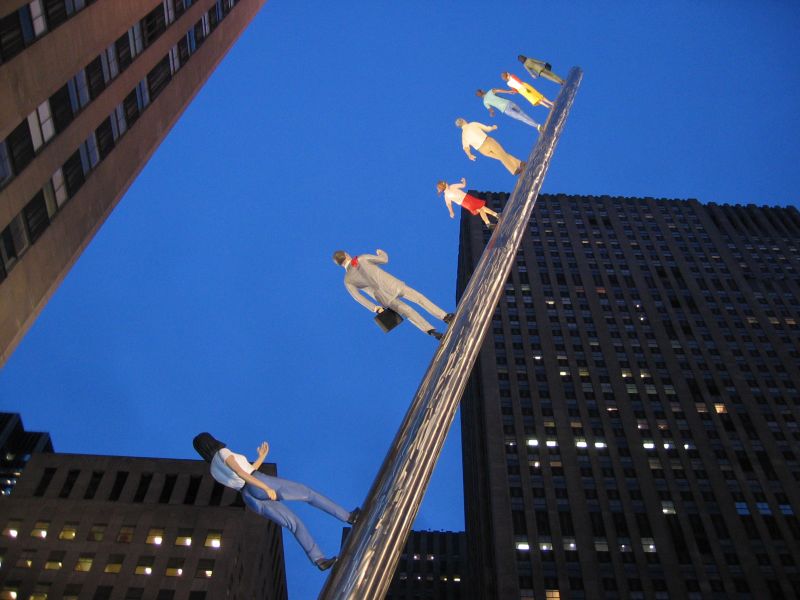
3. Jonathan Borofsky, Walking to the Sky, 2004

5 Artworks for Kids
Jonathan Borofsky, Walking to the Sky, 2004

More Pictures here.

Although I am in love with this artwork, I was hesitant to add it to today’s list, because the internet can’t fully capture how amazing this is in person. This sculpture has 10 realistic and life-size people (from a business man to a young girl) walking on the stainless steel pole that goes 100 feet into the sky. The artist says it was inspired by a story from his dad about a friendly giant in the sky who would help you with your goals for the future.

Questions to ask: What is going on here? What are they doing? Where do you think they are going? What do you think they will find at their destination? How do they feel about this journey? How can you connect this to your life? (Tell story of the giant.) What would you want to ask the friendly giant in the sky?

4. Grant Wood, Parson Weems’ Fable, 1939

5 Artworks for Kids
Grant Wood, Parson Weems’ Fable, 1939

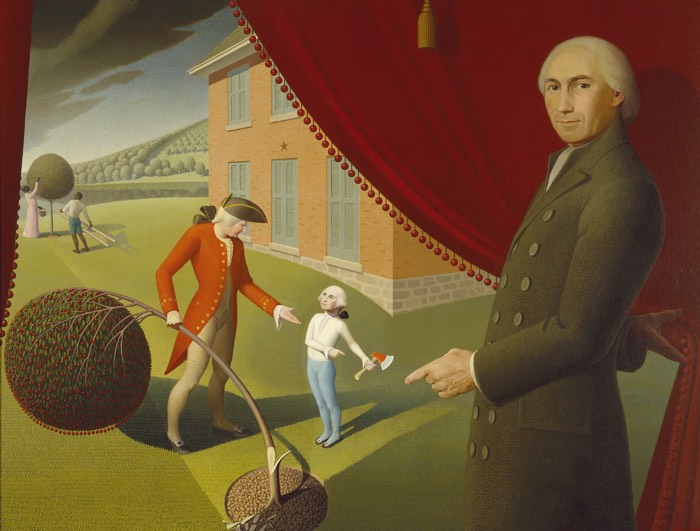
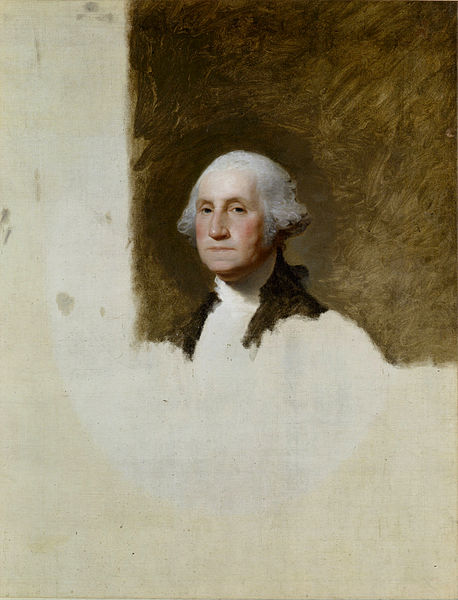
Years ago, I was employed as a Gallery Teacher at the Amon Carter Museum, where this painting is located. I loved discussing this with my students. This painting tells the famous story of George Washington chopping down the cherry tree. Shocking to most, it turns out that the story is not true and was made up by Parson Weems, who appears in this painting as the narrator of the production. Students love the old man’s head on the kid’s body!

5 Artworks your Children will Love
Gilbert Stuart, Portrait of George Washington (The Athenaeum Portrait), 1796

(Check out that head… it’s the same painting as the dollar bill copied from the famous Gilbert Stuart painting pictured right). The repetition of shapes and the directional lines pointing to the action of the story give you a chance to easily visually analyze the composition of the work.

Questions to Ask: What’s going on in this painting? How can you tell? Who are these people? Who is the guy in front? What is his role in the painting? What is strange about this painting? Which area of the painting is emphasized by the artist? What shape is repeated throughout the painting? Why do you think the artist repeated that shape? How does the artist use line and color to draw attention to George Washington?
Want to learn more about Parson Weems’ Fable? Check out this blog post all about the painting.

5. Akbar and the Elephant Hawai

5 Artworks your Children will Love
Basawan and Chetar Munti, Akbar’s Adventure with the Elephant Hawa’i in 1561, 1590-95

In my opinion, Indian narrative miniature painting is some of the coolest art out there. Indian artists had a masterful way of putting the horizon line way up at the top of the picture so you could see lots of space and elements to the story at once. Mix that with bold colors, energetic diagonals, and intricate patterns, and you’ve got a perfect artwork to show the littles. In this story, the ruler Akbar took control of one wild elephant (Hawai) and attacked another wild elephant. During the battle, he chased the elephant to a pontoon bridge and collapsed it. In the end, Hawai was tamed and the other animal was defeated. Akbar celebrated this story “as an allegory of his ability to govern — this is, to take charge of an unruly state” (Kleiner and Mamiya 752).

Questions to ask: What is happening in this artwork? How can you tell? Which character is this story about? How can you tell? Describe the behavior of the elephant and other people in the painting? What do you think happened before this scene? What do you think happened next? Describe the lines, colors, and patterns in this artwork.

This post was originally posted on April 1, 2014.

Filed Under: Art and Artists
Tagged With: grant wood, jonathan borofsky, marc chagall


Authentic Arts Integration with Susan Riley

Susan Riley is bringing it all together through art. Her website, EducationCloset is the go-to resource for teachers working to integrate art into other disciplines and create STEAM programs. In an educational climate that places a high value on standardized testing, art integration is an effective method to engage students and teachers alike and has helped to infuse creativity and critical thinking back into the classroom.

Tune in to hear Susan’s passion come through as she shares stories, tips, and reflections on how to work art integration into your lessons, and how it can add to your classroom environment.

Show Highlights:

  • Why you shouldn’t be afraid of arts integration
  • The inspiring way EducationCloset got its start
  • How arts integration retains and reinvigorates teachers
  • Susan shares some examples of her favorite art integration lessons
  • How to incorporate peer reviews and partner work in art integration activities
  • Addressing the meeting of educational standards for all disciplines involved
  • How to be an advocate for both arts and arts integration 
  • Tips for building relationships with other teachers in your school that overlap with your integrated content
  • Why you should never say, “That’s not my job”
  • Susan shares her first experience falling in love with art

Links Mentioned in the Show:

Please note, this post includes Amazon affiliate links. As an Amazon Associate I earn from qualifying purchases.

  • EducationCloset
  • Big Magic by Elizabeth Gilbert


Subscribe in Your Favorite Podcast Listening App

Subscribe and Review in iTunes

Have you subscribed to the podcast? I don’t want you to miss an episode and we have a lot of good topics and guests coming up! Click here to subscribe on iTunes!

If you are feeling extra kind, I would LOVE it if you left us a review on iTunes too! These reviews help others find the podcast and I truly love reading your feedback. You can click here to review and select “Write a Review” and let me know what you love best about the podcast!
View in iTunes

Filed Under: Podcast
Tagged With: susan riley


Visual Literacy for the 21st Century with Dr. Katie Monnin

It turns out that comics are good for kids. 

Dr. Katie Monnin is here to tell you that art and language belong together, more than ever. She’s spent her career creating books on both how and why incorporating new graphic novels enhance visual learning and writing skills in students. More than that – she’s also worked hard with a community of teachers to develop resources so teaching with graphic novels feels attainable and accessible to anyone.


Tune in for an energizing interview with Katie, and walk away with a plethora of tips and resources to bring into your first graphic novel lesson.

Show Highlights:

  • Katie explains what Pop Culture Classroom is and what it does
  • Why it’s important to let kids read graphic novels
  • What students learn from graphic novels
  • Kate shares a powerful story of how the 9/11 attack changed her perception of the need for graphic novels
  • How graphic novels are different from traditional cartoons
  • Tips for developing quality lessons plan for graphic novels
  • Katie shares about panels, gutters, and balloons, and their place in the classroom
  • How to find the balance of art and language in the study of graphic novels
  • The graphic novel artists and publishers Katie recommends for teachers starting out
  • A bit about the Denver Comic Con and why it’s worth attending
  • Ways to get started teaching in your own classroom using graphic novels

Links Mentioned in the Show:

Please note, this post includes Amazon affiliate links. As an Amazon Associate I earn from qualifying purchases.

  • Pop Culture Classroom
  • Email Katie: katie.monnin@popcultureclassroom.org 
  • Find books by Katie Monnin
  • Diamond Bookshelf Lesson Plans
  • Toon Books
  • Sara Varon
  • As The Crow Flies by Melanie Gillman
  • Lion Forge Books
  • Brave by Svetlana Chmakova 
  • Maus by Art Spiegelman
  • Blankets by Craig Thompson
  • Spill Zone by Alex Puvilland
  • Persepolis by Marjane Satrapi
  • Denver Comic Con 2018


Subscribe in Your Favorite Podcast Listening App

Subscribe and Review in iTunes

Have you subscribed to the podcast? I don’t want you to miss an episode and we have a lot of good topics and guests coming up! Click here to subscribe on iTunes!

If you are feeling extra kind, I would LOVE it if you left us a review on iTunes too! These reviews help others find the podcast and I truly love reading your feedback. You can click here to review and select “Write a Review” and let me know what you love best about the podcast!
View in iTunes

Filed Under: Podcast


  • Previous Page
  • Page 1
  • Interim pages omitted …
  • Page 12
  • Page 13
  • Page 14
  • Page 15
  • Page 16
  • Interim pages omitted …
  • Page 38
  • Next Page

Primary Sidebar

Hi! I’m Cindy Ingram, the creator of Art Class Curator and The Curated Connections Library

I’m on a mission to revolutionize education with the power of life-changing art connections. Art is not “extra”. Art is essential. We are empowering teachers to bridge the gap between art making and art connection, kindling a passion for art that will transform generations.

More About Me

Free Worksheets!

-Free Bundle of Art Appreciation Worksheets-

In this free bundle of art worksheets, you receive six ready-to-use art worksheets with looking activities designed to work with almost any work of art.

Download

Free Worksheets!

-Free Bundle of Art Appreciation Worksheets-

In this free bundle of art worksheets, you receive six ready-to-use art worksheets with looking activities designed to work with almost any work of art.

Enrollment in Curated Connections Library is currently open. Click here to join. Join our list to get more information and to get a free lesson from the vault! If you are purchasing for a school or school district, head over here for more information.

Check Out What’s New In The Shop

Experience Art: Engaging Art Criticism Discussions and Activities for Teachers and Students of All Ages
Call to Art: An Un-Conference for Art Educators
Curated Connections Library Membership
Perspectives High School Curriculum

More Products

Have You Listened to the Latest Podcast Episode?

Falling for Naudline Pierre’s Evocative Art: A Conversation with Madalyn (Part 2)

More Episodes

Testimonials

I like how this program, unlike other art class resource membership programs, feels authentic. It's like art matters more here, and not fancy flash-in-the-pan trendiness. The goal of Art Class Curator seemed to be helping kids develop a lifelong love and art appreciation versus "Hey, look. I painted this fish."
Erin A.
Your questions are helping me to delve into much deeper learning, and my students are getting better at discussion-and then, making connections in their own work. Art Class Curator is awesome!
Denise W.
Interestingly, my lower performing classes really get engaged in these [lessons] and come away with some profound thoughts!
Melissa G.
I had the most amazing 6th grade class today. They were jumping out of their seats with hands raised just to respond and give input. It was as if I was waving candy in front of them! They saw more and more and the ideas and interpretations unfolded. So cool!!! This is what makes teaching art so wonderful – thank you!!
Caroline G.
I just wanted to thank you for the invaluable resource you have through Art Class Curator. Not only do you have thought provoking activities and discussion prompts, but it saves me so much time in preparing things for myself! I feel like I’ve only scratched the surface with your site.
Maryjane F.

Get Art Inspiration To Your Inbox!

Enter your email address to get regular art inspiration to your inbox
plus a BUNDLE OF 6 FREE WORKSHEETS!
We hate SPAM and promise to keep your email address safe.
Download

Free Worksheets!

*Free Bundle of Art Appreciation Worksheets*

In this free bundle of art worksheets, you receive six ready-to-use art worksheets with looking activities designed to work with almost any work of art.

Copyright © 2026 Ignite Art, LLC DBA Art Class Curator •  All rights reserved  •  Privacy Policy  •  Terms of Service  •  Site Design by Emily White Designs