• Skip to main content
  • Skip to primary sidebar
  • About
    • About Art Class Curator
    • Contact
    • Speaking
    • Media & Press
    • Programs for Schools
  • Blog
  • Podcast
  • Shop
  • Join
  • Member Login

Art Class Curator

Hands-on and Minds-curious Art Learning

  • Art & Artists
  • Art Connection Activities
  • Art Teacher Tips
  • Elements & Principles
  • Downloads & Resources
Home
  • About
    • About Art Class Curator
    • Contact
    • Speaking
    • Media & Press
    • Programs for Schools
  • Blog
    • Art & Artists
    • Elements & Principles
    • Art Connection Activities
    • Art Teacher Tips
    • Downloads & Resources
  • Book
  • Podcast
  • Shop
  • Join
  • Member Login

All Posts from Art Curator for Kids

June 17, 2015 5 Comments

Wordless Wednesday: Tile panels from Iran

The Art Curator for Kids - Wordless Wednesday - Iran, Garden Gathering, Tile panel, first quarter 17th century

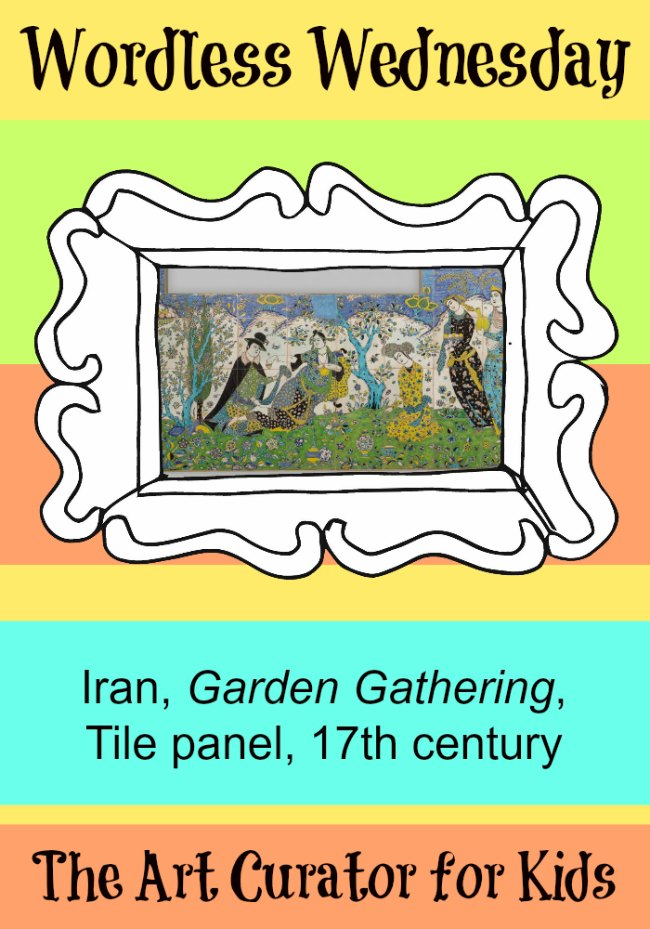
The Art Curator for Kids - Wordless Wednesday - Iran, Garden Gathering, Tile panel, first quarter 17th century
Hi, I haven’t done a Wordless Wednesday in forever! What do you think of the Wordless Wednesday series? Do you like them? Not? Tell me in the comments. I’m curious. 🙂 I like them because it gives me a chance to quickly introduce some cool art to you without the pressure of doing a lot of research and spending a lot of time on it.

Iran, Garden Gathering, Tile panel, first quarter 17th century
Iran, Garden Gathering, Tile panel, first quarter 17th century, Met Museum

This artwork is from the Met Museum in NYC, and I think it is just beautiful. I love the flowing lines, delicate patterns, and analogous color palette (not to self–add this one to the color and pattern elements and principles posts!).

This artwork goes along with two others at the Met Museum, and these three artworks came from “a palace and pavilion built by Shah ‘Abbas on the garden avenue of the Chahar Bagh at Isfahan” (source: Met Museum).
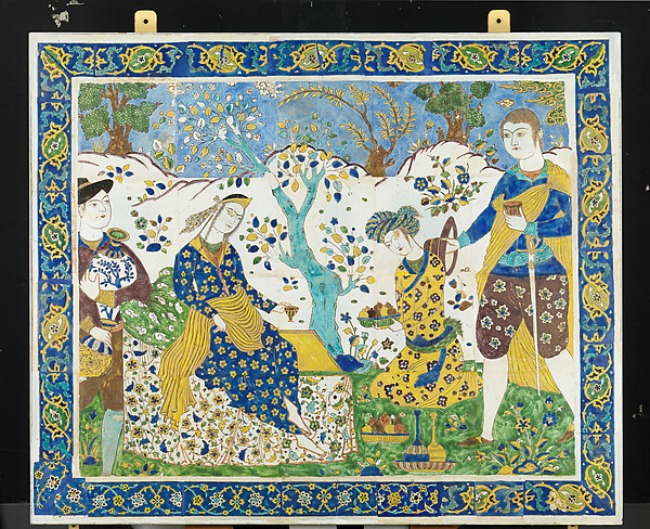
Iran, Tile panel, first quarter 17th century
Iran, Tile panel, first quarter 17th century, Met Museum
Iran, Reciting Poetry in a Garden, Tile panel, first quarter 17th century, Met Museum

You don’t often see Islamic art with people in it. I took an Islamic art class in college at The University of Texas 1,000 years ago where I learned that although we don’t see art with people in religious texts and mosques, there are many artworks and books with images of people. Even though it has people, the style of it mimics the interlacing and overlapping nature patterns and color palettes that we see in mosque architecture.

Thanks for reading! Have a great tell. Tell me what you think about this artwork and the Wordless Wednesday series in the comments. 🙂
Filed Under: Art and Artists


June 12, 2015 4 Comments

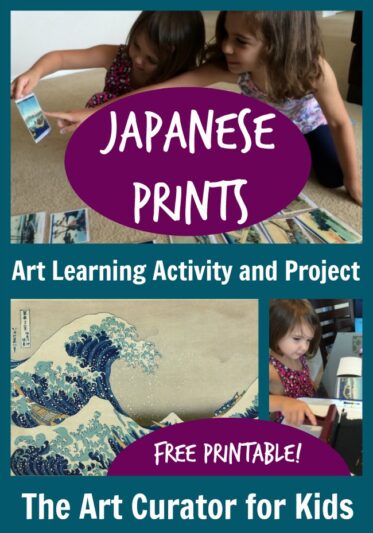
Japanese Woodblock Prints Lesson for Kids

The Art Curator for Kids - Japanese Art for Preschoolers - Mount Fuji ukiyo-e prints - Hokusai lesson for kids - Activity and Printable

A few months ago, I got an awesome Facebook message from a reader, Kim, who used one of my resources in such an excellent and creative way. I would like to share what she did with my post and printable 36 Views of Mount Fuji by Hokusai.

Kim runs a small Montessori homeschool preschool for ages 3-5. They had been studying Japan and the artist Hokusai when she came across my 36 Views of Mount Fuji post, and I love how she integrated it into their studies. I did the activity she came up with with my 3 and 5 year old last week, and it went really well!

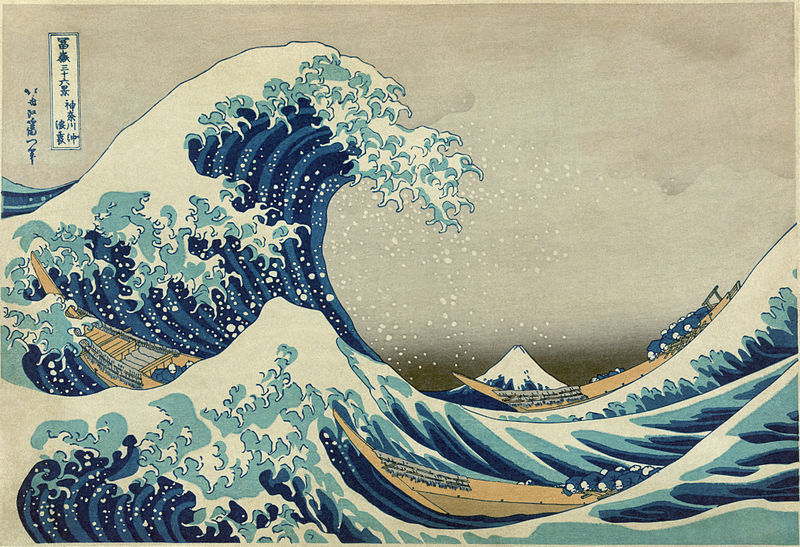
The Art Curator for Kids - Great Wave Off Kanagawa
Katsushika Hokusai, The Great Wave off Kanagawa, c. 1829-32

Although both Kim and I did this with young kids, the below lesson would work probably all the way up to upper elementary.

Please note, this post includes Amazon affiliate links. As an Amazon Associate I earn from qualifying purchases.

Japanese Woodblock Prints Lesson

1. Print the pictures from the post, and laminate if possible (optional, I got a laminator for Christmas so I laminate everything).

The Art Curator for Kids - Japanese Art for Preschoolers - Mount Fuji ukiyo-e prints - Hokusai lesson for kids

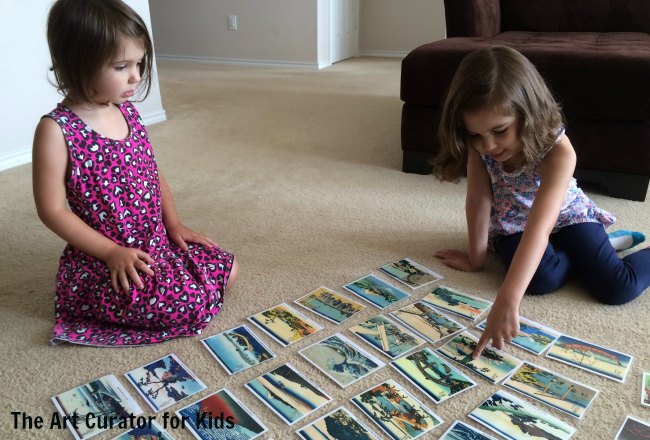
2. Lay out the cards in rows and play the “Find Mt. Fuji Game.”  Have students find Mount Fuji in all of the pictures. My girls thought this was great fun! We also looked at the real picture of Mount Fuji taken by my sister who is currently living in Japan (also in the original post). (I found all 36 to be a bit much. You could probably print only half of these and be fine.)

The Art Curator for Kids - Japanese Art for Preschoolers - Mount Fuji ukiyo-e prints - Hokusai lesson for kids2

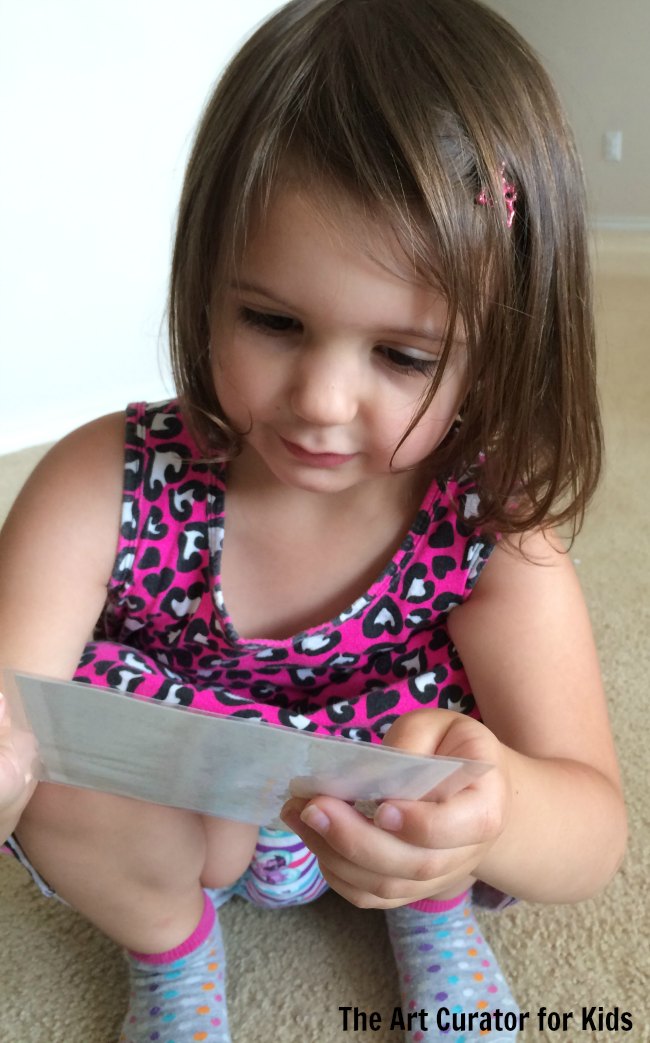
3. Lay out the cards again and have the children tell you the similarities and differences using the discussion questions from the post as a guide. Kim did this as an individual work with each child, but I did it with both of my girls at the same time having them take turns (so my 5yo wouldn’t shut out the 3yo!). Have the children notice the colors, form, peacefulness, etc. We also picked out 3-4 favorites each to take with us to the table for the rest of the activity.

The Art Curator for Kids - Japanese Art for Preschoolers - Mount Fuji ukiyo-e prints - Hokusai lesson for kids

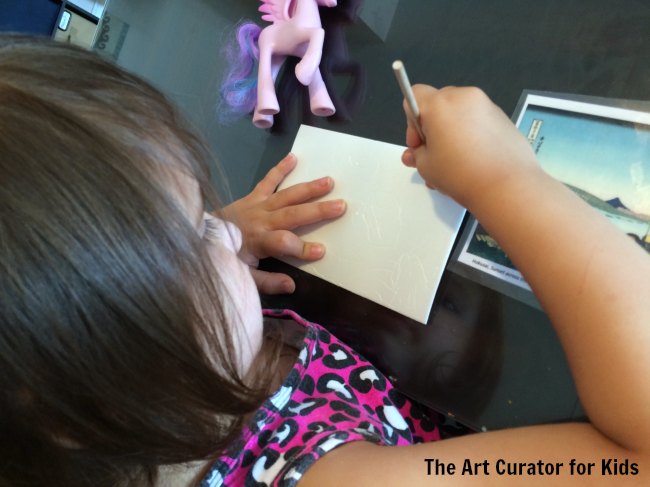
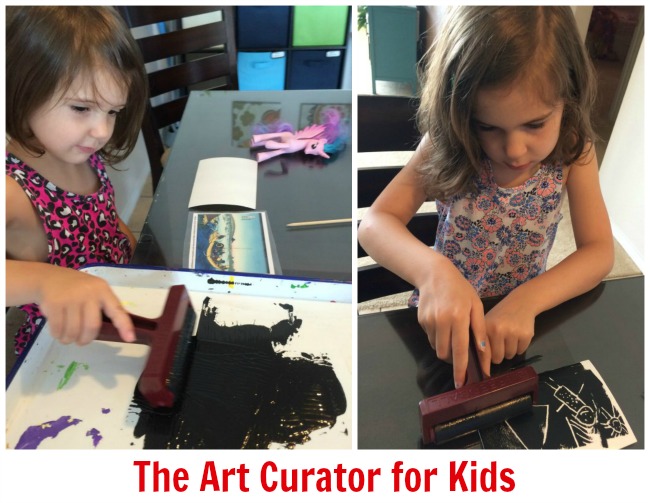
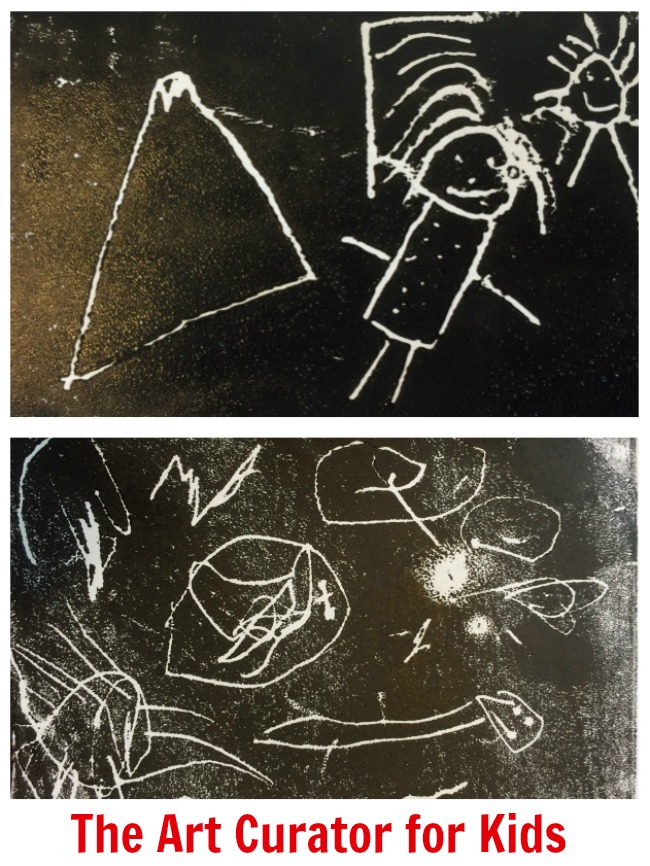
4. Give each child a styrofoam meat tray, styrofoam plate with the rim cut off, or a foam printing sheet, and have each child scratch a picture into the surface. The only requirement is that they have to include Mt. Fuji in their picture!

The Art Curator for Kids - Japanese Art for Preschoolers - Mount Fuji ukiyo-e prints - Hokusai lesson for kids

5. Make prints! Kim used ink pads in muted shades of orange, green, and blue. I used printing ink and brayers (rollers) with black printing ink. I wanted to use blue mimic the main color in the Hokusai prints, but I only had black on hand. Use tips from the “Foam Printing” section of my block printing post for help with this activity.

My daughter is currently obsessed with those collector toy videos on YouTube, so she wanted to make a video demonstrating the process. Of course, she didn’t use any of the words we talked about like printmaking and ink, but it’s adorable. 🙂
The Art Curator for Kids - Japanese Art for Preschoolers - Mount Fuji ukiyo-e prints - Student Work

This was such a fun activity for my kids and I. Thanks for the idea Kim! 🙂
Do you have a lesson based on one of my resources that you’d like to share with Art Class Curator readers? Please share in the comments or send me a message, and you might be featured on the blog!

Art History PowerPoint – Japanese Art – Hokusai’s 36 Views of Mount Fuji

Buy Now

Filed Under: Art and Artists


June 8, 2015 6 Comments

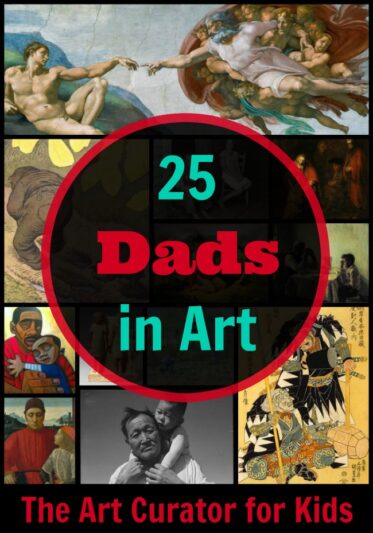
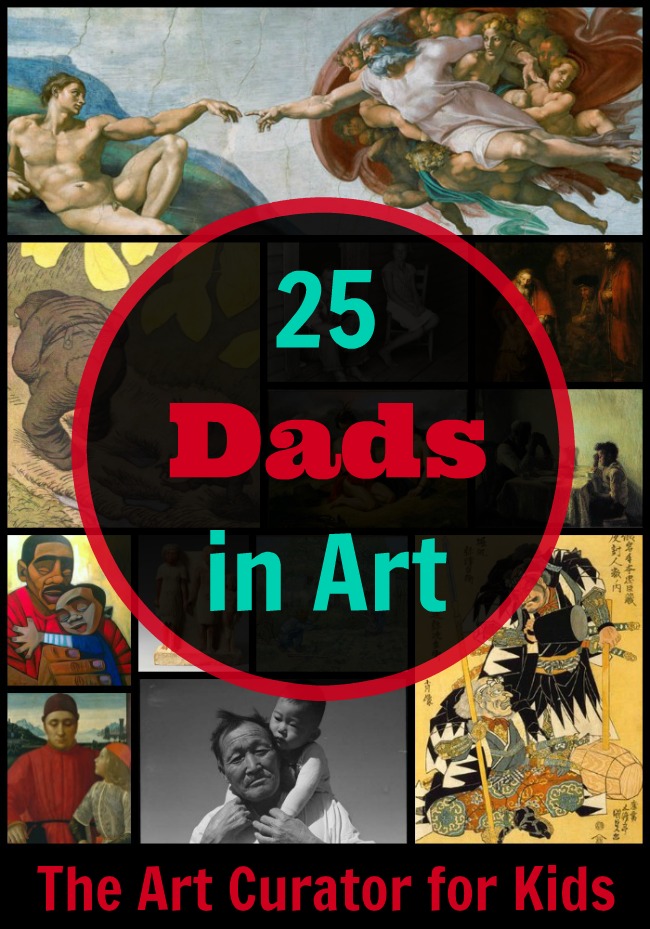
25 Views of Fathers in Art

The Art Curator for Kids - 25 Views of Fathers in Art History - Happy Father's Day!

The Art Curator for Kids - 25 Views of Fathers in Art History - Happy Father's Day!In honor of Father’s Day coming up, I’ve selected 25 artworks that show fathers in art. Enjoy!

Click on the image to view it larger.

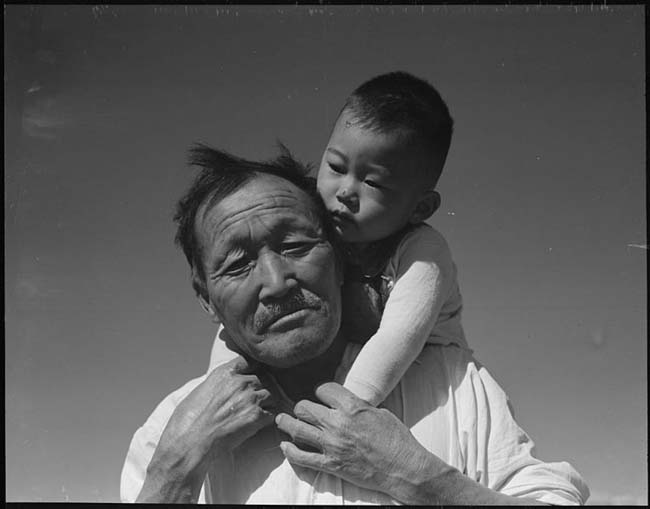
The Art Curator for Kids - Fathers in Art History - Dorothea Lange, Manzanar Relocation Center, Manzanar, California, Grandfather and grandson of Japanese ancestry, 1942
Dorothea Lange, Manzanar Relocation Center, Manzanar, California, Grandfather and grandson of Japanese ancestry, 1942

The Art Curator for Kids - Fathers in Art History - Gerard Sekoto,The Proud Father, Manakedi Naky on Bernard Sekoto's Knee, 1947
Gerard Sekoto, The Proud Father, Manakedi Naky on Bernard Sekoto’s Knee, 1947

The Art Curator for Kids - Fathers in Art History - Agnes Lawrence Pelton, Awakening (Memory of Father), 1943
Agnes Lawrence Pelton, Awakening (Memory of Father), 1943

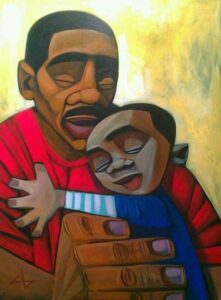
The Art Curator for Kids - Fathers in Art History - Cbabi Bayoc, 365 Days with Dad, 2012
Cbabi Bayoc, 365 Days with Dad, 2012

The Art Curator for Kids - Fathers in Art History - Utagawa Kunisada, Father and Son Members of the Forty Seven Rônin from Chûshingura
Utagawa Kunisada, Father and Son Members of the Forty Seven Rônin from Chûshingura

The Art Curator for Kids - Fathers in Art History - Honoré Daumier, The Kiss, c. 1845-48
Honoré Daumier, The Kiss, c. 1845-48

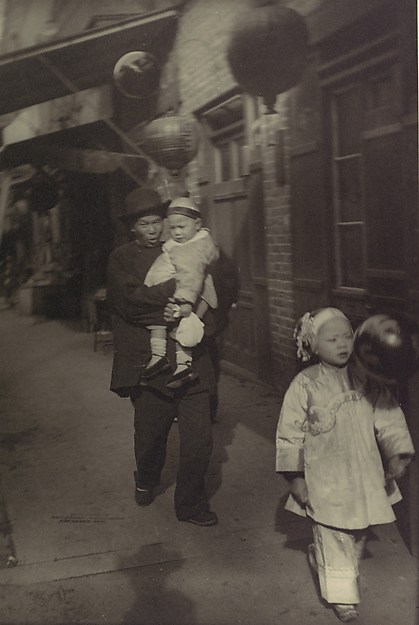
The Art Curator for Kids - Fathers in Art History - Arnold Genthe, A Holiday Visit, 1895–1908
Arnold Genthe, A Holiday Visit, 1895–1908

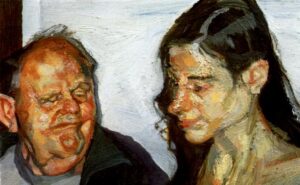
The Art Curator for Kids - Fathers in Art History - Lucian Freud, Daughter and Father, 2002
Lucian Freud, Daughter and Father, 2002

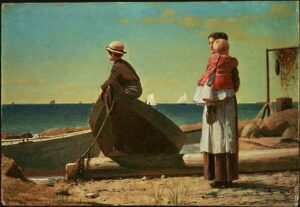
The Art Curator for Kids - Fathers in Art History - Winslow Homer, Dad's Coming, 1873
Winslow Homer, Dad’s Coming!, 1873

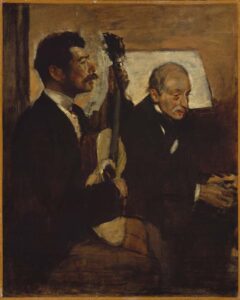
The Art Curator for Kids - Fathers in Art History - Edgar Degas, Degas' Father Listening to Lorenzo Pagans, 1869
Edgar Degas, Degas’ Father Listening to Lorenzo Pagans, 1869

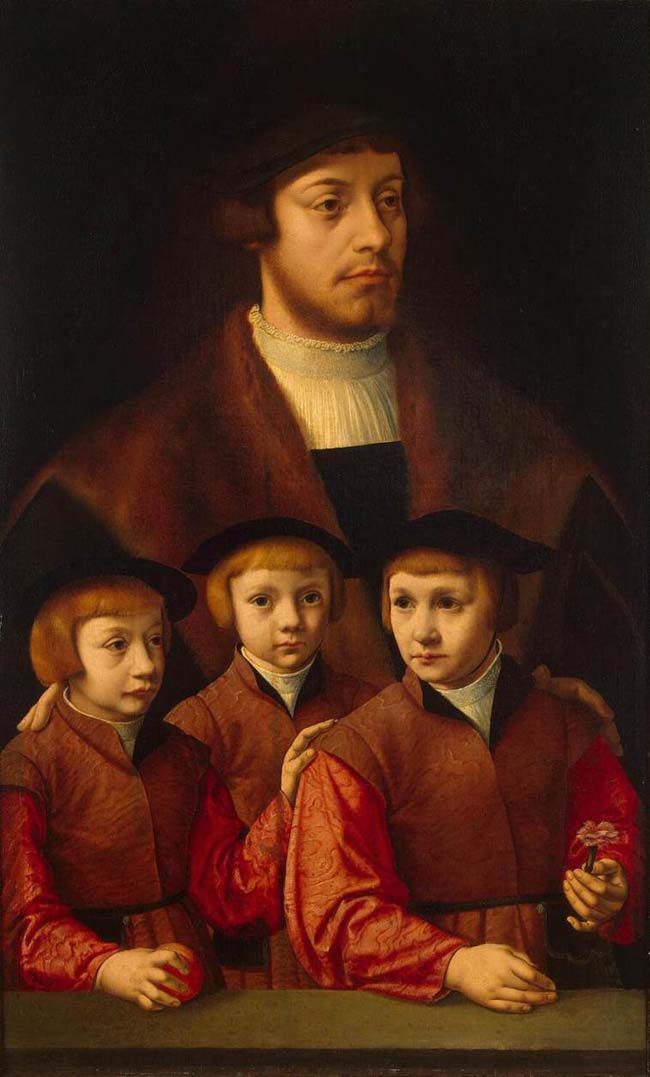
The Art Curator for Kids - Fathers in Art History - Barthel Bruyn the Elder, Portrait of a Man with Three Sons, 1530
Barthel Bruyn the Elder, Portrait of a Man with Three Sons, 1530

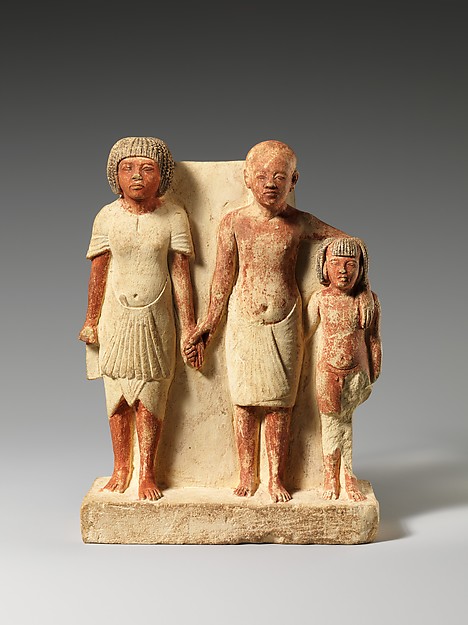
The Art Curator for Kids - Fathers in Art History - New Kingdom, Ancient Egypt, Statue of two men and a boy that served as a domestic icon, ca. 1353–1336 B.C.E.
New Kingdom, Ancient Egypt, Statue of two men and a boy that served as a domestic icon, ca. 1353–1336 B.C.E.

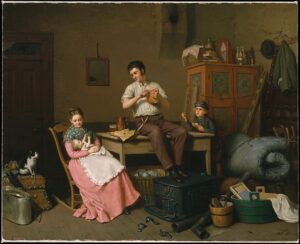
The Art Curator for Kids - Fathers in Art History - Henry Mosler, Just Moved, 1870
Henry Mosler, Just Moved, 1870

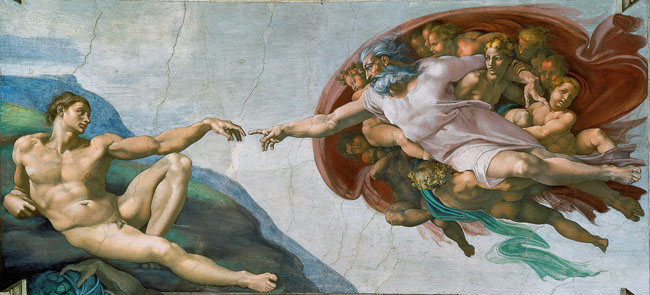
The Art Curator for Kids - Fathers in Art History - Michelangelo, The Creation of Adam, 1512
Michelangelo, The Creation of Adam, 1512

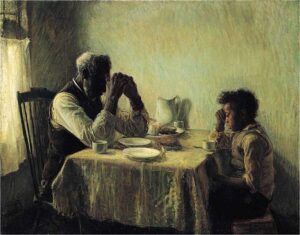
The Art Curator for Kids - Fathers in Art History - Henry Ossawa Tanner, The Thankful Poor, 1894
Henry Ossawa Tanner, The Thankful Poor, 1894

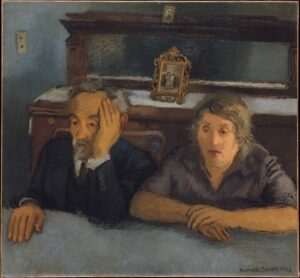
The Art Curator for Kids - Fathers in Art History - Raphael Soyer, The Artist's Parents, 1932
Raphael Soyer, The Artist’s Parents, 1932

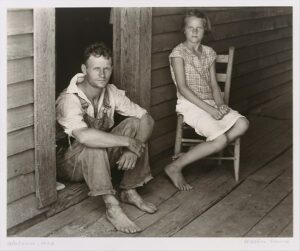
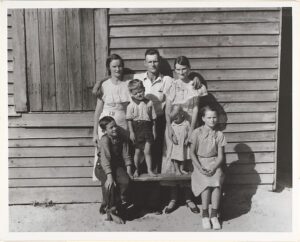
The Art Curator for Kids - Fathers in Art History - Walker Evans, Floyd and Lucille Burroughs on Porch, Hale County, Alabama, 1936
Walker Evans, Floyd and Lucille Burroughs on Porch, Hale County, Alabama, 1936

The Art Curator for Kids - Fathers in Art History - Sherrie Levine, After Walker Evans: 2, 1981
Sherrie Levine, After Walker Evans: 2, 1981

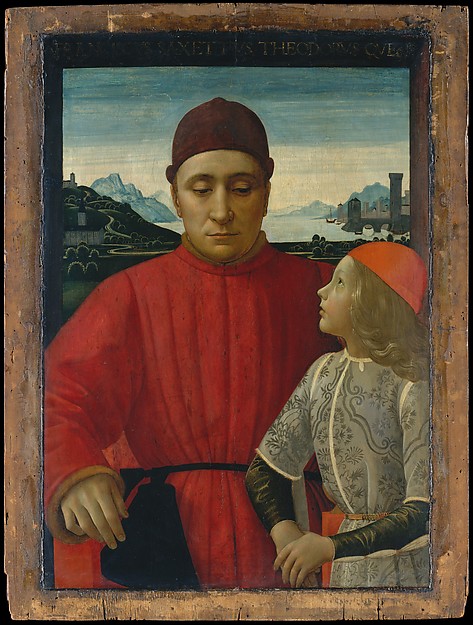
The Art Curator for Kids - Fathers in Art History - Domenico Ghirlandaio, Francesco Sassetti (1421–1490) and His Son Teodoro, ca. 1488
Domenico Ghirlandaio, Francesco Sassetti (1421–1490) and His Son Teodoro, ca. 1488

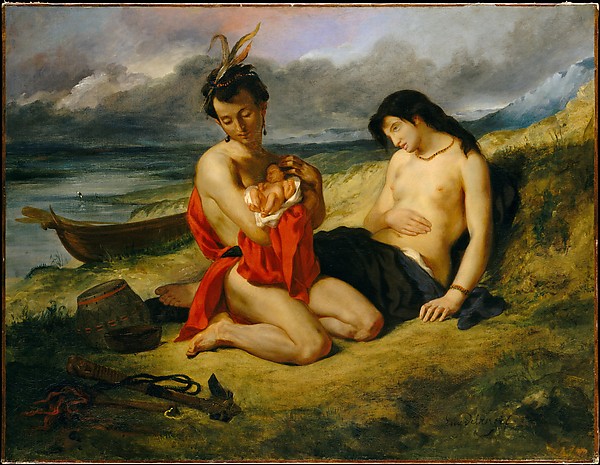
The Art Curator for Kids - Fathers in Art History - Eugène Delacroix, The Natchez, 1835
Eugène Delacroix, The Natchez, 1835

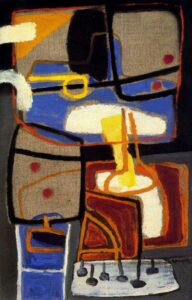
The Art Curator for Kids - Fathers in Art History - Corneille, Father and Sons, 1951
Corneille, Father and Sons, 1951

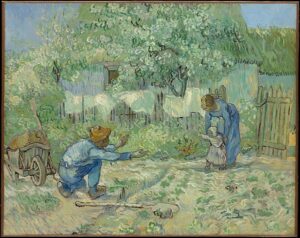
The Art Curator for Kids - Fathers in Art History - Vincent van Gogh, First Steps, after Millet, 1890
Vincent van Gogh, First Steps, after Millet, 1890

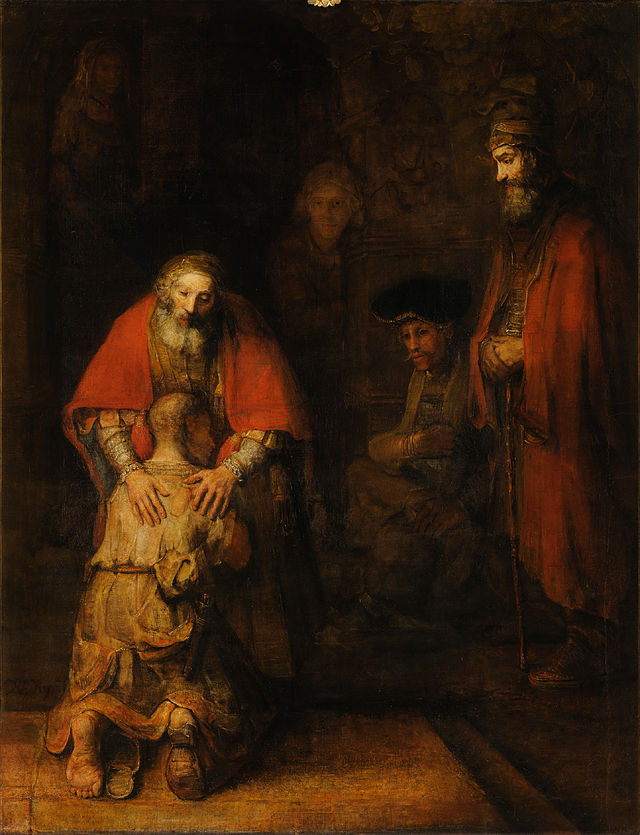
The Art Curator for Kids - Fathers in Art History - Rembrandt van Rijn, The Return of the Prodigal Son, c. 1662
Rembrandt van Rijn, The Return of the Prodigal Son, c. 1662

The Art Curator for Kids - Fathers in Art History - Miriam Schapiro, Father and Daughter, 1997
Miriam Schapiro, Father and Daughter, 1997

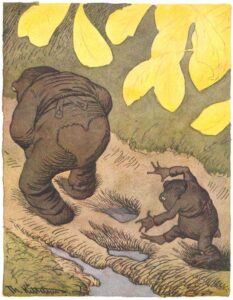
The Art Curator for Kids - Fathers in Art History - Theodor Severin Kittelsen, My Son Tred Always Follow Father's Footsteps, 1894
Theodor Severin Kittelsen, My Son Tred Always Follow Father’s Footsteps, 1894

I came upon some great links while finding art for this post. Check these links out as well for more fathers in art history. Please note, this post includes Amazon affiliate links. As an Amazon Associate I earn from qualifying purchases.

  • Dorothea Lange’s Migrant Fathers
  • Fatherhood Connection, Met Museum
  • The Art Of Fatherhood: The Best Representations Of Fathers In Art
  • Cbabi Bayoc, 365 Days with Dad Calendar

Which one was your favorite artwork from the list? Let me know in the comments!

Filed Under: Art and Artists
Tagged With: agnes lawrence pelton, arnold genthe, barthel bruyn the elder, cbabi bayoc, corneille, domenico ghirlandaio, dorothea lange, edgar degas, eugene delacroix, gerard sekoto, henry mosler, henry ossawa tanner, honore daumier, lucian freud, michelangelo, miriam schapiro, raphael soyer, rembrandt, sherrie levine, theodor severin kittelsen, utagawa kunisada, vincent van gogh, walker evans, winslow homer


May 31, 2015 1 Comment

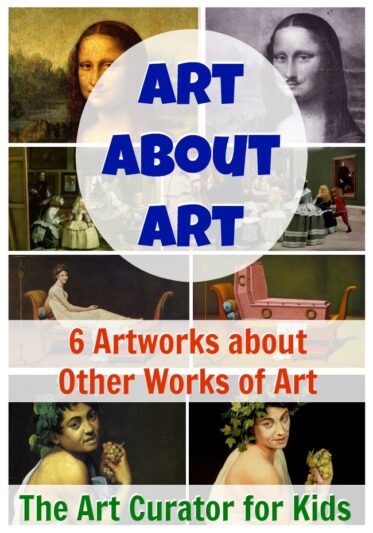
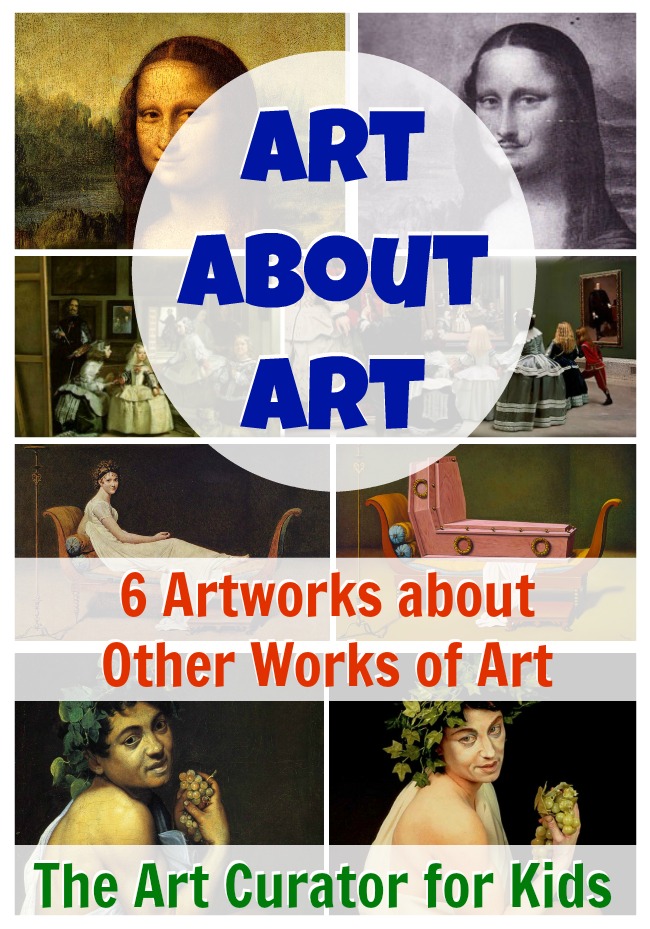
Art About Art: 6 Artworks about Other Works of Art

The Art Curator for Kids - Art About Art History - 6 Artsworks that Are About Other Works of Art - These are so much fun!

I’m a big art history nerd, so I love art that references other artworks in funny and interesting ways. Check out these 6 works of art that are about other works of art. These works add something new to the conversation and make us think about the original works of art differently. These works would be a really fun addition to your art and aesthetics lessons with your high school or college art or art history classes.

The Art Curator for Kids - Art About Art History - 6 Artsworks that Are About Other Works of Art - These are so much fun!

For more information about how to talk about art with kids, check out this post on how to look at art with kids for tips on discussion artworks. You can also use my art worksheets with these artworks.

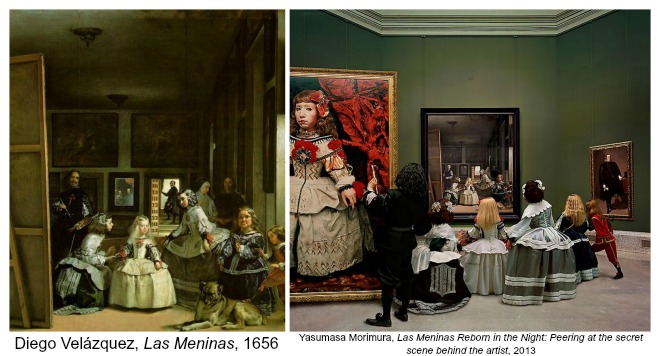
Yasumasa Morimura, Las Meninas Reborn in the Night: Las Meninas renacen de noche IV: Peering at the secret scene behind the artist, 2013

The Art Curator for Kids - Art About Art History - Las Meninas by Diego Velazquez and Yasumasa Morimura


It was close to impossible to pick just one artwork by Yasumasa Morimura! He has done dozens or more of artworks where he adds himself into artworks by Rembrandt, Frida Kahlo, Leonardo da Vinci, Vincent van Gogh, Vermeer, Salvador DalĂ­, Andy Warhol, and many more! Visit this website to see them all.

I chose this one because it shows another view of the artwork and makes us think about it in different ways. We see what the artist is painting (with the artist’s face on the girl on the painting), and we also see the painting in situ at the Prado Museum in Madrid.

He did other versions of this painting as well. He recreated it with himself as all of the characters and did one with the King and the Queen looking at the painting.

I have seen Yasumasa Morimura be referred to as the Cindy Sherman of Japan. One of Cindy Sherman’s works is down below.

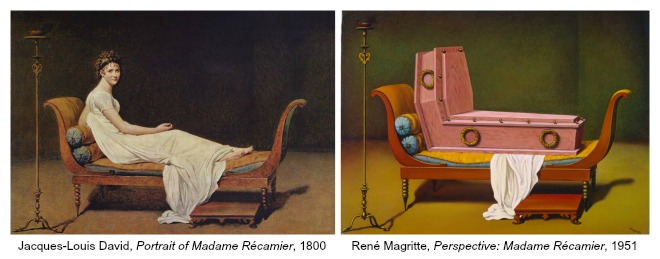
Rene Magritte, Perspective: Madame Récamier by David, 1951

The Art Curator for Kids - Art About Art History - René Magritte and Jacques-Louis David, Madame Récamier

This painting by RenĂ© Magritte always makes me chuckle. Magritte has a masterful way of making ordinary things amusing. I’m not going to say much about this one, because I’d like you and your students to ponder it on your own.

Cindy Sherman, Untitled (#224), 1990

The Art Curator for Kids - Art About Art History - Cindy Sherman, Untitled 224 and Caravaggio Young Sick Bacchus

Contemporary artist, Cindy Sherman, created a series of historical portraits where she put herself into famous portraits. Young Sick Bacchus by Caravaggio is said to be a self-portrait of the artist as the Roman god of wine, the harvest, theatre, and “ritual madness.”

You can read an interview with Cindy Sherman about the history portrait series on the art:21 website.

Aesthetics Lesson Bundle

What is art? Get your students in the mindset to THINK in art class and lead fun art discussions with this lesson bundle!

Buy Now

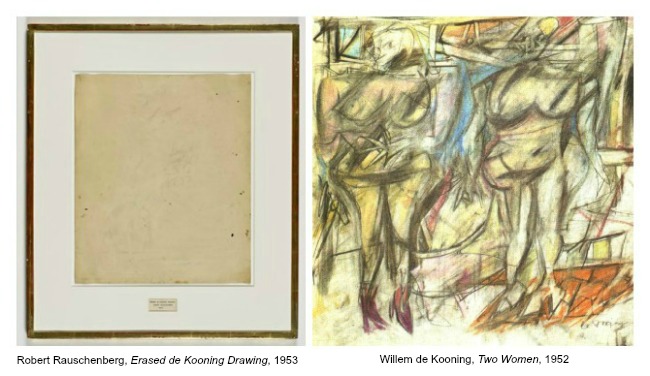
Robert Rauschenberg, Erased de Kooning Drawing, 1953

The Art Curator for Kids - Art About Art History - Erased de Kooning Drawing by Robert Rauschenberg

This artwork is the focus of another one of the Puzzles about Art aesthetics lessons I have written about on the website in the past.

Here’s the text from the activity sheet I used in my college classes about this art. The below text is from Battin, M.P., Fisher, J., Moore, R., and Silvers, A. (1989). Puzzles about art: An aesthetics casebook. New York: St. Martin’s Press.

In 1953, Robert Rauschenberg, a young though not inconsequential artist, asked Willem de Kooning (famous artist) to participate in an art project. De Kooning, who was not only older and much more established than Rauschenberg, but whose works sold for considerable sums of money, agreed to participate and gave Rauschenberg what he considered to be an important drawing which was executed in heavy crayon, grease pencil, ink, and graphite. Rauschenberg spent a month on the work, erasing it completely. Then he placed the de Kooning drawing in a gold leaf frame and hand-lettered the date and title on the drawing: Erased de Kooning Drawing, 1953. Rauschenberg had not only erased de Kooning’s work, but he had also exhibited the “erasure” as his work of art.Has Rauschenberg created a work of art, destroyed one, or perhaps both? Why?“

The de Kooning work from the picture is NOT the one he erased. I included it as an example of a de Kooning drawing so you could have an idea of what it looked it before Rauschenberg erased it.

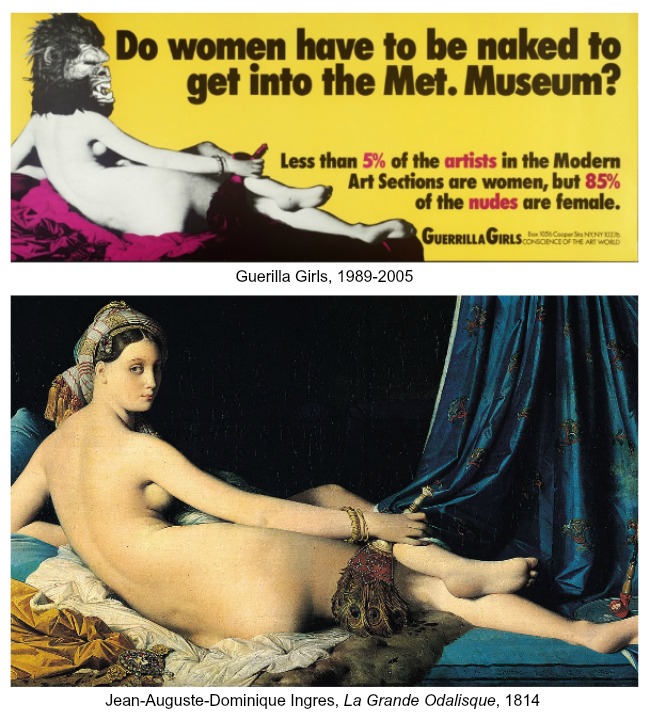
Guerilla Girls, Do Women Have to Be Naked to Get Into the Met Museum?, 1989–2005

The Art Curator for Kids - Art About Art History - Guerilla Girls and Ingres, La Grande Odalisque

This iconic Guerilla Girls work is not necessarily about Ingres’ painting, but I have included it to show where they got the image from the poster. The Guerilla Girls are an anonymous group of women dedicated to fighting sexism in the art world. They point out injustices and inequalities at museums and galleries with public art pieces, billboards, t-shirts, bumper stickers, handbills, etc. Their protest art is data-driven and often uses humor to make their point.

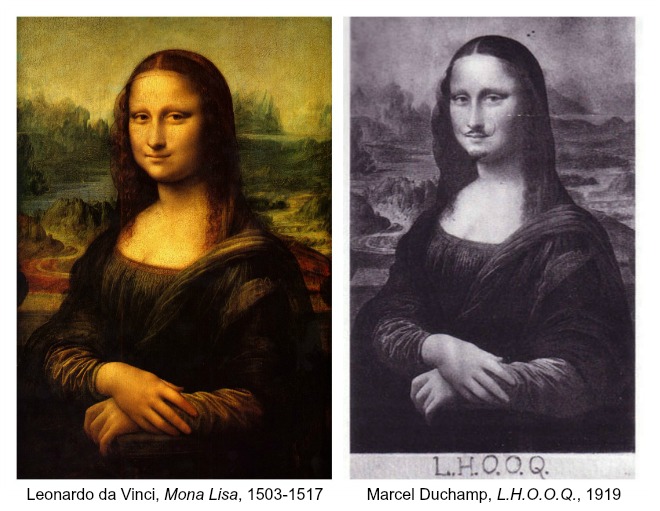
Marcel Duchamp, L.H.O.O.Q., 1919

The Art Curator for Kids - Art About Art History - Mona Lisa by da Vinci and L.H.O.O.Q. by Duchamp

Marcel Duchamp and the dada art movement questioned the idea of art. What is art? Can you take the most famous painting, make a print of it, add a mustache and a caption, and it still be a work of art? Is art about the idea or the image?

The letters are wordplay. If you say those letters in french quickly, it sounds like you are saying the equivalent of “there is fire down below.”

Thanks for visiting! Which of these do you find the most interesting? What artworks did I miss? Share your thoughts in the comments!

Get the Full Lesson!

This Lesson is in The Curated Connections Library!

Find the full lesson from this post along with hundreds of other art teaching resources and trainings in the Curated Connections Library. Click here for more information about how to join or enter your email below for a free SPARKworks lesson from the membership!

Join the List

Get the Full Lesson!

This Lesson is in The Curated Connections Library!

Find the full lesson from this post along with hundreds of other art teaching resources and trainings in the Curated Connections Library. Click here for more information about how to join or enter your email below for a free SPARKworks lesson from the membership!

Filed Under: Art and Artists
Tagged With: caravaggio, cindy sherman, diego velazquez, guerilla girls, jacques-louis david, jean-auguste-dominique ingres, rene magritte, robert rauschenberg, willem de kooning, yasumasa morimura


May 26, 2015 46 Comments

Why I Hate The Elements and Principles of Art (But teach them anyway)

About 5 years ago I was in a job interview for an elementary art position, and I told the art coordinator of the district that I hate the elements and principles of art. She was visibly shocked and needless to say, I didn’t get that job.

My website this month has been taken over by my elements and principles of art series which is in direct conflict to that statement I made to that art coordinator years ago. Why the change? Well, there isn’t that much of a change from my original position. I do still hate the elements and principles of art, but I have tweaked my position on this over the years. Let me explain.

This series has been very popular on my site and is bringing in some great traffic. I knew it would be super useful to a lot of people, but I just got wind from a fabulous art teacher that my elements and principles of art posts are adding to a bit of controversy on an art teacher group on Facebook (side note: please add me, admin, if you are reading this! I requested to join a long time ago, and it is still “pending.”). My response to her was, “I totally agree with them!”

This is a controversial subject with art teachers, so I hope you keep your opinions and comments respectful. You might disagree with me, and I’d love to hear your thoughts either way! 🙂
Why I Hate the Elements and Principles of Art

When you design a curriculum around the elements and principles of art, I believe you are doing the students a great disservice. Art is WAY MORE than just design. It’s about ideas and feelings and connections and creativity and all those wonderful things that we love. When you take all of that away and just teach zigzag lines, you are taking away all that art is and leaving nothing of value.

Another aspect that bugs me about the elements and principles of art is that they are a crutch. They are a way that art teachers can prove to math teachers that we too have “real content.” I hate nothing more than hearing an art teacher try to justify the importance of art teaching with an elements and principles argument. No, just no.

“Look! Art is real! You just don’t know! Line, Color, Rhythm! It’s a real thing! My subject is just as important as yours!”

Yes, elements and principles are real teachable content, but they are not why art is valuable. They are tools to make better compositions, but they are also tools to help make meaning. An artist doesn’t just choose to use contrast in order to make something look better. They choose to use contrast to make a statement, to make us think, to make us feel, etc.

Why I Love the Elements and Principles of Art

Well, love is a strong word. I don’t love them. I hate the elements and principles of art, yes, but I do still teach them. Here’s why.

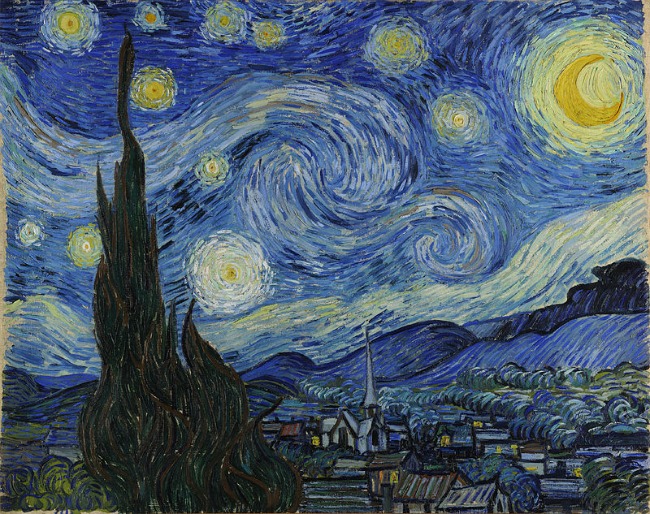
Take The Starry Night–one of the most famous paintings ever (famous is another thing I hate, but that is a story for another day). It’s amazing and beautiful, and it makes us and our students feel something when we look at it.

The Art Curator for Kids - Why I Hate the Elements and Principles - Vincent van Gogh The Starry Night
Vincent van Gogh, The Starry Night, 1889

But, why does it do those things? What choices did the artist make to us feel the way we do when we see this painting? That’s where the elements and principles come in. The artist used swirling, flowing lines, and movement that captures the feeling in my heart when I am very emotional. He used proportion in the art to make that cypress tree grab our eye and flame up and flow back into the sky so we keep looking. He used contrast to make the moon and stars pop out from the sky. Van Gogh used the elements and principles to convey how he felt, and it impacts us in powerful ways.

Our feelings when we look at art are not accidents. They are deliberate choices made by artists.

To me, the elements and principles are about visual literacy.

In our world, images bombard us daily and most of them are advertisements. People use the elements and principles to manipulate us daily, and kids need training in how to see those things. Teaching kids how to notice the choices people make when they make images help them be more informed and aware of their surroundings.

Knowing the elements and principles also helps us better appreciate and connect with works of art.

The Elements of Art and Principles of Design as a Tool

I really dislike art curricula that divides a year into 6 units with each one focusing on one of the elements or principles of art. You study line, show some examples of line, and then you do an art project where you use line. Not for me.

The Art Curator for Kids - Why I Hate the Elements and Principles - Line Projects
My Pen-and-Ink Line Projects from my 2D Design Class in College 15 years ago

But, design is a part of art too. Learning how to make choices in your art that better communicate your meaning is an important element. I do believe if you focus only on line, you could be stifling your student’s creativity, but you also can’t leave it out altogether. The elements and principles need to be taught as a tool that students use in their art just like they need to be taught about the tools of paintbrushes, drawing implements, clay tools, etc.

How I Personally Teach the Elements and Principles of Art

I primarily teach art history and art appreciation, so I may be in a different situation than you. I usually cover them all over the course of maybe 3-5 hours of lessons usually nearish to the beginning of the course/semester (depending on how long the classes are and stuff) and then hit them occasionally throughout other lessons (like covering perspective/pyramidal configuration with the Renaissance, diagonal line/value/contrast with Baroque, etc.). I also heavily include art criticism exercises in my lessons, so students are regularly picking apart artwork in my classes. Covering the elements and principles at the beginning gives students a basis for understanding and looking and trains them to keep looking.

So, there you go. That’s my full opinion on the elements of art and principles of design. What do YOU think?

Download the Free Elements and Principles Printable Pack


This pack of printables was designed to work in a variety of ways in your classroom when teaching the elements and principles of art. You can print and hang in your classroom as posters/anchor charts or you can cut each element and principle of art in its own individual card to use as a lesson manipulative.

Free Resource!

* Elements & Principles Printable Pack *

The Elements & Principles of Art are the foundation of every artwork, but teaching them can be a bore. Wake your students up and engage them with full color artworks, easy to understand definitions, and thought-provoking higher level thinking questions. This versatile resource can be hung in the classroom or used as an art manipulative.

Download

Free Resource!

* Elements & Principles Printable Pack *

The Elements & Principles of Art are the foundation of every artwork, but teaching them can be a bore. Wake your students up and engage them with full color artworks, easy to understand definitions, and thought-provoking higher level thinking questions. This versatile resource can be hung in the classroom or used as an art manipulative.

Mentioned on the Art Class Curator Podcast…

Subscribe in Your Favorite Podcast Listening App

The Art Curator for Kids -Example Artworks that Show Space - The Elements and Principles of Art Series-300The Art Curator for Kids - Example Artworks that Show Line - The Elements and Principles of Art - 300The Art Curator for Kids - Example Artworks that Show Emphasis - The Elements and Principles of Art SeriesElements and Principles of Art - Artworks that Show Proportion in art and ScaleThe Art Curator for Kids - Elements and Principles of Art Series - Artworks that Show Shape - 300The Art Curator for Kids - Why I Hate the Elements and Principles But Teach Them Anyway - 300The Art Curator for Kids - How Artists Depict Space - Masterpiece Monday - John Sloan , South Beach Bathers, 1907-1908, Art Lessons for Kids - Elements of Art Lessons

Filed Under: Elements and Principles of Art, Featured
Tagged With: best of art class curator


May 11, 2015 5 Comments

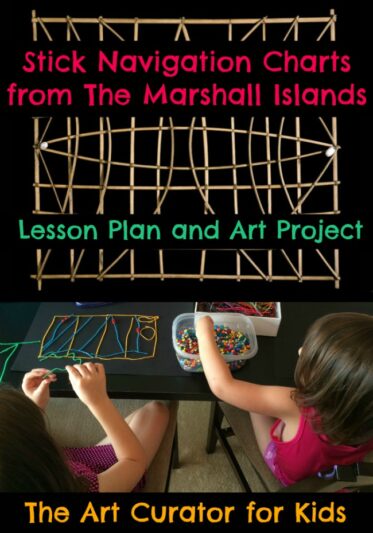
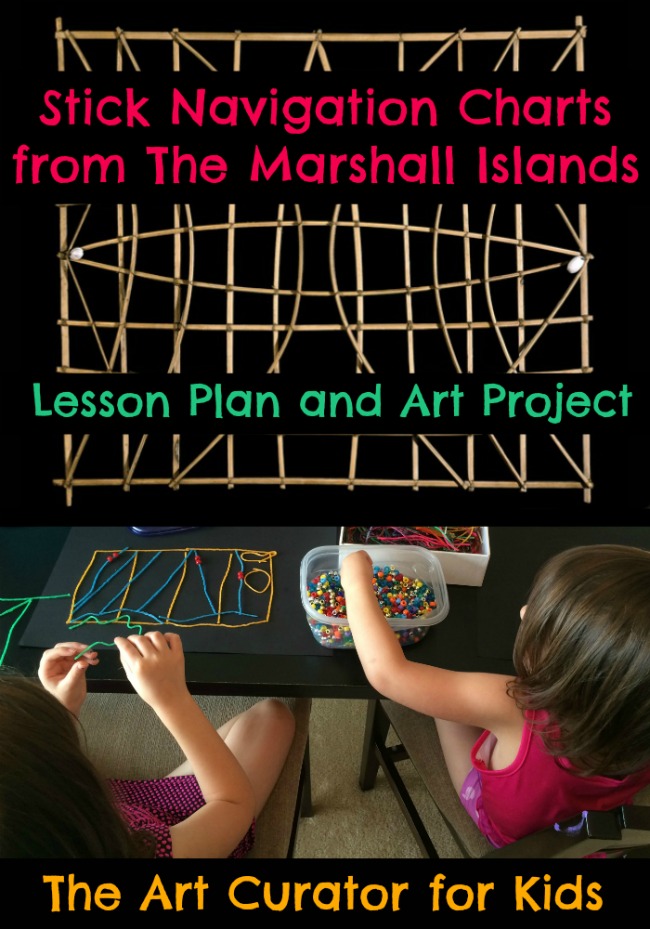
Marshall Islands Stick Chart Lesson Plan and Art Project

The Art Curator for Kids - Marshall Islands Stick Chart Lesson Plan and Art Project - Navigation Charts from Micronesia

We’re traveling today to the Marshall Islands, an island county in the Pacific ocean. The country is spread out over 1,156 individual islands near the Equator and consists of a population of over 68,000 people. You can imagine that being spread out over that many islands, you would need to develop some systems for navigating the waters and islands of the area in order to travel on the seafaring canoes built by the Marshallese.

That’s where today’s lesson comes in. I just learned about this art form recently and thought this is a perfect lesson for my 5-year-old! I would probably do this lesson with any elementary grade level. It’s great social studies and art integration.

Marshall Islands Stick Charts

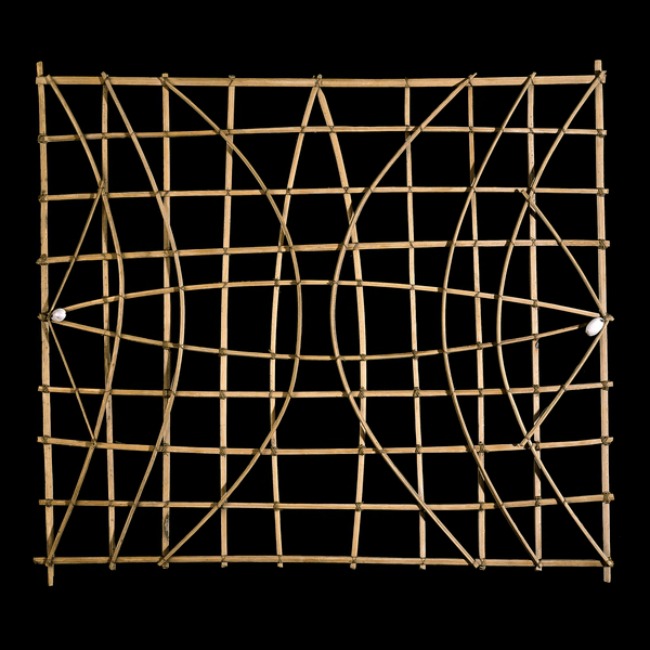
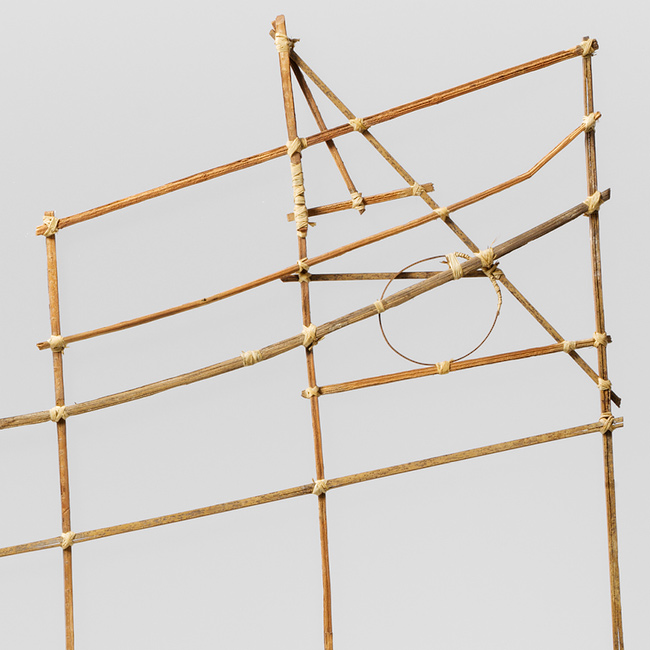
The Marshallese people once did not have the traditional mechanical devices for navigating the oceans like compasses and astrolabes. In order to navigate the ocean swell patterns, the winds, and the islands, the Marshallese developed navigation stick charts made from small seashells, wooden sticks, and various parts of a coconut. The curved lines in the Marshall Islands stick chart showed the direction and flow of the ocean waves, and shells or thick crossings of the sticks represented islands.

The Art Curator for Kids - Marshall Islands Stick Chart Lesson Plan and Project - British Museum Photo
Photo Credit: The British Museum

These charts were usually personal to the person who made them. If you didn’t make the chart, you are unlikely to be able to interpret it and use it.

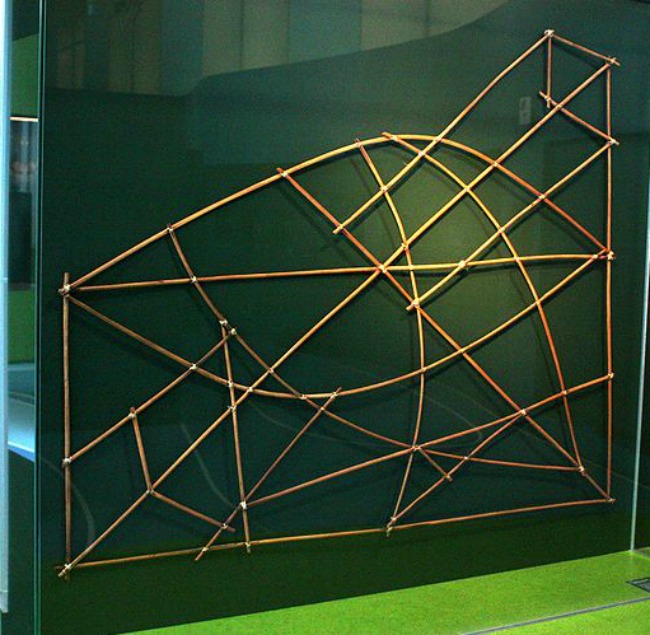
There are multiple types of charts as well: rebbelib, mattang or wappepe, and medo. You can read here about the difference between the types if you are curious.

The Art Curator for Kids - Marshall Islands Stick Chart Lesson Plan and Project - Ăśberseemuseum Bremen - Photo Credit Sterilgutassistentin
Photo Credit: Sterilgutassistentin

They generally stopped making and using these charts after World War II when more advanced technological tools were introduced to the islands.

Marshall Islands Stick Chart Lesson Plan and Project

Please note, this post includes Amazon affiliate links. As an Amazon Associate I earn from qualifying purchases.

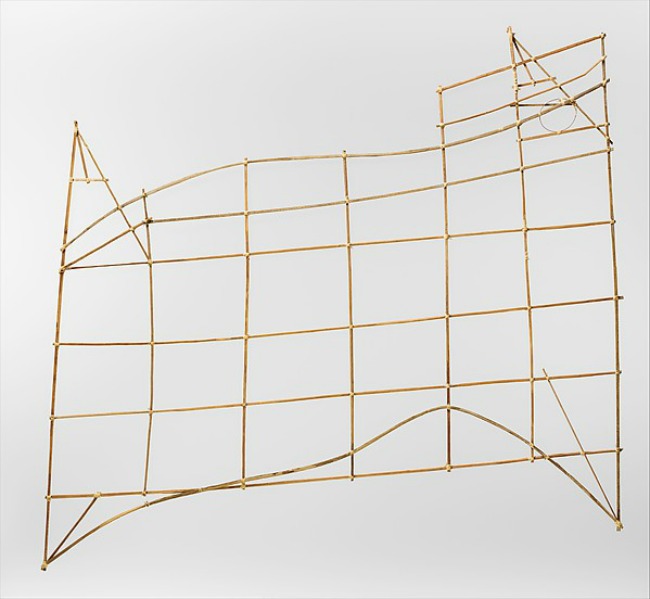
The Art Curator for Kids - Marshall Islands Stick Chart Lesson Plan and Project - Met Museum Photo
Photo Credit: The Metropolitan Museum of Art

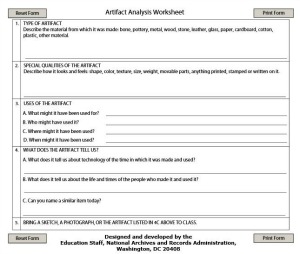
1. Show children an example of a Marshall Islands stick chart without telling them any information about it. Use the following questions as a guide. You could also use the Artifact Analysis Worksheet from the National Archives and Records Administration as a place for them to document their observations (Click the link, and then click Artifacts). This would be a great group activity in a classroom.

  • Describe the object.Artifact Analysis Worksheet Thumbnail
  • Describe the material from which this object is made.
  • Describe the lines and shapes in the object.
  • How do you think this object made?
  • How do you think this object was used? What do you see that makes you say that?
  • Who do you think used this object?
  • Why was this object made?
  • Draw the stick chart.

2. Tell the students that this is a Marshall Islands stick chart, a navigational tool for people who lived in the Pacific Islands. Ask students the following questions and discuss.

  • Now that you know that these are maps, what do you think each line and shell represent?
  • How do you think the Marshallese people used these stick charts?
  • How do these stick charts compare to the maps we use?

3. Explain to the student what the curved lines and shells represent. Discuss together how the Marshallese might have used and made these for personal use.

The Art Curator for Kids - Marshall Islands Stick Chart Lesson Plan and Project - Met Museum Photo Detail
Photo Credit: The Metropolitan Museum of Art

4. Learn more about the people from the Marshall Islands. This is where you can fit in some extra information about the Marshall Islands however you want to teach it.

The Art Curator for Kids - Marshall Islands Stick Chart Lesson Plan and Art Project - Navigation Charts from Micronesia

5. Have the students make their own stick charts using the following steps.

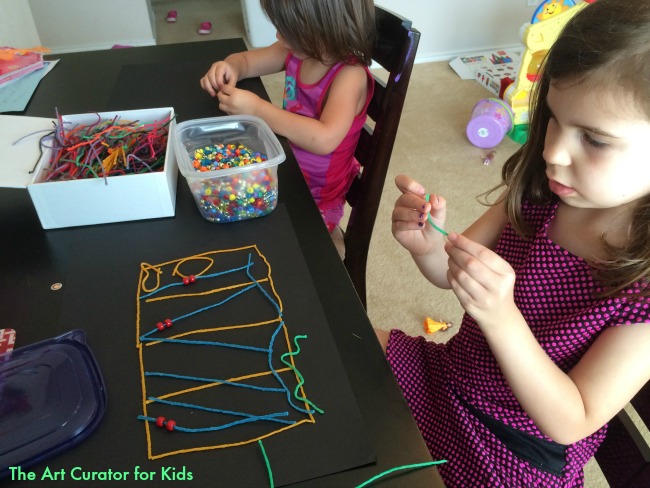
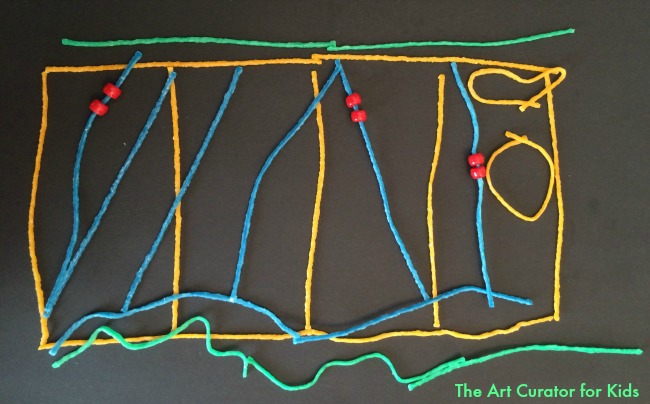
  • Discuss what they might make a map of: their house, neighborhood, school, the way the wind blows, the way the water flows in the drains/lake/ocean, etc. It was pouring rain the day we made ours! We captured the rain falling, the rain in the drains, the red brick houses, and the green grass.
  • Make a plan for the stick chart by sketching it on paper (optional, for older kids).
  • Make the stick chart using pipe cleaners or wikki stix and sea shells or pony beads. (We used wiki stix and pony beads). If you use wiki stix, it’s best to have a piece of construction paper underneath so it is easily portable.
The Art Curator for Kids - Marshall Islands Stick Chart Lesson Plan and Art Project - Navigation Charts from Micronesia

There you go! I hope you and your students enjoy this lesson! This post is a part of the Multicultural Kid Blogs Asian-Pacific American Heritage Month Blog Series and Giveaway. Scroll down for information on the series and giveaway!

Get the Full Lesson!

This Lesson is in The Curated Connections Library!

Find the full lesson from this post along with hundreds of other art teaching resources and trainings in the Curated Connections Library. Click here for more information about how to join or enter your email below for a free SPARKworks lesson from the membership!

Join the List

Get the Full Lesson!

This Lesson is in The Curated Connections Library!

Find the full lesson from this post along with hundreds of other art teaching resources and trainings in the Curated Connections Library. Click here for more information about how to join or enter your email below for a free SPARKworks lesson from the membership!

Sources:

  • The British Museum, accessed 5/9/2015
  • Wikipedia, accessed 5/9/2015
  • The Nonist, accessed 5/9/2015

Filed Under: Art and Artists


May 4, 2015 5 Comments

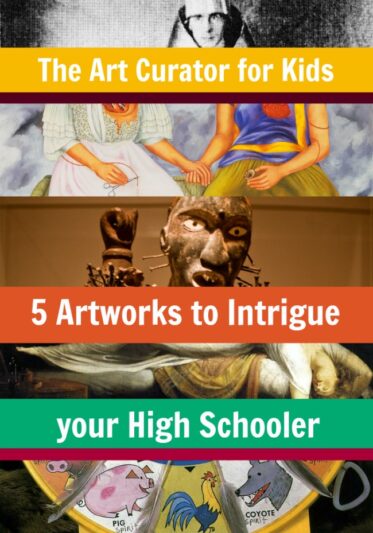
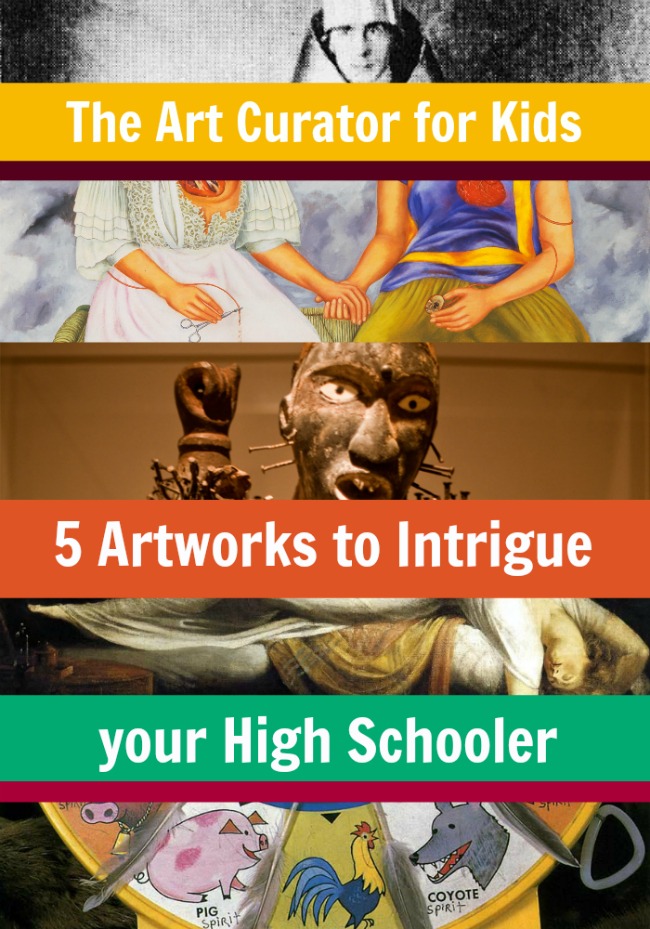
5 Artworks to Intrigue Your High Schooler

The Art Curator for Kids - 5 Artworks to Intrigue your High Schooler

Welcome back to my series where I curate groups of paintings around themes for use with your students. Each post, I will pick 5 artworks that you could start discussing today in your homeschool or classroom.

Also, check out this post on how to look at art with kids for tips on discussion artworks.

Note about the images in this series: Because of copyright law, I cannot include pictures of all the works discussed. Instead, I have included low-quality thumbnails for reference and commentary. For full versions of those works protected under the law, please click the link or picture to find the image. I couldn’t bear leaving them off the list just because I couldn’t post a pic! Also, click on the pictures to get a bigger copy to see all the details.

Free Poster

What Do Kids Learn from Looking at Art Poster

Our students learn so much from looking at art. Use this poster in your classroom to remind them of all the skills they’re growing!

Download

Free Poster

What Do Kids Learn from Looking at Art Poster

Our students learn so much from looking at art. Use this poster in your classroom to remind them of all the skills they’re growing!

In this post, I selected artworks good for all ages. This time, I am focused on captivating the older set. I picked some works that are interesting, quirky, and sure to capture the imagination of your high school students. Let’s get started!

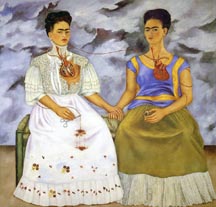
1. Frida Kahlo, The Two Fridas, 1939


The Two Fridas, as well as much of the work of Frida Kahlo, is a great painting on which to practice your art interpretation skills. Her paintings are so personal, so real, and so cool. I don’t want you to read anything below until you have clicked the link and looked at the painting on your own (the same goes for your high schooler). Go through these discussion questions and think about it first. Promise?

Frida Kahlo, Two Fridas, 1939, click image to enlarge
Questions to ask: What’s going on in this painting? What do you see that makes you say that? Who are these women? What is their relationship? How are they dressed? Why are they dressed that way? How are the two women the same? How are they different? What is different about the hearts? What do you think that means? What is she holding (see the close-up shots in the link provided)? Why is she holding that? Why is she using scissors? What do the blood, veins, and heart symbolize? What emotions are present in this artwork? What do you see that makes you say that? How does her use of color contribute to the feeling of the painting? What do you think this artist is trying to say here; what is the meaning or message?

I’m hesitant to give you any information about this because your ideas are just as important as the “real meaning.” I’ll give you a bit to whet your appetite. Did you keep your promise and look/think first? I’m trusting you. Okay, this painting shows two elements of the artist and her mixed ancestry. One side displays her father’s German-Jewish descent, and the other side illustrates her mother’s Mexican roots. The real story shows her tumultuous relationship with the famous Mexican muralist, Diego Rivera. This link has a great roll-over activity showing key elements of the painting and highlights some of the elements of her relationship with Diego.

2. John Feodorov, Animal Spirit Channeling Device for the Contemporary Shaman, 1997


I hate linking to an “unofficial” source, but this link has the full image. I’m not sure why it is cropped in all the official sources.

John Feodorov, Animal Spirit Channeling Device for the Contemporary Shaman, 1997
Questions to ask: What is this? Describe what you see. What elements do you recognize? What to the feathers, bells, and animal fur remind you of? Why? What is the artist saying by putting those objects with a child’s toy? What is the meaning or message? What does the artwork say about contemporary culture? How does the title contribute to your understanding of the meaning?


Remember, your interpretation is just as valid as mine or the artists. Hopefully, when you ask your child about the feathers, bells, fur, and “shaman” in the title, they are reminded of American Indians, but if they don’t get there on their own, you might consider nudging them in that direction. This artwork has lots of connections to mass production in contemporary culture, convenience replacing meaning, cultural assimilation, etc.

This is what the artist had to say about it.

“Western culture likes to castrate the powerful, maybe because it doesn’t want to be less powerful than something else, that maybe it has to bring everything down to a level where…well, maybe it’s capitalism really, to where it’s a product, to where it’s something that can be controlled by purchase, controlled by owning it and by owning, even in art.”
– John Feodorov (source)

3. Nkisi Nkondi power figures made by the Kongo people of Western Africa

Nkisi Nkondi, Congo, c. 1880-1920
Nkisi Nkondi, Congo, c. 1880-1920, Carnegie Museum of Art, Pittsburgh, PA

Oh, the emotions of an adolescent! Sometimes you need to take a nail and hammer the crap out of it to get your feelings out. That’s kind of what’s happening here.

Questions to ask: Describe this sculpture including the facial expressions and pose. Mimic the facial expression and pose with your body. How does it feel? What emotions are present (both the emotion projected and the emotion of you, the viewer)? What is the significance of the opening in the stomach and the open mouth? What is the purpose of all of the nails in the sculpture? What do you see that makes you say that? Were the nails placed in by the artist or someone else? Why do you think that? Were the nails placed all at the same time or over a period of time? How do you think this sculpture was used by the people who made it? What was its function? Was this intended to be a work of art or not? Why do you think that?


The word nkondi comes from the word “to hunt.” The nkondi is a hunter–hunting down and attacking wrong-doers and enemies (wikipedia). This type of sculpture was used as a healer, protector, hunter, and provider of justice for the Kongo people. There were often holes in the stomach and mouth where medicine bundles were placed to give the sculpture its power. The nails hammered into the sculpture activate the powers and send the sculpture to perform his duty. Mirrors often covered the stomach hole and eyes to connect to a spiritual realm and provide a window to spy on the wrong-doers.

Check out this link for more great information about this type of sculpture. There are many many more sculptures like this. A Google image search for nkisi nkondi will give you lots of choices. Try compare and contrasting the works together for another great looking exercise.

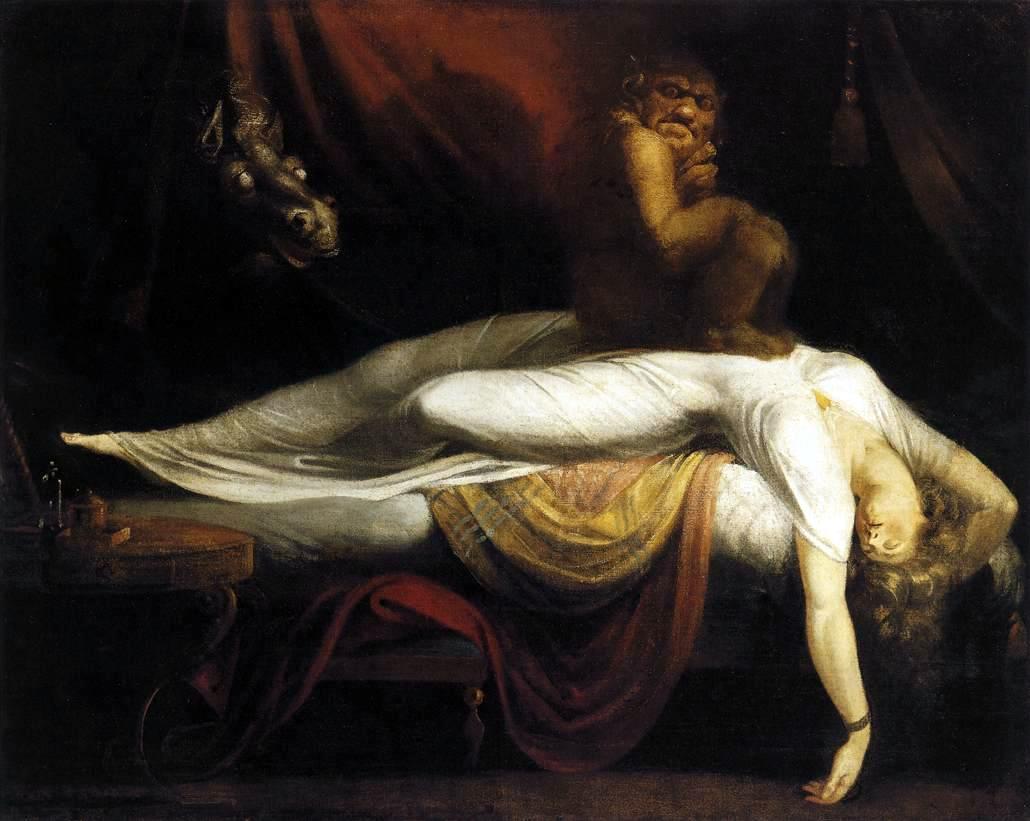
4. Henry Fuseli, The Nightmare, 1781

Honestly, I’m not sure this needs any explanation at all. It’s just one of those artworks that always gets a “whoa!” reaction from anyone who sees it. I’m going to let you think about how to talk about this one on our own with your students. Share initial reactions, theorize about the meaning, and discuss the choices the artist made to intensify the meaning.

Henry Fuseli, The Nightmare, 1781, Detroit Institute of Arts


This painting is from the Romantic period in the art of the late 18th century and early 19th centuries. Don’t be fooled by the name, this art period is not about love and kisses and roses. Romantic artists were out to shock and engage the viewer with powerful imagery and emotions, explore elements of the subconscious, connect with other art forms (especially literature), captivate with exotic tales and locations, and mesmerize with the awe and power of nature. This painting sums all that up in one quirky and disturbingly delicious package; don’t you think?

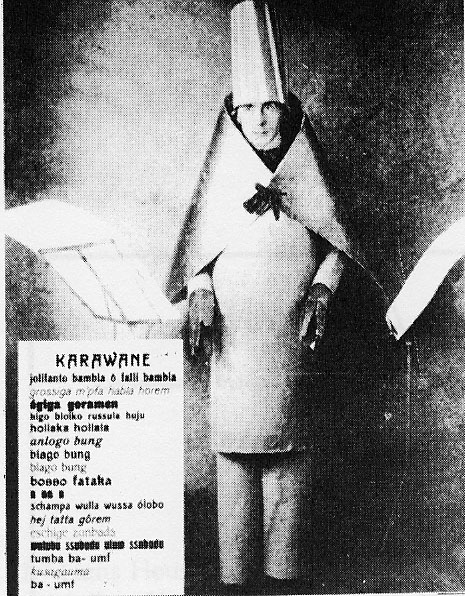
5. Hugo Ball’s Sound Poetry, Karawane, 1916

Hugo Ball in cubist costume performing Karawane, 1916
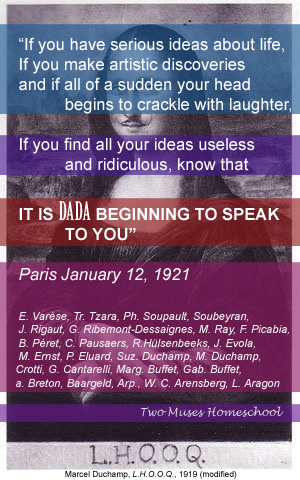
“If you have serious ideas about life, If you make artistic discoveries and if all of a sudden your head begins to crackle with laughter, If you find all your ideas useless and ridiculous, know that IT IS DADA BEGINNING TO SPEAK TO YOU” Paris January 12, 1921 E. Varèse, Tr. Tzara, Ph. Soupault, Soubeyran, J. Rigaut, G. Ribemont-Dessaignes, M. Ray, F. Picabia, B. Péret, C. Pausaers, R.Hülsenbeeks, J. Evola, M. Ernst, P. Eluard, Suz. Duchamp, M. Duchamp, Crotti, G. Cantarelli, Marg. Buffet, Gab. Buffet, a. Breton, Baargeld, Arp., W. C. Arensberg, L. Aragon

This is Hugo Ball. He was a mover and a shaker in a short-lived art movement in the early 20th century called dada. Rumor has it they picked a random word out of the dictionary to name their group (check out the manifestos linked below for more info about what dada means. Spoiler alert: “DADA DOES NOT MEAN ANYTHING”). While the movement was short and seemingly silly, it began as a reaction against the horrors of World War I. They valued whimsy, irrationality, shock value, and spontaneity to counteract the serious undertones and themes of politics, war, media, language, civil rights, and technology. These artists tested the limits of art by integrating visual art, public gatherings and demonstrations, theatre, poetry, and even just pure sounds. That’s what is happening here with Hugo Ball’s Karawane. He put on this awesome costume and read his poem of nonsensical sounds and words in a cafe. I can’t find a recording of him doing it, but poets.org has a great audio recording of someone giving it a go.

Where do you begin talking about this one with your students? Let them take the lead. They probably are more comfortable with the silly of this than you are. In the past, I’ve made my college students create dada performances in class inspired by the Dada Manifesto by Tristan Tzara and the Dada Manifesto by Hugo Ball. It is great, creative fun. Your high schooler will kind of hate you for making you do it, but it’s fun to torture them a little sometimes; am I right?


Side note:
Although it started as an anti-war movement in Europe, once it hit America it became more about anti-art and questioning the value and purpose of art. Check out this “Ready-made” (That’s a fancy way of saying urinal.) by Marcel Duchamp to see where that went. Is art the idea, or is art the final product?

Dada. Dada, dada. Da. Da.

Thanks for reading! See more art-related posts on Art Class Curator. Which of these artworks did you like the most? Let me know in the comments if you tried out any of these artworks with your kids! What other artworks intrigue your older kids?

Get the Full Lesson!

This Lesson is in The Curated Connections Library!

Find the full lesson from this post along with hundreds of other art teaching resources and trainings in the Curated Connections Library. Click here for more information about how to join or enter your email below for a free SPARKworks lesson from the membership!

Join the List

Get the Full Lesson!

This Lesson is in The Curated Connections Library!

Find the full lesson from this post along with hundreds of other art teaching resources and trainings in the Curated Connections Library. Click here for more information about how to join or enter your email below for a free SPARKworks lesson from the membership!

This was originally posted on April 14, 2014.

Filed Under: Art and Artists
Tagged With: frida kahlo, henry fuseli, hugo ball, john feodorov, marcel duchamp


April 21, 2015 6 Comments

Fate of the Animals by Franz Marc

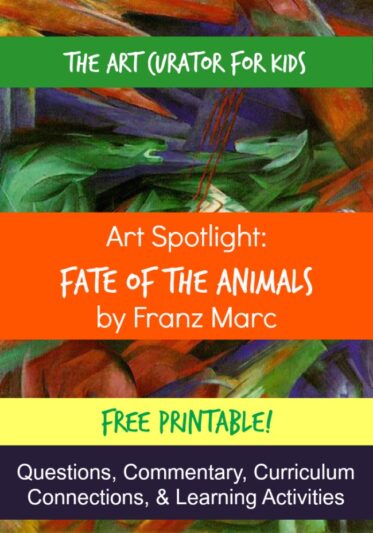
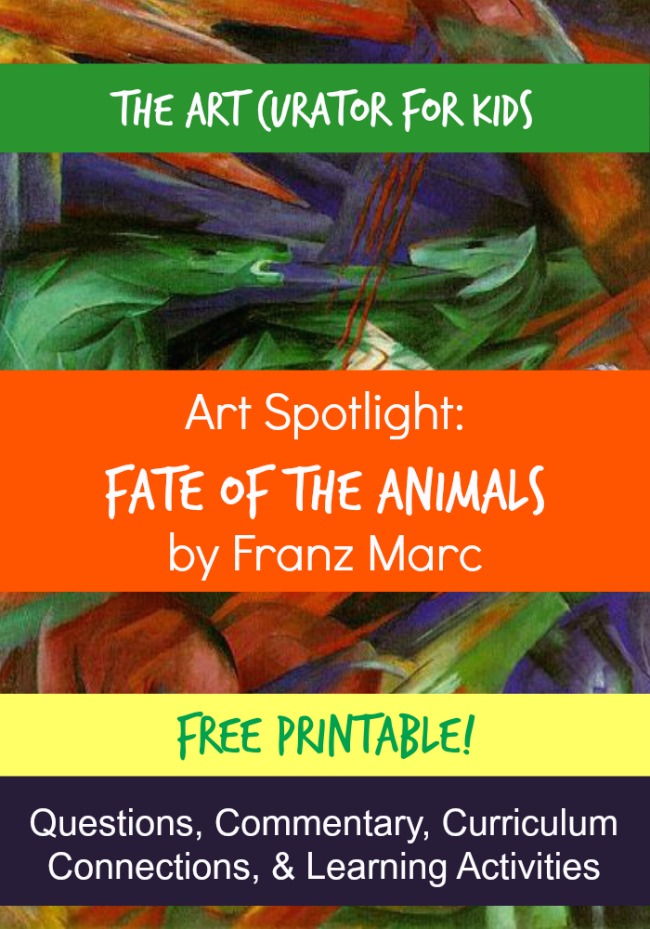
The Art Curator for Kids - Art Spotlight - Discussion Questions, Learning Activities, Art Education, Franz Marc, Fate of the Animals

Today’s artwork is one that has really captured my attention over the last year–Franz Marc Fate of the Animals. I’m not sure why I never really noticed it before, but ever since I had to write a lesson on German Expressionism last year, I can’t get this one out of my head. This powerful and jarring artwork created just before World War I is perfect for art analysis, creative writing, and teaching history with art.

The Art Curator for Kids - Art Spotlight - Discussion Questions, Learning Activities, Art Education, Franz Marc, Fate of the Animals
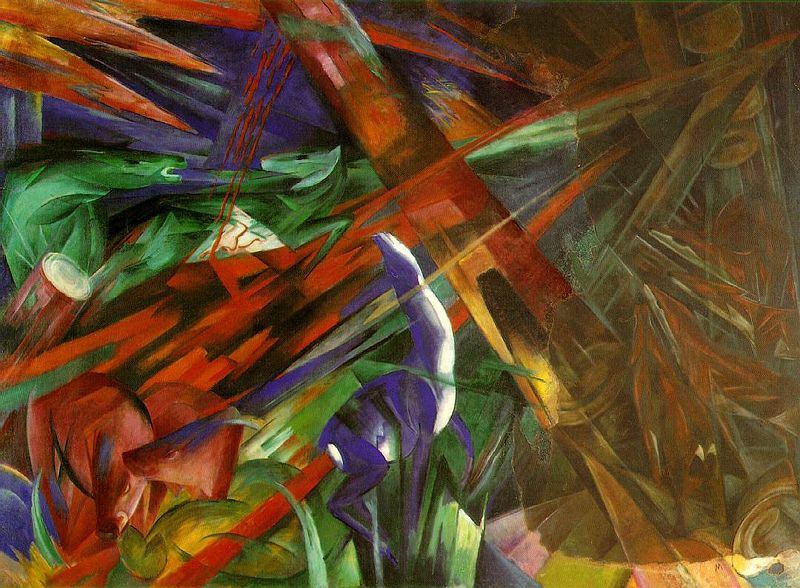
Franz Marc, The Fate of the Animals, 1913
Franz Marc, Fate of the Animals, 1913

As always, use these tips for how to look at art with kids. Always let them look and think about it before you give them any information!

Recommended Age: I think you could discuss this with upper elementary and older, but the learning activities included are best for upper middle school and high school students.

Fate of the Animals Discussion Questions

  • What is going on in this painting? What do you see that makes you say that?
  • What animals do you see? What is happening to them?
  • What emotions do you feel when looking at this painting? What emotions do you think the artist was feeling?
  • Describe the lines and colors in this painting. How do the colors and lines contribute to the emotion?
  • How is the left side different from the right? Why do you think the artist did that? (Side note: I believe the dark brown on the left was from fire damage, but you can also discuss it as part of the meaning. You’re the boss.)
  • What is the story being told?
  • What do you think the artist was trying to say?
  • On the back of this painting, the artist wrote, “Und Alles Sein ist flammend Leid” (“And all being is flaming agony”). How does this quotation contribute to the meaning you understood from this painting?
What Makes Art Good? A Lesson and Explanation of Art Theories

Free Resource!

Fate of the Animals Free Resource

This free lesson plan includes a look at the elements and principles used in ‘Fate of the Animals’ plus essential questions for a classroom discussion of the artwork.

Download

Free Resource!

Fate of the Animals Free Resource

This free lesson plan includes a look at the elements and principles used in ‘Fate of the Animals’ plus essential questions for a classroom discussion of the artwork.

Franz Marc Fate of the Animals Commentary

Fate of the Animals was painted just a year before the beginning of World War I. The jarring and intensely bright colors, the enormous size (77 x 105 inches), and the disturbing imagery of animals ripped apart and in pain mimic the uneasiness in Europe at this time. Although this painting was not created specifically about war, Franz Marc (the artist) himself wrote a letter from the war to his wife that said “[it] is like a premonition of this war—horrible and shattering. I can hardly conceive that I painted it.” To me, a figure in the top left seems to be the aggressor–perhaps a man or a machine–that destroys the trees and animals of the forest.

Whether it is about industrialization and the destruction of the forest or about the impending war, it is hard to separate Fate of the Animals from its sad story. The artist died fighting in the war and so did the art movement he helped found, Der Blaue Reiter. It is so sad that we will never know truly how Marc was impacted or what kind of art he would have made in response to his experience on the battlefield.

Curriculum Connections

History. Fate of the Animals is a great choice for studying World War I and the change from the peaceful and prosperous La Belle Époque to the devastation of The Great War. This painting allows you to connect with the emotions of war and how people felt during this time.

Learning Activities

1. Poetry. This painting is perfect for a poetry-writing exercise. It’s full of raw emotion and imagery which gives students a lot of opportunities to get creative with their writing. I have a post coming about poetry and art.

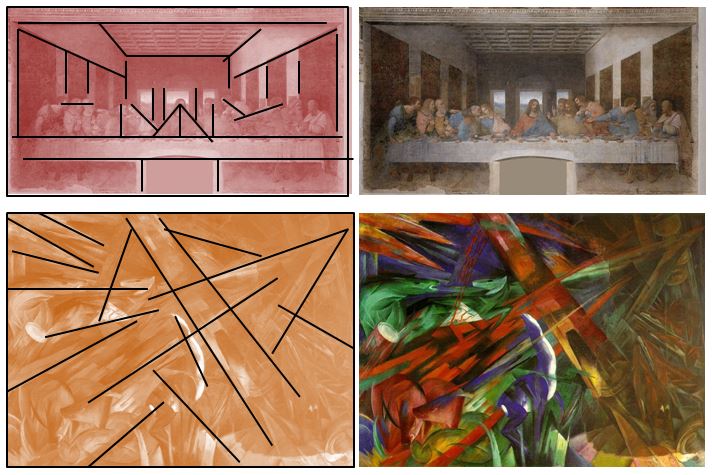
2. Composition Mapping / Formal Analysis. Fate of the Animals has a very strong use of diagonal lines which add to the energy and excitement of the picture. To help teach your students how to use lines to convey mood, have them trace the main directional lines of the painting on Fate of the Animals and another work with a lot of horizontal and vertical lines like The Last Supper by Leonardo da Vinci. There are a few ways to do this. You can print the image and place a transparency over it. Trace the main directional lines and then remove the artwork to just look at the lines. You could do the same using PowerPoint or Photoshop as well. Or you could use this image I made below.

Comparison of Lines in The Last Supper by da Vinci and Fate of the Animals by Franz Marc

This page from the Getty Museum is a great site to get started with formal analysis in art.

3. Write a Letter. Read above about how Franz Marc wrote a letter about this painting to his wife from the battlefields. Have your student write a letter from the battlefields explaining war. Or, have the student write a letter to Franz Marc asking him questions about his painting.

Related Resources*

  • More Works by and Information about Franz Marc on the Artchive
  • Understanding Formal Analysis, by the J. Paul Getty Museum
  • Art Print of this Painting
  • The Artist Who Painted a Blue Horse — Eric Carle book about this artist for the younger set.
  • Book about Franz Marc — These Taschen artist books are great. They are thin and inexpensive with big pictures. I don’t have this one, but I have several others.

What do you think of Fate of the Animals? Is there an artwork you love that you’d like for me to cover in this series? Let me know in the comments!

Get the Full Lesson!

This Lesson is in The Curated Connections Library!

Find the full lesson from this post along with hundreds of other art teaching resources and trainings in the Curated Connections Library. Click here for more information about how to join or enter your email below for a free SPARKworks lesson from the membership!

Join the List

Get the Full Lesson!

This Lesson is in The Curated Connections Library!

Find the full lesson from this post along with hundreds of other art teaching resources and trainings in the Curated Connections Library. Click here for more information about how to join or enter your email below for a free SPARKworks lesson from the membership!


This post was originally posted on April 28, 2014.

Filed Under: Art and Artists, Downloads and Resources
Tagged With: franz marc


April 17, 2015 7 Comments

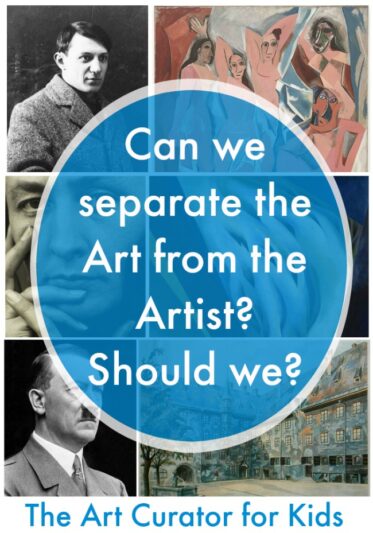
The Lives of the Artists: Can we separate art and artist?

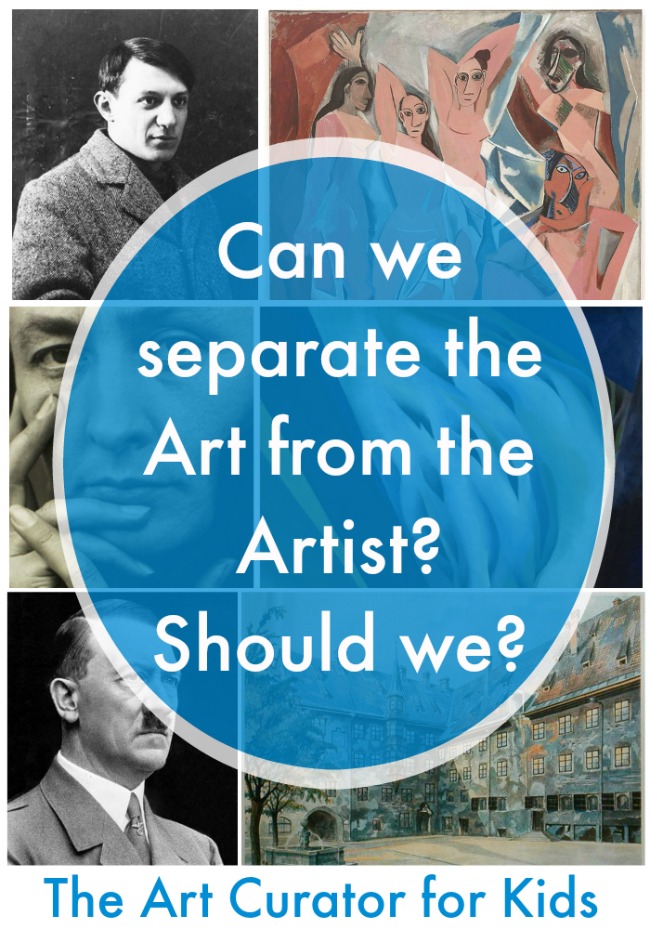
The Art Curator for Kids - The Lives of the Artists - Can we separate the art from the artists? Should we?

The Art Curator for Kids - The Lives of the Artists - Can we separate the art from the artists? Should we?
I used to have a coworker who HATED Picasso. He was a womanizer she said, but I argued that it doesn’t matter. Picasso is a genius who changed art in so many incredible ways.

The Art Curator for Kids - The Lives of the Artists - Pablo Picasso

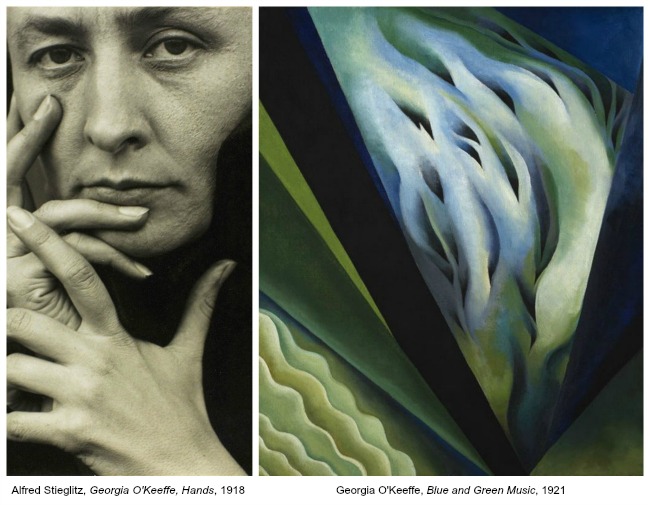
On the same note, one of my close friends hates Georgia O’Keeffe because she took a class about her in college and didn’t like O’Keeffe because of what she learned about the artist’s life and personality. I argued again that O’Keeffe’s work in person was breathtaking. Who cares if she made choices in her life that you don’t agree with?

The Art Curator for Kids - The Lives of the Artists - Georgia O'Keeffe

Last week, I posted a list of my favorite books and movies about artists for both kids and adults. In the post, I talk about how learning about the artist can add another dimension to connecting with their work. I love watching videos of artist’s work and seeing a fingerprint or a spontaneous brushstroke that shows the movement of the artists hand through space. These things connect me to the person on the other side and help me feel like a part of this world.

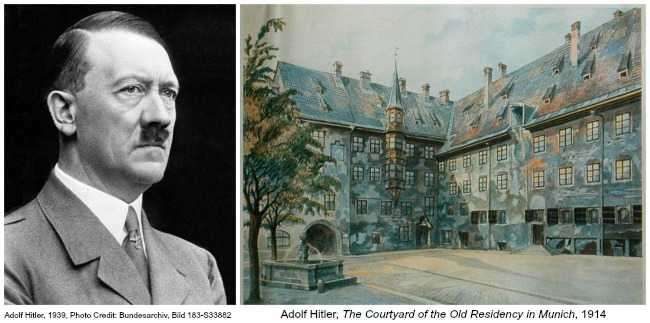
But, I think there is a fine line here that I can’t seem to place myself on either side of. I do love connecting with the artist, but what happens when the artist is a jerk or someone who abandoned their kids or even Hitler who was a struggling artist himself?

The Art Curator for Kids - The Lives of the Artists - Adolf Hitler

Can we still love and appreciate and be moved by art made by unsavory characters?

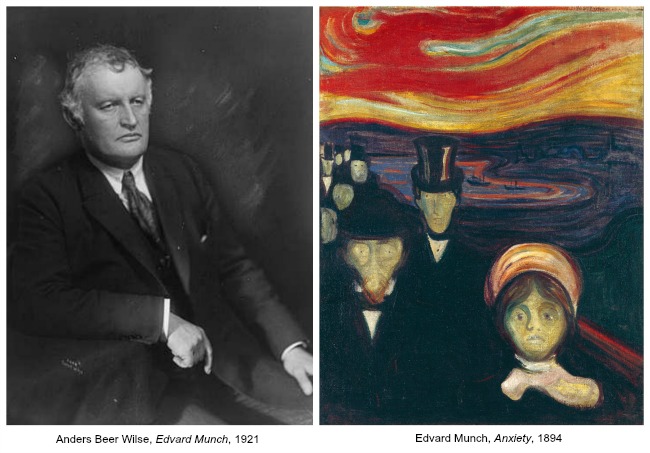
I personally think that art should speak for itself and stand alone. I believe we shouldn’t just the picture by the personality of the person who made it. I rarely bring in elements of the artist’s life unless it somehow relates to the art we are studying (like the death from tuberculosis of Munch’s mother and sister contributing to the sadness in his art or the rape of Artemisia Gentileschi contributing to her strong female characters and chosen subject matter).

The Art Curator for Kids - The Lives of the Artists - Edvard Munch

On the other hand, I also would never seriously show Hitler’s art or discuss it outside of the horrific context surrounding it or an aesthetics discussion like this one.

It’s a personal choice I guess. Where you draw the line may be different from where I draw the line.

What do you think? Can we separate art from artist? Should we? What does this mean for our teaching? Let me know in the comments or on this post on Facebook.

Filed Under: Art Teacher Tips
Tagged With: adolf hitler, artemisia gentileschi, edvard munch, georgia o'keeffe, pablo picasso


April 14, 2015 1 Comment

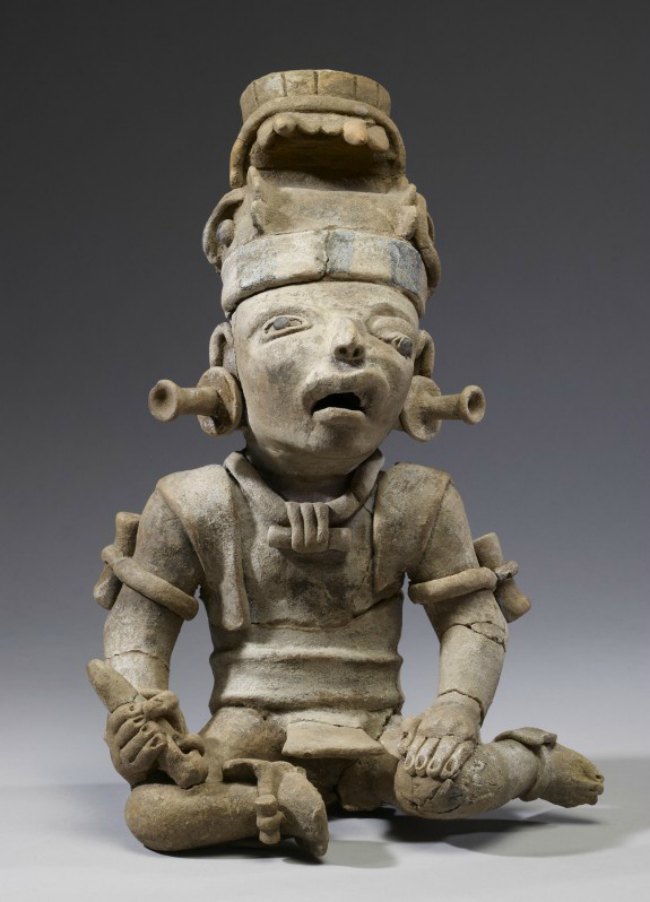
Wordless Wednesday: Remojadas, Battered Warrior Figure

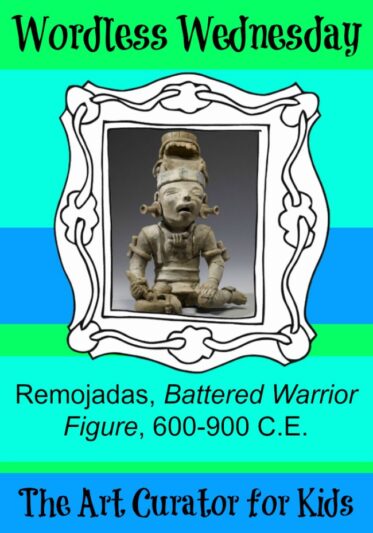
The Art Curator for Kids - Wordless Wednesday - Remojadas, Battered Warrior Figure, 600-900 C.E.

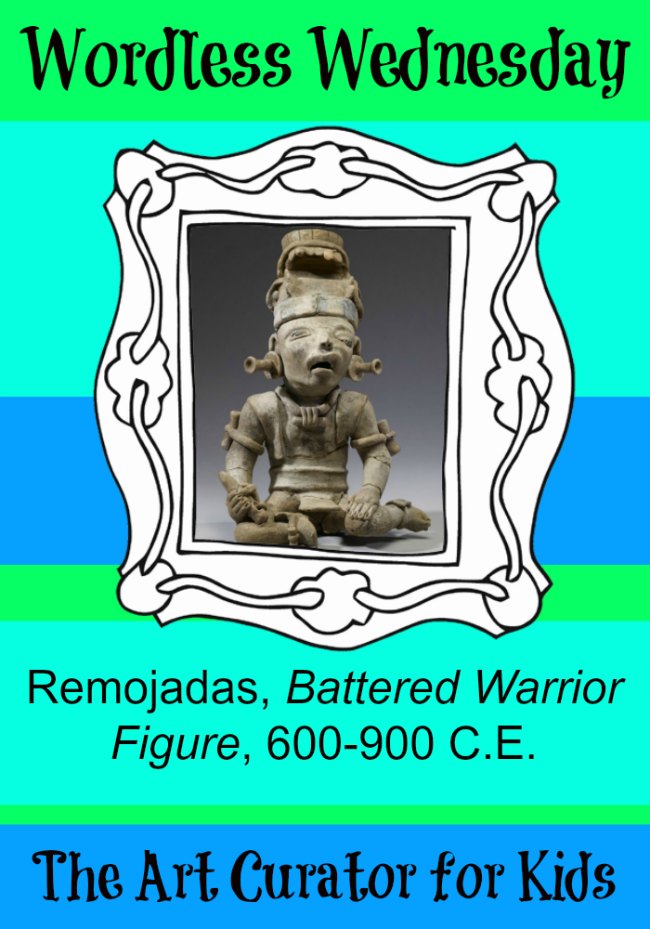
The Art Curator for Kids - Wordless Wednesday - Remojadas, Battered Warrior Figure, 600-900 C.E.Today’s Wordless Wednesday is a really cool artwork. Look at it.

Remojadas, Battered Warrior Figure, 600-900 C.E., Walters Art Museum

Click here for more views of this sculpture.

Awesome, yes? I know absolutely nothing about this other than when and where it is from. Remojadas was a culture near Veracruz, Mexico from around 100 to 800 C.E. Very little is known about this culture, but we have a lot of pottery from them. You can see some more examples on the Logan Museum of Anthropology’s website.

The figure has a swollen lip and eye, and I find that fascinating. I have never seen anything like this before. It’s just really neat-from the jewelry to the elaborate headdress that looks to me like an alligator to the way he is sitting.

What do you think? Do you have any ideas for how to include this in your classroom? Share your idea in the comments!

Filed Under: Art and Artists


  • Previous Page
  • Page 1
  • Interim pages omitted …
  • Page 26
  • Page 27
  • Page 28
  • Page 29
  • Page 30
  • Interim pages omitted …
  • Page 38
  • Next Page

Primary Sidebar

Hi! I’m Cindy Ingram, the creator of Art Class Curator and The Curated Connections Library

I’m on a mission to revolutionize education with the power of life-changing art connections. Art is not “extra”. Art is essential. We are empowering teachers to bridge the gap between art making and art connection, kindling a passion for art that will transform generations.

More About Me

Free Worksheets!

-Free Bundle of Art Appreciation Worksheets-

In this free bundle of art worksheets, you receive six ready-to-use art worksheets with looking activities designed to work with almost any work of art.

Download

Free Worksheets!

-Free Bundle of Art Appreciation Worksheets-

In this free bundle of art worksheets, you receive six ready-to-use art worksheets with looking activities designed to work with almost any work of art.

Enrollment in Curated Connections Library is currently open. Click here to join. Join our list to get more information and to get a free lesson from the vault! If you are purchasing for a school or school district, head over here for more information.

Check Out What’s New In The Shop

Experience Art: Engaging Art Criticism Discussions and Activities for Teachers and Students of All Ages
Call to Art: An Un-Conference for Art Educators
Curated Connections Library Membership
Perspectives High School Curriculum

More Products

Have You Listened to the Latest Podcast Episode?

Falling for Naudline Pierre’s Evocative Art: A Conversation with Madalyn (Part 2)

More Episodes

Testimonials

I like how this program, unlike other art class resource membership programs, feels authentic. It's like art matters more here, and not fancy flash-in-the-pan trendiness. The goal of Art Class Curator seemed to be helping kids develop a lifelong love and art appreciation versus "Hey, look. I painted this fish."
Erin A.
Your questions are helping me to delve into much deeper learning, and my students are getting better at discussion-and then, making connections in their own work. Art Class Curator is awesome!
Denise W.
Interestingly, my lower performing classes really get engaged in these [lessons] and come away with some profound thoughts!
Melissa G.
I had the most amazing 6th grade class today. They were jumping out of their seats with hands raised just to respond and give input. It was as if I was waving candy in front of them! They saw more and more and the ideas and interpretations unfolded. So cool!!! This is what makes teaching art so wonderful – thank you!!
Caroline G.
I just wanted to thank you for the invaluable resource you have through Art Class Curator. Not only do you have thought provoking activities and discussion prompts, but it saves me so much time in preparing things for myself! I feel like I’ve only scratched the surface with your site.
Maryjane F.

Get Art Inspiration To Your Inbox!

Enter your email address to get regular art inspiration to your inbox
plus a BUNDLE OF 6 FREE WORKSHEETS!
We hate SPAM and promise to keep your email address safe.
Download

Free Worksheets!

*Free Bundle of Art Appreciation Worksheets*

In this free bundle of art worksheets, you receive six ready-to-use art worksheets with looking activities designed to work with almost any work of art.

Copyright © 2026 Ignite Art, LLC DBA Art Class Curator •  All rights reserved  •  Privacy Policy  •  Terms of Service  •  Site Design by Emily White Designs