I consider myself a geek, but sometimes I feel like I am not “geek enough” because I’m not a fan of sci-fi or RPG computer games, and I couldn’t care less about meeting famous people from the shows I like. So, I was excited by the opportunity to participate in The ABCs of Raising Well-Rounded Geeklings series organized by the fabulous Caitlyn of Suzy Homeschooler so I can explain why I call myself a geek, and why it is important to embrace the geek in our kiddos.
The Sublime
There is this art and aesthetics (the philosophy of art) term I use sometimes in my art lessons, and it is “the sublime.” Wikipedia has a good definition:
In aesthetics, the sublime is the quality of greatness, whether physical, moral, intellectual, metaphysical, aesthetic, spiritual, or artistic. The term especially refers to a greatness beyond all possibility of calculation, measurement, or imitation. — Wikipedia
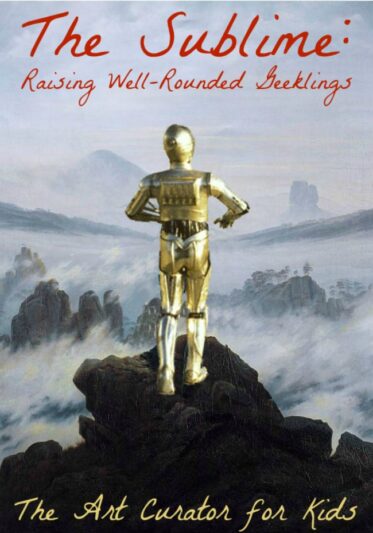
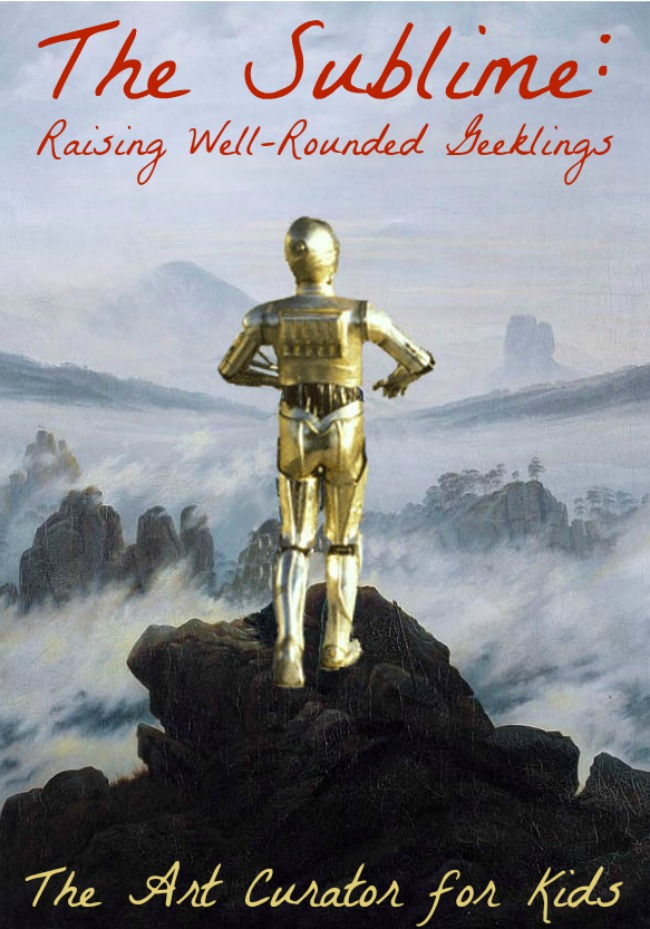
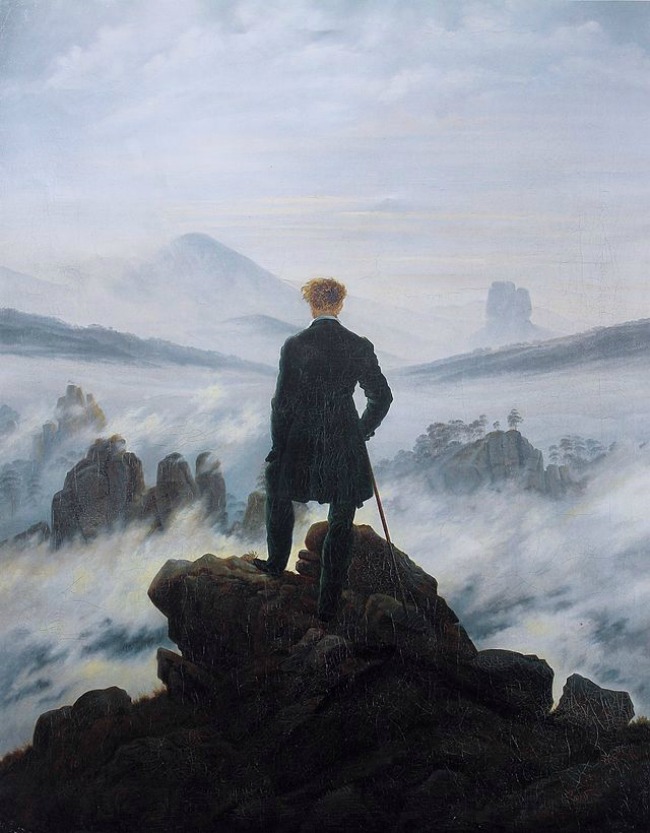
Caspar David Friedrich, Wanderer above the Sea of Fog, 1818
The sublime is the wonder and amazement in the world. It is the essence of a sunset or landscape that you can’t pull yourself away from. It is getting lost in the expanse of the ocean or of space. It is getting choked up when listening to a beautiful song. It is crying in front of a moving work of art. It is what fuels our fire in this world and makes us feel amazed or even makes us feel small amongst the wonders of the world (and beyond).
You can even describe the horror of 9/11 or a car crash that you can’t help but watch as the sublime–or a volcano trapping people under the ash in Pompeii or a wave overtaking a boat in the ocean.
J.M.W. Turner, The Slave Ship, 1840
The sublime is an unfathomable and unmeasurable sense of awe. Many artists throughout art history have attempted to capture the sublime in art especially in the Baroque and Romantic time periods. (The Art of the Sublime from the Tate has lots of examples.)
Whereas the beautiful is limited, the sublime is limitless, so that the mind in the presence of the sublime, attempting to imagine what it cannot, has pain in the failure but pleasure in contemplating the immensity of the attempt. — Immanuel Kant
In the past, the sublime was most-discussed in terms of the vastness of nature, but now I am going to connect this with being a geek.
Geeks and the Sublime
A couple of years ago, there was a video shared across the internet of Will Wheaton answering the question, “Why is is awesome to be a nerd?” He had such a wonderful response. I’ll summarize below, but here it is if you want to watch.
Here are my favorite quotations from the video:
“Being a nerd meant that I liked things that were a little weird, that took a lot of effort to appreciate and understand. It mean that I loved science, and I loved playing board games and reading books and really understanding what went on in the world instead of just kind of riding the planet through space.”
“It’s not about what you love. It is about how you love it.”
“The way you love that, and the way you find other people who love it the way you do is what makes being a nerd awesome…The defining characteristic that ties us all together things is that we love things.”
“You find the things that you love, and you love them the most that you can.”
What ties geeks together is not that we all love Doctor Who or space or whatever, it’s that we love things deeply. We are passionate about the world we live in. We have wonder and amazement at the world. We are curious and inquisitive.
We appreciate and revel in the sublime in our everyday lives, and this connects us all together whether the thing we love most is art or Star Wars or space or board games.
Raising Well-Rounded Geeklings
My advice to raise well-rounded geeklings is to help them find the thing in the world that makes them the most excited, that challenges them, and that they love deeply. It doesn’t matter what that thing is, but there is nothing better than finding something in this world you love and there is nothing more satisfying than loving it the most that you can.
Foster a sense of wonder and curiosity in your kid by modeling it for them. Continue to embrace your geeky side and share that with your child. Teach them that being amazed at the vastness of the world universe and all it has to offer is thrilling and worthwhile.
Help them find the sublime in their lives–that inexplicable thing that so great that it draws them in and doesn’t let go.
I love teaching art and aesthetics! I’ve already posted my first Puzzles about Art scenario, the Chimpanzee Painter. Most of these come from Puzzles About Art: An Aesthetics Casebook. The book has lots of small aesthetics case studies with philosophical discussions about art. It really gets you thinking! Please note, this post includes Amazon affiliate links. As an Amazon Associate I earn from qualifying purchases.
I usually use these as group activities in the first or second class of a semester of art appreciation. It always leads to great discussions and a lot of fun!
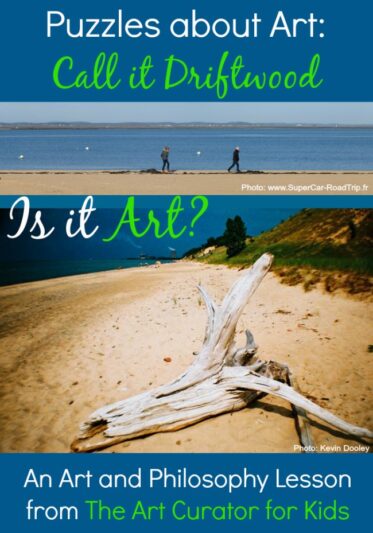
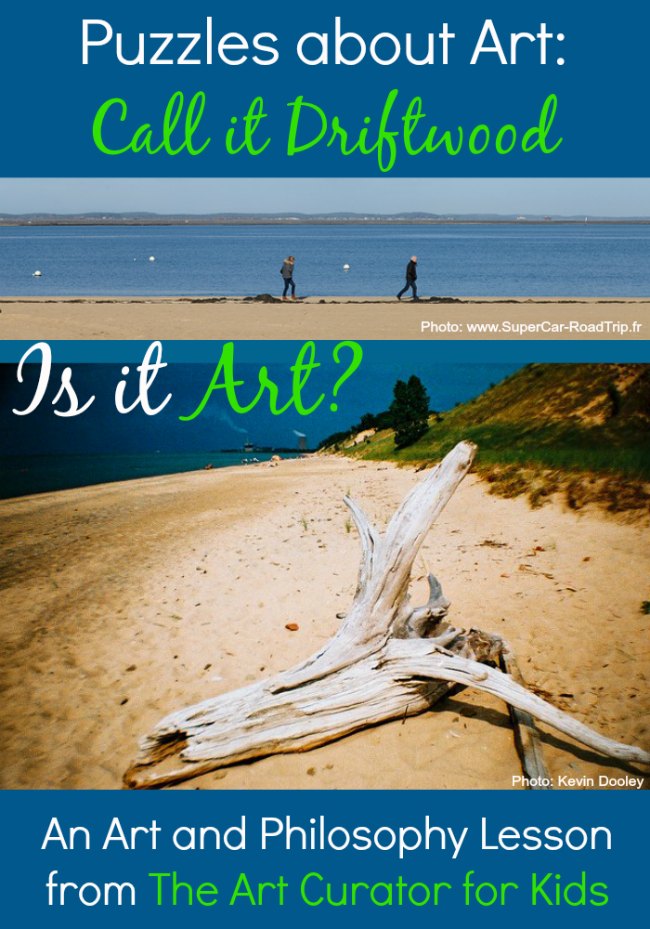
Today’s aesthetic puzzle is called Call It Driftwood.
What is aesthetics?
Aesthetics is the philosophy of art. Every time you say “My kid could have done that!” in a museum, you are engaging in an aesthetics discussion worthy of the great philosophers. Examples of “aesthetic questions” include “What is art?” “What is an artist?” “Why is that art and that not?” “Why did that artwork sell for $4 million?” “Does art have to be beautiful to be considered art?” “Can something be art if it was not made by an artist?” “Are a child’s drawings art?” These questions don’t have right or wrong answers.
Free Worksheet!
Puzzles About Art: Call It Driftwood
This aesthetics worksheet asks students to consider an unusual artwork and write about whether or not they think it is actually art.
This aesthetics worksheet asks students to consider an unusual artwork and write about whether or not they think it is actually art.
Aesthetic Puzzle: Call It Driftwood
Recommended Age:
Upper Middle and High School, College
Source:
This activity is adapted from Battin, M.P., Fisher, J., Moore, R., and Silvers, A. (1989). Puzzles about art: An aesthetics casebook. New York: St. Martin’s Press which is no longer in print. I make no claim to the original content; I just think it is an awesome resource!
The Aesthetic Situation:
“Suppose a well-known artist happens to be vacationing in the small community where you are curator of the local museum. One day you see him walking along the beach, and you tell him that your museum—although it is almost without funds to purchase new works—would be greatly honored to be given a work by him. He pauses, smiles in an indecipherable way, and bends over to pick up a piece of driftwood that is lying on the beach. ‘Here,’ he says with a glint in his eye, ‘take this. Call it Driftwood.’” — Puzzles about Art
Would you, as the curator of the museum, display the driftwood? Why or why not?
What makes something art—the act of creating it or the act of coming up with the idea for the artwork?
Aesthetics Commentary:
This question usually leads the group into several lines of questioning. Here are some of the things that might come up in your discussion. Use the questions and ideas below to help guide the discussion with your students.
Nature and Religion: Some students say that nature is art because of their religious beliefs. Can God be called an artist?
The Story is the Art: Some students say that the story of the artist on the beach infuses the piece of driftwood with meaning, turning it into art.
The Hand of the Artist: Can an artwork exist if the artist made no actions upon the medium? Must an artist physically manipulate something for it to be considered art?
Beauty: Driftwood can be very beautiful. Are beautiful things always art? Can something be beautiful and not art? Must art be beautiful to be art?
Learn more about teaching Art and Aesthetics!
Aesthetics Lesson Bundle
What is art? Get your students in the mindset to THINK in art class and lead fun art discussions with this lesson bundle!
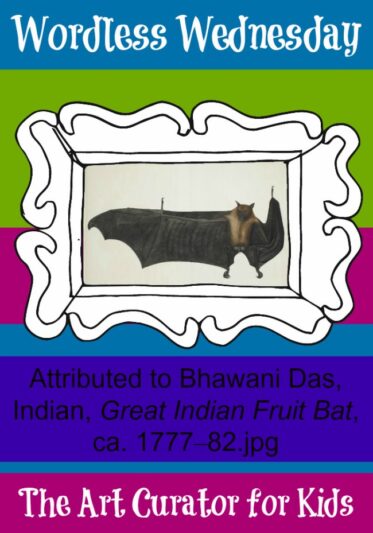
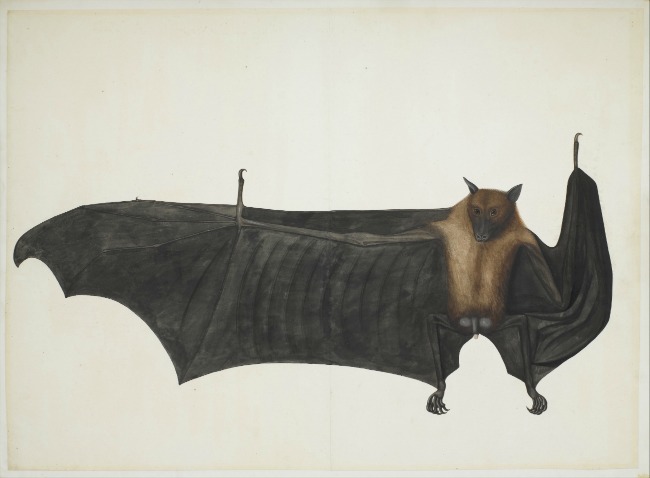
Today’s Wordless Wednesday is a creepy, yet adorable fruit bat created in the late 1700s in Calcutta, India. Take a look.
attributed to Bhawani Das, Indian, Great Indian Fruit Bat, ca. 1777–82
I find this watercolor painting delightful and intriguing. I’m not exactly sure why. This was made as a part of an initiative by the chief justice of Bengal and his wife to document all of the flora and fauna from their estate. Although it was created for a more scientific purpose, I think this has both a good sense of expression and a very pleasing composition. The level of detail, the assymetricality, and the contrast make this one a really fun artwork to look at.
How might you use this in an art lesson? I think it would be well-suited for elements of art and principles of design lessons and discussions, especially balance,texture, and contrast.
You could also discuss this in an aesthetics lesson (the philosophy of art). Is this art? Why or why not? Can it be art if it was created purely to document? What choices did the artist make to make this more than just a documentation?
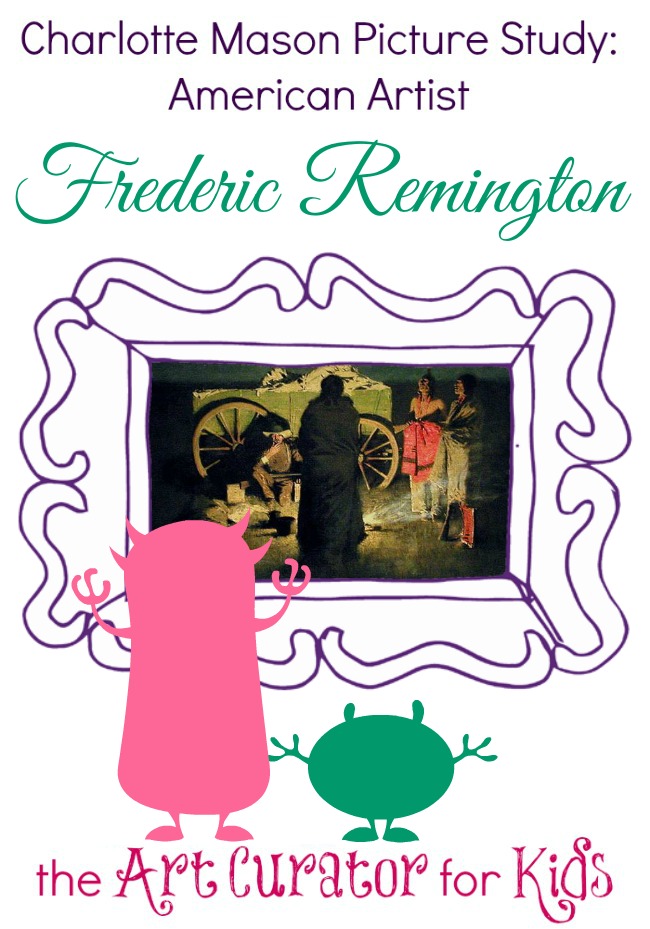
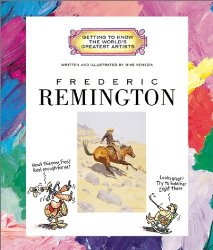
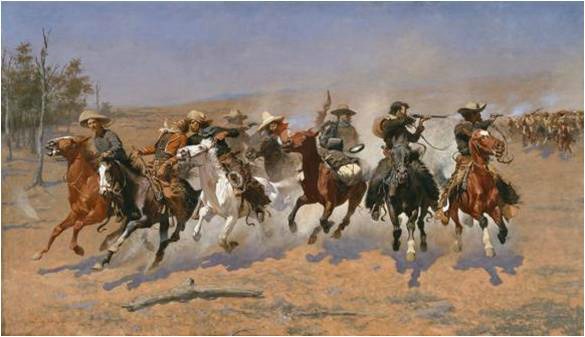
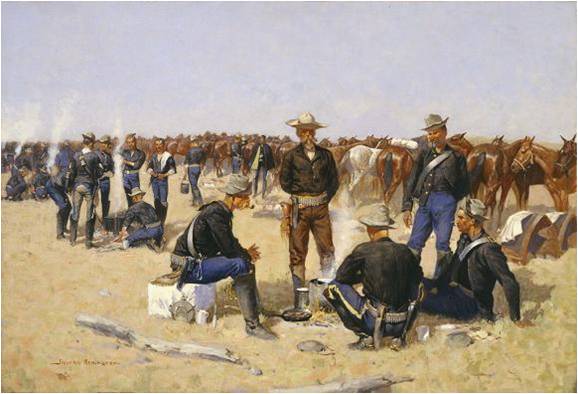
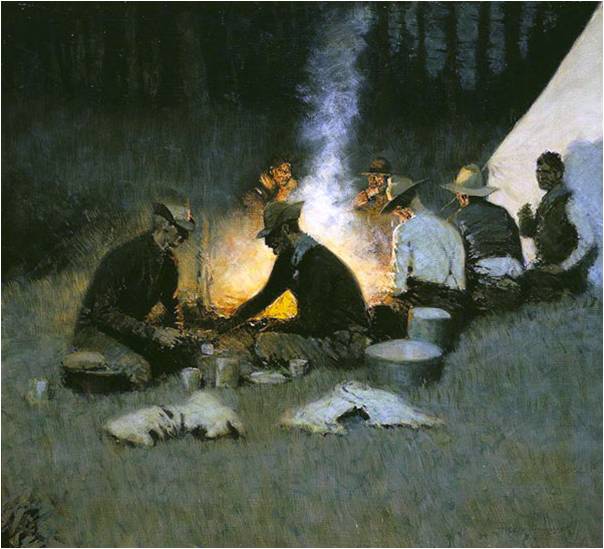
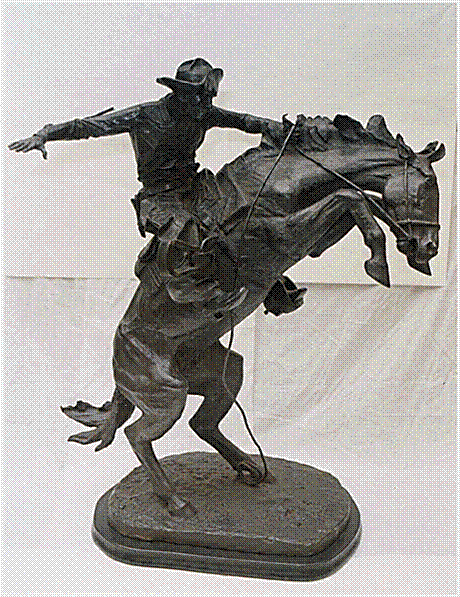
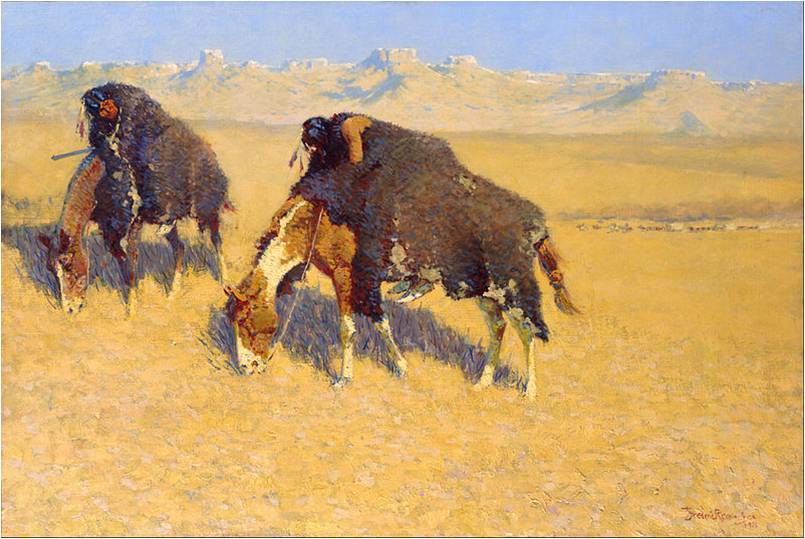
Today’s resource is about Frederic Remington, an American painter, sculptor, and illustrator who documented the people of the Old West in the late 1800s.
I have to say, I used to hate this artist. His art is something of an acquired taste, but after working as a Gallery Teacher at the Amon Carter Museum years ago, I learned to love what he has to offer. His art, especially his later work, is noble and accessible to kids. And while the Wild West can be a little boring for some, check out his art and spend some time with it. See if it will change your mind. 🙂
The following links will help you discuss these works with your children. These works are specifically chosen for the Charlotte Mason Picture Study technique described in the first link.
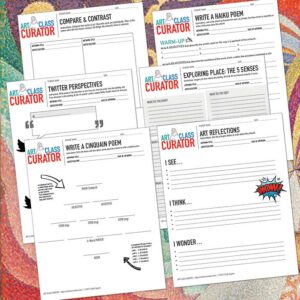
In this free bundle of art worksheets, you receive six ready-to-use art worksheets with looking activities designed to work with almost any work of art.
In this free bundle of art worksheets, you receive six ready-to-use art worksheets with looking activities designed to work with almost any work of art.
Artist: Frederic Remington (1861-1909)
Frederic Remington
Frederic Remington was an American painter, sculptor, and illustrator who focused on themes from the American west.
Although he was from New York, he repeated traveled west . While there, he visited with cowboys, soldiers, and Native Americans, took documentary photographs, and collected artifacts. He illustrated the west for several major magazines, but is most well-known for his paintings and sculptures of the people of the Old West.
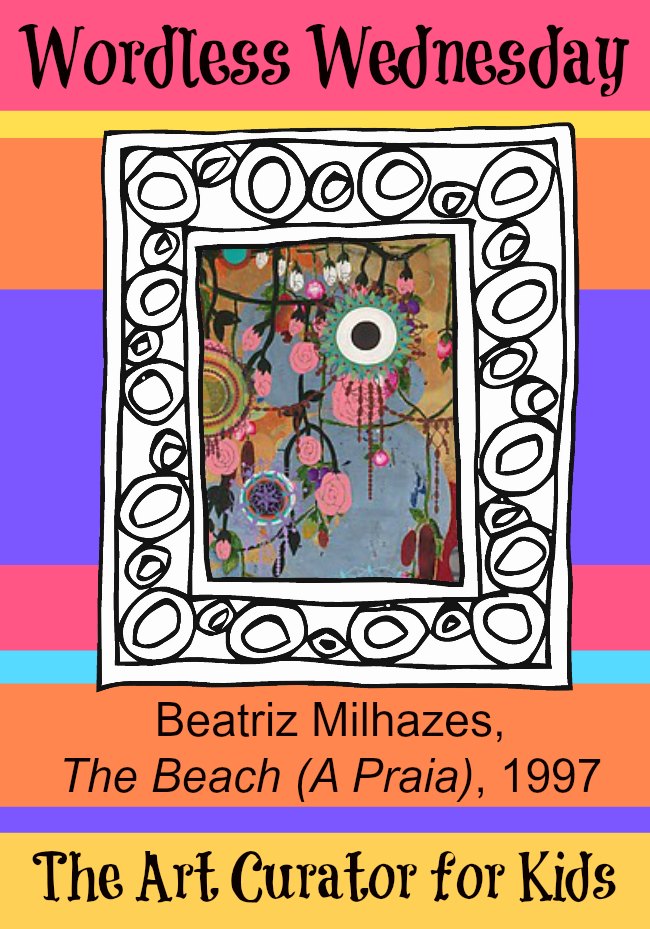
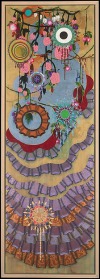
You don’t see a lot of paintings that are this long and vertical. It’s interesting. I love how it seems to flow downward and each part of it makes me want to examine it closer and figure out what it means. The whole thing kind of looks like a deconstructed Brazilian woman. Really cool.
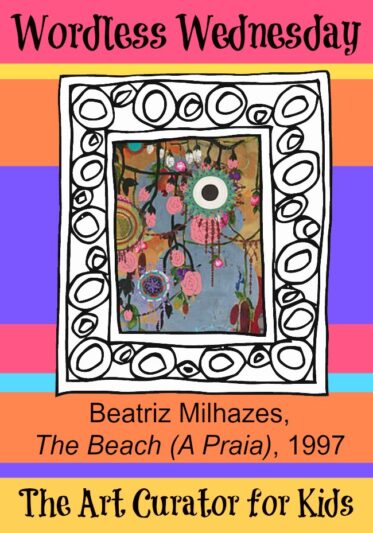
The Beach by Beatriz Milhazes from Brazil mixes her cultural heritage with a more modern style of painting. You can read more about this painting over on the Met Museum’s website. Her process seems very interesting and innovative as well and you can read about it at that link to the Met.
How could you incorporate this artwork into your curriculum? Share you ideas in the comments!
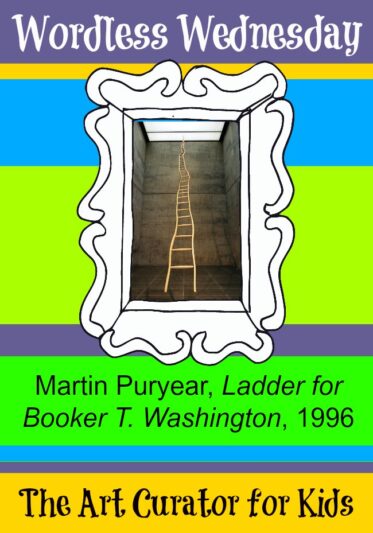
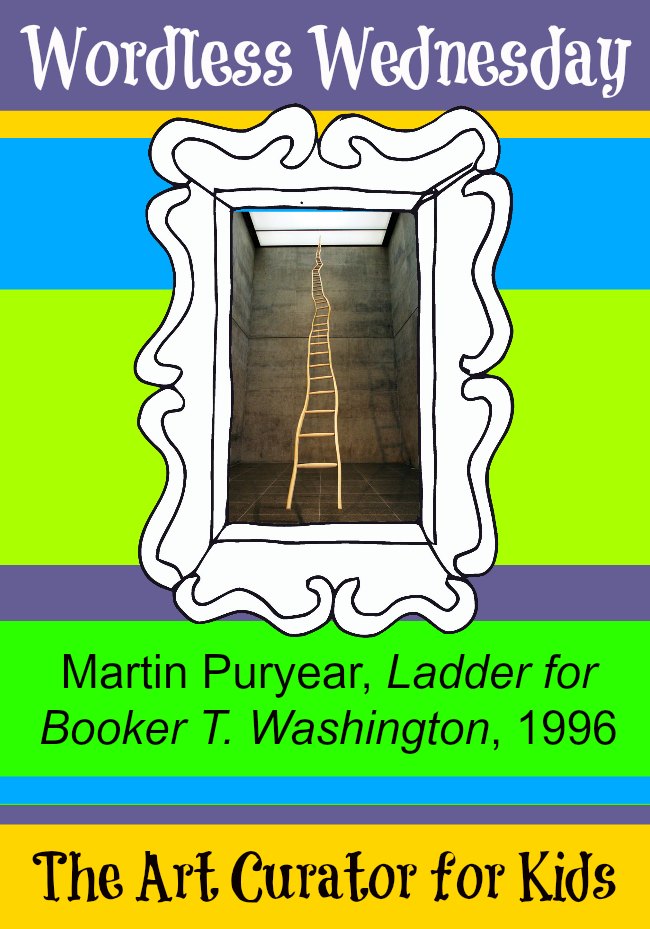
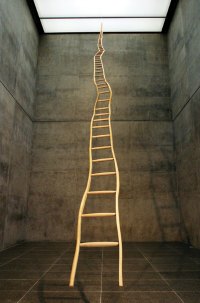
This is at one of the art museums in my area (The Modern Art Museum of Fort Worth), and you just need to see it in person to get the full effect. This ladder starts wider and narrows at the top to intensify how long it looks from below. When you stand under it, it almost looks like to goes to infinity.
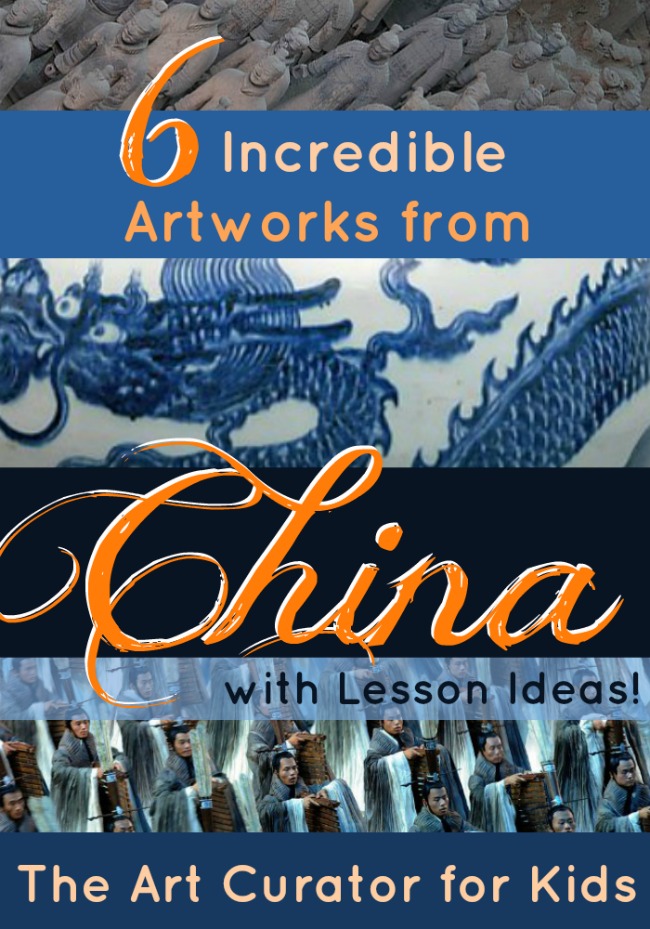
Chinese New Year was last week, and to celebrate, I’ve curated a group of 6 incredible examples of Chinese art for you to enjoy. These amazing Chinese artworks range from the 2nd century B.C.E. all the way up to 2012.
Please note, this post includes Amazon affiliate links. As an Amazon Associate I earn from qualifying purchases.
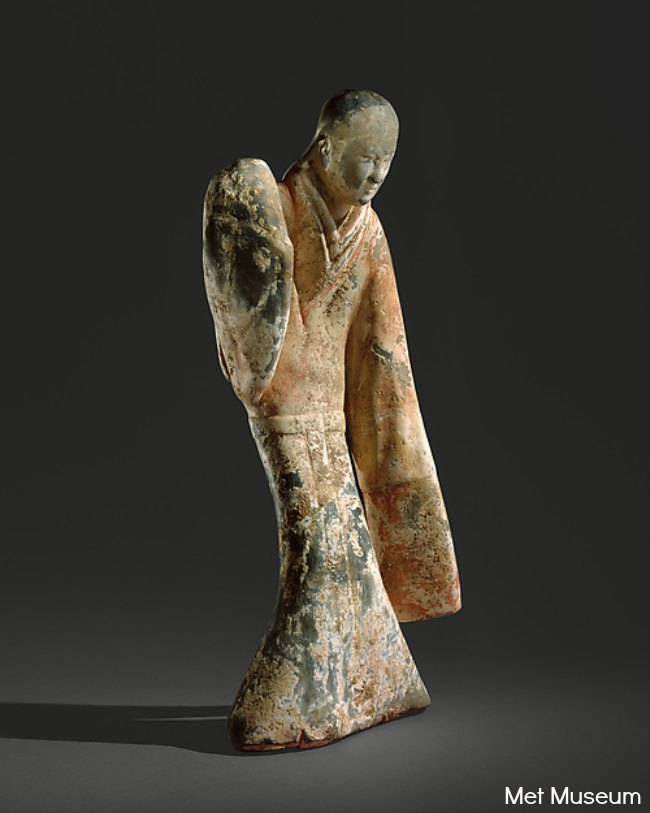
Ancient Dancer
Female Dancer, 2nd century B.C.E.
This is such a beautiful and delicate sculpture with its the smooth curves and gentle movement. This artwork would pair well with a kinesthetic art activity or a blind contour drawing.
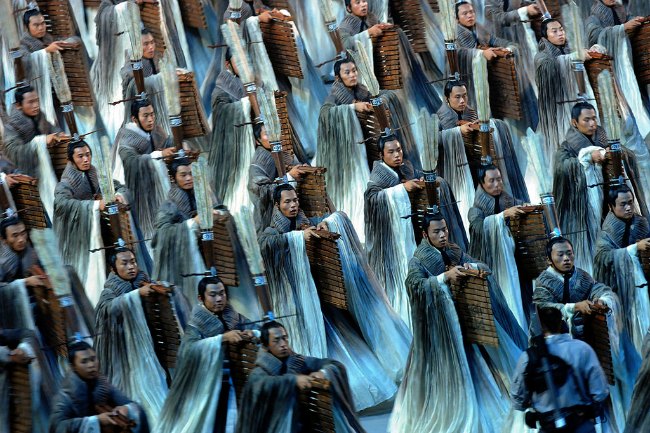
Massive Terracotta Army
Terracotta Army of Emperor Qin Shi Huang, 210-209 B.C.E.
This group of terracotta sculptures is one of the most amazing collections of artworks in the world. Over 8,000 sculpture of soldiers, horses, chariots, and non-military figures were buried underground as a part of the tomb of the first emperor of China, Qin Shi Huang. These were unearthed only about 40 years ago by a group of Chinese laborers digging a well. It’s just flabbergasting. You can read more about these sculptures on the Smithsonian’s website. There are tons of related chinese art lesson ideas online as well as a well-rated children’s book about the Terracotta Warriors of Ancient China.
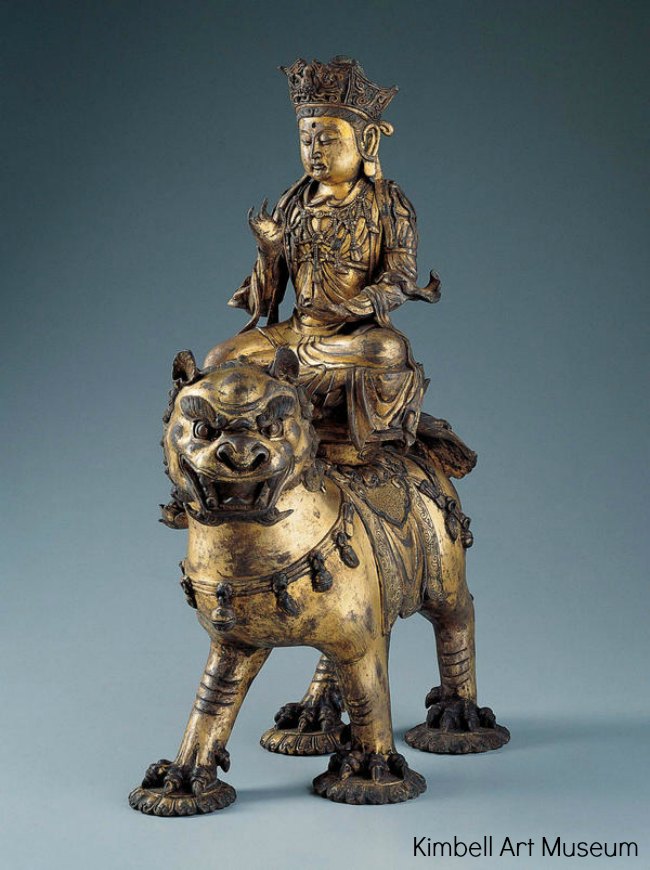
Enlightened Being
Manjushri on a Lion, c. 1150-1300
This sculpture is of Manjushri, who is the Buddhist bodhisattva of wisdom. A bodisattva is a being who has worked hard and achieved a state of enlightenment where he discovers the ultimate truth about life. He sits on a lion and often “carries a book of truth and a sword that cuts through the darkness of ignorance” [Source: Kimbell Art Museum].
This is a great one to discuss symbolism and emotion. Study the hand symbols, the lotuses, the expressions, and the lion. This artwork could also be paired with a self-portrait project with students making portraits of themselves sitting atop an animal that represents themselves.
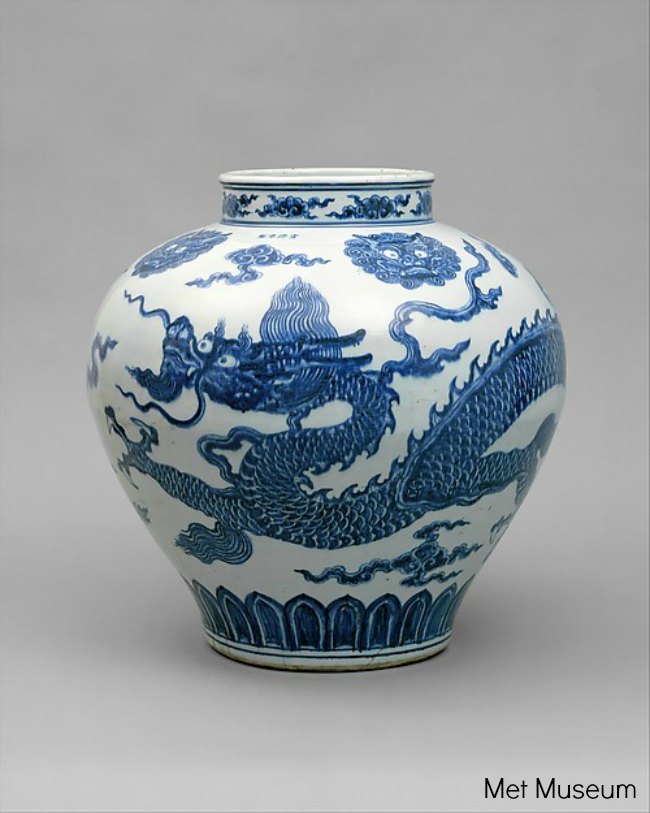
Fierce Porcelain
Jar with Dragon, early 15th century
One the most notable art forms of China is porcelain. Porcelain is pure white clay with the mineral, feldspar, added to it. The blue glaze was made with the mineral, cobalt, which was very expensive. This jar shows a dragon flying through the sky with clouds with some monstrous faces floating above. Students could make their own porceilain-style piece of clay. Check out this lesson plan from the Art Institute for Chicago.
Dominating Performance
2008 Beijing Summer Olympics Opening Ceremony
You might find it weird to include this, but I totally think this qualifies as a work of art. When I watched the Opening Ceremonies of the Olympics in 2008, I was completely blown away, and I have never forgotten how powerful it was to see all those glowing drummers playing in unison. It was pretty amazing. Studying the Olympic ceremonies of countries would be a great way to teach about the countries.
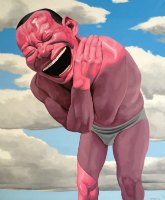
Yue Minjun, Blue Sky and White Clouds, 2012, click to view larger
When choosing art for this post, I came across this article with The Top 10 Chinese Artists (Not Name Ai Weiwei). This painting really stood out to me from that collection of art. I just love this painting. It’s just so joyful and fun and such a different artwork that what you think of when you think of Chinese art. Paintings done in the style of this with big smiling faces would be such a fun art project for kids of all ages, don’t you think?
Get the Full Lesson!
This Lesson is in The Curated Connections Library!
Find the full lesson from this post along with hundreds of other art teaching resources and trainings in the Curated Connections Library. Click here for more information about how to join or enter your email below for a free SPARKworks lesson from the membership!
This Lesson is in The Curated Connections Library!
Find the full lesson from this post along with hundreds of other art teaching resources and trainings in the Curated Connections Library. Click here for more information about how to join or enter your email below for a free SPARKworks lesson from the membership!
Today, I welcome Varya from Creative World of Varya for a post about teaching the impasto technique to kids. This is such a fun process art activity. I know I am planning on doing this with my girls very soon. I think they will love it! Thanks to Varya, and I hope you hop over to her page to see what else she has to offer on her blog about the creative development of children!
Please note, this post includes Amazon affiliate links. As an Amazon Associate I earn from qualifying purchases.
I must admit – I was never great at art, especially drawing and painting. I am rather on the average when it comes to those. However, I love creating, and I love making personalized cards and gifts.
Despite not being a great artist myself, I believe that introducing your child to art skills, like painting and drawing, is very important. You can read about Four Things to Remember when Raising an Artist on my blog; this was actually one of my first blog posts.
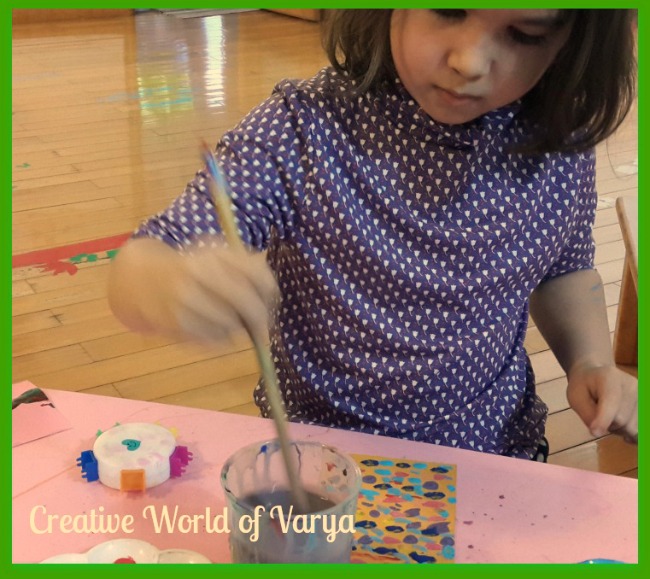
This is how I have naturally come to explore Impasto technique, and I think it is my most favorite way of painting. Of course, I am far from comparing my simple creations with Rembrandt, but Impasto is actually perfect for young children who are just learning to work with acrylic and oil paints. Moreover, this technique gives immense room for creativity and helps the child practice fine motor skills and hand-eye coordination.
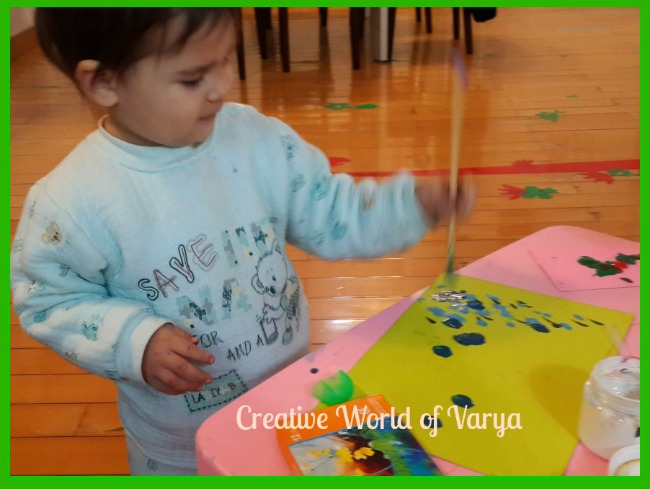
When I first started introducing Impasto to my children, my oldest was 5+ and my younger one – 1+. They both enjoyed the process, and we made some pretty cards for friends!
So, let’s talk Impasto!
What is Impasto?
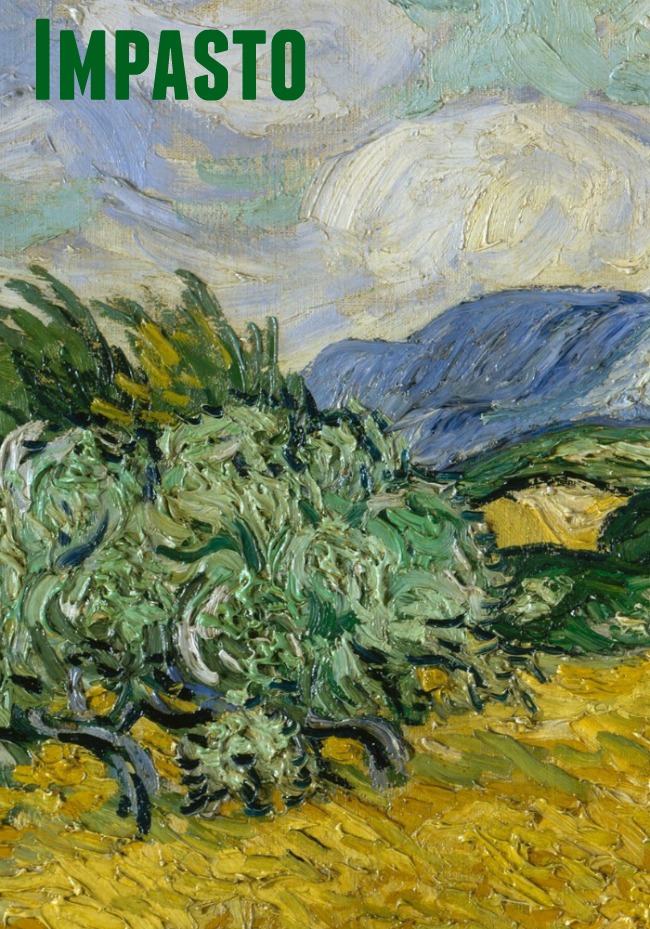
Impasto is a thick application of paint where you can see the ridges and lumps of paint. Artists often will use a palette knife to scrape the thick paint onto the surface. It ends up with brushstrokes that you can see and adds another dimension to the artwork.
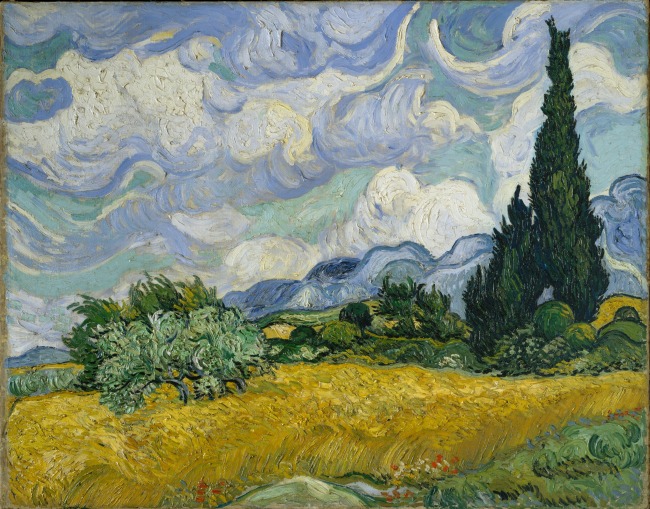
Vincent van Gogh was one of the artist most known for using impasto. You can see it very clearly in Wheatfield with Cypresses.
1. Introduce your child to different sizes of brushes. Talk about painting, and if it is the first time for your child to paint, introduce some paintings on famous artists who painted with Impasto technique (Rembrandt, Van Gogh, Titian).
2. Start by adding some of the paint to the palette with the butter knife. Your child can help, and it is always a fun process.
3. Take a wider brush and show your child how to apply strokes with 1 base color. Make sure to cover as much of the area as possible.
4. Once step 3 is complete, take a less wide brush and choose another color which you will apply with the strokes on top. You don’t need to cover the whole area, just some spots.
5. Continue the same with the next color, but now sort of press harder when making strokes to have the lower and the base colors show. Sometimes colors will mix and a completely different color will appear.
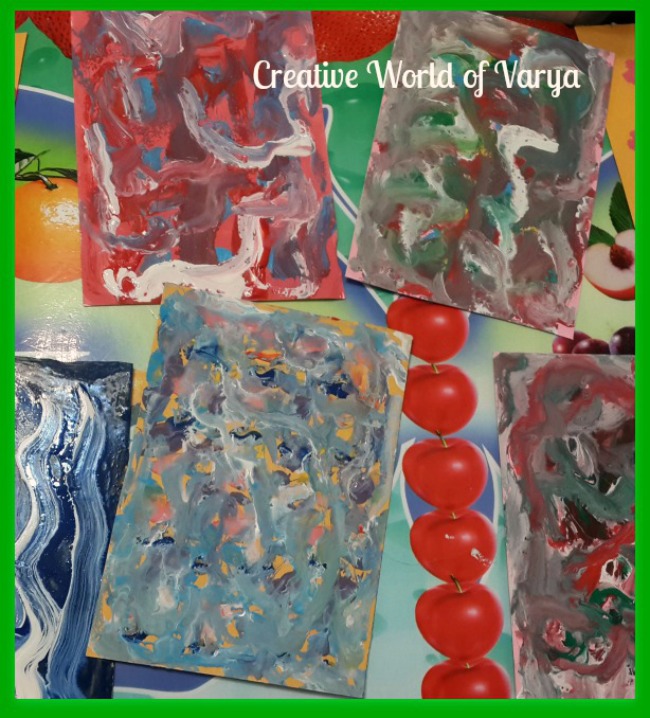
6. Soon you will have a very beautiful result:
This is the card a recently made for a friend who lost her baby.
Once your child learns the basics of Impasto, you can start creating more complicated works (try flowers, stars, shapes). The beauty of this method is that the picture is almost in 3D and sort of pops out.
Don’t worry about it being perfect – it is the beginning and even if your child doesn’t show further interest in mastering this technique, it is always a great and more-or-less quick way of creating personalized cards for any event!
Varya is a mother of 2 beautiful girls and 1 handsome boy, an ESL teacher, a Montessori teacher and a dance teacher, an early educator, a breastfeeding consultant, a perinatal fitness, and a baby massage instructor. She blogs over at CreativeWorldofVarya.Com about creativity, craft, parenting, spiritual and moral education, cooking, multiculturalism, and multilingualism.
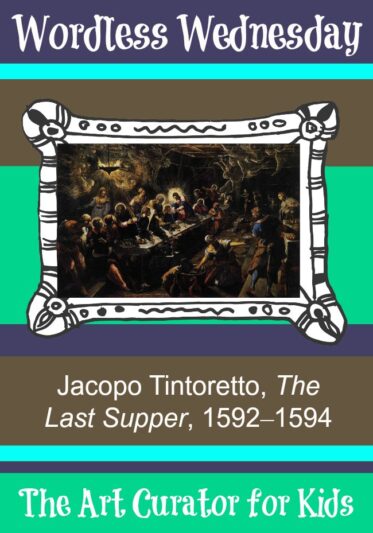
Okay, I could do a whole looooong post on this painting, but today, I will just whet your appetite with a Wordless Wednesday and come back at a later date to talk about it more.
Take a look. Isn’t it just awesome?
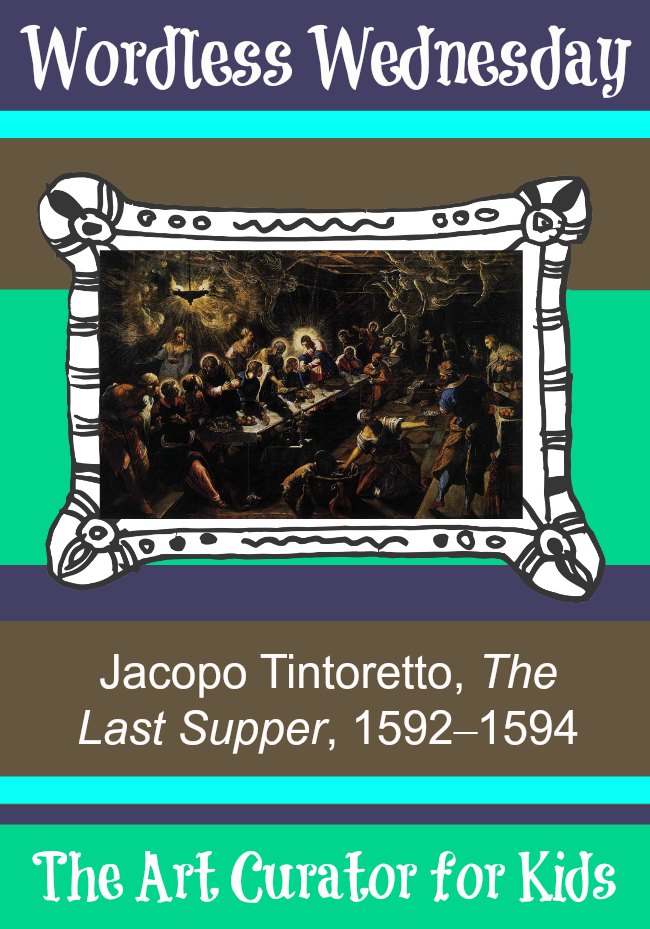
Jacopo Tintoretto, The Last Supper, 1592–1594
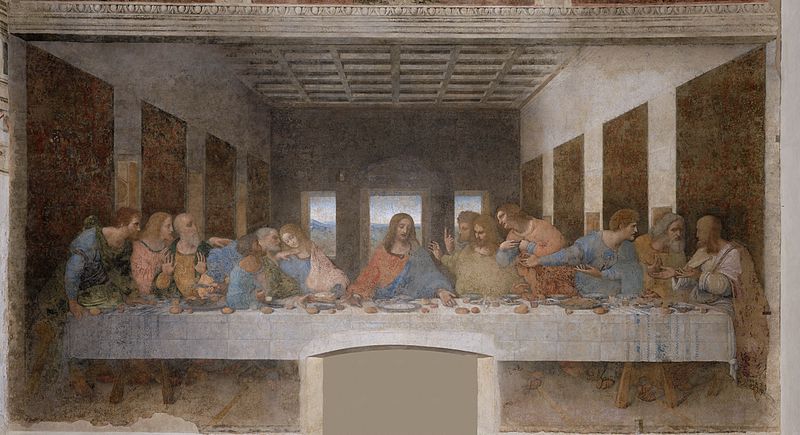
This painting is from the Late Renaissance in Venice. The strong diagonal lines, dramatic lighting, asymmetrical composition, and energetic movement were a strong shift away from the classic style of the Italian Renaissance. I always like to teach this one by comparing it to The Last Supper by Leonardo da Vinci. You can definitely see how dramatic and different this was when you put them side by side.
Leonardo da Vinci, The Last Super, 1495-1498
For more information about this artwork, check out this video by Khan Academy about the painting.
I’m excited to host Erin Buhr from Bambini Travel today. She is here with an awesome guest post about how to introduce abstract art to toddlers and preschoolers with a fun art activity inspired by artist Wassily Kandinsky. Thanks so much, Erin! Everyone be sure to check out her blog for lots more fun and inspiring ideas for early childhood education.
We do a lot of art as part of our preschool homeschool. My twins have been painting since they were about 10 months old, and creative invitations are a part of our daily life. Art offers children a wonderful way to view the world and express themselves.
More recently we have been looking at specific artists and this was our first official foray into abstract art.
Looking at Abstract Art with Preschoolers
According to the Tate, abstract art is “artworks that do not attempt a recognizable reality but instead use shapes, colours, forms, and textures to achieve their effect.”
I love looking at abstract art with young children for many reasons:
Abstract art takes the pressure of the need to make a picture of something. Abstract art is more about the shapes and colors and the feelings it expresses, not about the accurate portrayal of a subject.
Abstract art also encourages discussion about colors, shapes, and lines which are concepts young children are learning.
Abstract art is interpreted different by everyone who sees it. The language, conversations, and ideas expressed are rich and interesting.
Abstract art is something young children can make.
Before we dove into our art activity, we looked at some abstract art. I used my tablet for this so we could all gather around and look. I researched names and works beforehand that I wanted to share with them. We looked at art by Jackson Pollock, Joan Mitchell, Paul Jenkins, and Wassily Kandinsky. We settled on Kandinsky and Geometric Abstraction as our favorite.
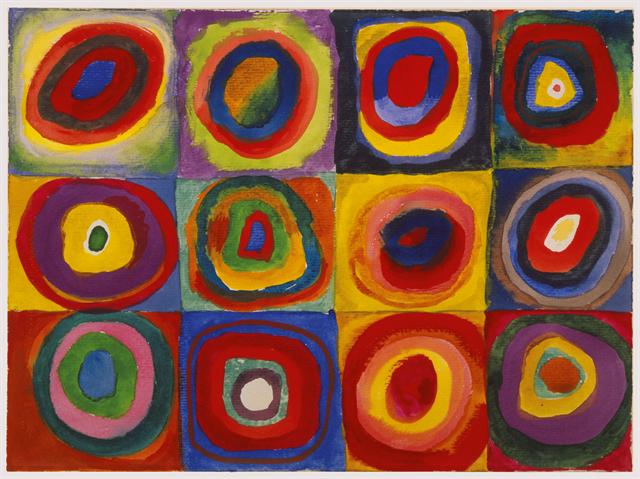
Geometric Abstraction is a form of abstract art based on the use of geometric forms.
The geometric abstraction seemed the most interesting to my three year olds. They are interested in shapes right now, and Kandinsky uses a lot of interesting shapes and lines in his artwork that appealed to them.
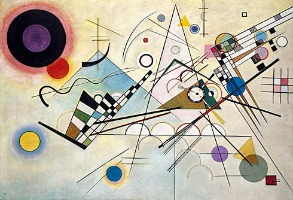
Wassily Kandinksy, Color Study: Squares with Concentric Circles, c. 1913
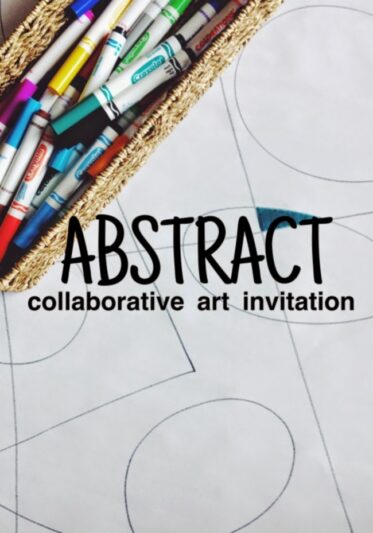
Abstract Art Activity: Abstract Collaborative Art Invitations
We enjoy the social aspect of big art projects and spent much of January doing various collaborative projects. We did two different invitations to create based on the two pieces of art they chose. The set up and materials however were similar.
Set Up:
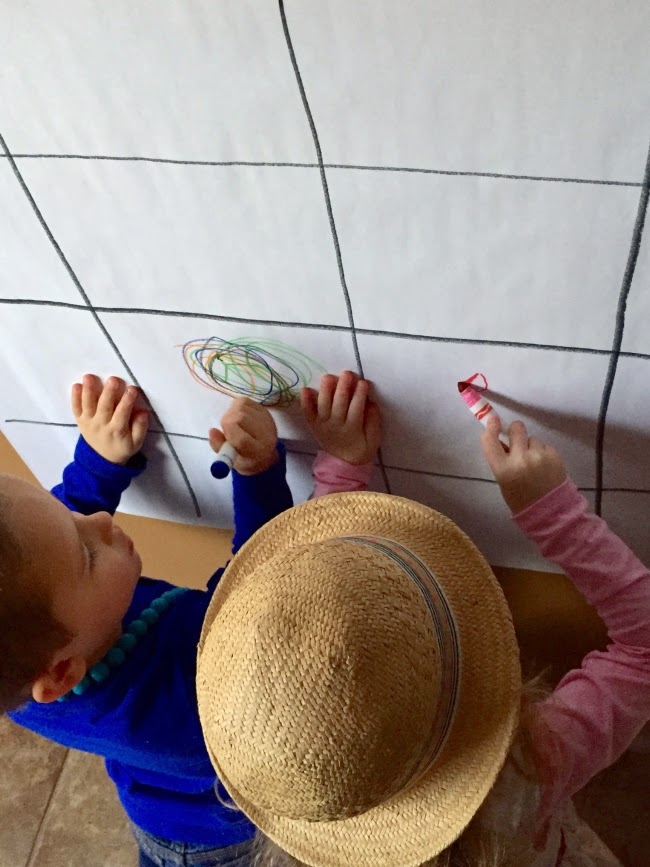
Tape a large piece of paper to a surface – table, floor, or wall.
Use a black sharpie to draw shapes and lines. Older children could help with this process using rulers and containers or stencils to trace. I prepared this for my three year olds.
For the invitation based on Composition 8, I drew a variety of shapes and lines on the paper.
For the invitation based on Circles, I drew boxes across the paper and a circle in one square.
I kept the tablet on hand so they could refer back to it if they wanted. You could also print out versions of the paintings you like.
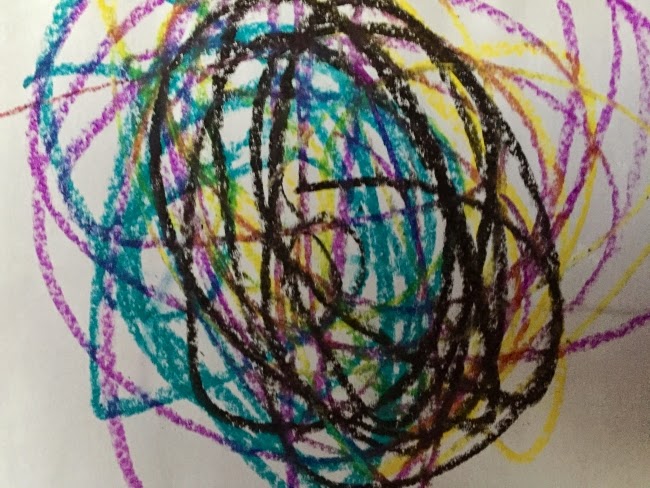
Provide various art materials. We used markers for the first project and oil pastels for the second. Paint or colored pencils would also be fun to try.
Activity:
There are no rules or guidelines for creating with this invitation. They joined me in coloring the different shapes. We talked while we worked and I modeled some ideas for them with my drawing and my language. Some of the things said included;
“I’m making little circles inside this big circle.”
“I’m making this long line bright yellow.”
“Hmm.… think I might make half of this shape orange and half of it blue.”
“I’m noticing that in the painting this shape has a pattern. I wonder if we could do that.”
Clean Up:
They helped collect and put the art materials back on the shelf.
The pictures are proudly displayed on our art wall.
Skills Practiced:
Fine motor and pre-literacy skills while working on gripping writing materials.
Social skills as they negotiated how to share the space.
Technology skills when they practiced using the tablet to look at different pieces of art.
Language skills as they described what they saw in the artwork and discussed with each other their process and ideas.
Math concepts as they practiced identifying and forming shapes.
Erin Buhr blogs at Bambini Travel. She writes about family travel, children’s books, and activities for children ages 0-5. She is an early childhood educator, travel enthusiast, and mama to twin three year olds.
In this free bundle of art worksheets, you receive six ready-to-use art worksheets with looking activities designed to work with almost any work of art.