• Skip to main content
  • Skip to primary sidebar
  • About
    • About Art Class Curator
    • Contact
    • Speaking
    • Media & Press
    • Programs for Schools
  • Blog
  • Podcast
  • Shop
  • Join
  • Member Login

Art Class Curator

Hands-on and Minds-curious Art Learning

  • Art & Artists
  • Art Connection Activities
  • Art Teacher Tips
  • Elements & Principles
  • Downloads & Resources
Home
  • About
    • About Art Class Curator
    • Contact
    • Speaking
    • Media & Press
    • Programs for Schools
  • Blog
    • Art & Artists
    • Elements & Principles
    • Art Connection Activities
    • Art Teacher Tips
    • Downloads & Resources
  • Book
  • Podcast
  • Shop
  • Join
  • Member Login

edgar degas

May 13, 2025 2 Comments

The Best Examples of Emphasis in Art

Inside: A curated collection of artworks that exemplify emphasis in art—showcasing how artists draw attention to focal points through contrast, placement, color, and more. This resource is part of our comprehensive Elements and Principles of Art series, designed to support and inspire your art lessons.

Emphasis is a powerful principle that guides the viewer’s eye to the most important parts of an artwork. Whether it’s a bold color contrast, strategic placement, or unique texture, artists use emphasis to tell a story and convey meaning.

In this post, you’ll find a variety of artworks demonstrating different techniques of emphasis, perfect for sparking discussion and analysis in your classroom.

👉 Want a printable to accompany these examples? Grab the free Elements & Principles Pack below. Just click the yellow “Download” button.
Free Resource!

* Elements & Principles Printable Pack *

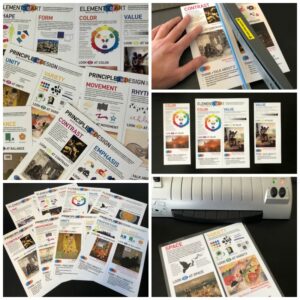
The Elements & Principles of Art are the foundation of every artwork, but teaching them can be a bore. Wake your students up and engage them with full color artworks, easy to understand definitions, and thought-provoking higher level thinking questions. This versatile resource can be hung in the classroom or used as an art manipulative.
Download

Free Resource!

* Elements & Principles Printable Pack *

The Elements & Principles of Art are the foundation of every artwork, but teaching them can be a bore. Wake your students up and engage them with full color artworks, easy to understand definitions, and thought-provoking higher level thinking questions. This versatile resource can be hung in the classroom or used as an art manipulative.

It was hard to break this one down to categories, because chances are if the artwork shows emphasis well, it usually used more than one element or principle to do so. So, I have put the elements and principles of art that the artist used to show emphasis in art in parenthesis next to the artwork.

Explore the full Elements of Art series for more resources and examples to enrich your curriculum.

For ready-to-use classroom activities, check out our printable art interpretation worksheets.

Download the Free Elements and Principles Printable Pack
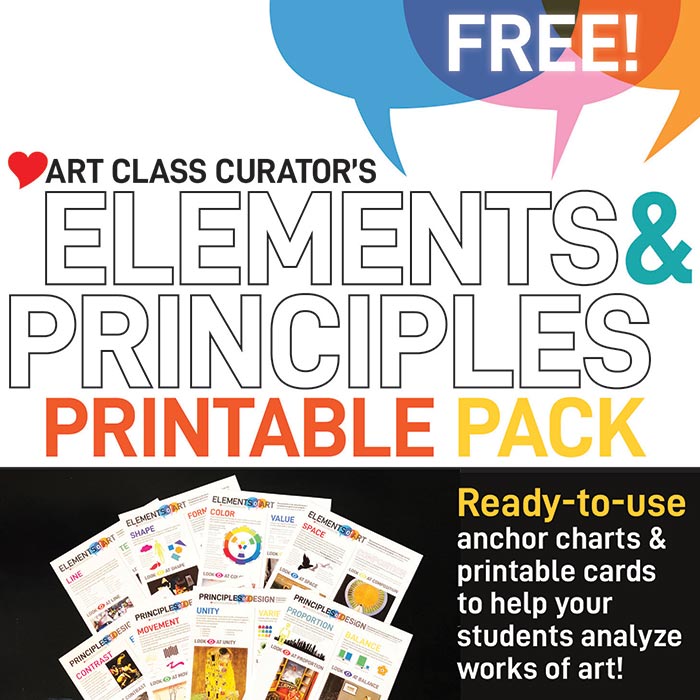

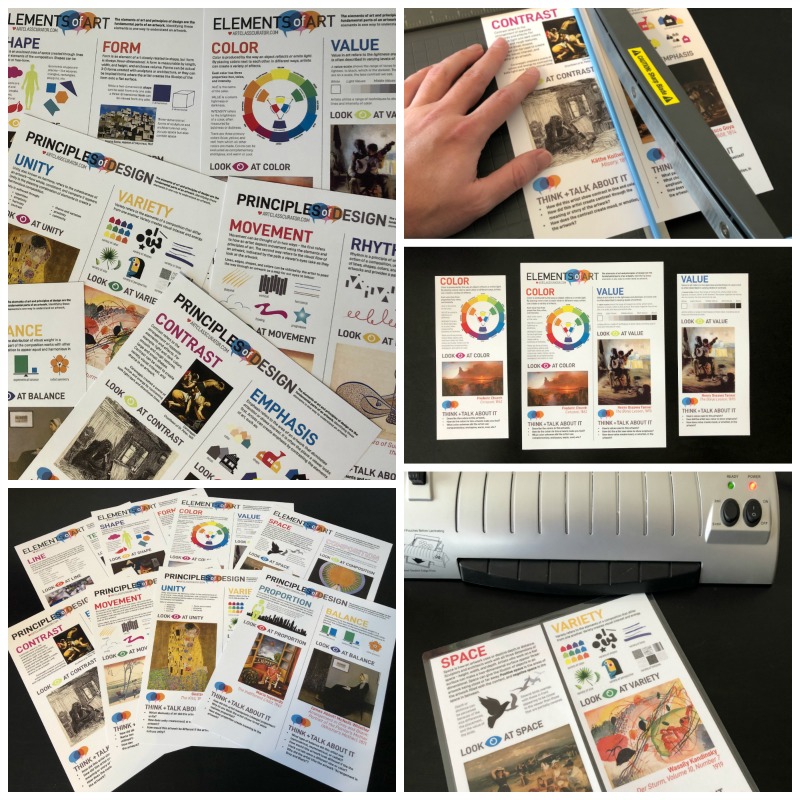
This pack of printables was designed to work in a variety of ways in your classroom when teaching the elements and principles of art. You can print and hang in your classroom as posters/anchor charts or you can cut each element and principle of art in its own individual card to use as a lesson manipulative.
Emphasis in Art Examples
The Art Curator for Kids - Example Artworks that Show Emphasis in Art - The Elements and Principles of Art Series
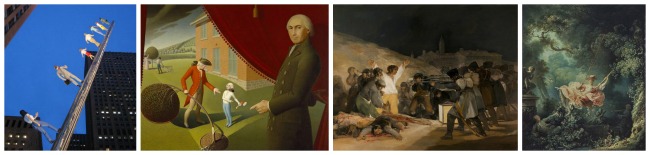
  • Grant Wood, Parson Weems’ Fable, 1939 (Line, Shape)
  • Jonathan Borofsky, Walking to the Sky, 2004 (Line, Movement)
  • Francisco Goya, The Shootings of May Third 1808, 1814 (Value, Color, Line)
  • Jean-Honoré Fragonard, The Swing, 1767 (Complementary Color, Movement)
  • Leonardo da Vinci, The Last Supper, 1494-99 (Balance, Line, Space)
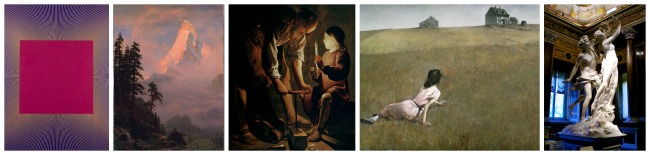
The Art Curator for Kids - Example Artworks that Show Emphasis in Art - The Elements and Principles of Art Series
  • Richard Anuszkiewicz, Deep Magenta Square, 1978 (Color, Line, Shape, Light)
  • Albert Bierstadt, Sunrise on the Matterhorn, after 1875 (Size, Space, Light, Contrast)
  • Georges de La Tour, St. Joseph the Carpenter, c. 1645 (Contrast, Value, Light)
  • Andrew Wyeth, Christina’s World, 1948 (Space)
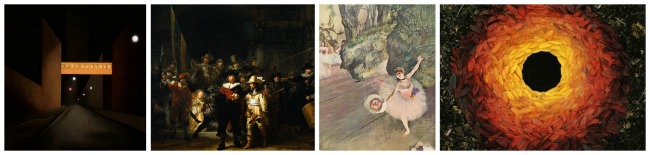
The Art Curator for Kids - Example Artworks that Show Emphasis in Art - The Elements and Principles of Art Series
  • George C. Ault, Sullivan Street, Abstraction, 1924 (Contrast, Shape, Line, Color, Light)
  • Rembrandt van Rijn, Militia Company of District II under the Command of Captain Frans Banninck Cocq, known as the ‘Night Watch’, 1642 (Line, Value, Movement)
  • Edgar Degas, The Star, ca. 1878 (Shape, Balance, Line, Movement)
  • Andy Goldsworthy, Circles, Varied (Shape, Color, Value)
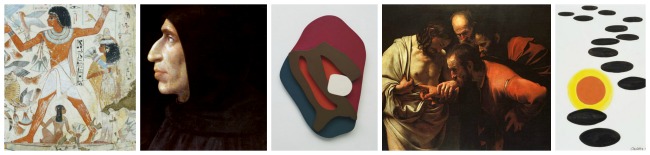
The Art Curator for Kids - Example Artworks that Show Emphasis in Art - The Elements and Principles of Art Series
  • Ancient Egypt, Nebamun Hunting in the Marshes, ca. 1350 B.C.E. (Scale/Size, Line)
  • Fra Bartolommeo, Savonarola, 16th century (Light, Contrast)
  • Jean Arp, Enak’s Tears (Terrestrial Forms), 1917 (Color, Shape)
  • Caravaggio, The Incredulity of Saint Thomas, 1601-02 (Composition, Line, Contrast, Light, Color)
  • Alexander Calder, Saucers Skirting a Planet, 1968 (Shape, Color)
  • Artemisia Gentileschi, Judith Slaying Holofernes, c.1620 (Line, Movement, Contrast, Value)
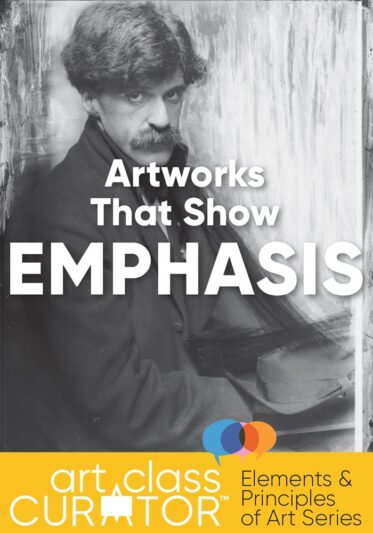
  • Gertrude Käsebier, Portrait of Alfred Steiglitz, 1902 (Texture, Value)
  • René Magritte, The Art of Living, 1967 (Shape, Space)

💡 Looking for more comprehensive art appreciation resources?

Join the Curated Connections Library to access a wealth of lessons, activities, and professional development materials tailored for art educators.
👉 Learn more here
Elements and Principles Teaching Bundle

This extraordinary bundle includes the best resources for teaching each of the elements and principles—37 worksheets/handouts, 15 lessons (with accompanying PowerPoints and Handouts), 3 ready-to-go art analysis activities, 3 art analysis videos, and 13 elements and principle PDF articles.

Buy Now

There you have it! The best emphasis in art examples for your elements and principles of art lessons. Want more elements and principles of art examples? Check out the below posts.
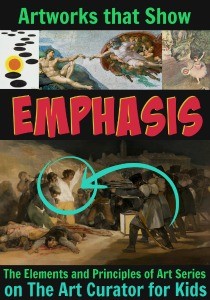
The Art Curator for Kids -Example Artworks that Show Space - The Elements and Principles of Art Series-300The Art Curator for Kids - Example Artworks that Show Line - The Elements and Principles of Art - 300The Art Curator for Kids - Example Artworks that Show Emphasis - The Elements and Principles of Art SeriesElements and Principles of Art - Artworks that Show Proportion in art and ScaleThe Art Curator for Kids - Elements and Principles of Art Series - Artworks that Show Shape - 300The Art Curator for Kids - Why I Hate the Elements and Principles But Teach Them Anyway - 300The Art Curator for Kids - How Artists Depict Space - Masterpiece Monday - John Sloan , South Beach Bathers, 1907-1908, Art Lessons for Kids - Elements of Art Lessons

Photo Credits:

  • Bernini’s Apollo and Daphne — Int3gr4te
  • Borofsky’s Walking to the Sky — doreen

Filed Under: Elements and Principles of Art
Tagged With: albert bierstadt, alexander calder, andrew wyeth, andy goldsworthy, artemisia gentileschi, caravaggio, edgar degas, fra bartolommeo, francisco goya, george ault, georges de la tour, gertrude käsebier, gian lorenzo bernini, grant wood, jean arp, jean-honore fragonard, jonathan borofsky, leonardo da vinci, michelangelo, rembrandt, rene magritte, richard anuszkiewicz


May 13, 2025 7 Comments

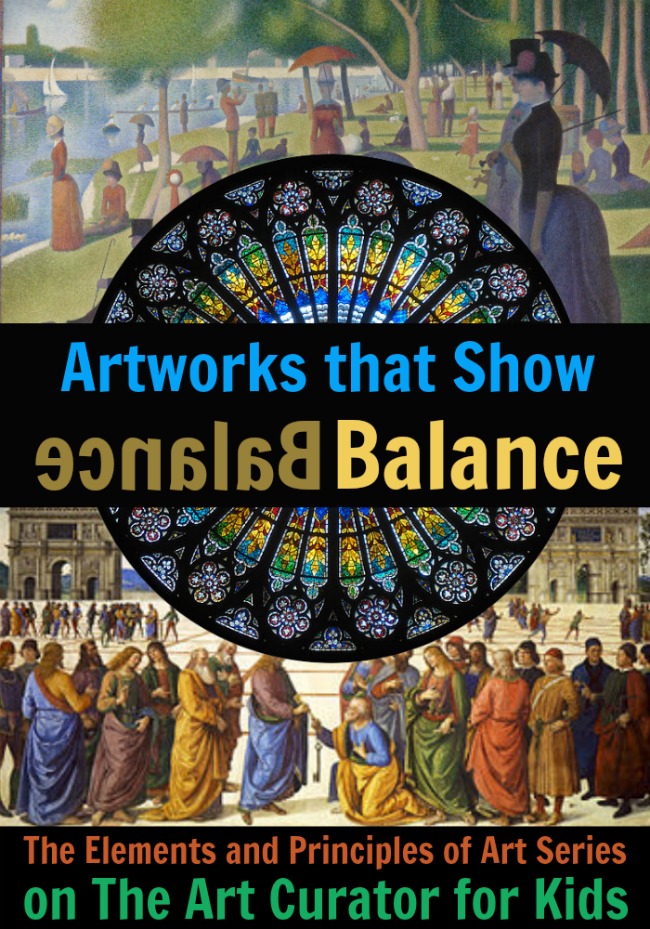
The Best Examples of Balance in Art: Symmetrical, Asymmetrical, and Radial

Inside: A curated collection of examples of balance in art—including symmetrical, asymmetrical, and radial compositions. This resource is part of our comprehensive Elements and Principles of Art series, designed to support and inspire your art lessons.

Balance is a fundamental principle in art that helps create visual harmony and stability. Whether through symmetry, asymmetry, or radial designs, artists use balance to guide the viewer’s eye and evoke specific feelings.

In this post, you’ll find a variety of artworks demonstrating different types of balance, perfect for sparking discussion and analysis in your classroom.

👉 Want a printable to accompany these examples? Grab the free Elements & Principles Pack below. Just click the yellow “Download” button.

Free Resource!

* Elements & Principles Printable Pack *

The Elements & Principles of Art are the foundation of every artwork, but teaching them can be a bore. Wake your students up and engage them with full color artworks, easy to understand definitions, and thought-provoking higher level thinking questions. This versatile resource can be hung in the classroom or used as an art manipulative.

Download

Free Resource!

* Elements & Principles Printable Pack *

The Elements & Principles of Art are the foundation of every artwork, but teaching them can be a bore. Wake your students up and engage them with full color artworks, easy to understand definitions, and thought-provoking higher level thinking questions. This versatile resource can be hung in the classroom or used as an art manipulative.

Explore the full Elements of Art and Principles of Design series for more resources and examples to enrich your curriculum.

For ready-to-use classroom activities, check out our printable art interpretation worksheets.

Download the Free Elements and Principles Printable Pack


This pack of printables was designed to work in a variety of ways in your classroom when teaching the elements and principles of art. You can print and hang in your classroom as posters/anchor charts or you can cut each element and principle of art in its own individual card to use as a lesson manipulative.

What does balance mean in art?

Balance in art is just what is sounds like; it is the sense of stability in a work of art. To create balance in art, artists combine the visual components to ensure that one part of the artwork doesn’t completely overshadow the rest. Each choice made by the artist is a deliberate one in order to ensure equilibrium and balance in the art. Artists create this pleasing effect using the different types of balance in art listed below.

Symmetrical Balance in Art Examples

Symmetrical Balance in Art Examples

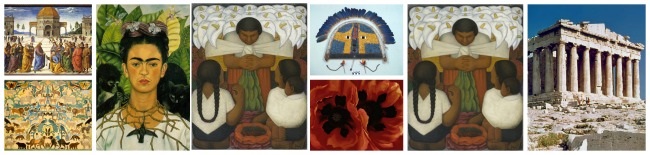
What is symmetrical balance in art? Symmetrical balance in art is when each half of the artwork is identical or very similar. Draw a line through the artwork and compare each side.

  • Cimabue, Santa Trinita Madonna, 1280-90
  • Pietro Perugino, Christ Giving the Keys to St. Peter, 1481–1482
  • American 19th Century, Cutout of Animals, second quarter 19th century
  • Frida Kahlo, Self-Portrait, 1940
  • Chokwe people, African, Chibinda Ilunga, mid-19th century
  • Naum Gabo, Untitled sculpture in Rotterdam, the Netherlands, 1957
  • Georgia O’Keefe, Oriental Poppies, 1928
  • Diego Rivera, Flower Day, 1925
  • Ancient Greece, The Parthenon, 447-438 B.C.E.
  • Tapirapé, Cara Grande feather mask, c. 1960
  • Japan, Portrait sculpture of a Zen priest, 14th–15th century
  • M.C. Escher, many
  • Francis Bacon, Figure with Meat, 1909-92
  • Salvador Dalì, Mae West Lips Sofa, 1938
The Art Curator for Kids - Example Artworks the Show Balance - Asymmetrical Balance Examples

Asymmetrical Balance in Art Examples

What is asymmetrical balance in art? Asymmetrical balance in art is when each half is different but has equal visual weight. The artwork is still balanced. For example, in the Caravaggio (the picture in the right in the collage), the three men are balanced with Jesus on the left. Jesus is facing forward and in brighter light which balances out the three men in shadow.

  • James Abbott McNeill Whistler, Arrangement in Grey and Black: Portrait of the Painter’s Mother known as “Whistler’s Mother,” 1871
  • Caravaggio, The Incredulity of Saint Thomas, 1601-02
  • Georges Seurat, A Sunday on La Grande Jatte, 1884
  • Edgar Degas, The Rehearsal, 1877
  • Edgar Degas, Dancers Practicing at the Barre, 1876-77
  • Gian Lorenzo Bernini, David, 1623
  • Alexander Calder, Mobile, 1942
  • Yinka Shonibare, Dysfunctional Family, 1999
  • Katsushika Hokusai, The Great Wave off Kanagawa, c. 1829-32
  • Paul Strand, Abstraction, Twin Lakes, Connecticut, 1916
  • Ikebana, various
  • Vincent van Gogh, The Starry Night, 1889
  • Jacques-Louis David, Oath of the Horatii, 1785
  • Edward Hopper, Nighthawks, 1942
The Art Curator for Kids - Example Artworks the Show Balance - Radial Balance Examples

Radial Balance in Art Examples

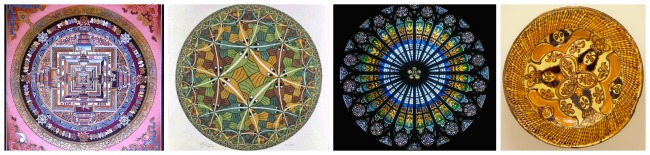
What is radial balance in art? Radial balance in art is when there are equal parts that radiate out from the center. Think of it like pieces of pie. You will find in the examples of balance in art here that there can be many equal pieces–from 3 in the Charles II Charger to 16 in the Gothic Rose window!

  • Gothic Rose Windows
  • England, 17th century, Charger of Charles II in the Boscobel Oak, c. 1685
  • M.C. Escher, many
  • Mandalas, many
  • Melozzo da Forlì, St. Mark’s Sacristy, 1480s
The Art Curator for Kids - Example Artworks the Show Balance - Off-Balance Examples

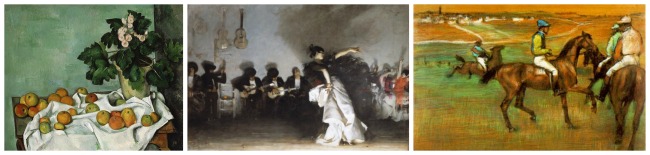
Off-Balance or Unbalanced Artworks (kind of)

It’s hard to find artworks that are unbalanced by well-known artists. These teeter on the edge between asymmetrically-balanced and unbalanced. It’s up for debate and would be a great discussion with your students!

  • Edgar Degas, Race Horses, 1885-1888
  • Paul Cezanne, Still Life with Apples and a Pot of Primroses, c. 1890
  • Precolumbian, Presentation of Captives to a Maya Ruler, A.D. 785
  • John Singer Sargent, El Jaleo, 1882
  • Juan Sánchez Cotán, Quince, Cabbage, Melon, and Cucumber, 1602
  • Judith Leyster, A Boy and Girl with a Cat and an Eel, c. 1635
  • Paulus Potter, The Bull, 1647
  • Harmen Steenwyck, Still Life: An Allegory of the Vanities of Human Life, c. 1640

Do you have great examples of balance in art? Share them with me in the comments, and I will add it to the list!

💡 Looking for more comprehensive art appreciation resources?

Join the Curated Connections Library to access a wealth of lessons, activities, and professional development materials tailored for art educators.
👉 Learn more here

Elements and Principles Teaching Bundle

This extraordinary bundle includes the best resources for teaching each of the elements and principles—37 worksheets/handouts, 15 lessons (with accompanying PowerPoints and Handouts), 3 ready-to-go art analysis activities, 3 art analysis videos, and 13 elements and principle PDF articles.

Buy Now


There you have it! The best examples of balance in art for your elements and principles of art lessons. Want more elements and principles of art teacher resources? Check out the below posts.


The Art Curator for Kids -Example Artworks that Show Space - The Elements and Principles of Art Series-300The Art Curator for Kids - Example Artworks that Show Line - The Elements and Principles of Art - 300The Art Curator for Kids - Example Artworks that Show Emphasis - The Elements and Principles of Art SeriesElements and Principles of Art - Artworks that Show Proportion in art and ScaleThe Art Curator for Kids - Elements and Principles of Art Series - Artworks that Show Shape - 300The Art Curator for Kids - Why I Hate the Elements and Principles But Teach Them Anyway - 300The Art Curator for Kids - How Artists Depict Space - Masterpiece Monday - John Sloan , South Beach Bathers, 1907-1908, Art Lessons for Kids - Elements of Art Lessons

Filed Under: Elements and Principles of Art
Tagged With: alexander calder, caravaggio, cimabue, diego rivera, edgar degas, edward hopper, francis bacon, frida kahlo, georges seurat, georgia o'keeffe, gian lorenzo bernini, harmen steenwyck, jacques-louis david, james whistler, john singer sargent, juan sánchez cotán, judith leyster, leonardo da vinci, m.c. escher, naum gabo, paul cezanne, paul strand, paulus potter, pietro perugino, salvador dali, vincent van gogh, yinka shonibare


May 8, 2025 8 Comments

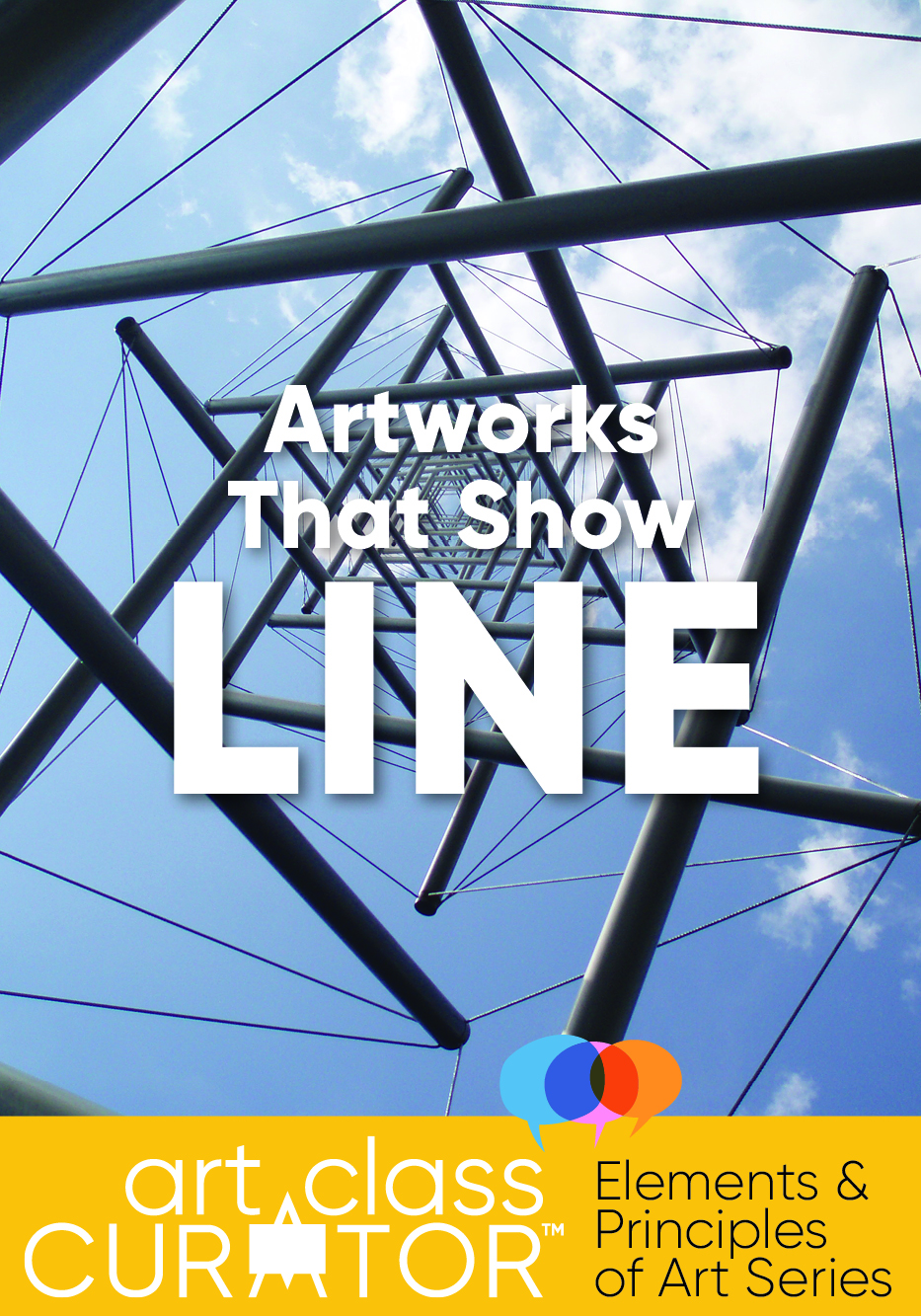
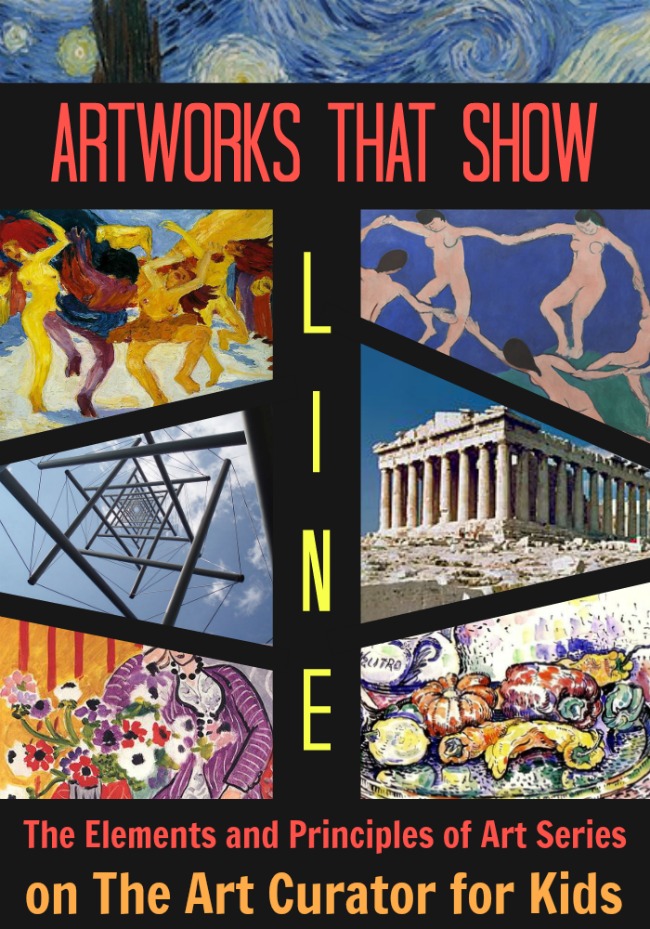
Artworks that Show Line

I don’t know about you, but I often find myself needing to teach a lesson on one of the elements and principles of art, but it takes a bit of digging to find good examples of art that teach that particular element. To help those in that situation, I have created an elements and principles series that includes lists of example artworks you can use in your elements and principles of art lessons.

Finding the right artwork to teach the elements of art can take time. That’s why I created this Elements & Principles series—to help you skip the endless search and get straight to powerful, conversation-starting artworks.

Below, you’ll find artworks that clearly demonstrate the many types of line—perfect for your next lesson or student project.

👉 Want a printable to go with it? Grab the free Elements & Principles Pack below. Click the yellow “Download” button.

Free Resource!

* Elements & Principles Printable Pack *

The Elements & Principles of Art are the foundation of every artwork, but teaching them can be a bore. Wake your students up and engage them with full color artworks, easy to understand definitions, and thought-provoking higher level thinking questions. This versatile resource can be hung in the classroom or used as an art manipulative.

Download

Free Resource!

* Elements & Principles Printable Pack *

The Elements & Principles of Art are the foundation of every artwork, but teaching them can be a bore. Wake your students up and engage them with full color artworks, easy to understand definitions, and thought-provoking higher level thinking questions. This versatile resource can be hung in the classroom or used as an art manipulative.

Inside: A curated list of artworks that show the different types of line in art—including implied lines, gesture lines, contour lines, expressive lines, and more. 

👉 This post is part of the Elements of Art series—explore them all to build a complete foundation for your classroom.

Download the Free Elements and Principles Printable Pack

This pack of printables was designed to work in a variety of ways in your classroom when teaching the elements and principles of art. You can print and hang in your classroom as posters/anchor charts or you can cut each element and principle of art in its own individual card to use as a lesson manipulative.

Examples of Types of Line in Art

The Art Curator for Kids - Example Artworks the Show Types of Line in Art - General

Artworks that Show Line, General

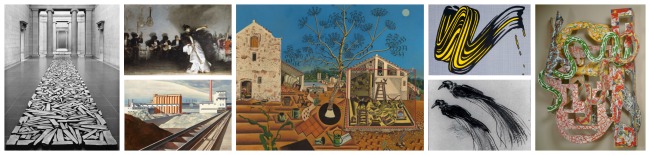
  • Richard Long, A Line Made by Walking, 1967
  • Richard Long, Cornish Slate Line, 1990
  • Frank Stella, Jarama II, 1982
  • Roy Lichtenstein, Brushstroke, 1965
  • Charles Sheeler, Classic Landscape, 1931
  • Joan Miró, The Farm, 1921–1922
  • Rembrandt van Rijn, Two Studies Of A Bird Of Paradise, 1630
  • John Singer Sargent, El Jaleo, 1882
The Art Curator for Kids - Example Artworks the Show Line - Horizontal and Vertical Lines in Art

Horizontal and Vertical Lines in Art

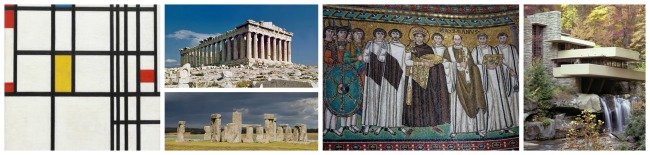
  • Stonehenge, ca. 2600-2000 B.C.E.
  • Ancient Greece, The Parthenon, 447-438 B.C.E.
  • Frank Lloyd Wright, Fallingwater, 1936-7
  • Piet Mondrian, Composition in Red, Blue, and Yellow, 1937-42
  • Byzantine, Justinian and his Attendants, Basilica di San Vitale, 547 C.E
The Art Curator for Kids - Example Artworks the Show Line - Diagonal Lines in Art

Diagonal Lines in Artworks

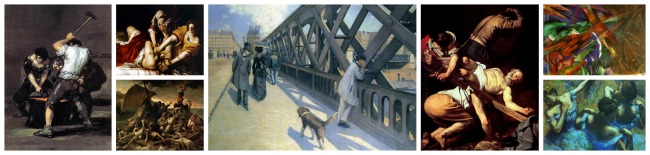
  • Edgar Degas, Blue Dancers, c. 1899
  • Gustave Caillebotte, Le Pont de L’Europe, 1881-1882
  • Artemisia Gentileschi, Judith Slaying Holofernes, 1614–20
  • Franz Marc, Fate of the Animals, 1913
  • Michelangelo Merisi da Caravaggio, The Crucifixion of Saint Peter, 1600-1601
  • Francisco Goya, The Forge, c. 1817
  • Rembrandt van Rijn, Militia Company of District II under the Command of Captain Frans Banninck Cocq, known as the ‘Night Watch’, 1642
The Art Curator for Kids - Example Artworks the Show Line - Contour Lines and Outlines

Contour Lines and/or Outlines

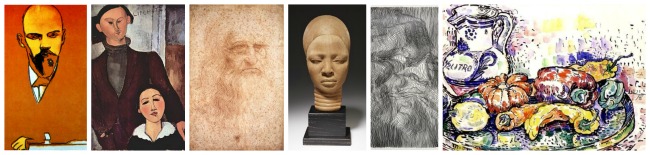
  • Leonardo da Vinci, Self-Portrait, c. 1512
  • Paul Signac, Still Life with Pitcher, 1919
  • Carl Krull, Olmec Drawings and Scroll Drawings
  • Yoruba artist, Shrine Head, 12th-14th century
  • Andy Warhol, Red Lenin, 1987
  • Amedeo Modigliani, Jacques and Berthe Lipchitz, 1916

Gesture Lines, Lines that Show Movement

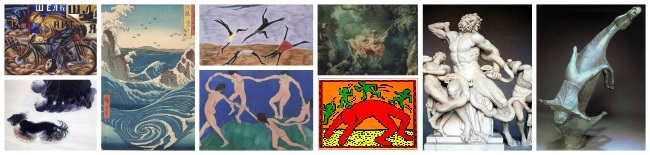
  • Jean-Honoré Fragonard, The Swing, 1767
  • Utagawa Hiroshige, The Whirlpools of Awa: Naruto Rapids, ca. 1853
  • Giacomo Balla, Dynamism of a Dog on a Leash (Leash in Motion), 1912
  • Natalia Goncharova, The Cyclist, 1913
  • Henri Matisse, Dance (I), 1909
  • Marino Marini, Miracle (Miracolo), 1952
  • Jacob Lawrence, Harriet Tubman Series, No. 4, 1939-40
  • Keith Haring, Untitled, 1985

Want to explore how line leads the eye and creates movement in art? Check out these rhythm in art examples to see visual flow in action.

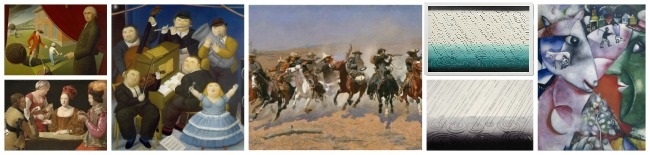
Lines that Help Guide The Viewer’s Eye through the Picture and/or Implied Lines

  • Marc Chagall, I and the Village, 1911
  • Georges de La Tour, The Cheat with the Ace of Clubs, late 1620s
  • Frederic Remington, Dash for the Timber, 1889
  • Suzanne Caporael, Seeing Things: Rain, 1990
  • Fernando Botero, The Musicians, 1991
  • Grant Wood, Parson Weems’ Fable, 1939

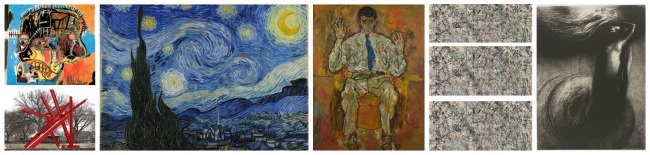
Lines that Show Feeling/Emotion, Expressive Lines

  • Vincent van Gogh, The Starry Night, 1889
  • Mark Di Suvero, Are Years What? (for Marianne Moore), 1967
  • Jean-Michel Basquiat, Untitled, 1984
  • Egon Schiele, Portrait of Paris von Gütersloh, 1918
  • Odilon Redon, Death: “My irony surpasses all others!”, 1889
  • Jackson Pollock, Lavender Mist No. 1, 1950
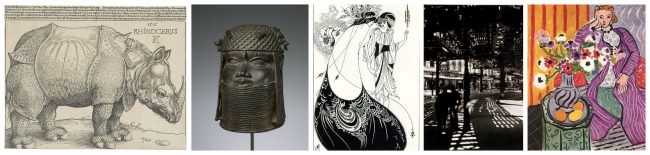
The Art Curator for Kids - Example Artworks the Show Line - Repetition and Pattern

Repetition of Line, Pattern Using Line, Decorative Line

  • Henri Matisse, Purple Robe and Anemones, 1937
  • Berenice Abbott, El, Second and Third Avenue Lines from the portfolio Retrospective, 1982
  • Aubrey Beardsley, The Peacock Skirt, 1893
  • Albrecht Dürer, The Rhinoceros, 1515
  • Benin, Memorial head, 1550-1650
  • Richard Anuszkiewicz, Deep Magenta Square, 1978
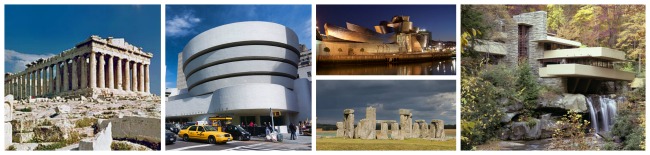
The Art Curator for Kids - Example Artworks the Show Line - Lines in Architecture

Lines in Architecture

  • Frank Lloyd Wright, Solomon R. Guggenheim Museum, NYC
  • Frank O. Gehry, Guggenheim Museum, Bilbao, Spain
  • Stonehenge, ca. 2600-2000 B.C.E.
  • Ancient Greece, The Parthenon, 447-438 B.C.E.
  • Frank Lloyd Wright, Fallingwater, 1936-1937

Lines in Sculpture

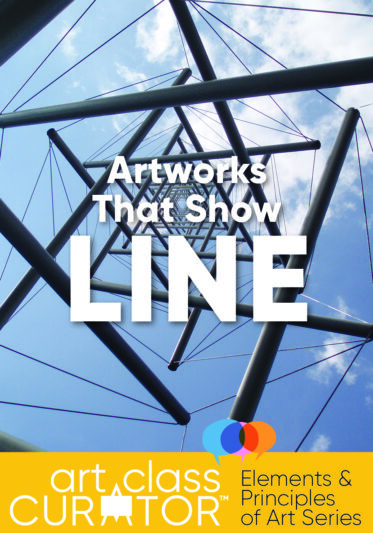
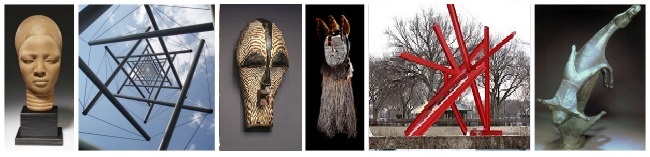
  • Kenneth Snelson, Needle Tower, 1968
  • Songye, Mask (kifwebe), 19th century AD
  • Mark Di Suvero, Are Years What? (for Marianne Moore), 1967
  • Benin, Memorial head, 1550-1650
  • Yoruba artist, Shrine Head, 12th-14th century
  • Marino Marini, Miracle (Miracolo), 1952

Lines that Show Texture and/or Shading

  • Vincent van Gogh, Garden of Flowers, 1888
  • Rembrandt Van Rijn, The Three Crosses, 1653
  • Käthe Kollwitz, Self Portrait, 1921

Lines that Show Space and/or Linear Perspective

  • Gustave Caillebotte, The Floor Scrapers, 1875
  • Leonardo da Vinci, Last Supper, 1498
  • Pietro Perugino, Christ Giving the Keys to St. Peter, 1481–1482
  • Dorothea Lange, The Road West, 1938

Lines the Show Emphasis

  • Grant Wood, Parson Weems’ Fable, 1939
  • Francisco Goya, Third of May, 1808
  • Jonathan Borofsky, Walking to the Sky, 2004
  • Leonardo da Vinci, The Last Supper, 1494-99
  • Richard Anuszkiewicz, Deep Magenta Square, 1978
  • Rembrandt van Rijn, Militia Company of District II under the Command of Captain Frans Banninck Cocq, known as the ‘Night Watch’, 1642
  • See more artworks that show emphasis.

💡 Want more done-for-you lessons like this?

The Curated Connections Library gives you full access to hundreds of art appreciation resources, trainings, and classroom-ready materials.
👉 Click here to learn more.

Elements and Principles Teaching Bundle

This extraordinary bundle includes the best resources for teaching each of the elements and principles—37 worksheets/handouts, 15 lessons (with accompanying PowerPoints and Handouts), 3 ready-to-go art analysis activities, 3 art analysis videos, and 13 elements and principle PDF articles.

Buy Now


There you have it! The best types of line in art examples for your elements and principles of art lessons. Want more elements and principles of art teacher resources? Check out the below posts.
The Art Curator for Kids -Example Artworks that Show Space - The Elements and Principles of Art Series-300The Art Curator for Kids - Example Artworks that Show Line - The Elements and Principles of Art - 300The Art Curator for Kids - Example Artworks that Show Emphasis - The Elements and Principles of Art SeriesElements and Principles of Art - Artworks that Show Proportion in art and ScaleThe Art Curator for Kids - Elements and Principles of Art Series - Artworks that Show Shape - 300The Art Curator for Kids - Why I Hate the Elements and Principles But Teach Them Anyway - 300The Art Curator for Kids - How Artists Depict Space - Masterpiece Monday - John Sloan , South Beach Bathers, 1907-1908, Art Lessons for Kids - Elements of Art Lessons

Photo Credits:

  • Stonehenge, Diego Delso
  • Parthenon, Steve Swayne
  • Laocoön and His Sons, LivioAndronico
  • Needle Tower, Onderwijsgek

Filed Under: Elements and Principles of Art
Tagged With: albrecht dürer, amedeo modigliani, andy warhol, artemisia gentileschi, aubrey beardsley, basquiat, caravaggio, carl krull, charles sheeler, dorothea lange, edgar degas, egon schiele, emile nolde, fernando botero, francisco goya, frank gehry, frank lloyd wright, frank stella, franz marc, frederic remington, georges de la tour, giacomo balla, gian lorenzo bernini, grant wood, gustave caillebotte, henri matisse, jackson pollock, jacob lawrence, jean-honore fragonard, joan miro, john singer sargent, jonathan borofsky, kathe kollwitz, keith haring, kenneth snelson, leonardo da vinci, marc chagall, marino marini, mark di suvero, natalia goncharova, odilon redon, paul signac, piet mondrian, pietro perugino, rembrandt, richard long, roy lichtenstein, sandro botticelli, suzanne caporael, théodore géricault, utagawa hiroshige, vincent van gogh


May 8, 2025 12 Comments

The Ultimate Collection of Color in Art: Examples and Definitions

Color is often the first thing students notice when they look at a work of art. It’s emotional. It’s bold. It shapes the entire mood and message of the piece.

That makes it one of the most powerful tools you can teach.

In this post, you’ll find a curated collection of artworks that show color in action—from symbolism and contrast to harmony and chaos. Use them to spark discussion, inspire student work, and bring the element of color to life in your classroom.

👉 Want a printable to go with it? Grab the free Elements & Principles Pack below to get ready-to-use teaching materials. Click the yellow “Download” button.

Free Resource!

* Elements & Principles Printable Pack *

The Elements & Principles of Art are the foundation of every artwork, but teaching them can be a bore. Wake your students up and engage them with full color artworks, easy to understand definitions, and thought-provoking higher level thinking questions. This versatile resource can be hung in the classroom or used as an art manipulative.

Download

Free Resource!

* Elements & Principles Printable Pack *

The Elements & Principles of Art are the foundation of every artwork, but teaching them can be a bore. Wake your students up and engage them with full color artworks, easy to understand definitions, and thought-provoking higher level thinking questions. This versatile resource can be hung in the classroom or used as an art manipulative.

Inside: A curated collection of color in art examples, showcasing how artists use color to express emotion, create contrast, and shape meaning. A continuation of the Elements and Principles of Art series.

This post is part of the Elements of Art series—check out the full collection to build a rich, connected curriculum.

Looking for classroom-ready activities? These printable art interpretation worksheets pair perfectly with the artworks in this post.

Download the Free Elements and Principles Printable Pack

This pack of printables was designed to work in a variety of ways in your classroom when teaching the elements and principles of art. You can print and hang in your classroom as posters/anchor charts or you can cut each element and principle of art in its own individual card to use as a lesson manipulative.

Examples of Color in Art

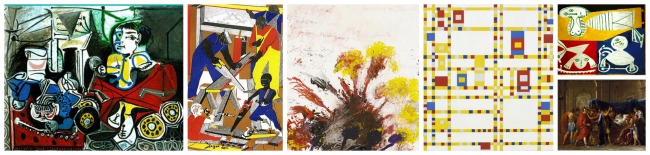
The Art Curator for Kids - Color in Art Examples - Primary Color Art

Primary Color Art

The primary colors are red, yellow, and blue. The primary colors are the basis for all other colors. You cannot do anything to mix blue, yellow, or red. They just exist.

  • Piet Mondrian, Broadway Boogie Woogie, 1942-43
  • Mark Rothko, Untitled (Yellow, Red, and Blue), 1953
  • Jacob Lawrence, Workshop (Builders #1), 1972 and many others
  • Cy Twombly, Summer Madness, 1990 (Click link, then click #20)
  • Hans Hofmann, The Golden Wall, 1961
  • Pablo Picasso, Claude and Paloma Playing, 1950
  • Fritz Glarner, Relational Painting No. 64, 1953
  • Roy Lichtenstein, Stepping Out, 1978
  • Ancient Roman, Glass Garland Bowl, late 1st century B.C.E.
  • Henri de Toulouse-Lautrec, Ambassadeurs Aristide Bruant in his cabaret, 1892
  • Nicolas Poussin, The Death of Germanicus, 1627

Complementary Colors in Art

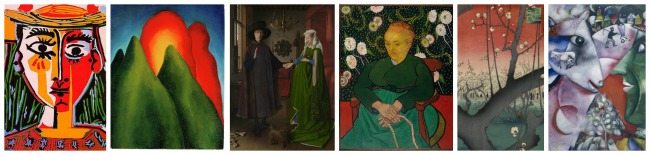
Complementary colors in art are opposite each other on the color wheel. They create a lot of contrast in art. Look around in the world, and you will be surprised how often complementary colors are used. What are the sets of complementary colors? The basic complementary color pairings are red and green, purple and yellow, and orange and blue.

  • Wassily Kandinsky, Improvisation 31 (Sea Battle), 1913
  • Pablo Picasso, Woman in Striped Armchair, 1941
  • Rufino Tamayo, Women of Tehuantepec, 1939, Oil on canvas

The Art Curator for Kids - example of color in art - Complementary Colors in Art - Green and Red

Complementary Colors in Art – Red and Green

  • Marc Chagall, I and the Village, 1911
  • Ando Hiroshige, Plum Estate, Kameido From “One Hundred Famous Views of Edo”, 1857
  • Shinobo Ishihara, Test for Color Deficiency
  • Vincent van Gogh, The Night Café, 1888
  • Jan van Eyck, The Arnolfini Portrait, 1434
  • Henri Matisse, Portrait of Madame Matisse (Green Stripe), 1905
  • Pablo Picasso, Woman with Hat, 1962
  • Georgia O’Keeffe, Anything, 1916 (Click link, top right image)
  • Vincent van Gogh, La Berceuse (Woman Rocking a Cradle; Augustin-Alix Pellicot Roulin, 1851-1930), 1889
  • Kay Kurt, Weingummi II, 1973

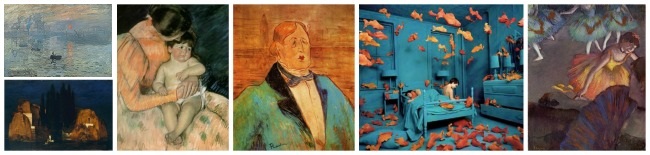
Complementary Colors in Art - Blue and Orange

Complementary Colors in Art – Blue and Orange

  • Mary Cassatt, Mother and Child, 1890
  • Edgar Degas, Ballerina and Lady with Fan, 1885
  • Claude Monet, Rouen Cathedral, West Façade, Sunlight, 1892
  • Paul Klee, Ad Parnassum, 1932
  • Vincent van Gogh, Self-Portrait, 1889
  • Claude Monet, Impression, Sunrise, 1872
  • Fritz Bultman, Blue I, 1958
  • Henri de Toulouse-Lautrec, Portrait of Oscar Wilde, 1895
  • Sandy Skoglund, Revenge of the Goldfish, 1981
  • Stuart Davis, Colonial Cubism, 1954
  • Edvard Munch, The Scream, 1893
  • Arnold Böcklin, Island of the Dead, 1880

artist who use colour - Complementary Colors in Art - Purple and Yellow

Complementary Colors in Art – Purple and Yellow

  • Claude Monet, Water Lilies, 1914-1926
  • Fritz Scholder, Dream Horse G, 1986
  • Henri Matisse, The Dream, 1940
  • Pablo Picasso, Woman with Yellow Hair, 1931 (also red/green)
  • Ray Spillenger, Purple and Yellow, 1963
  • Francis Bacon, Study after Velázquez’s Portrait of Pope Innocent X, 1953
  • Federico Barocci, The Nativity, c. 1597
  • Mark Rothko, Untitled, 1954

The Art Curator for Kids - elements of color in art - Analogous Colors Examples

Analogous Colors Examples

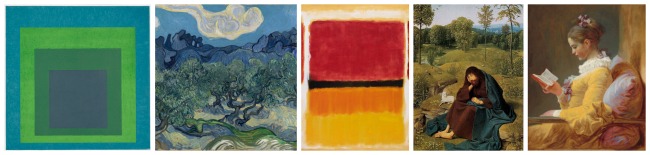
Analogous colors are next to each other on the color wheel. They create unity in art because they are made of the same colors. Example sets of analogous colors are blue, blue-green, and green or orange, red-orange, and red.

  • Josef Albers, Homage to the Square: Soft Spoken, 1969
  • Vincent van Gogh, The Olive Trees, 1889
  • Claude Monet, The Water-Lily Pond, 1899
  • Mark Rothko, Untitled (Violet, Black, Orange, Yellow on White and Red), 1949
  • Helen Frankenthaler, Freefall, 1992
  • Ed Paschke, Painted Lady, 1995
  • Giorgio de Chirico, Mystery and Melancholy of a Street, 1914
  • Jean-Honoré Fragonard, Young Girl Reading, c. 1770
  • Geertgen Tot Sint Jans, John the Baptist in the Wilderness, ca. 1490

Warm and Cool Colors in Art

Warm colors are the colors red, orange, and yellow. They are bright and pop out. They create energy and excitement in an artwork. Blue and green are cool colors. These cool colors create a calming energy in an artwork. Violet/purple can be both warm and cool depending on how much red or how much blue is in the violet.

The Art Curator for Kids - Color in Art Examples - Warm Colors in Art

Warm Colors in Art

  • Vincent van Gogh, Sunflowers, 1888
  • Paul Gauguin, Still Life with Mangoes, 1891-1896
  • Mark Rothko, Untitled (Violet, Black, Orange, Yellow on White and Red), 1949
  • Vincent van Gogh, The Night Café, 1888
  • Robert Adam, The Croome Court tapestry room, Worcestershire, 1758-67
  • Frederic Church, Cotopaxi, 1862
  • Caravaggio, The Incredulity of Saint Thomas, 1601-1602

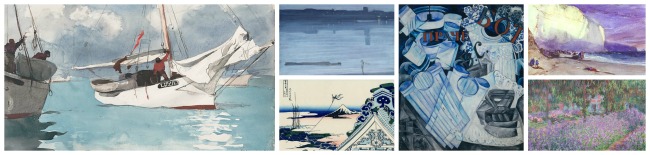
The Art Curator for Kids - famous artists that use colour - Cool Colors in ArtCool Colors in Art

  • Claude Monet, The Artist’s Garden at Giverny, 1900
  • Winslow Homer, Fishing Boats, Key West, 1903
  • Richard Parkes Bonington, The Undercliff, 1828
  • James McNeil Whistler, Nocturne, Blue and Silver: Chelsea, 1871
  • Natalya Goncharova, Linen, 1913
  • Katsushika Hokusai, 36 Views of Mount Fuji, ca. 1829-32

The Art Curator for Kids - Color in Art Examples - Neutral Colors in Art

Neutral Colors in Art

Neutral colors are created by using white and black or are created by mixing sets of complementary colors together to make varying shades of brown. Examples of neutrals include gray, brown, tan, white, black, etc.

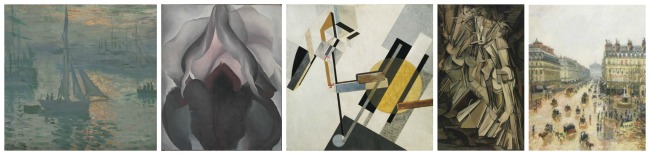
  • El Lissitzky, Proun 19D, c. 1922
  • Claude Monet, Sunrise (Marine), 1873
  • Georgia O’Keeffe, Black Iris, 1926
  • Camille Pissarro, Place du Théâtre Français, Paris: Rain, 1898
  • Marcel Duchamp, Nude Descending a Staircase, No. 2, 1912

Color Intensity in Art

Intensity refers to how saturated a color is. It is the brightness or the dullness of a color. Colors with high intensity are bright, and colors with low intensity are dull.

The Art Curator for Kids - elements of art colour - Color Intensity in Art: High Intensity

Color Intensity in Art: High Intensity

  • Pablo Picasso, The Weeping Woman, 1937
  • Andre Derain, Charing Cross Bridge, 1906
  • Ernst Ludwig Kirchner, Seated Girl (Fränzi Fehrmann), 1910
  • Jim Dine, The Circus #3, 2007

Color Intensity in Art: Low Intensity examples

Color Intensity in Art: Low Intensity

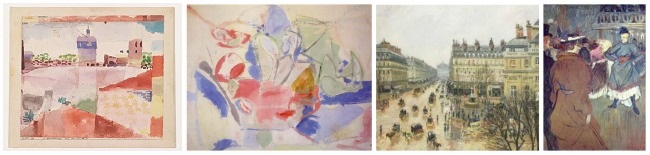
  • Salima Hashmi, Poem for Zainab, 1994
  • Paul Klee, Hammamet with Its Mosque, 1914
  • Henri de Toulouse-Lautrec, Moulin Rouge The Departure of the Quadrille, 1892
  • Camille Pissarro, Place du Théâtre Français, Paris: Rain, 1898
  • Helen Frankenthaler, Mountains and Sea, 1952

💡 Want even more lessons like this—ready to go?

Join the Curated Connections Library for hundreds of done-for-you art appreciation lessons, teacher trainings, and resources.
👉 Click here to explore the membership.

Elements and Principles Teaching Bundle

This extraordinary bundle includes the best resources for teaching each of the elements and principles—37 worksheets/handouts, 15 lessons (with accompanying PowerPoints and Handouts), 3 ready-to-go art analysis activities, 3 art analysis videos, and 13 elements and principle PDF articles.

Buy Now


For more elements of art examples and principles of design examples, visit the following resources.


The Art Curator for Kids -Example Artworks that Show Space - The Elements and Principles of Art Series-300The Art Curator for Kids - Example Artworks that Show Line - The Elements and Principles of Art - 300The Art Curator for Kids - Example Artworks that Show Emphasis - The Elements and Principles of Art SeriesElements and Principles of Art - Artworks that Show Proportion in art and ScaleThe Art Curator for Kids - Elements and Principles of Art Series - Artworks that Show Shape - 300The Art Curator for Kids - Why I Hate the Elements and Principles But Teach Them Anyway - 300The Art Curator for Kids - How Artists Depict Space - Masterpiece Monday - John Sloan , South Beach Bathers, 1907-1908, Art Lessons for Kids - Elements of Art Lessons

Filed Under: Elements and Principles of Art
Tagged With: ando hiroshige, andre derain, arnold böcklin, camille pissarro, caravaggio, claude monet, cy twombly, ed paschke, edgar degas, edvard munch, el lissitzky, ernst ludwig kirchner, federico barocci, francis bacon, frederic church, fritz bultman, fritz glarner, fritz scholder, geertgen tot sint jans, georgia o'keeffe, giorgio de chirico, hans hofmann, helen frankenthaler, henri de toulouse-lautrec, henri matisse, jacob lawrence, james whistler, jan van eyck, jean-honore fragonard, jim dine, josef albers, kay kurt, marc chagall, marcel duchamp, mark rothko, mary cassatt, natalia goncharova, nicolas poussin, pablo picasso, paul gauguin, paul klee, piet mondrian, ray spillenger, richard parkes bonington, robert adam, roy lichtenstein, rufino tamayo, salima hashmi, sandy skoglund, stuart davis, vincent van gogh, wassily kandinsky, winslow homer


June 8, 2015 6 Comments

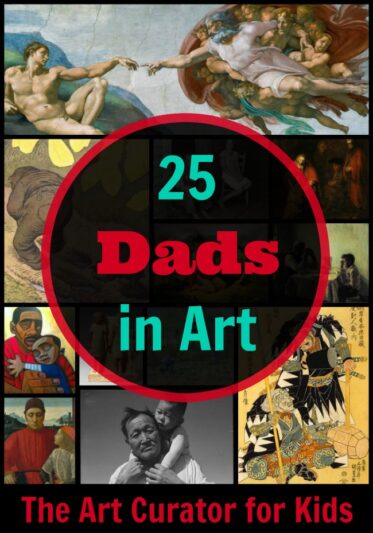
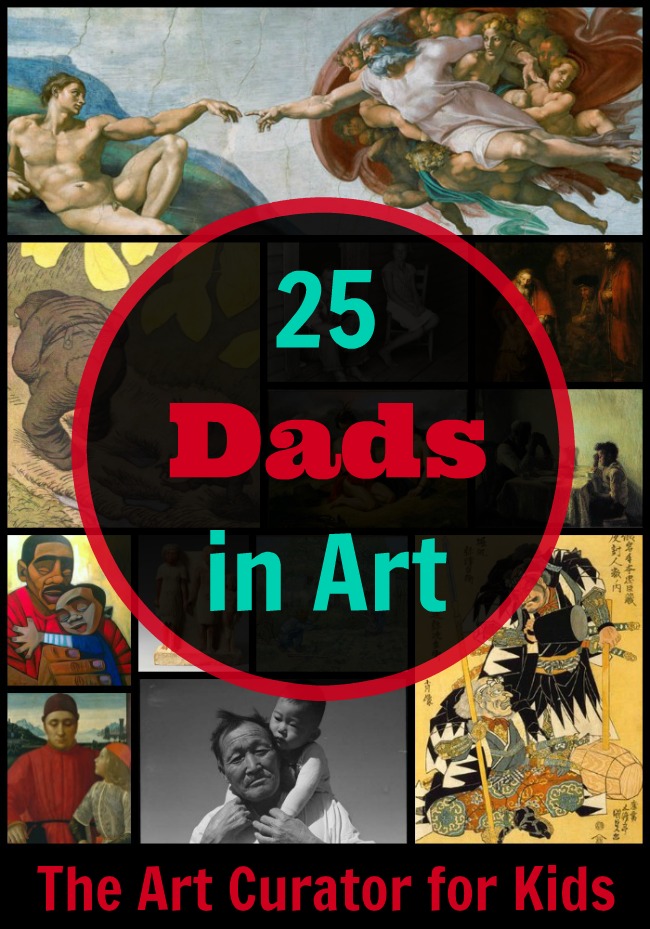
25 Views of Fathers in Art

The Art Curator for Kids - 25 Views of Fathers in Art History - Happy Father's Day!

The Art Curator for Kids - 25 Views of Fathers in Art History - Happy Father's Day!In honor of Father’s Day coming up, I’ve selected 25 artworks that show fathers in art. Enjoy!

Click on the image to view it larger.

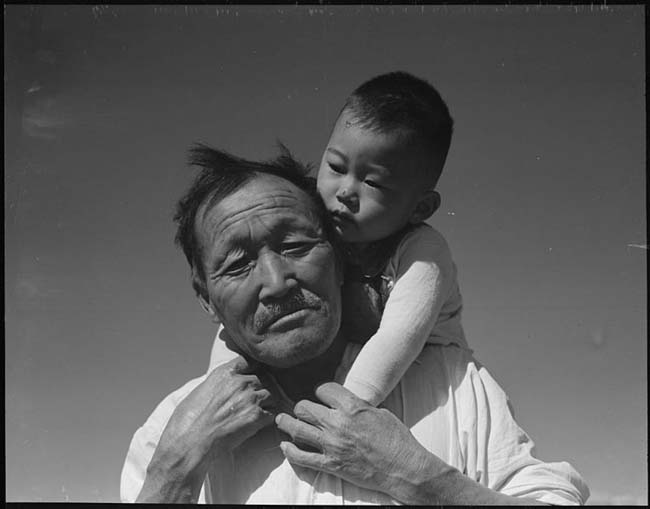
The Art Curator for Kids - Fathers in Art History - Dorothea Lange, Manzanar Relocation Center, Manzanar, California, Grandfather and grandson of Japanese ancestry, 1942
Dorothea Lange, Manzanar Relocation Center, Manzanar, California, Grandfather and grandson of Japanese ancestry, 1942

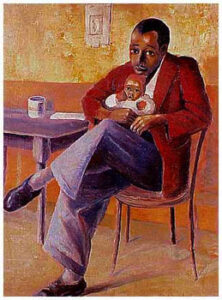
The Art Curator for Kids - Fathers in Art History - Gerard Sekoto,The Proud Father, Manakedi Naky on Bernard Sekoto's Knee, 1947
Gerard Sekoto, The Proud Father, Manakedi Naky on Bernard Sekoto’s Knee, 1947

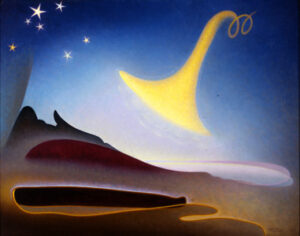
The Art Curator for Kids - Fathers in Art History - Agnes Lawrence Pelton, Awakening (Memory of Father), 1943
Agnes Lawrence Pelton, Awakening (Memory of Father), 1943

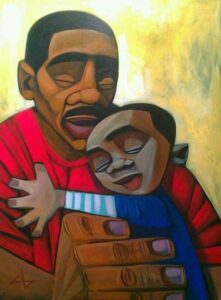
The Art Curator for Kids - Fathers in Art History - Cbabi Bayoc, 365 Days with Dad, 2012
Cbabi Bayoc, 365 Days with Dad, 2012

The Art Curator for Kids - Fathers in Art History - Utagawa Kunisada, Father and Son Members of the Forty Seven Rônin from Chûshingura
Utagawa Kunisada, Father and Son Members of the Forty Seven Rônin from Chûshingura

The Art Curator for Kids - Fathers in Art History - Honoré Daumier, The Kiss, c. 1845-48
Honoré Daumier, The Kiss, c. 1845-48

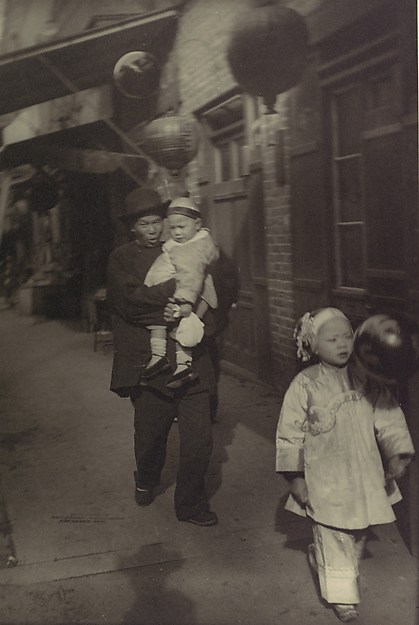
The Art Curator for Kids - Fathers in Art History - Arnold Genthe, A Holiday Visit, 1895–1908
Arnold Genthe, A Holiday Visit, 1895–1908

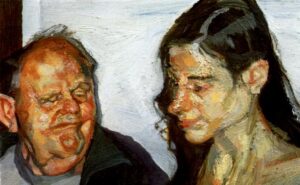
The Art Curator for Kids - Fathers in Art History - Lucian Freud, Daughter and Father, 2002
Lucian Freud, Daughter and Father, 2002

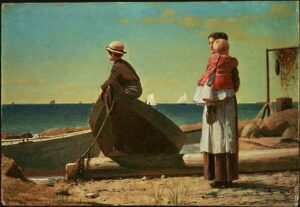
The Art Curator for Kids - Fathers in Art History - Winslow Homer, Dad's Coming, 1873
Winslow Homer, Dad’s Coming!, 1873

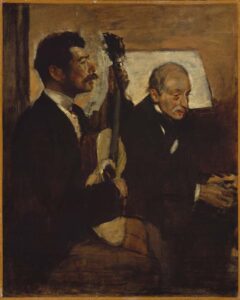
The Art Curator for Kids - Fathers in Art History - Edgar Degas, Degas' Father Listening to Lorenzo Pagans, 1869
Edgar Degas, Degas’ Father Listening to Lorenzo Pagans, 1869

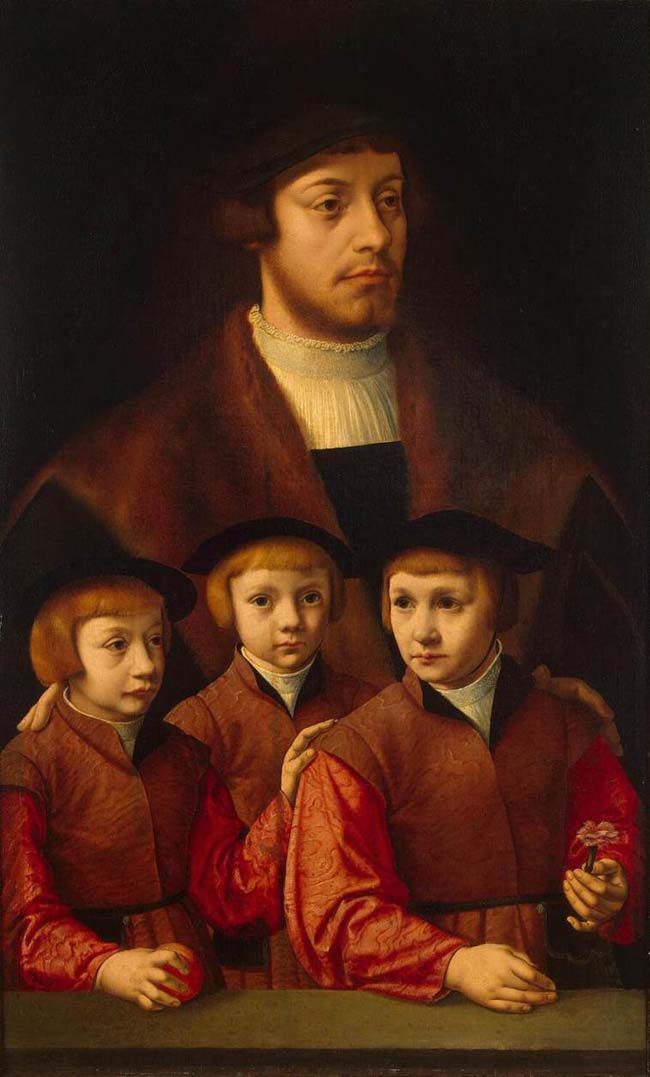
The Art Curator for Kids - Fathers in Art History - Barthel Bruyn the Elder, Portrait of a Man with Three Sons, 1530
Barthel Bruyn the Elder, Portrait of a Man with Three Sons, 1530

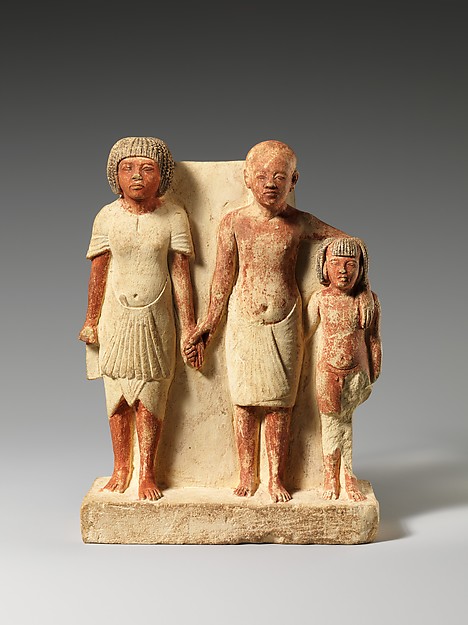
The Art Curator for Kids - Fathers in Art History - New Kingdom, Ancient Egypt, Statue of two men and a boy that served as a domestic icon, ca. 1353–1336 B.C.E.
New Kingdom, Ancient Egypt, Statue of two men and a boy that served as a domestic icon, ca. 1353–1336 B.C.E.

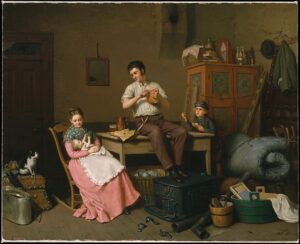
The Art Curator for Kids - Fathers in Art History - Henry Mosler, Just Moved, 1870
Henry Mosler, Just Moved, 1870

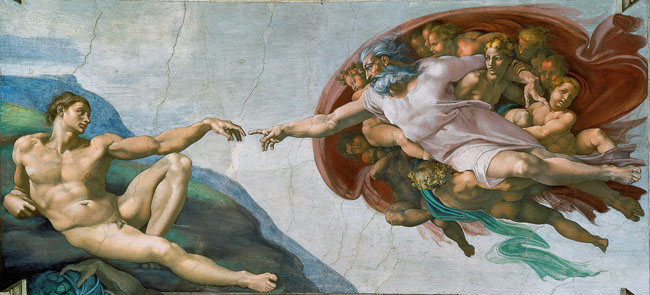
The Art Curator for Kids - Fathers in Art History - Michelangelo, The Creation of Adam, 1512
Michelangelo, The Creation of Adam, 1512

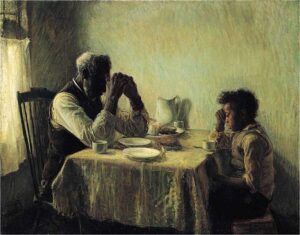
The Art Curator for Kids - Fathers in Art History - Henry Ossawa Tanner, The Thankful Poor, 1894
Henry Ossawa Tanner, The Thankful Poor, 1894

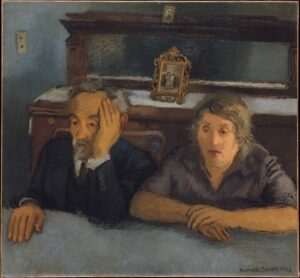
The Art Curator for Kids - Fathers in Art History - Raphael Soyer, The Artist's Parents, 1932
Raphael Soyer, The Artist’s Parents, 1932

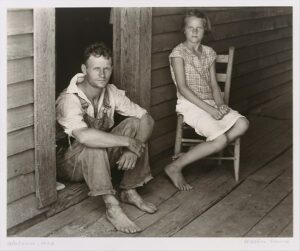
The Art Curator for Kids - Fathers in Art History - Walker Evans, Floyd and Lucille Burroughs on Porch, Hale County, Alabama, 1936
Walker Evans, Floyd and Lucille Burroughs on Porch, Hale County, Alabama, 1936

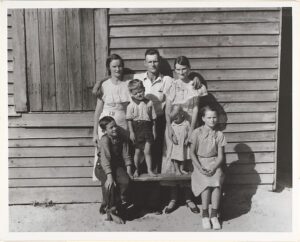
The Art Curator for Kids - Fathers in Art History - Sherrie Levine, After Walker Evans: 2, 1981
Sherrie Levine, After Walker Evans: 2, 1981

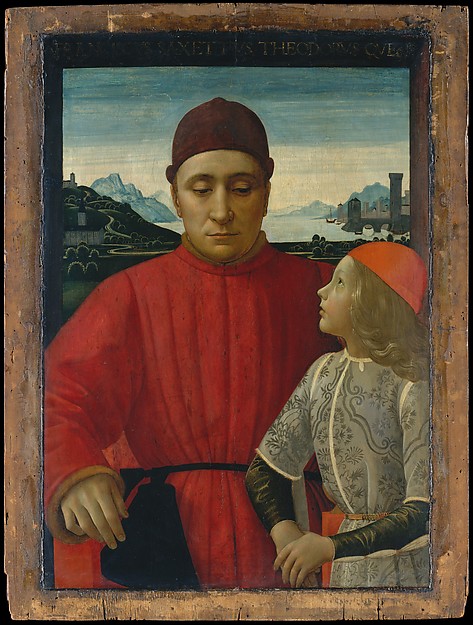
The Art Curator for Kids - Fathers in Art History - Domenico Ghirlandaio, Francesco Sassetti (1421–1490) and His Son Teodoro, ca. 1488
Domenico Ghirlandaio, Francesco Sassetti (1421–1490) and His Son Teodoro, ca. 1488

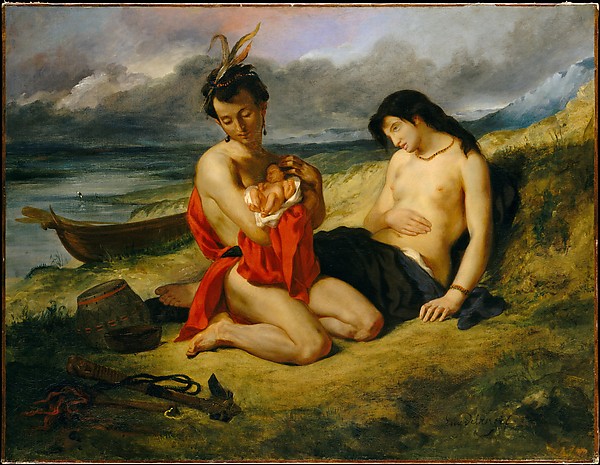
The Art Curator for Kids - Fathers in Art History - Eugène Delacroix, The Natchez, 1835
Eugène Delacroix, The Natchez, 1835

The Art Curator for Kids - Fathers in Art History - Corneille, Father and Sons, 1951
Corneille, Father and Sons, 1951

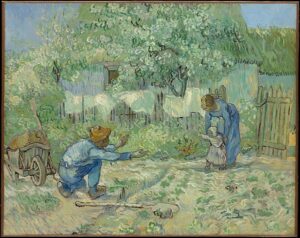
The Art Curator for Kids - Fathers in Art History - Vincent van Gogh, First Steps, after Millet, 1890
Vincent van Gogh, First Steps, after Millet, 1890

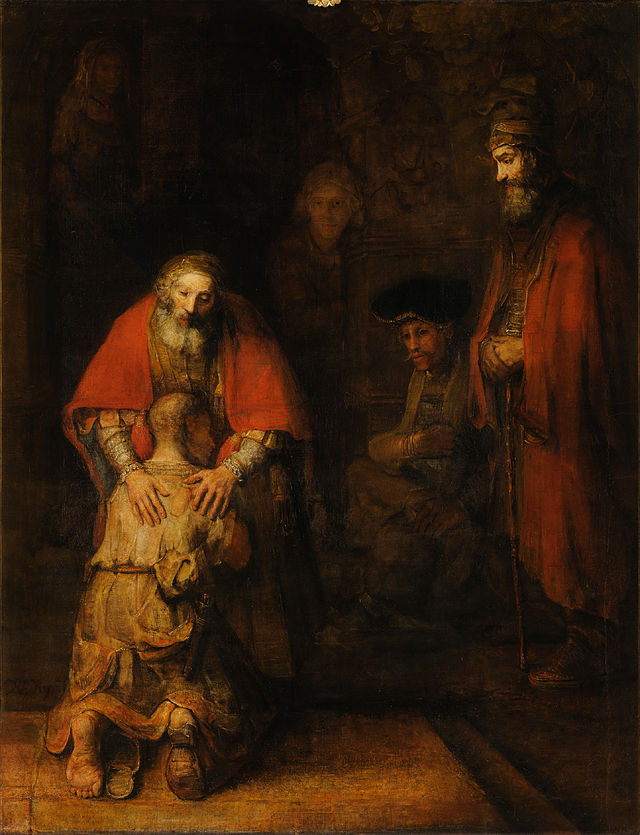
The Art Curator for Kids - Fathers in Art History - Rembrandt van Rijn, The Return of the Prodigal Son, c. 1662
Rembrandt van Rijn, The Return of the Prodigal Son, c. 1662

The Art Curator for Kids - Fathers in Art History - Miriam Schapiro, Father and Daughter, 1997
Miriam Schapiro, Father and Daughter, 1997

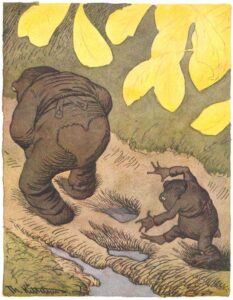
The Art Curator for Kids - Fathers in Art History - Theodor Severin Kittelsen, My Son Tred Always Follow Father's Footsteps, 1894
Theodor Severin Kittelsen, My Son Tred Always Follow Father’s Footsteps, 1894

I came upon some great links while finding art for this post. Check these links out as well for more fathers in art history. Please note, this post includes Amazon affiliate links. As an Amazon Associate I earn from qualifying purchases.

  • Dorothea Lange’s Migrant Fathers
  • Fatherhood Connection, Met Museum
  • The Art Of Fatherhood: The Best Representations Of Fathers In Art
  • Cbabi Bayoc, 365 Days with Dad Calendar

Which one was your favorite artwork from the list? Let me know in the comments!

Filed Under: Art and Artists
Tagged With: agnes lawrence pelton, arnold genthe, barthel bruyn the elder, cbabi bayoc, corneille, domenico ghirlandaio, dorothea lange, edgar degas, eugene delacroix, gerard sekoto, henry mosler, henry ossawa tanner, honore daumier, lucian freud, michelangelo, miriam schapiro, raphael soyer, rembrandt, sherrie levine, theodor severin kittelsen, utagawa kunisada, vincent van gogh, walker evans, winslow homer


April 10, 2015 13 Comments

Best Artist Books and Movies for Kids and Adults

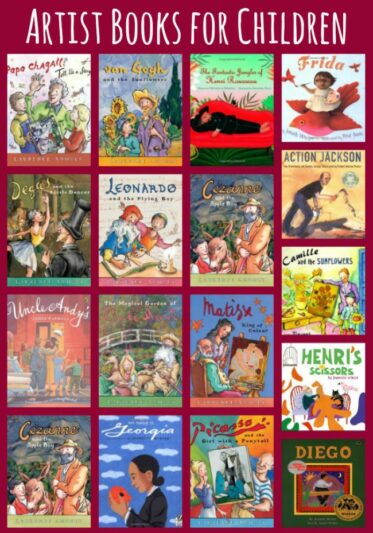
The Art Curator for Kids - Children's Books about the Lives of the Artists - Artist Books for Kids

Although I don’t think it is necessary to study the lives of individual artist to enjoy and connect with their artwork, hearing stories about artists can make their art come alive in new and exciting ways.

Several months ago, I received a message from a reader. This is what she said.

My number one struggle in teaching art to my kids is making artists come alive. I really want them to grasp art from cave drawings to modern art. To help them understand that there is a person behind each piece that has lived through struggles and joys. I want them to understand that art is an expression of the soul creating it.

~Tee from Wisteria and Worms

I love her statement here, because art is about people and connecting with people. When you are moved by a work of art, you are moved because of the person behind that artwork and what they were thinking and feeling. I believe art becomes more powerful when you recognize that truth.

I will never forget reading The Agony and the Ecstasy about Michelangelo. I read it before I studied abroad in Italy in college. After reading that book, I felt like I intimately knew both Michelangelo and where he lived, Florence, Italy. Going to Florence after reading that book was a magical experience for me.

Here are my favorite biographical novels, movies, and children’s books for both kids AND adults!

Please note, this post includes Amazon affiliate links. As an Amazon Associate I earn from qualifying purchases.

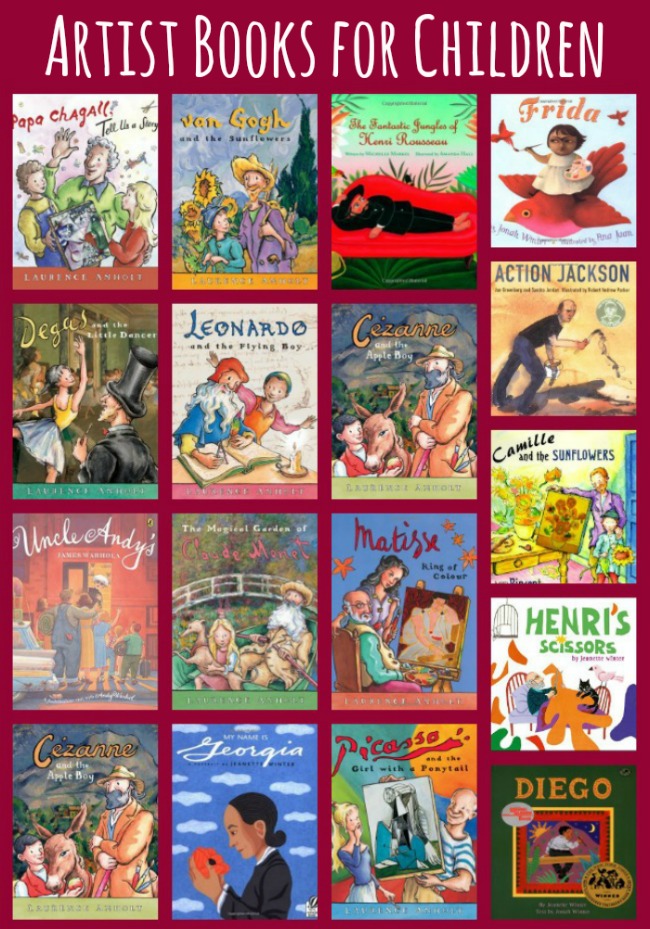
Books about Artists for Kids

The Art Curator for Kids - Children's Books about the Lives of the Artists - Artist Books for Kids

  • Henri’s Scissors by Jeanette Winter
  • Action Jackson by Jan Greenberg and Sandra Jordan
  • Uncle Andy’s by James Warhola
  • Frida by Jonah Winter
  • Diego by Jonah Winter
  • My Name Is Georgia by Jeanette Winter
  • The Fantastic Jungles of Henri Rousseau by Michelle Markel

Laurence Anholt’s Books about Artists For Children

This is a great series of books where artists and children meet.

  • Degas and the Little Dancer
  • Cezanne and the Apple Boy
  • The Magical Garden of Claude Monet
  • Leonardo and the Flying Boy
  • van Gogh and the Sunflowers
  • Picasso and the Girl with a Ponytail
  • Camille and the Sunflowers
  • Papa Chagall, Tell Us a Story
  • Matisse, King of Colour

Movies and Books about Artists for Adults

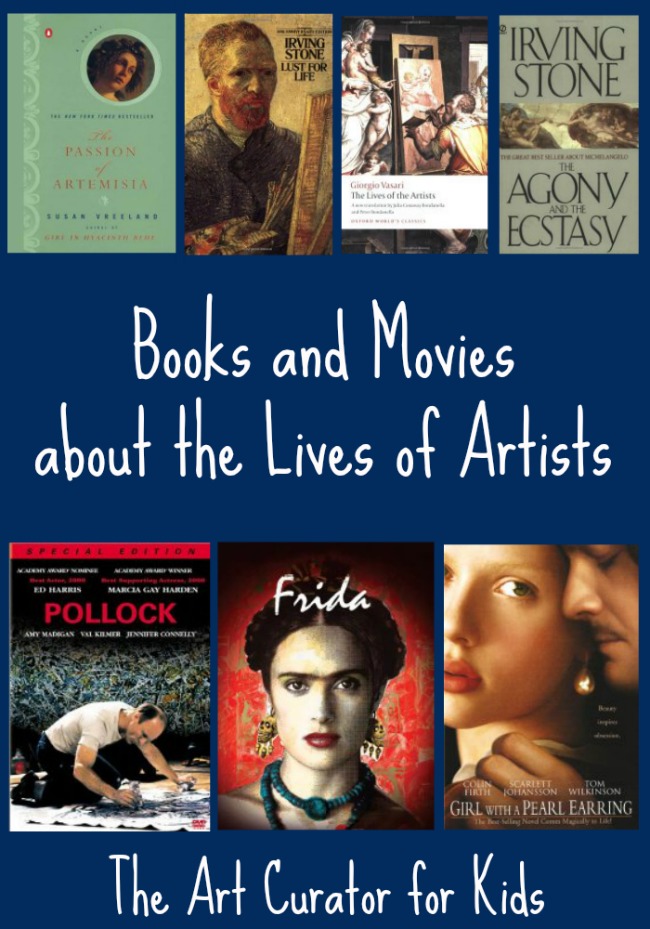
The Art Curator for Kids - Artist Biographies for Adults, Books and Movies - Michelangelo, van Gogh, Vasari, Artemisia Gentileschi, Frida Kahlo, Jackson Pollock

Books about Artists

  • The Agony and the Ecstasy: A Biographical Novel of Michelangelo by Irving Stone
  • The Lives of the Artists by Giorgio Vasari
  • The Passion of Artemisia: A Novel by Susan Vreeland
  • Lust for Life by Irving Stone

Other Books about Artists

Tracy Chevalier and Susan Vreeland write good books surrounding artists but the historical accuracy isn’t as good, so I didn’t put them in the above list. I also really want to read The Private Lives of the Impressionists, but since I haven’t read it, I didn’t put in on the list. 🙂

Movies

  • Pollock
  • Frida
  • Girl with a Pearl Earring
  • Basquiat
  • Midnight in Paris


Filed Under: Downloads and Resources
Tagged With: andy warhol, artemisia gentileschi, basquiat, camille pissarro, diego rivera, edgar degas, frida kahlo, georgia o'keeffe, giorgio vasari, henri matisse, henri rousseau, jackson pollock, leonardo da vinci, marc chagall, michelangelo, pablo picasso, paul cezanne, vincent van gogh


Primary Sidebar

Hi! I’m Cindy Ingram, the creator of Art Class Curator and The Curated Connections Library

I’m on a mission to revolutionize education with the power of life-changing art connections. Art is not “extra”. Art is essential. We are empowering teachers to bridge the gap between art making and art connection, kindling a passion for art that will transform generations.

More About Me

Free Worksheets!

SPARK Art Criticism Framework

SPARK is a complete art criticism and discussion framework that ignites deeper student art connections and more engaging classroom art discussions. Download these free SPARK posters plus a worksheet to use in your classroom!

Download

Free Worksheets!

SPARK Art Criticism Framework

SPARK is a complete art criticism and discussion framework that ignites deeper student art connections and more engaging classroom art discussions. Download these free SPARK posters plus a worksheet to use in your classroom!

Enrollment in Curated Connections Library is currently open. Click here to join. Join our list to get more information and to get a free lesson from the vault! If you are purchasing for a school or school district, head over here for more information.

Check Out What’s New In The Shop

Experience Art: Engaging Art Criticism Discussions and Activities for Teachers and Students of All Ages
Call to Art: An Un-Conference for Art Educators
Curated Connections Library Membership
Perspectives High School Curriculum

More Products

Have You Listened to the Latest Podcast Episode?

Falling for Naudline Pierre’s Evocative Art: A Conversation with Madalyn (Part 2)

More Episodes

Testimonials

I like how this program, unlike other art class resource membership programs, feels authentic. It's like art matters more here, and not fancy flash-in-the-pan trendiness. The goal of Art Class Curator seemed to be helping kids develop a lifelong love and art appreciation versus "Hey, look. I painted this fish."
Erin A.
Your questions are helping me to delve into much deeper learning, and my students are getting better at discussion-and then, making connections in their own work. Art Class Curator is awesome!
Denise W.
Interestingly, my lower performing classes really get engaged in these [lessons] and come away with some profound thoughts!
Melissa G.
I had the most amazing 6th grade class today. They were jumping out of their seats with hands raised just to respond and give input. It was as if I was waving candy in front of them! They saw more and more and the ideas and interpretations unfolded. So cool!!! This is what makes teaching art so wonderful – thank you!!
Caroline G.
I just wanted to thank you for the invaluable resource you have through Art Class Curator. Not only do you have thought provoking activities and discussion prompts, but it saves me so much time in preparing things for myself! I feel like I’ve only scratched the surface with your site.
Maryjane F.

Get Art Inspiration To Your Inbox!

Enter your email address to get regular art inspiration to your inbox
plus a BUNDLE OF 6 FREE WORKSHEETS!
We hate SPAM and promise to keep your email address safe.
Download

Free Worksheets!

*Free Bundle of Art Appreciation Worksheets*

In this free bundle of art worksheets, you receive six ready-to-use art worksheets with looking activities designed to work with almost any work of art.

Copyright © 2025 Ignite Art, LLC DBA Art Class Curator •  All rights reserved  •  Privacy Policy  •  Terms of Service  •  Site Design by Emily White Designs