• Skip to main content
  • Skip to primary sidebar
  • About
    • About Art Class Curator
    • Contact
    • Speaking
    • Media & Press
    • Programs for Schools
  • Blog
  • Podcast
  • Shop
  • Join
  • Member Login

Art Class Curator

Hands-on and Minds-curious Art Learning

  • Art & Artists
  • Art Connection Activities
  • Art Teacher Tips
  • Elements & Principles
  • Downloads & Resources
Home
  • About
    • About Art Class Curator
    • Contact
    • Speaking
    • Media & Press
    • Programs for Schools
  • Blog
    • Art & Artists
    • Elements & Principles
    • Art Connection Activities
    • Art Teacher Tips
    • Downloads & Resources
  • Book
  • Podcast
  • Shop
  • Join
  • Member Login

All Posts from Art Curator for Kids

July 29, 2015 Leave a Comment

Artwork of the Week: Indonesian Sesando

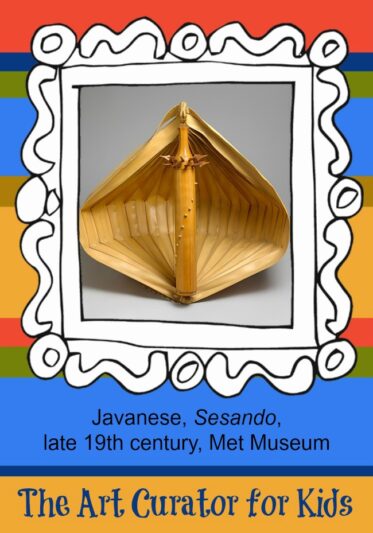
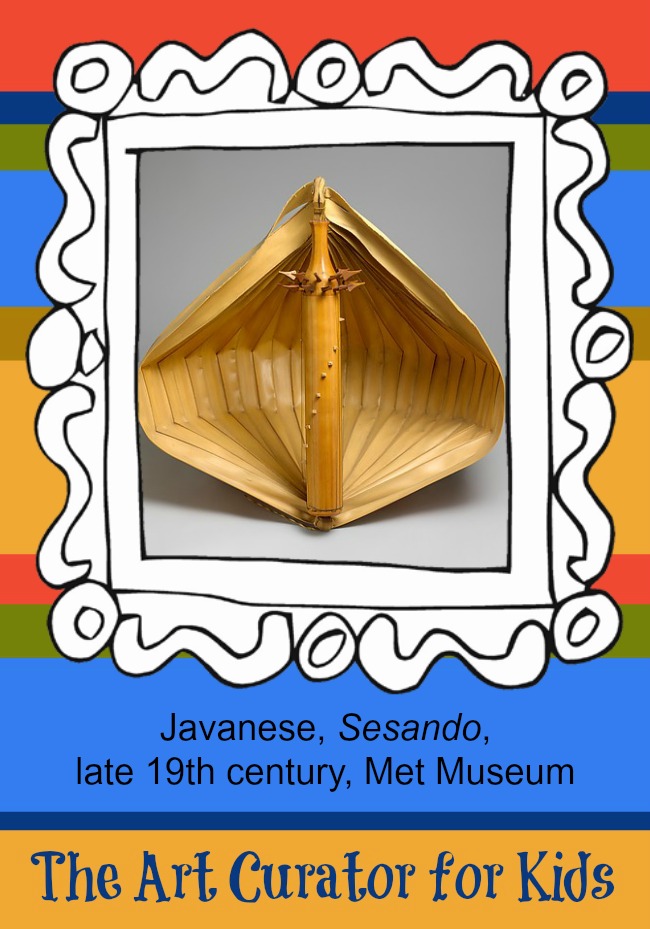
The Art Curator for Kids - Artwork of the Week - Javanese, Sesando, late 19th century, Met Museum

The Art Curator for Kids - Artwork of the Week - Javanese, Sesando, late 19th century, Met Museum

Today’s Artwork of the Week might not technically be considered a work of art, but it is in an art museum, so let’s go with it.
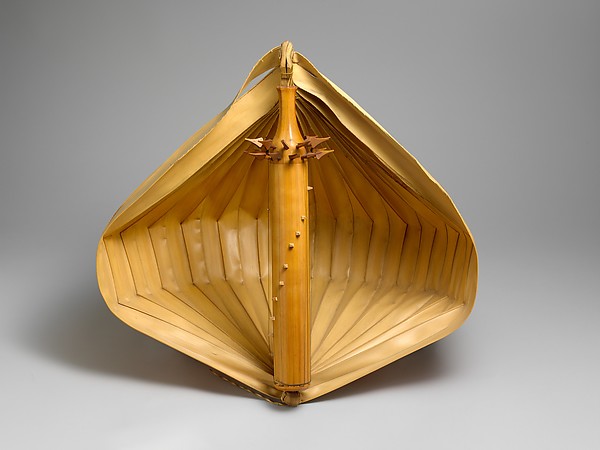
Javanese, Sesando, late 19th century, Met Museum

This is a sesando from the Javanese people from the Timor Island of Indonesia. A sesando is a musical instrument–a string zither. If you look closely at the picture, you can see the strings run the length and circumference of the bamboo tube in the center. I think it also looks small in the picture than it actually is. The height of the instrument is nearly 2 feet (22in/56cm) tall.

Before reading further, think about what you think this might sound like. If you are with your kids, ask them to imagine the sound it might make.

The musician uses both hands to play this kind of like a harp. The left hand plucks the treble strings while the right hand plays the bass. The pitch can be adjusted with the pegs and bridges (Source: Met Museum).

The instrument is used in special ceremonies like weddings and funerals, and the Javanese believe that it carries special powers.

See a video below of a man playing a sesando. He is playing this solo in a tourism environment, but the sesandos traditionally were used to accompany singing.

You can read more about this artwork on the Met Museum’s website, and check out this page on the Met Museum website with 17 other Oceanic musical instruments to learn about. Also, visit my post on Vanuatu slit gongs to learn about another Oceanic instrument.
Filed Under: Art and Artists


July 27, 2015 2 Comments

Art Museum Personification and Assignment

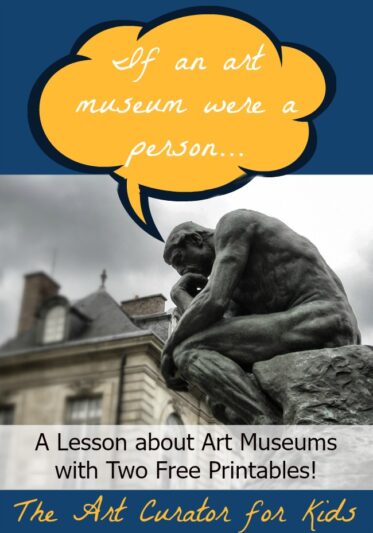
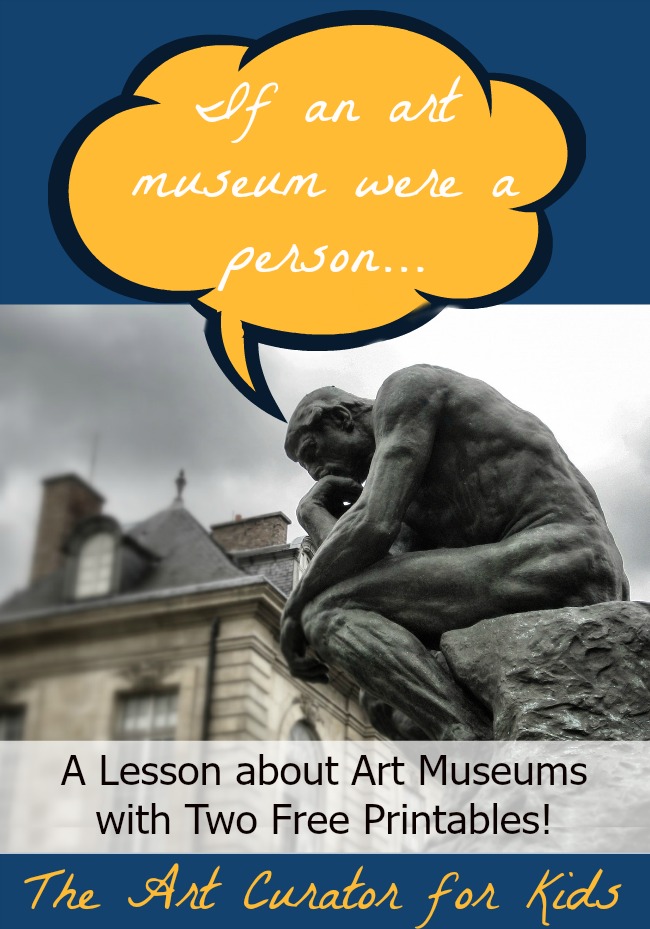
The Art Curator for Kids - Art Museum Personification and Art Visit Assignment with Two Free Printables

One of my goals as an art teacher and museum educator is to get people comfortable with going to art museums. To a lot of people, art museums are scary and unwelcoming. They feel like they don’t fit in, and they don’t like the guards staring at them. People often feel they have to be a certain way or act or dress a certain way to fit in.

Of course, we all know that those people are wrong, but they just don’t know it yet! That is where we come in.  🙂

The below activity is how I facilitate this discussion with my students. I have done the below lesson with both high school and college students with great results. Actually, I think I may have done it with middle school too, but I don’t remember how it went!  At the bottom of this post, you can download printable instruction sheets for all of the activities and assignments described in this post.

Art Museum Personification Lesson

Give the students the following prompt. You can do it with a writing assignment (free printable worksheet below!), or you can just put the prompt on the slide and ask students to share their ideas as a group. I prefer the writing assignment, because for some students (like me), a creative thinking exercise like this needs a little quiet, focused time to brew before coming up with something good.

Prompt: If an art museum were a person, what would that person be like? Imagine that an art museum (not a specific museum or a person visiting a museum, just your idea of art museums) turned into a person. Think about the following questions, then write an essay about your ideas.

Questions to consider: Is it male or female? What does he or she look like? What is his or her job? What is his or her personality? Nice, mean, friendly, snobby, funny, serious, etc.? What does he or she drive? What is his or her house like? How do others interact with him or her? Does he or she have a lot of friends? Why or why not? What might his or her name be?

(Scroll the to bottom of this post to download a free printable worksheet for this activity!)

After giving the students some time to think about this, open it up for discussion. Have students share their Museum person. They can read their paper aloud or summarize.

After everyone shares who wants to, ask the class to share their thoughts about what assumptions and preconceptions the class had about art museums. Share your observations as well. Were the class opinions generally negative or positive?

After discussing the results for a while, tell the students about museums and how they are welcoming, have awesome programs, and all that jazz.

Art Museum Visit Assignment

For my college classes, I then follow it up with an assignment to visit an art museum and write a paper about it. Below, you can download my assignment sheet and rubric that I pass out to my students in case you want it. I also usually include a sheet listing all of the museums in the area with their hours, prices, websites, and such.

My rubric is a bit over the top, but it always made grading much faster. 🙂

This resource is no longer free as I have added more components to the bundle. You can access this resource as a member of The Curated Connections Library.

Curated Connections Library Subscribers: Click here to access this content.
Get the Full Lesson!

This Lesson is in The Curated Connections Library!

Find the full lesson from this post along with hundreds of other art teaching resources and trainings in the Curated Connections Library. Click here for more information about how to join or enter your email below for a free SPARKworks lesson from the membership!

Join the List

Get the Full Lesson!

This Lesson is in The Curated Connections Library!

Find the full lesson from this post along with hundreds of other art teaching resources and trainings in the Curated Connections Library. Click here for more information about how to join or enter your email below for a free SPARKworks lesson from the membership!

Filed Under: Art Connection Activities, Downloads and Resources


July 22, 2015 Leave a Comment

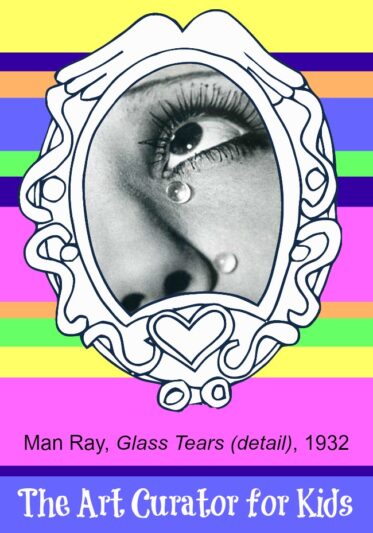
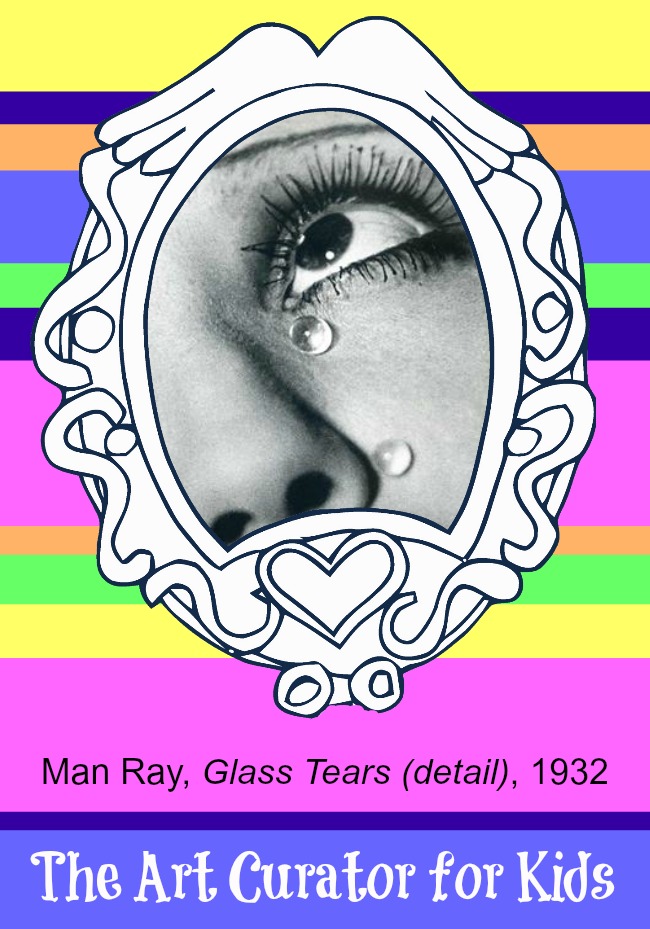
Artwork of the Week: Man Ray’s Tears

The Art Curator for Kids - Artwork of the Week - Man Ray, Glass Tears, 1932

The Art Curator for Kids - Artwork of the Week - Man Ray, Glass Tears, 1932

Today’s Artwork of the Week is one of my favorite photographs. It’s so simple and so memorable.

The Art Curator for Kids - Artwork of the Week - Man Ray, Glass Tears, 1932
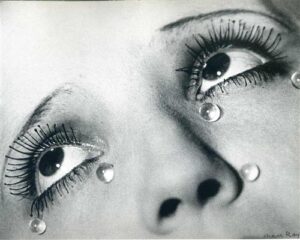
Man Ray, Tears, 1932 (Click Image to View Larger)

By cropping the face so close and emphasizing the eyes looking upward, surrealist artist, Man Ray, makes us think about who this is, where she is looking, and why she is crying. These would be great places to start when discussing this artwork with your students.

  • What’s happening here?
  • Where might she be looking?
  • Why is she crying?
  • What choices did the artist make to emphasize this emotion?
  • Why did the artist choose to crop her face this way?
  • This is not a real woman, but a mannequin with glass tears. How might that change or add to the meaning of the artwork?

To learn more about Man Ray and his reasons for making Tears, check out this PDF resource from The J. Paul Getty Museum. It includes information about this artwork and the artist as well as some other questions for teaching. I hate linking to a pdf like that, but museum websites make it so hard to not do that! The pdf is a part of their Exploring Photographs curriculum.

Filed Under: Art and Artists
Tagged With: man ray


July 17, 2015 14 Comments

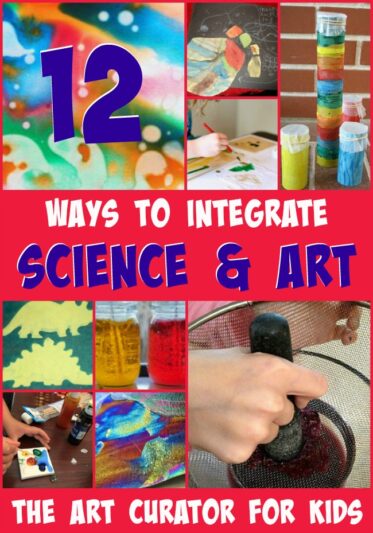
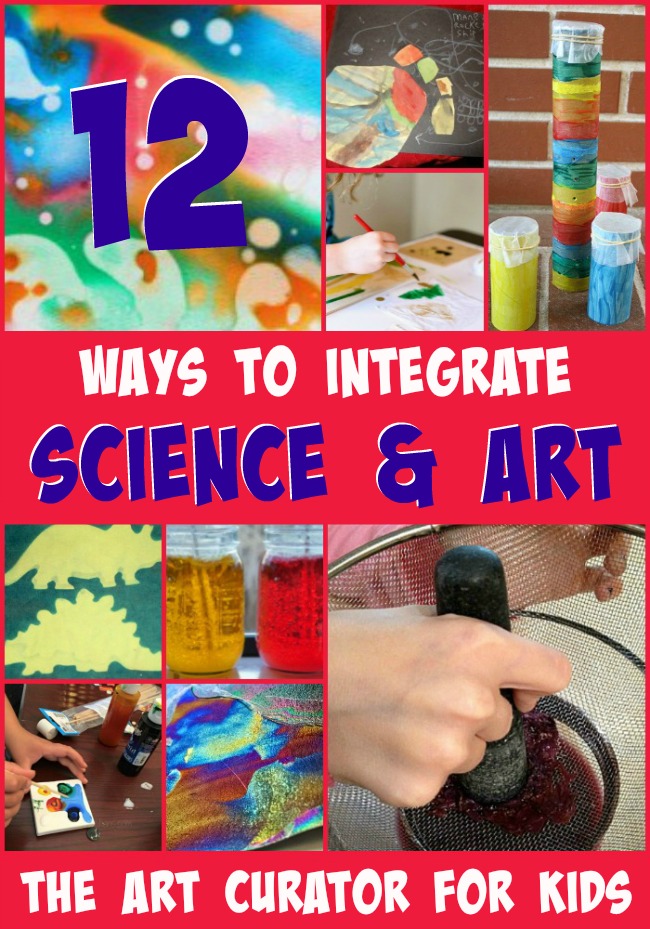
12 Ways to Integrate Science and Art

The Art Curator for Kids - 12 Ways to Integrate Art and Science

My 13 Art and Math Projects for Kids post has been doing pretty well on my site lately, so I decided to keep the art integration going with Science! Check out these awesome ways to teach science using art below.

The Art Curator for Kids - 12 Ways to Integrate Art and Science - Science and Art Activities

There are tons of projects out there online that integrate art and science, but the science is mixing a sensory goop. Those are so fun, but I left them out for this collection. I only choose science and art activities that teach specific science concepts as this post is about teaching science using art rather than teaching art using science.

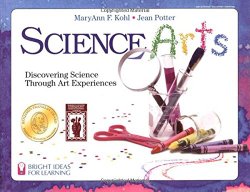
Science Arts: Discovering Science Through Art Experiences - Science and Art ActivitiesBefore reading on, check out this book by MaryAnn Kohl, Science Arts: Discovering Science Through Art Experiences. I love her books and have several of them (but not this one! I need to remedy that.) If you like the science and art activities below, I’m sure this book won’t disappoint! Please note, this post includes Amazon affiliate links. As an Amazon Associate I earn from qualifying purchases.

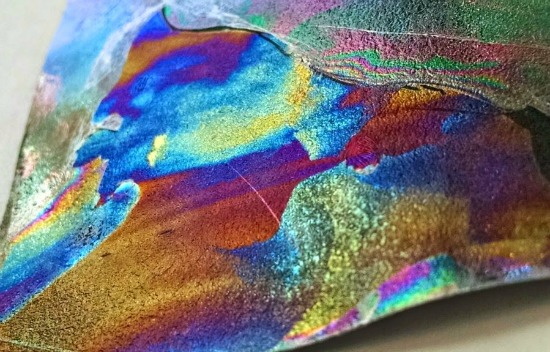
Rainbow Paper | Color Science for Kids by The Science Kiddo

The Art Curator for Kids - Ways to Integrate Art and Science - Rainbow Paper Color Science for Kids by The Science Kiddo - Science and Art ActivitiesThis is so cool! I almost stopped writing this post to go try this with my kids. Basically, you use clear nail polish, water, and paper to capture rainbows on paper. So neat! You could use this as a great little activity to help explain to children how rainbows exist.

The Art & Science of Leaf Rubbings by Edventures with Kids

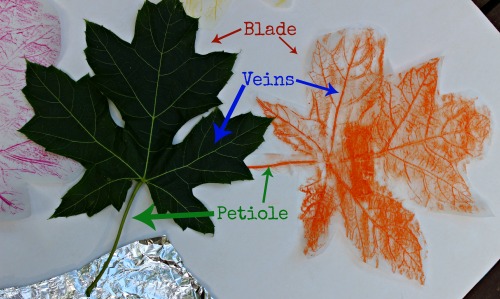
The Art Curator for Kids - Ways to Integrate Art and Science - The Art & Science of Leaf Rubbings by Edventures with Kids - Science and Art Activities

Texture rubbing is a staple in the art classroom, and I like how Jacquie incorporated the science of trees with her kids. I know I will definitely be using this activity in my homeschool!

Leaf Relief by Cassie Stephens

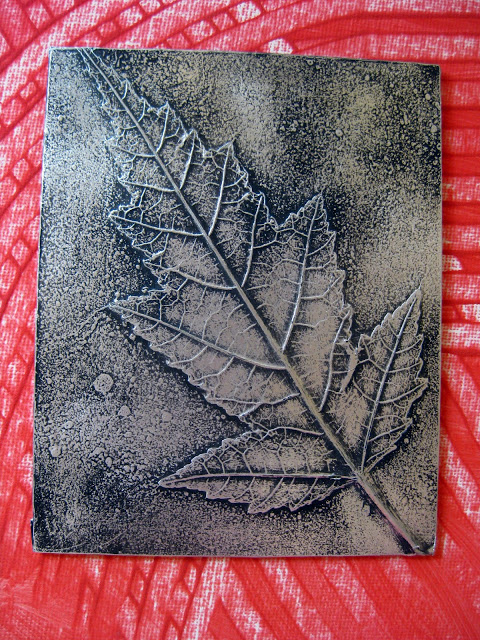
The Art Curator for Kids - Ways to Integrate Art and Science- Leaf Relief by Cassie Stephens - Science and Art Activities

While we are talking about leaves, check out this project. It is pretty freaking amazing. It does require a little heavier involvement with the teacher, but the results are so beautiful! This definitely takes leaf printing to the next level.

Exploring Absorption with Watercolors on a Texture Board by Fun at Home with Kids

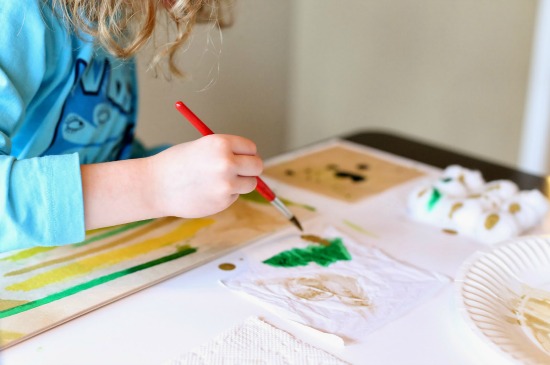
The Art Curator for Kids - Ways to Integrate Art and Science - Exploring Absorption with Watercolors on a Texture Board by Fun at Home with Kids - Science and Art ActivitiesI love this project exploring the different absorptive qualities of different materials. This is a great way for the child to experiment and describe their observations!

Art & Science for Kids: Watercolors & Oil by Babble Dabble Do

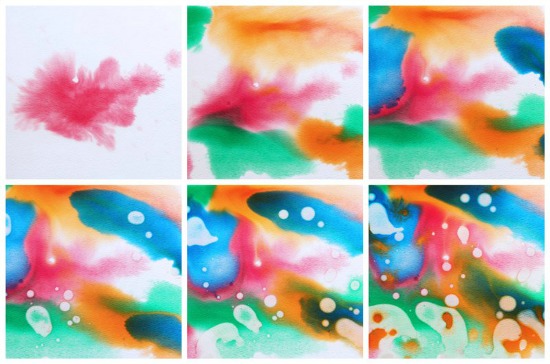
The Art Curator for Kids - Ways to Integrate Art and Science - Art & Science for Kids Watercolors & Oil by Babble Dabble Do - Science and Art ActivitiesTeach your kids that oil and water don’t mix with this fun project with a gorgeous end result!

Sweet Science – The Study Of Seed Crystals Growth (Rock Candy) by Fancy Shanty

The Art Curator for Kids - Ways to Integrate Art and Science - Sweet Science – The Study Of Seed Crystals Growth (Rock Candy) by Fancy Shanty - Science and Art ActivitiesI love posts that make me want to drop everything and do the activity. This is one of those! I love this. Stacey and her boys made crystals/rock candy. It looks like a lot of fun. She added some cool color experiments at the end which give it an art twist.

Explore Nebulae Through Art by Mosswood Connections

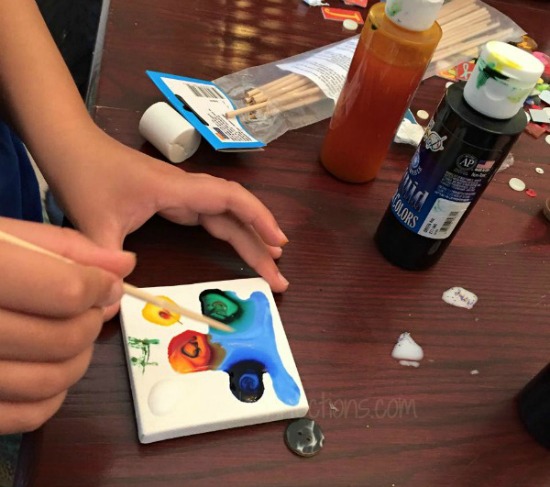
The Art Curator for Kids - Ways to Integrate Art and Science - Explore Nebulae Through Art by Mosswood Connections - Science and Art ActivitiesThis is a fun little miniature project where the kids make nebulae out of glue and liquid watercolor. They also provide some links to learn more about nebulae at the bottom of the post.

Exploring Sunography: Making Sun Prints by In the Playroom

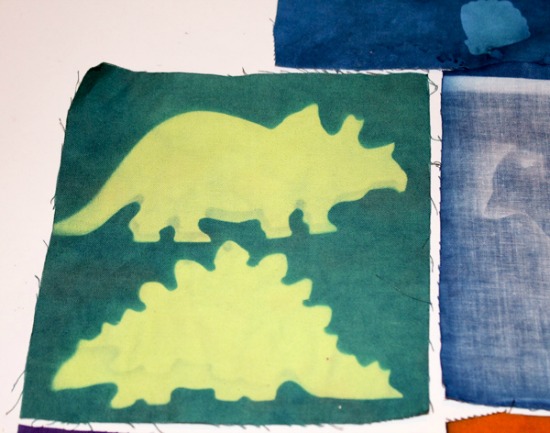
The Art Curator for Kids - Ways to Integrate Art and Science - Exploring Sunography Making Sun Prints by In the Playroom - Science and Art ActivitiesYesss! I love sun prints. So fun. So learning about stuff. That’s really all I have to say about that. Just make some. It’s neat.

Flower Petal Fingerpaint by The Chaos and the Clutter

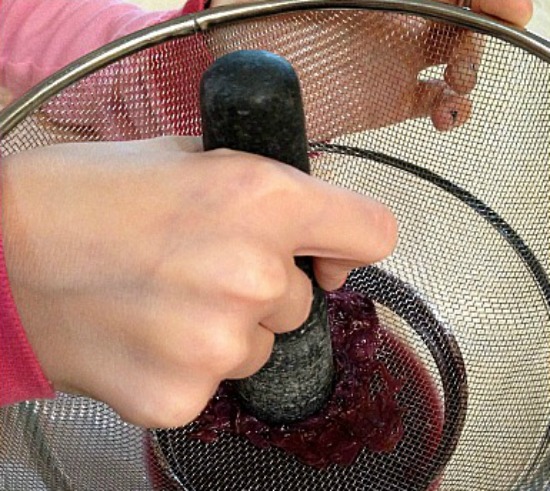
The Art Curator for Kids - Ways to Integrate Art and Science - Flower Petal Fingerpaint by The Chaos and the Clutter - Science and Art ActivitiesLove. This. So. Much. This is a science, art, history extravaganza, and it’s fabulous. Sharla and her kids took flowers and made paint from them. I would probably use this more in an art history lesson rather than science perhaps studying textiles from South America or something like that, but however you teach it, it is such a great activity.

Exploring Sound: Making a Kazoo by Buggy and Buddy

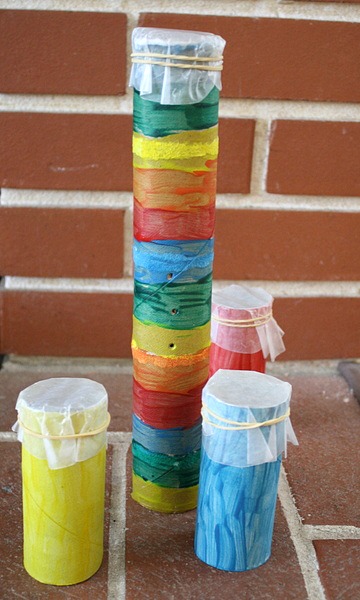
The Art Curator for Kids - Ways to Integrate Art and Science - Exploring Sound Making a Kazoo by Buggy and Buddy - Science and Art ActivitiesMake a musical instrument and learn about the science of sound. I love how the blogger included discussion questions and scripted out some things to say when you do the activity with your kids. Helpful!

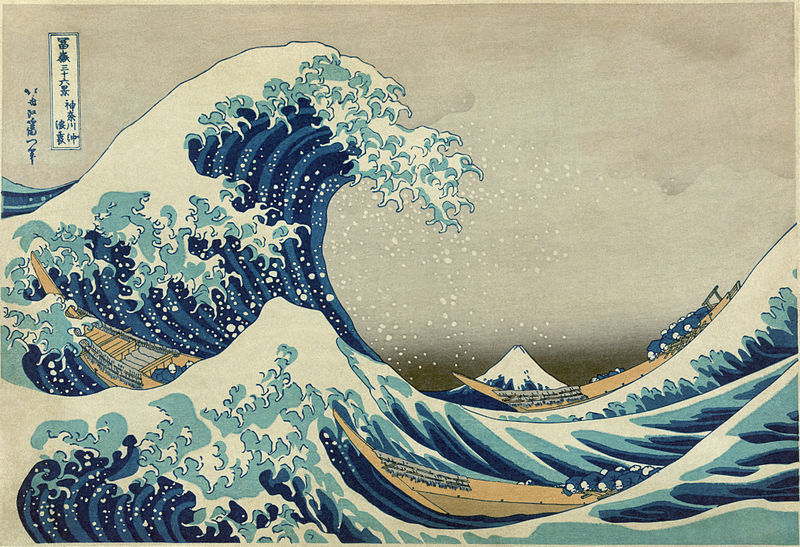
Connecting Art and Science with Hokusai’s The Great Wave by Pragmatic Mom

The Art Curator for Kids - Great Wave Off Kanagawa - Science and Art Activities
Katsushika Hokusai, The Great Wave off Kanagawa, c. 1829-32

This is one of my favorite artworks. I’ve always loved it! In this post, Mia at Pragmatic Mom shares some great books and resources about the artwork and also describes how to use this artwork to teach about the science of Tsunamis. I’ve written about this artwork and others like it on my post of Japanese ukiyo-e prints as well as my Japanese prints Montessori-inspired lesson for kids.

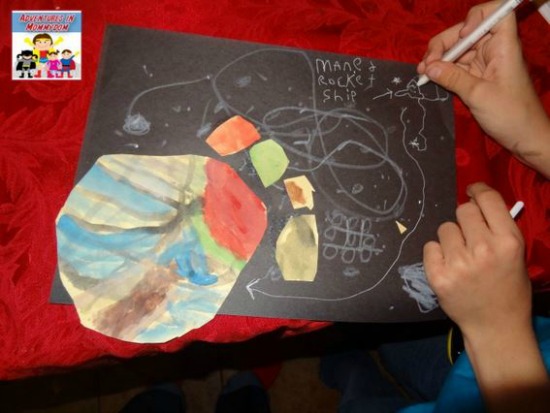
Jupiter Art and Science Lesson by Adventures in Mommydom

The Art Curator for Kids - Ways to Integrate Art and Science - Jupiter Art and Science Lesson by Adventures in MommydomIn this project, students make a watercolor painting of Jupiter. I love how Ticia at Adventures in Mommydom teaches the science as the project goes on–the gas storms, why Jupiter has a red spot, Jupiter’s moons, etc. She also has a cool science project idea for Jupiter in a later post as well.

Filed Under: Art and Artists, Art Teacher Tips


July 15, 2015 Leave a Comment

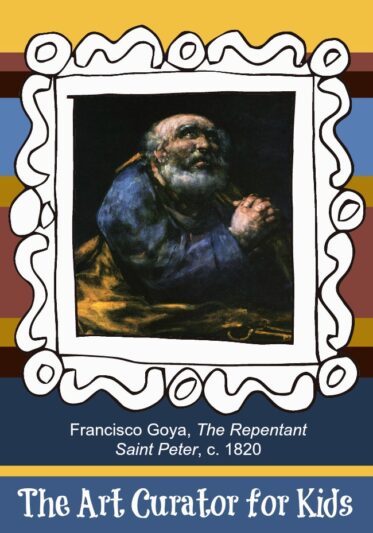
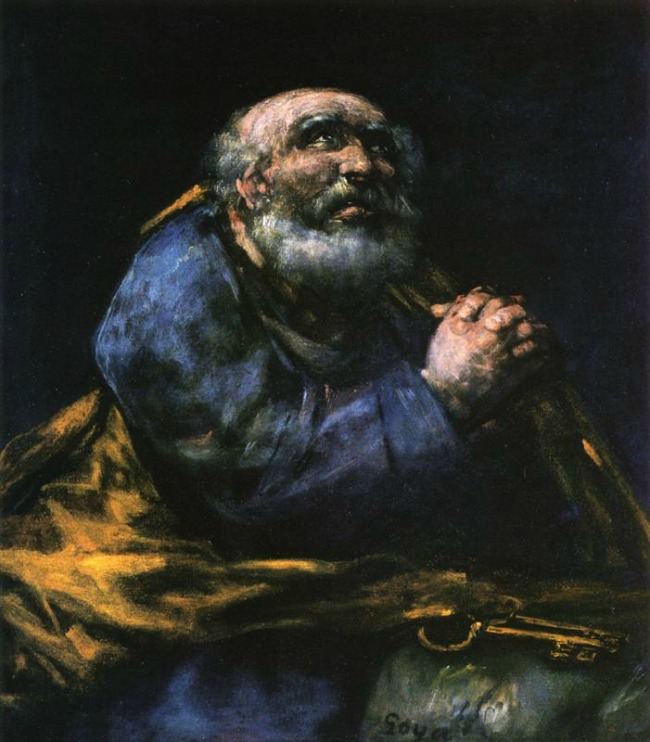
Artwork of the Week: Goya’s The Repentant Saint Peter

The Art Curator for Kids - Artwork of the Week - Francisco Goya, The Repentant Saint Peter, c. 1820

The Art Curator for Kids - Artwork of the Week - Francisco Goya, The Repentant Saint Peter, c. 1820

This week for our Artwork of the Week (formerly Wordless Wednesday), I decided to do a little digging into the artwork of one of my favorite artists, Francisco Goya. The usual suspects for Goya are The Third of May, Saturn Devouring His Son, and The Disasters of War, but I wanted to find something I had never seen before.

Enter The Repentant Saint Peter.

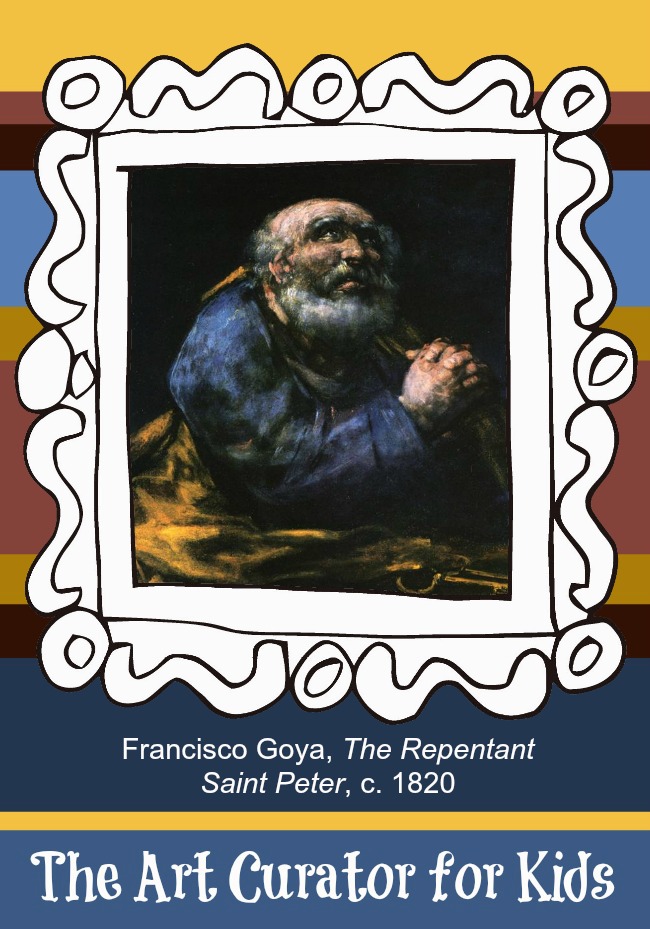
Francisco Goya, The Repentant Saint Peter, c. 1820

Buy a print of this painting on Amazon! Please note, this post includes Amazon affiliate links. As an Amazon Associate I earn from qualifying purchases.

Isn’t it stunning? The emotion, the painterly quality, plus the Baroque-Rembrandtyness (yes, that is a new word, Rembrandtyness) of it really pulled me in. It’s gritty and emotional–just like I like my Goyas.

On the Phillips Collection website, they called this “a stepping stone between the Old Masters and the great Moderns,” and you can really see that in this painting.

Also, when doing some research into this painting, I found that the Phillips Collection has two St. Peter paintings which they hilariously call “Pete” and “RePete.” Love it.

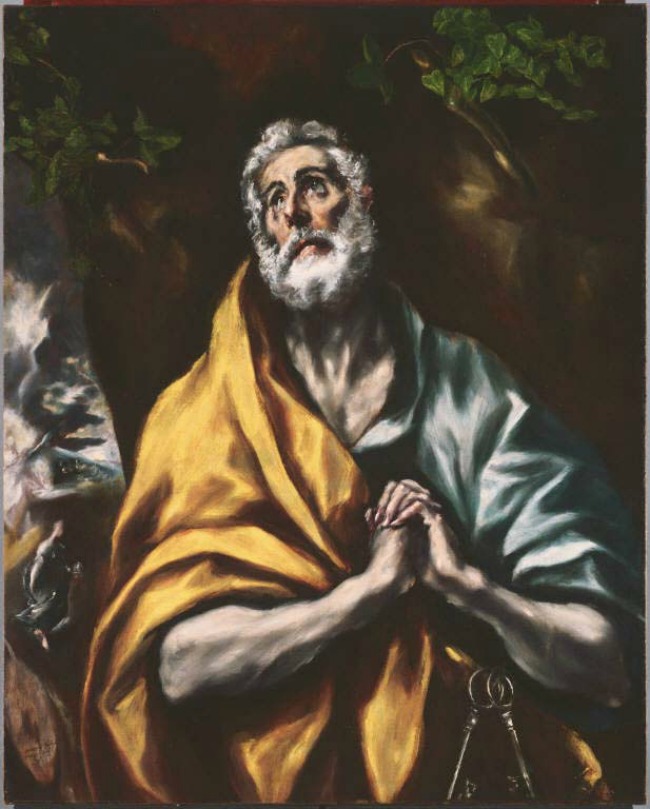
Take a look at this El Greco painting of St. Peter. This would be a great compare/contrast activity with students.

El Greco, The Repentant Saint Peter, 1600-05

Filed Under: Art and Artists
Tagged With: el greco, francisco goya


July 8, 2015 Leave a Comment

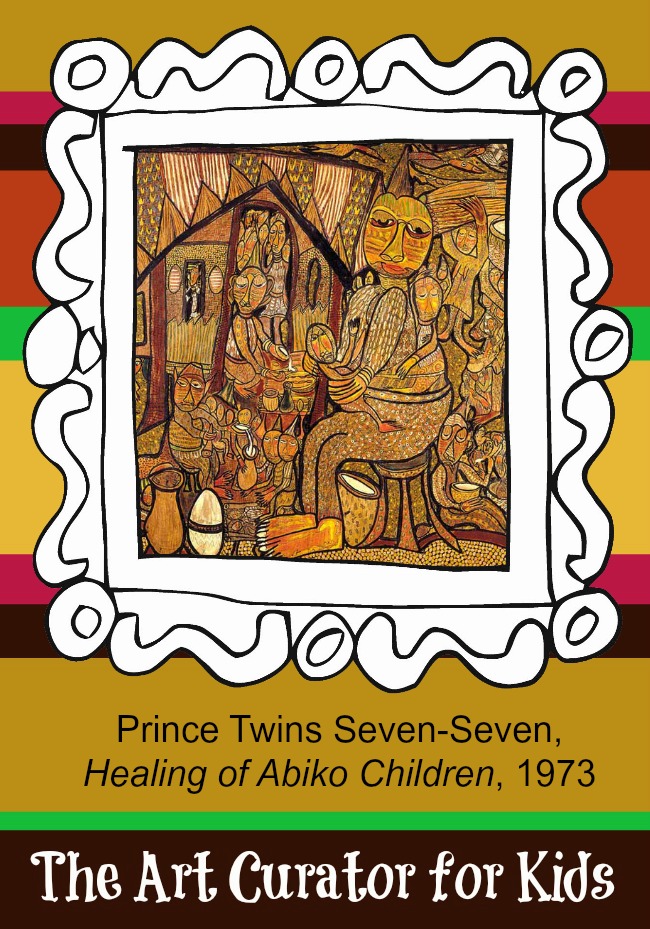
Artwork of the Week: Twins Seven-Seven’s Healing of Abiko Children

The Art Curator for Kids - Artwork of the Week - Twins Seven Seven, Healing of Abiko Children, 1973

The Art Curator for Kids - Artwork of the Week - Twins Seven Seven, Healing of Abiko Children, 1973

Hello! I am here with Wordless Wednesday, which I have now renamed Artwork of the Week, because who are we kidding? I always add words. This series will be weekly (I am doing all the weeks right now and scheduling them out!). They won’t include a whole lot of words, but I’ll add a bit of information about the artwork and some links if I have them.

The goal is to just show you some great art. You can show them to your kiddos and students too.

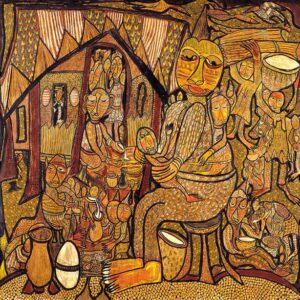
Today, I’ve selected Healing of Abiko Children by Prince Twins Seven-Seven.

Twins Seven Seven, Healing of Abiko Children, 1973
Prince Twins Seven-Seven, Healing of Abiko Children, 1973 (Click the image to view larger)

Twins Seven-Seven (1944-2011) was an African artist from Ogidi, Nigeria. He was born Prince Taiwo Olaniyi Oyewale-Toyeje Oyelale Osuntoki, but he changed it name to honor the many losses of his parents. He was their only surviving child out of seven sets of twins. “They believed that I was the reincarnation of twins they had lost” (Source: Baltimore Sun quoted in New York Times). You can read more about the artist and his work in this article in the New York Times.

The Indianapolis Museum of Art has an awesome video of him giving a talk about this artwork! Check it out. In the video, it also has his music.

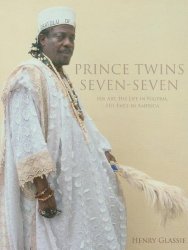
There is also a book about him on Amazon if you want to keep learning about this artist. Please note, this post includes Amazon affiliate links. As an Amazon Associate I earn from qualifying purchases.

41Kx73vVQzL._SL250_

Filed Under: Art and Artists
Tagged With: prince twins seven-seven


July 5, 2015 6 Comments

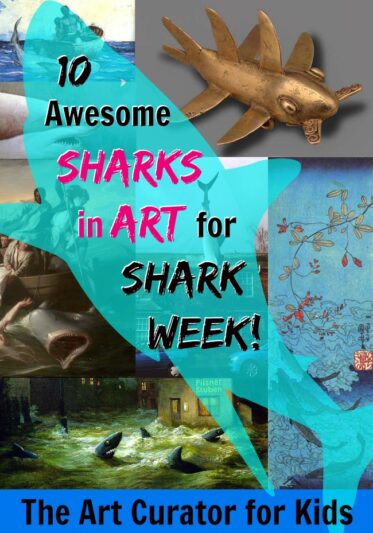
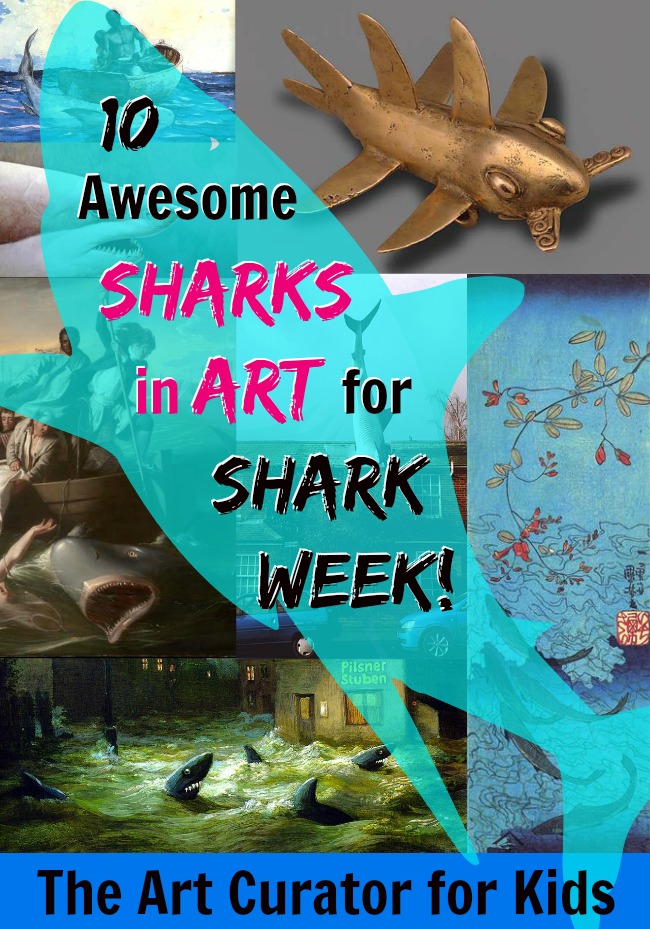
10 Awesome Sharks in Art for Shark Week

The Art Curator for Kids - 10 Awesome Sharks in Art for Shark Week, Sharks in Art History

It’s that time again! Today marks the first day of Shark Week 2015. To celebrate, I have curated for you a collection of awesome shark artworks from throughout time and across the globe! Enjoy.

The Art Curator for Kids - 10 Awesome Sharks in Art for Shark Week, Sharks in Art History

I’m excited about this one. Some of the images are small. You can click on those to see a larger image. The links also take you to pages with more information about the artwork if it was available.

You will also find below Amazon links to prints of many of these artworks. Please note, this post includes Amazon affiliate links. As an Amazon Associate I earn from qualifying purchases.

Sharks in Art

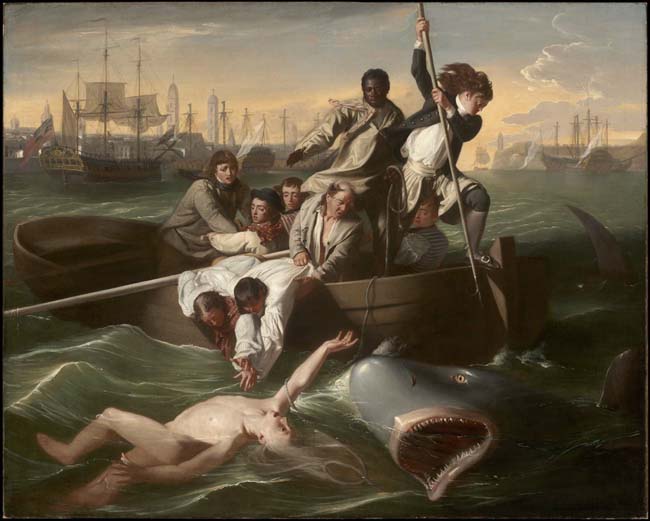
The Art Curator for Kids - 10 Awesome Sharks in Art for Shark Week - John Singleton Copley, Watson and the Shark, 1782
John Singleton Copley, Watson and the Shark, 1782 – Buy a print of this artwork on Amazon!

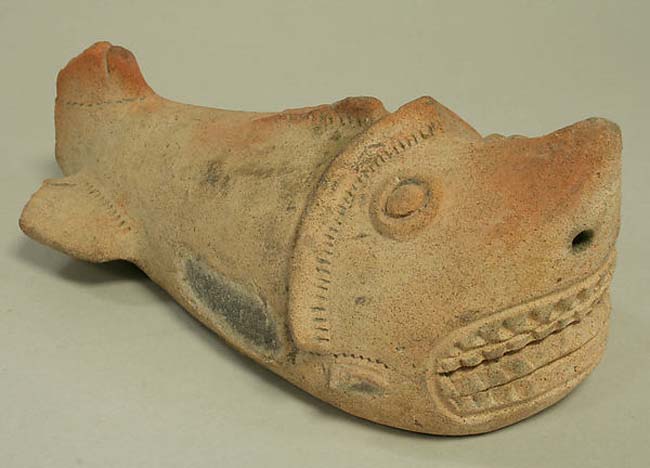
The Art Curator for Kids - 10 Awesome Sharks in Art for Shark Week - Tolita-Tumaco, Shark, 1st-5th century, Met Museum
Tolita-Tumaco, Shark, 1st-5th century, Met Museum

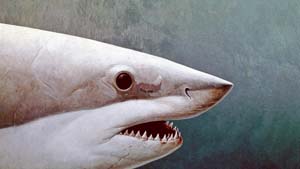
The Art Curator for Kids - 10 Awesome Sharks in Art for Shark Week - Richard Ellis, Great White Shark Portrait
Richard Ellis, Great White Shark Portrait

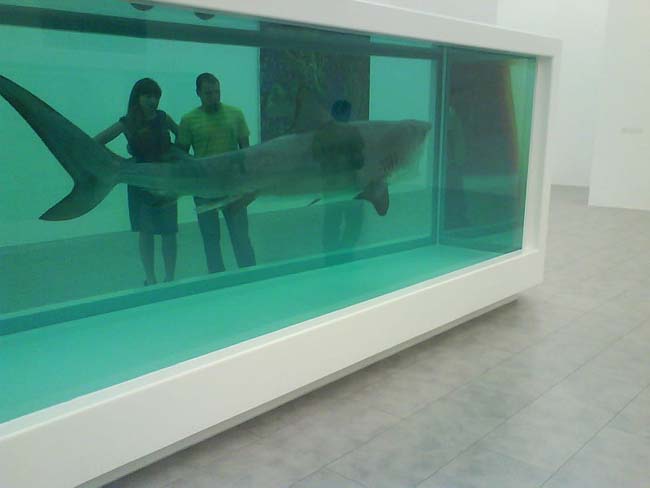
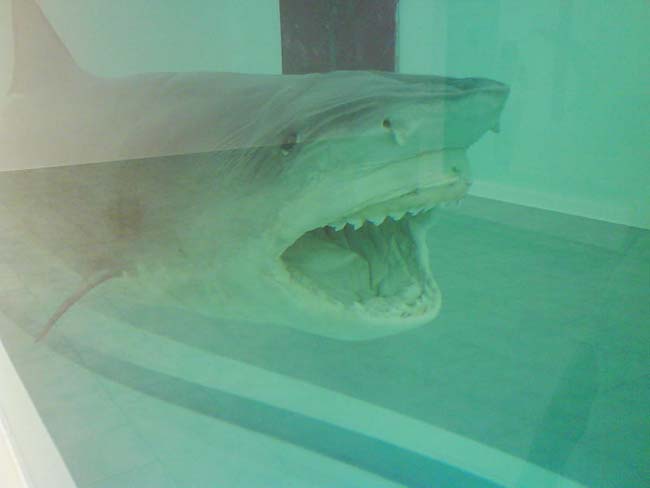
The Art Curator for Kids - 10 Awesome Sharks in Art for Shark Week - Damien Hirst, The Physical Impossibility of Death in the Mind of Someone Living, 1991, Photo Credit-Agent001
Damien Hirst, The Physical Impossibility of Death in the Mind of Someone Living, 1991, Photo Credit: Agent001

The Art Curator for Kids - 10 Awesome Sharks in Art for Shark Week - Damien Hirst, The Physical Impossibility of Death in the Mind of Someone Living (detail), 1991, Photo Credit-Agent001
Damien Hirst, The Physical Impossibility of Death in the Mind of Someone Living (detail), 1991, Photo Credit: Agent001

The Art Curator for Kids - 10 Awesome Sharks in Art for Shark Week - Utagawa Kuniyoshi, Sharks
Utagawa Kuniyoshi, Sharks – Buy a print of this one on Amazon!

The Art Curator for Kids - 10 Awesome Sharks in Art for Shark Week - Michael Sowa, Sharks of Suburbia
Michael Sowa, Sharks of Suburbia – Buy a print of this artwork on Amazon!

The Art Curator for Kids - 10 Awesome Sharks in Art for Shark Week - Chiriqui, Shark Pendant [2], 11th-16th century, Met Museum
Chiriqui, Shark Pendant, 11th-16th century, Met Museum

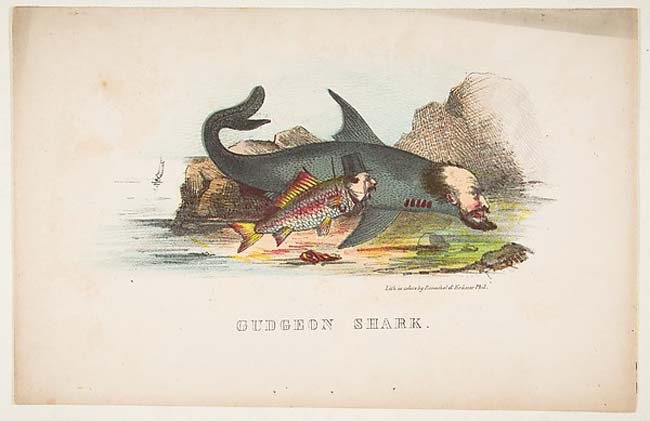
The Art Curator for Kids - 10 Awesome Sharks in Art for Shark Week - Henry Louis Stephens, Gudgeon and Shark, from The Comic Natural History of the Human Race, 1851
Henry Louis Stephens, Gudgeon and Shark, from The Comic Natural History of the Human Race, 1851

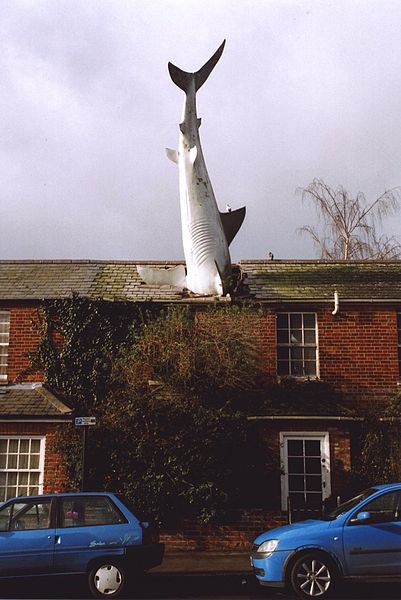
The Art Curator for Kids - 10 Awesome Sharks in Art for Shark Week - John Buckley, The Headington Shark (Untitled), 1986, Photo Credit - Henry Flower
John Buckley, The Headington Shark (Untitled), 1986, Photo Credit: Henry Flower

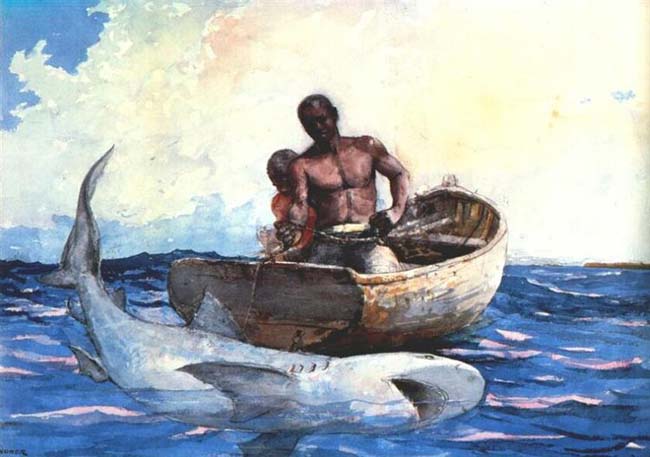
The Art Curator for Kids - 10 Awesome Sharks in Art for Shark Week - Winslow Homer, Shark Fishing, 1885
Winslow Homer, Shark Fishing, 1885 – Buy a print of this artwork on Amazon!

Which one do you like best? I’m having a hard time picking my favorite!

Filed Under: Art and Artists
Tagged With: damien hirst, henry louis stephens, john buckley, john singleton copley, michael sowa, richard ellis, utagawa kuniyoshi, winslow homer


June 25, 2015 Leave a Comment

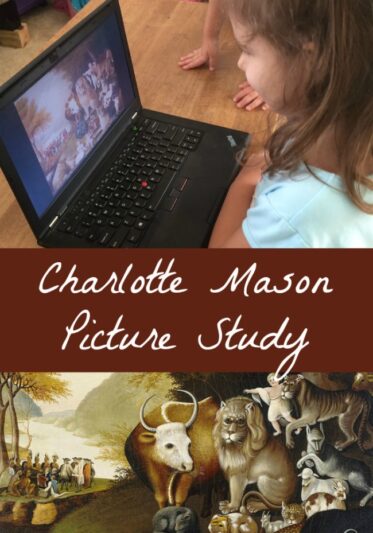
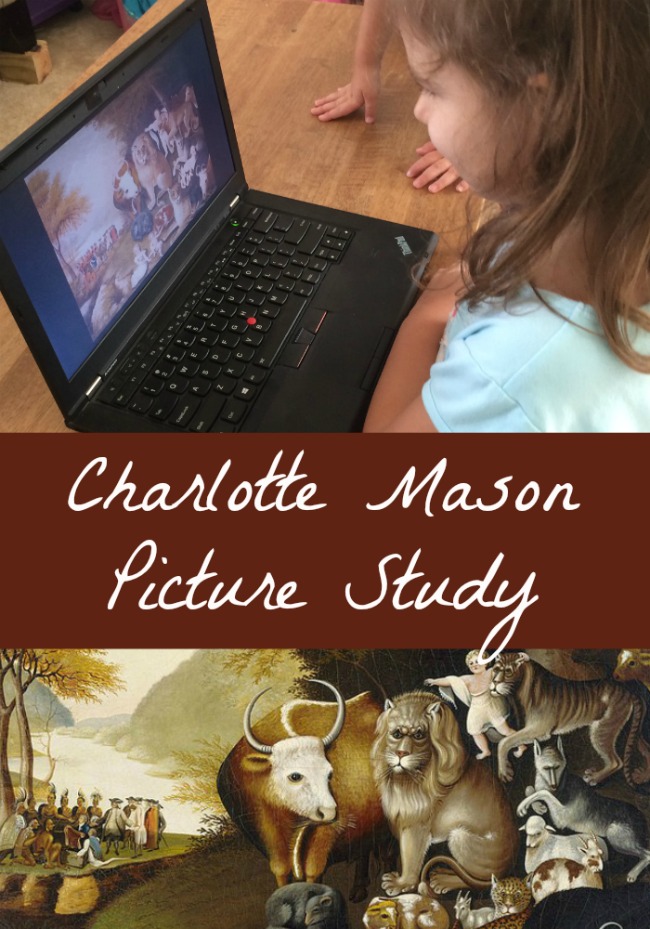
How to Do Charlotte Mason Picture Study

The Art Curator for Kids - Charlotte Mason Picture Study - This is such a great way to introduce great artists to your kids!

I am a contributing writer over at the blog, Real Life at Home, and this week, I wrote a post outlining the Charlotte Mason Picture Study technique for studying great artists with your kids at home. I’ve developed several Charlotte Mason Picture Study artist resources already, but I hadn’t yet written a step-by-step guide. Now I have! Click over to read my post on Real Life at Home and then come back to check out my other resources below!

The Art Curator for Kids - Charlotte Mason Picture Study - This is such a great way to introduce great artists to your kids!

More Charlotte Mason Picture Study Artist Resources:

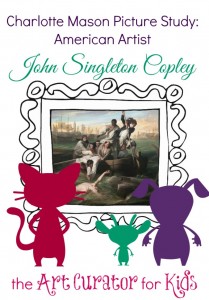
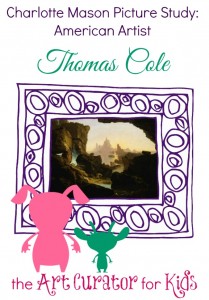
Each of the below resources is an American artist: Mary Cassatt, Frederic Remington, Thomas Cole, John Singleton Copley, and Henry Ossawa Tanner.

the Art Curator for Kids - Charlotte Mason Picture Study-300The Art Curator for Kids - Charlotte Mason Picture Study - Mary CassattThe Art Curator for Kids - Charlotte Mason Picture Study - Frederic Remington Art Lessons

the Art Curator for Kids - Charlotte Mason Picture Study - Henry Ossawa Tanner-300The Art Curator for Kids - Charlotte Mason Picture Study - John Singleton CopleyThe Art Curator for Kids - Charlotte Mason Picture Study Artist - Thomas Cole

Have you tried this technique with your kids yet? Tell me how it goes in the comments!

Filed Under: Art Connection Activities, Art Teacher Tips


June 23, 2015 6 Comments

Cultural Sensitivity, Xenophobia, and Ethnocentrism in Art Education

The Art Curator for Kids - Teaching Ethnocentrism and Xenophobia in Art Education - A Lesson Plan on Cultural Sensitivity
The Art Curator for Kids - Teaching Ethnocentrism and Xenophobia in Art Education - A Lesson Plan on Cultural Sensitivity, Ethnocentrism lesson

All good people agree,
And all good people say,
All nice people like Us, are We
And everyone else is They;
But if you cross over the sea,
Instead of over the way,
You may end by (think of it!) looking on We
As only a sort of They.

— Rudyard Kipling, The fifth and last verse of “We and They,” 1926.

Today, I am joining bloggers from Multicultural Kid Blogs for the series, A-Z of Raising Global Citizens. I was lucky enough to get the letter X for the series, but I think I’ve come up with a good one.

X is for Xenophobia.

Xenophobia is an incredibly important topic for art teachers and parents to address with your kids and students. Please keep reading to learn about several great art examples and a lesson plan to teach this important topic.

Get the Full Lesson!

This Lesson is in The Curated Connections Library!

Find the full lesson from this post along with hundreds of other art teaching resources and trainings in the Curated Connections Library. Click here for more information about how to join or enter your email below for a free SPARKworks lesson from the membership!

Join the List

Get the Full Lesson!

This Lesson is in The Curated Connections Library!

Find the full lesson from this post along with hundreds of other art teaching resources and trainings in the Curated Connections Library. Click here for more information about how to join or enter your email below for a free SPARKworks lesson from the membership!

Xenophobia and Ethnocentrism

Xenophobia is “an unreasonable fear or hatred of foreigners or strangers or of that which is foreign or strange” (Source: Dictionary.com).

Along with xenophobia, another important concept for this discussion is ethnocentrism which is “imposing upon the art of another culture the meanings and prejudices of our own” (Source: Sayre, p. 28). Artlex.com defines ethnocentrism as “the tendency to see one’s own ethnic group as the norm and all others as marginal; a form of racism” (artlex.com).

In both terms, it is an “Us vs. Them” mentality. Our way is the correct way, and their way is “other” or different.

Xenophobia, Ethnocentrism, and Studying Non-Western Art

When I teach Non-Western art, I usually always start the unit of study with a lesson on cultural sensitivity and ethnocentrism using the three examples below. In the next section, I will give you a lesson outline with discussion questions you can use in your classroom incorporating these examples.

Ethnocentrism Lesson Example #1: Hindu Sculpture

At the end of the 19th century, Mark Twain visited the holy city of Benares, India also known as Varanasi. When he saw the Hindu art there, he called it “crude, misshapen, and ugly.” He also said they “flocked through one’s dreams at night, a wild mob of nightmares” (Source: Cotter).

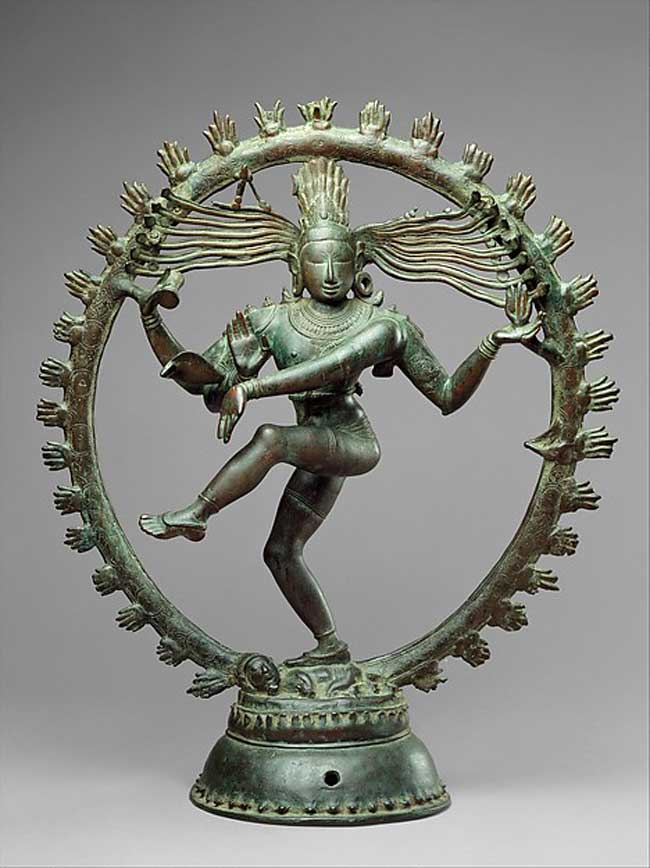
The Art Curator for Kids - Kinesthetic Art History - Indian, Shiva as Lord of Dance (Nataraja), ca. 11th century, Ethnocentrism lesson
Indian, Shiva as Lord of Dance (Nataraja), ca. 11th century, Met Museum

What is wrong with Twain’s statement?

I hear similar things like Twain’s statement pretty regularly when I cover non-Western art in my classes. Students may call something “weird” or laugh at a work by someone of a different culture. When our students (and we do it too sometimes; I don’t think anyone is really immune from this) make judgments about the artworks of other cultures using their own Western perspective, they are deepening the divide between cultures and people.

Twain called Hindu sculpture crude and ugly, but to Hindu people, “the dancing Shiva is, by contrast, a dynamic, joyous, cyclical image” (Cotter). Hindu sculpture shows bodies with manipulated proportions in art and curvy, sinuous figures. To those who made these images, these figures show ideal form. These sculptures are about beauty and life.

Ethnocentrism Lesson Example #2: “Primitivism” in 20th-Century Art

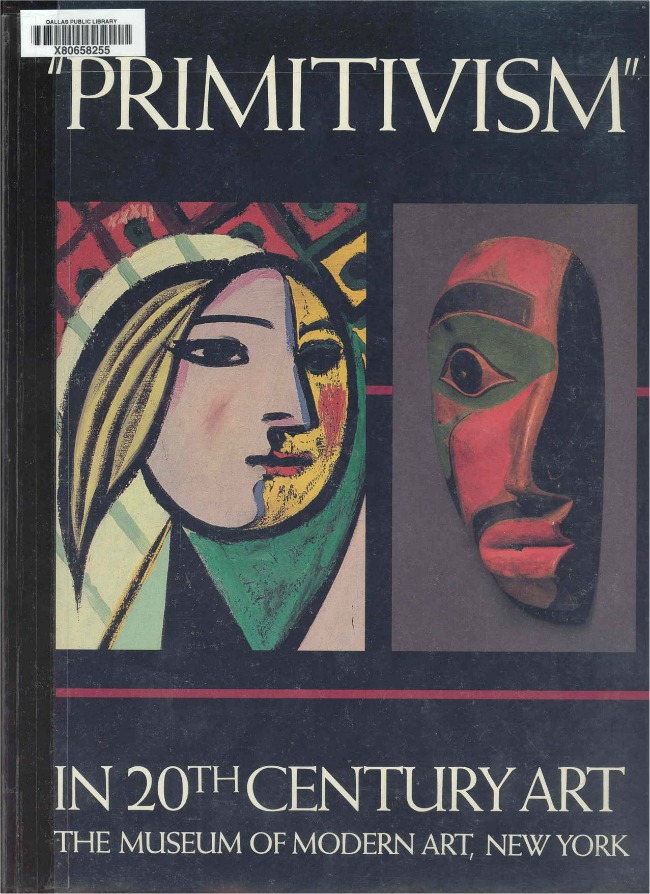
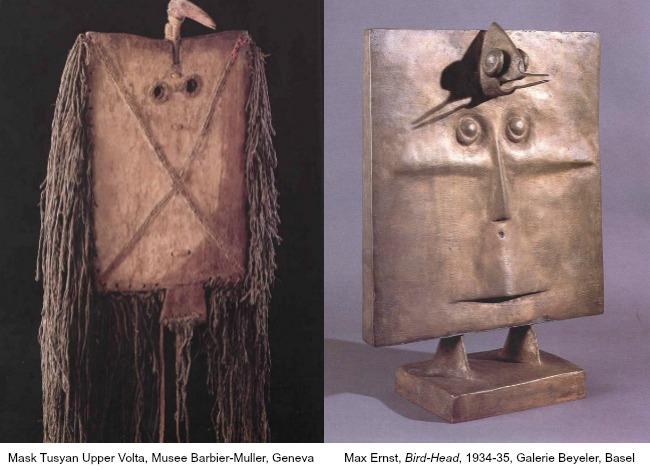
In 1984, the Museum of Modern Art had an exhibition called “Primitivism” in 20th Century Art. It took artworks by 20th-century artists like Pablo Picasso, Max Ernst, Edvard Munch, Paul Gauguin, Jackson Pollock, and more and put them next to artworks from “primitive” cultures from Polynesia, Africa, and the Americas that had similar features to the 20-century work.
The Art Curator for Kids - Primitivism in 20th Century Art - Exhibition Catalog Cover, Ethnocentrism lesson

This was highly controversial.

The curator of this exhibit essentially took these works of non-Western art, stripped them of their context, and then assigned them all together under the term “primitive.” Africa and Polynesia are on opposite sides of the planet, yet they were all grouped together into this term “primitive.”

The Art Curator for Kids - Primitivism in 20th Century Art - Sample Artworks, Ethnocentrism lesson

Ethnocentrism Lesson Example #3: Greek Sculpture vs. African Masks

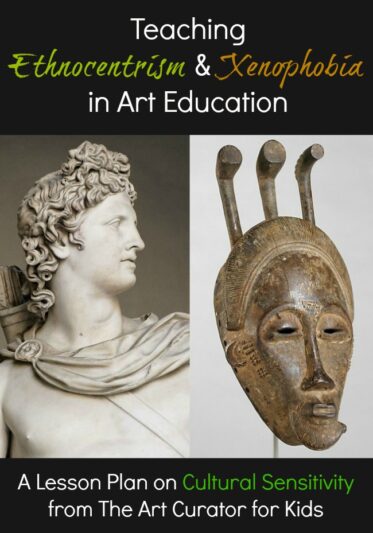
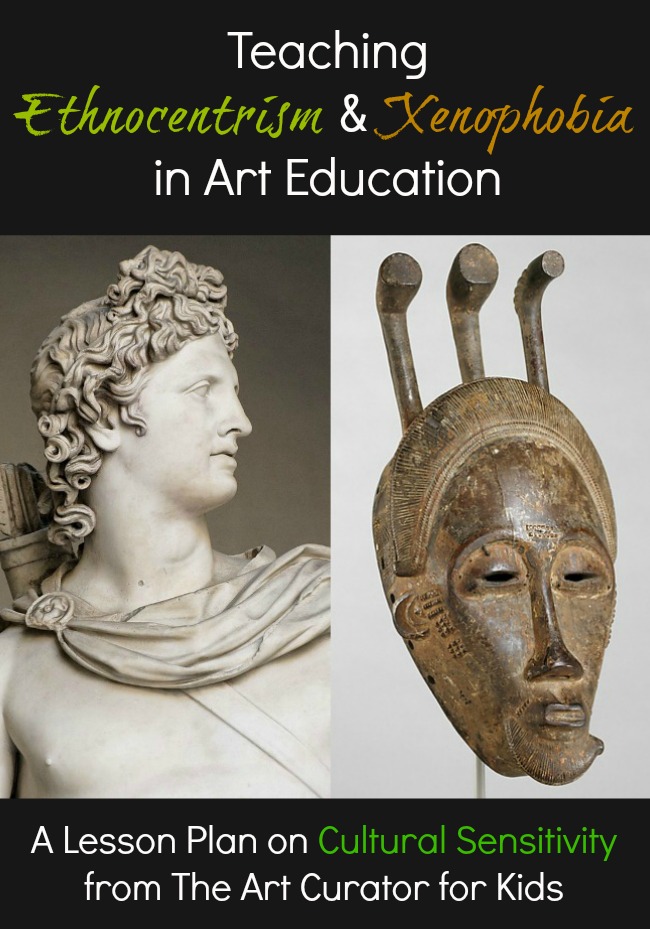
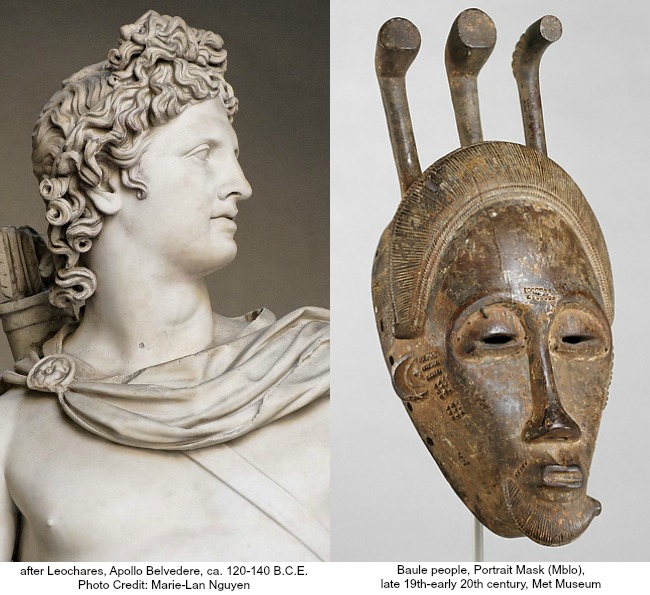
The last example comes from the writing of another author, Kenneth Clark. In his book Civilisation from 1969, he compares Apollo Belvedere with an African mask. Here is what he said:

I don’t think there is any doubt that the Apollo embodies a higher state of civilization than the mask. They both represent spirits, messengers from another world—that is to say, from a world of our own imagining. To the Negro imagination it is a world of fear and darkness, ready to inflict horrible punishment for the smallest infringement or a taboo. To the [Greek] imagination it is a world of light and confidence, in which the gods are like ourselves, only more beautiful, and descend to earth in order to teach men reason and the laws of harmony.

The Art Curator for Kids - Ethnocentrism and Xenophobia Lesson Plan - Apollo Belvedere and Baule mask, Ethnocentrism lesson

What’s the issue with this one? A “higher state of civilization.” Us = higher. Them = lower.

Now we can’t sum up all of the masks of Africa in one stretch here. Africa is a HUGE continent with tons of countries and cultures and histories. But, that is precisely what Clark does in Civilisation. He doesn’t even say what culture the mask he is referring to is from. The mask he is using to compare is one that his buddy bought and hung up on the wall. I’m not exaggerating here.

But let’s say for comparison’s sake that this is the mask he was referring to. It is a portrait mask from the Baule people of the central Ivory Coast in southern West Africa. A Baule carver says this of the mask, “The god is a dance of rejoicing for me. So when I see the mask, my heart is filled with joy.”  Another carver says that the mask “makes us happy when we see it.”

That hardly describes “a world of fear and darkness,” don’t you think?

(Source: Henry Sayre, A World of Art 5th Edition, 2007)

Xenophobia and Ethnocentrism Lesson Plan Outline

I usually accompany this lesson with an introduction to a group assignment where students research and present about art from around the world. I use this lesson is for high school/college.

Please note, this post includes Amazon affiliate links. As an Amazon Associate I earn from qualifying purchases.

Here’s my ethnocentrism lesson plan outline.

1. Think-Pair-Share Warm-up. Have students answer the following questions in their notes and then discuss answers in small groups.

  • What is culture?
  • What makes up one’s culture?
  • How does your culture impact how you view the world? And how you view art?

2. Read and discuss as a class the poem I put at the top of this post.

3. Show Shiva Nataraja alongside the quotation from Mark Twain. Ask students what is wrong with what Twain said. Discuss and provide information about Hindu sculpture as explained above.

4. Tell students about Primitivism MOMA exhibit and ask them why do they think the exhibit was so controversial? Show examples of juxtapositions from the exhibit (I used scanned pages from the exhibit catalog that I checked out from the library, so I can’t post them here.) Ask students what the curators could have done differently to minimize the controversy.

5. As a homework or in-class writing assignment, have students read the quotations from Kenneth Clark and the Baule carver above alongside the images of the Apollo and the Baule mask. Have students write their answers to the following questions:

  • What are your initial reactions to reading the above quotations? How do you feel about what was said?
  • Describe Kenneth Clark’s viewpoint in terms of what we discussed in class about culture and ethnocentrism.
  • What was his mistake, if any, when interpreting these sculptures?

Thanks for reading. How do you teach cultural sensitivity with your students? Share your ideas in the comments!

Mentioned on the Art Class Curator Podcast…

Subscribe in Your Favorite Podcast Listening App

Works Cited:

  • Sayre, Henry M. (2005). A World of Art (4th Ed.). Prentice Hall.
  • Holland Cotter, Eastern Art Through Western Eyes, New York Times, July 10, 1994
  • Janetta Rebold Benton and Robert DiYanni, An Introduction to the Humanities (Fourth Edition), Pearson. 2011. Chapter 21
  • Kenneth Clark, Civilisation, 1969 accessed online at link, 6/23/2015

Filed Under: Art Connection Activities
Tagged With: best of art class curator


June 22, 2015 Leave a Comment

Create a TV Commercial: A Review Lesson for Any Subject

The Art Curator for Kids - Create a TV Commercial Lesson Plan

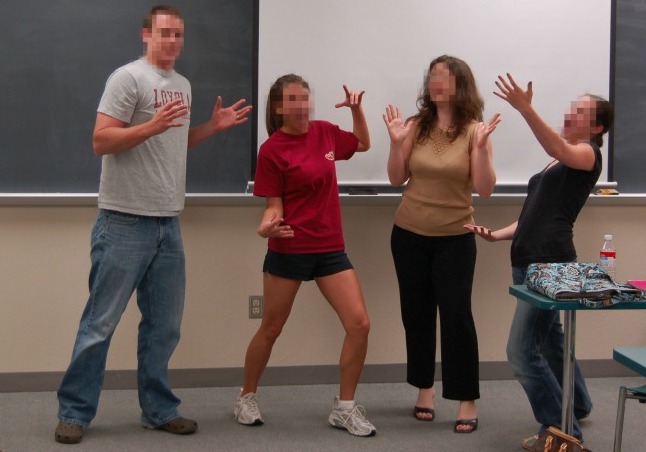
One of my favorite lessons I do is having my students work in groups to create TV commercials inspired by works. Check it out below. It never fails to be a fun time in the classroom! 🙂

Lesson Summary: Students work together in groups to create a TV commercial that in some way illustrates the concepts learned about art covered in previous lessons.

Grade Level: I’ve done this lesson for high school and for college with good results. I think you could easily adapt this for early grades as well with some extra work with the kids.

Topic: This will work with many different topics. It doesn’t even have to be art really. I’ve done it several times after studying several ancient art periods/cultures (prehistoric, Ancient Egypt, Mesopotamia, etc) as a culminating review. I’ve also done it after a non-Western art wrap-up (Chinese, Japanese, African, Oceanic, etc.). This is a great lesson for a flipped classroom, so after you have the students read their textbooks (or whatever), you can have them do this activity.

Lesson Procedure

1. In a class discussion, brainstorm what are elements of TV commercials that make them effective. Make a list on the board so students can reference it once they get into their groups.

2. Divide students into groups and either assign them an art movement, period, or culture or let them choose from several choices. There is a handout available for this activity in The Art Class Curator Curated Connections Library. Find out how to subscribe here!

Get the Full Lesson!

This Lesson is in The Curated Connections Library!

Find the full lesson from this post along with hundreds of other art teaching resources and trainings in the Curated Connections Library. Click here for more information about how to join or enter your email below for a free SPARKworks lesson from the membership!

Join the List

Get the Full Lesson!

This Lesson is in The Curated Connections Library!

Find the full lesson from this post along with hundreds of other art teaching resources and trainings in the Curated Connections Library. Click here for more information about how to join or enter your email below for a free SPARKworks lesson from the membership!

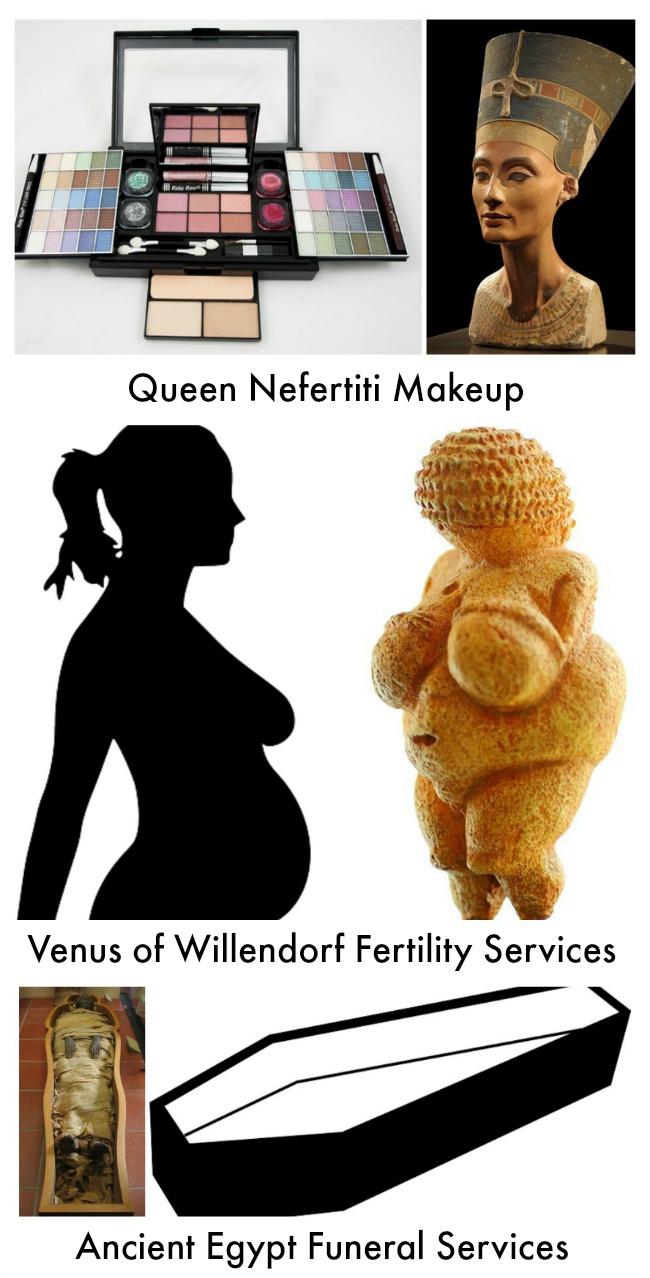
3. First, the students should figure out what their product/service is or what they will be trying to sell in their commercial. Some of my favorite products created by my past students are Queen Nefertiti makeup, Venus of Willendorf fertility services, and an Ancient Egyptian funeral parlor! (SO. GOOD.)

The Art Curator for Kids - Create a TV Commercial Lesson Plan - Nefertiti, Venus of Willendorf, Ancient Egyptian Mummy

4. Once they have their business or product, have students make an outline and/or script of their commercial. What happens in the commercial? What happens first, next, last, etc? What are the commercial’s slogans or jingles, etc.?

5. Have groups present their work to the class. They can just describe it, sing a jingle, or even act it out. Of course, the last one is highly preferred, but I don’t want to freak the students out too much so I give them the choice. 🙂

There is a handout available for this activity in The Curated Connections Library. Learn more about how to join!

There you go! Try it out! It’s a ton of fun.

 Photo Credits:

  • Mummy – Joshua Sherucij
  • Nefertiti – Philip Pikart
  • Venus of Willendorf – Matthias Kabel

Filed Under: Art Connection Activities


  • Previous Page
  • Page 1
  • Interim pages omitted …
  • Page 25
  • Page 26
  • Page 27
  • Page 28
  • Page 29
  • Interim pages omitted …
  • Page 38
  • Next Page

Primary Sidebar

Hi! I’m Cindy Ingram, the creator of Art Class Curator and The Curated Connections Library

I’m on a mission to revolutionize education with the power of life-changing art connections. Art is not “extra”. Art is essential. We are empowering teachers to bridge the gap between art making and art connection, kindling a passion for art that will transform generations.

More About Me

Free Worksheets!

-Free Bundle of Art Appreciation Worksheets-

In this free bundle of art worksheets, you receive six ready-to-use art worksheets with looking activities designed to work with almost any work of art.

Download

Free Worksheets!

-Free Bundle of Art Appreciation Worksheets-

In this free bundle of art worksheets, you receive six ready-to-use art worksheets with looking activities designed to work with almost any work of art.

Enrollment in Curated Connections Library is currently open. Click here to join. Join our list to get more information and to get a free lesson from the vault! If you are purchasing for a school or school district, head over here for more information.

Check Out What’s New In The Shop

Experience Art: Engaging Art Criticism Discussions and Activities for Teachers and Students of All Ages
Call to Art: An Un-Conference for Art Educators
Curated Connections Library Membership
Perspectives High School Curriculum

More Products

Have You Listened to the Latest Podcast Episode?

Falling for Naudline Pierre’s Evocative Art: A Conversation with Madalyn (Part 2)

More Episodes

Testimonials

I like how this program, unlike other art class resource membership programs, feels authentic. It's like art matters more here, and not fancy flash-in-the-pan trendiness. The goal of Art Class Curator seemed to be helping kids develop a lifelong love and art appreciation versus "Hey, look. I painted this fish."
Erin A.
Your questions are helping me to delve into much deeper learning, and my students are getting better at discussion-and then, making connections in their own work. Art Class Curator is awesome!
Denise W.
Interestingly, my lower performing classes really get engaged in these [lessons] and come away with some profound thoughts!
Melissa G.
I had the most amazing 6th grade class today. They were jumping out of their seats with hands raised just to respond and give input. It was as if I was waving candy in front of them! They saw more and more and the ideas and interpretations unfolded. So cool!!! This is what makes teaching art so wonderful – thank you!!
Caroline G.
I just wanted to thank you for the invaluable resource you have through Art Class Curator. Not only do you have thought provoking activities and discussion prompts, but it saves me so much time in preparing things for myself! I feel like I’ve only scratched the surface with your site.
Maryjane F.

Get Art Inspiration To Your Inbox!

Enter your email address to get regular art inspiration to your inbox
plus a BUNDLE OF 6 FREE WORKSHEETS!
We hate SPAM and promise to keep your email address safe.
Download

Free Worksheets!

*Free Bundle of Art Appreciation Worksheets*

In this free bundle of art worksheets, you receive six ready-to-use art worksheets with looking activities designed to work with almost any work of art.

Copyright © 2026 Ignite Art, LLC DBA Art Class Curator •  All rights reserved  •  Privacy Policy  •  Terms of Service  •  Site Design by Emily White Designs