• Skip to main content
  • Skip to primary sidebar
  • About
    • About Art Class Curator
    • Contact
    • Speaking
    • Media & Press
    • Programs for Schools
  • Blog
  • Podcast
  • Shop
  • Join
  • Member Login

Art Class Curator

Hands-on and Minds-curious Art Learning

  • Art & Artists
  • Art Connection Activities
  • Art Teacher Tips
  • Elements & Principles
  • Downloads & Resources
Home
  • About
    • About Art Class Curator
    • Contact
    • Speaking
    • Media & Press
    • Programs for Schools
  • Blog
    • Art & Artists
    • Elements & Principles
    • Art Connection Activities
    • Art Teacher Tips
    • Downloads & Resources
  • Book
  • Podcast
  • Shop
  • Join
  • Member Login

All Posts from Art Curator for Kids

October 7, 2015 2 Comments

5-Minute Art History: Sumerian Art from Mesopotamia

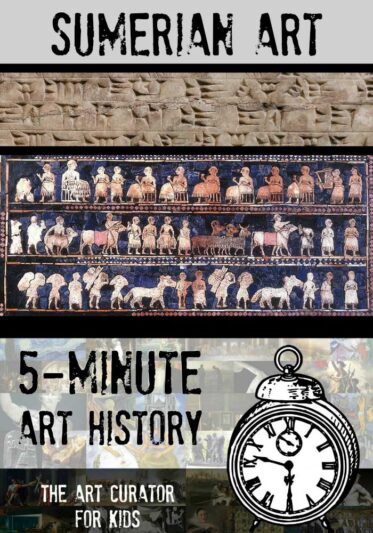
The Art Curator for Kids - 5-Minute Art History - Sumerian Mesopotamian Art - Video and Printable!

I’ve had some great responses to my new video series, 5-Minute Art History, so I have filmed some more episodes! Today, I cover the art of Ancient Sumer which is one of the first-ever civilizations and responsible for a lot of our history’s firsts.

The Art Curator for Kids - 5-Minute Art History - Sumerian Mesopotamian Art - Video and Printable! Sumer Art Conventions

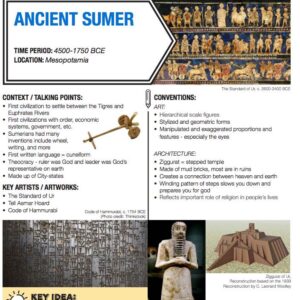
Watch the video, and then download the printable handout covering the conventions of Sumerian art from the Curated Connections Library.
Free PDF!

Sumerian Art Conventions Printable

Get to know more about Sumerian art in this informative PDF. Makes a great printable for your classroom or study sheet for your students!

Download

Free PDF!

Sumerian Art Conventions Printable

Get to know more about Sumerian art in this informative PDF. Makes a great printable for your classroom or study sheet for your students!

Sumer Art Conventions

Time:

~4500 – 1750 B.C.E.

Place:

Mesopotamia

Key Points:

  • First civilization
  • Sumerians had many inventions include the wheel, writing, and more
  • First written language = cuneiform
  • Theocracy, the ruler was God and leader was God’s representative on earth
  • City-states

Artistic Conventions:

  • Hierarchical scale
  • Stylized and geometric forms
  • Manipulated and exaggerated proportion in art and features

Architecture:

  • Ziggurat = stepped temple
  • Creates a connection between heaven and earth
  • Winding pattern of steps slows you down and prepares you for god
  • Reflects important role of religion in people’s lives

Key Works:

  • Tell Asmar Hoard
  • The Standard of Ur
  • The Ziggurat of Ur

How to Study Art History Bundle

This bundle includes all of my favorite resources for art history—interactive activities, in-depth lessons, useful worksheets, trainings and more!
Buy Now
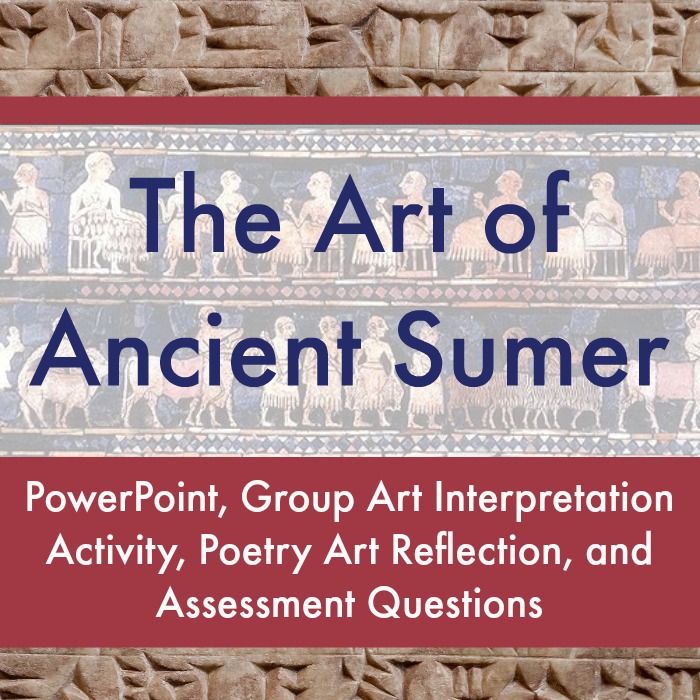
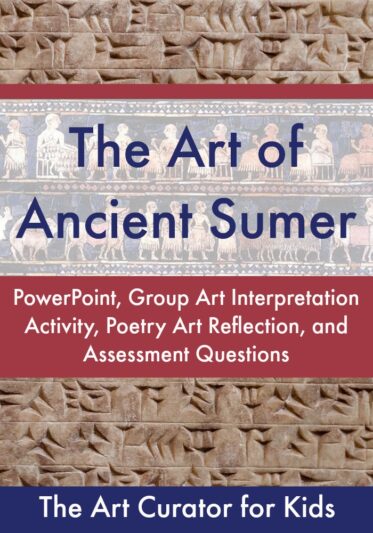
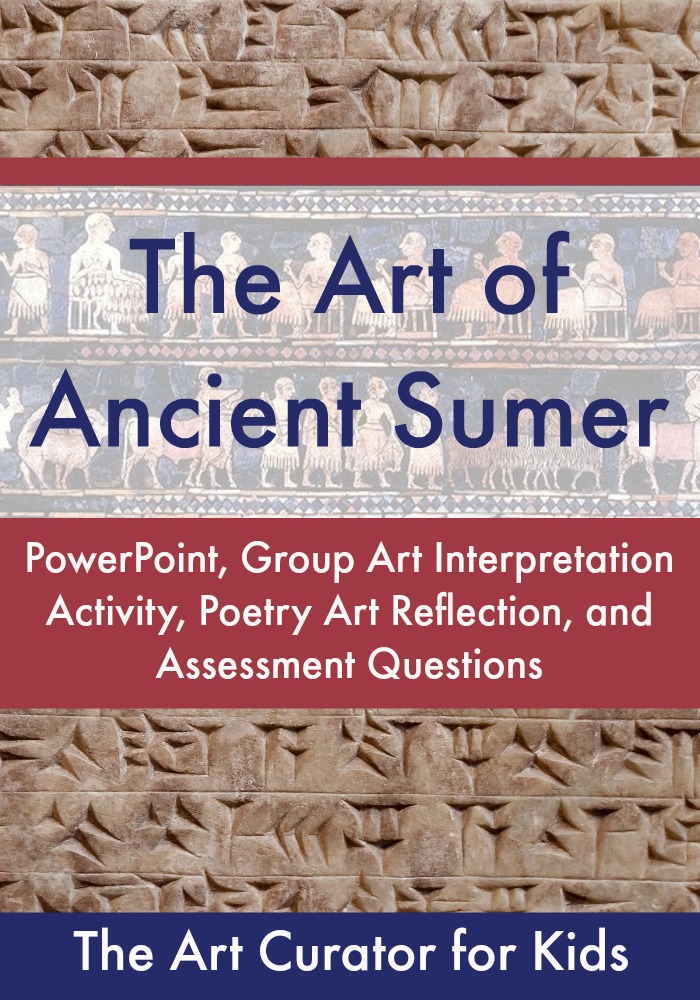
The Art Curator for Kids - The Art of Ancient Sumer Lesson - PowerPoint, Assessment, Student Learning Activities, Sumer Art Conventions

Get the Full Lesson!

This Lesson is in The Curated Connections Library!

Find the full lesson from this post along with hundreds of other art teaching resources and trainings in the Curated Connections Library. Click here for more information about how to join or enter your email below for a free SPARKworks lesson from the membership!
Join the List

Get the Full Lesson!

This Lesson is in The Curated Connections Library!

Find the full lesson from this post along with hundreds of other art teaching resources and trainings in the Curated Connections Library. Click here for more information about how to join or enter your email below for a free SPARKworks lesson from the membership!
Filed Under: Art and Artists


October 5, 2015 2 Comments

Ancient Sumer Art Lesson

The Art Curator for Kids - The Art of Ancient Sumer Lesson - PowerPoint, Assessment, Student Learning Activities

I have created a lot of new resources lately to stock The Curated Connections Library that I haven’t put up on the blog. This ancient art history lesson covers the art of Sumer in Mesopotamia/the Ancient Near East.

The Art Curator for Kids - The Art of Ancient Sumer Lesson - PowerPoint, Assessment, Student Learning Activities

In addition to the context and characteristics of the art of Sumer, the lesson covers the following artworks: the Standard of Ur, cuneiform, Ziggurat of Ur, and the Tell Asmar hoard. Learning activities include a group art interpretation activity, clay activity, discussion questions, compare and contrast, and a poetry activity.

The Sumer art lesson files include:

  • PowerPoint
  • Group Art Analysis activity worksheet (.doc and .pdf)
  • Poetry activity sheet (.pdf)
  • Assessment questions (.doc and .pdf)

If you are a member of The Curated Connected Library, you can get this resource and all of my other art education lessons and materials for one membership fee.

Get the Full Lesson!

This Lesson is in The Curated Connections Library!

Find the full lesson from this post along with hundreds of other art teaching resources and trainings in the Curated Connections Library. Click here for more information about how to join or enter your email below for a free SPARKworks lesson from the membership!
Join the List

Get the Full Lesson!

This Lesson is in The Curated Connections Library!

Find the full lesson from this post along with hundreds of other art teaching resources and trainings in the Curated Connections Library. Click here for more information about how to join or enter your email below for a free SPARKworks lesson from the membership!

Filed Under: Art and Artists, Downloads and Resources


September 30, 2015 Leave a Comment

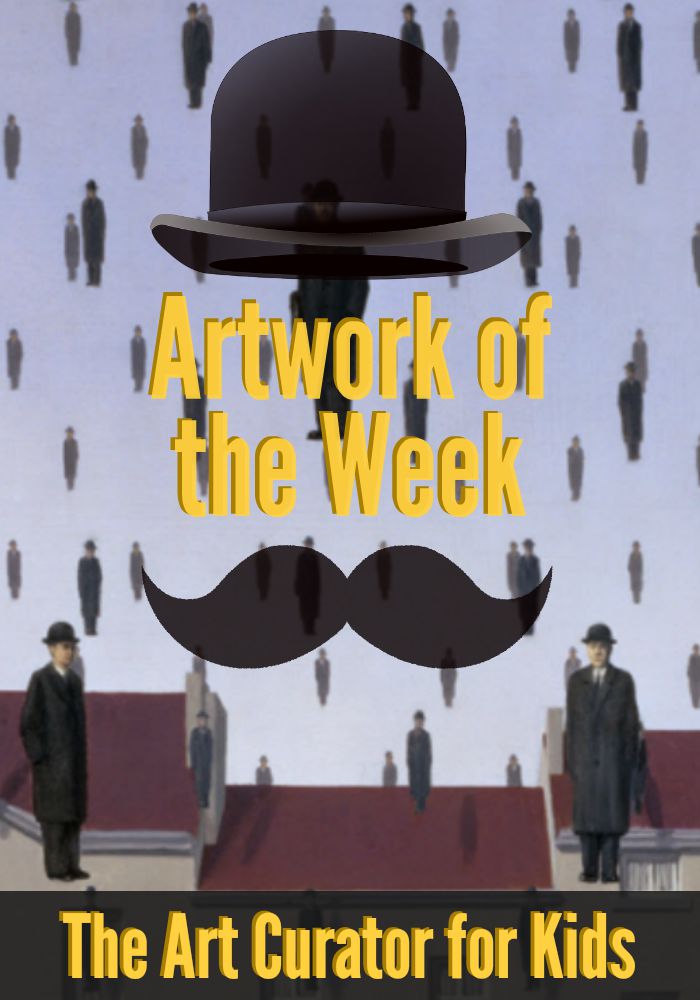
Artwork of the Week: René Magritte’s Golconda

It’s raining men today on the Art Class Curator. Today’s Artwork of the Week is Golconda by René Magritte. Take a look.

The Art Curator for Kids - Artwork of the Week - René Magritte's Golconda

What’s going on in this painting? What do you notice? What do you think the artist was trying to say?

The Art Curator for Kids - Artwork of the Week - René Magritte's Golconda
René Magritte, Golconda, 1953

What’s interesting to me about this painting is that it does look like it is raining this serious, stiff businessman, but they don’t really appear to be moving. If they were falling from the sky, wouldn’t their hats fly off and their coats float up in the breeze? They are stiff and the same.

Another element of the painting that strikes me is how organized it is. The men are lined up in a grid or in parallel rows both up and down and receding into space. Why did the artist do this?

This is a fun one to think about and would be perfect for an art criticism writing assignment.

There are lots of different interpretations you could come up with for this artwork, and I tend to think it represents the sameness of the business world and the cookie-cutterness of that environment. We don’t look at these guys as individuals when we look at this painting. We see them all as one.

What do you think of this one?

Filed Under: Art and Artists
Tagged With: rene magritte


September 23, 2015 Leave a Comment

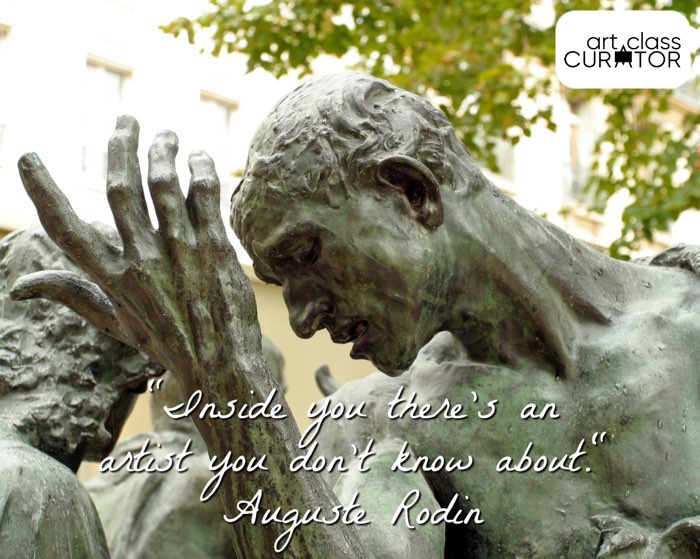
Rodin’s The Burghers of Calais

One of my most fond travel memories is my visit to the Rodin Museum in Paris. The museum is his old house, and it is filled inside and out with his emotional and stunning sculptures. I remember sitting on the ground sketching the sculptures just so I could spend more time looking at them. Rodin sculptures are to be savored!

Auguste Rodin's The Burghers of Calais
main square in the town centre of calais in the pas-de-calais department of the nord-picardy regions of france

Get the Full Lesson!

This Lesson is in The Curated Connections Library!

Find the full lesson from this post along with hundreds of other art teaching resources and trainings in the Curated Connections Library. Click here for more information about how to join or enter your email below for a free SPARKworks lesson from the membership!
Join the List

Get the Full Lesson!

This Lesson is in The Curated Connections Library!

Find the full lesson from this post along with hundreds of other art teaching resources and trainings in the Curated Connections Library. Click here for more information about how to join or enter your email below for a free SPARKworks lesson from the membership!

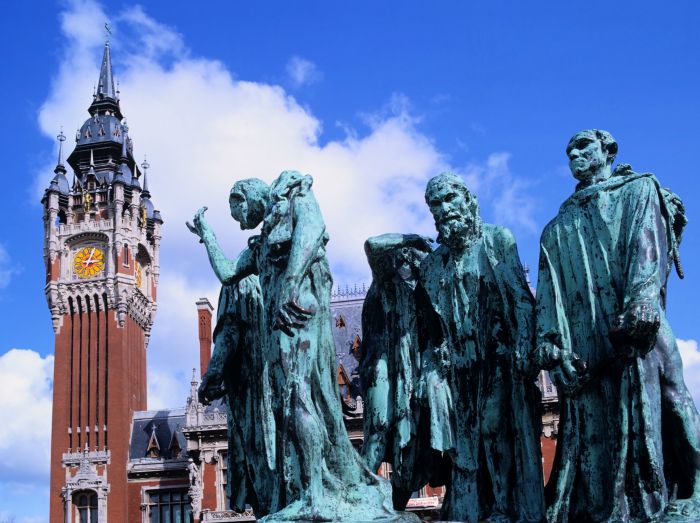
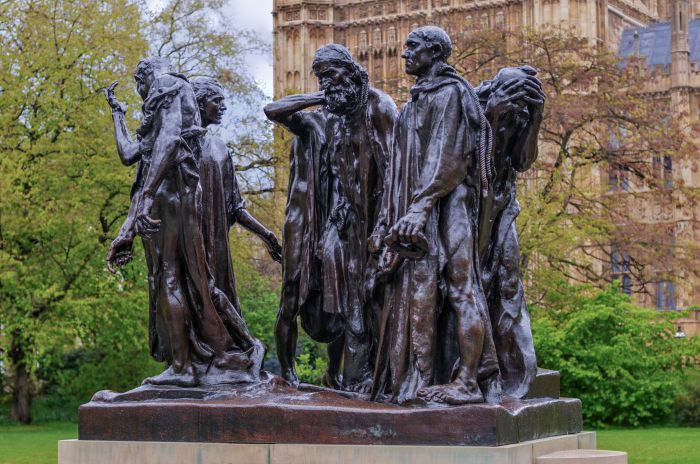
The Burghers of Calais was commissioned by the city of Calais to commemorate an important historical event from the Hundred Years War. During the war, King Edward III of England invaded the French town of Calais and Philip VI ordered the city to withstand the attack. The people of Calais were starving, and they eventually had to surrender.

The Art Curator for Kids - Artwork of the Week - August Rodin Burghers of Calais

Edward offered to spare the people of the city of six of the town citizens would volunteer to surrender themselves to him. Six of the towns wealthiest men volunteered, knowing they would probably be executed. They walked to the city gates together painfully aware of their fate.

The Art Curator for Kids - Artwork of the Week - August Rodin Burghers of Calais

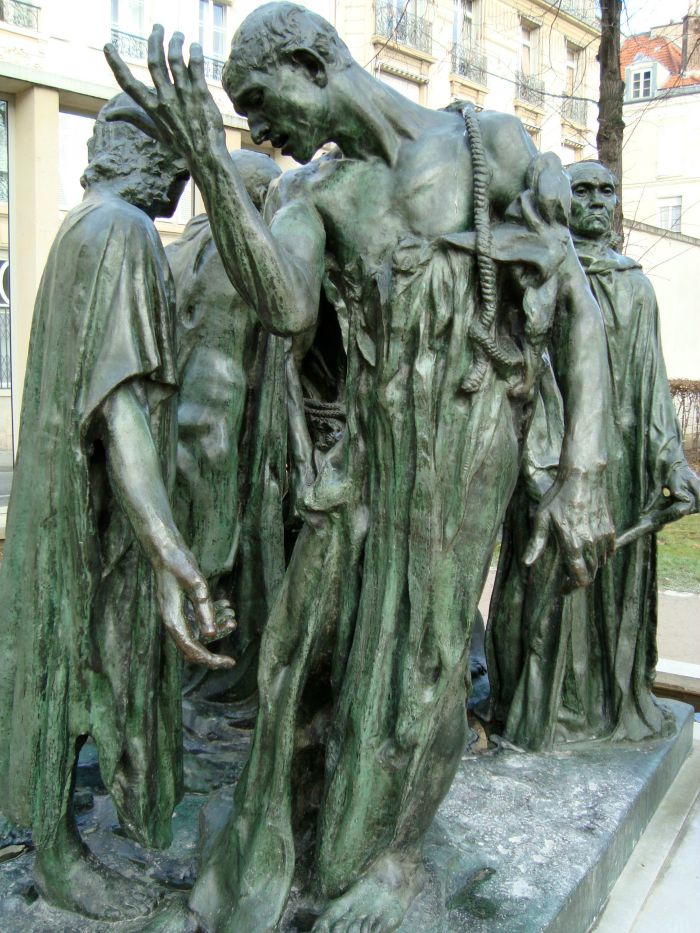
This is the moment that Rodin captured in his artwork. His characters are clearly conflicted with deep emotion. They save their loved ones, but they know they are walking to their death. Ultimately, they were spared by the Queen of England who was pregnant and thought the deaths of these men would be an omen to her new baby. She convinced her husband to save their lives.

The Art Curator for Kids - Artwork of the Week - August Rodin Burghers of Calais - Photo Credit LPLT
Photo Credit: LPLT

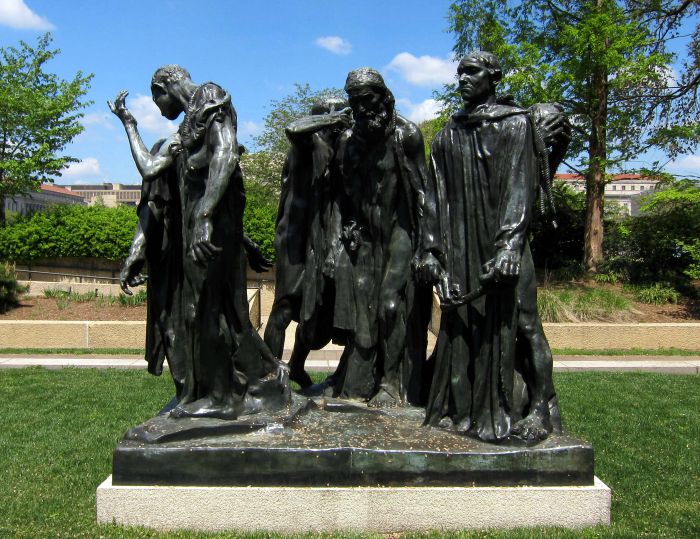
The town of Calais was not happy with Rodin’s final sculpture. They wanted a heroic monument to commemorate their bravery and sacrifice. Rodin, instead of putting them on a high pedestal to admire from below, put the men down on the ground at the level of the citizens of Calais. He made them larger than life-size and heightened their emotion with expressions as well as the texture and modeling of the sculpture. Instead of emphasizing their bravery, he emphasized their pain and humanity.

The Art Curator for Kids - Artwork of the Week - August Rodin Burghers of Calais - Photo Credit AgnosticPreachersKid
Photo Credit: AgnosticPreachersKid

Other than The Thinker, The Burghers of Calais is probably Rodin’s most famous work. There are at least 12 casts of this sculpture spread across the globe, but the original still remains in Calais.

Rodin Burghers of Calais

Filed Under: Art and Artists
Tagged With: auguste rodin


September 16, 2015 2 Comments

Paper Sculpture Project Inspired by Geometric MADI Art

The Art Curator for Kids - Paper Sculptures inspired by Geometric MADI Art - Cultural Art for Kids

About 10 years ago, the MADI Museum opened here in Dallas, and I had no idea what MADI was. Madi? That’s not a thing, is it? Turns out it is. Have you ever heard of MADI? It’s a little-known 20th-century art movement out of Argentina.

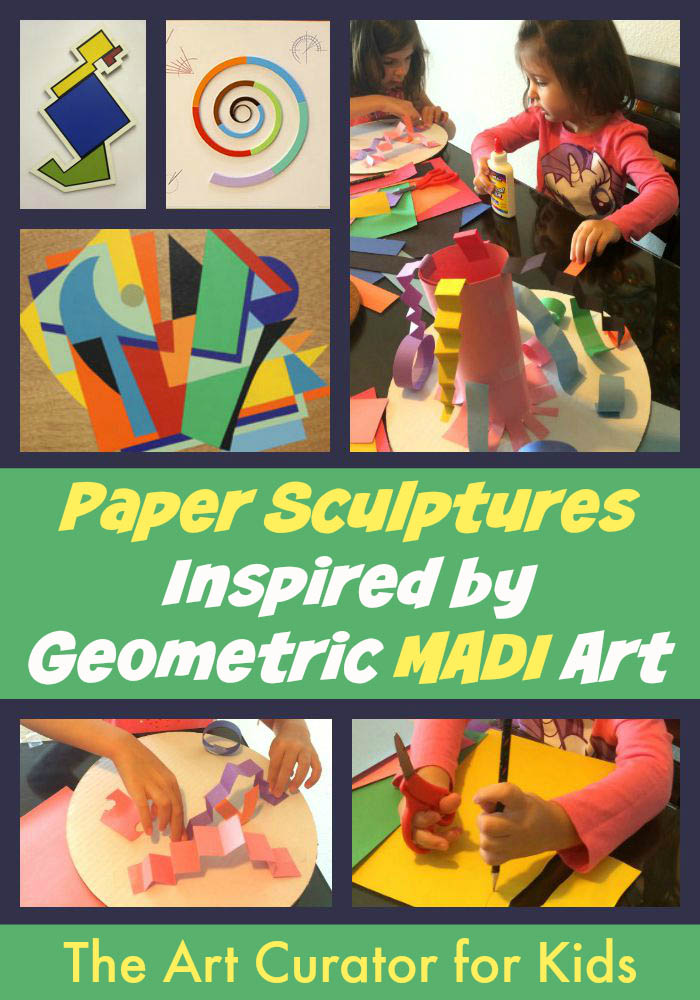
Yesterday, I showed my girls some MADI art, and we did an art project inspired by this colorful and bold artwork. Here’s how it went.

The Art Curator for Kids - Paper Sculptures inspired by Geometric MADI Art - Cultural Art for Kids, MADI Art Project for Kids

Get the Full Lesson!

This Lesson is in The Curated Connections Library!

Find the full lesson from this post along with hundreds of other art teaching resources and trainings in the Curated Connections Library. Click here for more information about how to join or enter your email below for a free SPARKworks lesson from the membership!
Join the List

Get the Full Lesson!

This Lesson is in The Curated Connections Library!

Find the full lesson from this post along with hundreds of other art teaching resources and trainings in the Curated Connections Library. Click here for more information about how to join or enter your email below for a free SPARKworks lesson from the membership!
What is MADI?

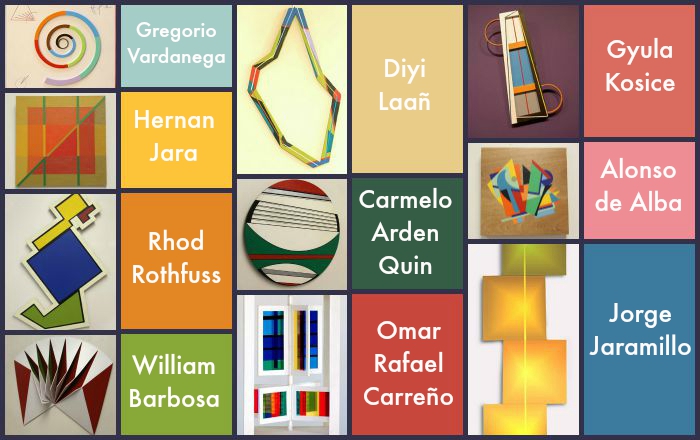
MADI is an art movement founded in Buenos Aires in 1946 by Hungarian-Argentinian artist and poet Gyula Kosice, and Uruguayans Carmelo Arden Quin and Rhod Rothfuss. MADI art is geometric and non-representational paintings and sculptures. It has either bold, bright colors or neutral colors.

Madi Art from the Museum of Geometric and MADI Art
Image Credits
Image Credits

While the style originated in Argentina, artists around the globe have embraced the style. The MADI Museum has many artworks from Italian and American artists (and many more places) in addition to the many artists from South America. Take a look at the collection of The Museum of Geometric and MADI Art at this link to see some other examples of MADI art.

How to Look at MADI Art with Kids

We had plans to visit the MADI Museum in Dallas, but my daughter had a fever, so we stayed home. I’m hoping to take the girls soon. I think they would like it.

Instead, I opened up this page from the MADI Museum’s website and looked at all of the art at once. I asked them what do these artworks have in common? What do you see a lot of?

My first-grader and preschooler loved the MADI art. They were intrigued by the bright colors and shapes. We simply talked about the shapes and colors that we saw. We pointed out the patterns.

We each picked out favorite works from the page, took a closer look by clicking on the image, and talked about why we liked them.

Paper Sculpture MADI Art Project

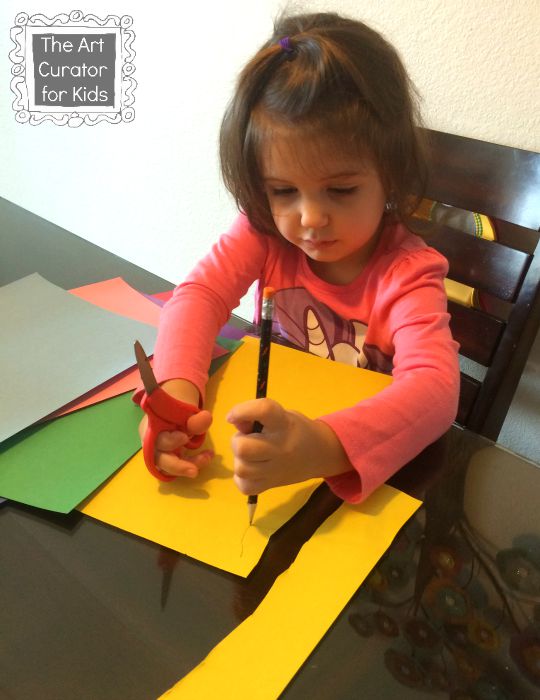
We got out the construction paper and practiced drawing geometric shapes. With my 3yo, I drew some shapes and she traced and copied them. With my 6yo, I taught her how to use a ruler to draw a straight line.

The Art Curator for Kids - Paper Sculptures inspired by Geometric MADI Art - Cultural Art for Kids, MADI Art Project for Kids
Double-fisting her art supplies

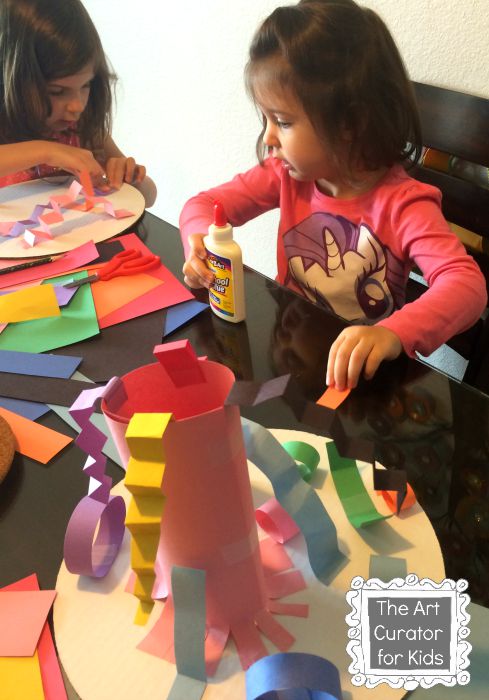
We cut some long strips of paper (great scissor skills practice for the little one!) and accordion-folded some of them. We also made some tubes of paper to form as a base for some of the other stuff we made.

After cutting shapes and strips, we used tape to make three-dimensional paper shapes which we then taped to a circle piece of cardboard to make a sculpture.

The Art Curator for Kids - Paper Sculptures inspired by Geometric MADI Art - Cultural Art for Kids, , MADI Art Project for Kids

It was great fun! Well, the three-year-old was totally into it even though she needed some extra help. The 6yo still had a touch of the fever, so she lost interest and went to lay down on the couch after a while. Poor bug.


Filed Under: Art and Artists
Tagged With: Alonso de Alba, Carmelo Arden Quin, Diyi Laañ, Gregorio Vardanega, Gyula Kosice, Hernan Jara, Jorge Jaramillo, Omar Rafael Carreño, Rhod Rothfuss, William Barbosa


September 13, 2015 7 Comments

Exploring Narrative in Art

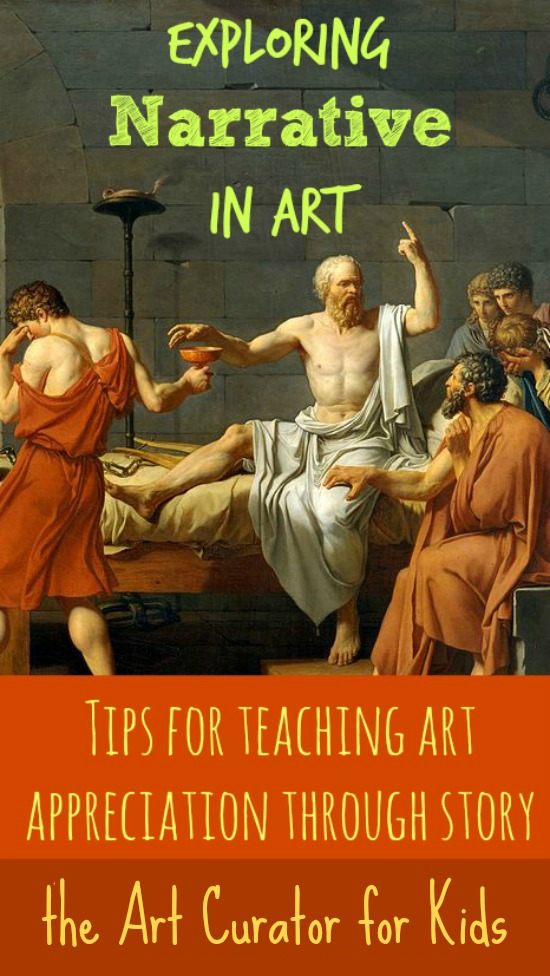
the Art Curator for Kids - Exploring Narrative in Art-700x1000
the Art Curator for Kids - Exploring Narrative in Art

One of the best ways for a student to connect with art is through narrative or story. Really, it’s not just appropriate for just students–we all connect through narrative. Narrative is how all of us see the world and how we connect with each other. We put together stories in our heads for situations in our lives. We try to fill in the blanks. And when we first see a work of art for the first time, we often go straight to narrative (if the strong emotions in the work don’t grab us first!).

The benefits of including narrative writing in your curriculum are many: from emotional expression to social and cultural awareness and understanding to developing creativity. Hearing others’ stories and telling your own story are powerful.

Art is a natural fit for narrative because much art tells a story, but that story is up for interpretation from the viewer. The story and the art itself changes depending on who is looking at it. The artist leaves us clues and descriptors and emotions, and we are left to put the pieces together. It is exciting and creative and challenging.

I say it is challenging, but really our kids don’t find it as daunting as we do as adults. They are primed for story creating, and all we need to do is help guide them through the process. The rest of this post gives you a step by step guide to exploring narrative through art.

Analyze the Painting: Visual Thinking Strategies

This human focus on the narrative is what led Abigail Housen and Philip Yenawine to develop Visual Thinking Strategies (or VTS). I’ve briefly mentioned them before on the blog here. VTS was created in response to Housen’s stage theory of Aesthetic Development (source). Don’t click away; I won’t bore you with the details, but she discovered that there are five stages of how people interact with artwork. In the first stage or Accountive stage, viewers of art focus on narrative.

Accountive viewers are storytellers. Using their senses, memories, and personal associations, they make concrete observations about a work of art that are woven into a narrative. Here, judgments are based on what is known and what is liked. Emotions color viewers’ comments, as they seem to enter the work of art and become part of its unfolding narrative. (source)

vts image

So, what is VTS?
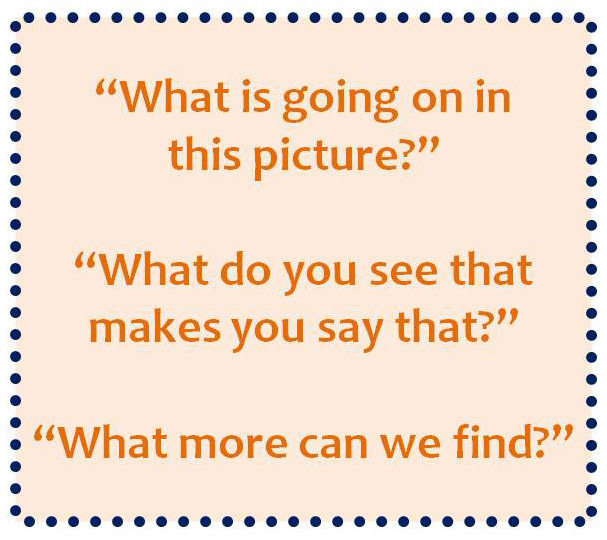
With VTS, you use three questions only: “What’s going on in this picture?”, “What do you see that makes you say that?”, and “What more can you find?” That’s it! You basically just keep poking and prodding the student for more information and connecting his or her ideas together. Starting with that key question, “What’s going on?” will spark a lot of ideas and stories in the student. The question hints at narrative but doesn’t limit the student’s response. I was really skeptical of this strategy when we discussed it in grad school, but honestly, I find it to be a very effective way of talking about art with students.

Develop the Story

While I think VTS is useful and works very well, sometimes you want to go deeper into the interpretation of the work. Remember, this is YOUR or your student’s story. Don’t look up the “right answer.” Your interpretation is just as correct as whatever you might find to read about the work.

  1. The first step of interpreting narrative in art is fully exploring the painting–taking an inventory of all of the things, emotions, places, actions, and people present in the work. The artist makes a lot of choices that impact the story, so make sure you and your student have discovered and analyzed these choices fully.
  2. Next, you can work together or alone through writing to figure out what happened before the moment depicted in the painting. Figure out the motives and personalities of the characters. What were they doing in painting, and what did they do to get to that point? What were they reacting to? Why were they feeling those emotions? Create a back story.
  3. After developing the back story and present story, create what will happen next. Back up ideas that you have with clues from the painting, but feel free to get creative.
  4. Outline the story and flesh out the details. Study parts of a story to make sure you have all the elements of a good narrative and to connect with your language arts curriculum.

Document the Story and Create

Once you have figured out your story, take it further with one or more of these activities.

  1. Draw, paint, or storyboard the story. Create new paintings of moments in the story before or after the painting in question. Or, create a storyboard with all of the key points illustrated as if preparing for an animated movie on a notecard or a template printed from online.
  2. Write it out. Depending on the age and ability of the student, write out the story. You could have the student write a short story or a screenplay. If your student is unable to write yet, take a video of him or her telling the story out loud or write it down for her.
  3. Act it out. Have students work with other students to put on a play or make a video. Make costumes and props, develop the script, and practice the emotions.
  4. Create a tableau vivant. If you have multiple students, create a series of tableaux vivants, or living pictures. Have them create the story using their bodies with props if you’d like. This is basically like a freeze-frame. You could have them do one point of the story as a freeze-frame which morphs into another freeze frame for the middle of the story which then morphs into the end of the story. Snap pictures of each tableau to document the learning experience. It may sound like a silly activity, but the students I have done this with always get a good laugh out of it and it helps them make a deeper connection with the artwork.

Your Turn!

Let’s try it out. Take a close look at this artwork.

Jacques-Louis David, The Death of Socrates, 1787

Develop the story based on clues from the painting, and tell me your story in the comments. 🙂

Get the Full Lesson!

This Lesson is in The Curated Connections Library!

Find the full lesson from this post along with hundreds of other art teaching resources and trainings in the Curated Connections Library. Click here for more information about how to join or enter your email below for a free SPARKworks lesson from the membership!
Join the List

Get the Full Lesson!

This Lesson is in The Curated Connections Library!

Find the full lesson from this post along with hundreds of other art teaching resources and trainings in the Curated Connections Library. Click here for more information about how to join or enter your email below for a free SPARKworks lesson from the membership!
This article was originally published on June 18, 2014.

Filed Under: Art and Artists, Downloads and Resources
Tagged With: bartolome esteban murillo, best of art class curator, caravaggio, eugene delacroix, gian lorenzo bernini, jacques-louis david


September 11, 2015 2 Comments

Artwork of the Week: Alice Neel’s After the Death of a Child

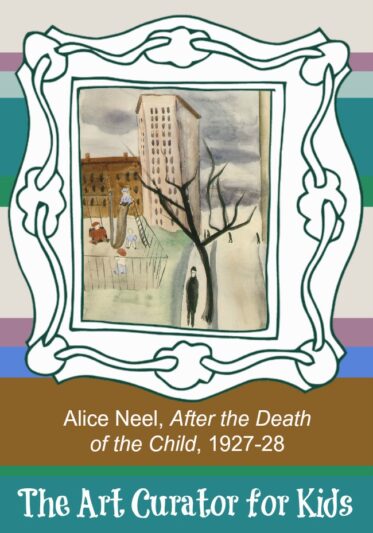
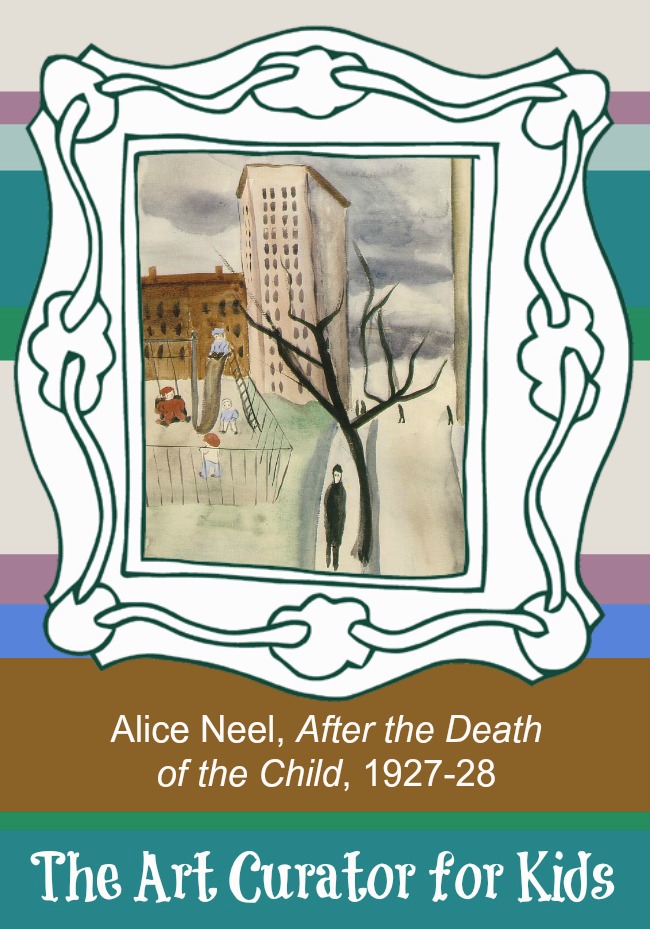
The Art Curator for Kids - Artwork of the Week - Alice Neel, After the Death of the Child, 1927-28

The artwork of the week today is from an American painter of the 20th century, Alice Neel. She is known for her bold and emotional portraits, but I’ve chosen a slightly more subtle and more personal artwork to feature.
The Art Curator for Kids - Artwork of the Week - Alice Neel, After the Death of the Child, 1927-28

Alice Neel and her husband, Cuban artist Carlos Enríquez, had a daughter named Santillana in 1926 who died a year later of diphtheria. It’s a powerful artwork that shows how she viewed where she lived, New York City, after the birth of her first daughter. The washed-out watercolor, the manipulation of the lines, and the vacant, anonymous people give us a glimpse of what she must have been feeling at this time in her life.

Alice Neel, After the Death of the Child, 1927-28

If you show this work to your students, don’t tell them the name of the painting until after they’ve had a chance to look at it and think about what is happening for themselves first. Here are some questions to guide the discussion.

  • What’s going on in this picture? What do you see that makes you say that?
  • What is the artist feeling? How can you tell?
  • How did the artist use color, line, value?
  • What choices did the artist make to show her meaning?

Filed Under: Art and Artists
Tagged With: alice neel


September 4, 2015 54 Comments

20 Must-Follow Art Teacher Blogs

Art Education Blogs

What would we do as art teachers without the internet? The amount of amazingly creative resources is just staggering.

I’ve been working on reinvigorating my Facebook page (click here to check it out!), and the fantastic art teacher blogs from across the internet make it easy to find amazing lessons to share. I have dozens, probably hundreds, of art-related blogs in my Feedly reader, and I scroll through and share from there.

Art Education Blogs

Here are 20 of my favorite, must-follow blogs from the list!

21 Must-Follow Art Teacher Blogs

  • A Faithful Attempt (K-12)
  • Art Ed Guru (K-12)
  • Art is Basic – Inspiration for a creative childhood (Elementary)
  • Art of Apex High School … and the Open Art Room (High School)
  • Arte a Scuola – Creativity in the classroom and in life (Middle School)
  • Artful Artsy Amy – Thoughts on Teaching Art to Middle School Students (K-12)
  • Cassie Stephens (Elementary)
  • Curator’s Corner (Art History)
  • iPad Art Room – 21st Century Teaching and Learning in Visual Art (K-12)
  • Lessons from the K-12 Art Room (K-12)
  • Mini Matisse (Elementary)
  • Mrs. Knight’s Smartest Artists (Elementary)
  • Painted Paper – Fun art lessons for kids (Elementary)
  • Shine Brite Zamarano (Elementary)
  • Splish Splash Splatter (Elementary)
  • Teach Kids Art – Successful art lessons for kids (Elementary)
  • The Art Curator for Kids – experience art with kids of all ages, yes, yes I added myself to the list making it 21. 🙂 (PreK-College)
  • The Art of Education – Ridiculously Relevant Professional Development for Art Teachers (K-12)
  • The Artful Parent – Simple ways to fill your family’s life with art & creativity (PreK-Elementary)
  • The Artsy Fartsy Art Room (Elementary)
  • Thomas Elementary Art (Elementary)

What is your favorite art education blog? Do you have an art education blog? Share it in the comments, so I can add it to my reader!

Filed Under: Downloads and Resources


September 2, 2015 Leave a Comment

Artwork of the Week: World War II Propaganda

Please note, this post includes Amazon affiliate links. As an Amazon Associate I earn from qualifying purchases.

I just finished reading an incredible book, Those Who Save Us by Jenna Blum. It’s a story about a German woman and her child from World War II in Germany. It was a truly incredible book, and I am actually a little sad I finished it. I’ve been thinking of the book all day, so I decided to let me reading inspire this week’s Artwork of the Week. This artwork was also included in my 10 Artworks for a Stimulating Discussion last week.

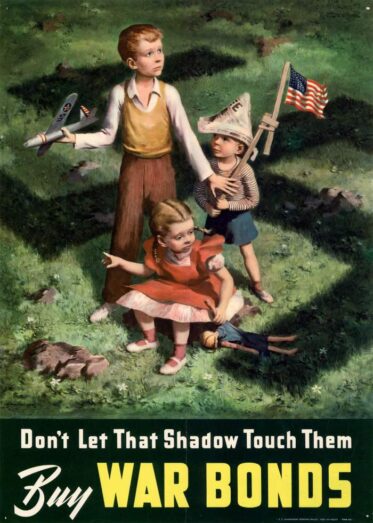
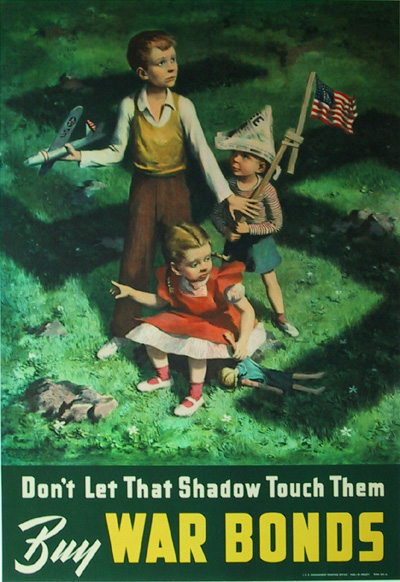
The Art Curator for Kids - Don't Let That Shadow Touch Them - Buy War Bonds - Artwork of the Week
Lawrence Beall Smith, Don’t Let That Shadow Touch Them, 1942

Buy a print of this poster on Amazon for only $6.98.

Propaganda artworks are often great choices for students to analyze because they usually have very clear and blunt design choices. Because the goal was often to impact the viewer’s emotions and lead them to some sort of action, the choices of the artist are bold.

This one, like so many, uses children to impact the viewer. By juxtaposing the innocence of the child with the dark, sinister symbolism of the Nazi swastika, it incites fear and our parental protective instincts. If the image didn’t grab you enough, the artist adds text to make it clear what he wants us to do after seeing this image.

In our media-frenzied society, it is absolutely imperative that we teach our kids to decipher this sort of image.

Here are some discussion questions you could use to discuss this image with your students.

  • What’s going on in this picture?
  • What is the shadow on the ground? What does it symbolize?
  • What do you think this artist was trying to accomplish with this picture? How does the artist use children to accomplish this?
  • What emotions does this artwork incite?
  • What parts of the image are touched by the shadow? What happened to it? (the doll touches the shadow and looks dead)
  • How do you think the American people during World War II would have responded to this picture?

This artwork is included in the first test that I give to my community college classes. I have the students analyze it using the Four Steps of Art Criticism.

The Four Steps of Art Criticism Lesson Plan

This lesson covers the four steps of art criticism using artworks. Explore description, analysis, interpretation, and evaluation with your students using engaging activities and examples.

Buy Now

Filed Under: Art and Artists
Tagged With: lawrence beall smith


August 27, 2015 2 Comments

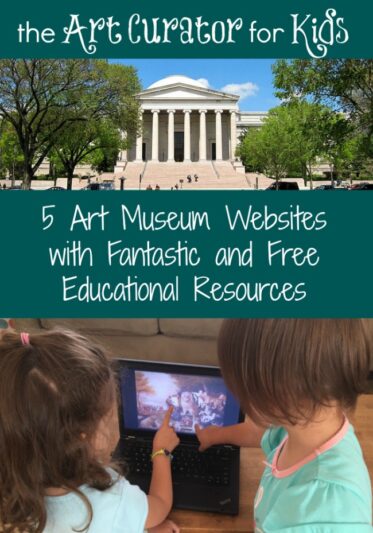
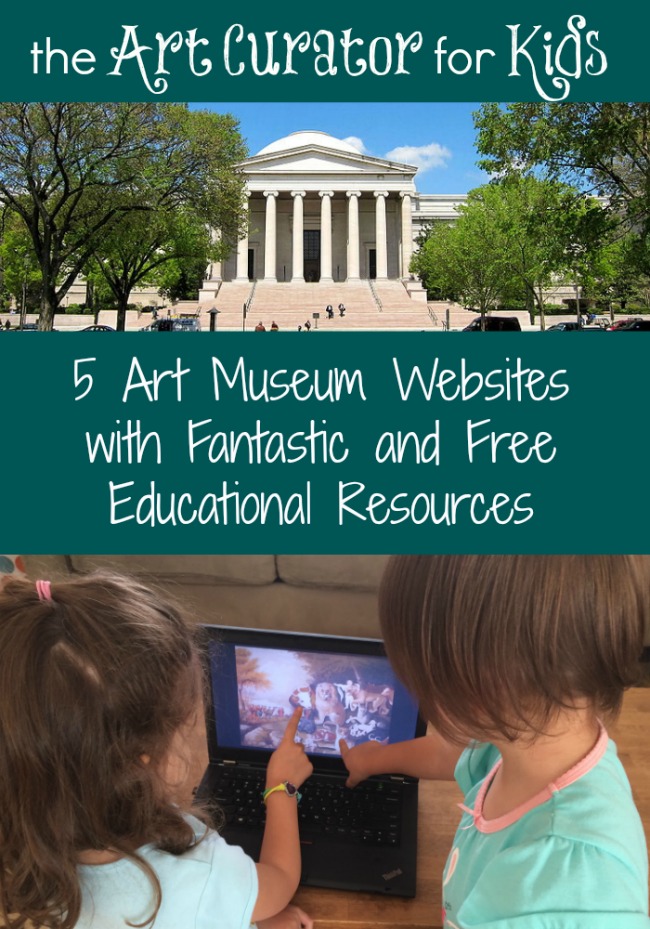
5 Art Museum Websites with Fantastic and Free Educational Resources

The Art Curator for Kids - 5 Art Museum Websites with Fantastic and Free Educational Resources

The Art Curator for Kids - 5 Art Museum Websites with Fantastic and Free Educational ResourcesAs an art museum educator, I worked hard at creating educational resources for a variety of audiences. There is a wealth of completely free resources on the internet for you to use in your classroom. You’ve just got to know where to look!

1. Dallas Museum of Art — http://www.dma.org/ and http://www.dmaconnect.org/

The Dallas Museum of Art, Photo Credit: KeithJonsn

I’m not highlighting this one just because it’s one of my local museums. This museum has a dedicated and extremely innovative education staff–many of which I have been honored to meet throughout my career. The site you want to visit is their teaching resources site, http://www.dmaconnect.org/. They have a wealth of resources from games and interactives, lesson plans, multimedia, and discussion questions just like in my Collections and Art Around the World series. These resources are organized by theme, and they also have resources for individual works of art in the non-western collections. Go visit them now! No, wait until you have read about the other four museums on my list. Then go! 🙂

2. Minneapolis Institute of Arts and the Walker Art Center — https://new.artsmia.org/

Minneapolis Institute of Arts, Photo Credit: Alvintrusty

This website is fantastic. They have “over 100,000 resources…including works of art, texts, audio, video, and interactive resources” (source). You can create an account and make your own lists, tag and comment on the work, and more. There is just so much! One area of the site I have used before with young kids is the artist’s toolkit at http://artsconnected.org/toolkit/. It’s a great interactive site for teaching the elements and principles of art. These are the basic building blocks of art like line, shape, color, texture, balance, etc.

3. San Francisco Museum of Modern Art — http://www.sfmoma.org/

SFMOMA, Photo Credit: Caroline Culler

It’s super hard to sum up all these museums have in a short paragraph. I’m starting to think I should have just done one museum per post here. I can’t choose a favorite resource to highlight here, but this teacher resources section of the site has a nice list. In general, the teacher section (usually within an education section) is where you want to look at a museum’s site for lessons and resources. On the SFMOMA site, they have artist-created lesson plans and great interactive sites around themes or artists. They also have this super cute site for students grades 2-5 called The Country Dog Gentlemen Travel to Extraordinary Worlds that has fun, animated stories and interactive activities related to the art.

4. National Gallery of Art — http://www.nga.gov/

National Gallery of Art, Photo Credit: AgnosticPreachersKid

“NGAkids Art Zone interactives offer an entertaining and informative introduction to art and art history. Featuring a variety of art-making tools that encourage exploration and creativity, these activities are suitable for all ages” (source). This website has at least 15 activities where your students can make art online all while learning art history. They even have FREE CDs of the activities (click here to learn more)! The NGAkids Art Zone is for the littles, but the learning resources page is for you. It has teaching packets, lesson plans, and videos you can use to plan your homeschool lessons!

5. Smithsonian Institution — http://www.smithsonianeducation.org/

The Smithsonian's National Museum of the American Indian
The Smithsonian’s National Museum of the American Indian

“The Smithsonian” isn’t one museum. It’s like 20. Or more. I have no idea. Lots. The Smithsonian Students page includes resources from all of them, so it has a wealth of activities and lessons, not just for art. The “Everything Art” section of the page has virtual classrooms, games, art-making activities, and more. The Smithsonian site for teachers also has a bunch of art lesson plans you can adapt for your homeschool.


 Thanks for reading! See more art-related posts on the Art Curator for Kids. What did I miss? What museum sites do you love?

** I have no affiliation with any of these organizations. I am just an art museum lover!

This post was originally published on June 4, 2014.

Filed Under: Art and Artists, Downloads and Resources


  • Previous Page
  • Page 1
  • Interim pages omitted …
  • Page 23
  • Page 24
  • Page 25
  • Page 26
  • Page 27
  • Interim pages omitted …
  • Page 38
  • Next Page

Primary Sidebar

Hi! I’m Cindy Ingram, the creator of Art Class Curator and The Curated Connections Library

I’m on a mission to revolutionize education with the power of life-changing art connections. Art is not “extra”. Art is essential. We are empowering teachers to bridge the gap between art making and art connection, kindling a passion for art that will transform generations.

More About Me

Free Worksheets!

-Free Bundle of Art Appreciation Worksheets-

In this free bundle of art worksheets, you receive six ready-to-use art worksheets with looking activities designed to work with almost any work of art.

Download

Free Worksheets!

-Free Bundle of Art Appreciation Worksheets-

In this free bundle of art worksheets, you receive six ready-to-use art worksheets with looking activities designed to work with almost any work of art.

Enrollment in Curated Connections Library is currently open. Click here to join. Join our list to get more information and to get a free lesson from the vault! If you are purchasing for a school or school district, head over here for more information.

Check Out What’s New In The Shop

Experience Art: Engaging Art Criticism Discussions and Activities for Teachers and Students of All Ages
Call to Art: An Un-Conference for Art Educators
Curated Connections Library Membership
Perspectives High School Curriculum

More Products

Have You Listened to the Latest Podcast Episode?

Falling for Naudline Pierre’s Evocative Art: A Conversation with Madalyn (Part 2)

More Episodes

Testimonials

I like how this program, unlike other art class resource membership programs, feels authentic. It's like art matters more here, and not fancy flash-in-the-pan trendiness. The goal of Art Class Curator seemed to be helping kids develop a lifelong love and art appreciation versus "Hey, look. I painted this fish."
Erin A.
Your questions are helping me to delve into much deeper learning, and my students are getting better at discussion-and then, making connections in their own work. Art Class Curator is awesome!
Denise W.
Interestingly, my lower performing classes really get engaged in these [lessons] and come away with some profound thoughts!
Melissa G.
I had the most amazing 6th grade class today. They were jumping out of their seats with hands raised just to respond and give input. It was as if I was waving candy in front of them! They saw more and more and the ideas and interpretations unfolded. So cool!!! This is what makes teaching art so wonderful – thank you!!
Caroline G.
I just wanted to thank you for the invaluable resource you have through Art Class Curator. Not only do you have thought provoking activities and discussion prompts, but it saves me so much time in preparing things for myself! I feel like I’ve only scratched the surface with your site.
Maryjane F.

Get Art Inspiration To Your Inbox!

Enter your email address to get regular art inspiration to your inbox
plus a BUNDLE OF 6 FREE WORKSHEETS!
We hate SPAM and promise to keep your email address safe.
Download

Free Worksheets!

*Free Bundle of Art Appreciation Worksheets*

In this free bundle of art worksheets, you receive six ready-to-use art worksheets with looking activities designed to work with almost any work of art.

Copyright © 2026 Ignite Art, LLC DBA Art Class Curator •  All rights reserved  •  Privacy Policy  •  Terms of Service  •  Site Design by Emily White Designs