• Skip to main content
  • Skip to primary sidebar
  • About
    • About Art Class Curator
    • Contact
    • Speaking
    • Media & Press
    • Programs for Schools
  • Blog
  • Podcast
  • Shop
  • Join
  • Member Login

Art Class Curator

Hands-on and Minds-curious Art Learning

  • Art & Artists
  • Art Connection Activities
  • Art Teacher Tips
  • Elements & Principles
  • Downloads & Resources
Home
  • About
    • About Art Class Curator
    • Contact
    • Speaking
    • Media & Press
    • Programs for Schools
  • Blog
    • Art & Artists
    • Elements & Principles
    • Art Connection Activities
    • Art Teacher Tips
    • Downloads & Resources
  • Book
  • Podcast
  • Shop
  • Join
  • Member Login

bartolome esteban murillo

January 18, 2016 8 Comments

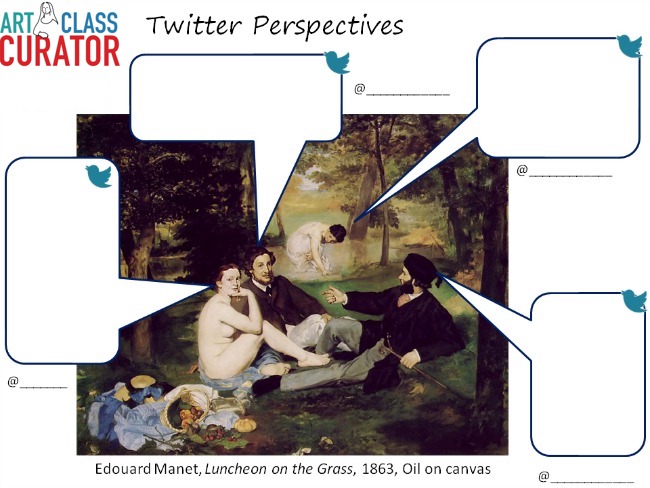
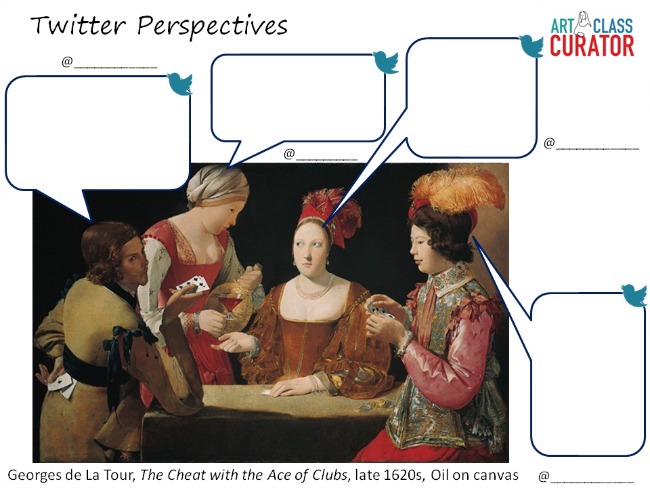
Character Analysis Art Activity: Twitter Perspectives

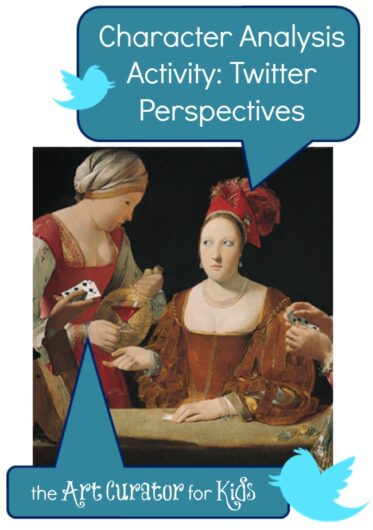
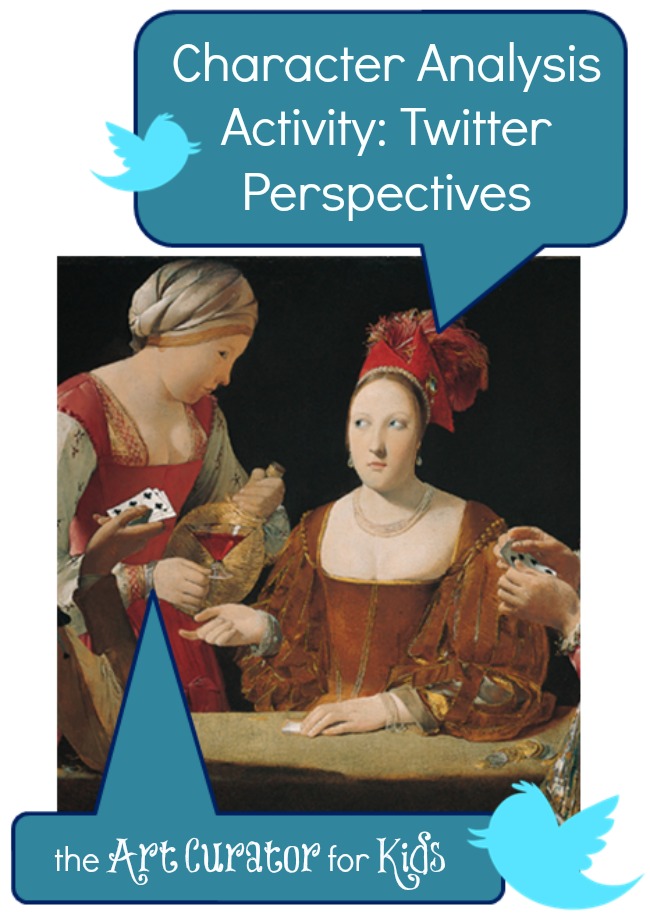
The Art Curator for Kids - Character Analysis Art Activity - Twitter Perspectives

One great way to analyze and interpret a work of art is to do character analysis–looking at visual clues to understand the motives, actions, thoughts, and feelings of the characters in the artwork.

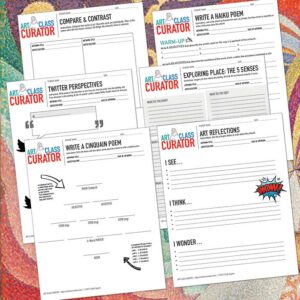
In my Art Appreciation Printable Worksheet Bundle that you can get for free by signing up for my e-mail list, there is an activity I created called “Twitter Perspectives” that focuses on this way of interpreting art. (You can also find more character analysis activities in the art worksheets 25 pack for $12).
Free Worksheets!

Art Appreciation Worksheets

In this free bundle of art worksheets, you receive six ready-to-use art worksheets with looking activities designed to work with almost any work of art.

Download

Free Worksheets!

Art Appreciation Worksheets

In this free bundle of art worksheets, you receive six ready-to-use art worksheets with looking activities designed to work with almost any work of art.

Art Activity Instructions: Study the characters in the artwork. Think about what the character thinks and feels. Then, write tweets from the perspective of the characters in the work. Create a twitter username that fits your perspective of the character.
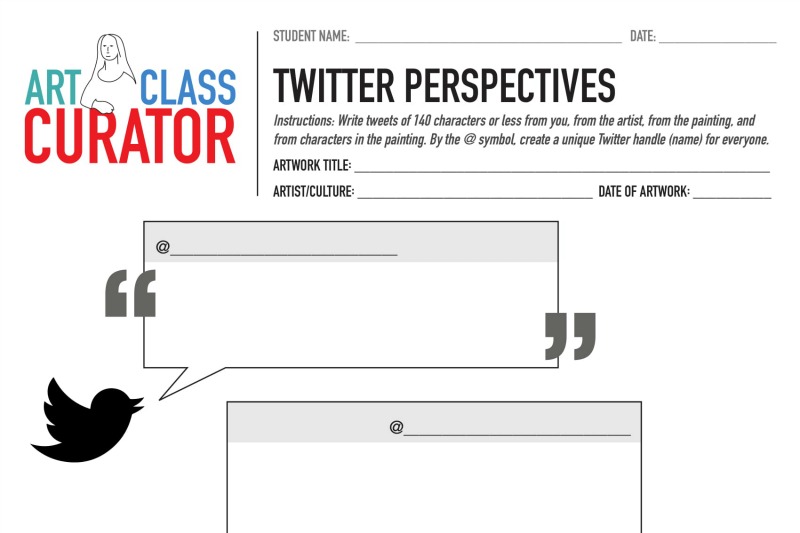
Get this worksheet and more to explore art in the free Art Appreciation Worksheet bundle by clicking the button below.

Here are some artwork suggestions to use with this worksheet:

How did it go? Please share one of your tweets about these artworks in the comments or tag me on twitter!

This post was originally posted on July 14, 2014.
Filed Under: Downloads and Resources
Tagged With: bartolome esteban murillo, best of art class curator, edouard manet, eugene delacroix, georges de la tour, gian lorenzo bernini


September 13, 2015 7 Comments

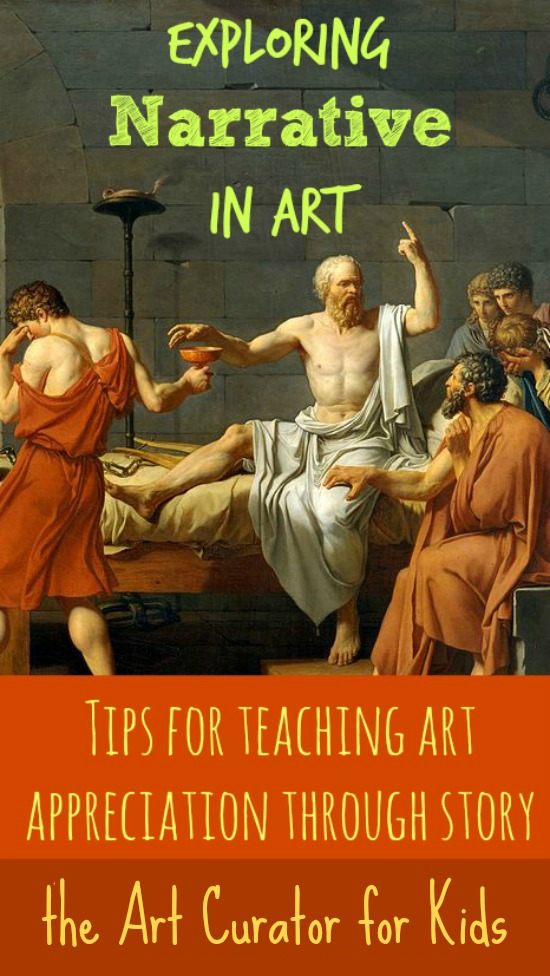
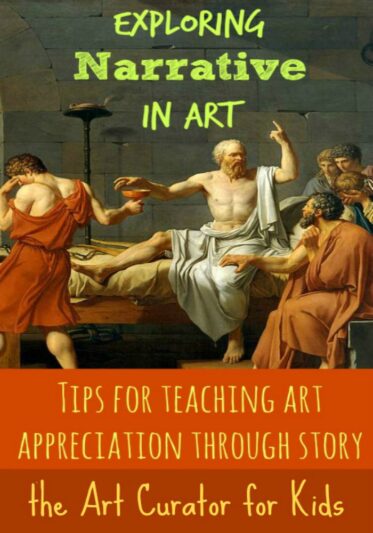
Exploring Narrative in Art

the Art Curator for Kids - Exploring Narrative in Art-700x1000
the Art Curator for Kids - Exploring Narrative in Art

One of the best ways for a student to connect with art is through narrative or story. Really, it’s not just appropriate for just students–we all connect through narrative. Narrative is how all of us see the world and how we connect with each other. We put together stories in our heads for situations in our lives. We try to fill in the blanks. And when we first see a work of art for the first time, we often go straight to narrative (if the strong emotions in the work don’t grab us first!).

The benefits of including narrative writing in your curriculum are many: from emotional expression to social and cultural awareness and understanding to developing creativity. Hearing others’ stories and telling your own story are powerful.

Art is a natural fit for narrative because much art tells a story, but that story is up for interpretation from the viewer. The story and the art itself changes depending on who is looking at it. The artist leaves us clues and descriptors and emotions, and we are left to put the pieces together. It is exciting and creative and challenging.

I say it is challenging, but really our kids don’t find it as daunting as we do as adults. They are primed for story creating, and all we need to do is help guide them through the process. The rest of this post gives you a step by step guide to exploring narrative through art.

Analyze the Painting: Visual Thinking Strategies

This human focus on the narrative is what led Abigail Housen and Philip Yenawine to develop Visual Thinking Strategies (or VTS). I’ve briefly mentioned them before on the blog here. VTS was created in response to Housen’s stage theory of Aesthetic Development (source). Don’t click away; I won’t bore you with the details, but she discovered that there are five stages of how people interact with artwork. In the first stage or Accountive stage, viewers of art focus on narrative.

Accountive viewers are storytellers. Using their senses, memories, and personal associations, they make concrete observations about a work of art that are woven into a narrative. Here, judgments are based on what is known and what is liked. Emotions color viewers’ comments, as they seem to enter the work of art and become part of its unfolding narrative. (source)

vts image

So, what is VTS?
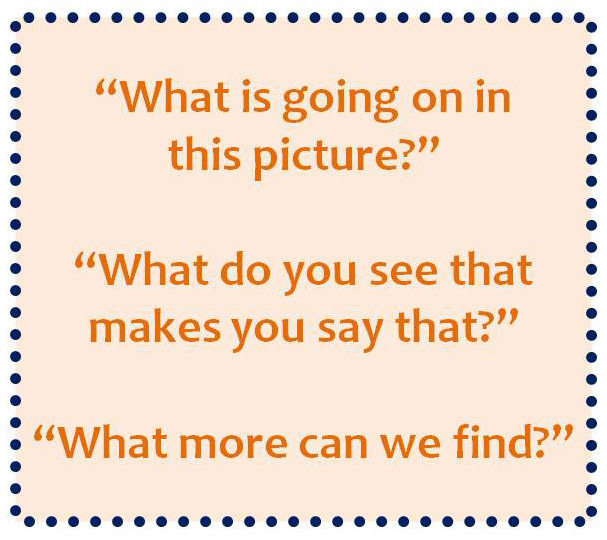
With VTS, you use three questions only: “What’s going on in this picture?”, “What do you see that makes you say that?”, and “What more can you find?” That’s it! You basically just keep poking and prodding the student for more information and connecting his or her ideas together. Starting with that key question, “What’s going on?” will spark a lot of ideas and stories in the student. The question hints at narrative but doesn’t limit the student’s response. I was really skeptical of this strategy when we discussed it in grad school, but honestly, I find it to be a very effective way of talking about art with students.

Develop the Story

While I think VTS is useful and works very well, sometimes you want to go deeper into the interpretation of the work. Remember, this is YOUR or your student’s story. Don’t look up the “right answer.” Your interpretation is just as correct as whatever you might find to read about the work.

  1. The first step of interpreting narrative in art is fully exploring the painting–taking an inventory of all of the things, emotions, places, actions, and people present in the work. The artist makes a lot of choices that impact the story, so make sure you and your student have discovered and analyzed these choices fully.
  2. Next, you can work together or alone through writing to figure out what happened before the moment depicted in the painting. Figure out the motives and personalities of the characters. What were they doing in painting, and what did they do to get to that point? What were they reacting to? Why were they feeling those emotions? Create a back story.
  3. After developing the back story and present story, create what will happen next. Back up ideas that you have with clues from the painting, but feel free to get creative.
  4. Outline the story and flesh out the details. Study parts of a story to make sure you have all the elements of a good narrative and to connect with your language arts curriculum.

Document the Story and Create

Once you have figured out your story, take it further with one or more of these activities.

  1. Draw, paint, or storyboard the story. Create new paintings of moments in the story before or after the painting in question. Or, create a storyboard with all of the key points illustrated as if preparing for an animated movie on a notecard or a template printed from online.
  2. Write it out. Depending on the age and ability of the student, write out the story. You could have the student write a short story or a screenplay. If your student is unable to write yet, take a video of him or her telling the story out loud or write it down for her.
  3. Act it out. Have students work with other students to put on a play or make a video. Make costumes and props, develop the script, and practice the emotions.
  4. Create a tableau vivant. If you have multiple students, create a series of tableaux vivants, or living pictures. Have them create the story using their bodies with props if you’d like. This is basically like a freeze-frame. You could have them do one point of the story as a freeze-frame which morphs into another freeze frame for the middle of the story which then morphs into the end of the story. Snap pictures of each tableau to document the learning experience. It may sound like a silly activity, but the students I have done this with always get a good laugh out of it and it helps them make a deeper connection with the artwork.

Your Turn!

Let’s try it out. Take a close look at this artwork.

Jacques-Louis David, The Death of Socrates, 1787

Develop the story based on clues from the painting, and tell me your story in the comments. 🙂

Get the Full Lesson!

This Lesson is in The Curated Connections Library!

Find the full lesson from this post along with hundreds of other art teaching resources and trainings in the Curated Connections Library. Click here for more information about how to join or enter your email below for a free SPARKworks lesson from the membership!

Join the List

Get the Full Lesson!

This Lesson is in The Curated Connections Library!

Find the full lesson from this post along with hundreds of other art teaching resources and trainings in the Curated Connections Library. Click here for more information about how to join or enter your email below for a free SPARKworks lesson from the membership!

This article was originally published on June 18, 2014.

Filed Under: Art and Artists, Downloads and Resources
Tagged With: bartolome esteban murillo, best of art class curator, caravaggio, eugene delacroix, gian lorenzo bernini, jacques-louis david


December 19, 2014 9 Comments

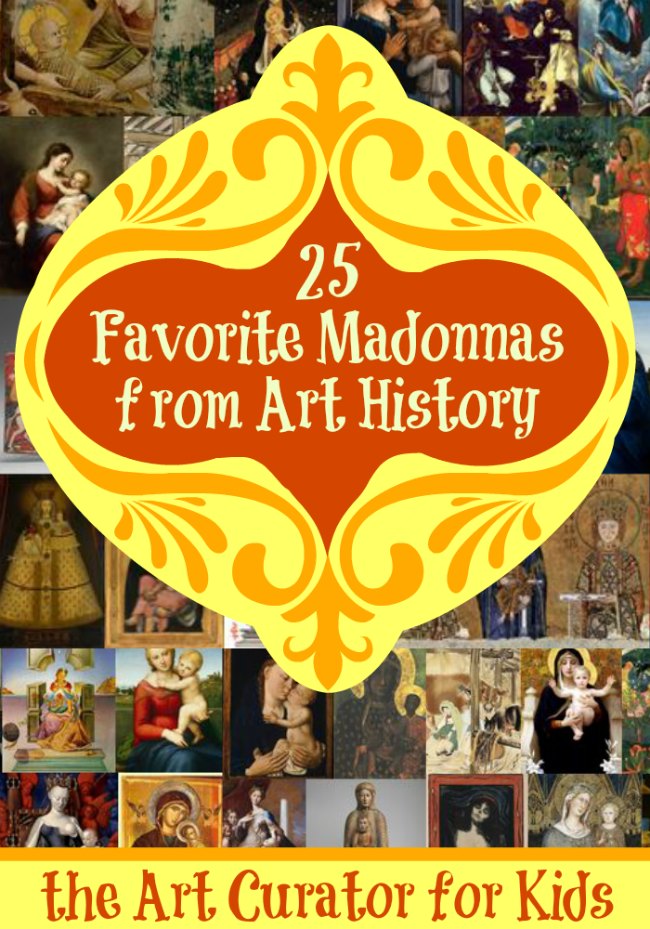
25 Favorite Madonna and Childs in Art History

the Art Curator for Kids - 25 Favorite Madonna and Childs from Art History

the Art Curator for Kids - 25 Favorite Madonna and Childs from Art History

Of all the subjects in all of art history, I would place money on Madonna and Child being the most represented subject in art. Just type “Madonna and Child” into a Google image search, and you will find an endless list of beautiful artworks.  Today, I was going to do a 5 favorite Madonna and Child paintings post, but I absolutely couldn’t pick 5. I moved it to 10, then 12, then 20, and then I ended up at 25. I just found a 26th, and I can’t leave it out, so technically there are 26 in this list now.  I pretty much spent all day looking at Madonnas.

Click on the image to view it larger.

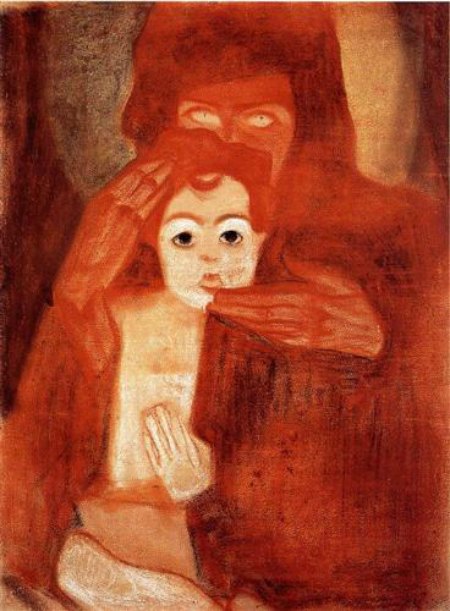
Egon Schiele, Mother and Child (Madonna), 1908

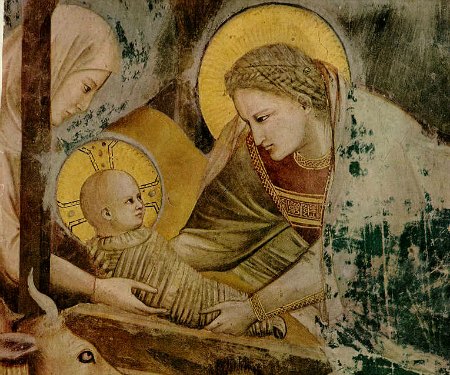
Giotto, Scenes from the Life of Christ, 1. Nativity, Birth of Jesus, 1304-06

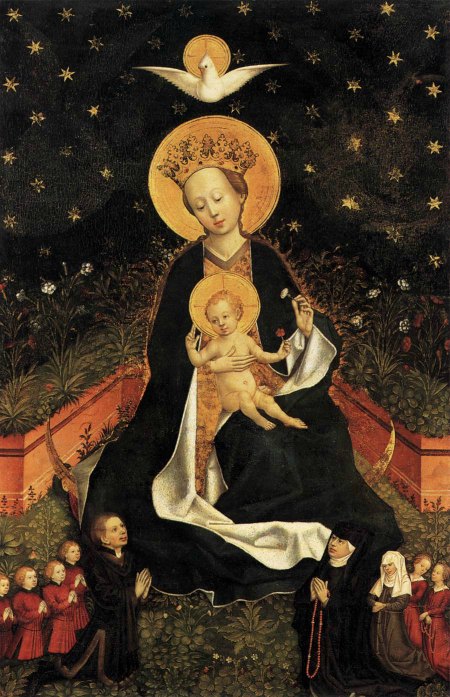
German, Madonna on a Crescent Moon in Hortus Conclusus, 1450s

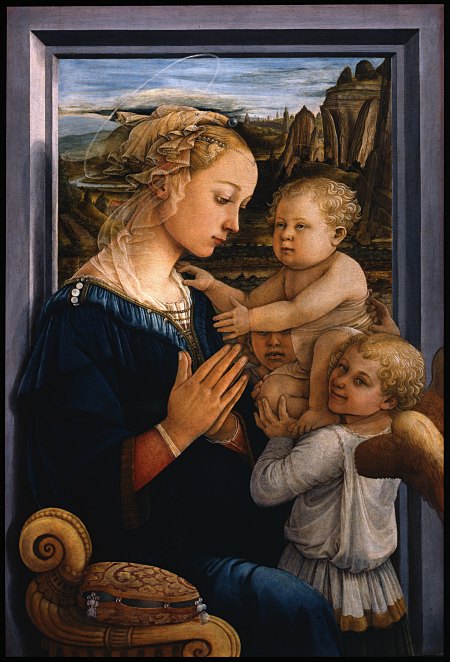
Filippo Lippi, Madonna and Child, c. 1465

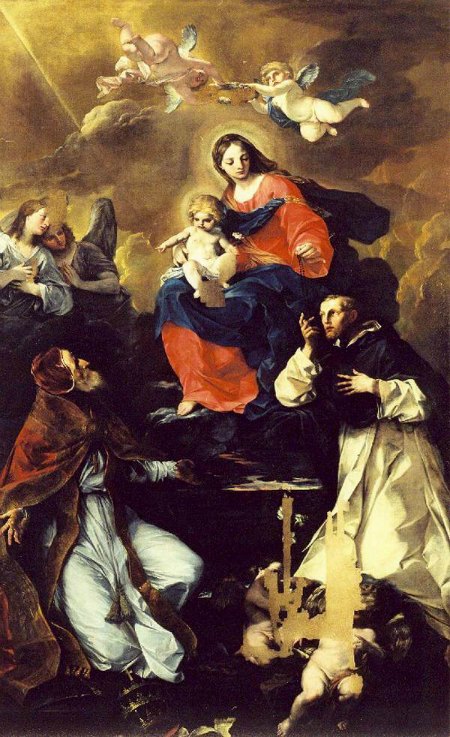
Felice Torelli, Virgin and Child with Angels and Saints, circa 1700

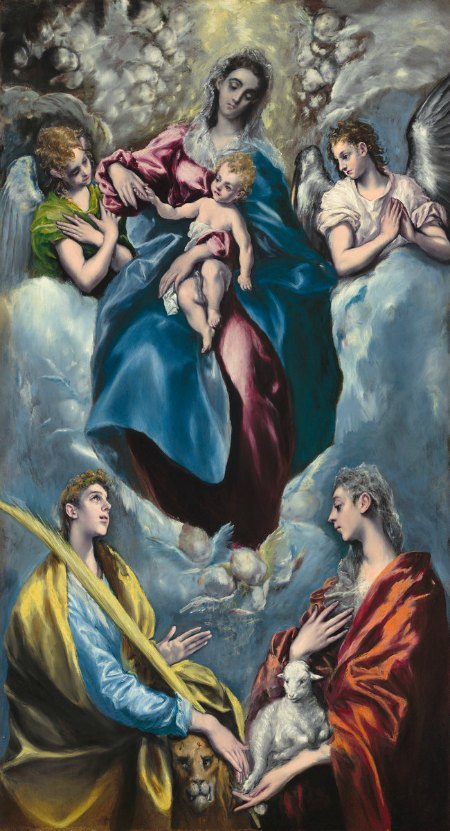
El Greco (Domenikos Theotokopoulos), Madonna and Child with Saint Martina and Saint Agnes, 1597-1599

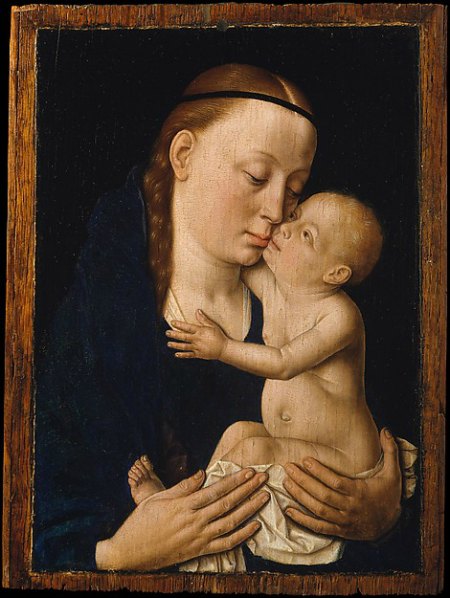
Dieric Bouts, Virgin and Child, ca. 1455–60, Oil on wood

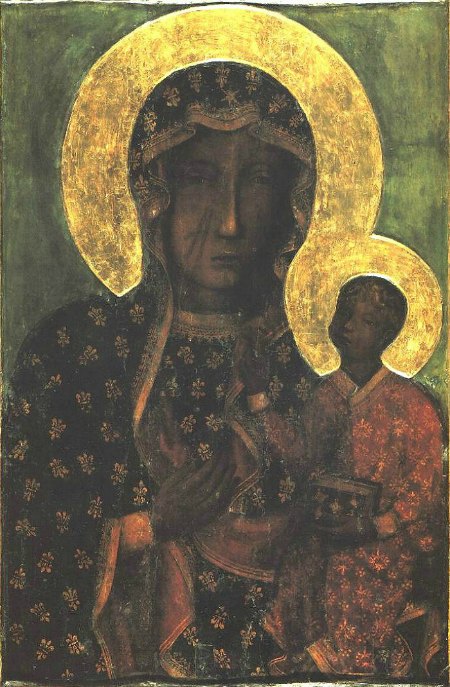
Black Madonna of Częstochowa

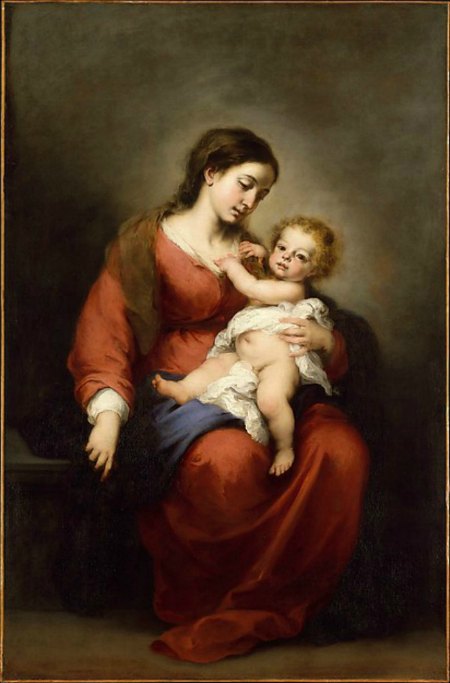
Bartolomé Estebán Murillo, Virgin and Child, ca. 1670–72

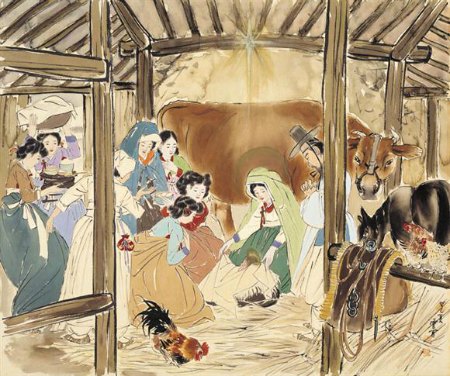
Woonbo Kim Ki-chang, The Birth of Jesus Christ, 1952-53

William-Adolphe Bouguereau, The Virgin of the Lilies (La Vierge au lys), 1899

the Art Curator for Kids - 5 Favorite Madonnas in Art - Paul Gauguin, la Orana Maria (Hail Mary), 1891, oil on canvas
Paul Gauguin, la Orana Maria (Hail Mary), 1891, oil on canvas

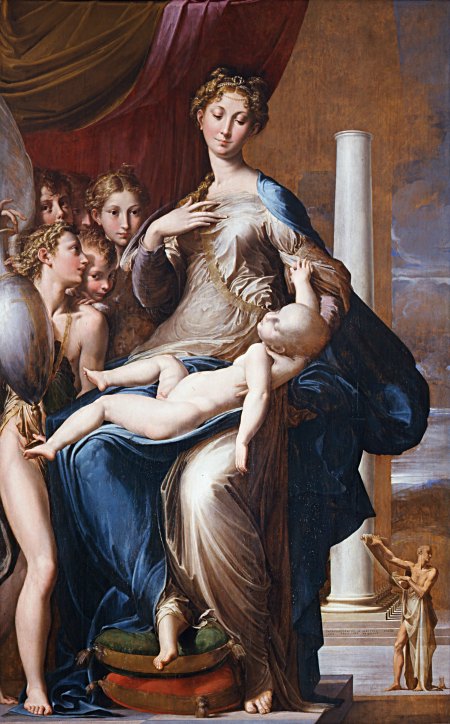
the Art Curator for Kids - 5 Favorite Madonnas in Art - Parmigianino, Madonna of the Long Neck, c. 1535-1540
Parmigianino, Madonna of the Long Neck, c. 1535-1540

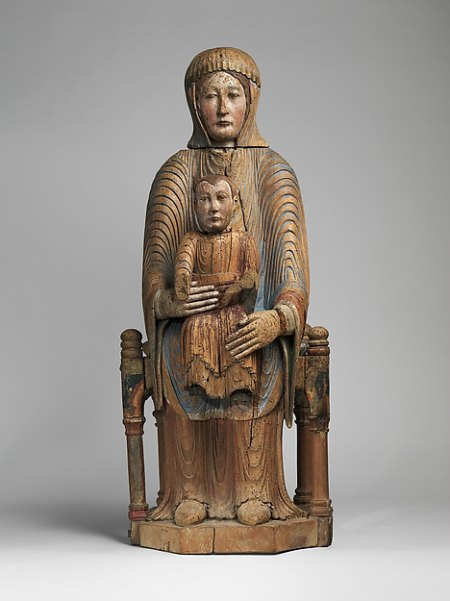
the Art Curator for Kids - 5 Favorite Madonnas in Art - French, Virgin and Child in Majesty, ca. 1175–1200
French, Virgin and Child in Majesty, ca. 1175–1200

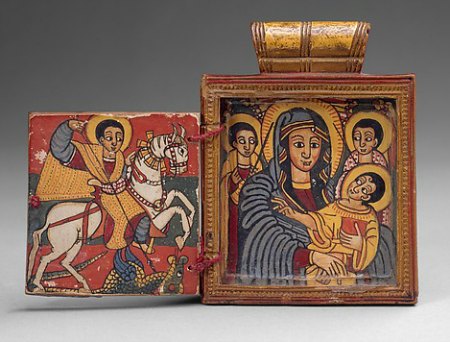
the Art Curator for Kids - 5 Favorite Madonnas in Art - Ethiopia, Double Diptych Icon Pendant, early 18th century, wood, tempera pigment, string
Ethiopia, Double Diptych Icon Pendant, early 18th century

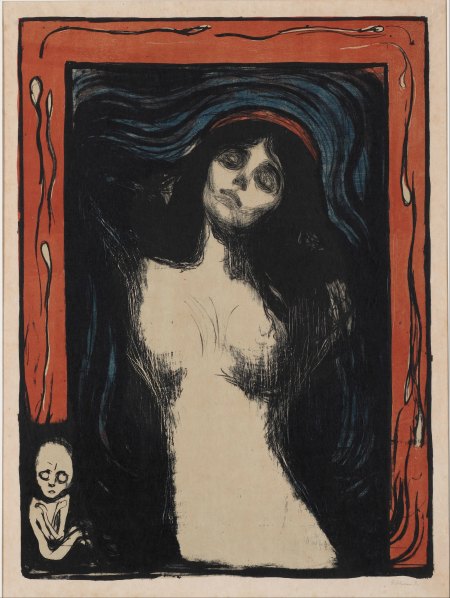
the Art Curator for Kids - 5 Favorite Madonnas in Art - Edvard Munch, Madonna, 1895–1902, Color Lithograph
Edvard Munch, Madonna, 1895–1902, Color Lithograph

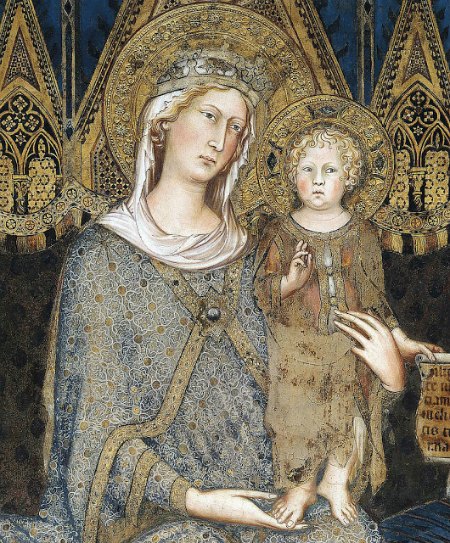
Simone Martini, Maestà (detail), 1315

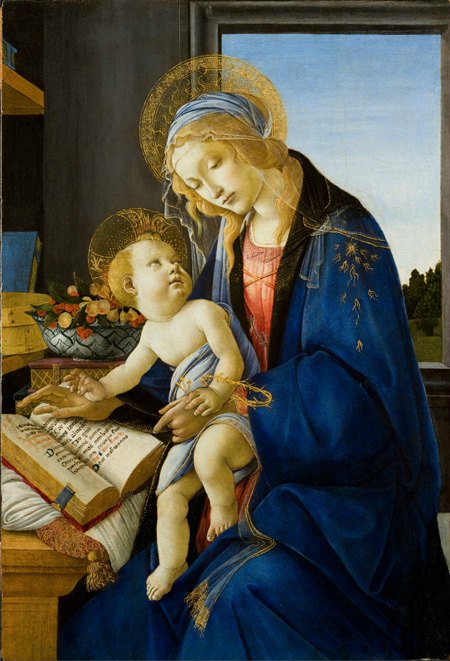
Sandro Botticelli, The Virgin and Child (The Madonna of the Book), 1480

Salvador Dalí, The Madonna of Port Lligat, 1949

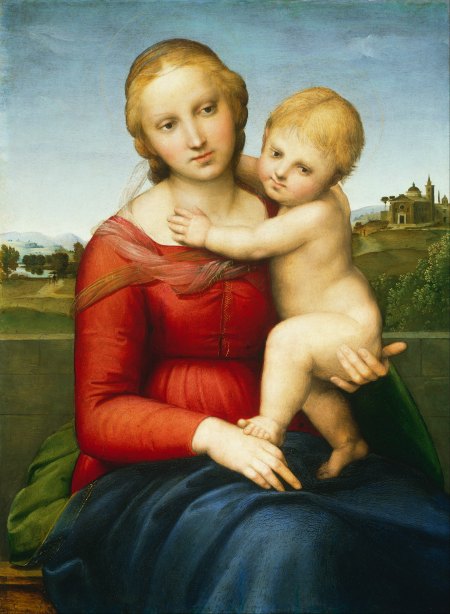
Raphael, The Small Cowper Madonna, circa 1505, oil on panel

Peruvian, Virgin of the Rosary of Guápulo, ca. 1680, Oil on canvas

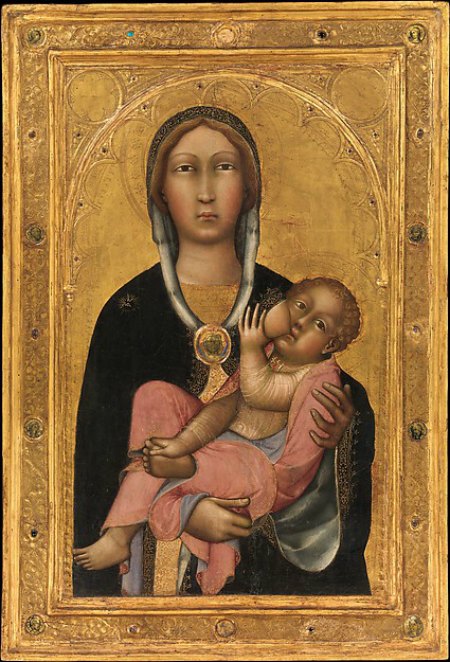
Paolo di Giovanni Fei, Madonna and Child, 1370s, Tempera on wood, gold ground
Paolo di Giovanni Fei, Madonna and Child, 1370s

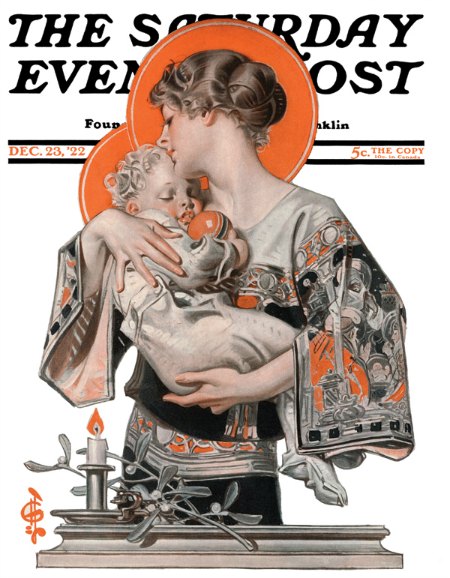
Modern Madonna and Child, December 23, 1922, J.C. Leyendecker

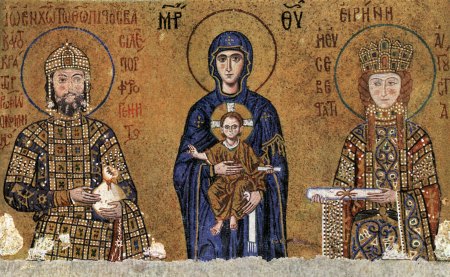
John II Comnenus, Byzantine emperor, and his wife, Irene, with Madonna and child. Mosaic in Hagia Sophia, Istanbul, ca. 1118

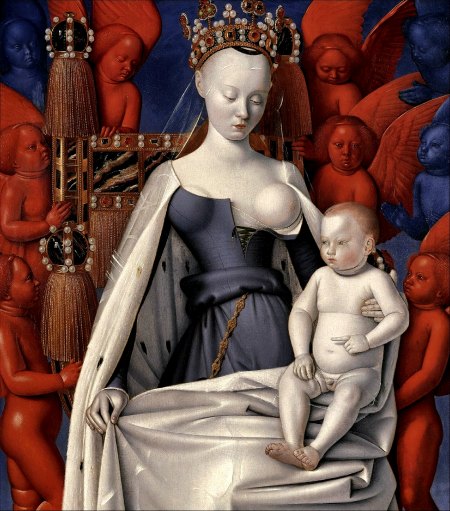
Jean Fouquet, Virgin and Child Surrounded by Angels, 1452, oil on panel

Icon of the Virgin Mary, 16th century. St. Catherine's Monastery in the Sinai
Icon of the Virgin Mary, 16th century. St. Catherine’s Monastery in the Sinai

I’ll probably use these in future lessons on the blog. Let me know which one is your favorite so I know which one to do first. 🙂

I’m taking a 2 week blogging break. I’ll see in you 2015! Merry Christmas, Happy Holidays, Happy New Year! 🙂

Filed Under: Art and Artists
Tagged With: bartolome esteban murillo, dieric bouts, edvard munch, egon schiele, el greco, felice torelli, filippo lippi, giotto, j.c. leyendecker, jean fouquet, paolo di giovanni fei, parmigianino, paul gauguin, raphael, salvador dali, sandro botticelli, simone martini, william-adolphe bouguereau, woonbo kim ki-chang


Primary Sidebar

Hi! I’m Cindy Ingram, the creator of Art Class Curator and The Curated Connections Library

I’m on a mission to revolutionize education with the power of life-changing art connections. Art is not “extra”. Art is essential. We are empowering teachers to bridge the gap between art making and art connection, kindling a passion for art that will transform generations.

More About Me

Free Resource!

82 Questions About Art

82 questions you can use to start and extend conversations about works of art with your classroom. Free download includes a list plus individual question cards perfect for laminating!

Download

Free Resource!

82 Questions About Art

82 questions you can use to start and extend conversations about works of art with your classroom. Free download includes a list plus individual question cards perfect for laminating!

Enrollment in Curated Connections Library is currently open. Click here to join. Join our list to get more information and to get a free lesson from the vault! If you are purchasing for a school or school district, head over here for more information.

Check Out What’s New In The Shop

Experience Art: Engaging Art Criticism Discussions and Activities for Teachers and Students of All Ages
Call to Art: An Un-Conference for Art Educators
Curated Connections Library Membership
Perspectives High School Curriculum

More Products

Have You Listened to the Latest Podcast Episode?

Falling for Naudline Pierre’s Evocative Art: A Conversation with Madalyn (Part 2)

More Episodes

Testimonials

I like how this program, unlike other art class resource membership programs, feels authentic. It's like art matters more here, and not fancy flash-in-the-pan trendiness. The goal of Art Class Curator seemed to be helping kids develop a lifelong love and art appreciation versus "Hey, look. I painted this fish."
Erin A.
Your questions are helping me to delve into much deeper learning, and my students are getting better at discussion-and then, making connections in their own work. Art Class Curator is awesome!
Denise W.
Interestingly, my lower performing classes really get engaged in these [lessons] and come away with some profound thoughts!
Melissa G.
I had the most amazing 6th grade class today. They were jumping out of their seats with hands raised just to respond and give input. It was as if I was waving candy in front of them! They saw more and more and the ideas and interpretations unfolded. So cool!!! This is what makes teaching art so wonderful – thank you!!
Caroline G.
I just wanted to thank you for the invaluable resource you have through Art Class Curator. Not only do you have thought provoking activities and discussion prompts, but it saves me so much time in preparing things for myself! I feel like I’ve only scratched the surface with your site.
Maryjane F.

Get Art Inspiration To Your Inbox!

Enter your email address to get regular art inspiration to your inbox
plus a BUNDLE OF 6 FREE WORKSHEETS!
We hate SPAM and promise to keep your email address safe.
Download

Free Worksheets!

*Free Bundle of Art Appreciation Worksheets*

In this free bundle of art worksheets, you receive six ready-to-use art worksheets with looking activities designed to work with almost any work of art.

Copyright © 2026 Ignite Art, LLC DBA Art Class Curator •  All rights reserved  •  Privacy Policy  •  Terms of Service  •  Site Design by Emily White Designs