• Skip to main content
  • Skip to primary sidebar
  • About
    • About Art Class Curator
    • Contact
    • Speaking
    • Media & Press
    • Programs for Schools
  • Blog
  • Podcast
  • Shop
  • Join
  • Member Login

Art Class Curator

Hands-on and Minds-curious Art Learning

  • Art & Artists
  • Art Connection Activities
  • Art Teacher Tips
  • Elements & Principles
  • Downloads & Resources
Home
  • About
    • About Art Class Curator
    • Contact
    • Speaking
    • Media & Press
    • Programs for Schools
  • Blog
    • Art & Artists
    • Elements & Principles
    • Art Connection Activities
    • Art Teacher Tips
    • Downloads & Resources
  • Book
  • Podcast
  • Shop
  • Join
  • Member Login

andy warhol

May 8, 2025 8 Comments

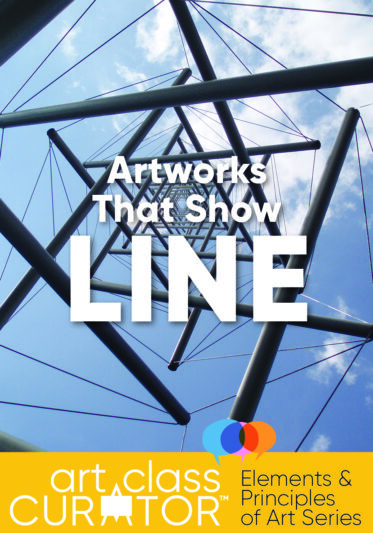
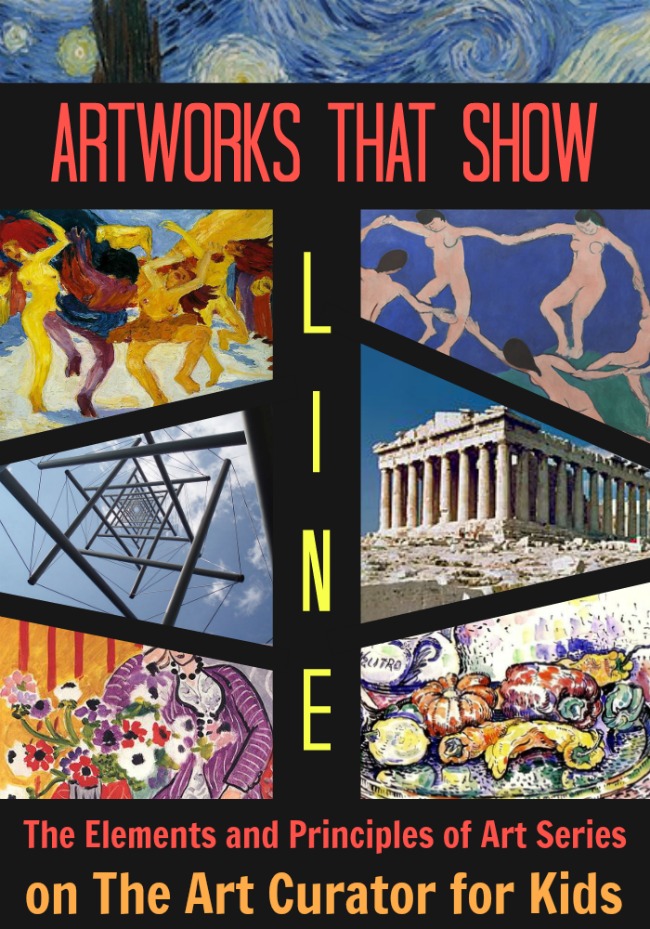
Artworks that Show Line

I don’t know about you, but I often find myself needing to teach a lesson on one of the elements and principles of art, but it takes a bit of digging to find good examples of art that teach that particular element. To help those in that situation, I have created an elements and principles series that includes lists of example artworks you can use in your elements and principles of art lessons.

Finding the right artwork to teach the elements of art can take time. That’s why I created this Elements & Principles series—to help you skip the endless search and get straight to powerful, conversation-starting artworks.

Below, you’ll find artworks that clearly demonstrate the many types of line—perfect for your next lesson or student project.

👉 Want a printable to go with it? Grab the free Elements & Principles Pack below. Click the yellow “Download” button.
Free Resource!

* Elements & Principles Printable Pack *

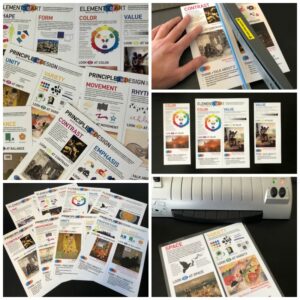
The Elements & Principles of Art are the foundation of every artwork, but teaching them can be a bore. Wake your students up and engage them with full color artworks, easy to understand definitions, and thought-provoking higher level thinking questions. This versatile resource can be hung in the classroom or used as an art manipulative.

Download

Free Resource!

* Elements & Principles Printable Pack *

The Elements & Principles of Art are the foundation of every artwork, but teaching them can be a bore. Wake your students up and engage them with full color artworks, easy to understand definitions, and thought-provoking higher level thinking questions. This versatile resource can be hung in the classroom or used as an art manipulative.

Inside: A curated list of artworks that show the different types of line in art—including implied lines, gesture lines, contour lines, expressive lines, and more. 

👉 This post is part of the Elements of Art series—explore them all to build a complete foundation for your classroom.
Download the Free Elements and Principles Printable Pack
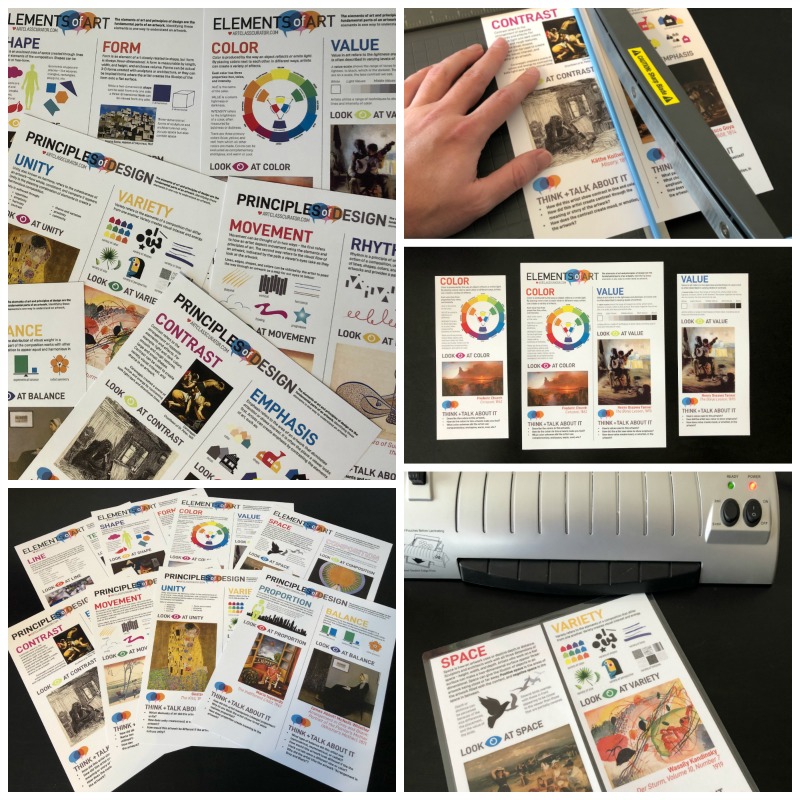
This pack of printables was designed to work in a variety of ways in your classroom when teaching the elements and principles of art. You can print and hang in your classroom as posters/anchor charts or you can cut each element and principle of art in its own individual card to use as a lesson manipulative.
Examples of Types of Line in Art
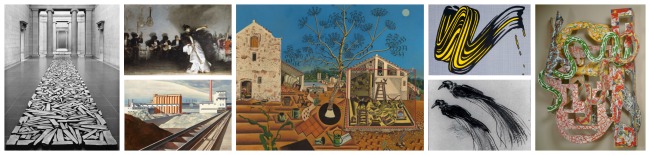
The Art Curator for Kids - Example Artworks the Show Types of Line in Art - General

Artworks that Show Line, General

  • Richard Long, A Line Made by Walking, 1967
  • Richard Long, Cornish Slate Line, 1990
  • Frank Stella, Jarama II, 1982
  • Roy Lichtenstein, Brushstroke, 1965
  • Charles Sheeler, Classic Landscape, 1931
  • Joan Miró, The Farm, 1921–1922
  • Rembrandt van Rijn, Two Studies Of A Bird Of Paradise, 1630
  • John Singer Sargent, El Jaleo, 1882
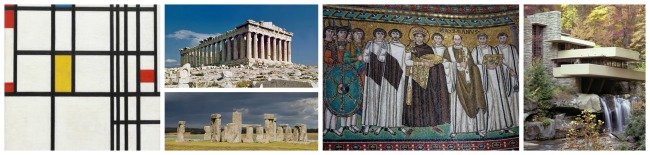
The Art Curator for Kids - Example Artworks the Show Line - Horizontal and Vertical Lines in Art

Horizontal and Vertical Lines in Art

  • Stonehenge, ca. 2600-2000 B.C.E.
  • Ancient Greece, The Parthenon, 447-438 B.C.E.
  • Frank Lloyd Wright, Fallingwater, 1936-7
  • Piet Mondrian, Composition in Red, Blue, and Yellow, 1937-42
  • Byzantine, Justinian and his Attendants, Basilica di San Vitale, 547 C.E
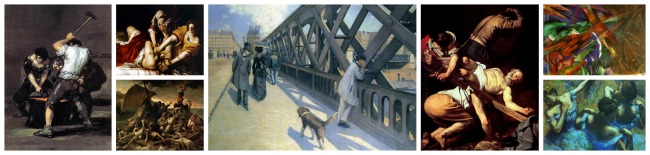
The Art Curator for Kids - Example Artworks the Show Line - Diagonal Lines in Art

Diagonal Lines in Artworks

  • Edgar Degas, Blue Dancers, c. 1899
  • Gustave Caillebotte, Le Pont de L’Europe, 1881-1882
  • Artemisia Gentileschi, Judith Slaying Holofernes, 1614–20
  • Franz Marc, Fate of the Animals, 1913
  • Michelangelo Merisi da Caravaggio, The Crucifixion of Saint Peter, 1600-1601
  • Francisco Goya, The Forge, c. 1817
  • Rembrandt van Rijn, Militia Company of District II under the Command of Captain Frans Banninck Cocq, known as the ‘Night Watch’, 1642
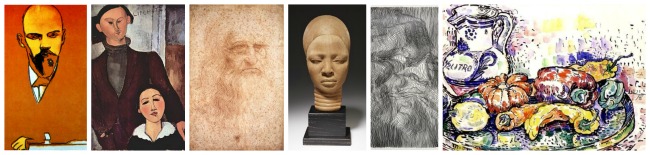
The Art Curator for Kids - Example Artworks the Show Line - Contour Lines and Outlines

Contour Lines and/or Outlines

  • Leonardo da Vinci, Self-Portrait, c. 1512
  • Paul Signac, Still Life with Pitcher, 1919
  • Carl Krull, Olmec Drawings and Scroll Drawings
  • Yoruba artist, Shrine Head, 12th-14th century
  • Andy Warhol, Red Lenin, 1987
  • Amedeo Modigliani, Jacques and Berthe Lipchitz, 1916
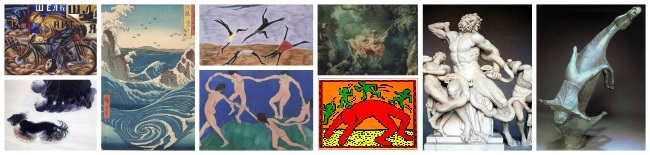
Gesture Lines, Lines that Show Movement

  • Jean-Honoré Fragonard, The Swing, 1767
  • Utagawa Hiroshige, The Whirlpools of Awa: Naruto Rapids, ca. 1853
  • Giacomo Balla, Dynamism of a Dog on a Leash (Leash in Motion), 1912
  • Natalia Goncharova, The Cyclist, 1913
  • Henri Matisse, Dance (I), 1909
  • Marino Marini, Miracle (Miracolo), 1952
  • Jacob Lawrence, Harriet Tubman Series, No. 4, 1939-40
  • Keith Haring, Untitled, 1985

Want to explore how line leads the eye and creates movement in art? Check out these rhythm in art examples to see visual flow in action.
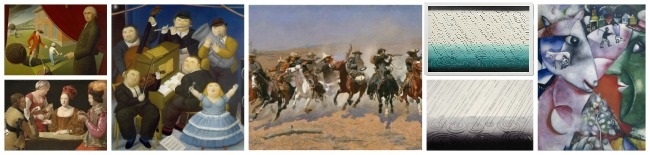
Lines that Help Guide The Viewer’s Eye through the Picture and/or Implied Lines

  • Marc Chagall, I and the Village, 1911
  • Georges de La Tour, The Cheat with the Ace of Clubs, late 1620s
  • Frederic Remington, Dash for the Timber, 1889
  • Suzanne Caporael, Seeing Things: Rain, 1990
  • Fernando Botero, The Musicians, 1991
  • Grant Wood, Parson Weems’ Fable, 1939

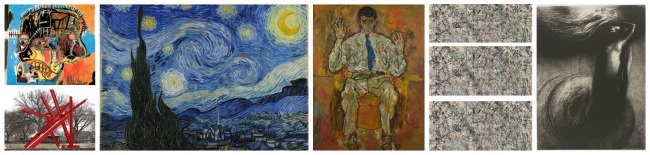
Lines that Show Feeling/Emotion, Expressive Lines

  • Vincent van Gogh, The Starry Night, 1889
  • Mark Di Suvero, Are Years What? (for Marianne Moore), 1967
  • Jean-Michel Basquiat, Untitled, 1984
  • Egon Schiele, Portrait of Paris von Gütersloh, 1918
  • Odilon Redon, Death: “My irony surpasses all others!”, 1889
  • Jackson Pollock, Lavender Mist No. 1, 1950
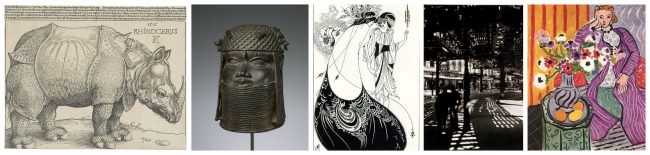
The Art Curator for Kids - Example Artworks the Show Line - Repetition and Pattern

Repetition of Line, Pattern Using Line, Decorative Line

  • Henri Matisse, Purple Robe and Anemones, 1937
  • Berenice Abbott, El, Second and Third Avenue Lines from the portfolio Retrospective, 1982
  • Aubrey Beardsley, The Peacock Skirt, 1893
  • Albrecht Dürer, The Rhinoceros, 1515
  • Benin, Memorial head, 1550-1650
  • Richard Anuszkiewicz, Deep Magenta Square, 1978
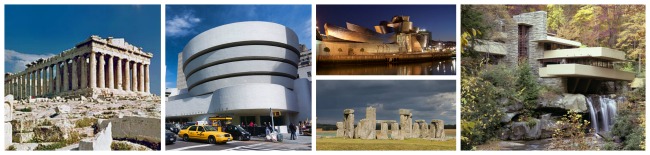
The Art Curator for Kids - Example Artworks the Show Line - Lines in Architecture

Lines in Architecture

  • Frank Lloyd Wright, Solomon R. Guggenheim Museum, NYC
  • Frank O. Gehry, Guggenheim Museum, Bilbao, Spain
  • Stonehenge, ca. 2600-2000 B.C.E.
  • Ancient Greece, The Parthenon, 447-438 B.C.E.
  • Frank Lloyd Wright, Fallingwater, 1936-1937
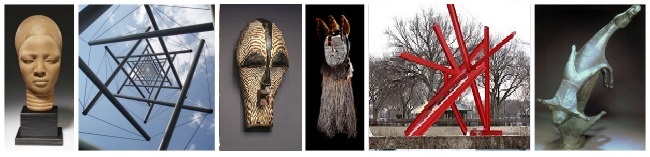
Lines in Sculpture

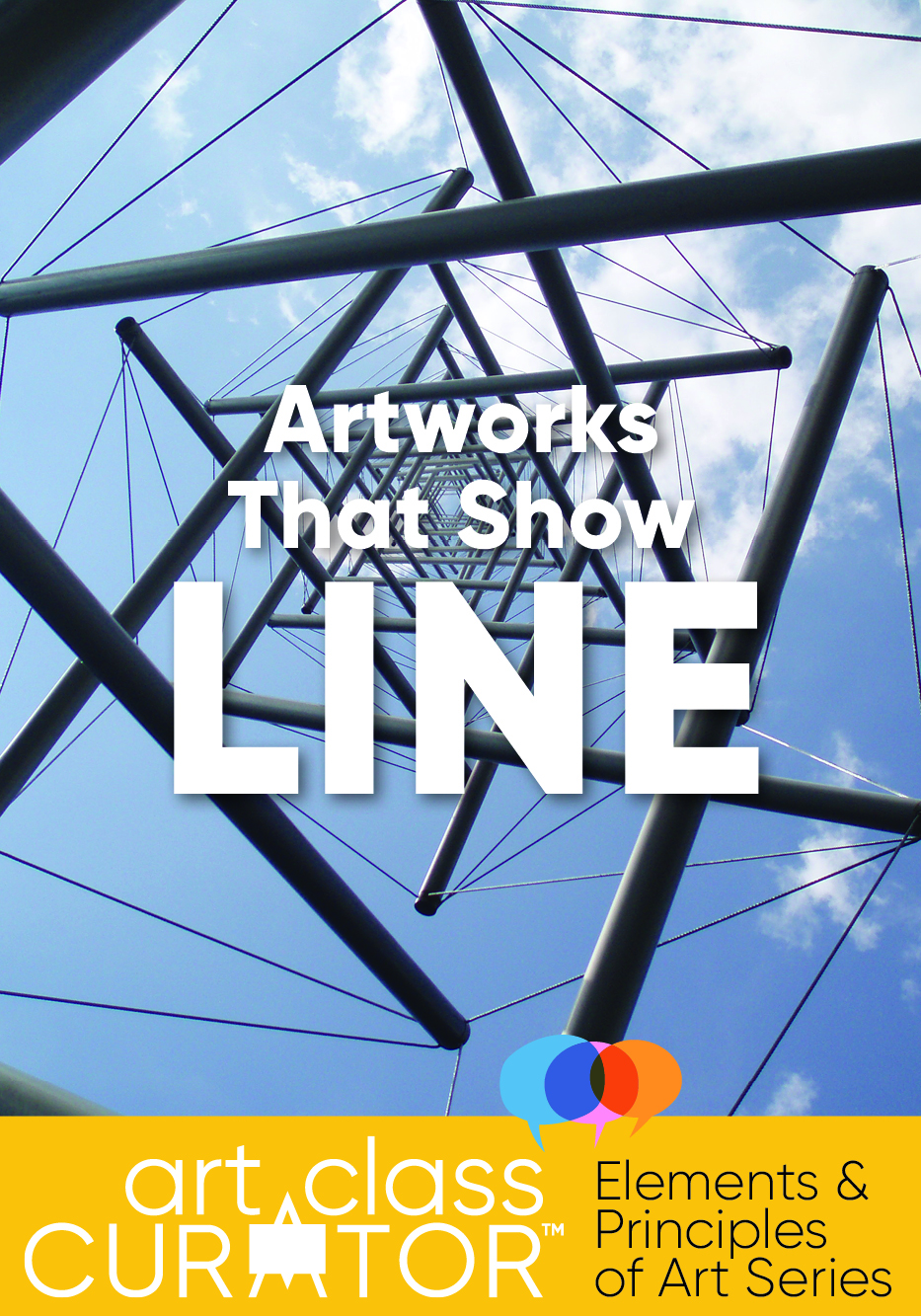
  • Kenneth Snelson, Needle Tower, 1968
  • Songye, Mask (kifwebe), 19th century AD
  • Mark Di Suvero, Are Years What? (for Marianne Moore), 1967
  • Benin, Memorial head, 1550-1650
  • Yoruba artist, Shrine Head, 12th-14th century
  • Marino Marini, Miracle (Miracolo), 1952

Lines that Show Texture and/or Shading

  • Vincent van Gogh, Garden of Flowers, 1888
  • Rembrandt Van Rijn, The Three Crosses, 1653
  • Käthe Kollwitz, Self Portrait, 1921

Lines that Show Space and/or Linear Perspective

  • Gustave Caillebotte, The Floor Scrapers, 1875
  • Leonardo da Vinci, Last Supper, 1498
  • Pietro Perugino, Christ Giving the Keys to St. Peter, 1481–1482
  • Dorothea Lange, The Road West, 1938

Lines the Show Emphasis

  • Grant Wood, Parson Weems’ Fable, 1939
  • Francisco Goya, Third of May, 1808
  • Jonathan Borofsky, Walking to the Sky, 2004
  • Leonardo da Vinci, The Last Supper, 1494-99
  • Richard Anuszkiewicz, Deep Magenta Square, 1978
  • Rembrandt van Rijn, Militia Company of District II under the Command of Captain Frans Banninck Cocq, known as the ‘Night Watch’, 1642
  • See more artworks that show emphasis.

💡 Want more done-for-you lessons like this?

The Curated Connections Library gives you full access to hundreds of art appreciation resources, trainings, and classroom-ready materials.
👉 Click here to learn more.
Elements and Principles Teaching Bundle

This extraordinary bundle includes the best resources for teaching each of the elements and principles—37 worksheets/handouts, 15 lessons (with accompanying PowerPoints and Handouts), 3 ready-to-go art analysis activities, 3 art analysis videos, and 13 elements and principle PDF articles.

Buy Now


There you have it! The best types of line in art examples for your elements and principles of art lessons. Want more elements and principles of art teacher resources? Check out the below posts.
The Art Curator for Kids -Example Artworks that Show Space - The Elements and Principles of Art Series-300The Art Curator for Kids - Example Artworks that Show Line - The Elements and Principles of Art - 300The Art Curator for Kids - Example Artworks that Show Emphasis - The Elements and Principles of Art SeriesElements and Principles of Art - Artworks that Show Proportion in art and ScaleThe Art Curator for Kids - Elements and Principles of Art Series - Artworks that Show Shape - 300The Art Curator for Kids - Why I Hate the Elements and Principles But Teach Them Anyway - 300The Art Curator for Kids - How Artists Depict Space - Masterpiece Monday - John Sloan , South Beach Bathers, 1907-1908, Art Lessons for Kids - Elements of Art Lessons

Photo Credits:

  • Stonehenge, Diego Delso
  • Parthenon, Steve Swayne
  • Laocoön and His Sons, LivioAndronico
  • Needle Tower, Onderwijsgek

Filed Under: Elements and Principles of Art
Tagged With: albrecht dürer, amedeo modigliani, andy warhol, artemisia gentileschi, aubrey beardsley, basquiat, caravaggio, carl krull, charles sheeler, dorothea lange, edgar degas, egon schiele, emile nolde, fernando botero, francisco goya, frank gehry, frank lloyd wright, frank stella, franz marc, frederic remington, georges de la tour, giacomo balla, gian lorenzo bernini, grant wood, gustave caillebotte, henri matisse, jackson pollock, jacob lawrence, jean-honore fragonard, joan miro, john singer sargent, jonathan borofsky, kathe kollwitz, keith haring, kenneth snelson, leonardo da vinci, marc chagall, marino marini, mark di suvero, natalia goncharova, odilon redon, paul signac, piet mondrian, pietro perugino, rembrandt, richard long, roy lichtenstein, sandro botticelli, suzanne caporael, théodore géricault, utagawa hiroshige, vincent van gogh


May 8, 2025 3 Comments

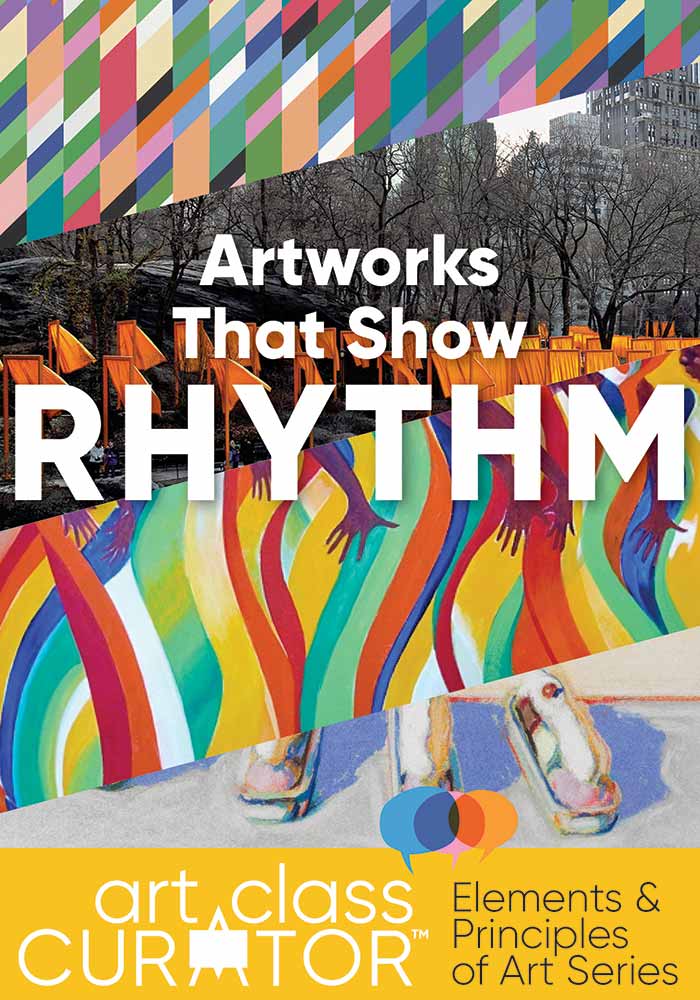
Rhythm in Art: The Ultimate List of Rhythm in Art Examples

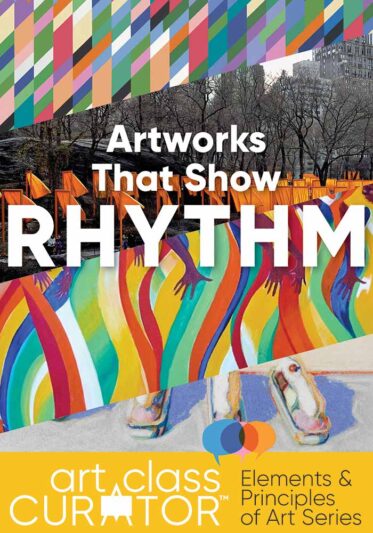
Rhythm in art is more than repetition—it’s the visual beat that moves your eyes across a composition, guiding attention and building energy.

For students, it’s one of the easiest elements to feel and one of the hardest to define. That’s what makes it such a powerful teaching moment.

Below, you’ll find a curated selection of rhythm-in-art examples that will help you and your students identify, understand, and feel the pulse of rhythm in visual form.

👉 Want a printable to use in your classroom? Grab the free Elements & Principles Pack below. Click the yellow “Download” button.

Free Resource!

* Elements & Principles Printable Pack *

The Elements & Principles of Art are the foundation of every artwork, but teaching them can be a bore. Wake your students up and engage them with full color artworks, easy to understand definitions, and thought-provoking higher level thinking questions. This versatile resource can be hung in the classroom or used as an art manipulative.

Download

Free Resource!

* Elements & Principles Printable Pack *

The Elements & Principles of Art are the foundation of every artwork, but teaching them can be a bore. Wake your students up and engage them with full color artworks, easy to understand definitions, and thought-provoking higher level thinking questions. This versatile resource can be hung in the classroom or used as an art manipulative.

Inside: The ultimate collection of rhythm in art examples, including everything from regular to random, plus a rhythm in art definition. A continuation of our Elements and Principles of Art series.

This post is part of the Elements of Art series—explore them all to build a strong foundation for your classroom. Want more ways to get students engaging with artworks? Check out these printable art worksheets designed for deeper connection and interpretation.

Below, you’ll find a growing collection of rhythm-in-art examples. These are perfect for introducing rhythm in your elements and principles lessons.
(Tip: Bookmark this post—I update it as I discover new examples!)

Download the Free Elements and Principles Printable Pack


This pack of printables was designed to work in a variety of ways in your classroom when teaching the elements and principles of art. You can print and hang in your classroom as posters/anchor charts or you can cut each element and principle of art in its own individual card to use as a lesson manipulative.

Rhythm Art Definition

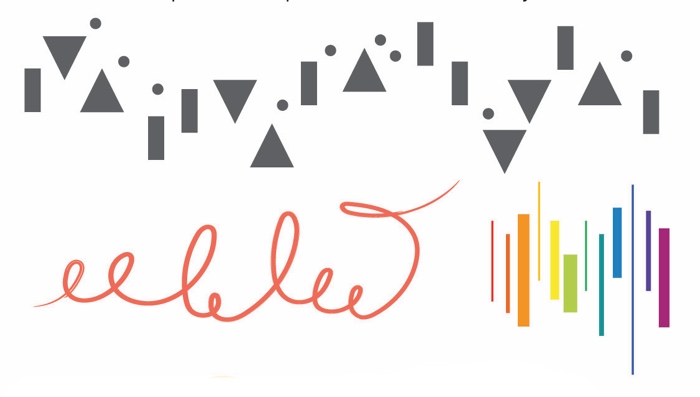
Rhythm is a principle of design that suggests movement or action. Rhythm is usually achieved through repetition of lines, shapes, colors, and more. It creates a visual tempo in artworks and provides a path for the viewer’s eye to follow.

Principles of Design Examples Rhythm in Art

Rhythm in Art Examples

rhythm in art examples
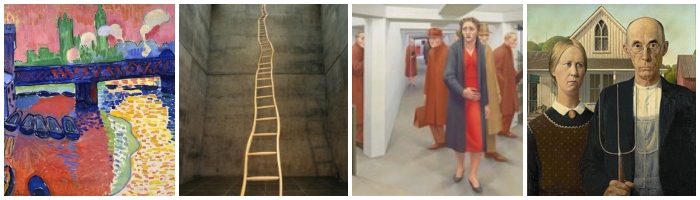
  • Jacob Lawrence, Parade, 1960
  • André Derain, Charing Cross Bridge, 1906
  • Marcel Duchamp, Nude Descending a Staircase (No. 2), 1912
  • Gino Severini, Dynamic Hieroglyphic of the Bal Tabarin, 1912
  • Marsden Hartley, Indian Composition, 1914-15
  • George Tooker, The Subway, 1950
  • Martin Puryear, Ladder for Booker T. Washington, 1996
  • Grant Wood, American Gothic, 1930
  • Alexandra Exter, The Boat and the Town, 1925
  • Louise Bourgeois, The Blind Leading the Blind, c. 1947-49
  • Albert Renger-Patzsch, Beech Forest in Fall, 1936

Alternating Rhythm

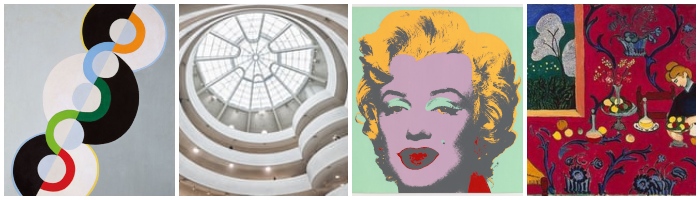
Alternating rhythm describes an artwork that contains a repetition of two or more components that are used interchangeably. Some alternating rhythm examples include alternating light and dark colors or placing various shapes and/or colors in a repeating pattern.

alternating rhythm in art examples
  • Henri Matisse, Red Room, 1908
  • M.C. Escher, Lizard, 1942
  • George Tooker, Government Bureau, 1956
  • Frank Lloyd Wright, Interior, Solomon R. Guggenheim Museum
  • Robert Delaunay, Endless Rhythm, 1934
  • Andy Warhol, Untitled from Marilyn Monroe, 1967 (9 Screen prints)
  • Hans Hinterreiter, ME 25 B, 1935
  • Bernard Hoyes, Sweeping Ribbons

Random Rhythm

Random rhythm describes an artwork that contains repeating elements without a specified order or arrangement. Some random rhythm examples include splatters of paint or shells on a beach.

random rhythm in art examples
  • Piet Mondrian, Broadway Boogie Woogie, 1942-3
  • René Magritte, Golconde, 1953
  • Alexander Calder, International Mobile, 1949
  • Bridget Riley, Recollection, 1986
  • Mary Martin, Compound Rhythms with Blue, 1966
  • Alice Aycock, A Little Cosmic Rhythm, 2007
  • Chuck Close, Self Portrait, 2007
  • Joan Miro, Rhythmix Characters, 1934
  • Jackson Pollock, Autumn Rhythm (Number 30), 1950

Flowing Rhythm

Flowing rhythm describes an artwork that contains curved or circular elements that give the art movement. Some flowing rhythm examples include flowers, clouds, or waves.

flowing rhythm in art examples
  • Vincent van Gogh, The Starry Night, 1889 (See: The Starry Night story and lesson)
  • Gloria Petyarre, Bush Medicine Dreaming, 2008
  • Edvard Munch, The Scream, 1893 (See: The Frieze of Life, Lesson & Project, Visual Analysis Lesson)
  • Henri Matisse, The Dance, 1910
  • Hans Hokanson, Helixikos Number 3, 1968
  • Sonia Delaunay, Electric Prisms, 1914
  • Hokusai, The Great Wave, 1829-32
  • Gustav Klimt, Portrait of Adele Bloch-Bauer I, 1907
  • Bruce Barnbaum, Dance of the Corn Lilies, 1991
  • Bruce Barnbaum, Moonrise over Cliffs and Dunes,1992
  • Gustav Klimt, Fish Blood, 1897-8

Regular Rhythm

Regular rhythm describes an artwork that contains repeating elements with a specified order or arrangement that can be measured. Some regular rhythm examples include evenly spaced windows or tiles.

regular rhythm in art examples
  • Donald Judd, Untitled, 1969/1982
  • Christo and Jeanne-Claude, The Gates, 2005
  • Do-Ho Suh, Floor, 1997-2000
  • Wayne Thiebaud, Banana Splits, 1964
  • Wayne Thiebaud, Nine Jellied Apples, 1963
  • Grant Wood, Fall Plowing, 1931
  • Andy Warhol, Twenty-Five Colored Marilyns, 1962
  • Ferdinand Hodler, Rhythmic landscape on Lake Geneva, 1908
  • Marimekko, Hevoskastanja, 2005
  • Paul Klee, Pastoral (Rhythms), 1927

Progressive Rhythm

Progressive rhythm describes an artwork that contains repeating elements in a pattern that change either in size or color as they repeat. Some progressive rhythm examples include building blocks arranged from smallest to largest and spirals.

progressive rhythm in art examples
  • Victor Vasarely, Alom, 1966
  • Marcel Duchamp, Nude Descending a Staircase (No. 2), 1912
  • Sydney Opera House
  • Hilma af Klint, Altarpiece No. 1, Group X, 1915
  • Jasper Johns, Three Flags, 1958
  • MC Escher, Smaller and Smaller, 1956
  • Wayne Thiebaud, Banana Splits, 1964
  • Grant Wood, Fall Plowing, 1931
  • Andy Goldsworthy, Carefully broken pebbles scratched white with another stone, 1985
  • Bramante Staircase in the Vatican, 1932

In this fun rhythm in art examples video, the differences between pattern, repetition, and rhythm are described and put to music:

Rhythm in Art Resources

  • Art Soup Video: Principles of Design: Rhythm
  • Horse in Motion & The First Moving Pictures
  • Early Photography Inspired Flipbook Project

Remember I will add to this, so don’t forget to pin this post!

Do you have a great example to teach rhythm in art? Share it with me in the comments, and I will add it to the list!

Elements and Principles Teaching Bundle

This extraordinary bundle includes the best resources for teaching each of the elements and principles—37 worksheets/handouts, 15 lessons (with accompanying PowerPoints and Handouts), 3 ready-to-go art analysis activities, 3 art analysis videos, and 13 elements and principle PDF articles.

Buy Now

💡 Want more ready-to-use art appreciation lessons?

The Curated Connections Library includes resources like this—plus hundreds more lessons, activities, and trainings for art teachers.
👉 Click here to learn more.

There you have it! The best rhythm in art examples for your elements and principles of art lessons. Want more elements and principles of art teacher resources? Check out the below posts.


The Art Curator for Kids -Example Artworks that Show Space - The Elements and Principles of Art Series-300The Art Curator for Kids - Example Artworks that Show Line - The Elements and Principles of Art - 300The Art Curator for Kids - Example Artworks that Show Emphasis - The Elements and Principles of Art SeriesElements and Principles of Art - Artworks that Show Proportion in art and ScaleThe Art Curator for Kids - Elements and Principles of Art Series - Artworks that Show Shape - 300The Art Curator for Kids - Why I Hate the Elements and Principles But Teach Them Anyway - 300The Art Curator for Kids - How Artists Depict Space - Masterpiece Monday - John Sloan , South Beach Bathers, 1907-1908, Art Lessons for Kids - Elements of Art Lessons

Filed Under: Elements and Principles of Art
Tagged With: Albert Renger-Patzsch, alexander calder, Alexandra Exter, Alice Aycock, andre derain, andy goldsworthy, andy warhol, Bernard Hoyes, Bridget Riley, Bruce Barnbaum, Charles Burchfield, Christo and Jeanne-Claude, Chuck Close, do-ho suh, Donald Judd, edvard munch, ferdinand hodler, frank lloyd wright, george tooker, Gino Severini, Gloria Petyarre, grant wood, gustav klimt, Hans Hinterreiter, Hans Hokanson, henri matisse, Hilma af Klint, jackson pollock, jacob lawrence, Jasper Johns, joan miro, Louise Bourgeois, m.c. escher, marcel duchamp, marsden hartley, martin puryear, Mary Martin, paul klee, piet mondrian, rene magritte, Robert Delaunay, Sonia Delaunay, Victor Vasarely, vincent van gogh, wayne thiebaud


April 10, 2015 13 Comments

Best Artist Books and Movies for Kids and Adults

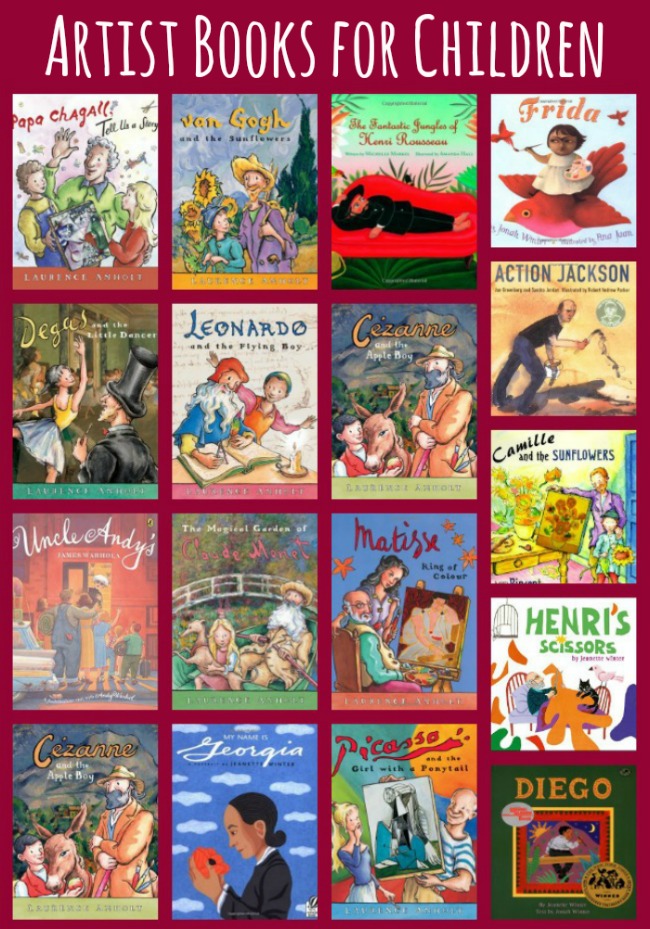
The Art Curator for Kids - Children's Books about the Lives of the Artists - Artist Books for Kids

Although I don’t think it is necessary to study the lives of individual artist to enjoy and connect with their artwork, hearing stories about artists can make their art come alive in new and exciting ways.

Several months ago, I received a message from a reader. This is what she said.

My number one struggle in teaching art to my kids is making artists come alive. I really want them to grasp art from cave drawings to modern art. To help them understand that there is a person behind each piece that has lived through struggles and joys. I want them to understand that art is an expression of the soul creating it.

~Tee from Wisteria and Worms

I love her statement here, because art is about people and connecting with people. When you are moved by a work of art, you are moved because of the person behind that artwork and what they were thinking and feeling. I believe art becomes more powerful when you recognize that truth.

I will never forget reading The Agony and the Ecstasy about Michelangelo. I read it before I studied abroad in Italy in college. After reading that book, I felt like I intimately knew both Michelangelo and where he lived, Florence, Italy. Going to Florence after reading that book was a magical experience for me.

Here are my favorite biographical novels, movies, and children’s books for both kids AND adults!

Please note, this post includes Amazon affiliate links. As an Amazon Associate I earn from qualifying purchases.

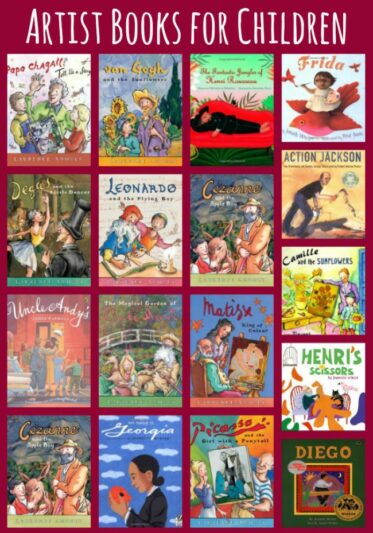
Books about Artists for Kids

The Art Curator for Kids - Children's Books about the Lives of the Artists - Artist Books for Kids

  • Henri’s Scissors by Jeanette Winter
  • Action Jackson by Jan Greenberg and Sandra Jordan
  • Uncle Andy’s by James Warhola
  • Frida by Jonah Winter
  • Diego by Jonah Winter
  • My Name Is Georgia by Jeanette Winter
  • The Fantastic Jungles of Henri Rousseau by Michelle Markel

Laurence Anholt’s Books about Artists For Children

This is a great series of books where artists and children meet.

  • Degas and the Little Dancer
  • Cezanne and the Apple Boy
  • The Magical Garden of Claude Monet
  • Leonardo and the Flying Boy
  • van Gogh and the Sunflowers
  • Picasso and the Girl with a Ponytail
  • Camille and the Sunflowers
  • Papa Chagall, Tell Us a Story
  • Matisse, King of Colour

Movies and Books about Artists for Adults

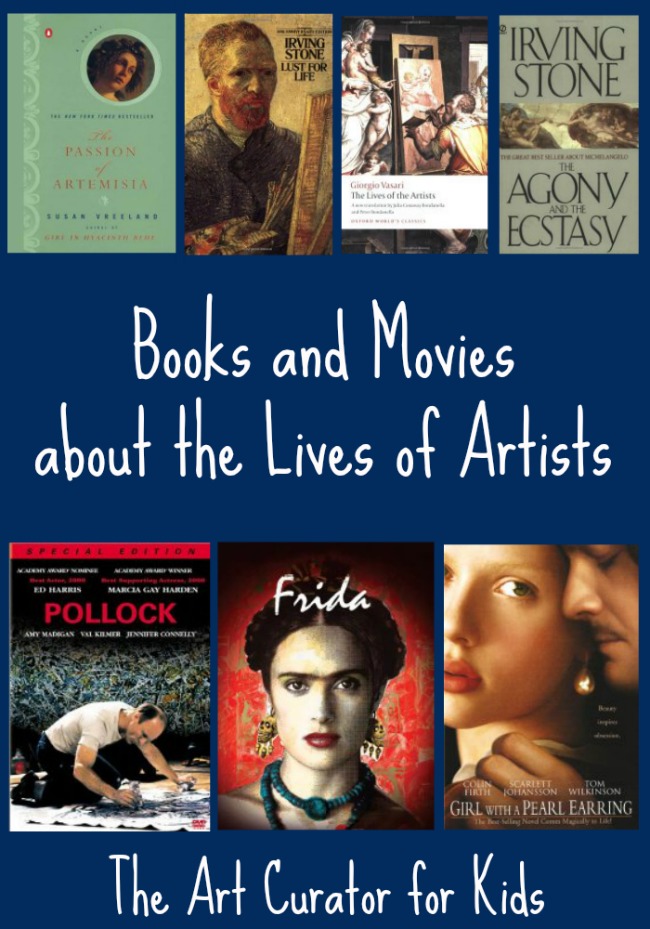
The Art Curator for Kids - Artist Biographies for Adults, Books and Movies - Michelangelo, van Gogh, Vasari, Artemisia Gentileschi, Frida Kahlo, Jackson Pollock

Books about Artists

  • The Agony and the Ecstasy: A Biographical Novel of Michelangelo by Irving Stone
  • The Lives of the Artists by Giorgio Vasari
  • The Passion of Artemisia: A Novel by Susan Vreeland
  • Lust for Life by Irving Stone

Other Books about Artists

Tracy Chevalier and Susan Vreeland write good books surrounding artists but the historical accuracy isn’t as good, so I didn’t put them in the above list. I also really want to read The Private Lives of the Impressionists, but since I haven’t read it, I didn’t put in on the list. 🙂

Movies

  • Pollock
  • Frida
  • Girl with a Pearl Earring
  • Basquiat
  • Midnight in Paris


Filed Under: Downloads and Resources
Tagged With: andy warhol, artemisia gentileschi, basquiat, camille pissarro, diego rivera, edgar degas, frida kahlo, georgia o'keeffe, giorgio vasari, henri matisse, henri rousseau, jackson pollock, leonardo da vinci, marc chagall, michelangelo, pablo picasso, paul cezanne, vincent van gogh


January 12, 2015 Leave a Comment

Civil Rights Art

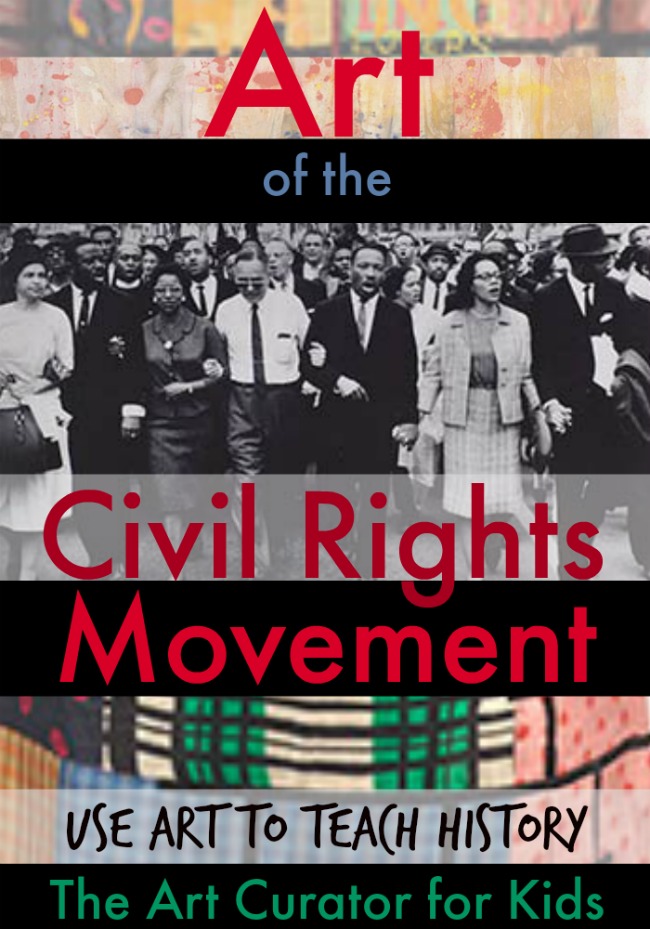
Art of the Civil Rights Movement - Use Art to Teach History - the Art Curator for Kids

Today, I’m going to share with you some important Civil Rights art. Art is such a vital tool to understanding the emotions, beliefs, and ideas of people throughout history. Art gives us insights into people like no other can. Please, use these artworks to supplement your social studies lessons about this time period and also use the list of civil rights art as an avenue to discuss the influences behind current events.

Art of the Civil Rights Art Movement - Use Art to Teach History - the Art Curator for Kids
Big Idea: Art helps us understand the emotions, beliefs, and ideas of people in a particular place during a particular time.

To help discuss artwork with your kids, read this post for tips.

Remember to have the students look, discuss, write, and think about the artwork before giving them any information about the artwork. Use the questions below or one of my free art appreciation worksheets as a starting place. I also have a 20-pack of worksheets available for in the Art Class Curator Store if you want more options.

Art Appreciation Worksheet Bundle

This art worksheets bundle from the Art Class Curator includes 25 ready-to-use art worksheets for use with individual works of art. The worksheets for art in this document are designed to work with lots of different types of artworks, so you can just pick an artwork, print a worksheet, and start the activity. Each has instructions at the top and plenty of space to do the activity.

Buy Now

Recommended Age: 5th grade and up

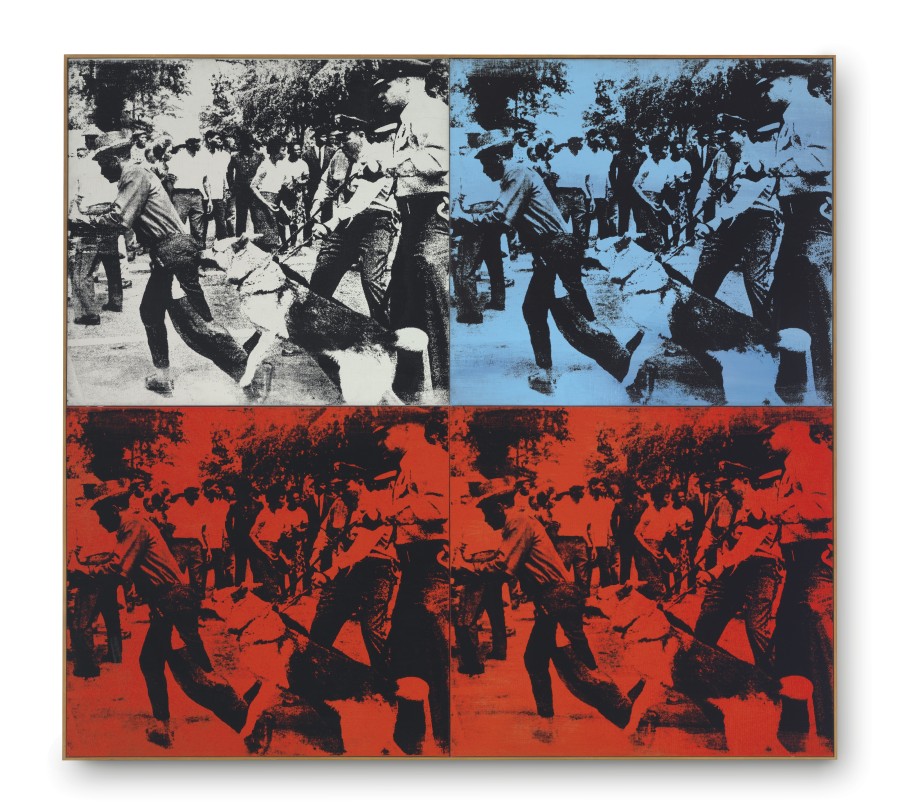
Andy Warhol, Race Riot, 1964

Civil Rights art - Andy Warhol, Race Riot, 1964
Andy Warhol, Race Riot, 1964 – Click Image to View Larger

Pop artist, Andy Warhol, wasn’t particularly known for his serious artworks. However in this work, he employed his usual strategies of repetition and color that he used he did in his iconic works of Campbell’s Soup Cans and portraits of Marilyn Monroe to create and emotional and political impact. The photograph repeated in Warhol’s artwork is of police officers in Birmingham sicking attack dogs on a retreating black man.

Although some might argue that the repetition of the image desensitizes us, I think the repetition forces the viewer to keep looking and keep thinking about the subject. The addition of the colors, especially taking into consideration the symbolism of red, white, and blue, enhances the emotion of this civil rights art and adds powerful commentary to the photos.

Questions to ask: What is happening in this picture? Why did the artist repeat this same image four times? What emotional effect does the repetition have? Does the repetition make you feel more angry about the actions in the photograph or does it desensitize you to the events? What does the black and white quality of the photograph remind you of? What was the artist saying by printing it in this way? Why did the artist choose these colors? What do these colors signify? What do you think the artist wanted to tell us by making this artwork? What did the artist want us to feel?

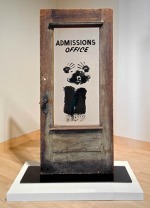
David Hammons, The Door (Admissions Office), 1969

Civil Rights art, David Hammons, The Door (Admissions Office), 1969
David Hammons, The Door (Admissions Office), 1969, Click Image to View Larger

This artwork packs such a punch that I don’t really think it needs many words from me. Hammons made a print of his body on the admissions door highlighting the struggles African Americans had in pursuit of an education. The figure looks desperate to get in, but the door is locked.

Questions to ask: What’s happening in this artwork? Describe position, emotions, situation, and motives of the figure in the glass. How would you feel if you wanted to get an education, but you weren’t allowed to because of how you look?

This would be an excellent artwork for a poetry activity. Have students take the role of the figure in the painting and try to think from his or her perspective.

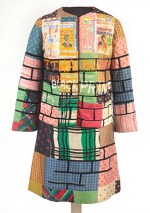
Jae Jarrell, Urban Wall Suit, circa 1969

Civil Rights art, Jae Jarrell, Urban Wall Suit, circa 1969
Jae Jarrell, Urban Wall Suit, circa 1969, Click Image to View Larger

Not all art at this time was about the brutality and the darkness, many black artists embraced positivity and connectedness in their work. This artwork by fashion designer, Jae Jarrell, captures the spirit of excitement that came from the rallies, speeches, and marches that proud people together.

I want you to read what Jae Jarrell wrote about this time here at the Brooklyn Museum website. She writes about her experiences in COBRA, the Coalition of Black Revolutionary Artists. It’s powerfully written and her pride for the work they did together shines through her words and her art. The short article also tells about this artwork, so head over there to learn more!

Questions to ask: What is your first reaction to this artwork? What does it remind you of? What is the mood of this artwork (what feeling does it project)? What are the images of? What does the grid represent? Is this art? Why or why not? What clothing do you wear that makes you proud of who you are?

Speeches, marches, rallies, and demonstrations filled the airwaves, newscasts, and Black artists’ consciousness nationwide. It was a call to all the aesthetically endowed to show up! Bring it: outspoken word, music with infectious cadence, images that look like me and mine, fond titles of ‘Sister’ and ‘Brother,’ and the Black community was utopia. — Jae Jarrell, June 2013

Sam Gilliam, Red April, 1970

Civil Rights Movement art, Sam Gilliam, Red April, 1970
Sam Gilliam, Red April, 1970, Click Image to See Larger

Usually, art that looks like this has no other sort of alternative meaning or reference. Artists are careful to give titles like “Untitled” or “Composition #34” or whatever. In this case though, Sam Gilliam took this Abstract Expressionist style and infused it with meaning and emotion. He called his painting Red April which refers to the April 1968 assassination and subsequent rioting in Washington, D.C., where the artist lived. I had chosen a more illustrative example for this slot, but I liked the idea of choosing something without a clear meaning, so students can think about how to express emotions and stories without showing any specific imagery.

Questions to ask: What’s going on in this painting? What emotions do you feel when looking at this? How do you think the artist felt when he made this? What are ways you can express emotion without using pictures or words?

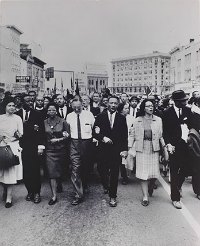
Moneta Sleet Jr., Rosa Parks, Dr. and Mrs. Abernathy, Dr. Ralph Bunche, and Dr. and Mrs. Martin Luther King, Jr. leading marchers into Montgomery, 1965

Civil Rights Movement art, Moneta Sleet Jr., Rosa Parks, Dr. and Mrs. Abernathy, Dr. Ralph Bunche, and Dr. and Mrs. Martin Luther King, Jr. leading marchers into Montgomery, 1965
Moneta Sleet Jr., Rosa Parks, Dr. and Mrs. Abernathy, Dr. Ralph Bunche, and Dr. and Mrs. Martin Luther King, Jr. leading marchers into Montgomery, 1965, Click Image to See Larger

What a powerful photograph! Make sure you click it so you can see it bigger to really get the full effect. It includes many of the most important leaders of the Civil Rights Movement including Dr. and Mrs. Martin Luther King, Jr., Rosa Parks, and others. But it also includes thousands of ordinary citizens fighting for African American citizens’ right to vote. They marched from Selma, Alabama to the state capitol, Montgomery. Just over four months later, the 1965 Voting Rights Act was signed into law.

This photograph captures the solidarity, the power, the emotion, and the spirit of the time. The photographer photographed Martin Luther King, Jr. several times and won the 1969 Pulitzer Prize for his photo of Dr. King’s widow at his funeral.

Questions to ask: What’s going on in this photograph? Describe the expressions and actions of the people. What does that teach you about them? How does this photograph make you feel?

The Smithsonian’s website, History Explorer, has a great PDF resource for learning about historical photographs. Visit this link and then scroll down and click “Engaging Students with Primary Sources.” There is a chapter on photography.

Civil Rights Art Resources

Free Resources on the Web:

  • Oh Freedom! Teaching African American Civil Rights Through American Art at the Smithsonian –  More Artworks, Lesson Plans, and Student-created podcasts
  • Witness: Art and Civil Rights in the Sixties
  • Engaging Students with Primary Sources

Please note, this post includes Amazon affiliate links. As an Amazon Associate I earn from qualifying purchases.

  • The Civil Rights Movement: A Photographic History, 1954-68
  • Special Moments in African-American History, 1955-1996: The Photographs of Moneta Sleet, Jr., Ebony Magazine’s Pulitzer Prize Winner
  • Child of the Civil Rights Movement
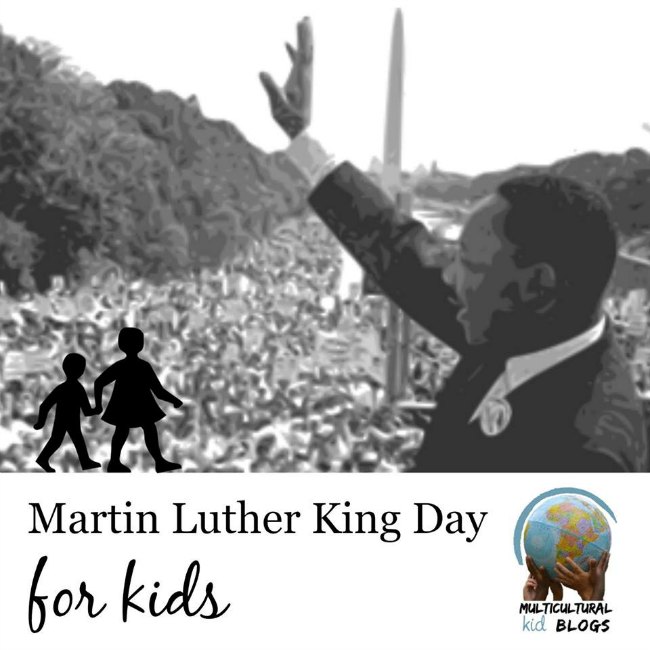
Martin Luther King Day for Kids

Filed Under: Art and Artists
Tagged With: andy warhol, david hammons, jae jarrell, martin luther king jr., moneta sleet jr., sam gilliam


January 6, 2015 19 Comments

A Year of Art Appreciation for Kids: 52 Artworks your Child Should Know

I have compiled for you a massive list of artworks for you to look at with your kids this year. I picked one artwork for each week of the year, and I tried to pick the best of the best. If you haven’t been showing art to your kids, this is a great list to start with! Just sit down and talk about a new artwork each week for a few minutes.

Please note, this post includes Amazon affiliate links. As an Amazon Associate I earn from qualifying purchases.

How to Talk about Art with Your Kids

Here are some posts from Art Class Curator for tips at looking at art with your kids.

  • How to Look at Art with your Children
  • How to Look at Art with Toddlers and Preschoolers
  • Charlotte Mason Picture Study: An Easy Way to Introduce Art to your Kids

Art Appreciation for Kids

Instead of dividing by week, I divided by time period. Regrettably, this list does not include non-western art or contemporary art. For more awesome non-western art, check out my Art Around the World series. Each entry below includes a link to find the picture.

the Art Curator for Kids - Art Appreciation for Kids - Ancient to Classical Art

Ancient to Classical Art

  • Prehistoric, Nude Woman (Venus of Willendorf), c. 28,000-25,000 B.C.E (On ACFK, 5 Artworks to Promote Introspection) (Buy replica on Amazon)
  • Sumer, the Standard of Ur, about 2600-2400 B.C.E. (Book about this artwork)
  • The Law Code of Hammurabi, King of Babylon, c. 1750 B.C.E (Book about Hammurabi’s Code)
  • Ancient Egyptian, Palette of King Narmer, c. 3000-2920 B.C.E.
  • Myron (Ancient Greek), Discus-thrower (Discobolus), Roman copy of a bronze original of the 5th century BC (Book about this artwork)
  • Hellenistic Greek, Laocoön and His Sons, early first century C.E.
  • Ancient Roman, Augustus of Primaporta, first century, C.E.
  • Ancient Roman, The Alexander Mosaic, ca. 100 BC (Poster of this artwork)

the Art Curator for Kids - Art Appreciation for Kids - Medieval to Renaissance Art

Medieval and Renaissance Art

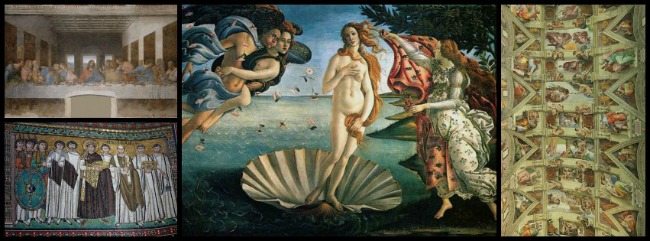
  • Byzantine, Justinian and his Attendants, Basilica di San Vitale, 547 C.E
  • Gothic, Chartres Cathedral (Book about Chartres)
  • Jan and Hubert van Eyk, Adoration of the Mystic Lamb (Ghent Altarpiece), 1432 (Book about the Nazi theft of this artwork)
  • Sandro Botticelli, The Birth of Venus, 1482-85 (Poster of this artwork)
  • Leonardo da Vinci, Last Supper, 1498 (Print of this artwork on wood)
  • Michelangelo Buonarroti, Sistene Chapel Ceiling, 1508-12 (Jigsaw puzzle of this artwork)
  • Raphael, School of Athens, 1509-11 (Coffee mug of this artwork)
  • Michelangelo Buonarroti, Slaves or Prisoners, ca. 1520-23


the Art Curator for Kids - Art Appreciation for Kids - 17th-18th Century Art

17th-18th Century Art

  • Artemisia Gentileschi, Judith Beheading Holofernes, 1614-20 (On ACFK, Masterpiece Monday) (Novel about the Artist)
  • Gianlorenzo Bernini, Apollo and Daphne, 1622-25 (Replica of this sculpture)
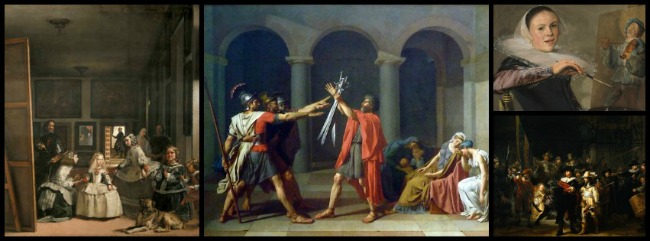
  • Judith Leyster, Self-Portrait, c. 1630
  • Rembrandt, Officers and Men of the Company of Captain Frans Banning Cocq and Lieutenant Wilhelm van Ruytenburgh, known as the Night Watch, 1642 (Canvas print of this artwork)
  • Diego Velázquez, Las Meninas, 1656 (On ACFK, 20 Great Artworks to Look at with Young Kids) (Poster of this artwork)
  • Jean-Honoré Fragonard, The Swing, 1767 (Poster of this artwork)
  • Jacques-Louis David, Oath of the Horatii, 1785 (Poster of this artwork)

the Art Curator for Kids - Art Appreciation for Kids - 19th Century Art

19th-Century Art

  • Francisco Goya, Third of May, 1808 (Mouse pad of this artwork)
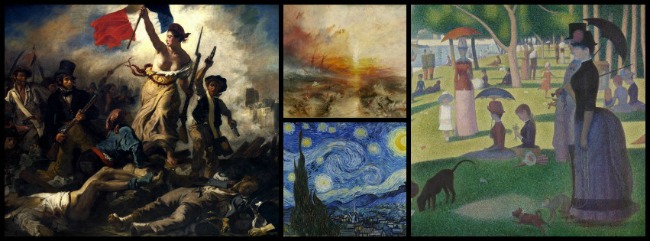
  • Eugène Delacroix, July 28: Liberty Leading the People, 1830 (Poster of this artwork)
  • William Turner, Slave Ship (Slavers Throwing Overboard the Dead and Dying, Typhoon Coming On), 1840 (Poster of this artwork)
  • Claude Monet, Les Nymphéas (The Water Lilies), 1840-1926 (Monet magnets)
  • Jean-François Millet, L’Angélus, c. 1857-1859
  • Georges Seurat, A Sunday on La Grande Jatte, 1884 (Coffee mug of this artwork)
  • Auguste Rodin, The Burghers of Calais, 1884-95 (Coffee mug of this artwork)
  • Paul Gauguin, Where do we come from? What are we? Where are we going?, 1897-98
  • Vincent van Gogh, The Starry Night, 1889 (On ACFK, 5 Exciting Art History Projects for Kids that Made me Say “WOW!”) (Umbrella of this artwork)

the Art Curator for Kids - Art Appreciation for Kids - Modern Art

Modern and Contemporary Art

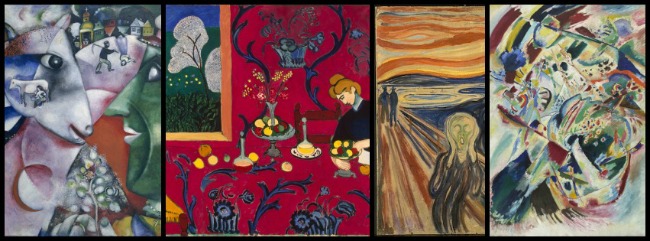
  • Henri Matisse, Harmony in Red/La Desserte, 1908 (Jigsaw puzzle of this artwork)
  • Edvard Munch, The Scream, 1910 (Inflatable Scream Doll)
  • Franz Marc, Fate of the Animals, 1913 (On ACFK, Art Spotlight: Franz Marc’s Fate of the Animals)
  • Marc Chagall, I and the Village, 1911 (On ACFK, 5 Artworks Your Children will Love) (Poster of this artwork)
  • Wassily Kandinsky, Panel for Edwin R. Campbell No. 4, 1914
  • Salvador Dali, The Persistence of Memory, 1931 (Melting clock)
  • Pablo Picasso, Guernica, 1937 (Jigsaw puzzle of this artwork)
  • Frida Kahlo, The Two Fridas, 1939 (On ACFK, 5 Artworks to Intrigue Your High Schooler) (Poster of this artwork)
  • Jackson Pollock, One: Number 31, 1950, 1950 (Book about this artwork)
  • Francis Bacon, Study after Velazquez’s Portrait of Pope Innocent X, 1953 (On ACFK, Art Around the World in 30 Days – Ireland)
  • Andy Warhol, Campbell’s Soup Cans, 1962 (Converse shoes of this artwork)
  • Robert Rauschenberg, Skyway, 1964
  • Andy Goldsworthy, Fall Leaves (On ACFK, 5 Exciting Art History Projects for Kids that Made me Say “WOW!”) (Book about this artist)

the Art Curator for Kids - Art Appreciation for Kids - American

American Art

  • John Singleton Copley, Watson and the Shark, 1778  (On ACFK: Charlotte Mason Picture Study: John Singleton Copley)
  • Thomas Moran, The Grand Canyon of the Yellowstone, 1872 (Jigsaw puzzle of this artwork)
  • John Singer Sargent, El Jaleo, 1882 (Poster of this artwork)
  • Frederic Remington, A Dash for the Timber, 1889 (Poster of this artwork)
  • Grant Wood, American Gothic, 1930 (Children’s book about this artist)
  • Jacob Lawrence, The Migration Series, 1940-41 (Children’s book about this series)
  • Edward Hopper, Nighthawks, 1942 (Poster of this artwork)

Whew! This is quite a list. It was hard to choose, and I know I left out some great artworks. Keep reading on Art Class Curator to learn more about teaching art to kids.

More Art Class Curator on Pinterest:

Follow Cindy @ The Art Class Curator’s boards on Pinterest.

Filed Under: Art Connection Activities
Tagged With: andy goldsworthy, andy warhol, artemisia gentileschi, auguste rodin, claude monet, diego velazquez, edvard munch, edward hopper, eugene delacroix, francis bacon, francisco goya, franz marc, frederic remington, frida kahlo, georges seurat, gian lorenzo bernini, grant wood, henri matisse, jackson pollock, jacob lawrence, jacques-louis david, jan van eyck, jean-francois millet, jean-honore fragonard, john singer sargent, john singleton copley, judith leyster, leonardo da vinci, marc chagall, michelangelo, pablo picasso, paul gauguin, raphael, rembrandt, robert rauschenberg, salvador dali, sandro botticelli, thomas moran, vincent van gogh, wassily kandinsky, william turner


Primary Sidebar

Hi! I’m Cindy Ingram, the creator of Art Class Curator and The Curated Connections Library

I’m on a mission to revolutionize education with the power of life-changing art connections. Art is not “extra”. Art is essential. We are empowering teachers to bridge the gap between art making and art connection, kindling a passion for art that will transform generations.

More About Me

Free Worksheets!

-Free Bundle of Art Appreciation Worksheets-

In this free bundle of art worksheets, you receive six ready-to-use art worksheets with looking activities designed to work with almost any work of art.

Download

Free Worksheets!

-Free Bundle of Art Appreciation Worksheets-

In this free bundle of art worksheets, you receive six ready-to-use art worksheets with looking activities designed to work with almost any work of art.

Enrollment in Curated Connections Library is currently open. Click here to join. Join our list to get more information and to get a free lesson from the vault! If you are purchasing for a school or school district, head over here for more information.

Check Out What’s New In The Shop

Experience Art: Engaging Art Criticism Discussions and Activities for Teachers and Students of All Ages
Call to Art: An Un-Conference for Art Educators
Curated Connections Library Membership
Perspectives High School Curriculum

More Products

Have You Listened to the Latest Podcast Episode?

Falling for Naudline Pierre’s Evocative Art: A Conversation with Madalyn (Part 2)

More Episodes

Testimonials

I like how this program, unlike other art class resource membership programs, feels authentic. It's like art matters more here, and not fancy flash-in-the-pan trendiness. The goal of Art Class Curator seemed to be helping kids develop a lifelong love and art appreciation versus "Hey, look. I painted this fish."
Erin A.
Your questions are helping me to delve into much deeper learning, and my students are getting better at discussion-and then, making connections in their own work. Art Class Curator is awesome!
Denise W.
Interestingly, my lower performing classes really get engaged in these [lessons] and come away with some profound thoughts!
Melissa G.
I had the most amazing 6th grade class today. They were jumping out of their seats with hands raised just to respond and give input. It was as if I was waving candy in front of them! They saw more and more and the ideas and interpretations unfolded. So cool!!! This is what makes teaching art so wonderful – thank you!!
Caroline G.
I just wanted to thank you for the invaluable resource you have through Art Class Curator. Not only do you have thought provoking activities and discussion prompts, but it saves me so much time in preparing things for myself! I feel like I’ve only scratched the surface with your site.
Maryjane F.

Get Art Inspiration To Your Inbox!

Enter your email address to get regular art inspiration to your inbox
plus a BUNDLE OF 6 FREE WORKSHEETS!
We hate SPAM and promise to keep your email address safe.
Download

Free Worksheets!

*Free Bundle of Art Appreciation Worksheets*

In this free bundle of art worksheets, you receive six ready-to-use art worksheets with looking activities designed to work with almost any work of art.

Copyright © 2026 Ignite Art, LLC DBA Art Class Curator •  All rights reserved  •  Privacy Policy  •  Terms of Service  •  Site Design by Emily White Designs