• Skip to main content
  • Skip to primary sidebar
  • About
    • About Art Class Curator
    • Contact
    • Speaking
    • Media & Press
    • Programs for Schools
  • Blog
  • Podcast
  • Shop
  • Join
  • Member Login

Art Class Curator

Hands-on and Minds-curious Art Learning

  • Art & Artists
  • Art Connection Activities
  • Art Teacher Tips
  • Elements & Principles
  • Downloads & Resources
Home
  • About
    • About Art Class Curator
    • Contact
    • Speaking
    • Media & Press
    • Programs for Schools
  • Blog
    • Art & Artists
    • Elements & Principles
    • Art Connection Activities
    • Art Teacher Tips
    • Downloads & Resources
  • Book
  • Podcast
  • Shop
  • Join
  • Member Login

All Posts from Art Curator for Kids

September 8, 2014 4 Comments

Making Art with Kids: Oil Pastels that POP!

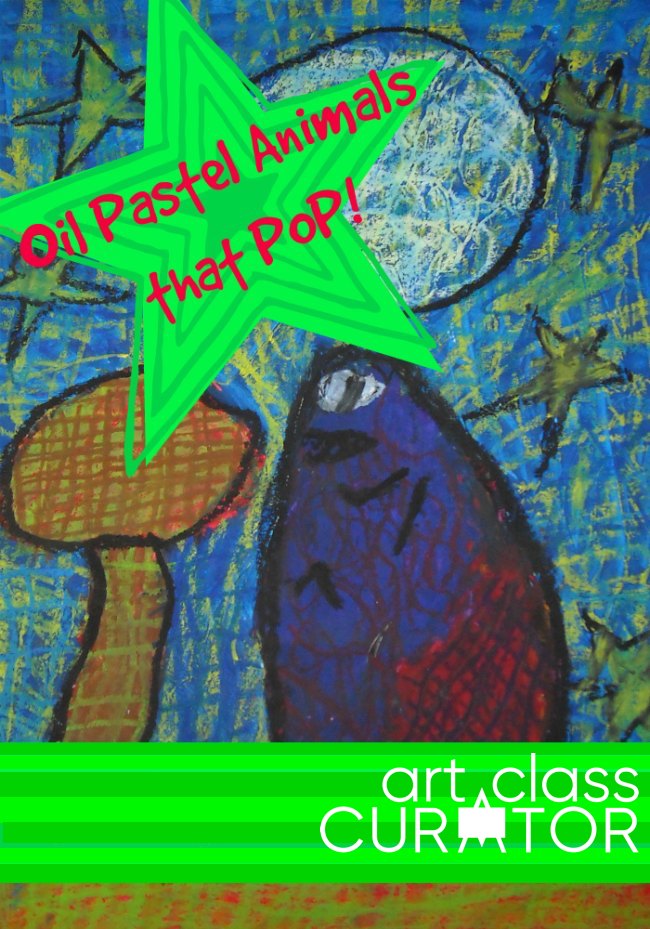
Oil Pastel Animals that Pop

Oil Pastel Animals that PopOil pastels are one of my favorite art media to work with. The color is bright and pure, they are soft and easy-to-blend, and the color goes on smoothly. It’s all great until you put an oil pastel into a kid’s hand. Instantly, you’ve got a mess. Hands and faces and shirts and floors covered in color, artworks smudged and almost ruined, and the bright, pure oil sticks dulled and mixed with all of the other colors.

When a kid starts on a white piece of paper, the final product often looked hopelessly smudged and outright dirty. I know it’s about the process, and not about the product, but still. Dirty, smudged artworks are sad. But, we can prevent this.

I don’t know where I learned about this project when I was teaching. I was all over the web looking for inspiration, so this was not my idea (if it is yours, let me know. This was around 2009). But, it worked wonders in my art class.

Step One: Draw the picture.

In my lesson, I did animals. I had the students draw them BIG on the paper. I showed them a bunch of line drawings of animals I printed from http://www.drawingnow.com/ for inspiration.

The key really is to draw something with not too much detail. A big, simple line drawing is perfect. Try to have them avoid adding suns and trees and flowers as they are prone to do. It’s close to impossible to tell a first grader not to include flowers and suns and trees, but do your best. 🙂 You’ll see below a lot of that stuff slipped through.

The Art Curator for Kids - Making Art with Kids - Oil Pastel Animals - DrawingI also threw in a small lesson about a horizon line and where to draw it on the paper. At the end of this step, you need a big drawing with a horizon line. [Read more…] about Making Art with Kids: Oil Pastels that POP!
Filed Under: Art Teacher Tips


July 22, 2014 Leave a Comment

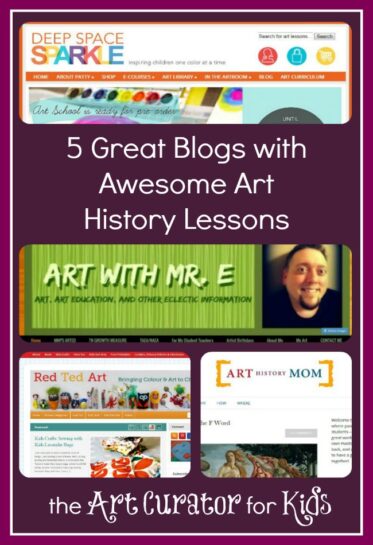
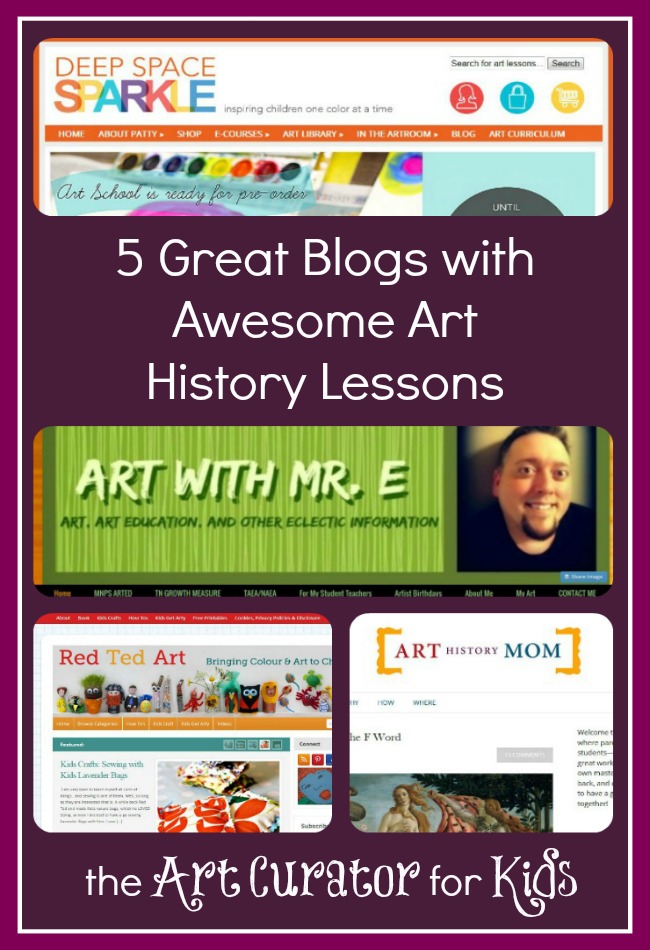
5 Great Art Blogs for Awesome Art History Lessons

The Art Curator for Kids - Five Great Blogs with Awesome Art History Lessons

Excuse the lightened posting schedule. It’s been really busy in my house with a round of sicknesses, grandparents in town, a new therapy activity, and a birthday party. I’m going to ease back into it by sending you to some other great blogs for art lessons.

The Art Curator for Kids - Five Great Blogs with Awesome Art History Lessons

1. Deep Space Sparkle

The Art Curator for Kids - 5 great art blogs - deep space sparkleThis website was such an asset for me as an elementary teacher a few years ago. Her projects always came out beautifully with my kids. She has great instructions for these bright, colorful art projects. Sometimes, they projects ended up looking too much alike, but even those have good education value. It’s a great site.

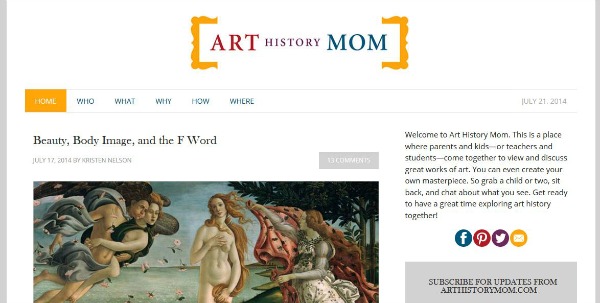
2. Art History Mom

The Art Curator for Kids - 5 great art blogs - art history mom

I just recently met Art History Mom as part of the Kids Blogger Network. Her site is clean and simple with lots of great lesson focused on artists and artworks from art history. As you know, my focus is on art history here on this blog, so I love her focus on learning from art.

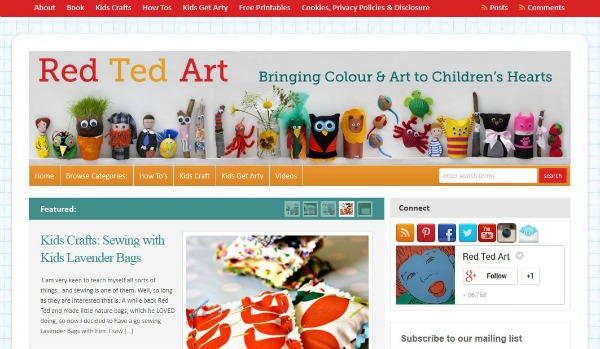
3. Red Ted Art

The Art Curator for Kids - 5 great art blogs - red ted art

This blog has tons of crafty ideas for kids, but I especially love her “Kids Get Arty” series. These focus on individual artists as inspiration, and there are tons of tips and tricks, photos, and more in these posts!

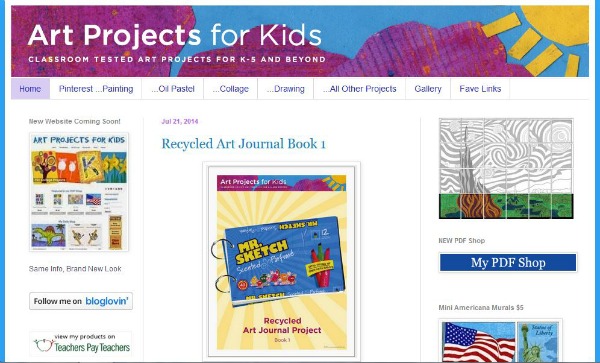
4. Art Projects for Kids

The Art Curator for Kids - 5 great art blogs - Art Projects for KidsThis site, at first glance, seems to be filled with how to draw sheets, which is okay. I’m on the fence about those. But, if you dig down further you can find some great ideas for art projects that are tested in a classroom. The posts are shorter with a bulleted list of points, but there is a lot of creative ideas to be found here.

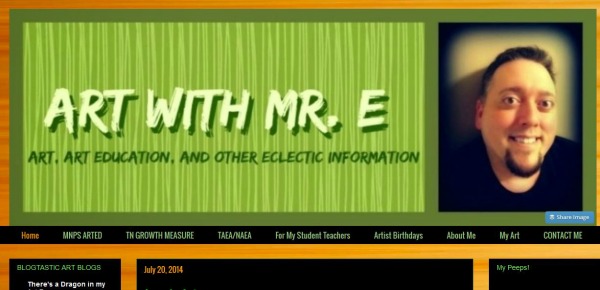
5. Art with Mr. E

The Art Curator for Kids - 5 great art blogs - art with mr. e

This is an art teacher at work, so the posts are eclectic and aren’t your fancy Pinterest-worthy tutorials you can find these days. Art teaching is messy and fun and busy. There’s a ton of inspiration here if you dig for it.


I hope you enjoy these awesome blogs. There are so many more great sites out there. Please, leave a comment telling me which ones I missed! Have a great day.

Filed Under: Downloads and Resources


July 9, 2014 2 Comments

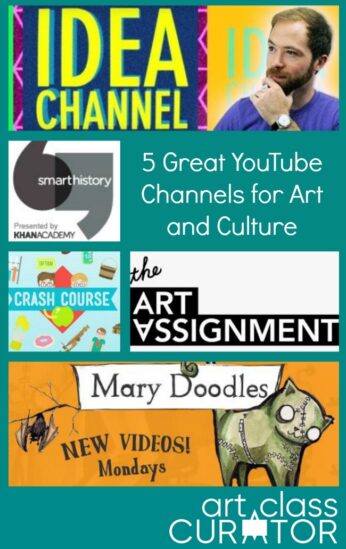
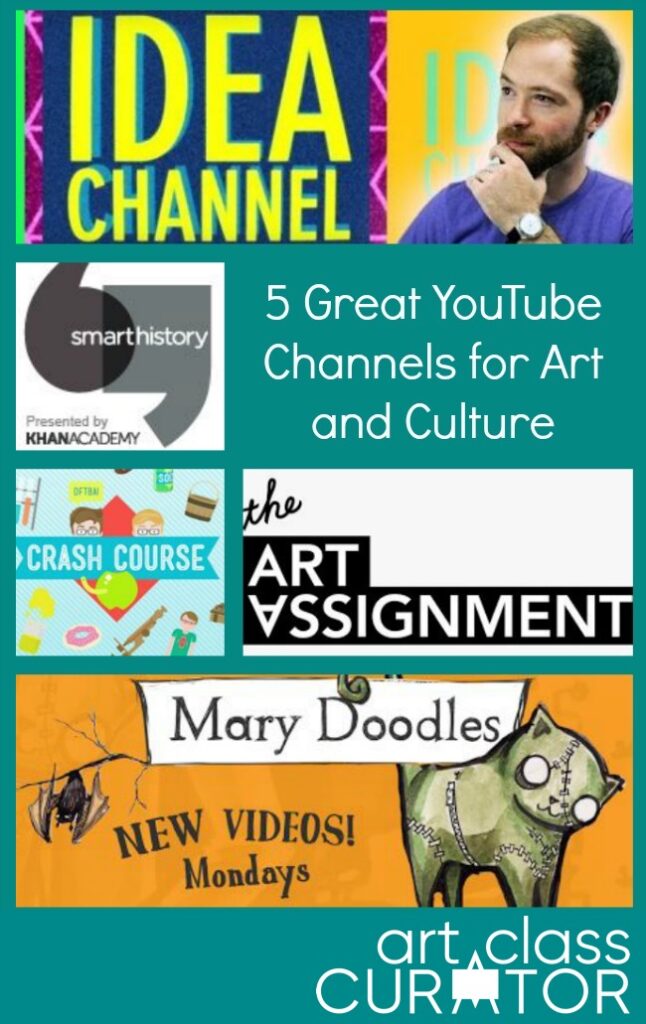
5 Great YouTube Channels for Art and Culture

Great YouTube Channels for Art and Culture

I have to admit–I am kind of a YouTube junkie. It all started when I was introduced to the vlogbrothers, which then led to Hank and John Green’s other channels, the PBS digital studios shows, and many more. I subscribe to a lot of channels and honestly I check my YouTube feed more often than I do my blog feeds on Feedly.

I really hope to eventually have a YouTube art education channel for this blog later on down the line. I am waiting for inspiration to strike on a good video format, but it is something I continually mull over in the back of my head when I am in the car or doing dishes or whatever.

In the meantime, here are five YouTube channels I love for art and culture content. These would be great additions to your art curriculum. The title links to the channel page, and I have included a description and one video for each embedded into the post.

1. The Art Assignment — This channel is produced by PBS Digital Studios and hosted by Sarah Green (wife of vlogbrother and author John Green). I love these videos because they focus on contemporary art. Sarah interviews artists from around the country, and they give viewers an art assignment to do in their lives. It’s really cool and not at all focusing on traditional ways of making art like drawing and sculpture.

2. Smarthistory, Art History at Khan Academy — This is a more academic site with hundreds of videos about individual works of art. The format of the videos is primarily a conversation about the art between two art historians, usually Dr. Steven Zucker and/or Dr. Beth Harris. I enjoy them, and I’ve always wondered if others might find them boring. Do you? Please tell me, because I am curious.

3. Crash Course — Although this channel isn’t specifically about art, it has courses on history, literature, psychology, and other sciences. I include this because these are great to watch in conjunction with studying art movements. The talking speed of these videos are way to fast, but it’s funny and fun to watch and a great supplement to other learning activities. I am DYING for them to make an art history one, and I want to write for it. I put that in their annual survey, but I imagine if they make one, it’ll be Sarah Green that does it.

4. PBS Idea Channel — Okay, this is another one that is not specifically art, but in our world, art and culture meld together to create something called “Visual Culture.” Many art teachers focus more on visual culture than traditional art, because images play such an incredibly role in our current lives more than ever before. This channel doesn’t even specifically focus on visual culture but overall culture and ideas. Art is ideas, so I say the idea channel is about art. Whatever. Just watch it. It’s awesome. Really awesome.

5. Mary Doodles — Pure joy. Mary Doodles draws and paints for the camera, and it is just such a joy to watch. Her artwork is beautiful, and she is so fun. She also has a second channel with even more art content.

Check these out, and let me know what you think in the comments! Do you have an art channel you love? What did I miss?

Filed Under: Downloads and Resources


July 7, 2014 6 Comments

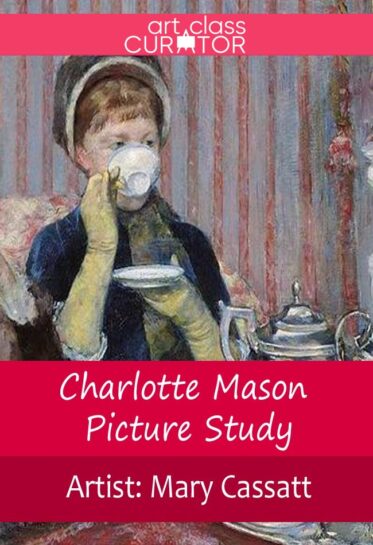
Charlotte Mason Picture Study: Mary Cassatt

Charlotte Mason Picture Study: Mary Cassett

This is another post in my series about the Charlotte Mason’s picture study technique for homeschool art appreciation. So far, I have been creating resources focused on American art. Please see my other Charlotte Mason picture study resources for John Singleton Copley, Henry Ossawa Tanner, and Thomas Cole.

Today’s resource is about Mary Cassatt, an American Impressionist painter who focuses primarily on themes of mother and child.

The following links will help you discuss these works with your children. These works are specifically chosen for the Charlotte Mason Picture Study technique described in the first link.

  • Charlotte Mason’s Picture Study: “Art Study the Easy Way”
  • How to do Charlotte Mason Picture Study
  • How to Look at Art with Children
  • Free Art Appreciation Printable Worksheet Bundle

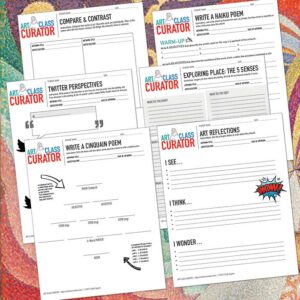
Free Worksheets!

Art Appreciation Worksheets

In this free bundle of art worksheets, you receive six ready-to-use art worksheets with looking activities designed to work with almost any work of art.

Download

Free Worksheets!

Art Appreciation Worksheets

In this free bundle of art worksheets, you receive six ready-to-use art worksheets with looking activities designed to work with almost any work of art.

Artist: Mary Cassatt (1844-1926)

Mary Cassatt, Self-Portrait, ca. 1878

“An American painter and printmaker, Mary Cassatt was an Impressionist painter, who depicted the lives of women, especially the special bond between mother and child. She began studying art seriously at the age of 15, at a time when only around twenty percent of all arts students were female. Unlike many of the other female students, she was determined to make art her career, rather than just a social skill. She was disappointed at her art education in the United States, and moved to Paris to study art under private tutors in Paris. ” — Wikiart

Visit biography.org and metmuseum.org for more biographical information.


Works included in this Resource:

  1. Young Mother Sewing, 1900
  2. Tea, 1880
  3. Summertime, c. 1894
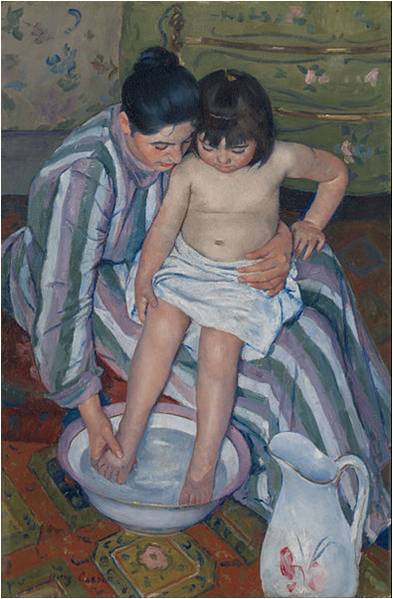
  4. The Child’s Bath (The Bath), 1893
  5. Under the Horse Chestnut Tree, 1898
  6. ReineLefebre and Margot before a Window, c.1902
[Read more…] about Charlotte Mason Picture Study: Mary Cassatt

Filed Under: Art and Artists, Art Connection Activities
Tagged With: mary cassatt


July 2, 2014 4 Comments

Art Spotlight: Hokusai’s Thirty-six Views of Mount Fuji

The Art Curator for Kids - Art Spotlight - Hokusai's Thirty-Six Views of Mount Fuji - Free PDF

Welcome to my Art Spotlight series. In this series, I delve a little deeper into individual works of art to help give you ideas for how to use them in your classroom. For each artwork, I include discussion questions, a short description of its significance and context, and learning activities.

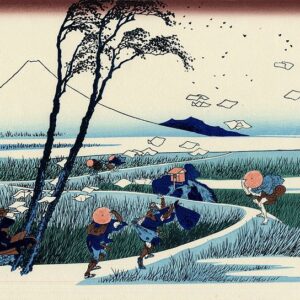
Hokusai, Ejiri in Suruga Province, 1830, principles of design examples movement in art

Free PDF!

Hokusai’s 36 Views of Mount Fuji

A free PDF with all 36 of Hokusai’s artworks featuring Mount Fuji. Perfect to use in art class discussions, poetry writing, woodblock printing projects, or as a compare/contrast exercise!

Download

Free PDF!

Hokusai’s 36 Views of Mount Fuji

A free PDF with all 36 of Hokusai’s artworks featuring Mount Fuji. Perfect to use in art class discussions, poetry writing, woodblock printing projects, or as a compare/contrast exercise!

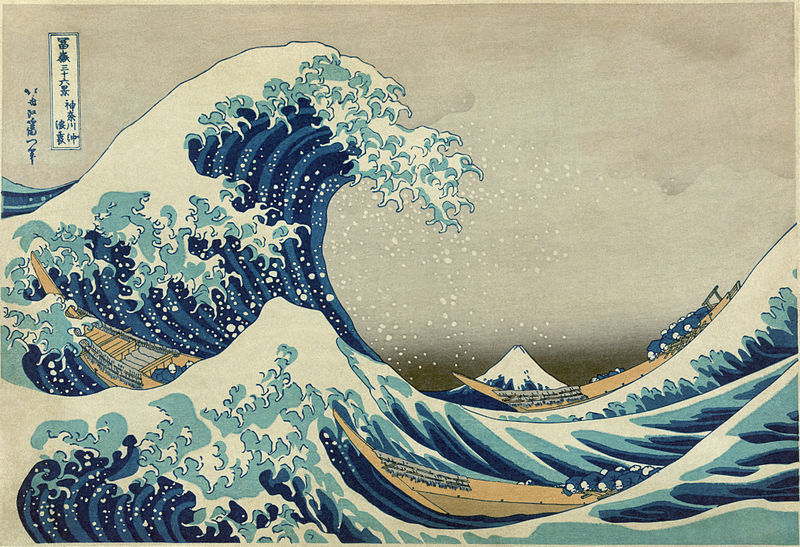
Katsushika Hokusai, The Great Wave off Kanagawa, c. 1829-32

Today, I have selected a series of artworks created by the great Japanese ukiyo-e artist, Katsushika Hokusai. You probably know of the famous Great Wave (above), but you may not know it is the 21st in a series of 36 other prints featuring Mount Fuji. Today, I will highlight a few of my favorites as well as help you come up with ways to include all of these in your homeschool and classroom lesson plans.

As always, use these tips for how to look at art with kids. Always let them look and think about it before you give them any information! Also, use my free art appreciation worksheets with these works to help your students form a deeper connection with the art.

Recommended Age: Everyone!

First things first, let’s look at the art. This slideshow has 6 of the prints. Download the free PDF below to see the rest of the 36.

[slideshow_deploy id=’1574′]

Hokusai Discussion Questions

  • What is going on in this artwork? What do you see that makes you say that?
  • What emotions do you feel when looking at this artwork? What emotions do you think the artist was feeling?
  • Describe the lines and colors in this artwork. How do the colors and lines contribute to the emotion?
  • Describe the ways Hokusai included Mount Fuji in the artworks.
  • What can you tell about the Japanese way of life in the Edo Period by looking at these artworks? What types of things are the people doing?
  • What do these artworks have in common? How could you tell that these were created by Hokusai during this time period?

Conventions of Ukiyo-e Prints

Hokusai was a prolific printmaker of the Edo period in Japan. He worked in the late 1700s and early 1800s and created hundreds of gorgeous prints. The ukiyo-e prints overall all seem to have a set of similar characteristics. The common characteristics of an art period or style are called the conventions.

The conventions of these ukiyo-e prints are:

  • peaceful or idyllic scenes that create harmony between humans and nature
  • asymmetrical composition – the left and rights sides are balanced but different
  • limited color palette of about 4 colors plus black – because of the printmaking process, each color must be printed separately in layers
  • unclear space or perspective – clouds or fog sometimes confuse the composition. You can’t tell the difference between sky and water, or lines end in the middle of nowhere.
  • diagonal or curves lines that guide your eye through the composition – these lines help tie it all together and add a sense of energy to the work
  • outlined shapes filled with solid, flat color – all objects in the artwork are outlined in black usually, and there is not a lot of texture in the areas of color, because of the way they are printed

Hokusai Learning Activities

1. Haiku Poetry. This painting is perfect for a poetry-writing exercise, especially haiku because of the Japan connection. You can download a free haiku writing worksheet by signing up for my e-mail list here. The worksheet walks the students through a warm-up of writing adjectives, verbs, phrases, and metaphors before they end up with their haiku. Have students pick their favorite Hokusai work to write about.

Free Worksheets!

Art Appreciation Worksheets

In this free bundle of art worksheets, you receive six ready-to-use art worksheets with looking activities designed to work with almost any work of art.

Download

Free Worksheets!

Art Appreciation Worksheets

In this free bundle of art worksheets, you receive six ready-to-use art worksheets with looking activities designed to work with almost any work of art.

2. Woodblock Printing. These paintings are woodblock print, so a natural fit would be a printing activity so your students can better understand how these were made. There are lots of way to do this at home, and I just did a post about this earlier in the week to prepare for this post. Click over to that post to learn about all the ways you can do woodblock prints at home with your kids.

3. Compare/Contrast. Pick 3-4 of Hokusai’s prints (or all of them if you are feeling ambitious) and have the students make a list of all of the things these prints have in common. Through this activity, your students will come up with the conventions of ukiyo-e printing as described above.

Hokusai and Printmaking Resources*

  • Great Wave of Kanagawa Katsushika Hokusai Poster Art Print — Super cheap print of the Great Wave ($4!).
  • The Old Man Mad About Drawing: A Tale of Hokusai — Children’s book (grades 5-8) about this artist. I haven’t read this, but it is very highly reviewed.
  • Printmaking Supplies

Please note, this post includes Amazon affiliate links. As an Amazon Associate I earn from qualifying purchases.

Filed Under: Art and Artists, Downloads and Resources


June 22, 2014 Leave a Comment

Art Spotlight: Closed by Witchcraft by Luis Felipe Noé

Art Class Curator Spotlight Luis Filipe

The Art Curator for Kids - Art Spotlight - Luis Felipe Noé, Cerrado por brujería [Closed by Sorcery], 1963Welcome to my Art Spotlight series. In this series, I delve a little deeper into individual works of art to help give you ideas for how to use them in your classroom. For each artwork, I will include discussion questions, a short description of its significance and context, learning activities, and curriculum connections.

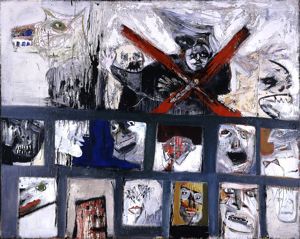
The artwork today is Cerrado por brujería [Closed for Witchcraft], created by Argentinian artist Luis Felipe Noé in 1963. Because of copyright, I have include a small, low quality thumbnail here for reference. To see a larger version of the image, click over to the Blanton Museum website.

Luis Felipe Noé, Cerrado por brujería [Closed for Witchcraft], 1963 — click image to see larger on Blanton Museum website

I know this looks a little scary, and if it is not your bag, that’s okay. Feel free to click on over to this happier post (or this, this, or this) to help you forget this one. Although it is dark, this is one of my favorite artworks to discuss with students. I usually show it the first day of my college art appreciation course as there is so much to pick apart and so many directions the interpretations could go. I usually don’t show the title until later, so it won’t impact the students’ personal interpretations. Try not to let the title have too much sway over your thoughts when you look at it.

As always, use these tips for how to look at art with kids. Always let them look and think about it before you give them any information!

Recommended Age: High School and Adult. It’s a little dark, but they can take it.

Art Questions to Ask

  • What do you notice in this painting?
  • Inspect every inch of this picture. This painting is about 6.5 feet by 8 feet. How would the size influence your experience as a viewer?
  • What symbols do you notice?
  • What emotions do you notice? Where have you seen emotions like this conveyed?
  • Where have you seen heads in boxes before?
  • What meaning was the artist trying to convey? What is the story happening here? What do you see that makes you say that?
  • How do you think this painting relates to how we live our lives today? Think about tv, the internet, twitter, YouTube, etc. 

Art Commentary

This is a fascinating artwork that made a big impact on me when I saw it in person. It is  huge, and those faces are so very creepy. The contrasting colors and drippy red add to that feeling. My students usually hate this artwork as they often come into an art class thinking that it is not art unless it is beautiful. They also hate it because in this Christian country we live in, people tend to shy away from things that seem devilish.

I love this painting even though I generally dislike creepy things. I love artworks where you can feel the presence of the artist. You can see how he or she slashed the painted onto the canvas, and you can feel what he or she was feeling at the time. The drips and smooshes and scribbles connect me to that person in an intimate way. The interpretation that I most connect with is that the dudes at the bottom are the main guy’s inner demons. He is trying to keep them back with the crucifix (notice the white crucified form on the bright red cross) and jail them behind bars.

The label text for this artwork gives another idea. (And, we must remember with art that our interpretations of art are just as valid as what the almighty Museum says. Art is just as much about the viewer as it is the artist.) It talks about the rise of television, in particular the talking heads of the news. The artist himself quit painting for about 10 years and was a journalist. He was very aware that the Latin government often told the TV stations what to say.

Even though this was painted in 1963 in Argentina, it couldn’t be more relevant to the 24 hour news cycle talk talk talk talk of today. Each box in the picture is another channel, another pundit, another opinion, another debate. Although, with the up-to-the-second updates on twitter, we are learning that the major news channels are become more and more irrelevant. Watching the news makes me so stressed so I very rarely watch–not to the point of crucifixes and scary animals coming out of my head, but close. It’s also probably why I have a hard time getting into twitter. Too much noise.

Art Learning Activities

  1. Poetry. I know, I know. It is probably becoming a pattern that I am always mentioning poetry in this section, but poetry is such a natural fit with art. With all the emotions and strong imagery in this painting, connecting through writing works. Try poetry or simply journaling about this artwork. Spoken word poetry might be cool too. Maybe 5 students all reading spoken word at the same time. Yes. Do that, please.
  2. Storytelling. After working up a narrative by looking at that art, use the tips in this post about exploring narrative in art to explore the painting more deeply.
  3. Kinesthetic Learning. Have students make these facial expressions and make the sounds with their voices that they might imagine hearing in conjunction with this painting. Have them move their bodies like these people would move. How does it feel? How does it help you understand the painting more?

Artwork Information

Cerrado por brujería [Closed by Sorcery] by Luis Felipe Noé, 1963
199.6 cm x 249.7 cm (78 9/16 in. x 98 5/16 in.)
Oil and collage on canvas
Jack S Blanton Museum of Art, Austin, TX, Archer M. Huntington Museum Fund, 1973
Link to Artwork

Thanks for reading!

What do you think about this artwork? Did you show it to your students? How did they react? Let me know in the comments.

Free Poster

What Do Kids Learn from Looking at Art Poster

Our students learn so much from looking at art. Use this poster in your classroom to remind them of all the skills they’re growing!

Download

Free Poster

What Do Kids Learn from Looking at Art Poster

Our students learn so much from looking at art. Use this poster in your classroom to remind them of all the skills they’re growing!

Filed Under: Art and Artists
Tagged With: luis felipe noe


June 13, 2014 Leave a Comment

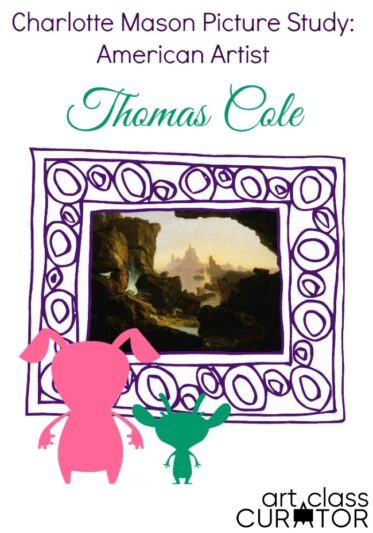
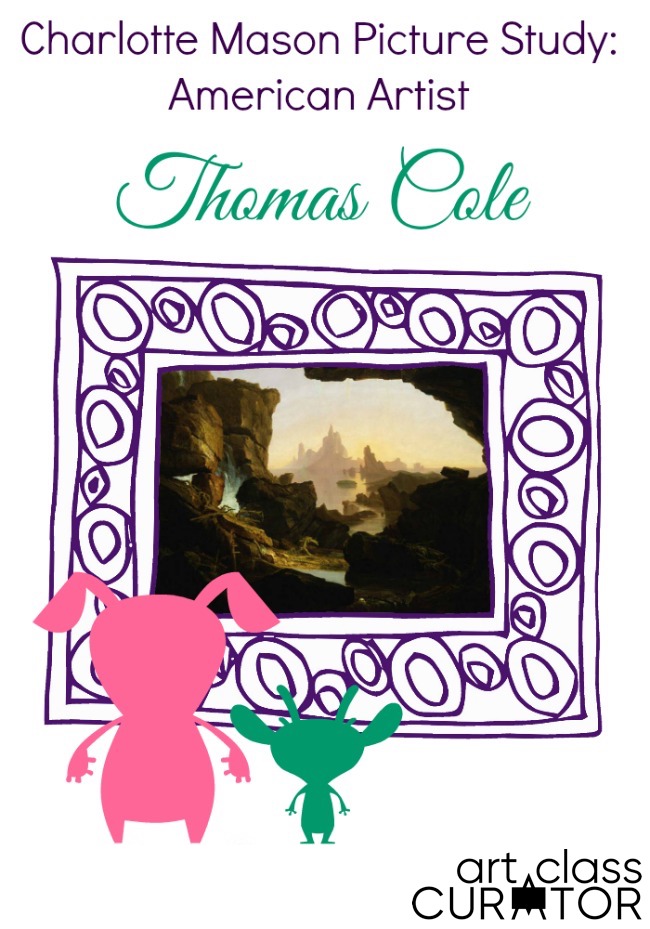
Charlotte Mason Picture Study: Thomas Cole

This is another post in my series about Charlotte Mason’s picture study technique for homeschool art appreciation. Today, I am focusing on another American artist who created breathtaking American landscapes, Thomas Cole.Charlotte Mason Thomas Cole

The following links will help you discuss these works with your children. These works are specifically chosen for the Charlotte Mason Picture Study technique described in the first link.

  • Charlotte Mason’s Picture Study: “Art Study the Easy Way”
  • How to Look at Art with Children

Artist: Thomas Cole (1801-1848)

Thomas Cole, 1845
Thomas Cole, 1845

“Thomas Cole was an American artist. He is regarded as the founder of the Hudson River School, an American art movement that flourished in the mid-19th century. Cole’s Hudson River School, as well as his own work, was known for its realistic and detailed portrayal of American landscape and wilderness, which feature themes of romanticism.” — Wikipedia

Visit thomascole.org and metmuseum.org for more biographical information.


Works included in this Resource:

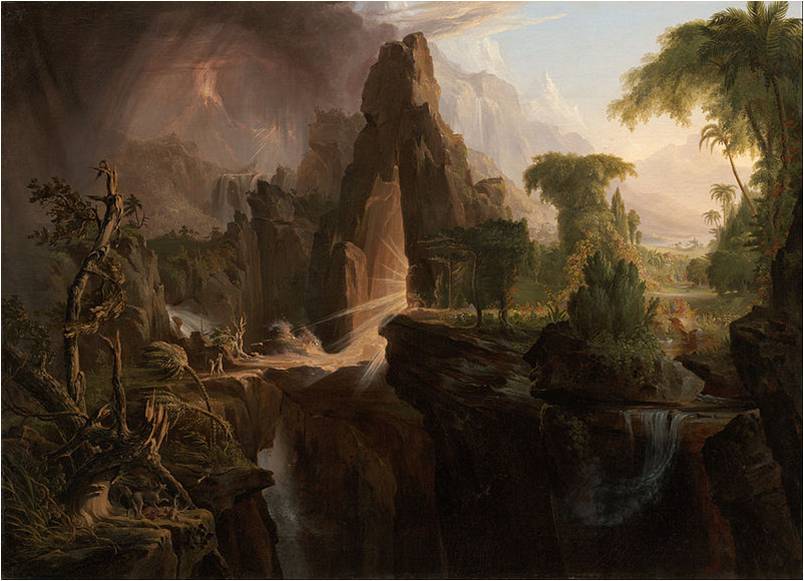
  1. Expulsion from the Garden of Eden, 1828
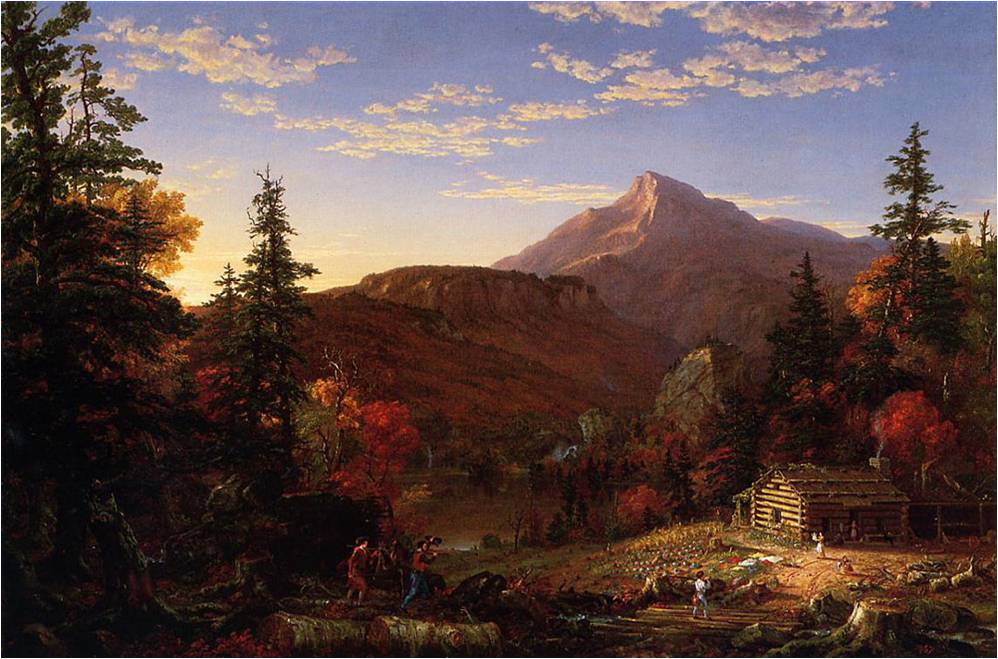
  2. The Hunter’s Return, 1845
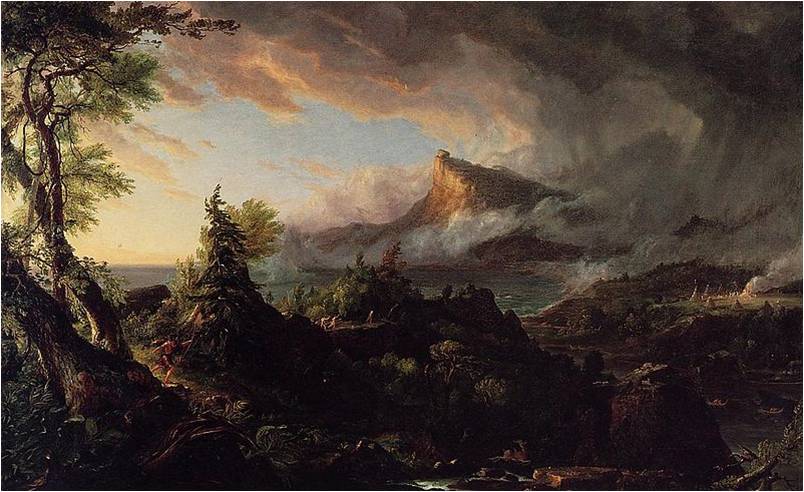
  3.  The Course of Empire: The Savage State, 1836
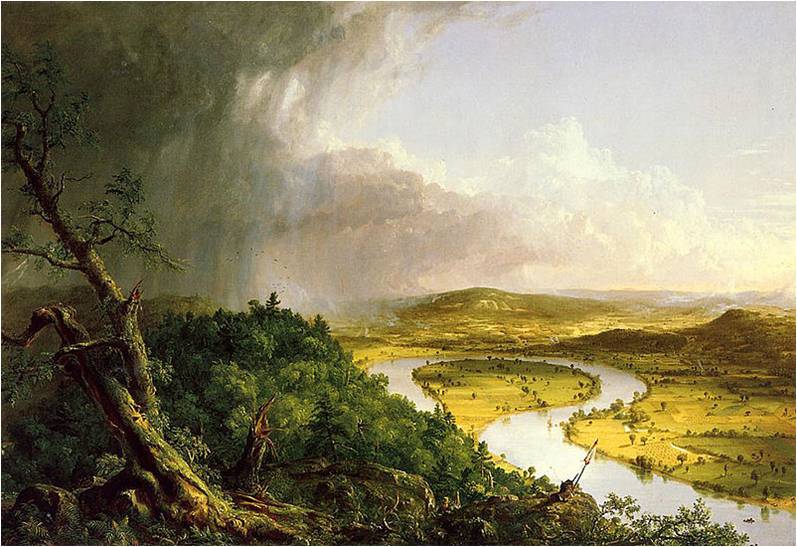
  4. View from Mount Holyoke, Northampton, Massachusetts, after a Thunderstorm—The Oxbow, 1836
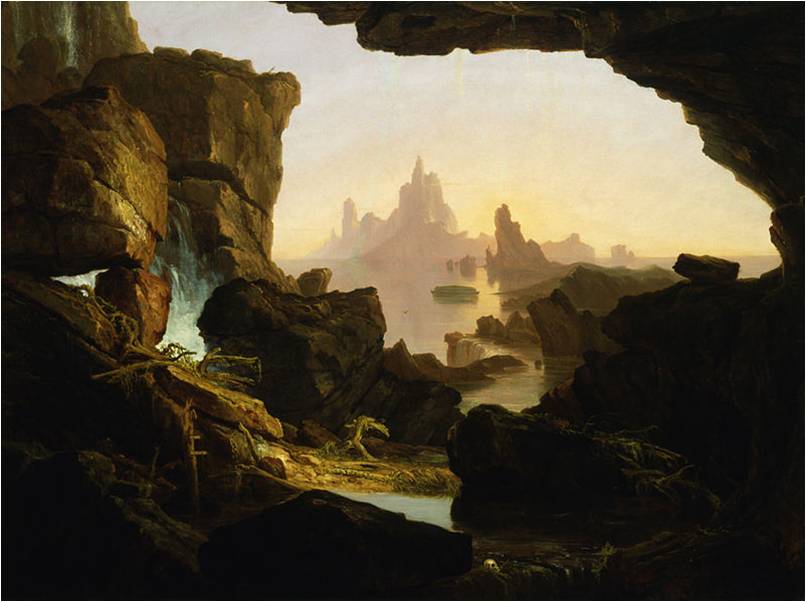
  5. The Subsiding of the Waters of the Deluge, 1829
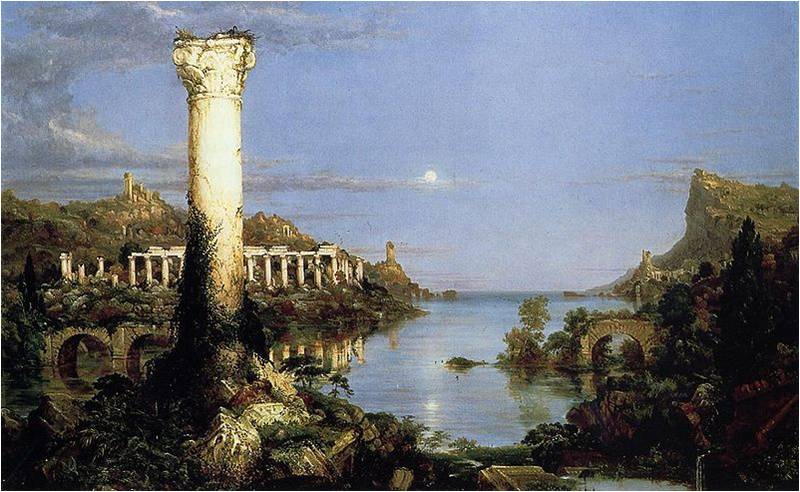
  6. Desolation, 1836

Thomas Cole, Expulsion from the Garden of Eden, 1828

Thomas Cole, The Hunter’s Return, 1845

Thomas Cole, The Course of Empire – The Savage State, 1836

Thomas Cole, View from Mount Holyoke, Northampton, Massachusetts, after a Thunderstorm—The Oxbow, 1836

Thomas Cole, The Subsiding of the Waters of the Deluge, 1829

Thomas Cole, Desolation, 1836


Which one is your favorite painting by this artist? Why? What artist would you like me to cover in future posts?

Filed Under: Art and Artists, Art Connection Activities
Tagged With: thomas cole


June 11, 2014 4 Comments

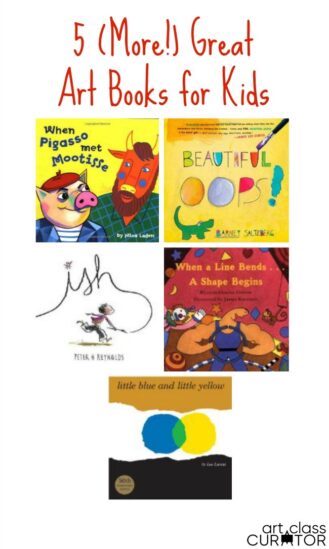
5 More Great Children’s Books About Art

I’m back with more art children’s book recommendations to add on to my previous list. All of these books I either own or have read before. I’ve used all of them in either my classroom or with my own kids. I highly recommend each book on this list!Great Art Books for Kids

Please note, this post includes Amazon affiliate links. As an Amazon Associate I earn from qualifying purchases.


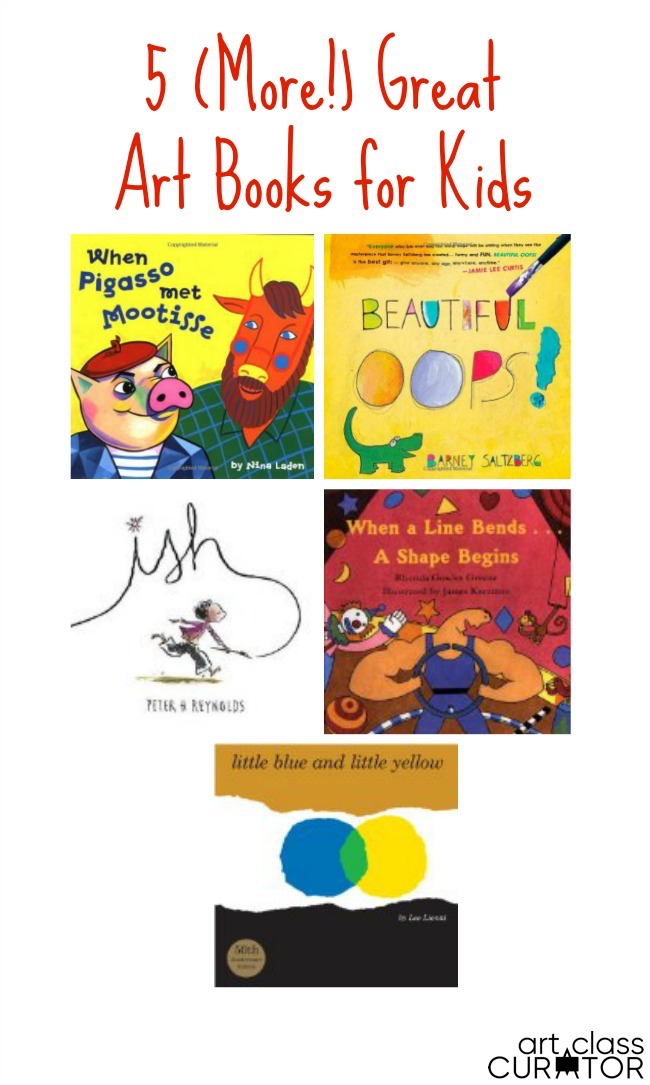
beautiful oops by barney saltzberg homeschool artBeautiful Oops! by Barney Saltzberg
“A life lesson that all parents want their children to learn: It’s OK to make a mistake. In fact, hooray for mistakes! A mistake is an adventure in creativity, a portal of discovery. A spill doesn’t ruin a drawing—not when it becomes the shape of a goofy animal. And an accidental tear in your paper? Don’t be upset about it when you can turn it into the roaring mouth of an alligator.” — Amazon.com


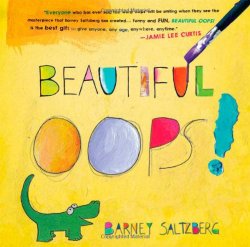
Little Blue and Little Yellow by Leo Leonni homeschool artLittle Blue and Little Yellow by Leo Leonni
“Little Blue and Little Yellow are best friends, but one day they can’t find each other. When they finally do, they give each other such a big hug that they turn green! How they find their true colors again concludes a wonderfully satisfying story told with colorful pieces of torn paper and very few words.” — Amazon.com


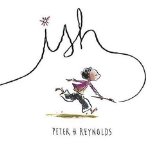
ish by peter h. reynolds homeschool artIsh by Peter H. Reynolds
“Drawing is what Ramon does. It¹s what makes him happy. But in one split second, all that changes. A single reckless remark by Ramon’s older brother, Leon, turns Ramon’s carefree sketches into joyless struggles. Luckily for Ramon, though, his little sister, Marisol, sees the world differently. She opens his eyes to something a lot more valuable than getting things just ‘right.'” — Amazon.com


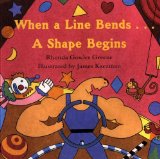
When a Line Bends . . . A Shape Begins by Rhonda Gowler Greene homeschool artWhen a Line Bends . . . A Shape Begins by Rhonda Gowler Greene
“A line is thin. A line is narrow—curved like a worm, straight as an arrow. Squares, circles, triangles, and many more shapes abound in this lively book. With jaunty, rhyming text, young readers are invited to find different shapes on each busy, vibrant page. Once you start looking, you won’t be able to stop! The perfect book for little ones beginning to distinguish shapes.” — Amazon.com


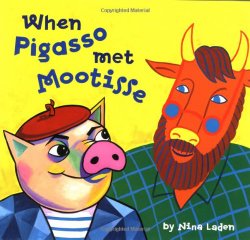
When Pigasso Met Mootisse by Nina Laden homeschool artWhen Pigasso Met Mootisse by Nina Laden
“When Pigasso met Mootisse, what begins as a neighborly overture escalates into a mess. Before you can say paint-by-numbers, the two artists become fierce rivals, calling each other names and ultimately building a fence between them. But when the two painters paint opposite sides of the fence that divides them, they unknowingly create a modern art masterpiece, and learn it is their friendship that is the true work of art.” — Amazon.com


Filed Under: Downloads and Resources
Tagged With: henri matisse, pablo picasso


June 2, 2014 Leave a Comment

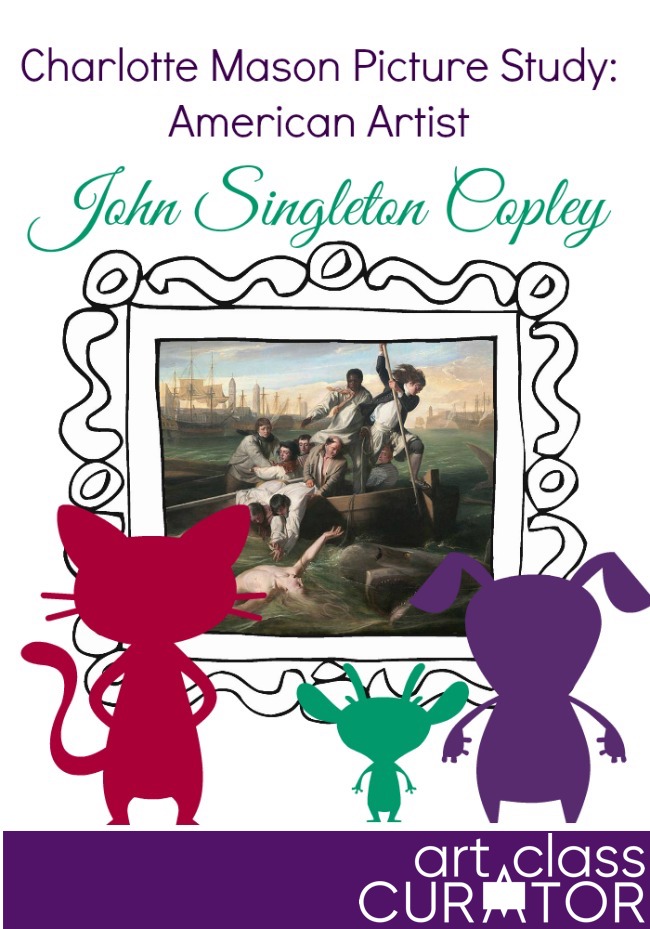
Charlotte Mason Picture Study: John Singleton Copley

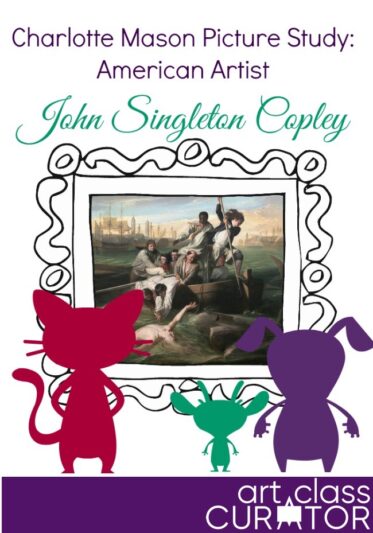
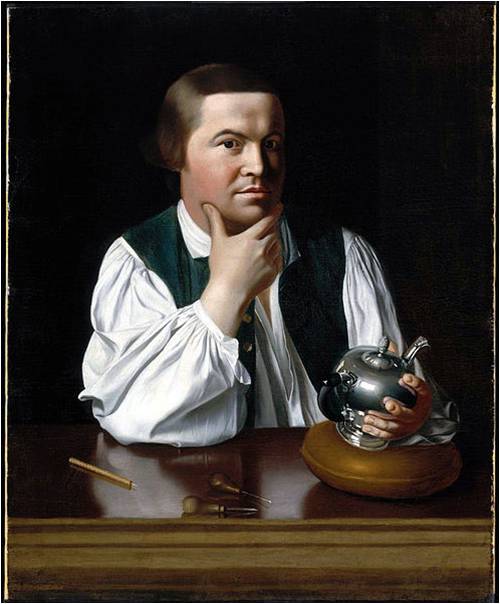
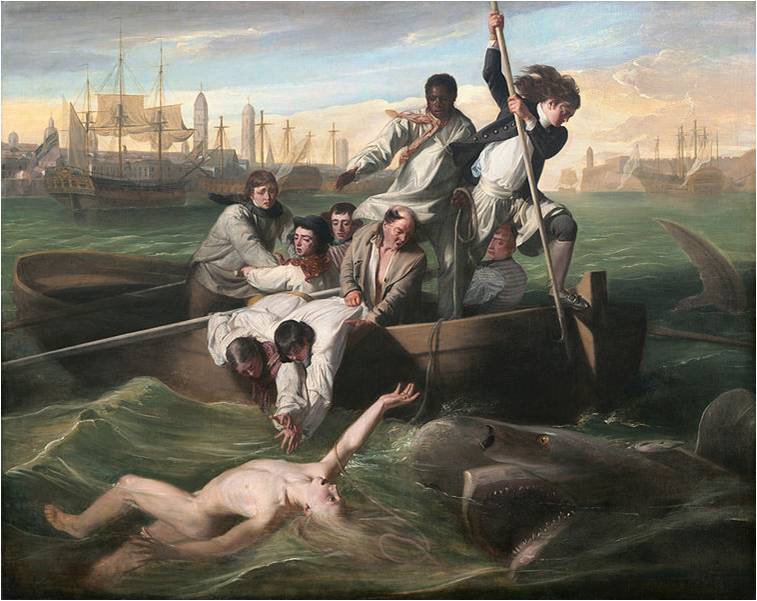
This is another post in my series about Charlotte Mason’s picture study technique for homeschool art appreciation. Today, I am focusing on another American artist, John Singleton Copley. He made one of my favorite works of all time–Watson and the Shark (see below)! He is a portrait artist around the time of the American Revolution. His Portrait of Paul Revere is simply amazing.Charlotte Mason John Singleton Copley

The following links will help you discuss these works with your children. These works are specifically chosen for the Charlotte Mason Picture Study technique described in the first link.

  • Charlotte Mason’s Picture Study: “Art Study the Easy Way”
  • How to Look at Art with Children

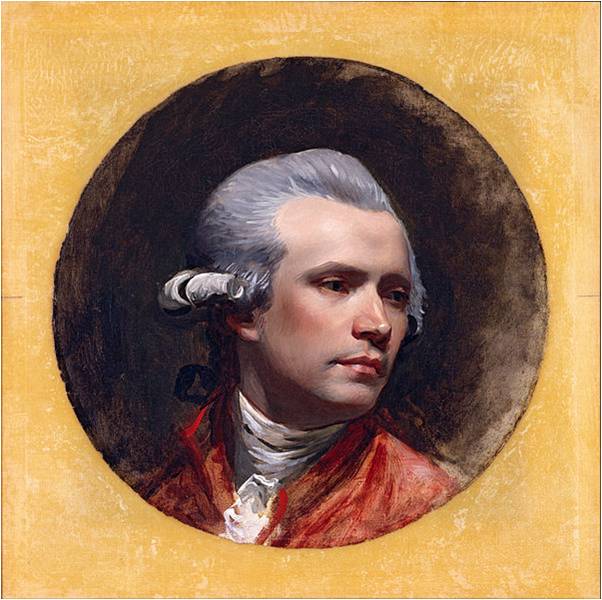
Artist: John Singleton Copley (1738–1815)

John Singleton Copley, Self-Portrait, 1780-84

“John Singleton Copley, the foremost artist in colonial America, was virtually self-taught as a portraitist. By meticulously recording details, he created powerful characterizations of his Boston sitters. After he emigrated to London in 1774, Copley began to specialize in narrative scenes from history and joined the influential artistic institution, the Royal Academy of Art. Copley demonstrated a genius, in both his American and British periods, for rendering surface textures and capturing emotional immediacy.” – National Gallery of Art

Visit http://www.metmuseum.org/toah/hd/copl/hd_copl.htm for more biographical information.

John Singleton Copley: 100+ American Colonial Paintings** –This is a kindle book for only $4. Even better, it is in the Kindle lending library, so Amazon Prime** members can check it out for free!


Works included in this Resource:

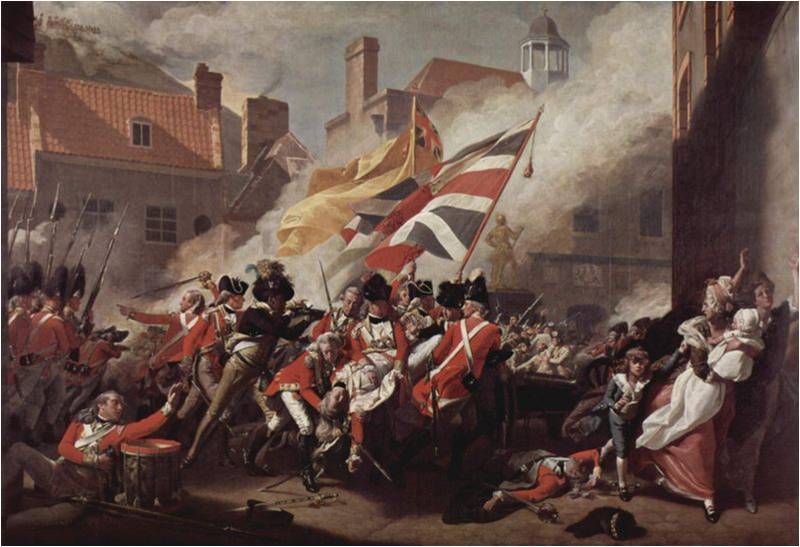
  1. The Death of Major Peirson, 1783
  2. Portrait of Paul Revere, 1768
  3. Watson and the Shark, 1778
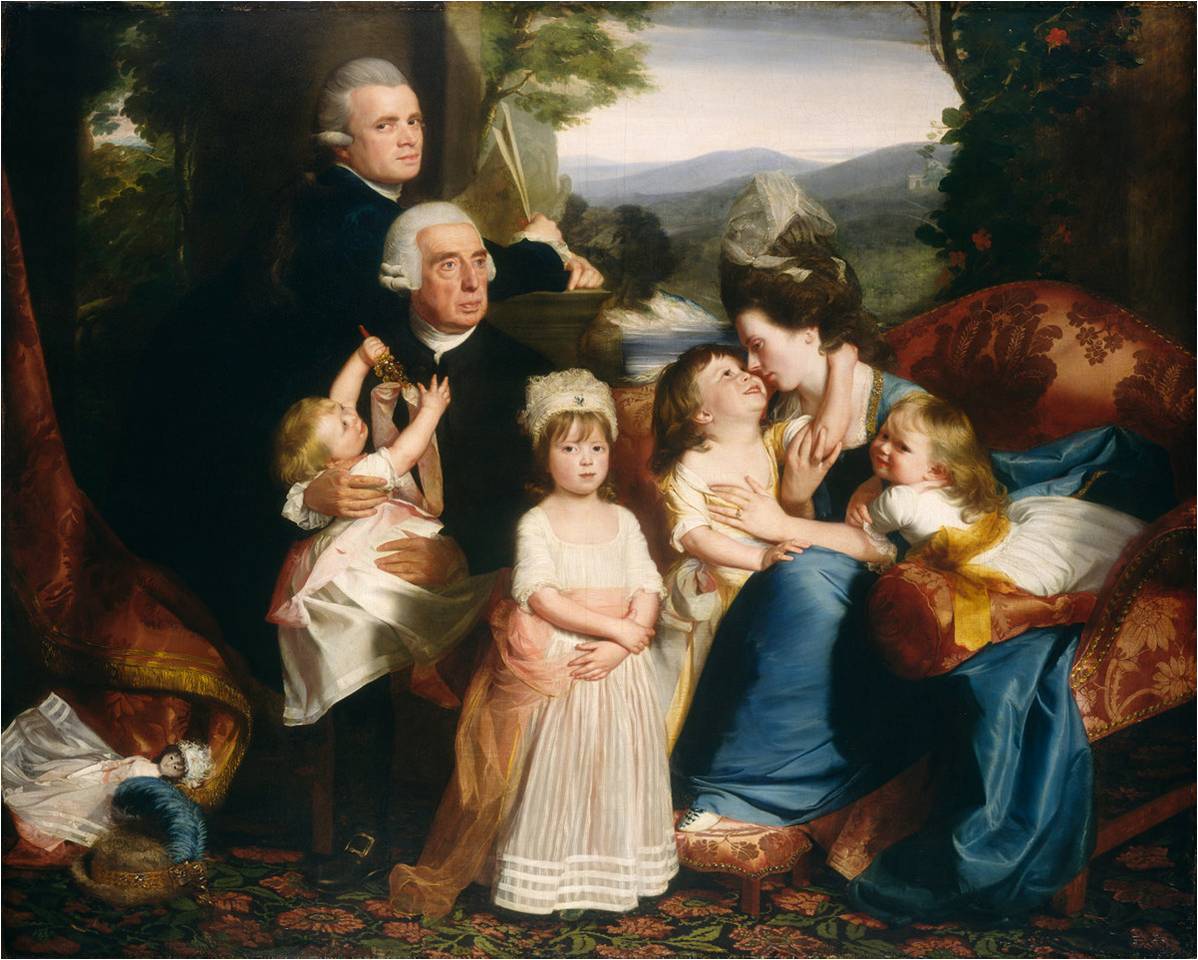
  4. The Copley Family, 1776-77 94
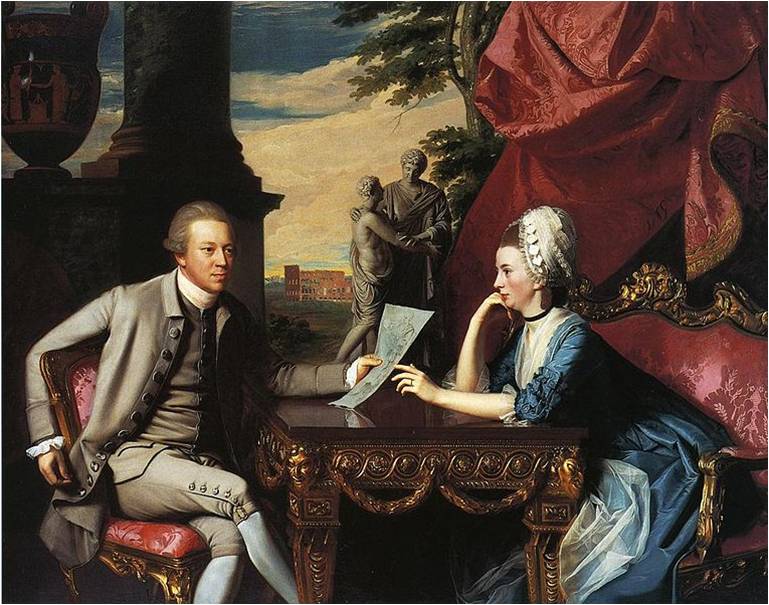
  5. Mr. and Mrs. Ralph Izard, 1775
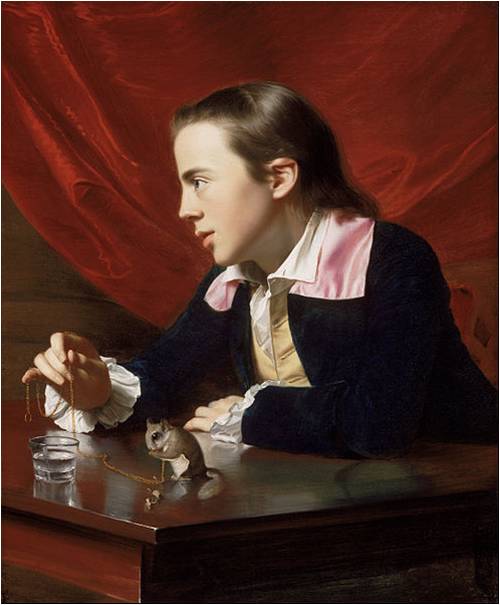
  6. A Boy with a Flying Squirrel, 1765

The Art Curator for Kids - Charlotte Mason Picture Study - John Singleton Copley, The Death of Major Peirson, 1783
John Singleton Copley, The Death of Major Peirson, 1783 

Two Muses Homeschool Art - Charlotte Mason Picture Study - John Singleton Copley, Portrait of Paul Revere, 1768
John Singleton Copley, Portrait of Paul Revere, 1768

Two Muses Homeschool Art - Charlotte Mason Picture Study - John Singleton Copley, Watson and the Shark, 1778
John Singleton Copley, Watson and the Shark, 1778 

John Singleton Copley, The Copley Family, 1776-77

John Singleton Copley, Mr. and Mrs. Ralph Izard, 1775

Two Muses Homeschool Art - Charlotte Mason Picture Study - John Singleton Copley, A Boy with a Flying Squirrel, 1765
John Singleton Copley, A Boy with a Flying Squirrel, 1765


Which one is your favorite painting by this artist? Why? What artist would you like me to cover in future posts?

Filed Under: Art and Artists, Art Connection Activities
Tagged With: john singleton copley


May 23, 2014 16 Comments

Charlotte Mason Picture Study: Henry Ossawa Tanner

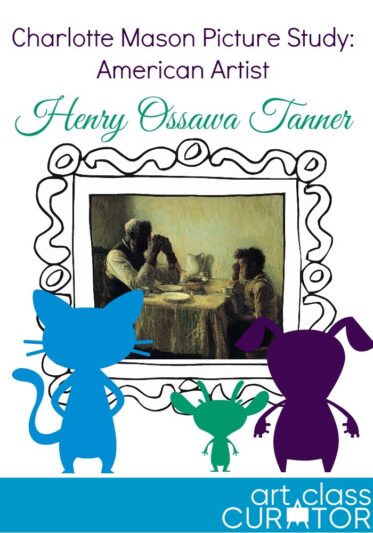
Charlotte Mason Henry Ossawa Tanner

On Monday, I wrote a post about Charlotte Mason’s picture study technique for homeschool art appreciation. Today, I thought I would further the resources on this topic and do some of the art finding and selecting for you. I plan on creating several posts with several suggestions of artists and artworks for this activity. First, I decided I would start with a year of American Art–6 artists with 6 artworks each. Then as I was preparing it all, I realized the post would be way too massive! So, we will do one artist at a time. The first is African-American artist Henry Ossawa Tanner.

The following links will help you discuss these works with your children. These works are specifically chosen for the Charlotte Mason Picture Study technique described in the first link.

  • Charlotte Mason’s Picture Study: An Easy Way to Introduce Art to Your Kids
  • How to Look at Art with Children
  • Free Art Appreciation Printable Worksheet Bundle

Free Worksheets

8 Free Art Appreciation Worksheets

includes the Elements & Principles!

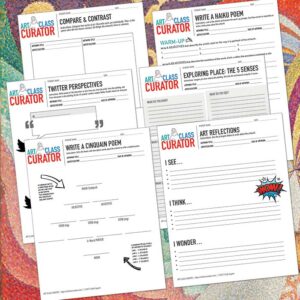
Download 8 Free Art Appreciation Worksheets – including 2 Elements and Principles pages! Activities designed to work with almost any work of art. Help your students connect with art while having fun!

Download

Free Worksheets

8 Free Art Appreciation Worksheets

includes the Elements & Principles!

Download 8 Free Art Appreciation Worksheets – including 2 Elements and Principles pages! Activities designed to work with almost any work of art. Help your students connect with art while having fun!

Artist: Henry Ossawa Tanner (1859-1937)

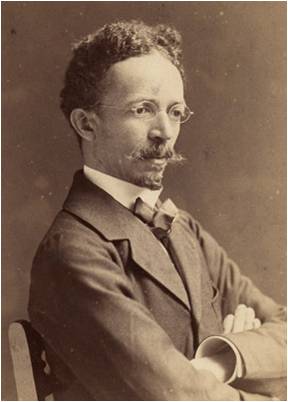
Frederick Gutekunst, Portrait of Henry Ossawa Tanner, 1907

“One of the first African-American artists to achieve a reputation in both America and Europe, Henry Ossawa Tanner worked in the Naturalist and genre traditions of American art. Though his work grew increasingly mainstream and allegorical, his early depictions of humble black folk about their daily lives are regarded as classic statements of African-American pride and dignity.” — PBS. Visit http://www.pbs.org/wnet/ihas/icon/tanner.html for more biographical information.

Children’s Book: Henry Ossawa Tanner: His Boyhood Dream Comes True by Faith Ringgold


Works included in this Resource:

  1. Daniel in the Lions’ Den, 1907–18
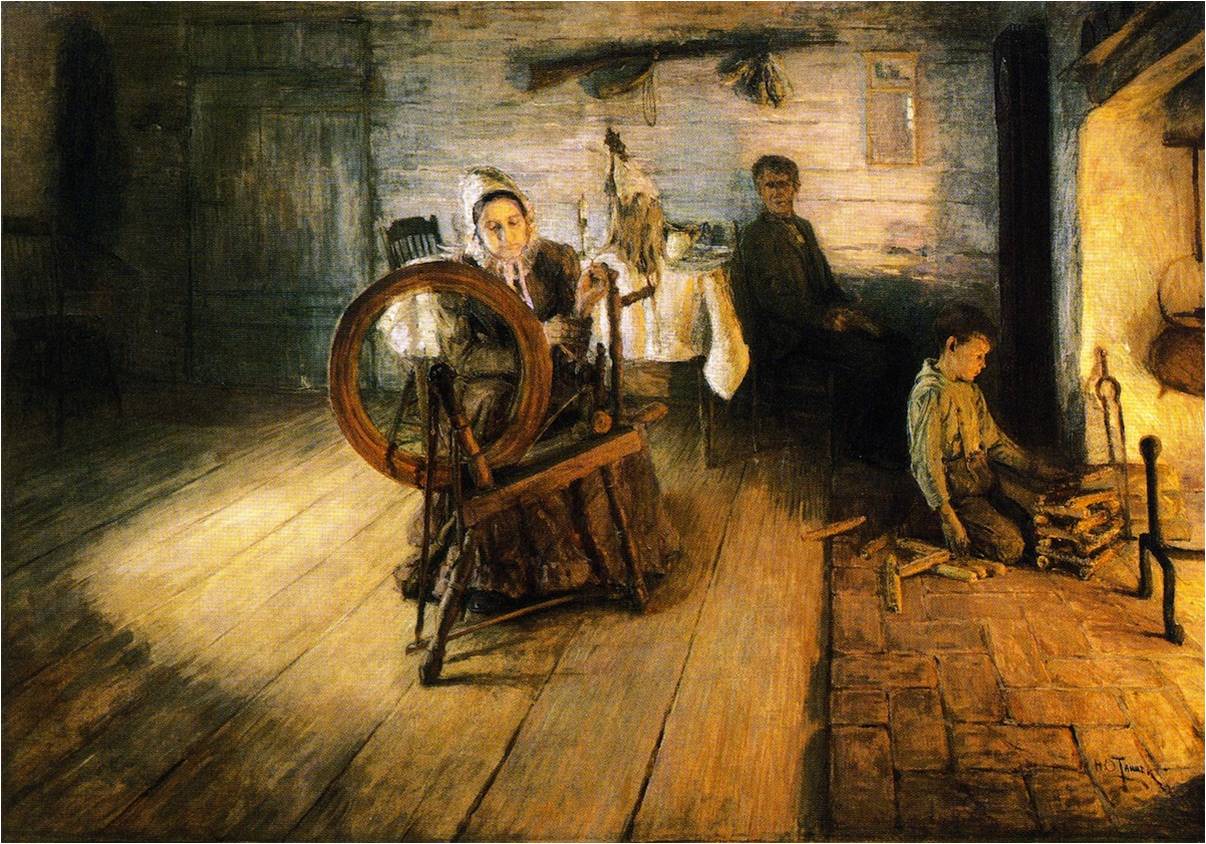
  2. Spinning by Firelight – The Boyhood of George Washington Gray, 1894
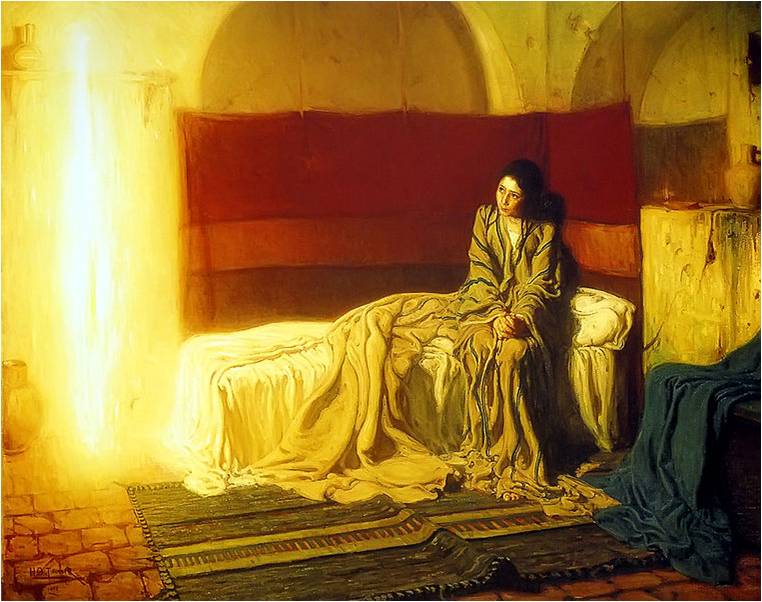
  3. The Annunciation, 1898
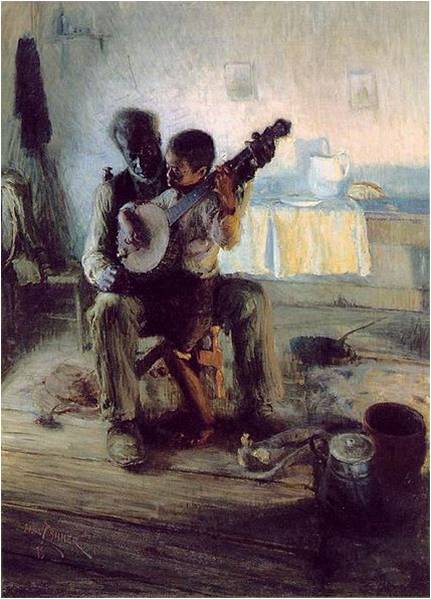
  4. The Banjo Lesson, 1893
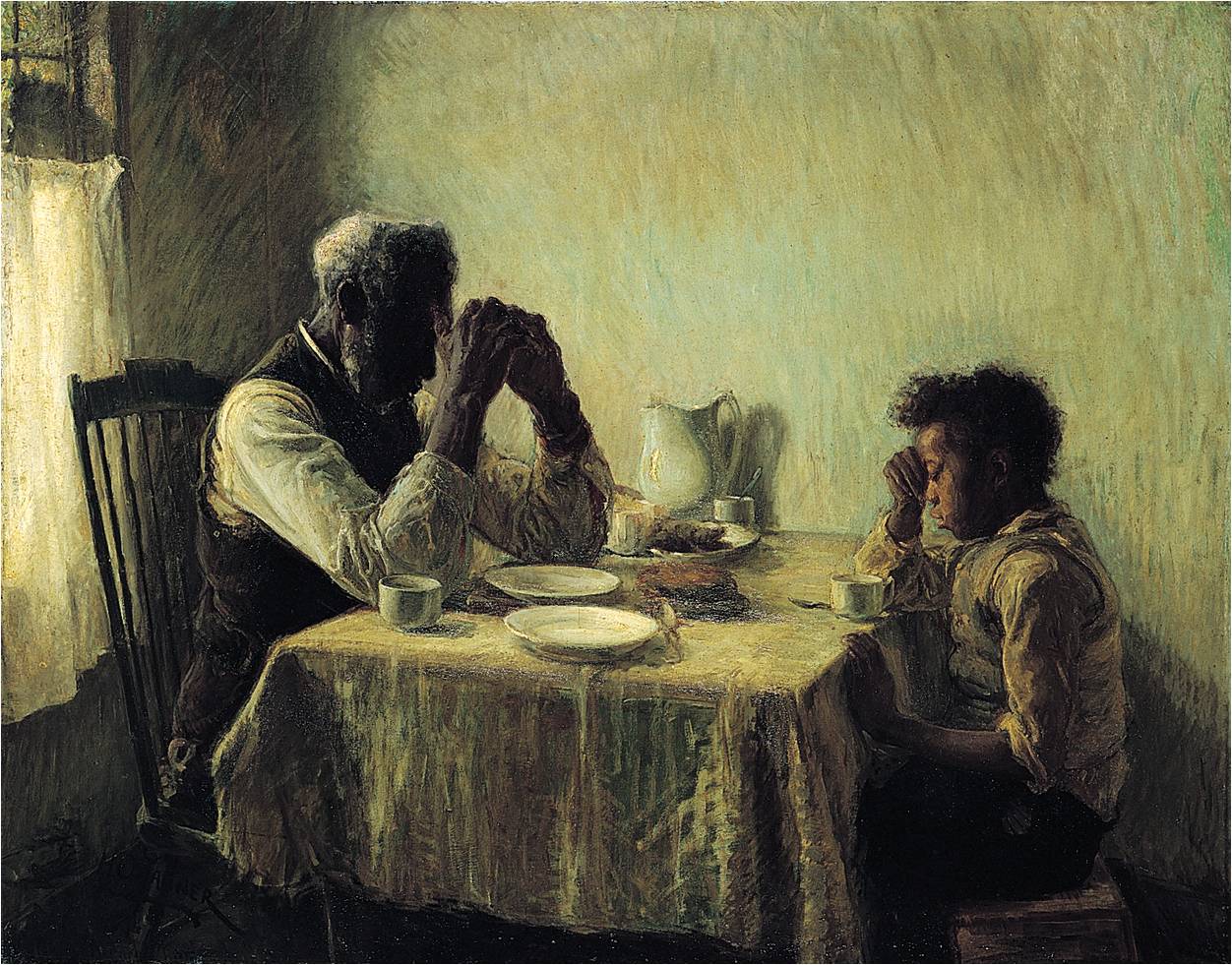
  5. The Thankful Poor, 1894
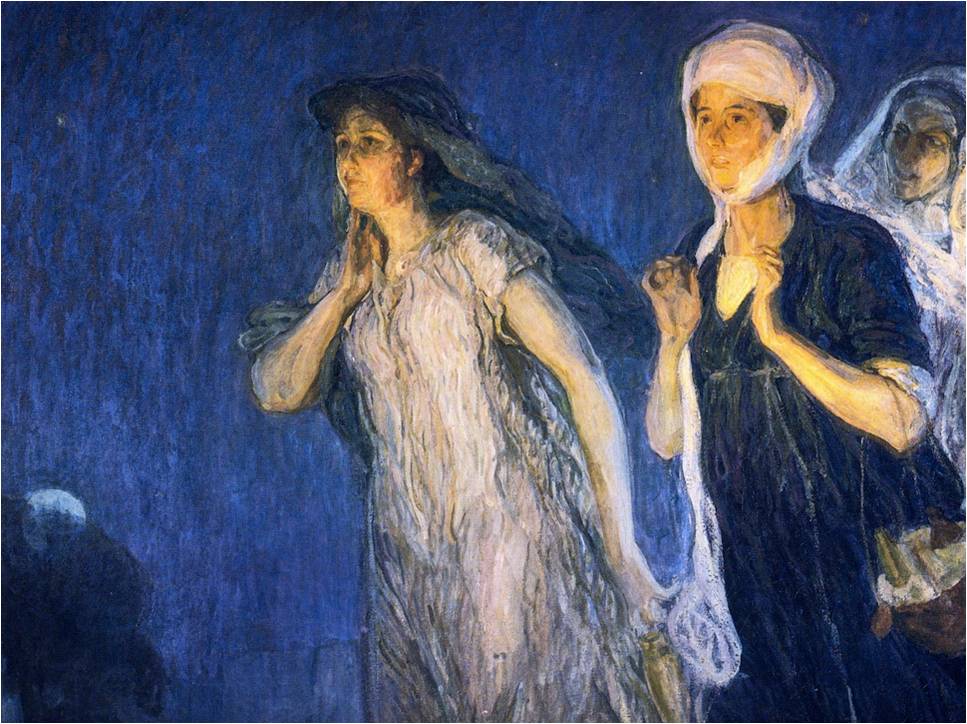
  6. The Three Marys, 1910
Henry Ossawa Tanner, Daniel in the Lions' Den, 1907–18
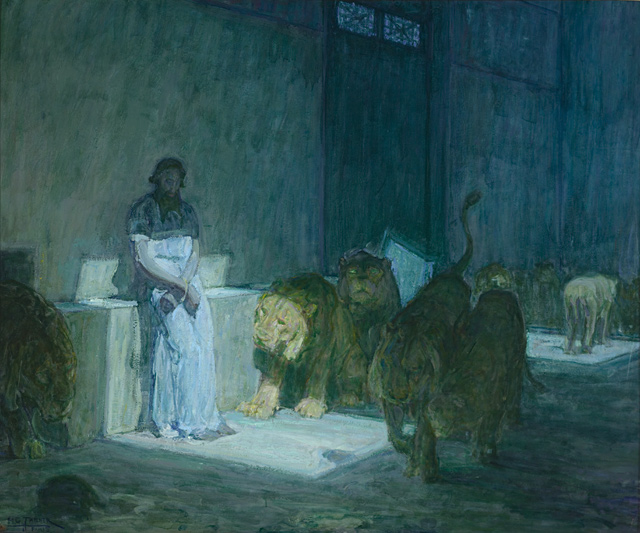
Henry Ossawa Tanner, Daniel in the Lions’ Den, 1907–18
Henry Ossawa Tanner, Spinning by Firelight - The Boyhood of George Washington Gray, 1894
Henry Ossawa Tanner, Spinning by Firelight – The Boyhood of George Washington Gray, 1894
Henry Ossawa Tanner, The Annunciation, 1898
Henry Ossawa Tanner, The Banjo Lesson, 1893, Two Muses Homeschool Art Picture Study
Henry Ossawa Tanner, The Banjo Lesson, 1893
Henry Ossawa Tanner, The Thankful Poor, 1894
Henry Ossawa Tanner, The Three Marys, 1910

Which one is your favorite painting by this artist? Why? What artist would you like me to cover in future posts?

Filed Under: Art and Artists, Art Connection Activities
Tagged With: henry ossawa tanner


  • Previous Page
  • Page 1
  • Interim pages omitted …
  • Page 35
  • Page 36
  • Page 37
  • Page 38
  • Next Page

Primary Sidebar

Hi! I’m Cindy Ingram, the creator of Art Class Curator and The Curated Connections Library

I’m on a mission to revolutionize education with the power of life-changing art connections. Art is not “extra”. Art is essential. We are empowering teachers to bridge the gap between art making and art connection, kindling a passion for art that will transform generations.

More About Me

Free Worksheets!

-Free Bundle of Art Appreciation Worksheets-

In this free bundle of art worksheets, you receive six ready-to-use art worksheets with looking activities designed to work with almost any work of art.

Download

Free Worksheets!

-Free Bundle of Art Appreciation Worksheets-

In this free bundle of art worksheets, you receive six ready-to-use art worksheets with looking activities designed to work with almost any work of art.

Enrollment in Curated Connections Library is currently open. Click here to join. Join our list to get more information and to get a free lesson from the vault! If you are purchasing for a school or school district, head over here for more information.

Check Out What’s New In The Shop

Experience Art: Engaging Art Criticism Discussions and Activities for Teachers and Students of All Ages
Call to Art: An Un-Conference for Art Educators
Curated Connections Library Membership
Perspectives High School Curriculum

More Products

Have You Listened to the Latest Podcast Episode?

Falling for Naudline Pierre’s Evocative Art: A Conversation with Madalyn (Part 2)

More Episodes

Testimonials

I like how this program, unlike other art class resource membership programs, feels authentic. It's like art matters more here, and not fancy flash-in-the-pan trendiness. The goal of Art Class Curator seemed to be helping kids develop a lifelong love and art appreciation versus "Hey, look. I painted this fish."
Erin A.
Your questions are helping me to delve into much deeper learning, and my students are getting better at discussion-and then, making connections in their own work. Art Class Curator is awesome!
Denise W.
Interestingly, my lower performing classes really get engaged in these [lessons] and come away with some profound thoughts!
Melissa G.
I had the most amazing 6th grade class today. They were jumping out of their seats with hands raised just to respond and give input. It was as if I was waving candy in front of them! They saw more and more and the ideas and interpretations unfolded. So cool!!! This is what makes teaching art so wonderful – thank you!!
Caroline G.
I just wanted to thank you for the invaluable resource you have through Art Class Curator. Not only do you have thought provoking activities and discussion prompts, but it saves me so much time in preparing things for myself! I feel like I’ve only scratched the surface with your site.
Maryjane F.

Get Art Inspiration To Your Inbox!

Enter your email address to get regular art inspiration to your inbox
plus a BUNDLE OF 6 FREE WORKSHEETS!
We hate SPAM and promise to keep your email address safe.
Download

Free Worksheets!

*Free Bundle of Art Appreciation Worksheets*

In this free bundle of art worksheets, you receive six ready-to-use art worksheets with looking activities designed to work with almost any work of art.

Copyright © 2026 Ignite Art, LLC DBA Art Class Curator •  All rights reserved  •  Privacy Policy  •  Terms of Service  •  Site Design by Emily White Designs